
Bar Equipment
Setting up a bar is not just about aesthetics—it is about speed, efficiency, and consistency behind the counter. The right bar equipment directly impacts how quickly drinks are served, how well ingredients are stored, and ultimately how profitable your operation becomes. Whether you are opening a new bar, upgrading an existing setup, or adding a bar section to your restaurant, choosing the right equipment is a critical investment.
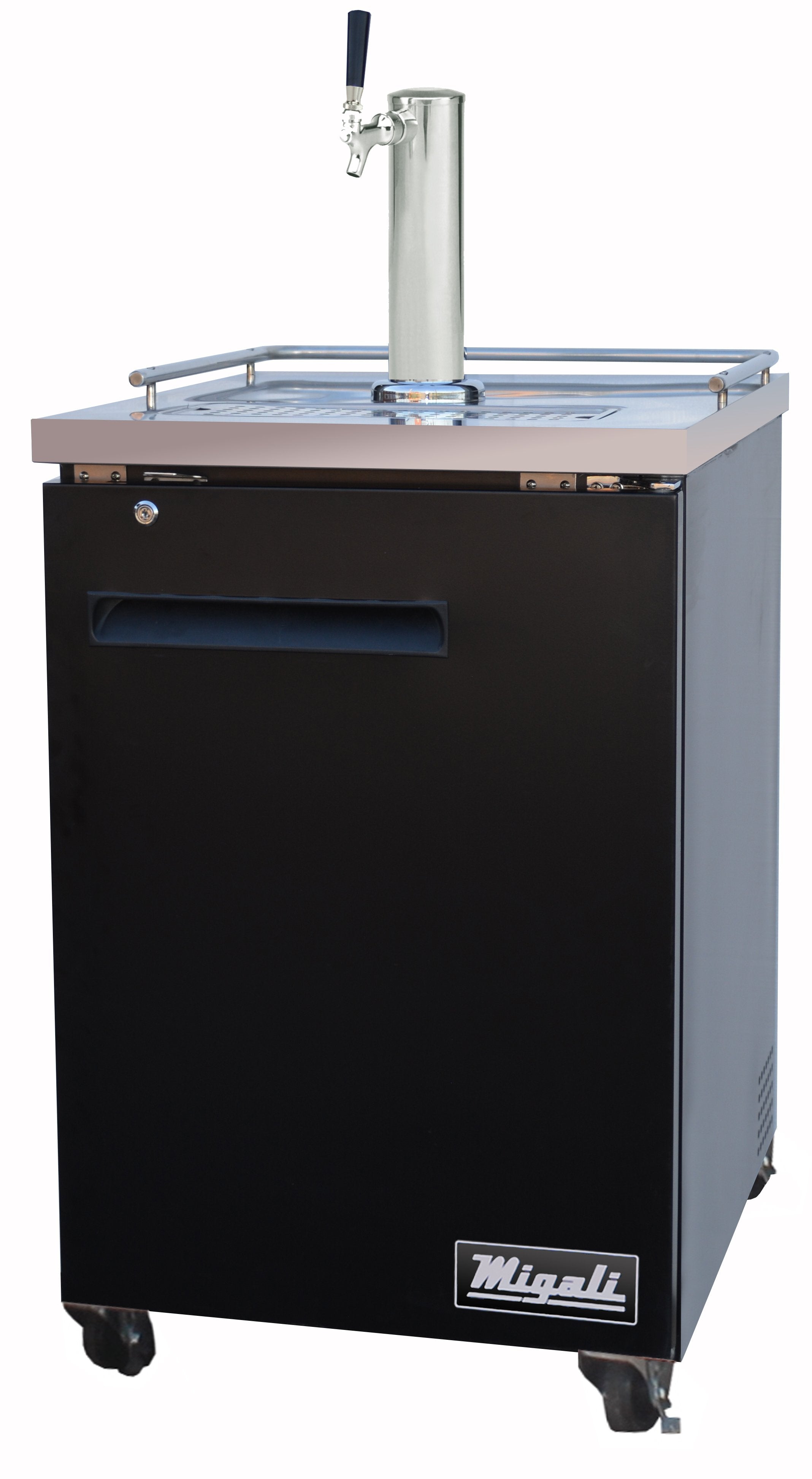
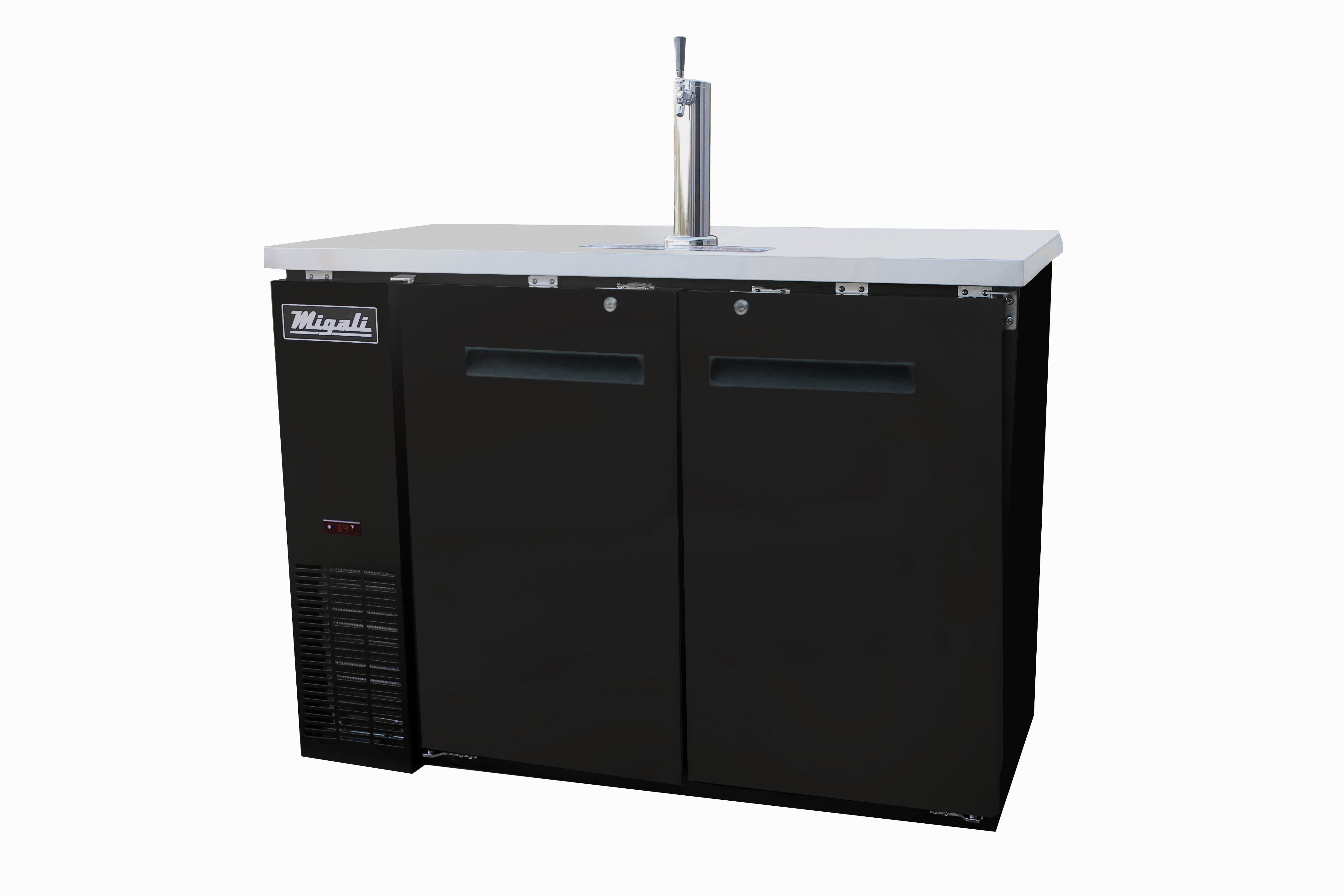
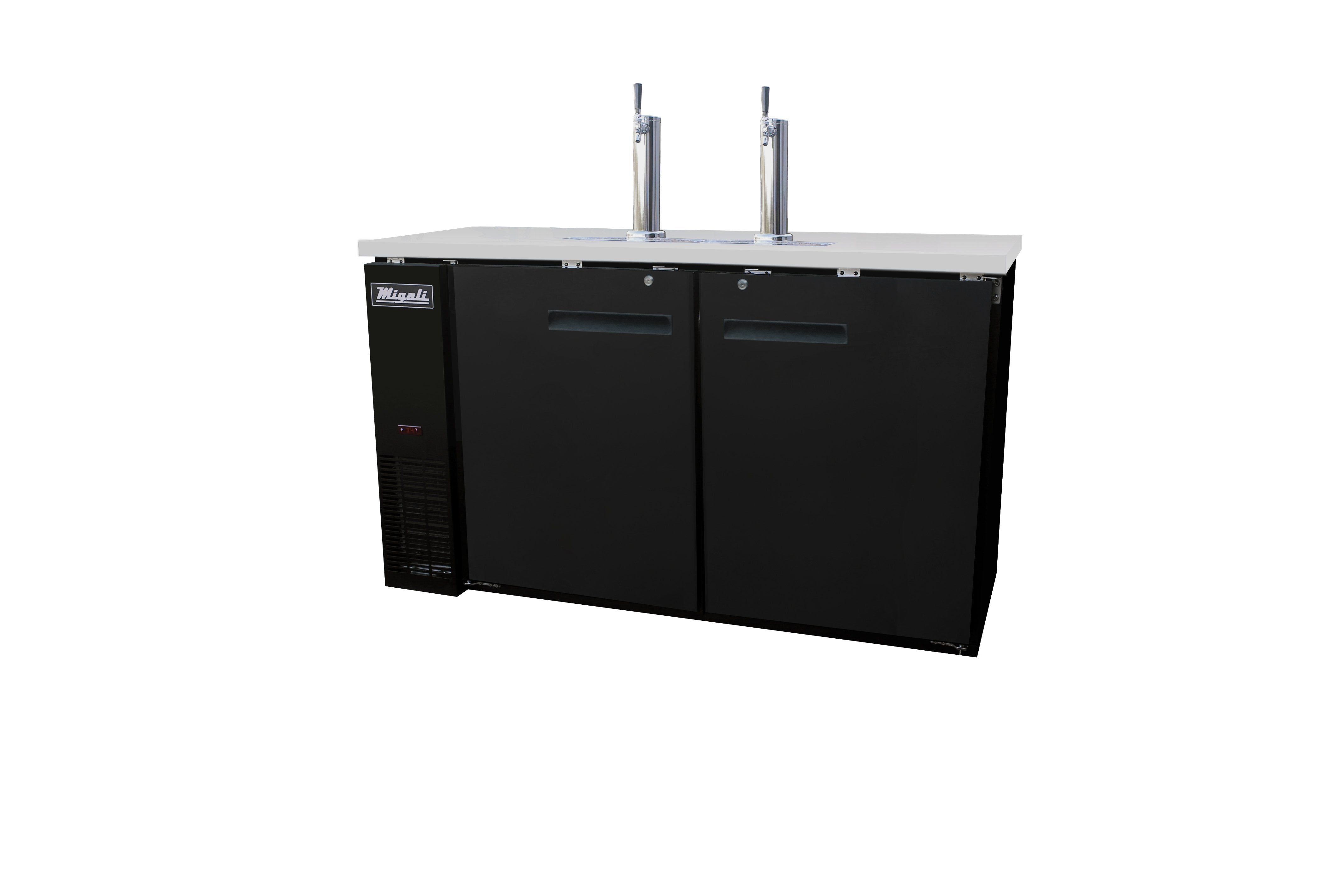
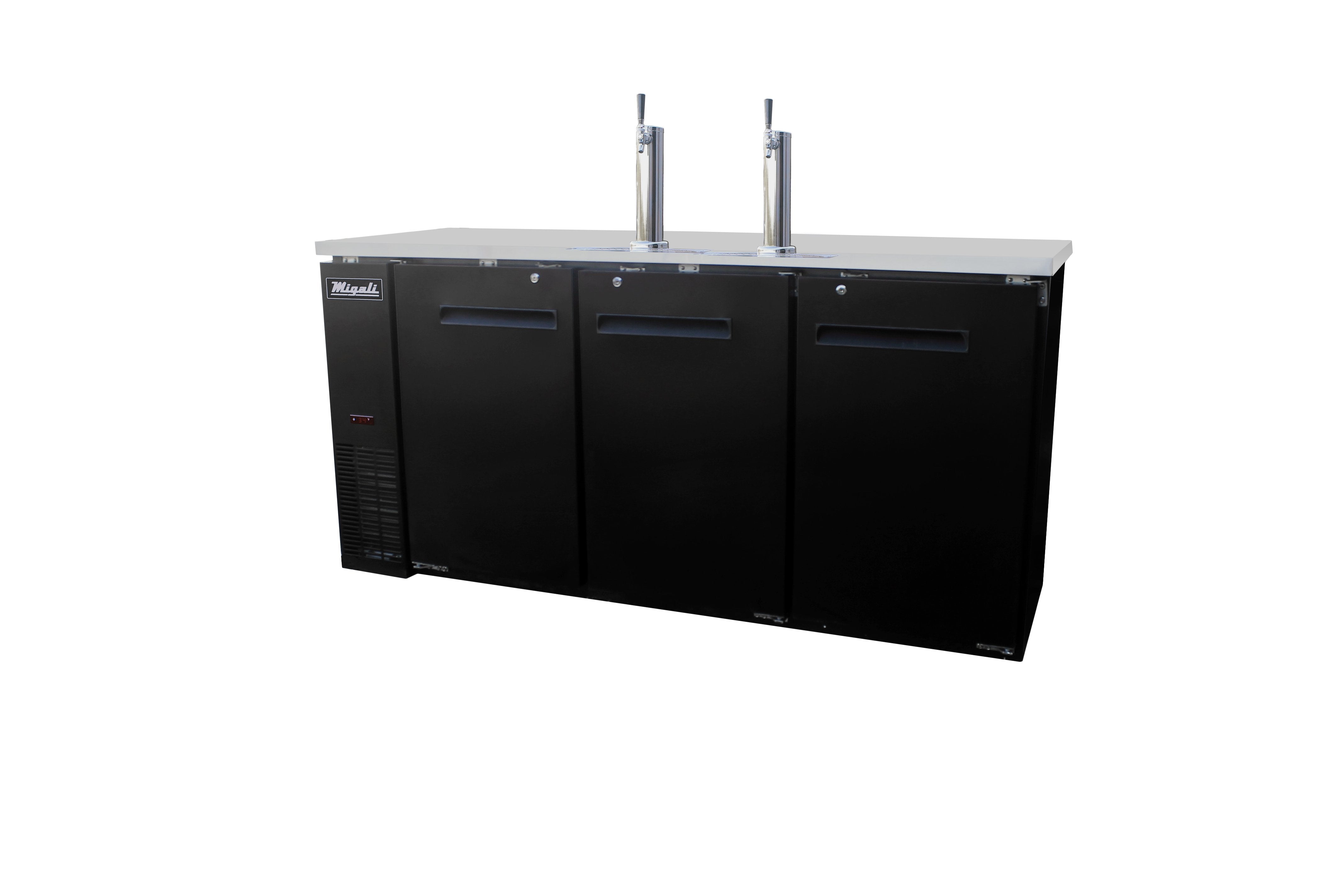
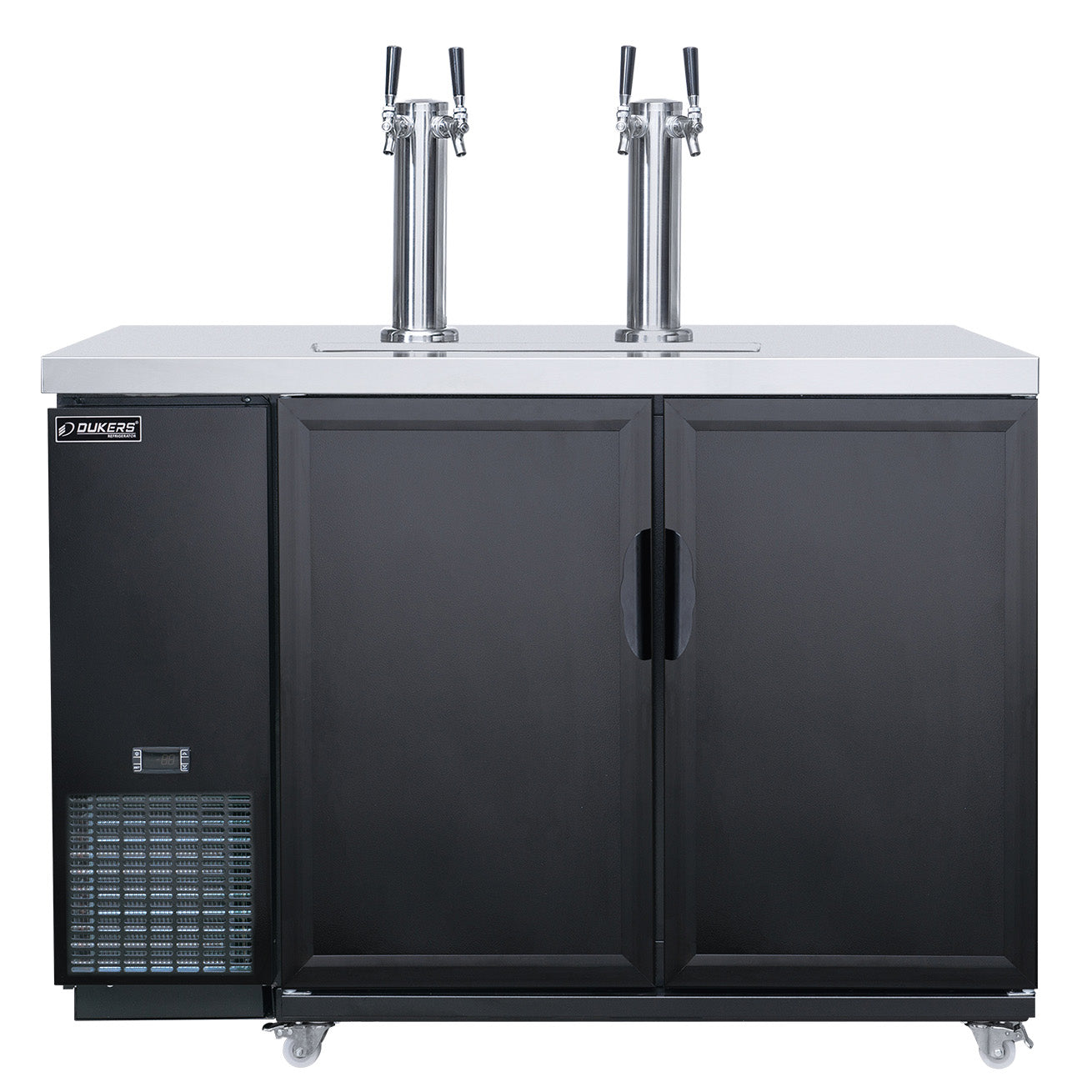
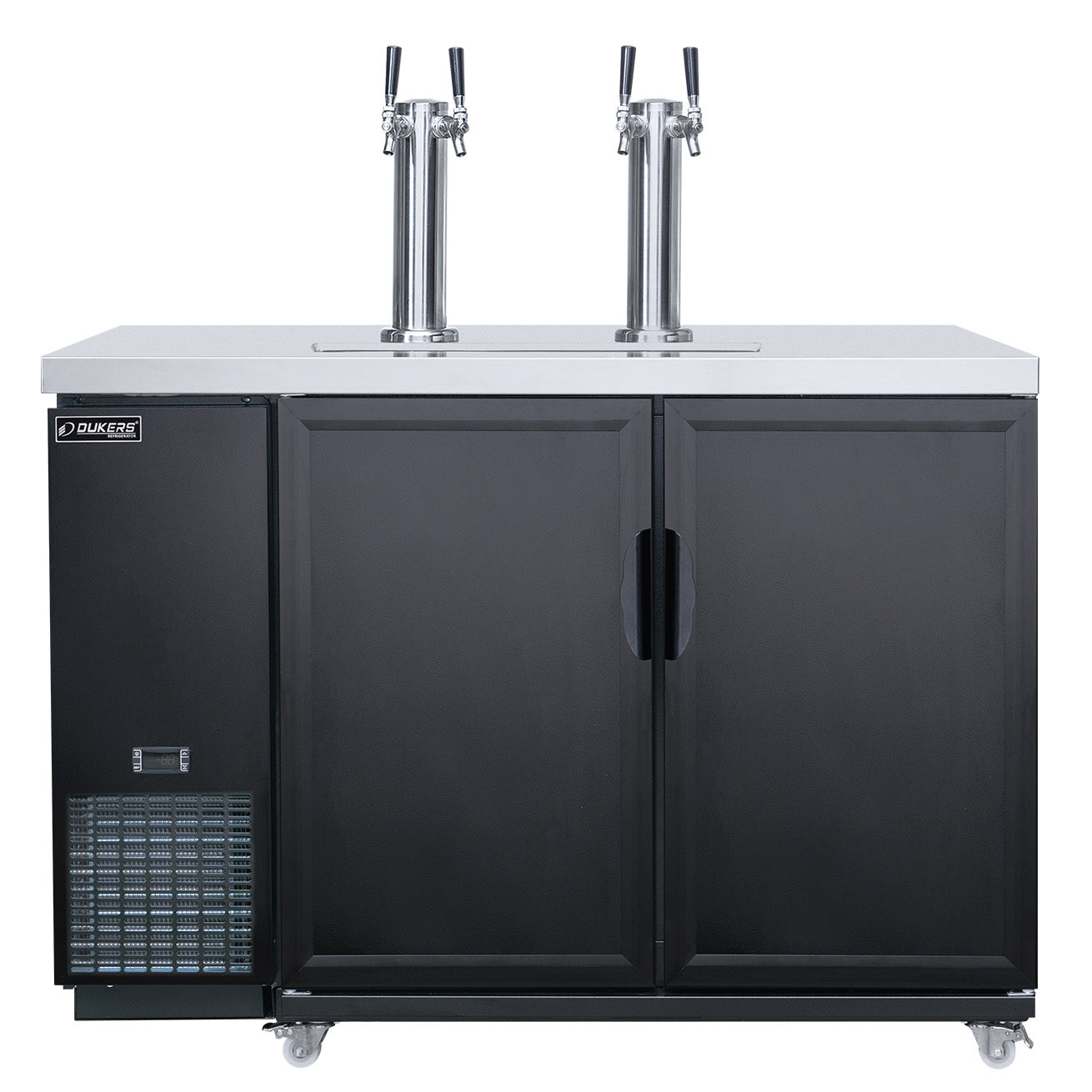
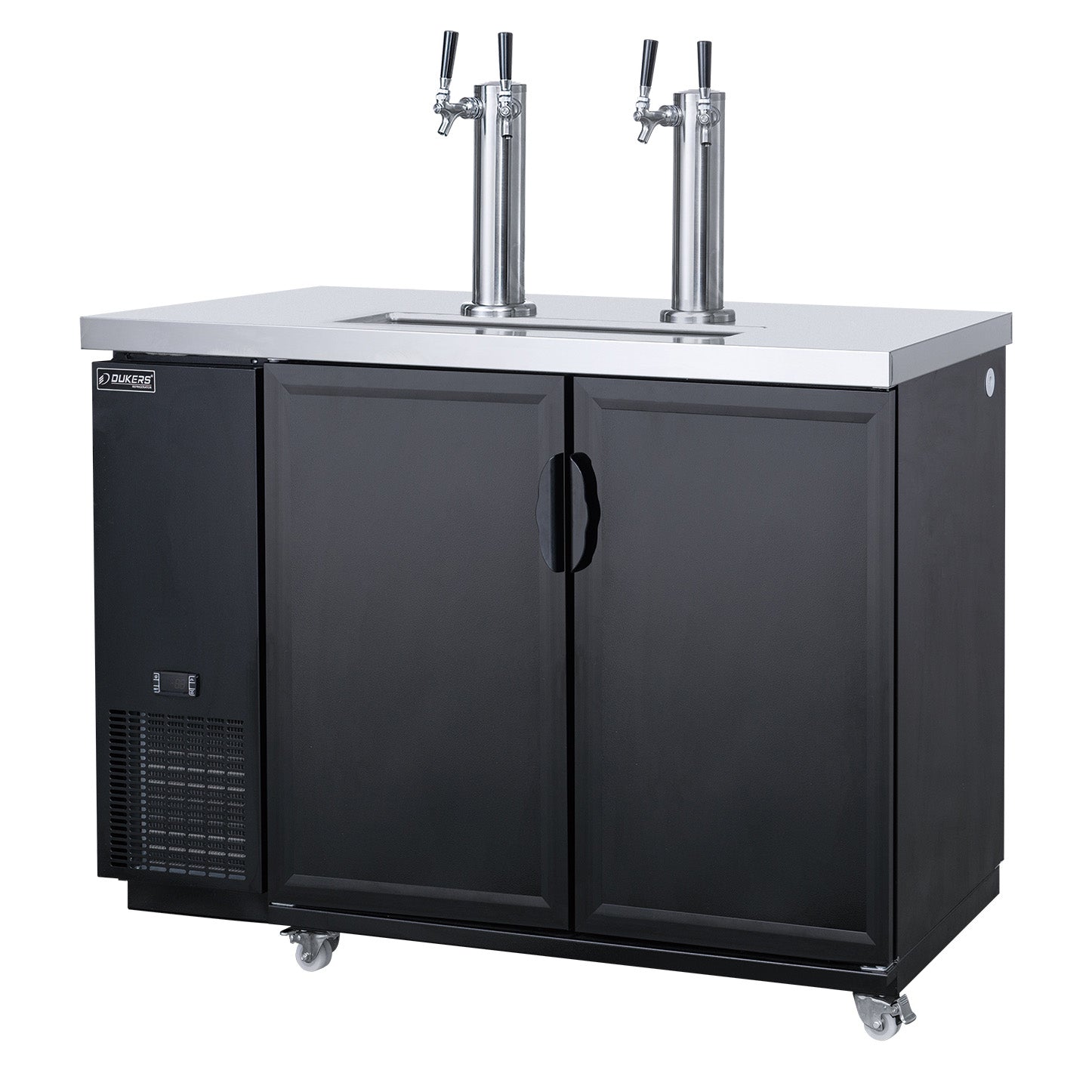
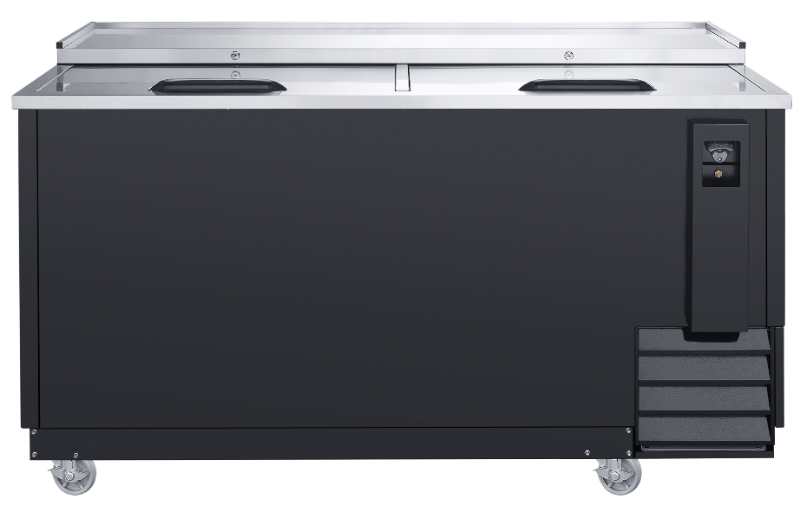
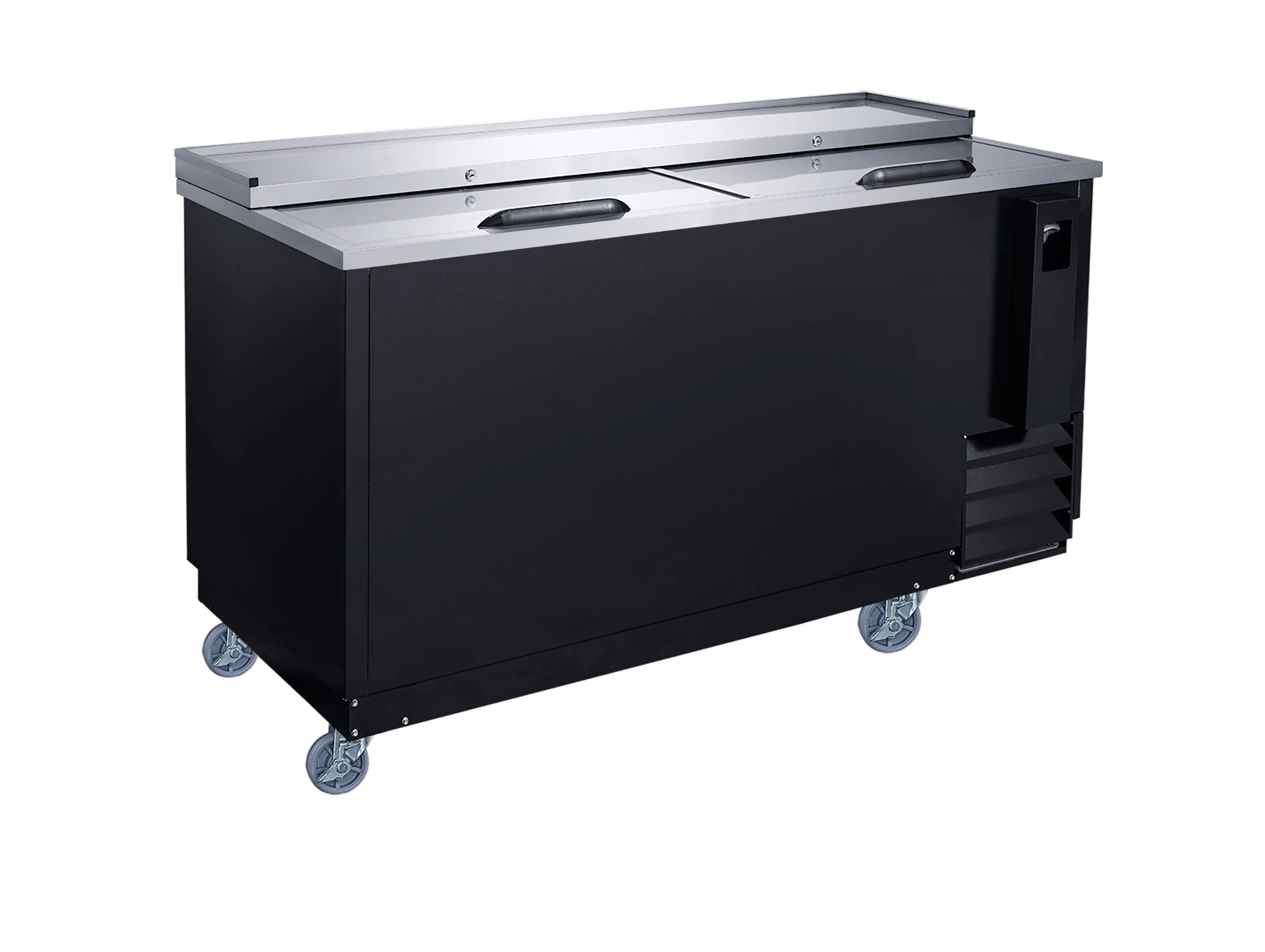
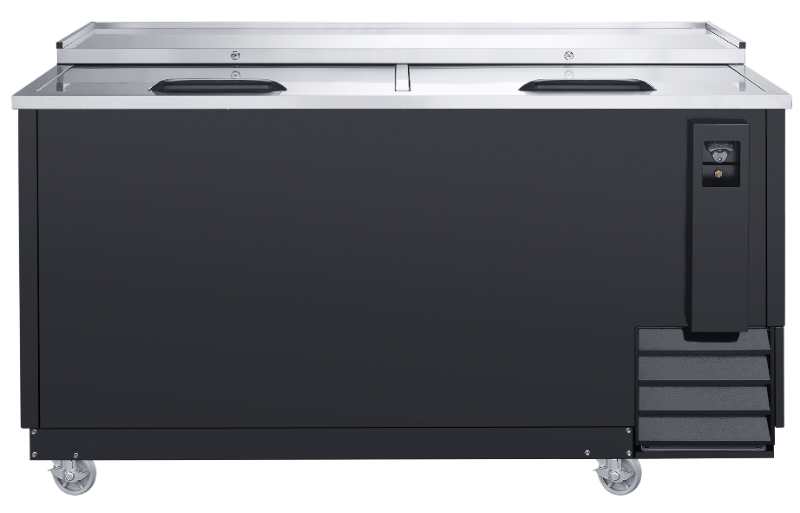
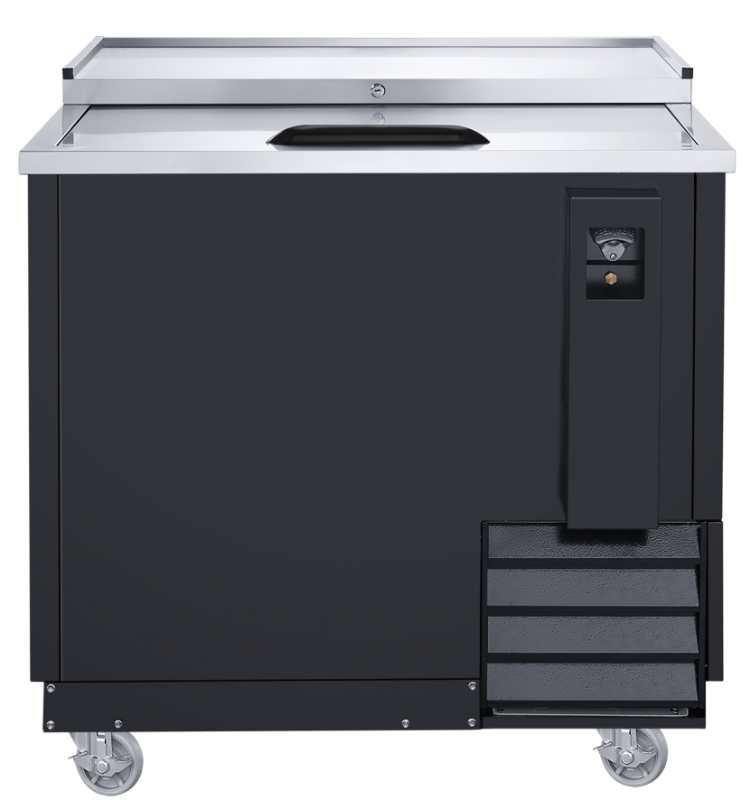
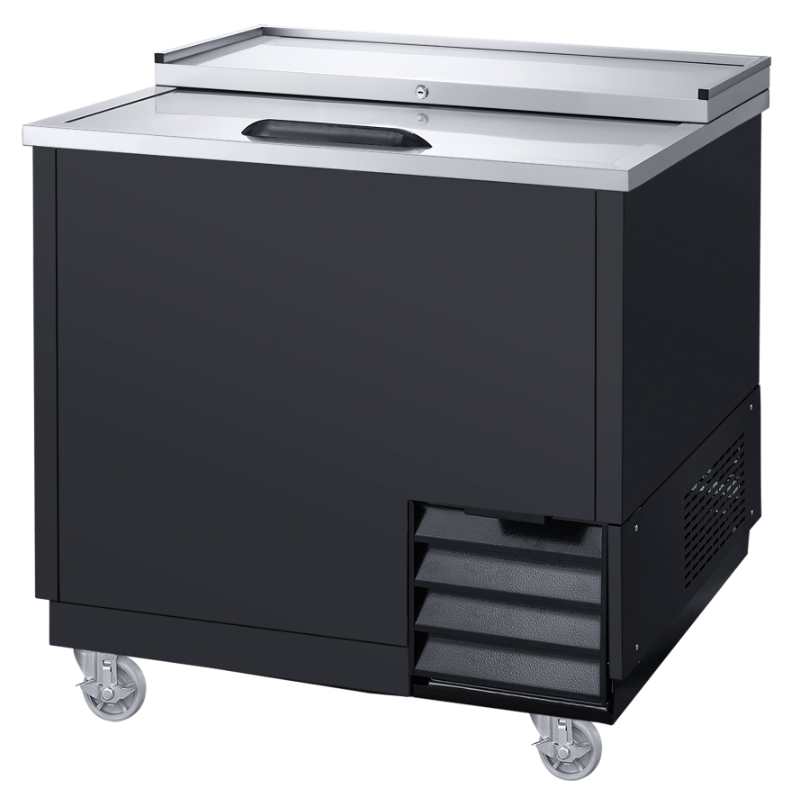
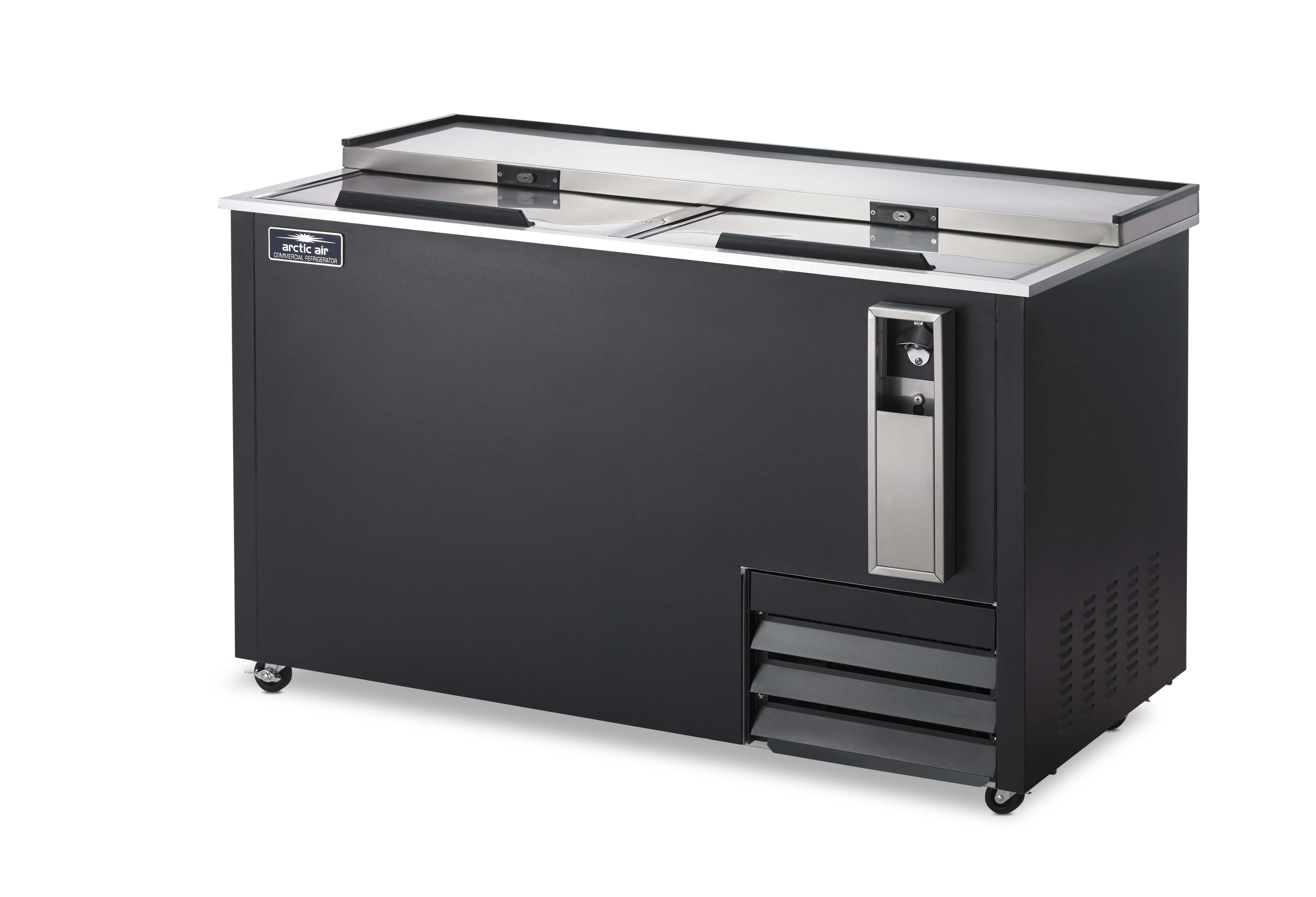
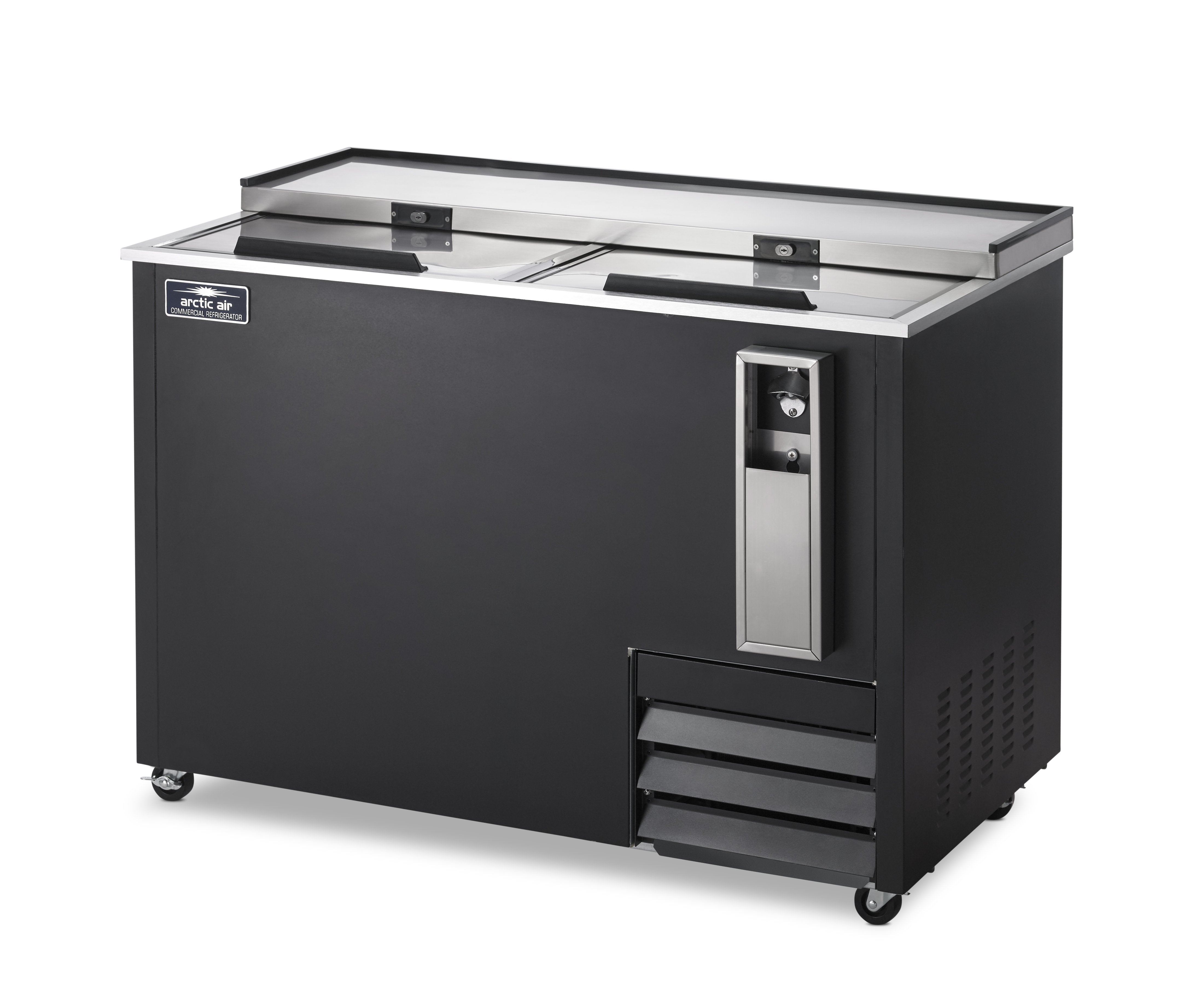
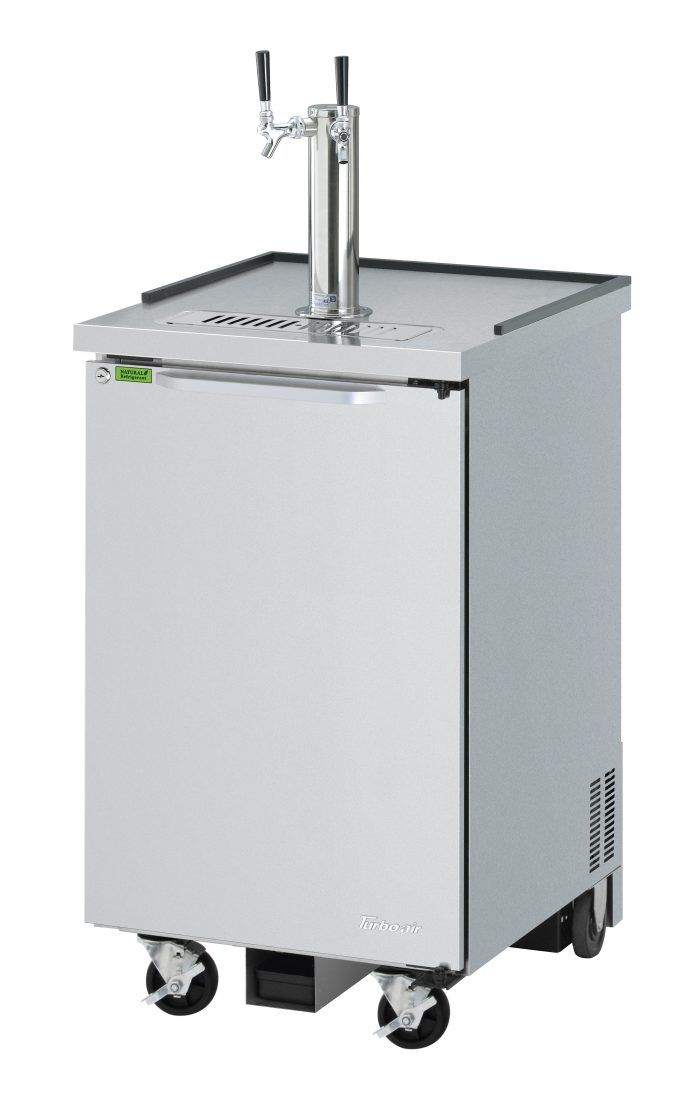
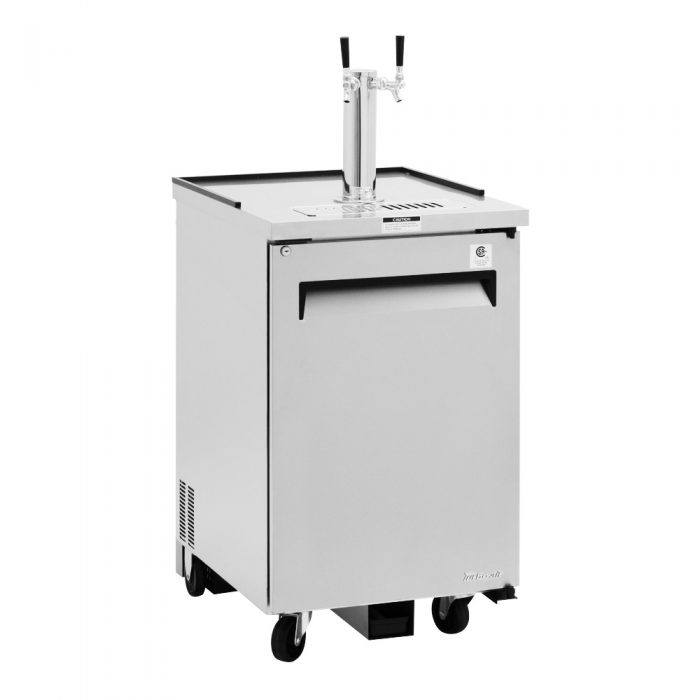
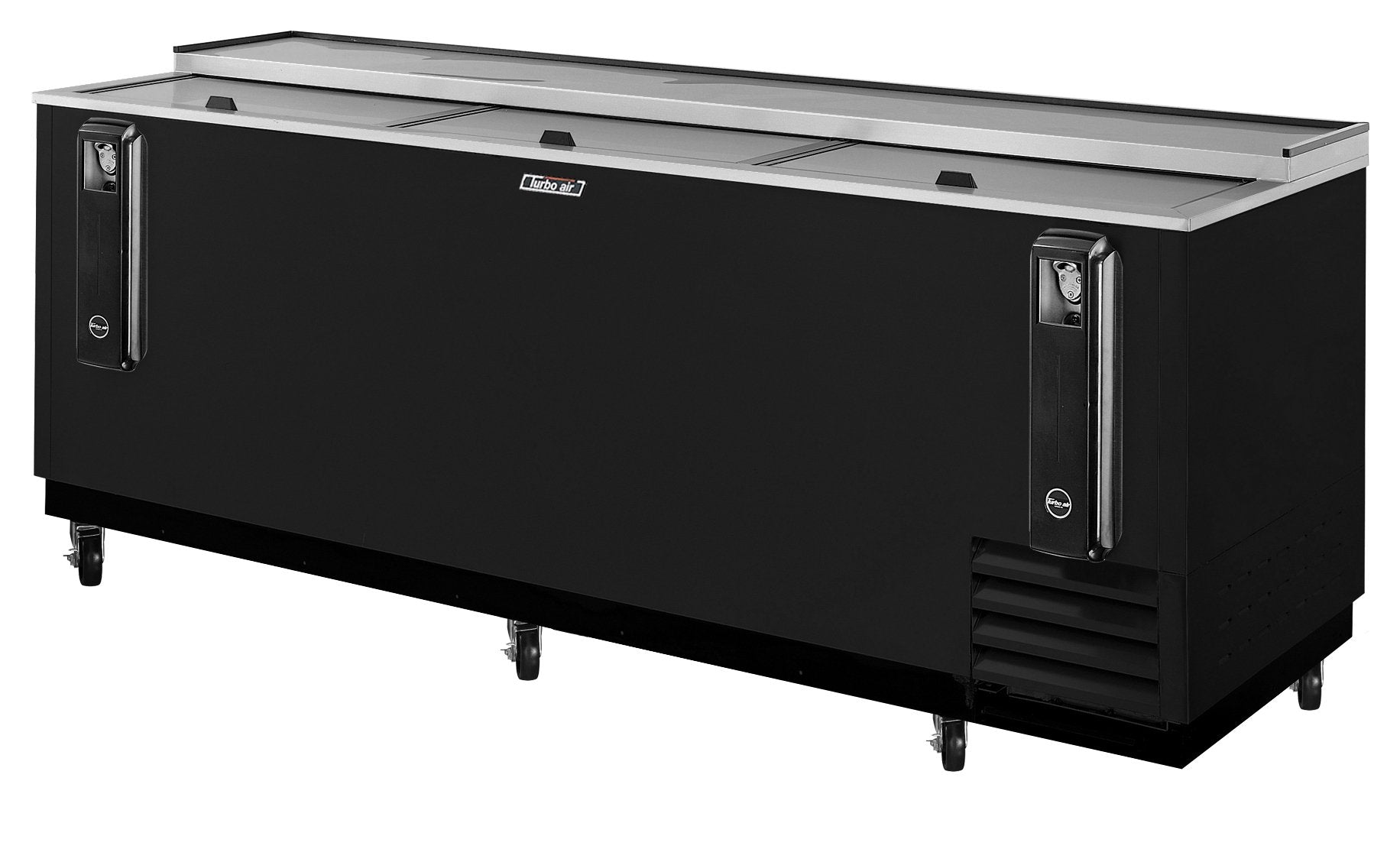
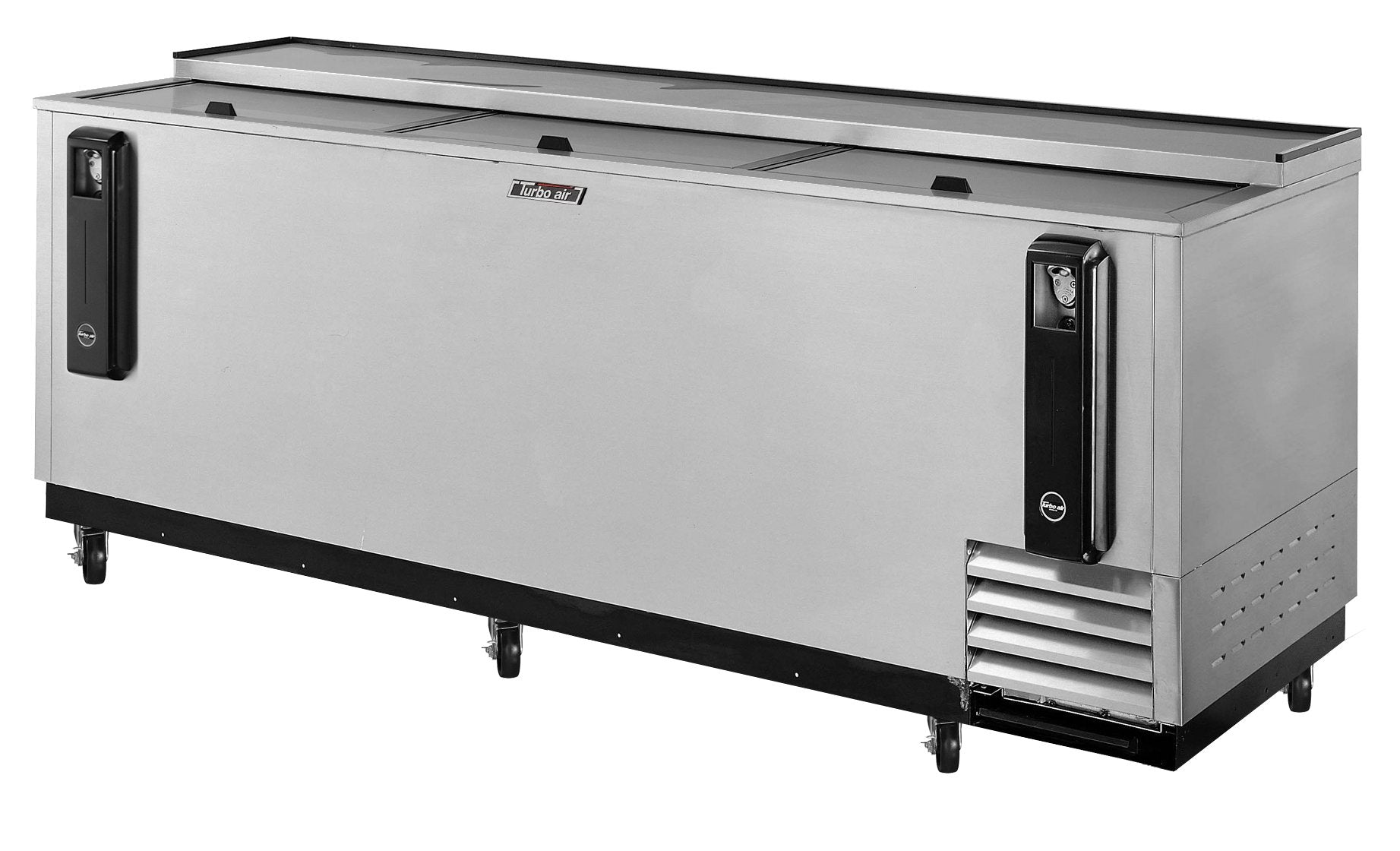
At Atlantic, we offer a complete range of commercial bar equipment designed to meet the demands of high-volume environments. From undercounter refrigeration units and back bar coolers to ice machines, bar sinks, and essential tools, every product is selected with performance and durability in mind. Our inventory is built to support bartenders working in fast-paced settings where reliability and workflow efficiency matter most.
A well-designed bar setup typically includes multiple functional zones: cold storage for beverages and garnishes, ice production and storage, preparation space for mixing drinks, and cleaning areas for glassware. Investing in the right equipment for each of these zones ensures smoother operations and better customer service. For example, high-quality refrigeration units keep beverages at optimal temperatures while reducing energy costs, and properly sized ice machines prevent service slowdowns during peak hours.
If your operation also includes food service, integrating your bar setup with your broader kitchen infrastructure is essential. Many businesses benefit from aligning their bar workflow with their overall commercial kitchen equipment strategy, ensuring consistency in performance, maintenance, and space utilization across the entire operation.
At Atlantic, we understand that every bar is different. A high-end cocktail lounge, a busy nightclub, and a casual restaurant bar all have unique requirements. That is why we offer flexible solutions, fast shipping, and expert support to help you choose the right equipment for your specific needs. Whether you are building a compact bar in a small space or designing a large-scale beverage program, you can find everything you need to create an efficient, professional-grade setup.
Explore our Bar Equipment collection to find reliable, high-performance solutions that help you serve faster, operate smarter, and scale your business with confidence.


Free Shipping
Free Shipping
Free Shipping
Free Shipping
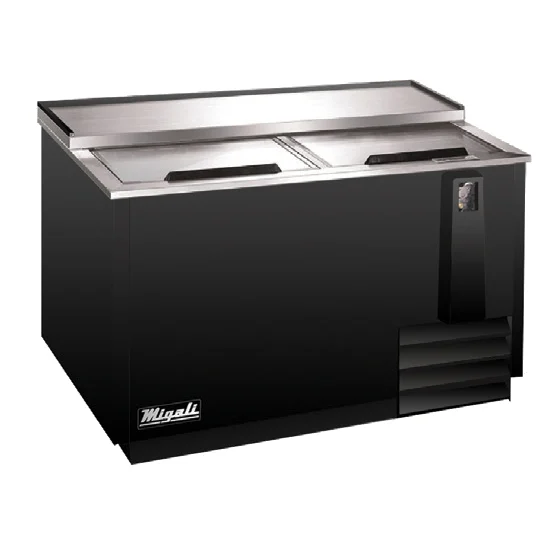
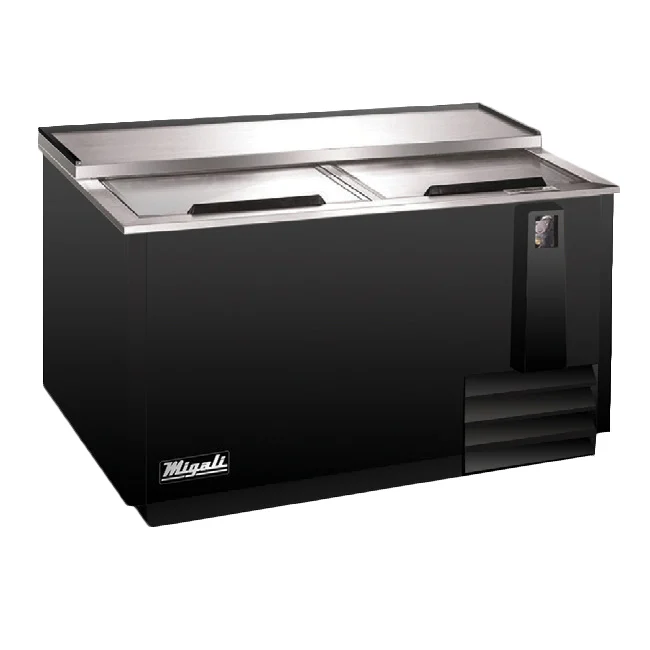
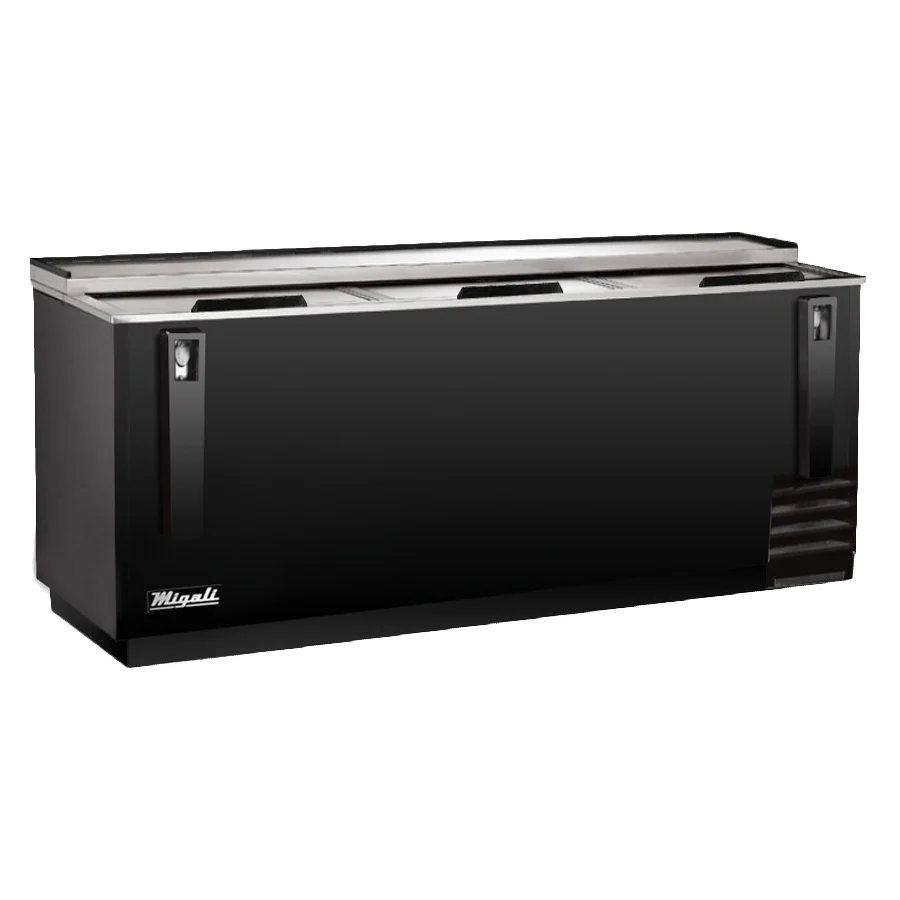
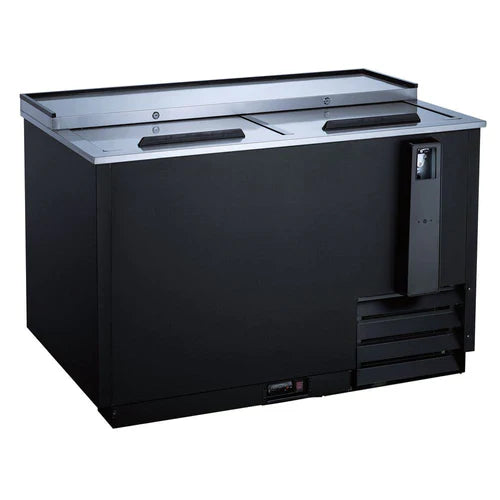


Free Shipping
Free Shipping
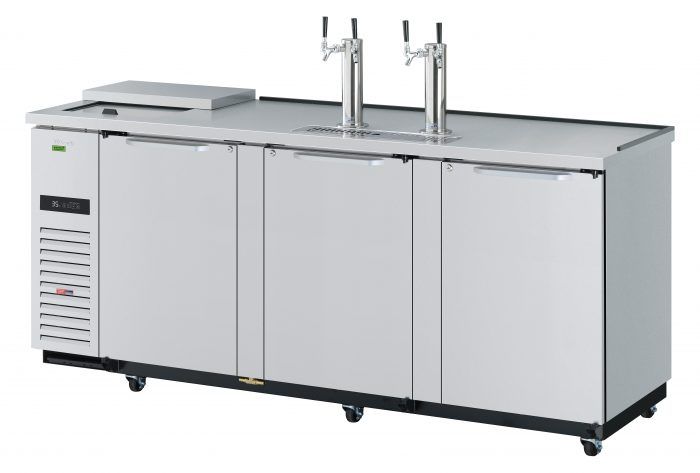
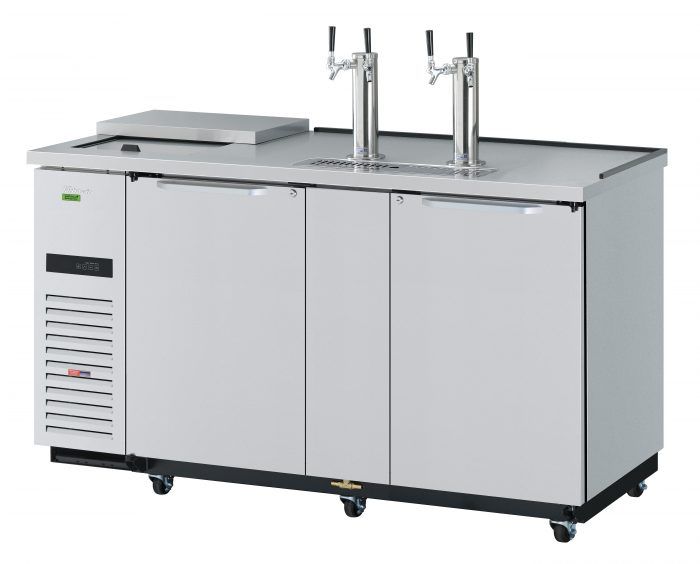
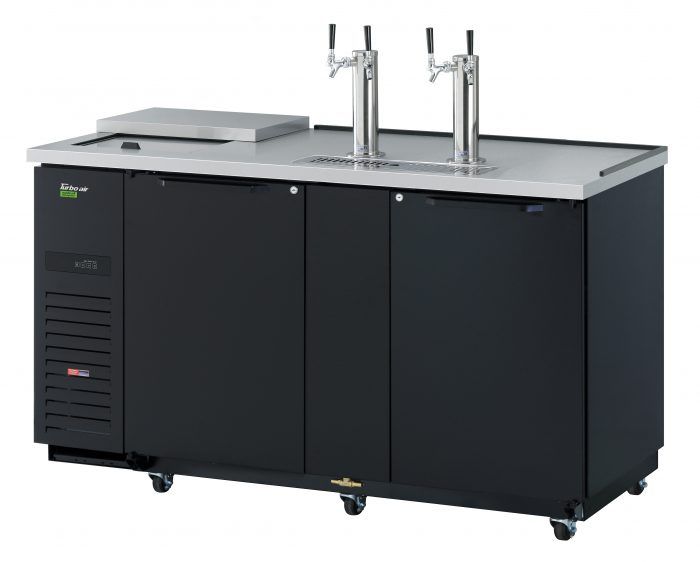
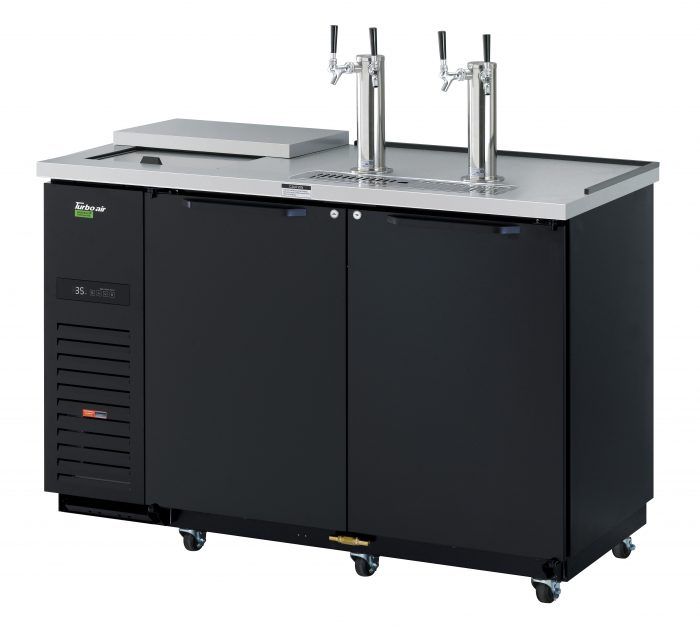
Free Shipping
Free Shipping
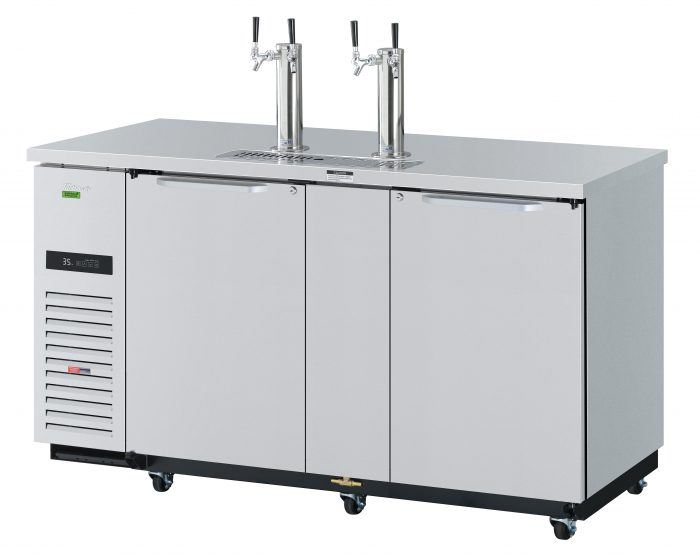
Free Shipping
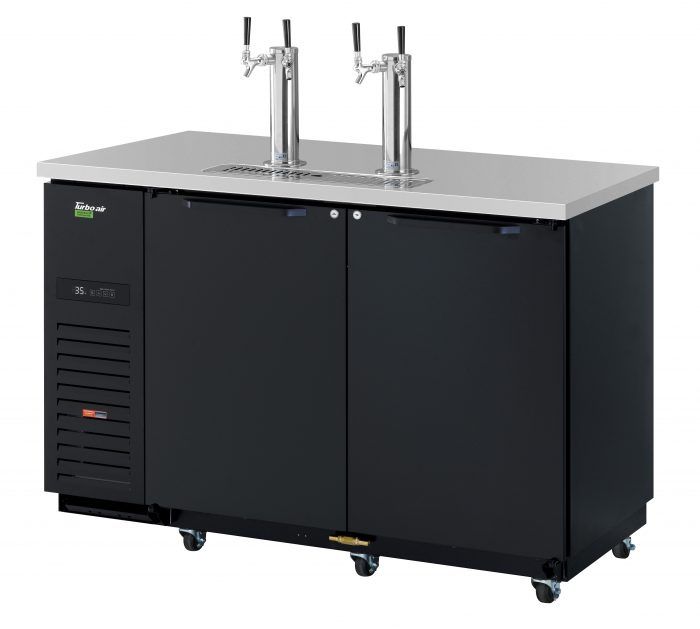
Free Shipping
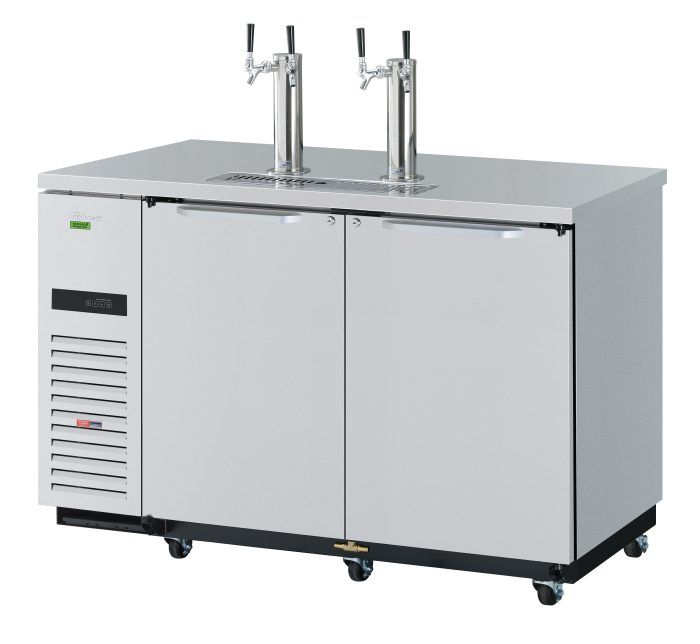
Free Shipping
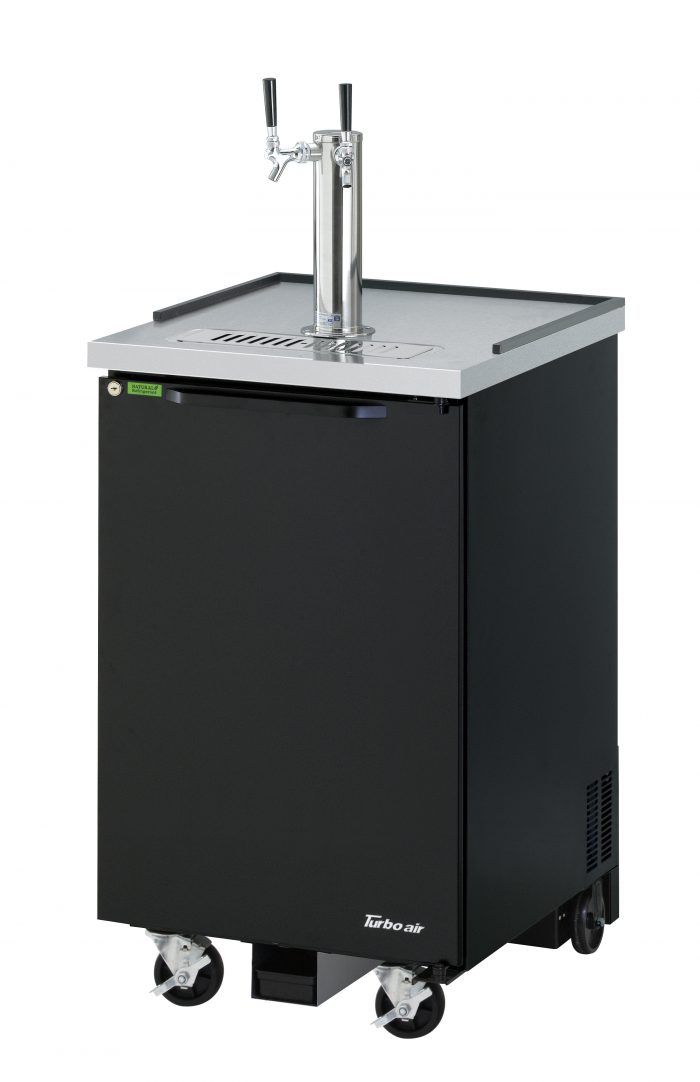
Free Shipping
Free Shipping
Free Shipping
Recently viewed
What to Know Before Buying Bar Equipment
Outfitting a commercial bar is not just about buying individual pieces of equipment—it is about building a system that supports speed, consistency, and profitability. One of the biggest mistakes operators make is focusing on products instead of workflow. Before purchasing anything, you should first think about how your bar will operate during peak hours. Where will drinks be prepared, where will ingredients be stored, and how will bartenders move within the space?
Space planning is one of the most critical factors. Bar areas are typically compact, and every inch matters. Undercounter refrigeration units, back bar coolers, and ice bins should be selected based on both capacity and footprint. Choosing oversized equipment can restrict movement, while undersized units can slow down service and reduce efficiency. The goal is to create a layout where everything is within arm’s reach.
Refrigeration is another key decision point. Beverage storage requires consistent temperature control, especially for beer, wine, and perishable garnishes. Investing in reliable refrigeration not only preserves product quality but also reduces waste and long-term costs. If your operation includes food service, aligning your bar refrigeration with your broader commercial kitchen equipment setup can improve operational consistency and maintenance efficiency.
Ice production is often underestimated, yet it is one of the most critical components of any bar. Running out of ice during peak hours can completely disrupt service. When selecting an ice machine, you need to consider daily production capacity, storage bin size, and recovery speed. Your choice should be based on your busiest service periods, not your average day.
Durability and material quality also play a major role. Bar equipment is exposed to moisture, spills, and constant use. Stainless steel construction is typically preferred because it is resistant to corrosion, easy to clean, and built for long-term use in commercial environments. Cheaper alternatives may reduce upfront costs but often lead to higher maintenance and replacement expenses over time.
Finally, think about scalability. Your bar may grow, your menu may expand, or your customer volume may increase. Choosing modular and flexible equipment allows you to adapt without completely redesigning your setup. A well-planned investment today can save significant time and capital in the future.
Helpful guides
FAQ About Bar Equipment
What equipment do I need to set up a commercial bar?
A typical bar setup includes undercounter refrigerators, back bar coolers, an ice machine, bar sinks, glass washers, and essential tools like shakers and jiggers. The exact equipment depends on your concept, drink menu, and expected volume.
How do I choose the right ice machine for my bar?
You should base your decision on peak demand, not average usage. Consider daily ice production capacity, bin size, and recovery time. High-volume bars often require larger machines or even multiple units to avoid service interruptions.
What is the difference between back bar coolers and undercounter refrigerators?
Back bar coolers are typically designed for display and easy access to beverages, often with glass doors. Undercounter refrigerators are more focused on storage and prep efficiency, usually placed beneath workstations for quick access.
How much space do I need for a bar equipment setup?
Space requirements vary depending on your concept, but efficient layout planning is more important than size alone. Even small bars can perform well if equipment is strategically placed to minimize movement and maximize workflow efficiency.
Is stainless steel really necessary for bar equipment?
Yes, in most commercial environments stainless steel is the preferred material due to its durability, resistance to corrosion, and ease of cleaning. It also meets most health and safety standards required in the foodservice industry.
Can I use residential equipment for a commercial bar?
Residential equipment is not designed for continuous, high-volume use and often does not meet commercial health codes. Using commercial-grade equipment ensures reliability, compliance, and longer lifespan.
How do I plan for future growth when buying bar equipment?
Choose equipment that allows flexibility, such as modular units or scalable refrigeration solutions. It is better to slightly overestimate your needs than to face operational limitations as your business grows.