

Commercial Refrigerator Maintenance Checklist for Restaurants
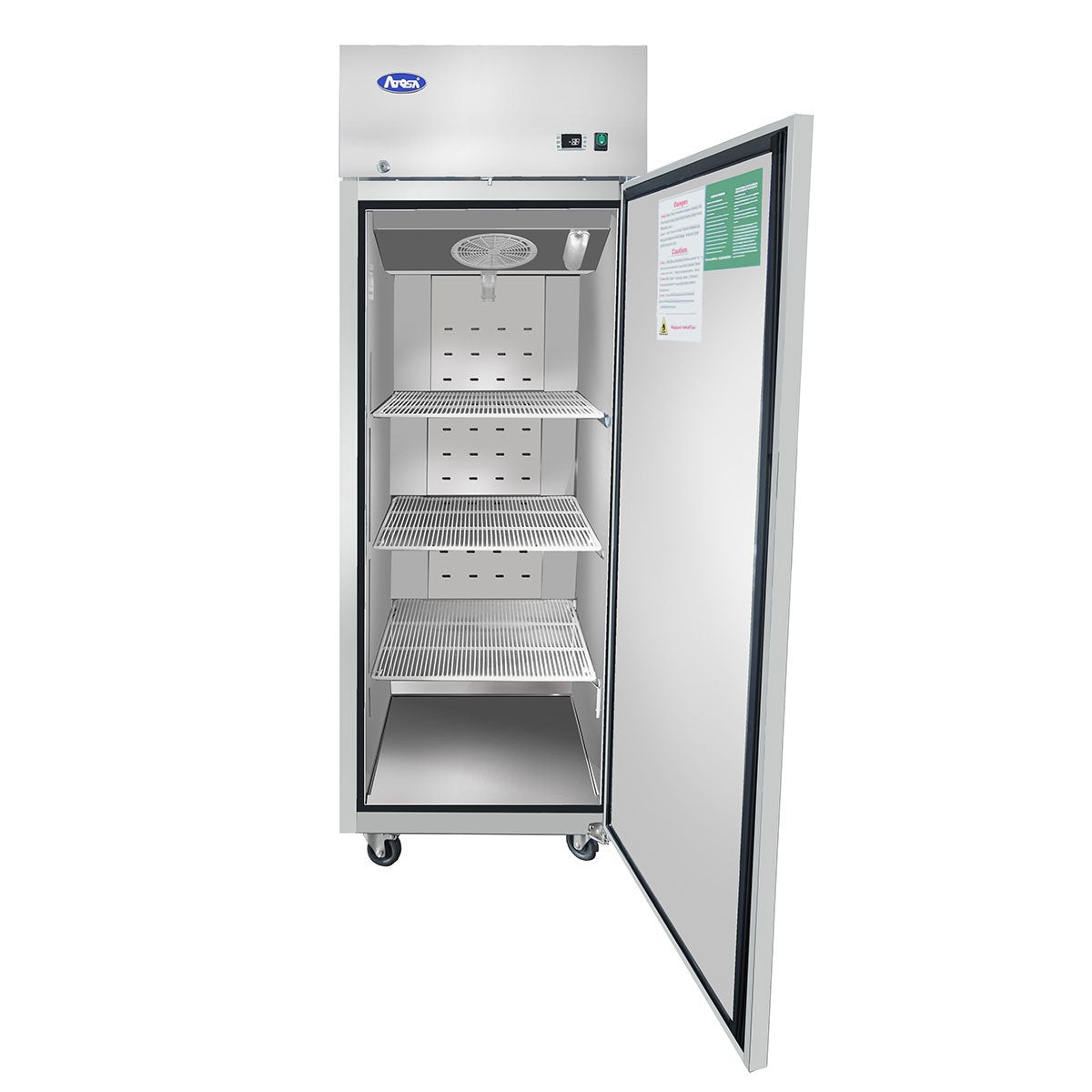
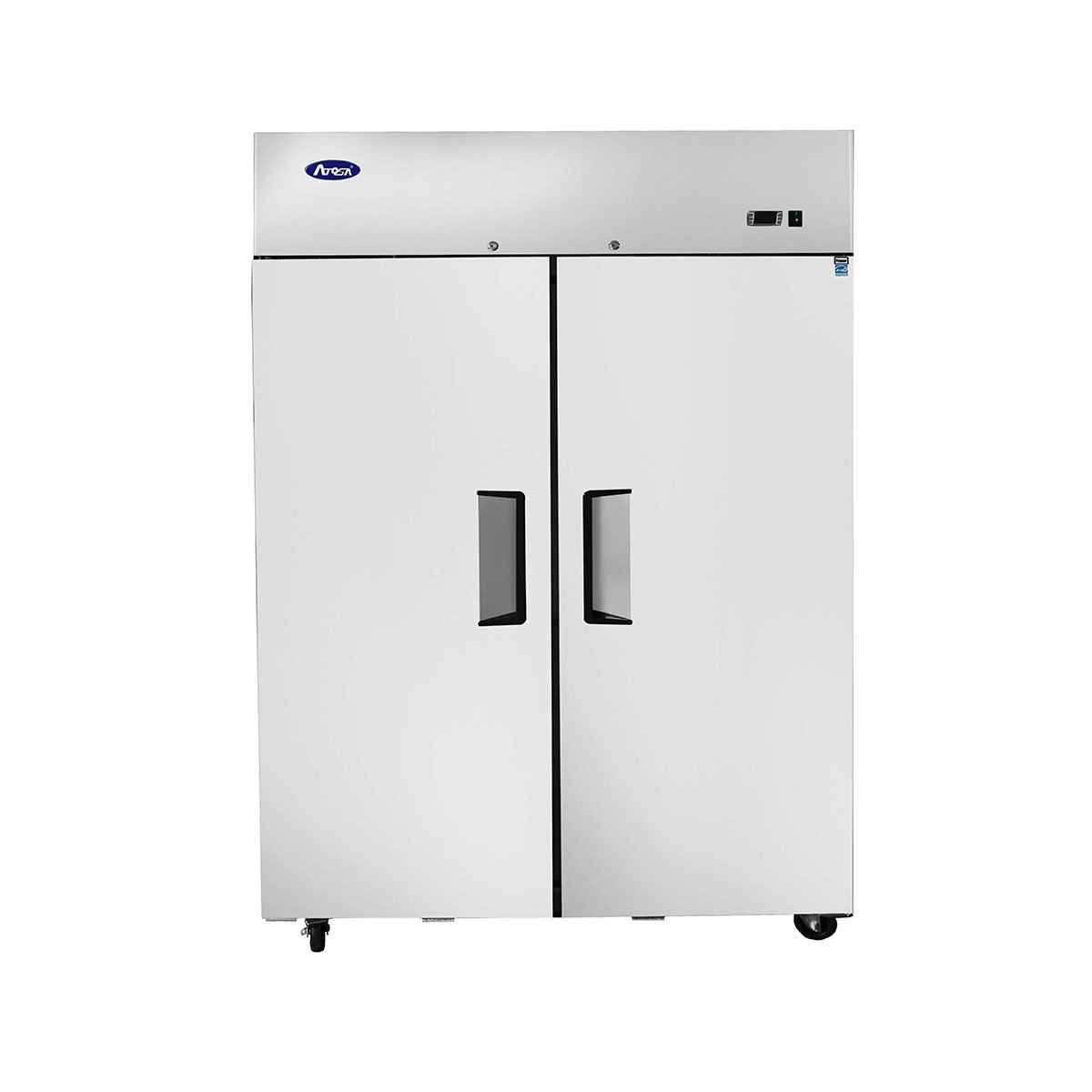
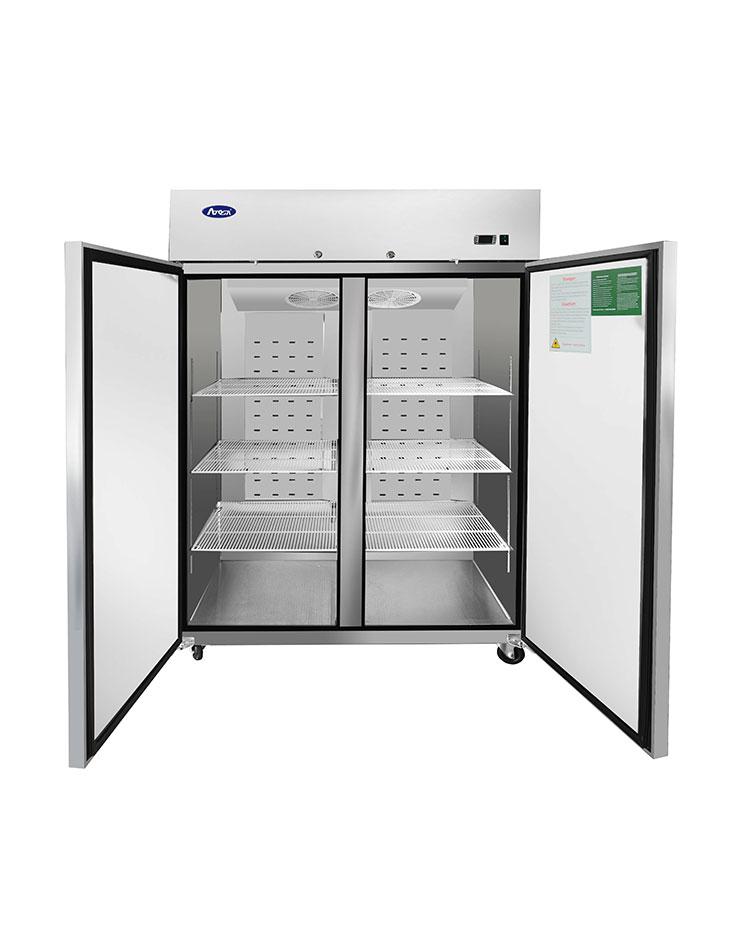
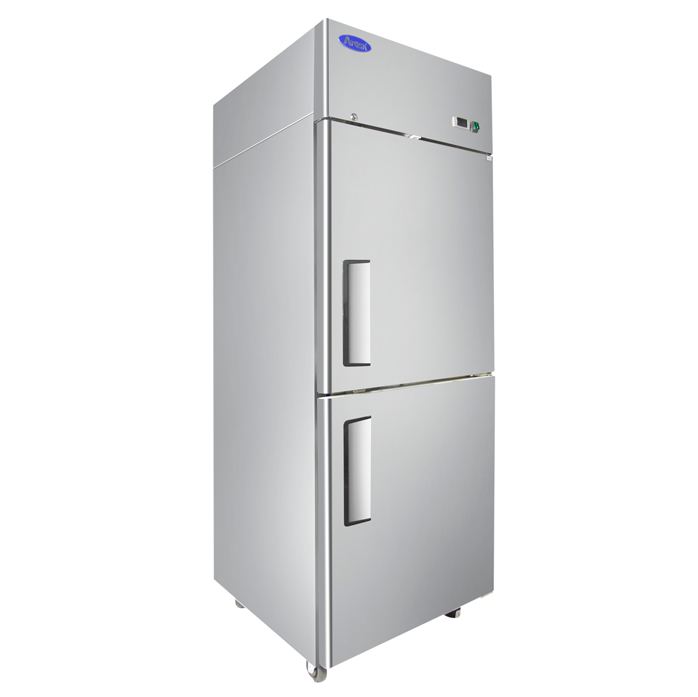
Reach-in freezers are essential for commercial kitchens that require reliable frozen storage with easy access. Designed for restaurants, supermarkets, and foodservice operations, these units provide consistent temperature control while allowing staff to quickly store and retrieve products during service. Unlike walk-in systems, reach-in freezers offer a compact and efficient solution for kitchens where space and workflow are critical. In busy environments, maintaining stable freezing temperatures is key to preserving product quality and preventing waste. Commercial reach-in freezers are built with powerful cooling systems, durable stainless steel construction, and efficient insulation to ensure long-term performance. Whether you’re storing frozen ingredients, prepared foods, or bulk inventory, a dependable reach-in freezer helps maintain consistency across your operation. Choosing the right reach-in freezer depends on your storage needs, available space, and usage frequency. From single-door units for smaller kitchens to multi-door models for high-volume operations, these freezers are designed to support fast-paced environments. With the right equipment, you can improve organization, protect your inventory, and keep your kitchen running efficiently.Read more
Reach-in freezers are essential for commercial kitchens that require reliable frozen storage with easy access. Designed for restaurants, supermarkets, and foodservice operations, these units provide consistent temperature control while allowing staff to quickly store and retrieve products during service. Unlike walk-in systems, reach-in freezers offer a compact and efficient solution for kitchens where space and workflow are critical.
In busy environments, maintaining stable freezing temperatures is key to preserving product quality and preventing waste. Commercial reach-in freezers are built with powerful cooling systems, durable stainless steel construction, and efficient insulation to ensure long-term performance. Whether you’re storing frozen ingredients, prepared foods, or bulk inventory, a dependable reach-in freezer helps maintain consistency across your operation.
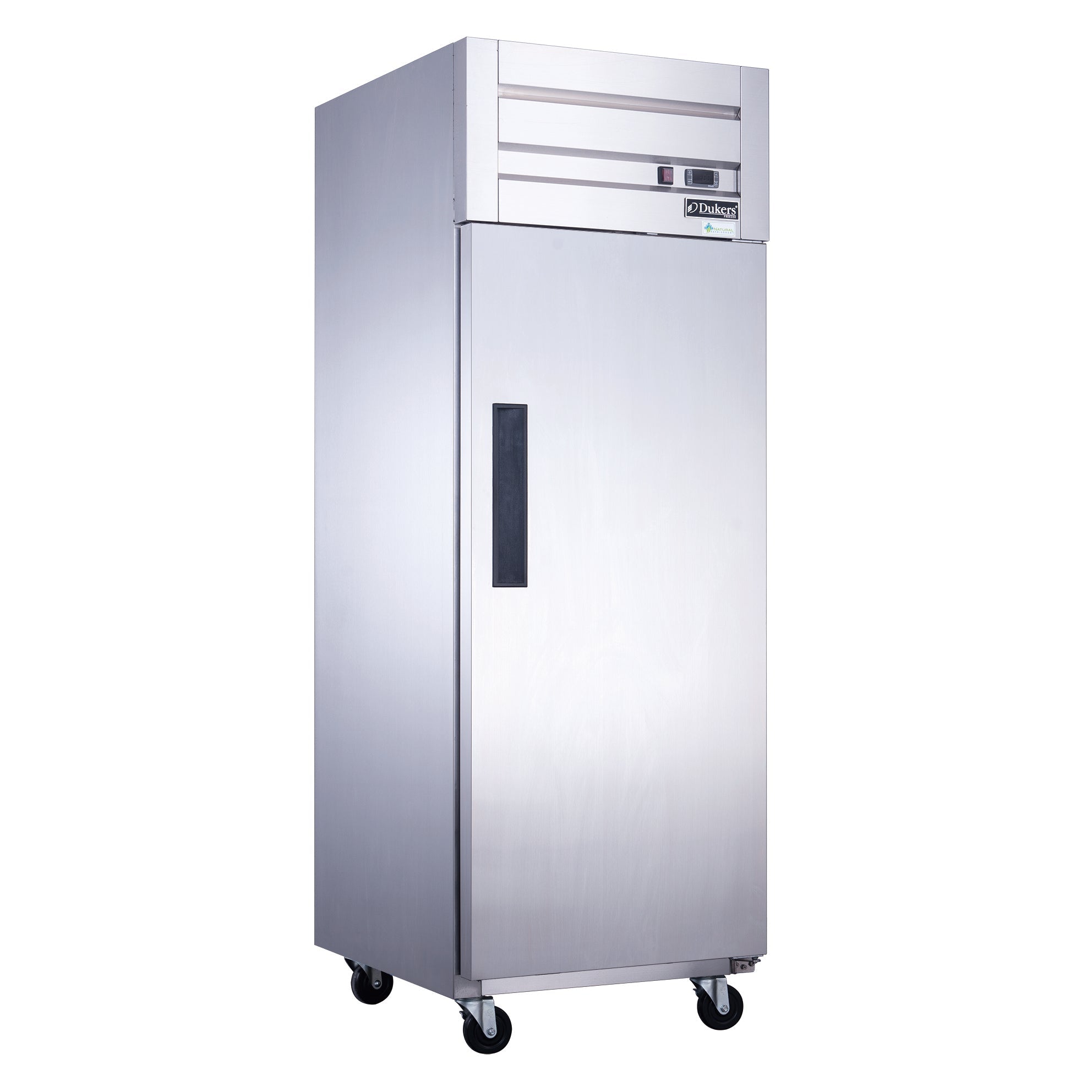
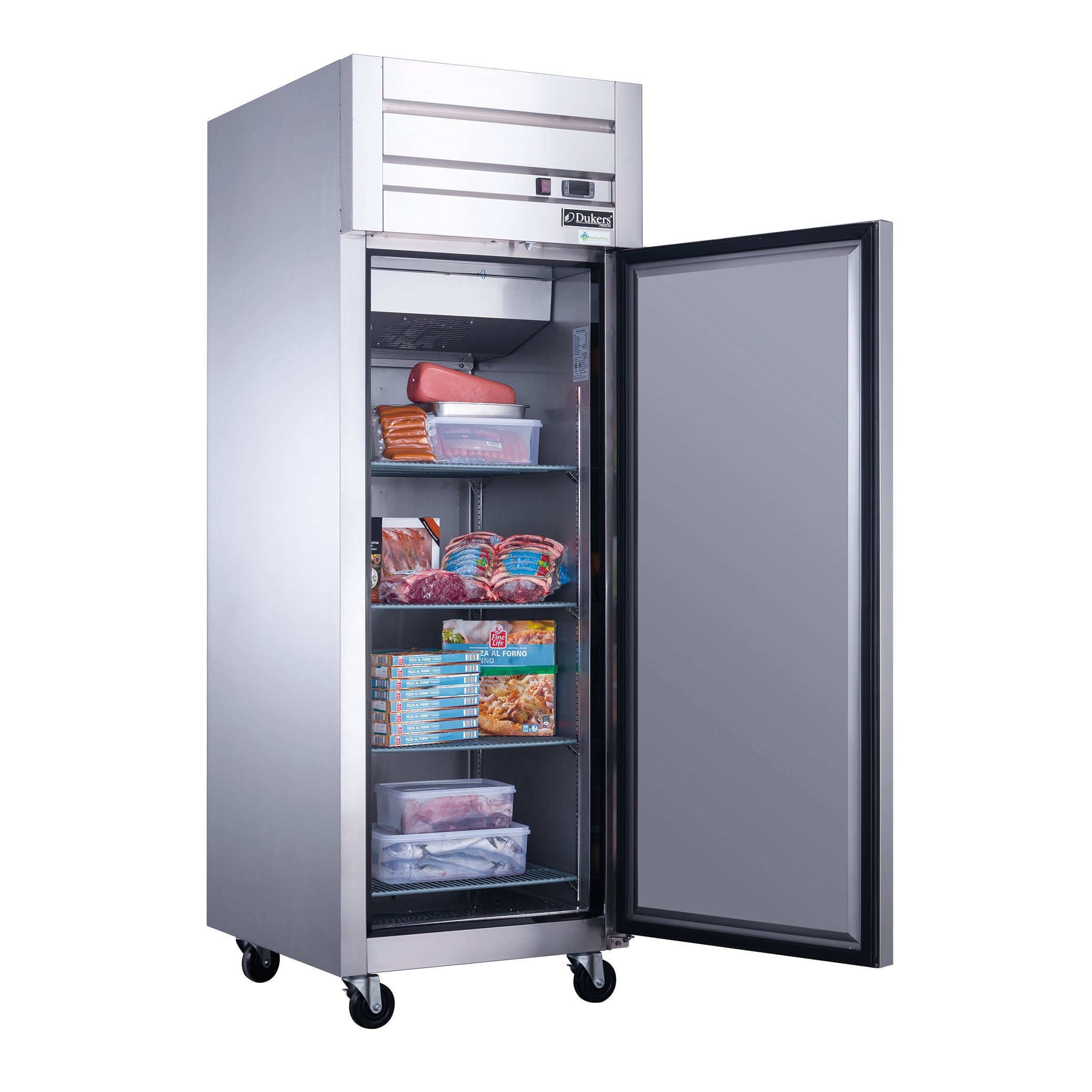
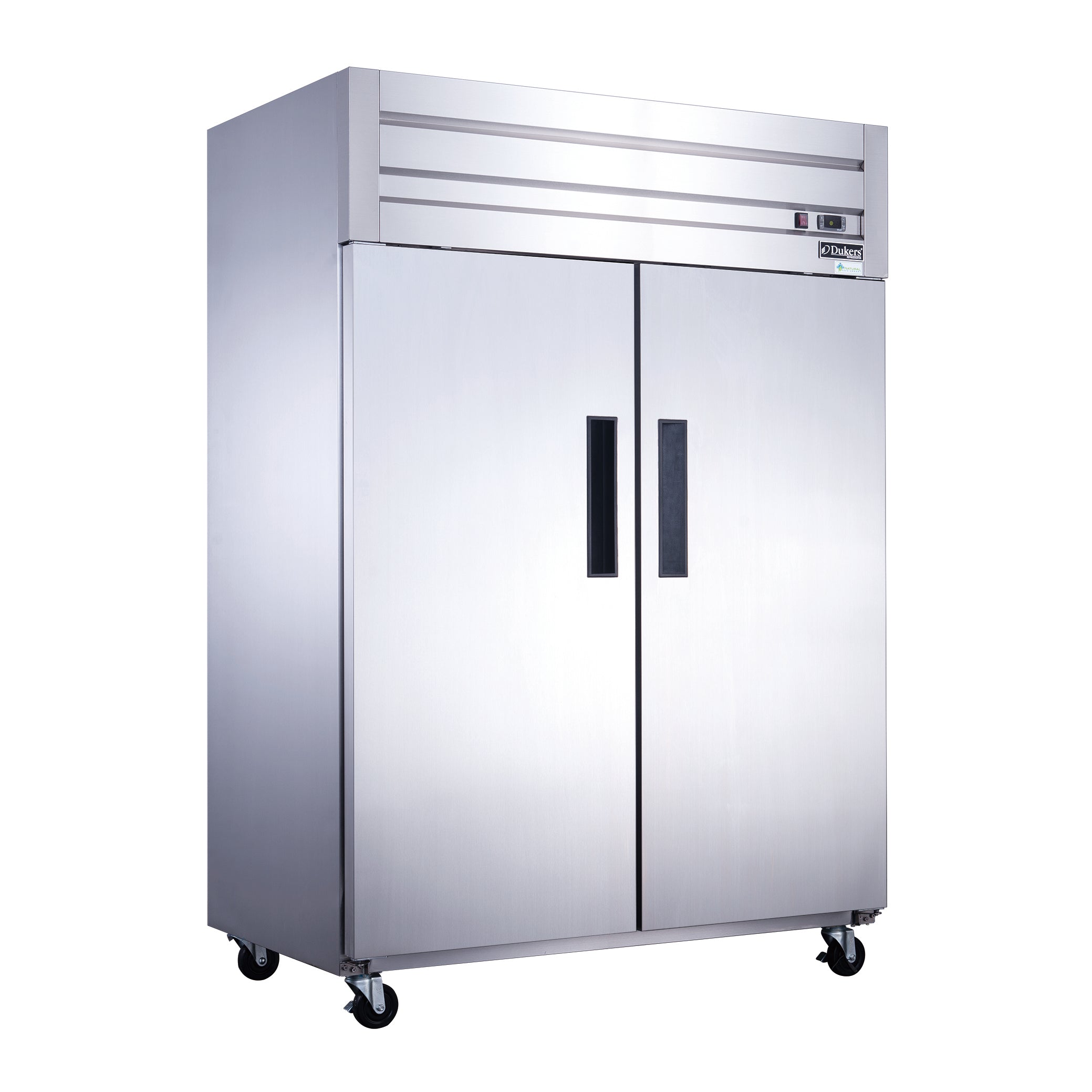
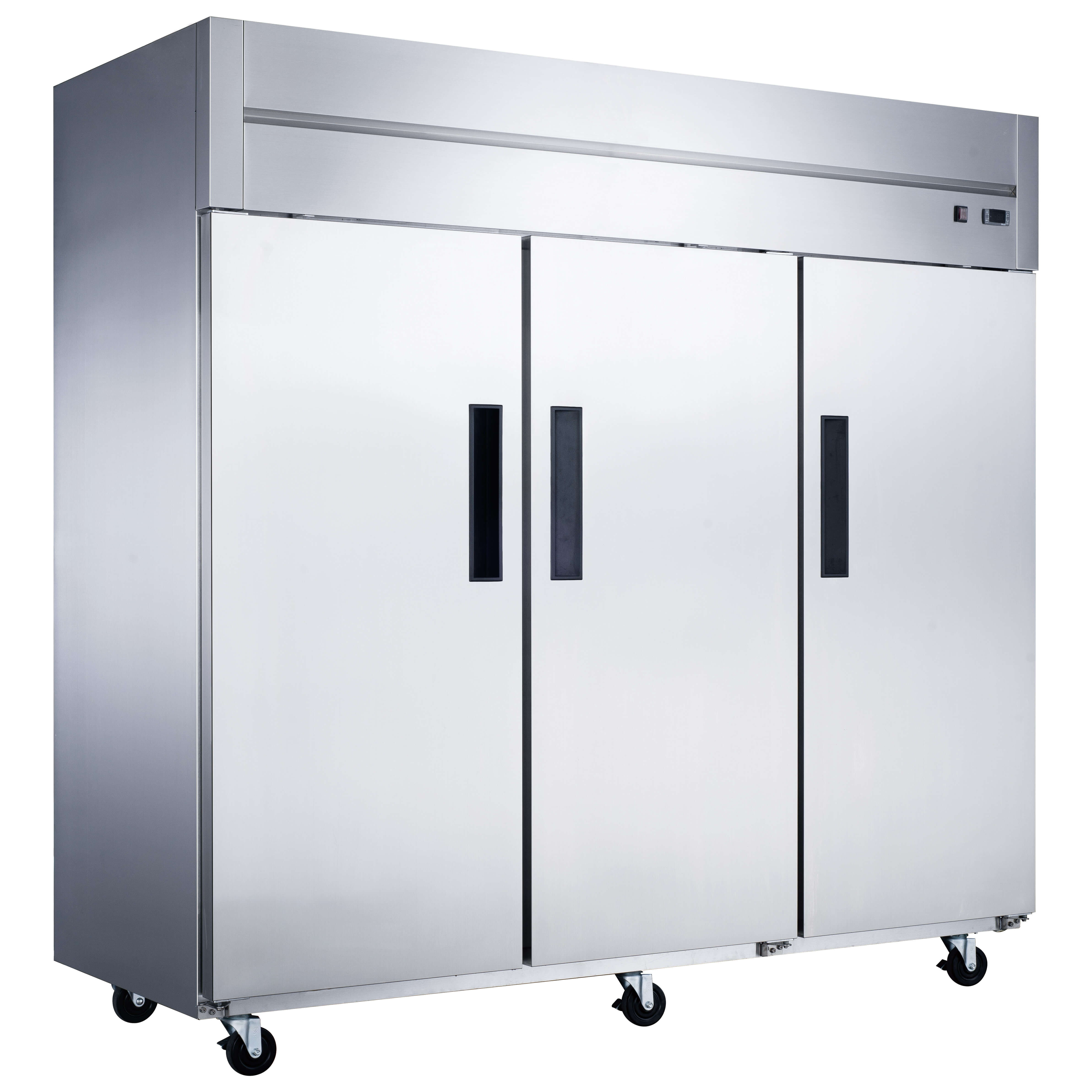
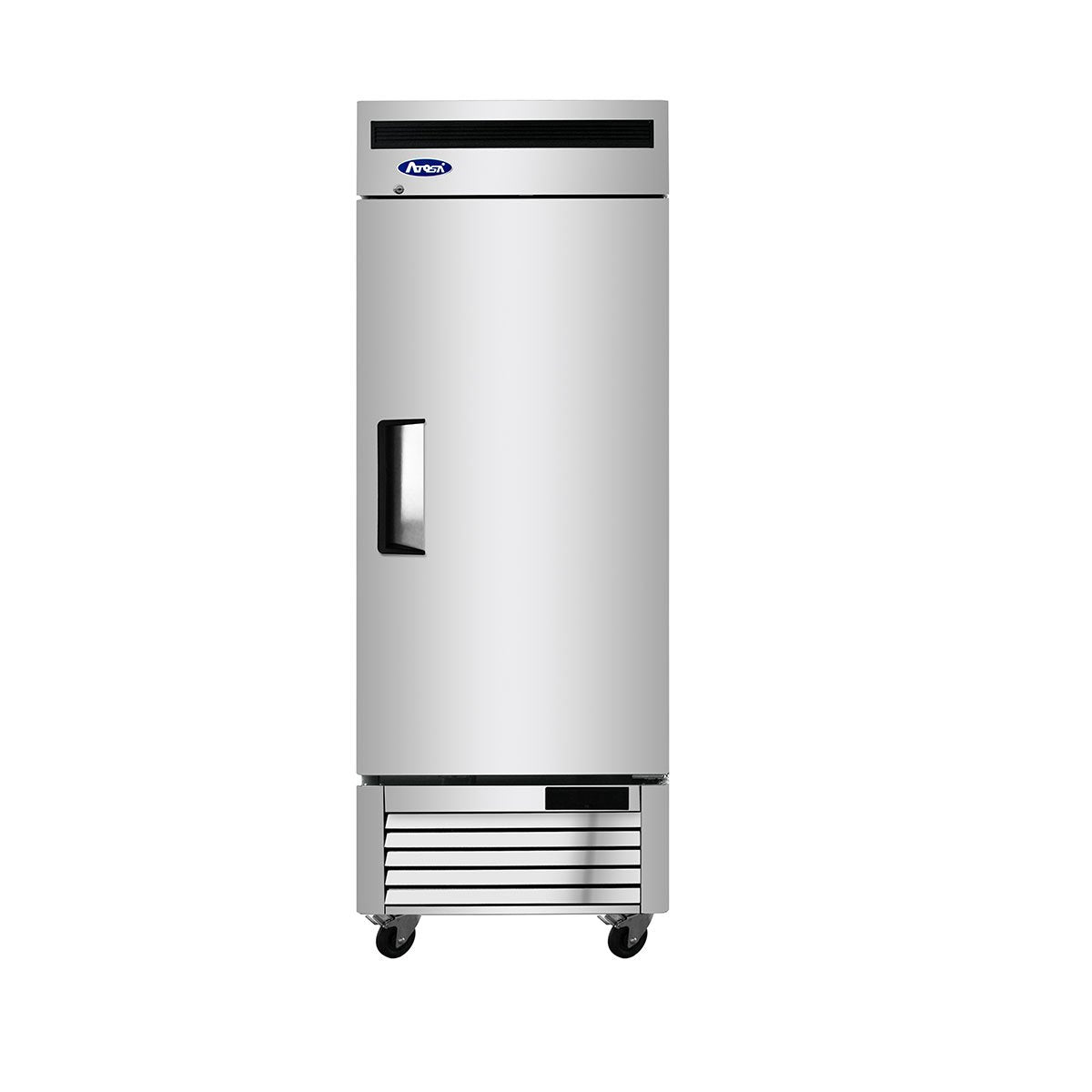
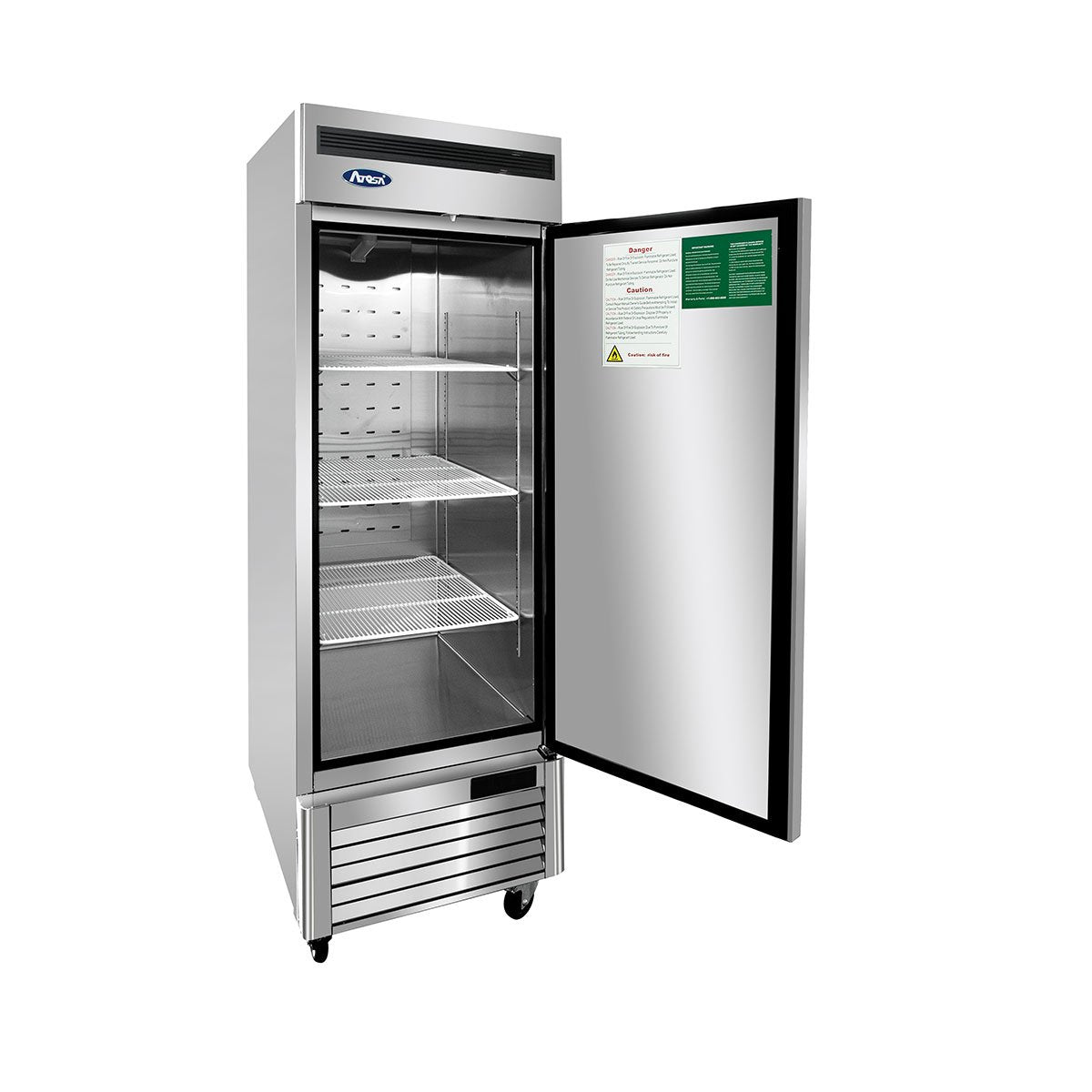
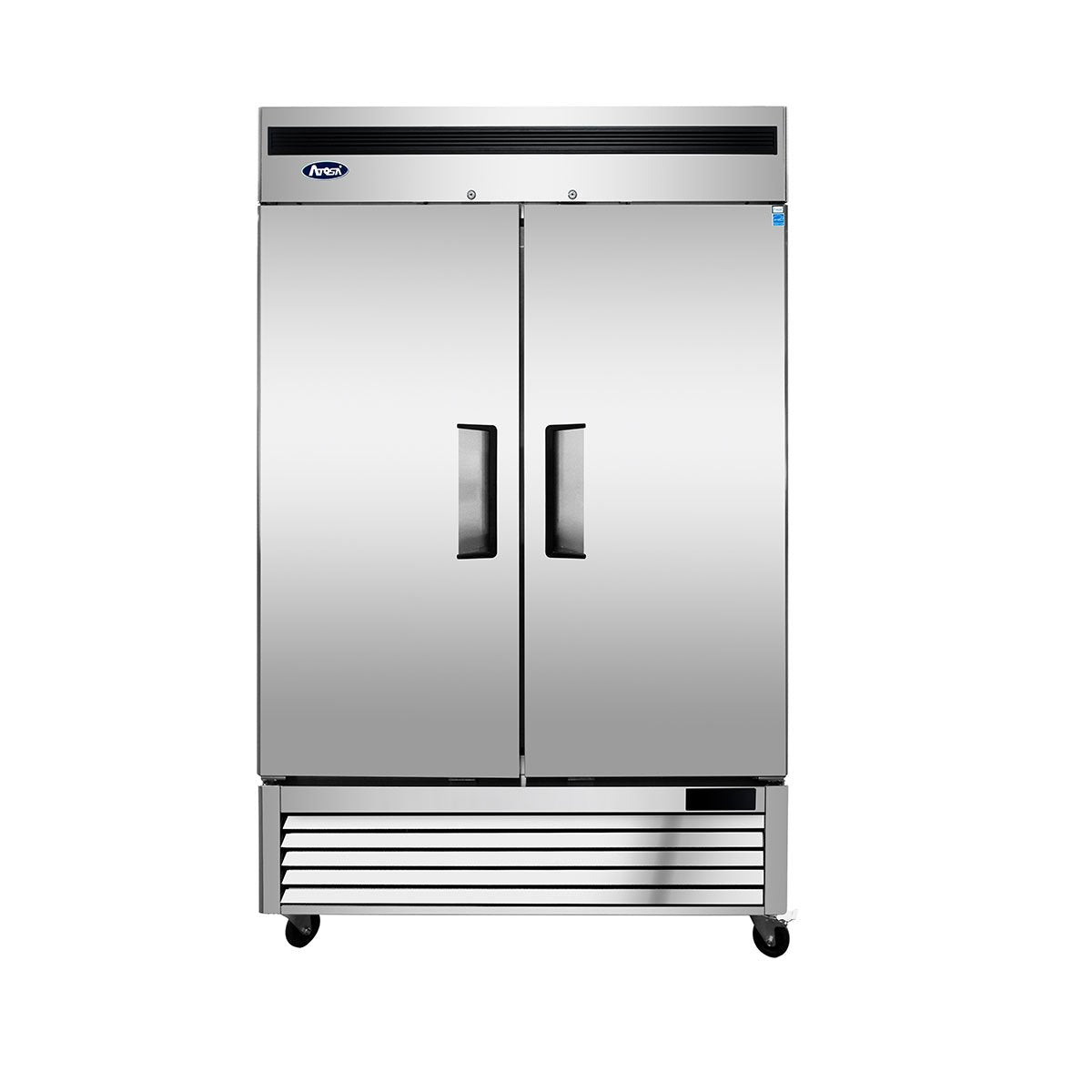
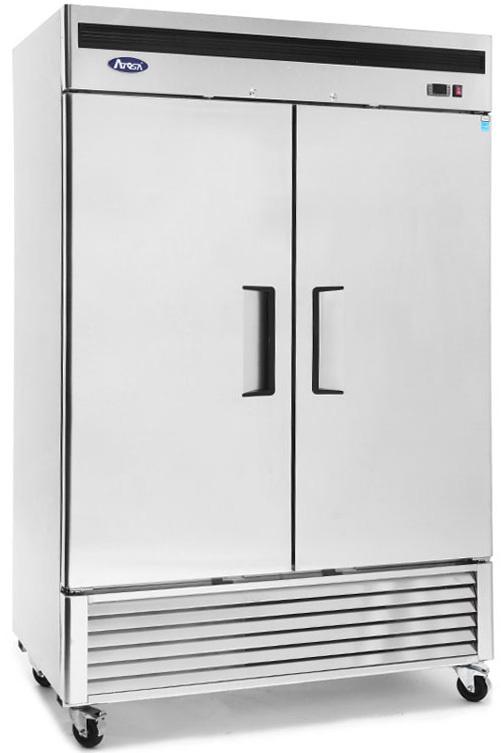
Choosing the right reach-in freezer depends on your storage needs, available space, and usage frequency. From single-door units for smaller kitchens to multi-door models for high-volume operations, these freezers are designed to support fast-paced environments. With the right equipment, you can improve organization, protect your inventory, and keep your kitchen running efficiently.
Show less
Number of Doors
Free ShippingQuick Shipping
Free ShippingQuick Shipping
Free ShippingQuick Shipping
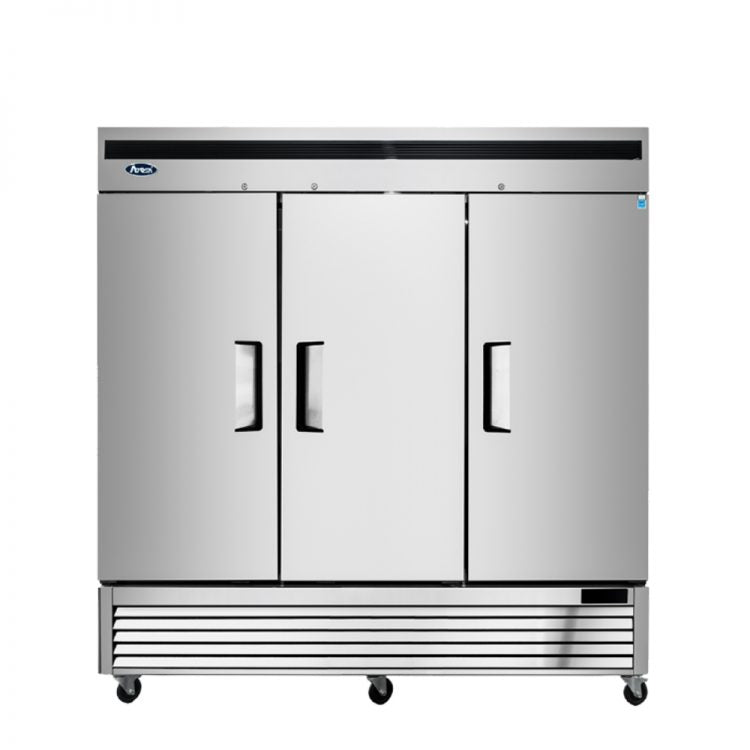
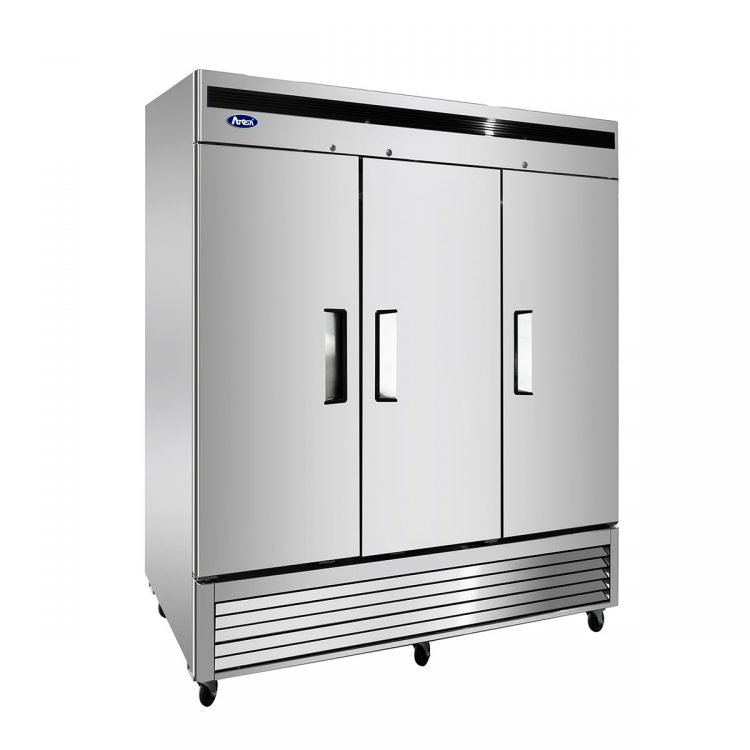
Free Shipping
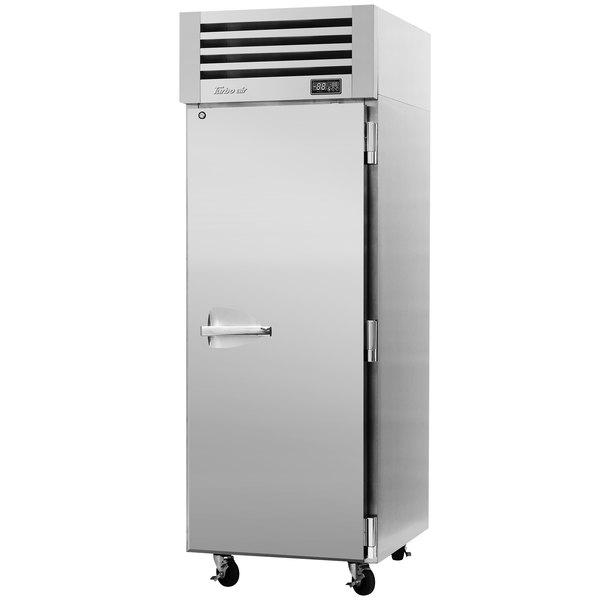
Free Shipping
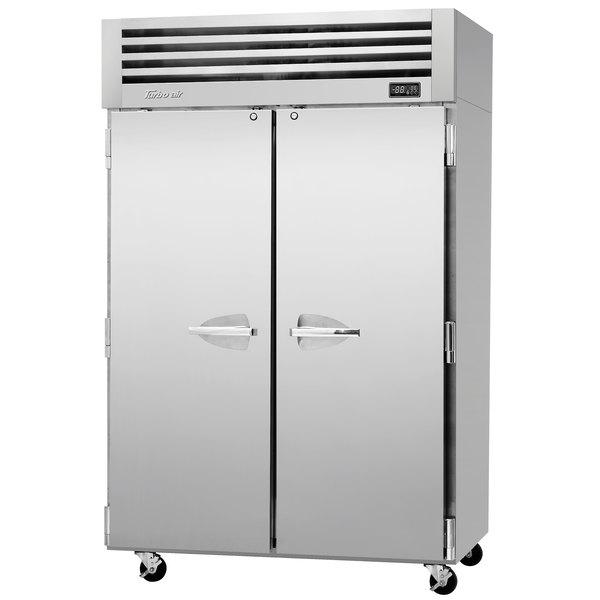
Free Shipping
Free Shipping
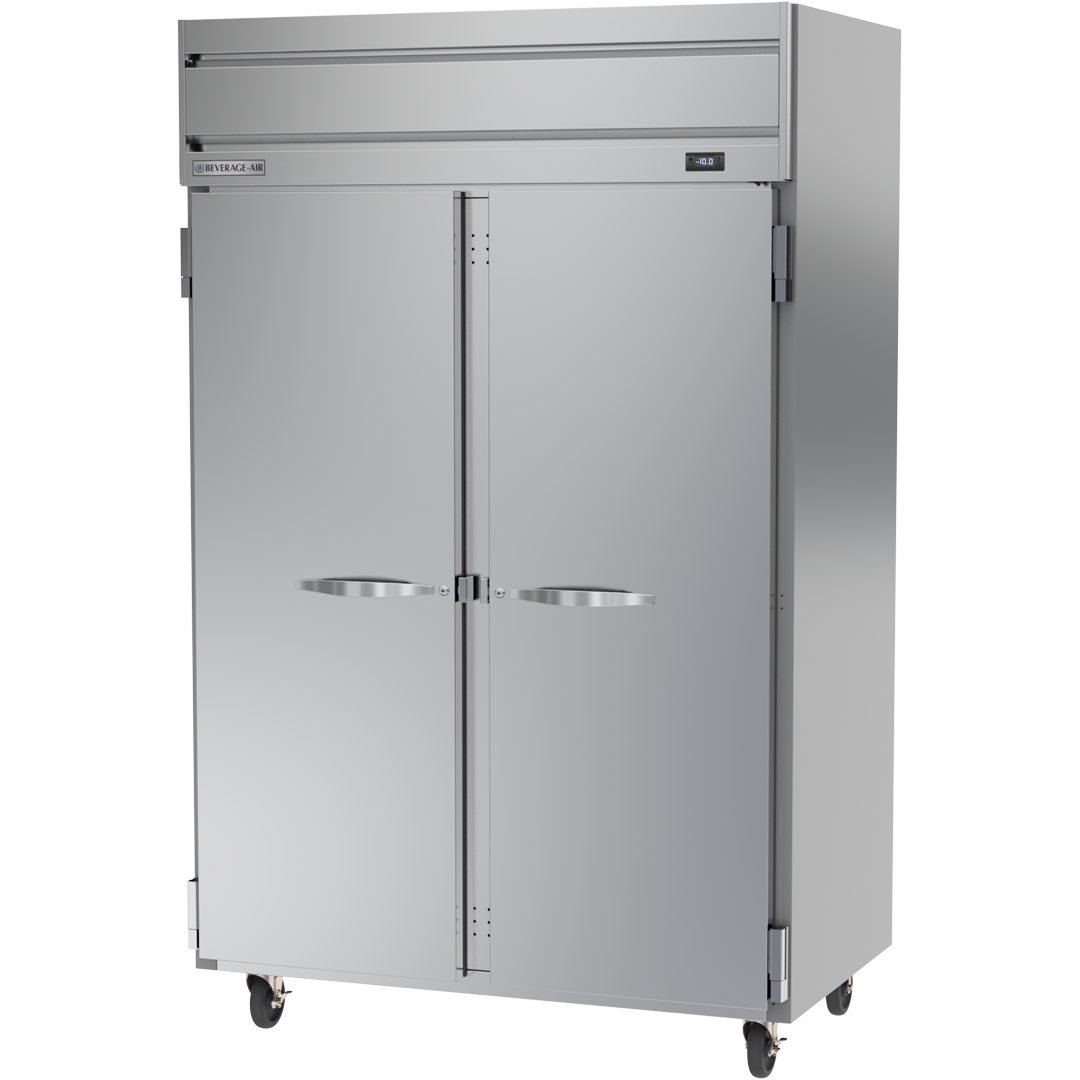
Beverage Air
Beverage Air HF2HC-1S 2 Solid Door Top Mount Freezer Stainless Steel F...
Regular price$8,223.75
/ Ea. Free Shipping
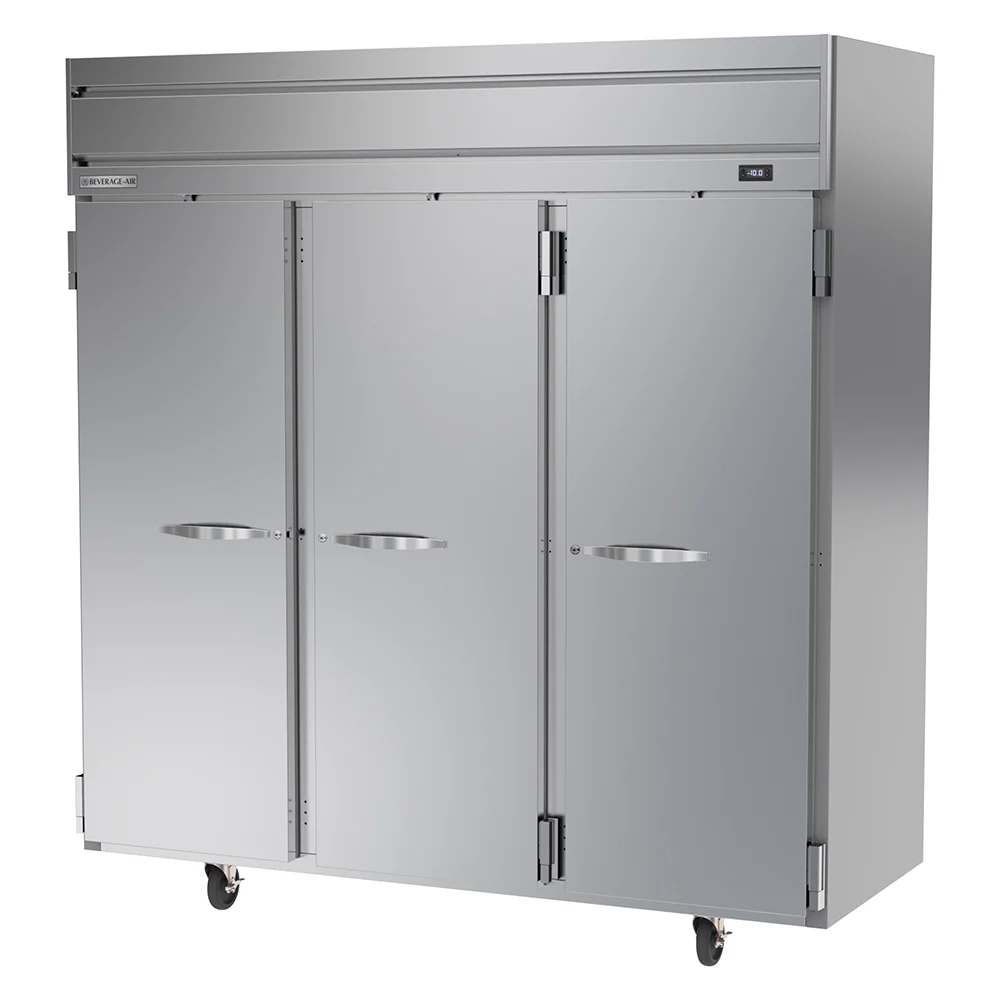
Beverage Air
Beverage Air HFS3HC-1S 3 Solid Door Top Mount Freezer Stainless Steel ...
Regular price$11,288.72
/ Ea. Free Shipping
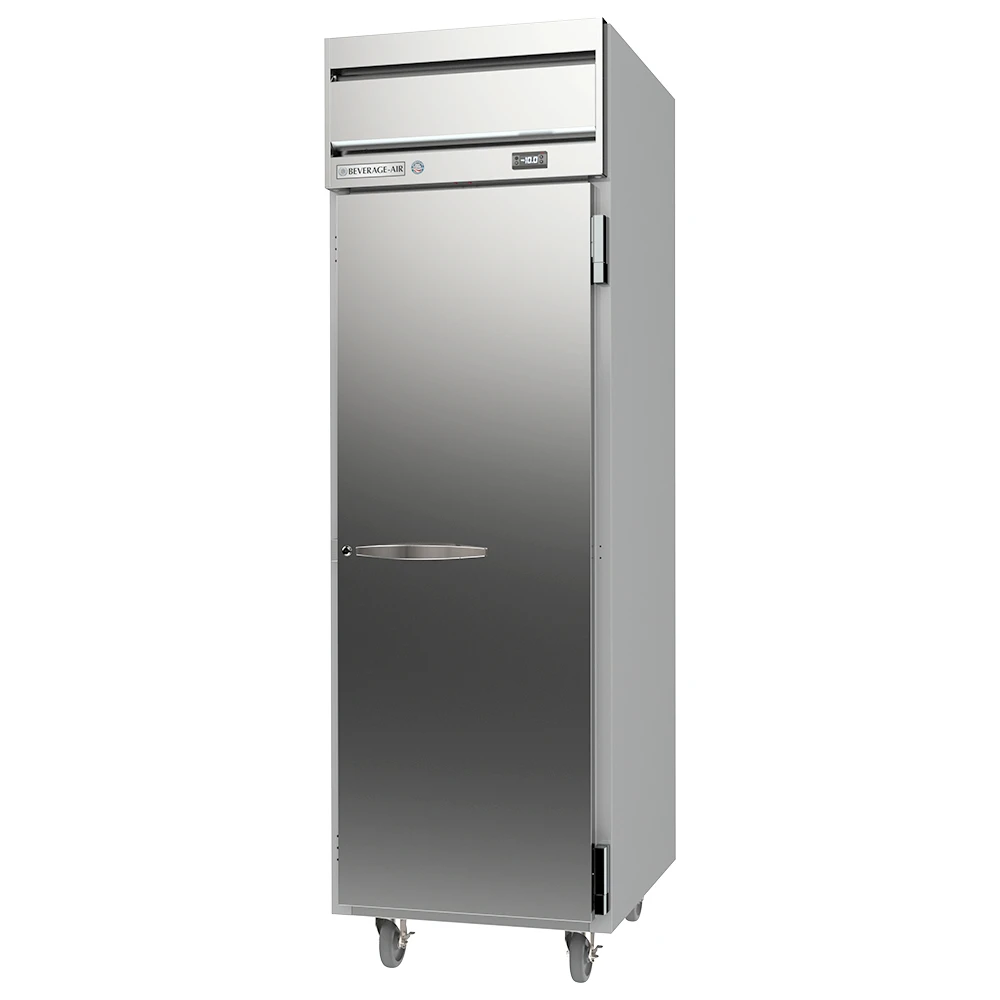
Beverage Air
Beverage Air HFS1HC-1S 1 Solid Door Top Mount Freezer Stainless Steel ...
Regular price$5,871.76
/ Ea. Free ShippingQuick Shipping

Free ShippingQuick Shipping
Free ShippingQuick Shipping
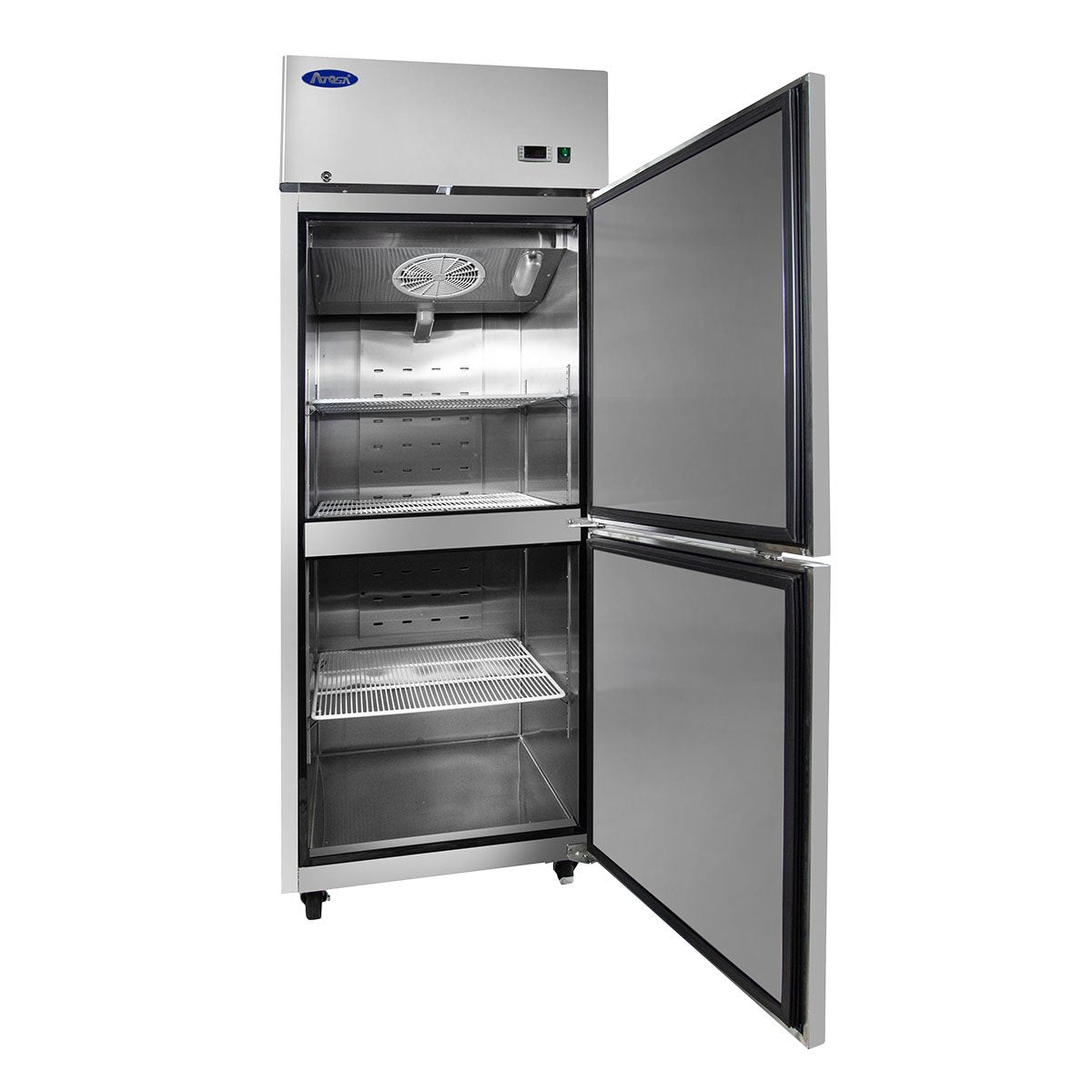
Free Shipping
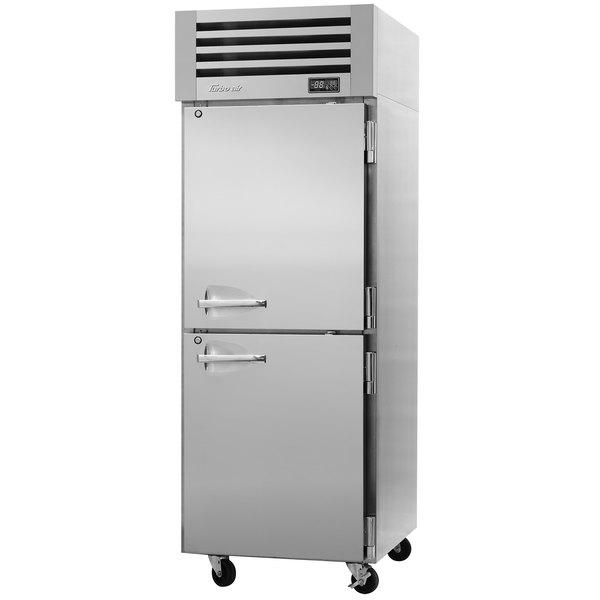
Free Shipping
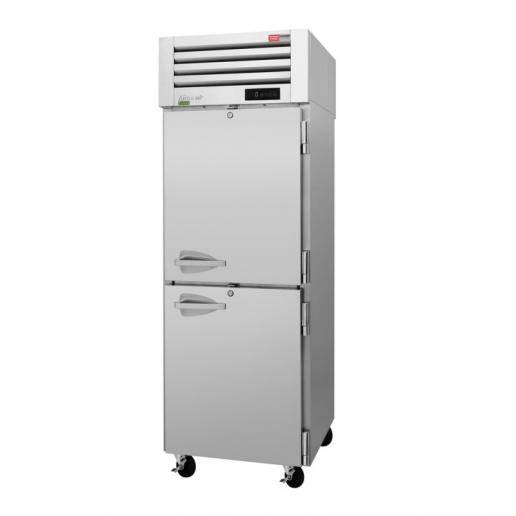
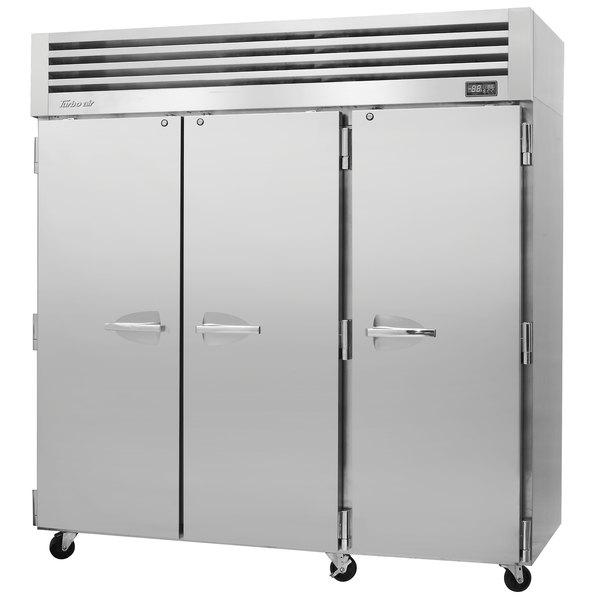
Turbo Air
Turbo Air PRO-26-2F-N-L 2 Solid Half-Doors Top Mount Freezer - Left hi...
Regular price$8,498.62
/ Ea. Free Shipping
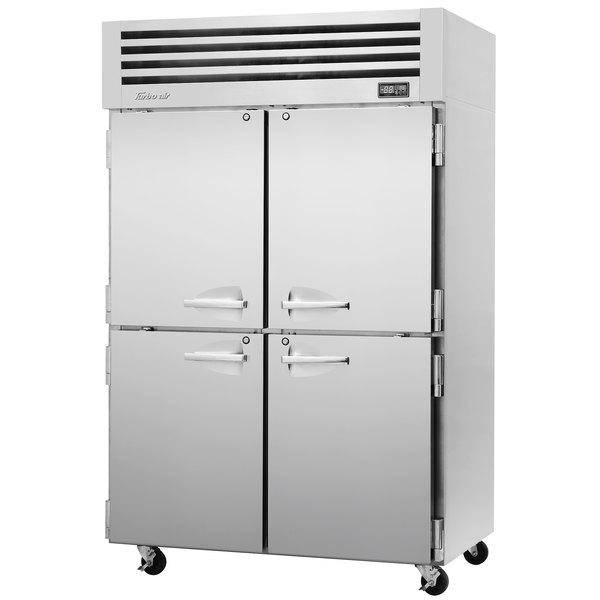
Free Shipping
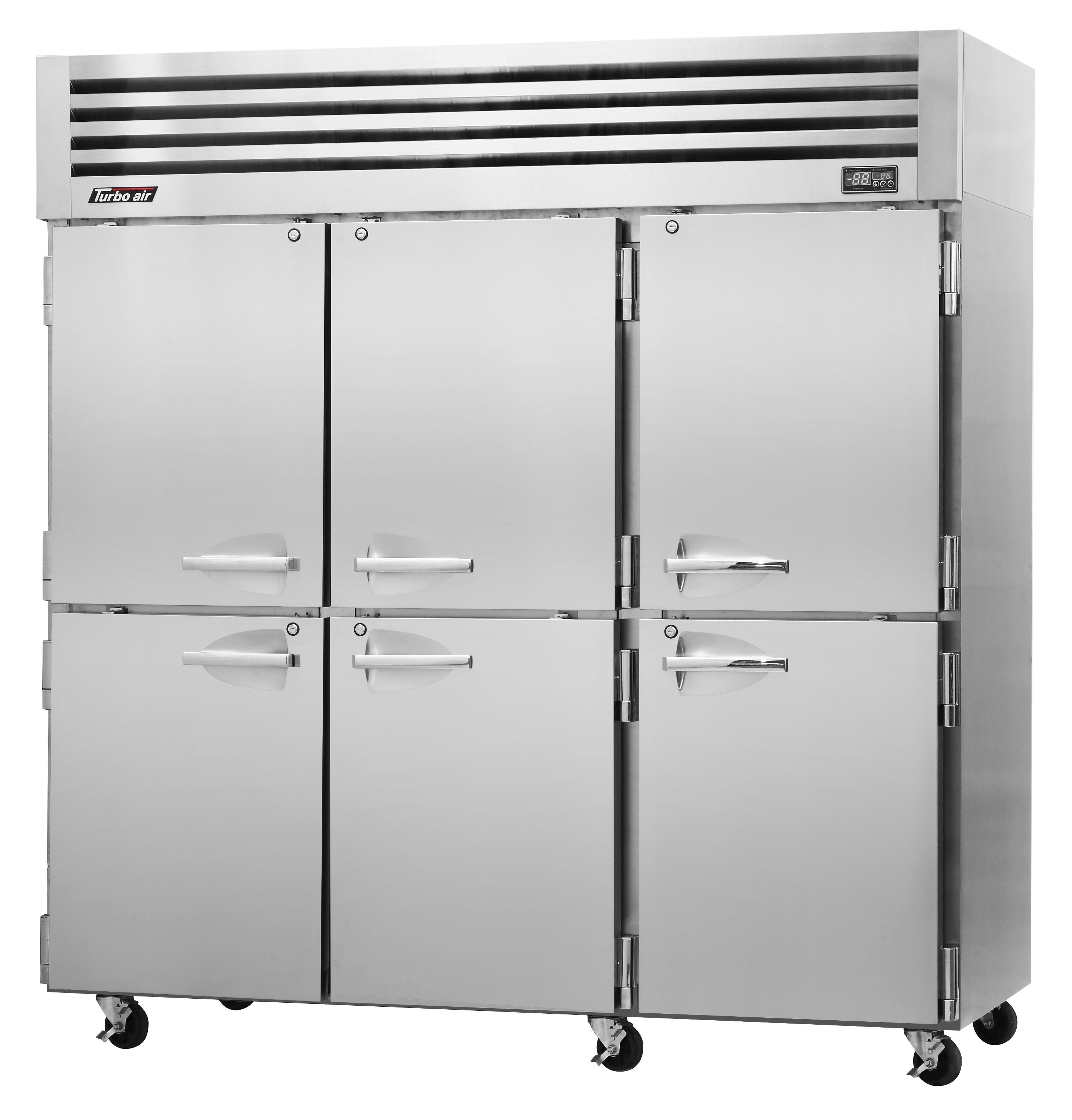
Free Shipping
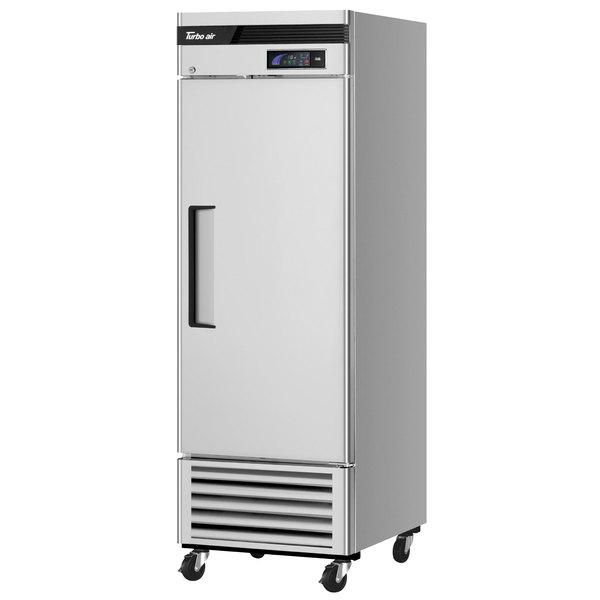
Free Shipping
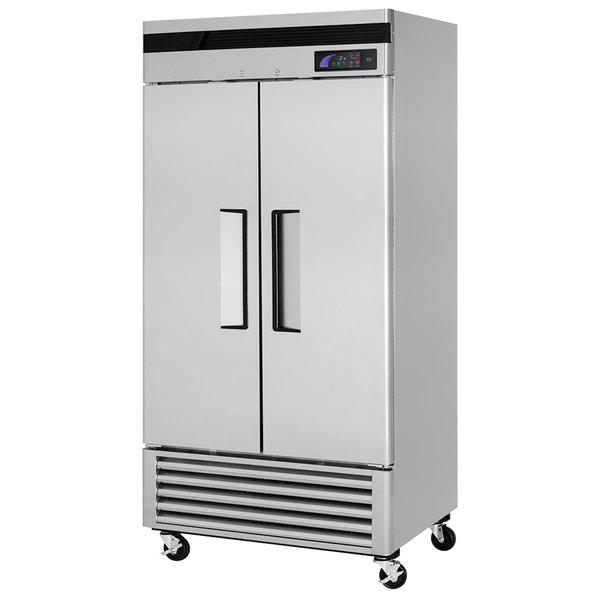
Free Shipping
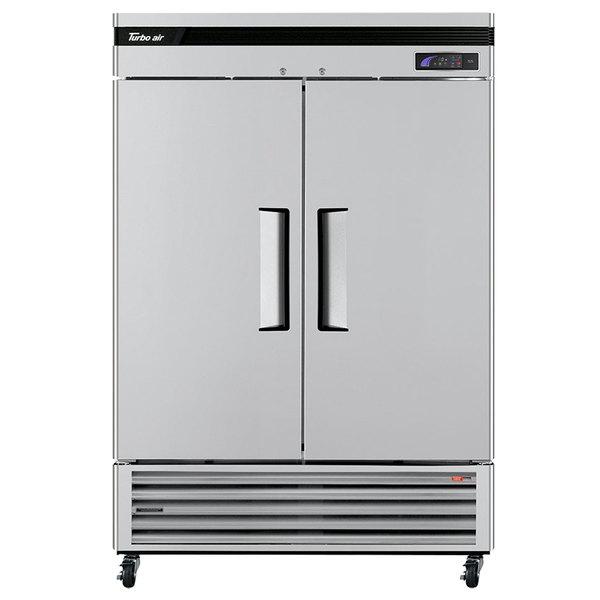
Free Shipping
Free Shipping
Free Shipping
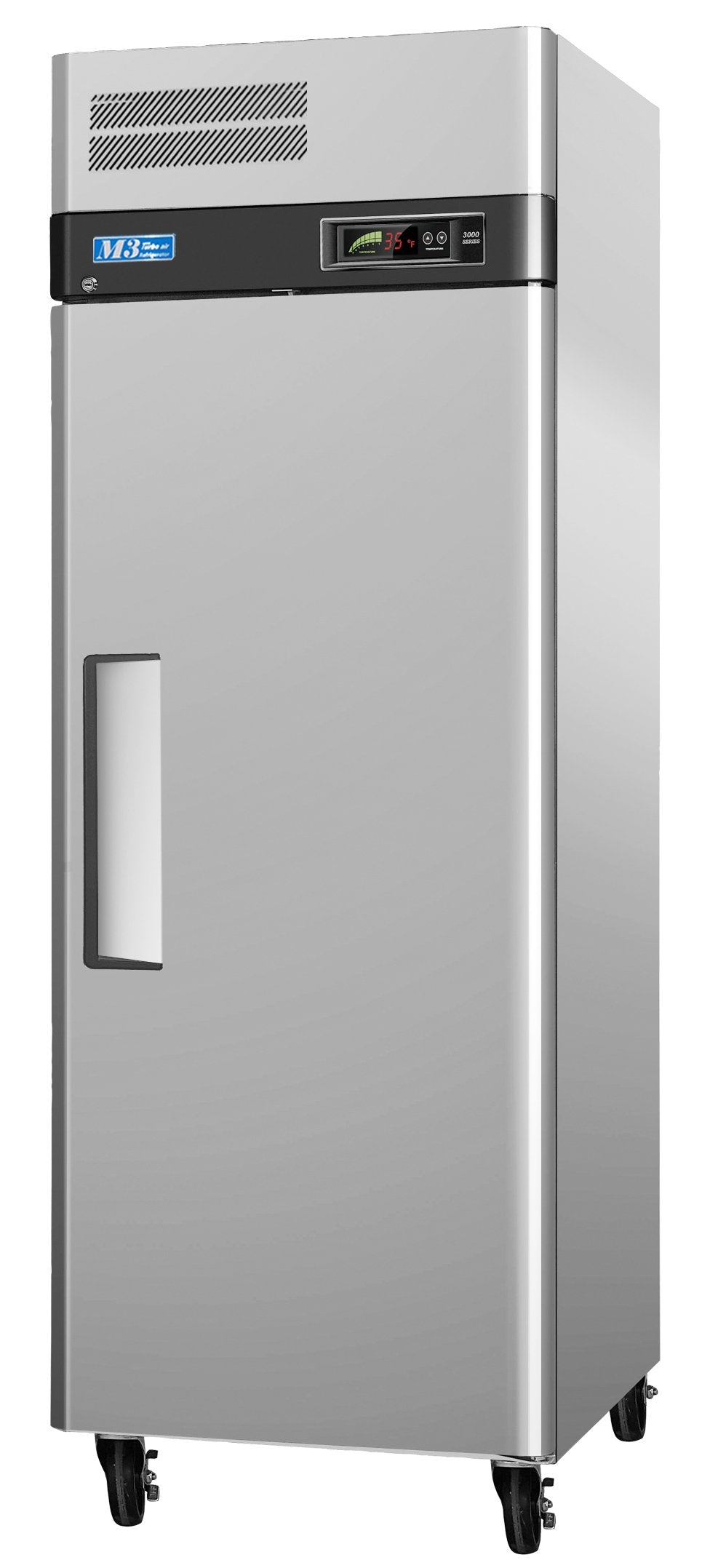
Free Shipping
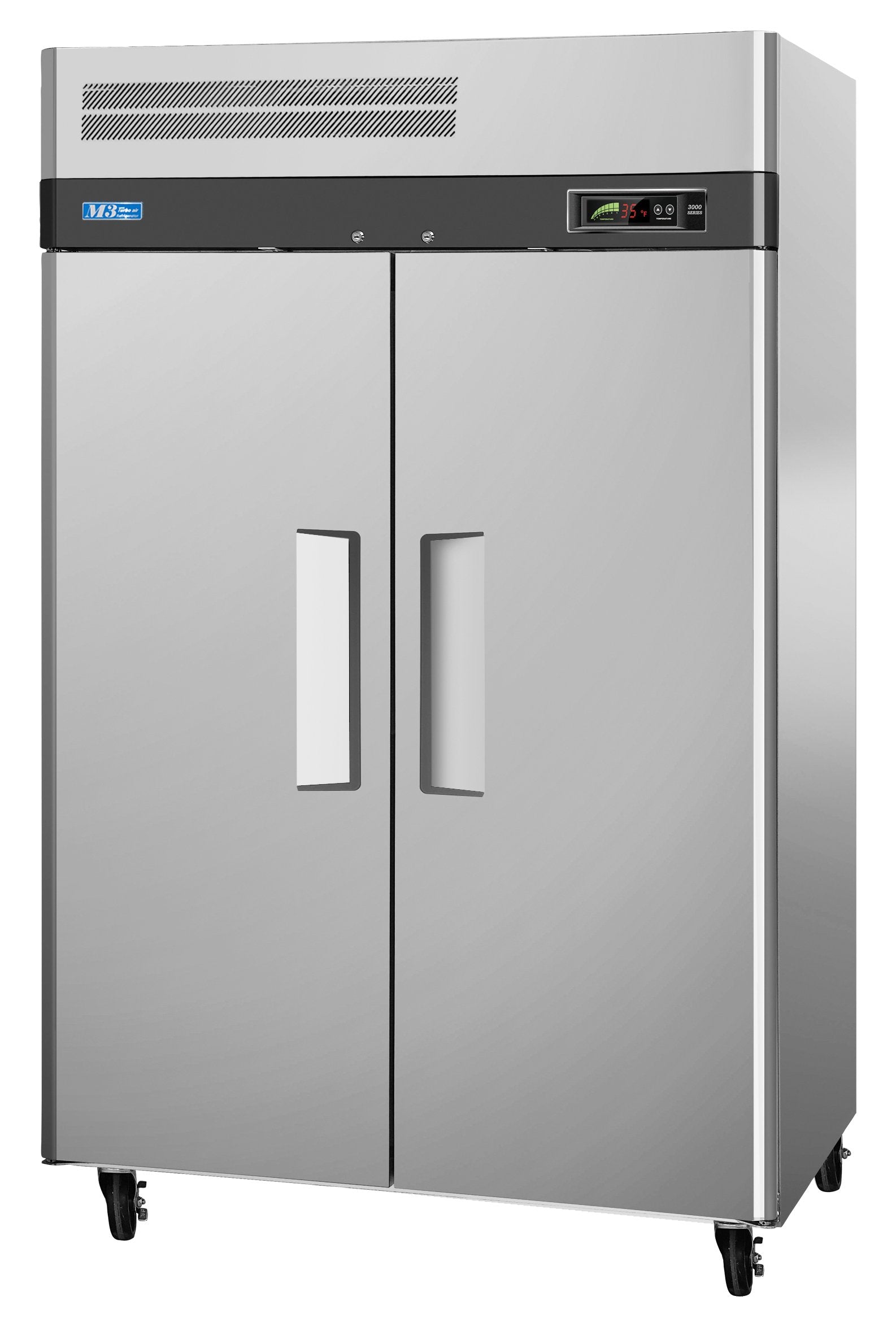
Free Shipping
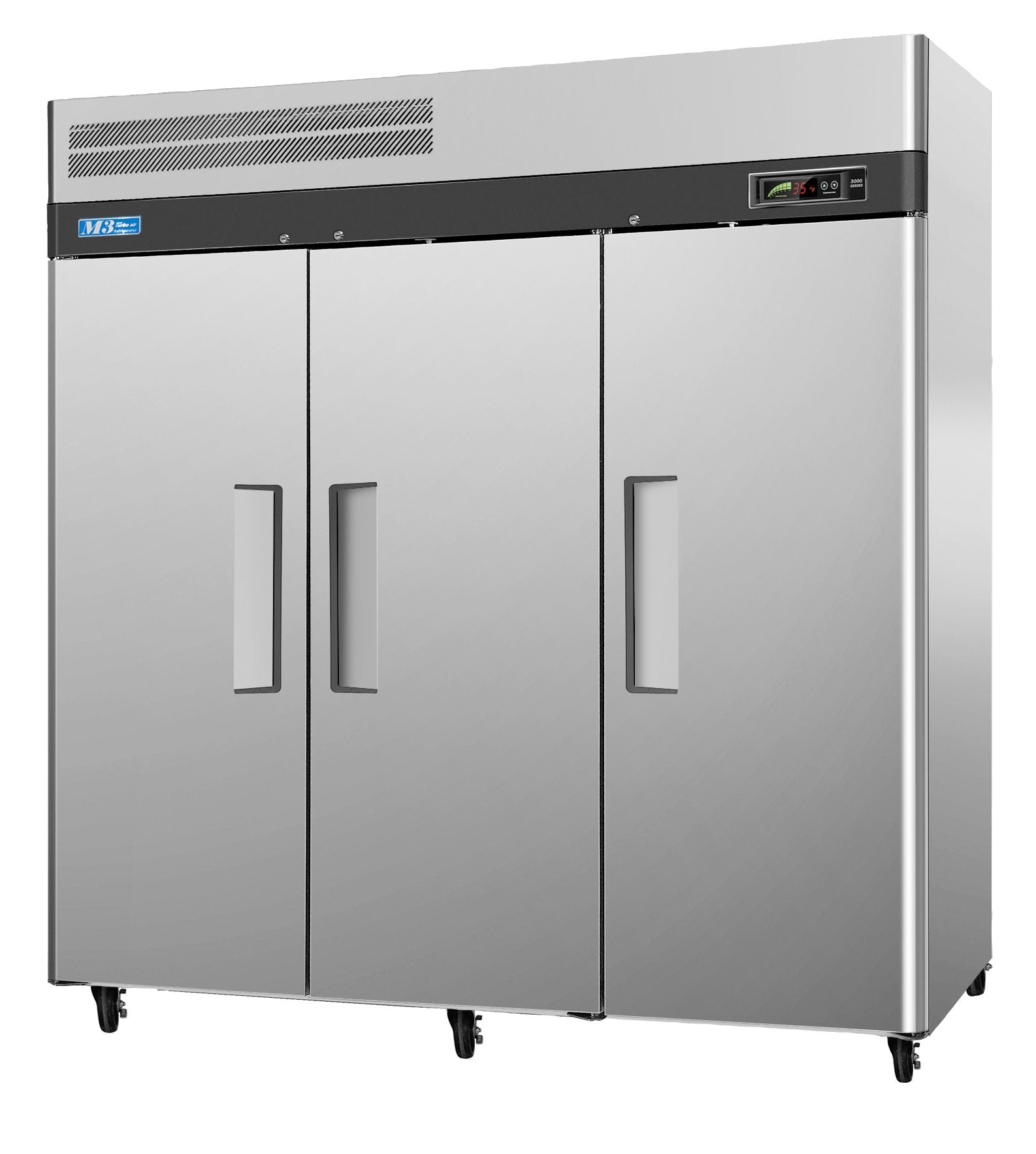
Free Shipping
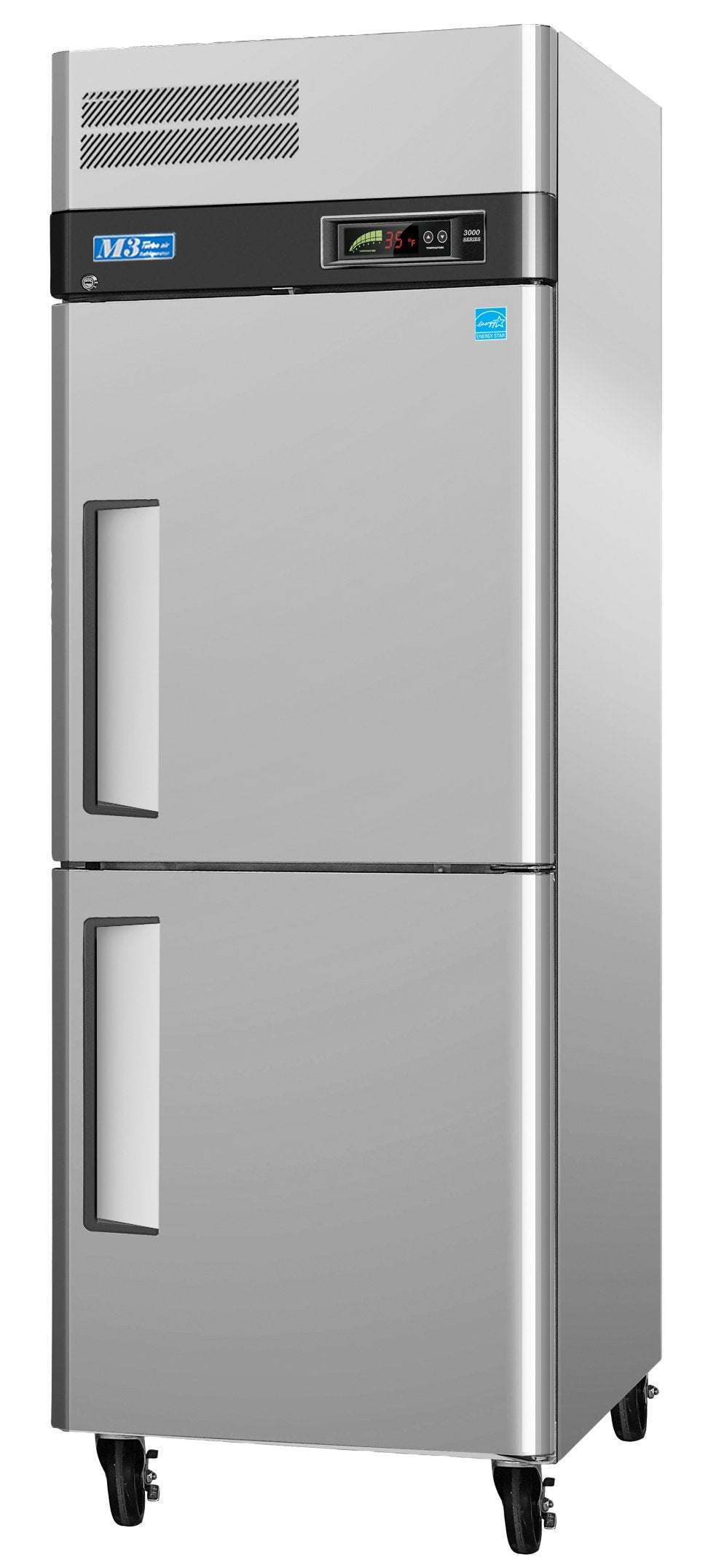
Free Shipping
Free Shipping
Free Shipping
Free Shipping
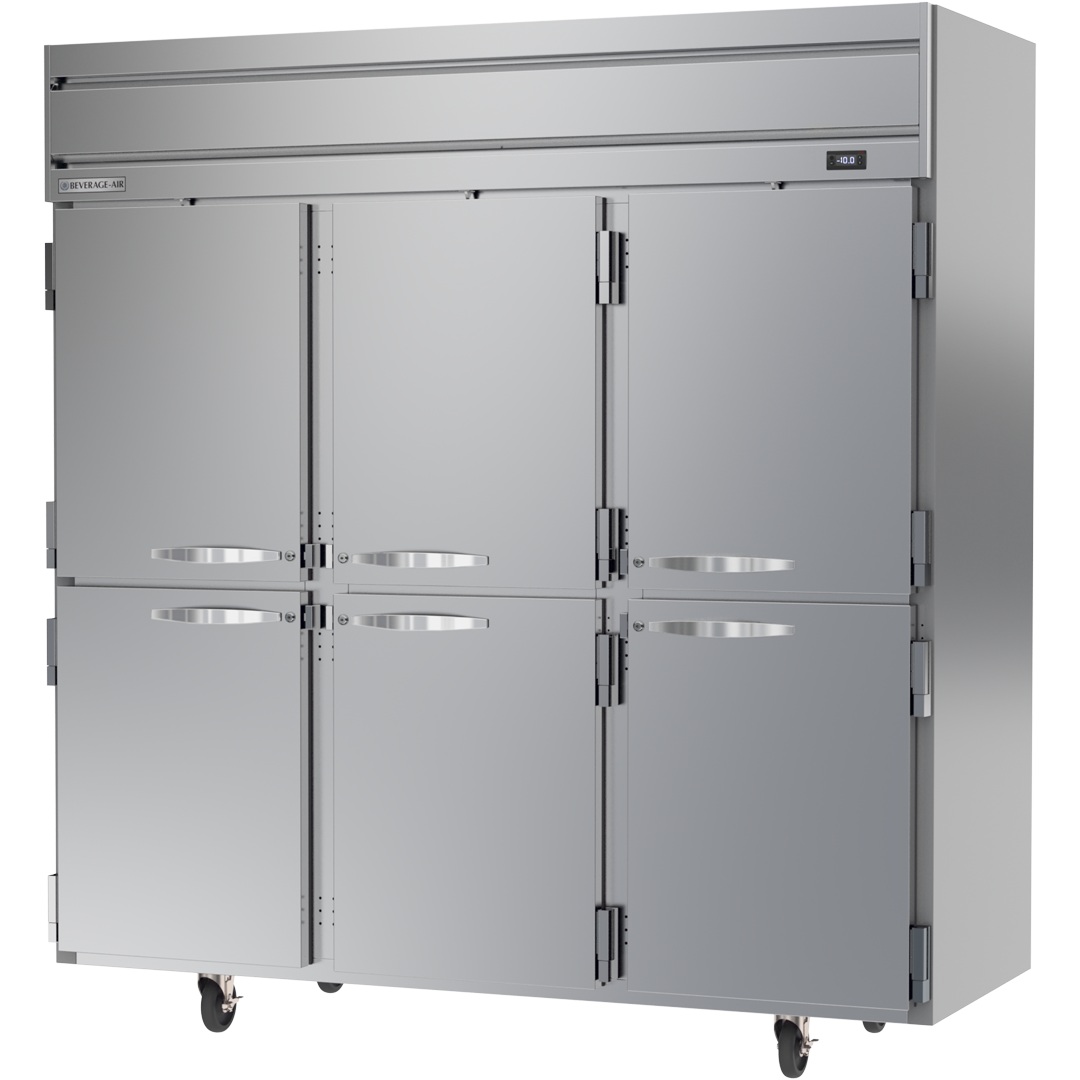
Beverage Air
Beverage Air HF3HC-1HS 6 Solid Half-Doors Top Mount Freezer Stainless ...
Regular price$11,557.62
/ Ea. Free Shipping
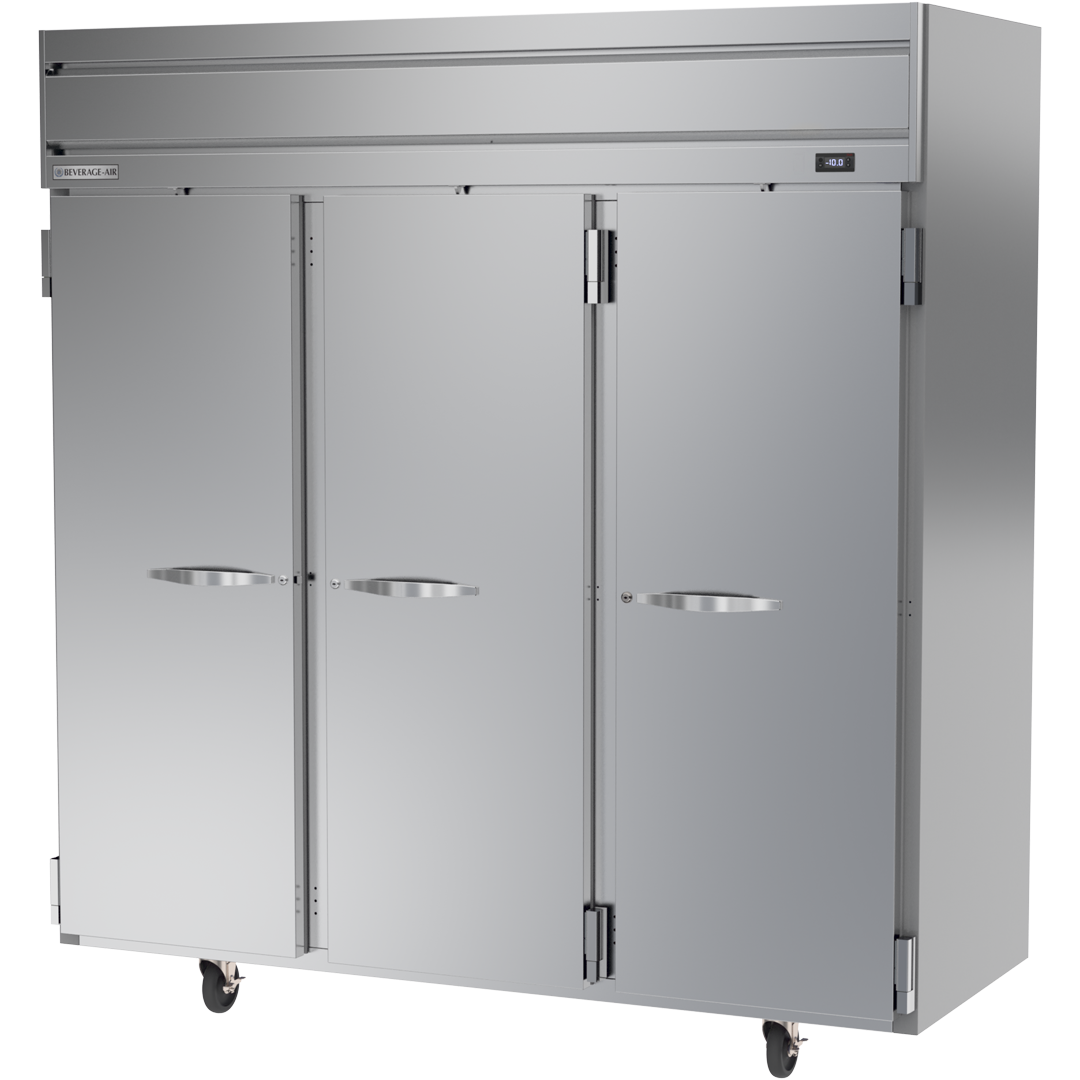
Beverage Air
Beverage Air HF3HC-1S 3 Solid Door Top Mount Freezer Stainless Steel F...
Regular price$10,790.71
/ Ea. Free Shipping
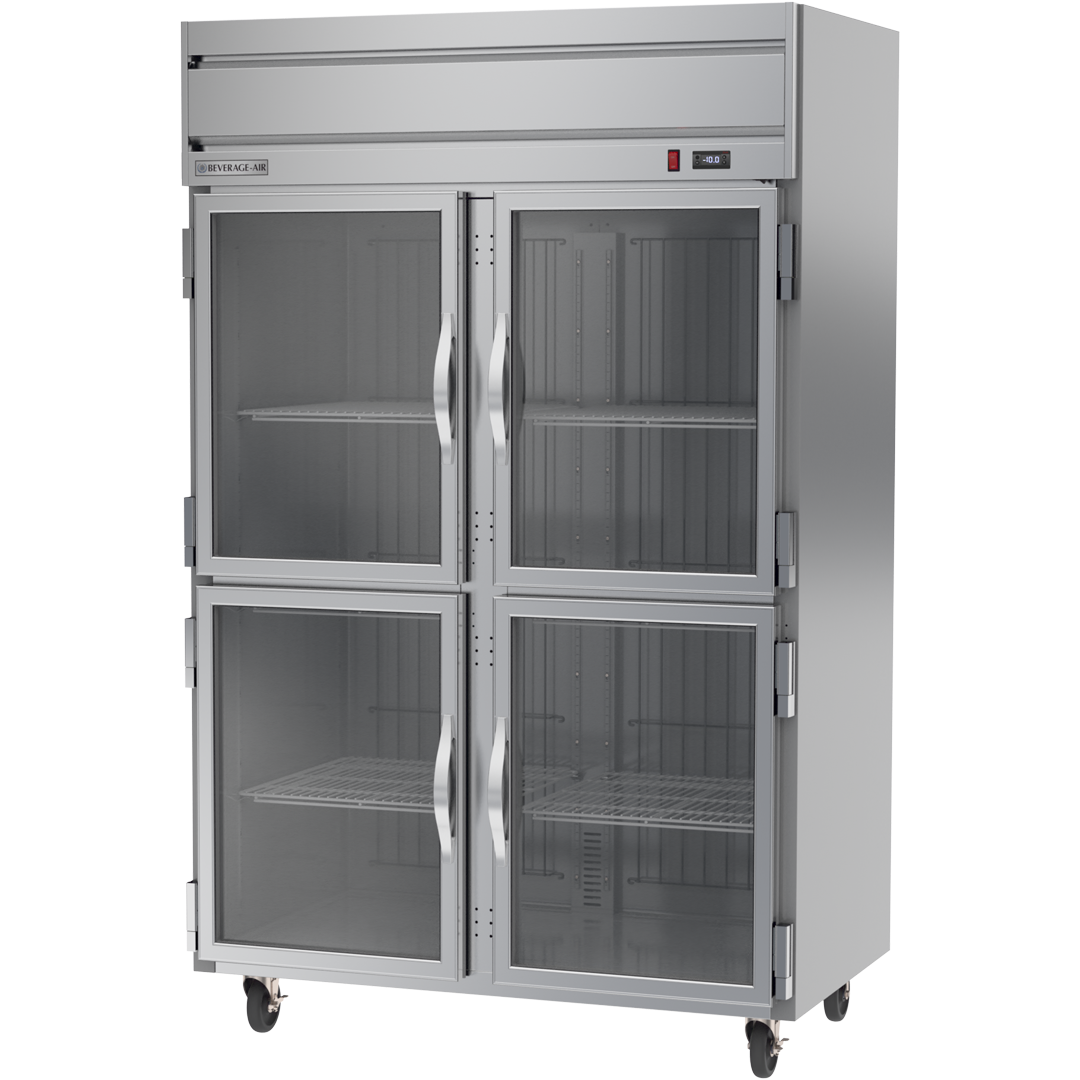
Beverage Air
Beverage Air HF2HC-1HG 4 Glass Half-Doors Top Mount Freezer Stainless ...
Regular price$11,087.53
/ Ea. Free Shipping
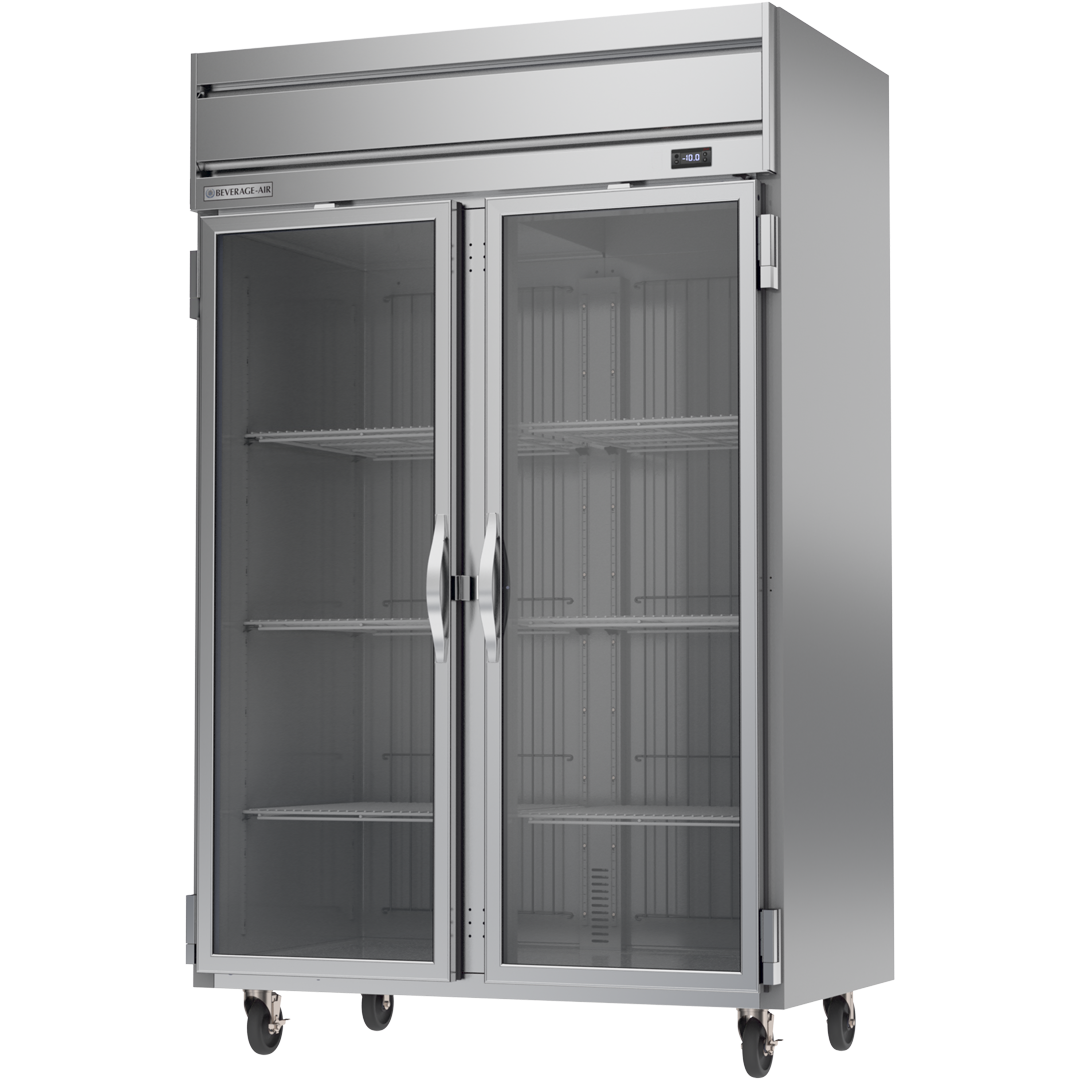
Beverage Air
Beverage Air HF2HC-1G 2 Glass Door Top Mount Freezer Stainless Steel F...
Regular price$10,208.54
/ Ea. Free Shipping
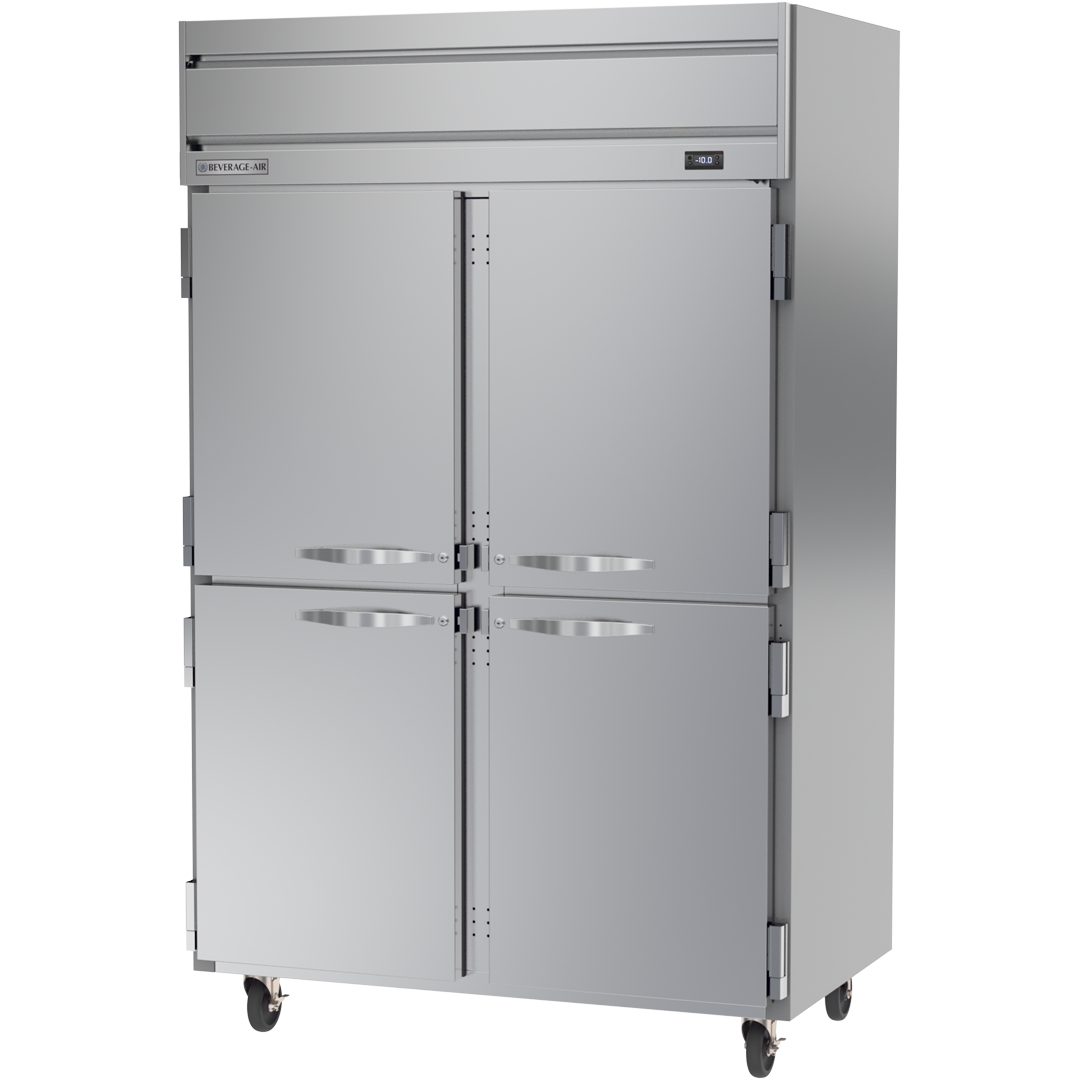
Beverage Air
Beverage Air HF2HC-1HS 4 Solid Half-Doors Top Mount Freezer Stainless ...
Regular price$8,779.14
/ Ea. Free Shipping
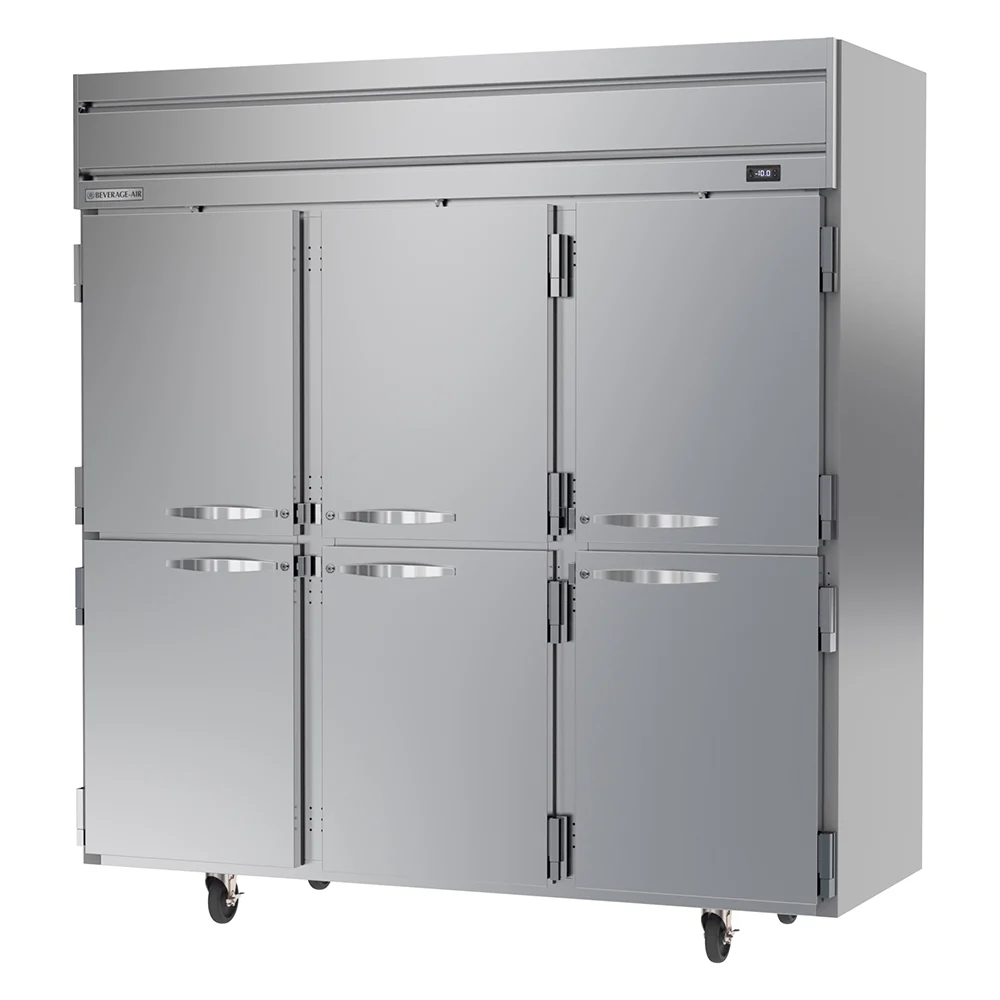
Beverage Air
Beverage Air HFS3HC-1HS 6 Solid Half-Doors Top Mount Freezer Stainless...
Regular price$12,561.30
/ Ea. Free Shipping
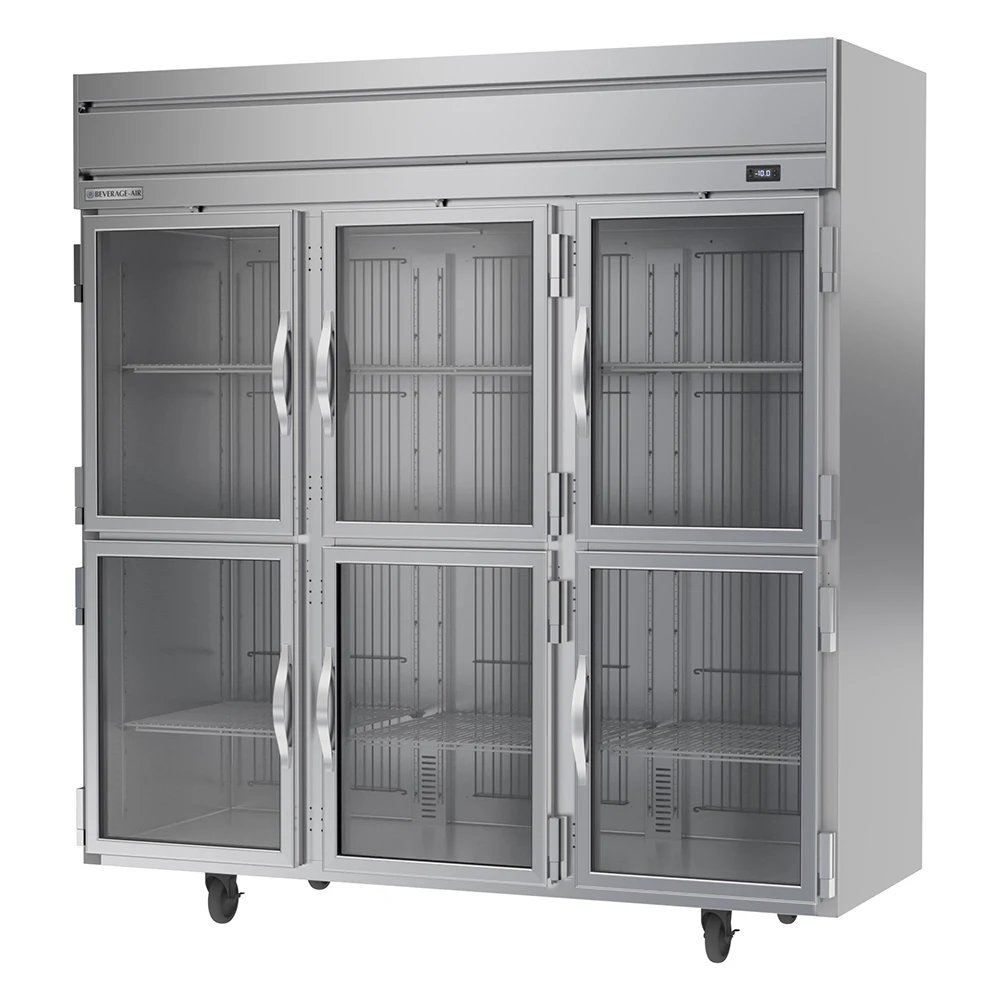
Beverage Air
Beverage Air HFS3HC-1HG 6 Glass Half-Doors Top Mount Freezer Stainless...
Regular price$16,935.19
/ Ea. Free Shipping
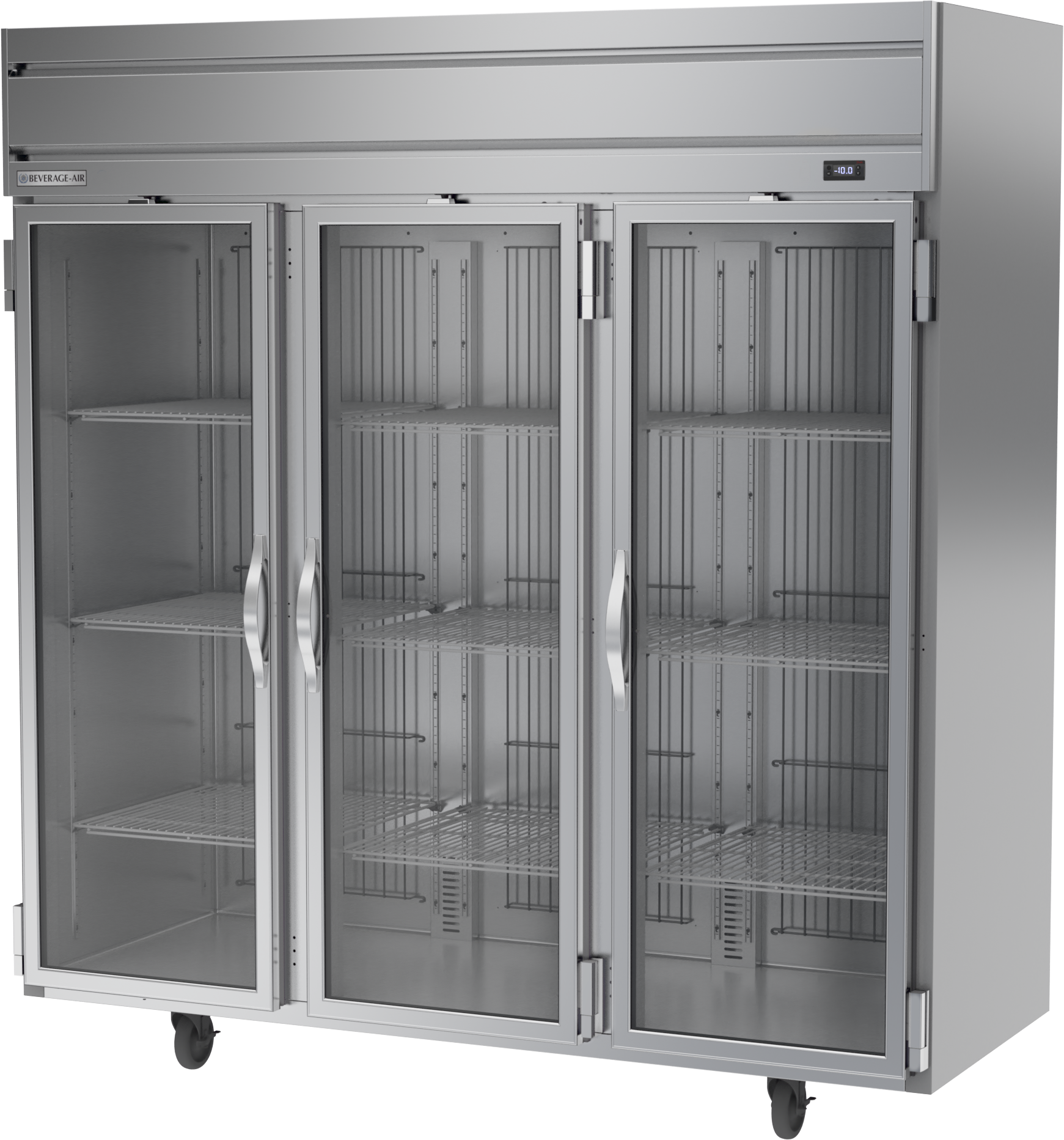
Beverage Air
Beverage Air HFS3HC-1G 3 Glass Door Top Mount Freezer Stainless Steel ...
Regular price$15,014.27
/ Ea. Free Shipping

Beverage Air
Beverage Air HFS2HC-1S 2 Solid Door Top Mount Freezer Stainless Steel ...
Regular price$8,441.01
/ Ea. Free Shipping

Beverage Air
Beverage Air HFS2HC-1HS 4 Solid Half-Doors Top Mount Freezer Stainless...
Regular price$8,973.45
/ Ea. Free Shipping

Beverage Air
Beverage Air HFS2HC-1HG 4 Glass Half-Doors Top Mount Freezer Stainless...
Regular price$11,758.43
/ Ea. Free Shipping
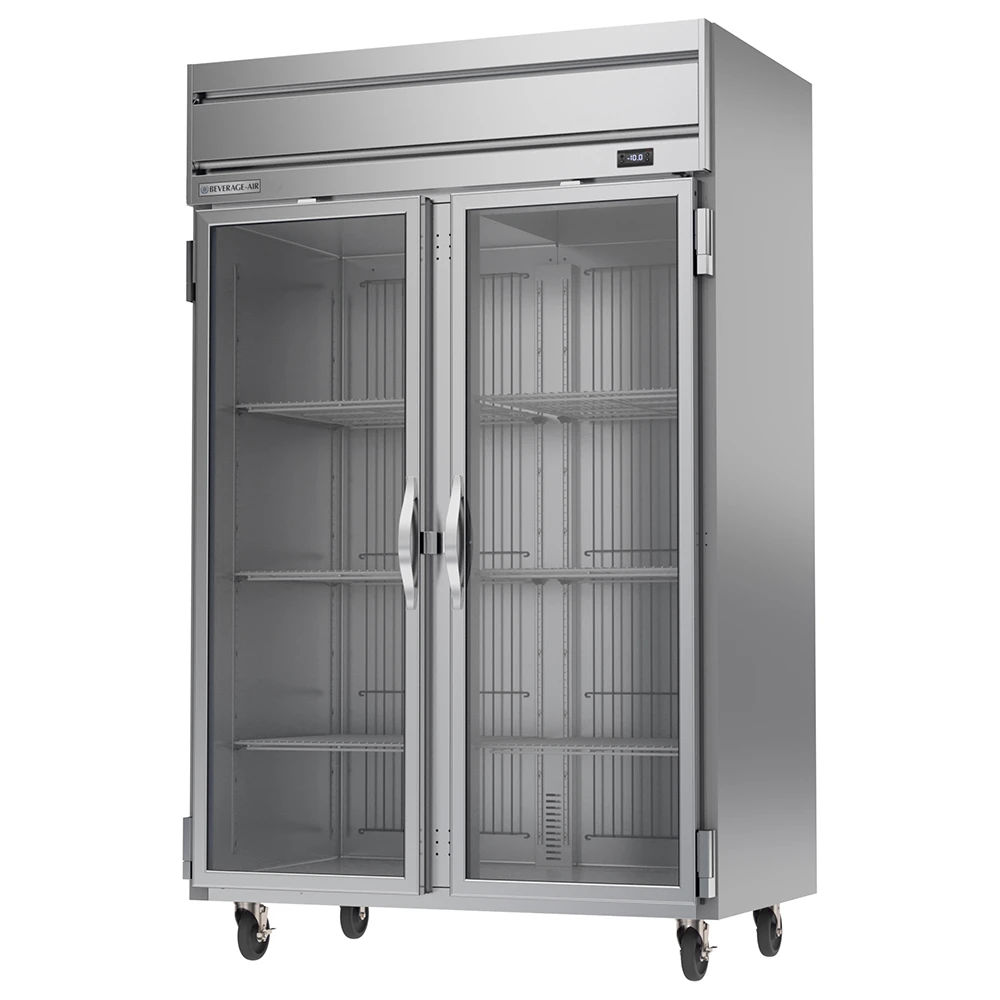
Beverage Air
Beverage Air HFS2HC-1G 2 Glass Door Top Mount Freezer Stainless Steel ...
Regular price$10,877.92
/ Ea. Free Shipping
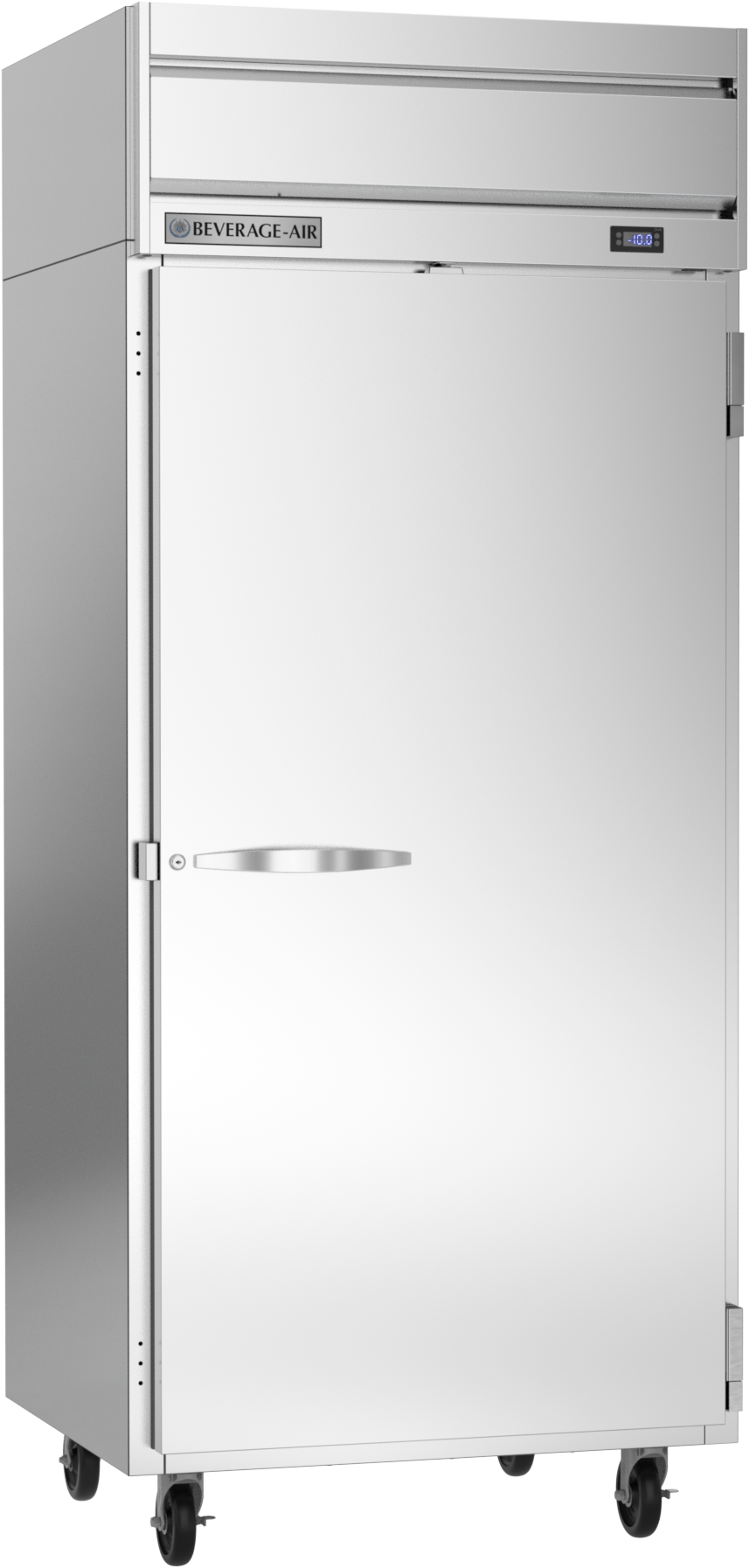
Beverage Air
Beverage Air HFS1WHC-1S 1 Solid Door Top Mount Freezer Stainless Steel...
Regular price$8,188.94
/ Ea. Free Shipping
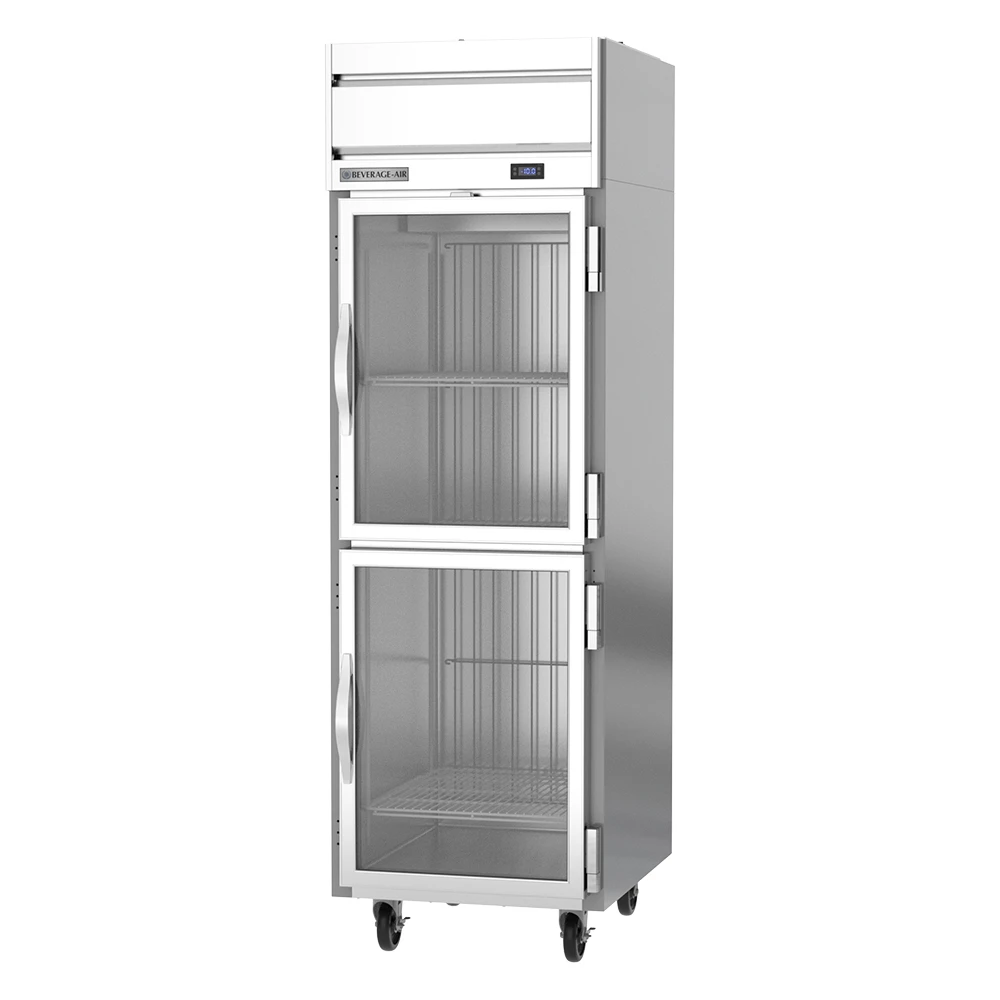
Beverage Air
Beverage Air HFS1HC-1HG 2 Glass Half-Doors Top Mount Freezer Stainless...
Regular price$7,832.84
/ Ea. Free Shipping
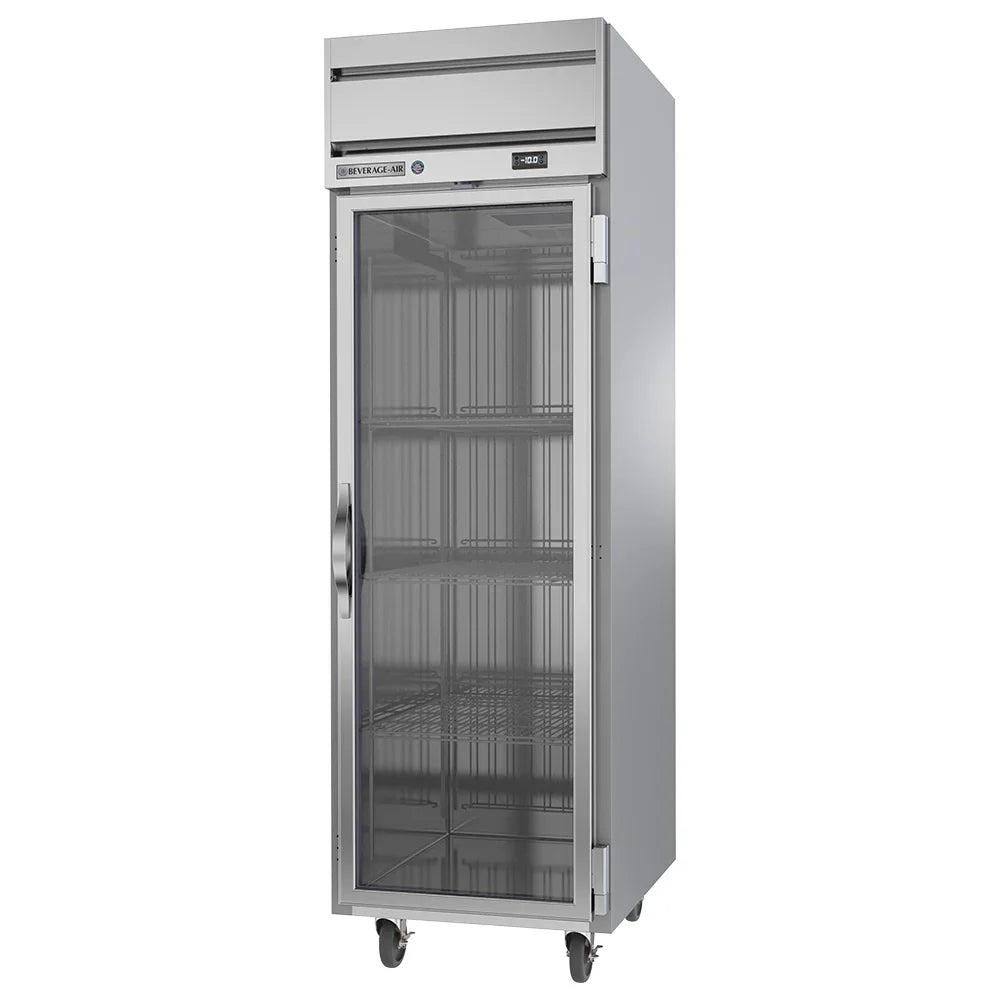
Beverage Air
Beverage Air HFS1HC-1G 1 Glass Door Top Mount Freezer Stainless Steel ...
Regular price$7,659.18
/ Ea. Free Shipping
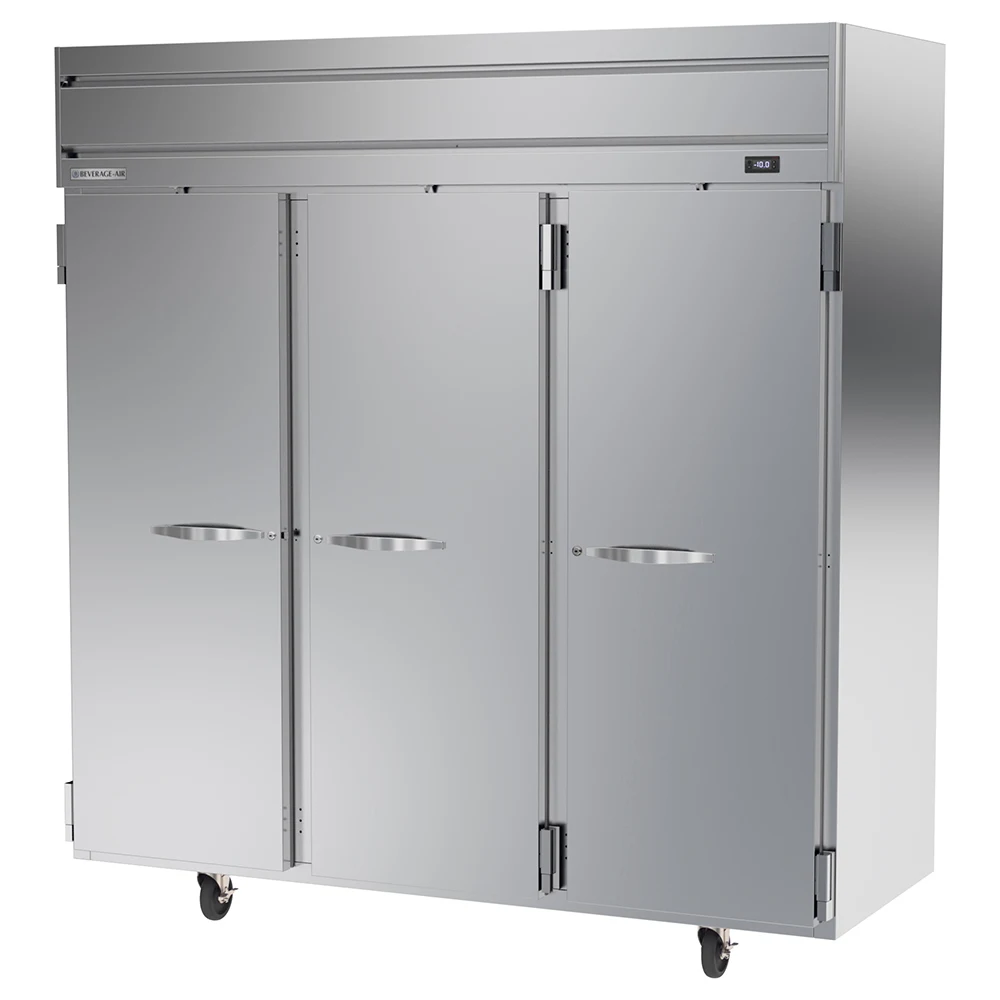
Beverage Air
Beverage Air HFPS3HC-1S 3 Solid Door Top Mount Freezer Stainless Steel...
Regular price$13,481.98
/ Ea. Free Shipping
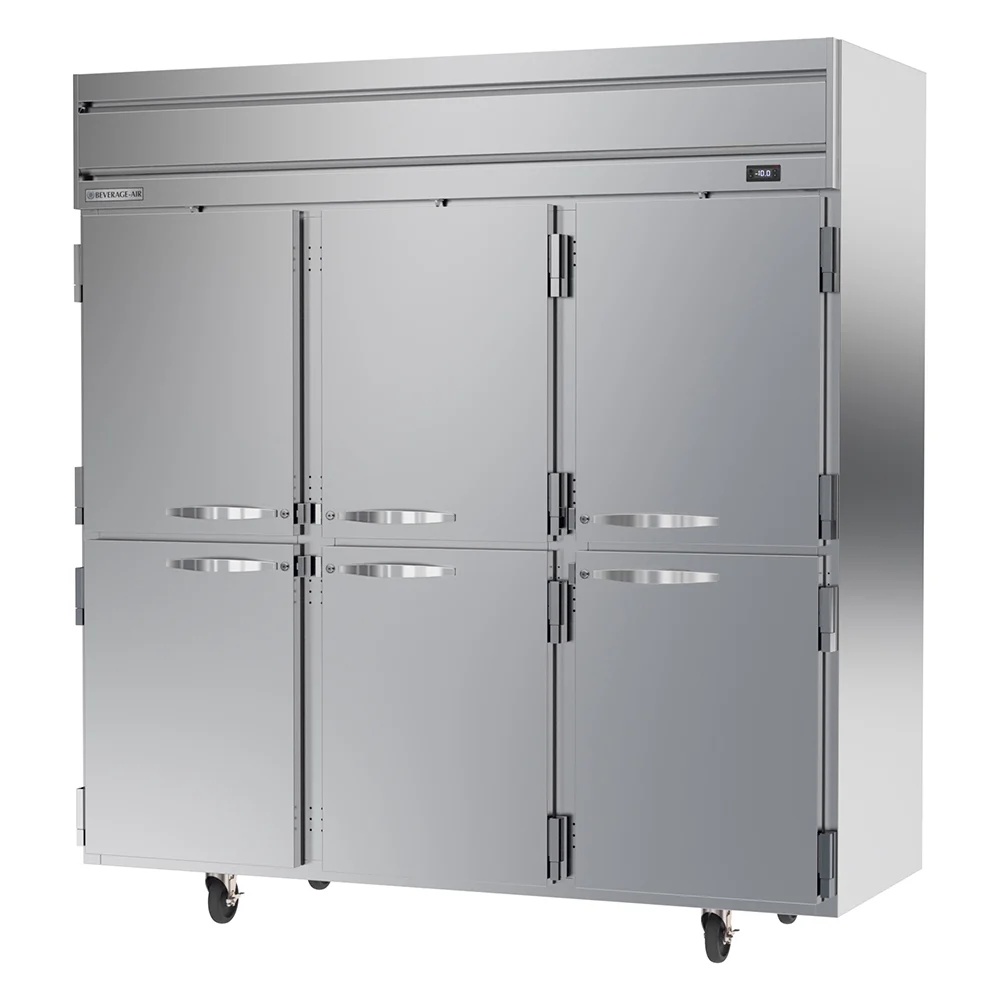
Beverage Air
Beverage Air HFPS3HC-1HS 6 Solid Half-Doors Top Mount Freezer Stainles...
Regular price$14,978.70
/ Ea. Recently viewed
What to Know Before Buying a Commercial Reach-In Freezer
Buying a reach-in freezer is not just about adding frozen storage—it’s about ensuring your kitchen can operate efficiently under pressure. The first thing to evaluate is capacity. Many operators underestimate how quickly frozen storage fills up, especially in high-volume environments. A unit that’s too small creates workflow issues, while an oversized unit wastes energy and valuable kitchen space. The right approach is to match your freezer size with your daily usage, menu type, and delivery frequency. In many kitchens, frozen storage is just one part of a broader refrigeration setup, and reach-in freezers are often used alongside a reliable commercial refrigerator to support daily operations. Temperature performance and recovery time are equally important. In busy kitchens where doors are opened frequently, the freezer must be able to return to its target temperature quickly. Units with strong compressors, proper insulation, and efficient airflow systems maintain consistent internal conditions, protecting product quality and reducing the risk of spoilage or freezer burn. You should also consider configuration and long-term usability. Single-door units are ideal for tight spaces, while two- or three-door models provide higher capacity for larger operations. Features like digital temperature controls, automatic defrost systems, and durable stainless steel construction can significantly improve performance and reduce maintenance over time. A well-chosen reach-in freezer doesn’t just store products—it supports your entire kitchen workflow.
Common questions
What size reach-in freezer do I need for my restaurant?
The right size depends on your daily storage needs, menu type, and how often you receive deliveries. Small kitchens typically use single-door units, while high-volume restaurants often require two- or three-door freezers. It’s important to plan for peak usage, not just average demand, to avoid running out of space during busy periods.
What temperature should a commercial reach-in freezer maintain?
Most commercial reach-in freezers are designed to maintain temperatures around -10°F to 0°F. This range is ideal for preserving frozen foods safely while preventing freezer burn. Consistent temperature control is critical, especially in kitchens where the door is opened frequently.
What is the difference between a reach-in freezer and a walk-in freezer?
Reach-in freezers are compact, upright units designed for easy access and smaller storage needs, while walk-in freezers provide large-scale storage for bulk inventory. Reach-ins are ideal for day-to-day kitchen use, whereas walk-ins are typically used for back-of-house bulk storage.
Are commercial reach-in freezers energy efficient?
Modern reach-in freezers are designed with energy efficiency in mind, using improved insulation, efficient compressors, and better airflow systems. Choosing an energy-efficient model can significantly reduce operating costs over time, especially in kitchens that run equipment continuously.
How many doors should a reach-in freezer have?
This depends on your volume and available space. Single-door units work well for smaller kitchens, while double and triple-door models provide more storage and better organization for high-volume operations. More doors also help reduce temperature loss by limiting how much of the unit is exposed at once.
How long do commercial reach-in freezers last?
With proper maintenance, a commercial reach-in freezer can last 8–12 years or more. Regular cleaning, proper usage, and routine servicing play a major role in extending the lifespan of the unit.
What should I consider before buying a reach-in freezer?
You should consider size, temperature range, door configuration, energy efficiency, kitchen space, and how frequently the unit will be used. It’s also important to choose a model that matches your workflow and storage habits, not just your current needs.