


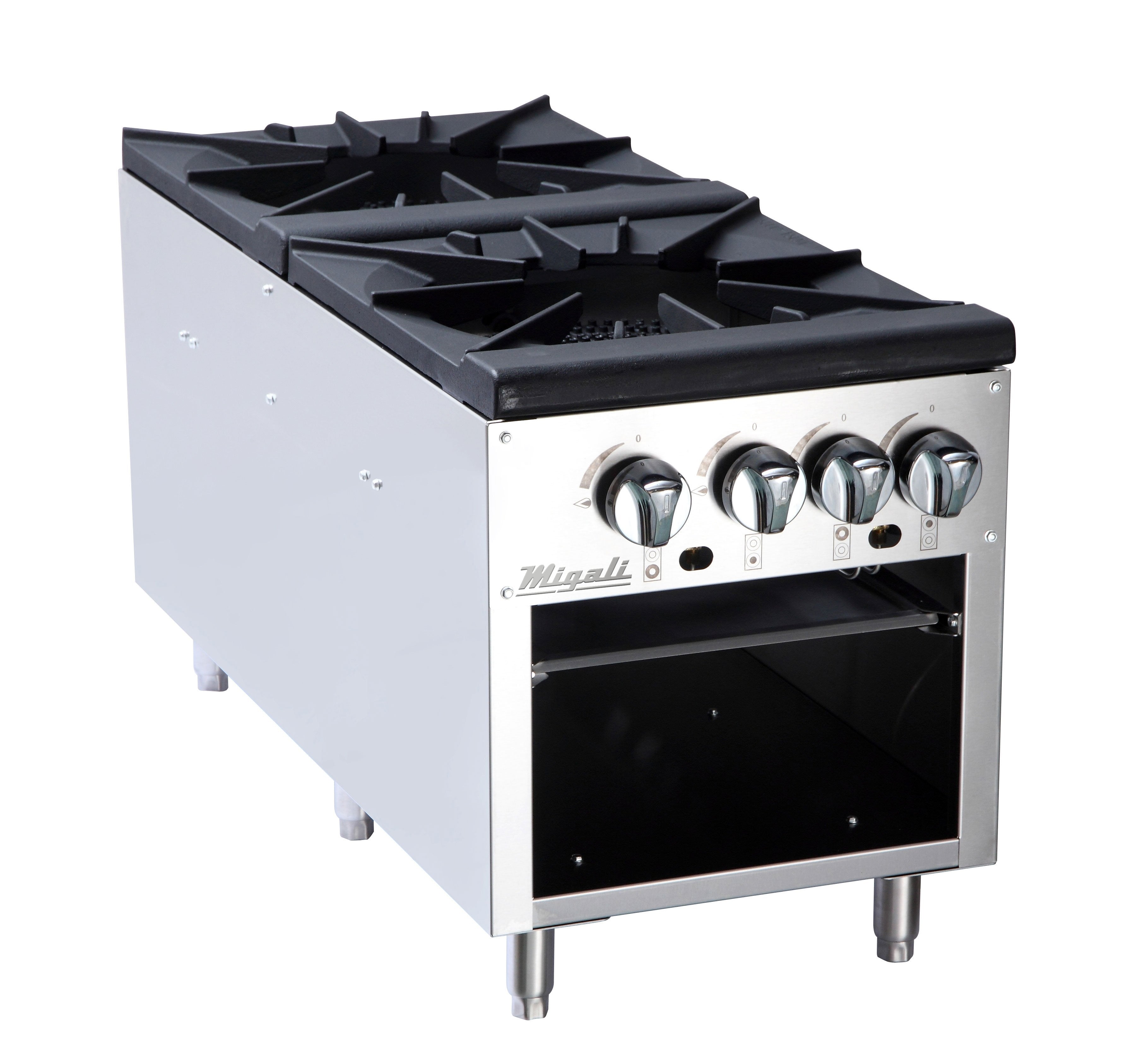

How to Choose Commercial Cooking Equipment for a Restaurant
Commercial cooking equipment is essential for restaurants, cafés, bakeries, delis, commissary kitchens, and other foodservice operations that rely on speed, consistency, and efficient workflow. Whether you are building a new kitchen, upgrading a cooking line, or expanding production capacity, the right equipment helps support daily service, improve kitchen performance, and match the demands of your menu. Explore commercial cooking equipment designed for professional use, including ovens, fryers, griddles, ranges, charbroilers, steamers, and countertop cooking equipment for a wide range of kitchen layouts and service volumes. From compact solutions for smaller operations to heavy-duty equipment for high-output kitchens, this category includes dependable options built to handle real commercial use.Read more
Commercial cooking equipment is essential for restaurants, cafés, bakeries, delis, commissary kitchens, and other foodservice operations that rely on speed, consistency, and efficient workflow. Whether you are building a new kitchen, upgrading a cooking line, or expanding production capacity, the right equipment helps support daily service, improve kitchen performance, and match the demands of your menu.
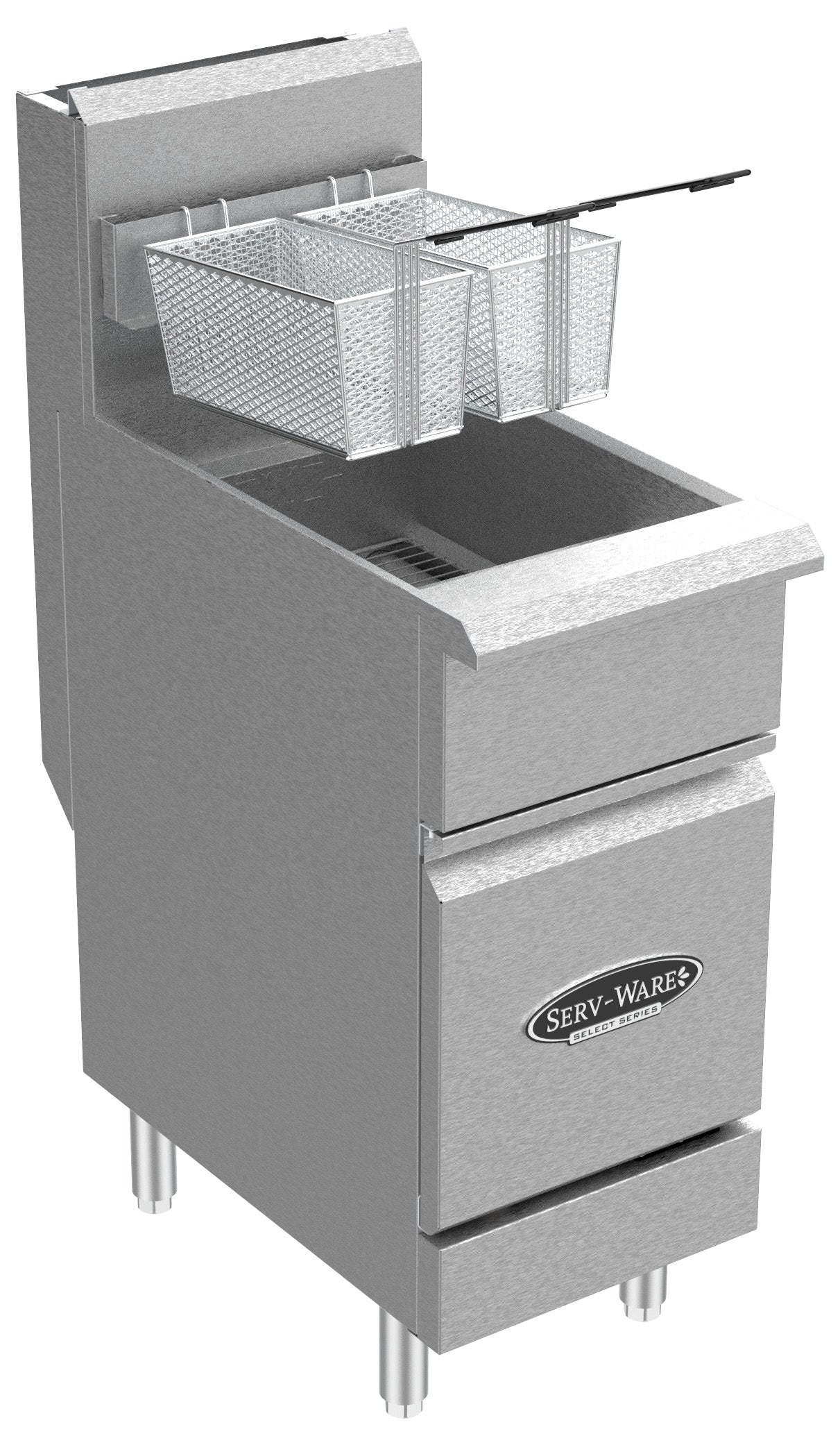
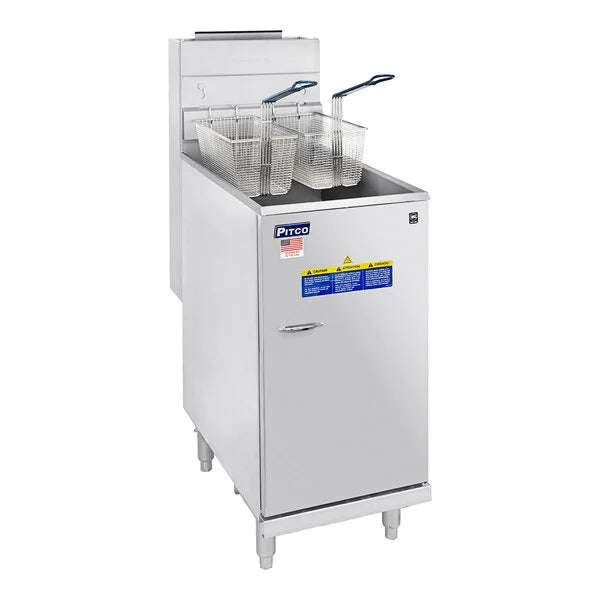
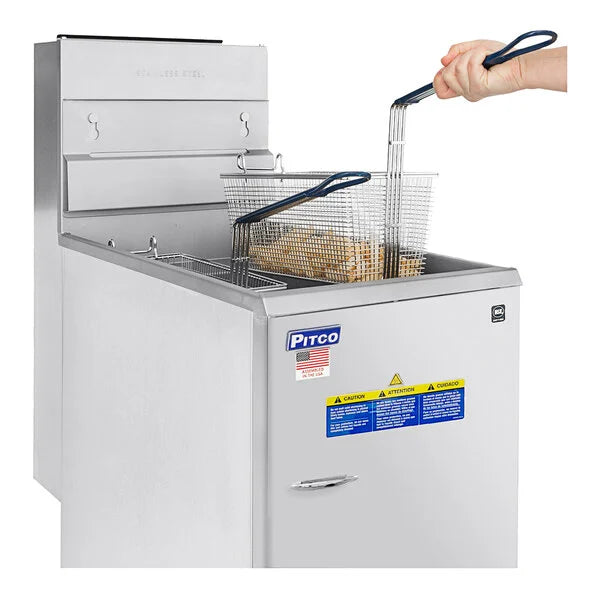
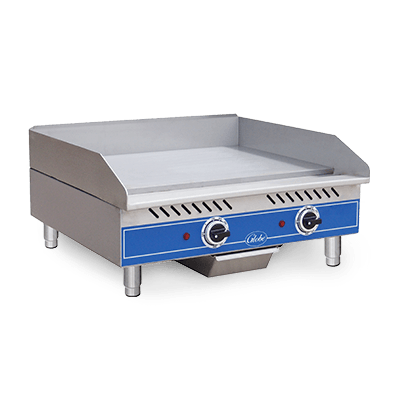
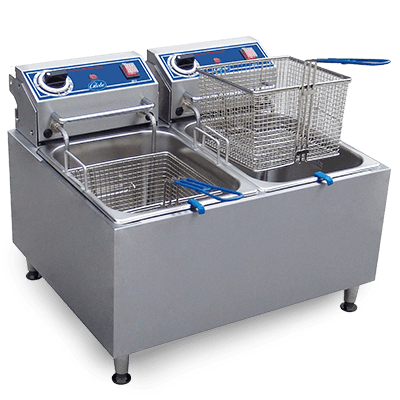
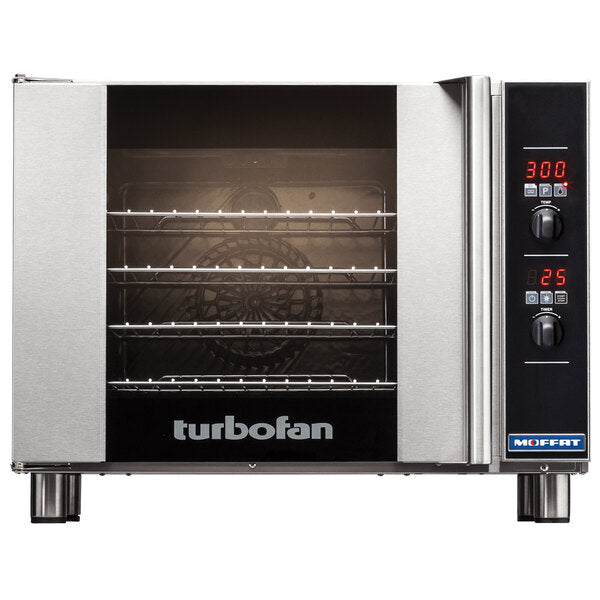
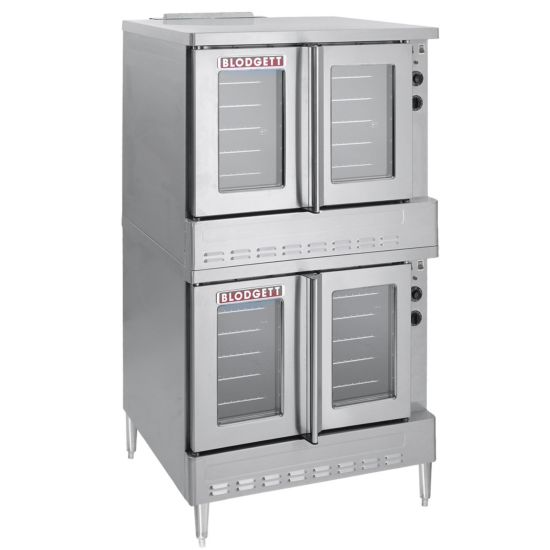
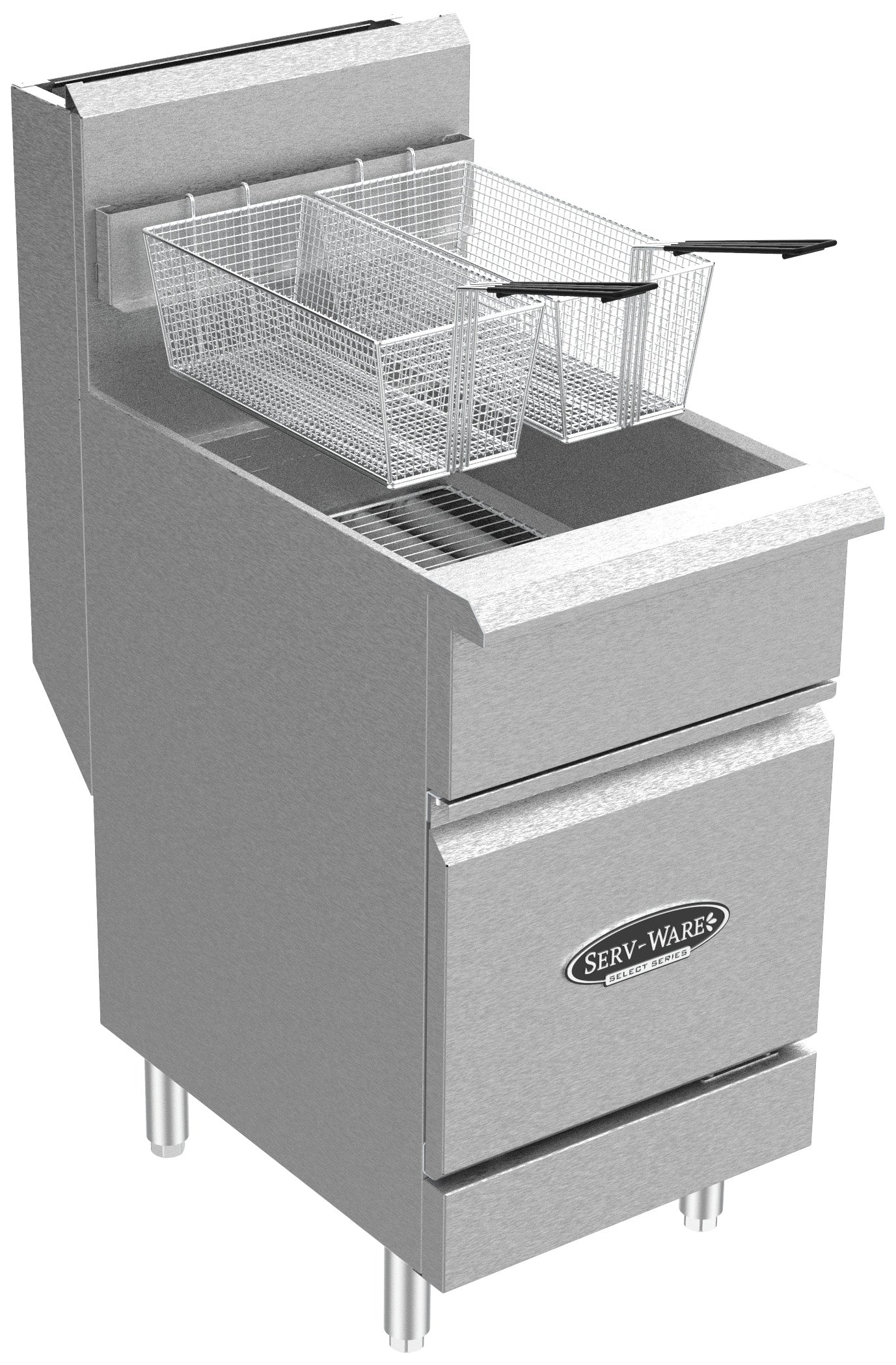
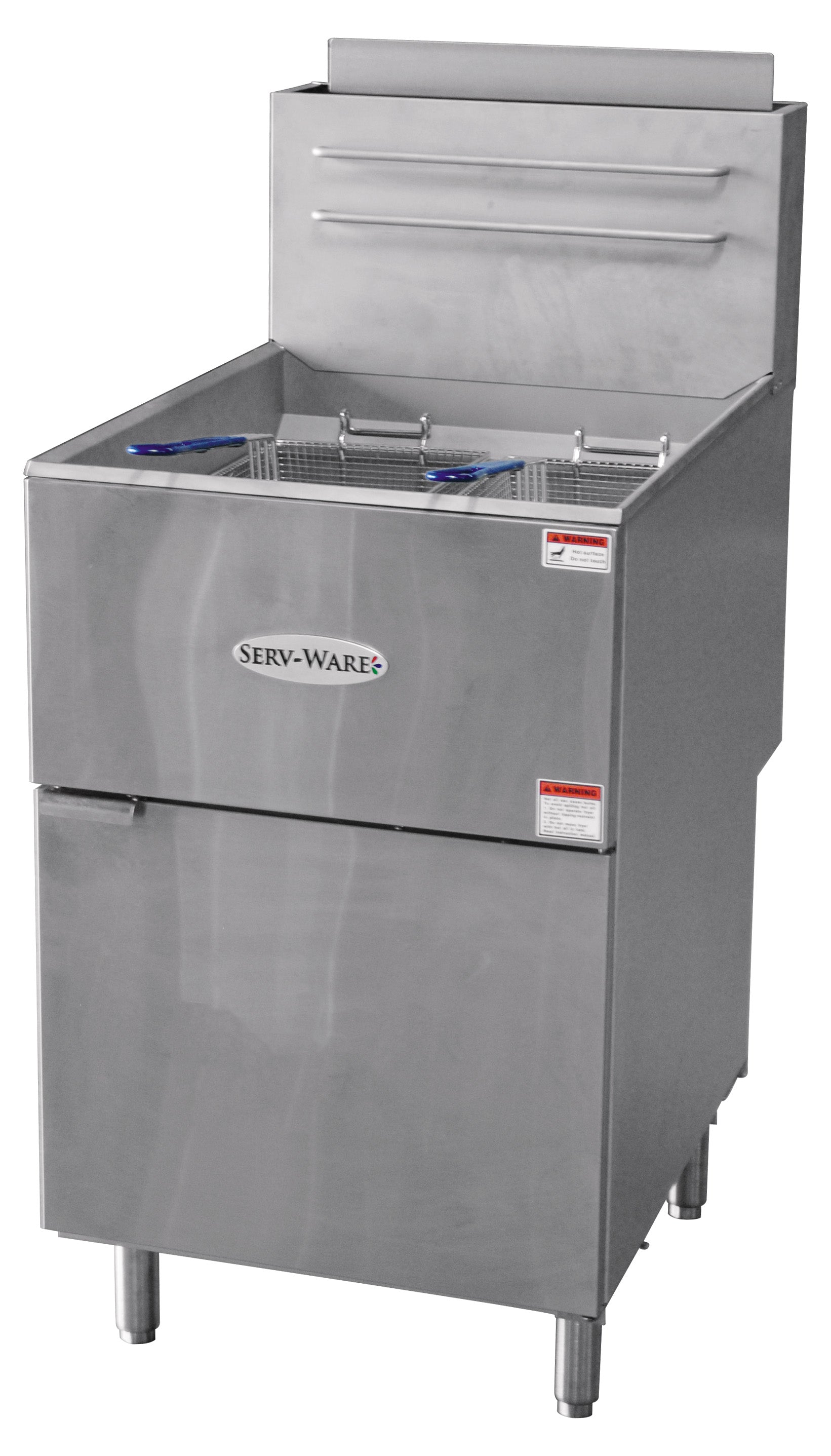
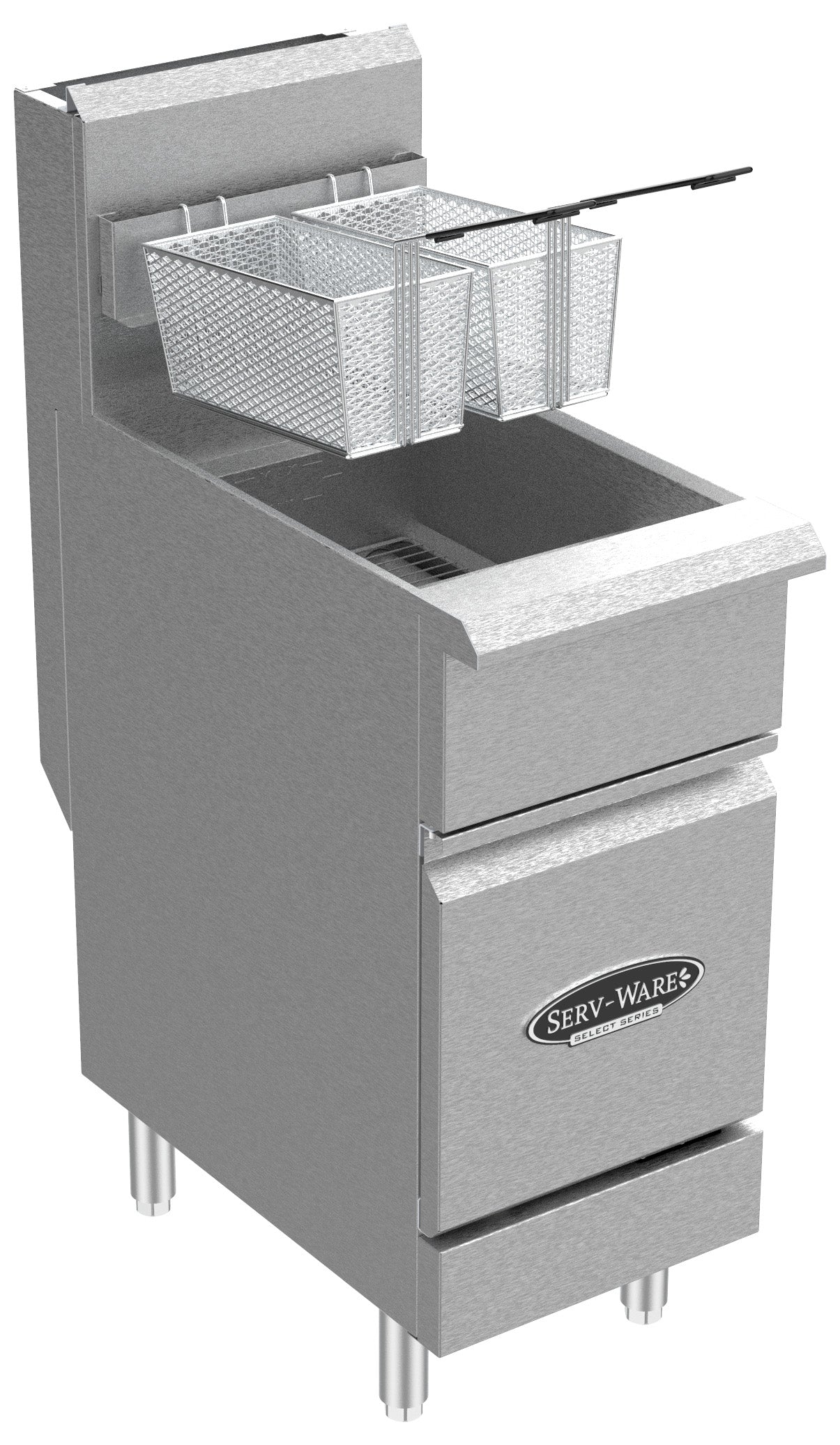
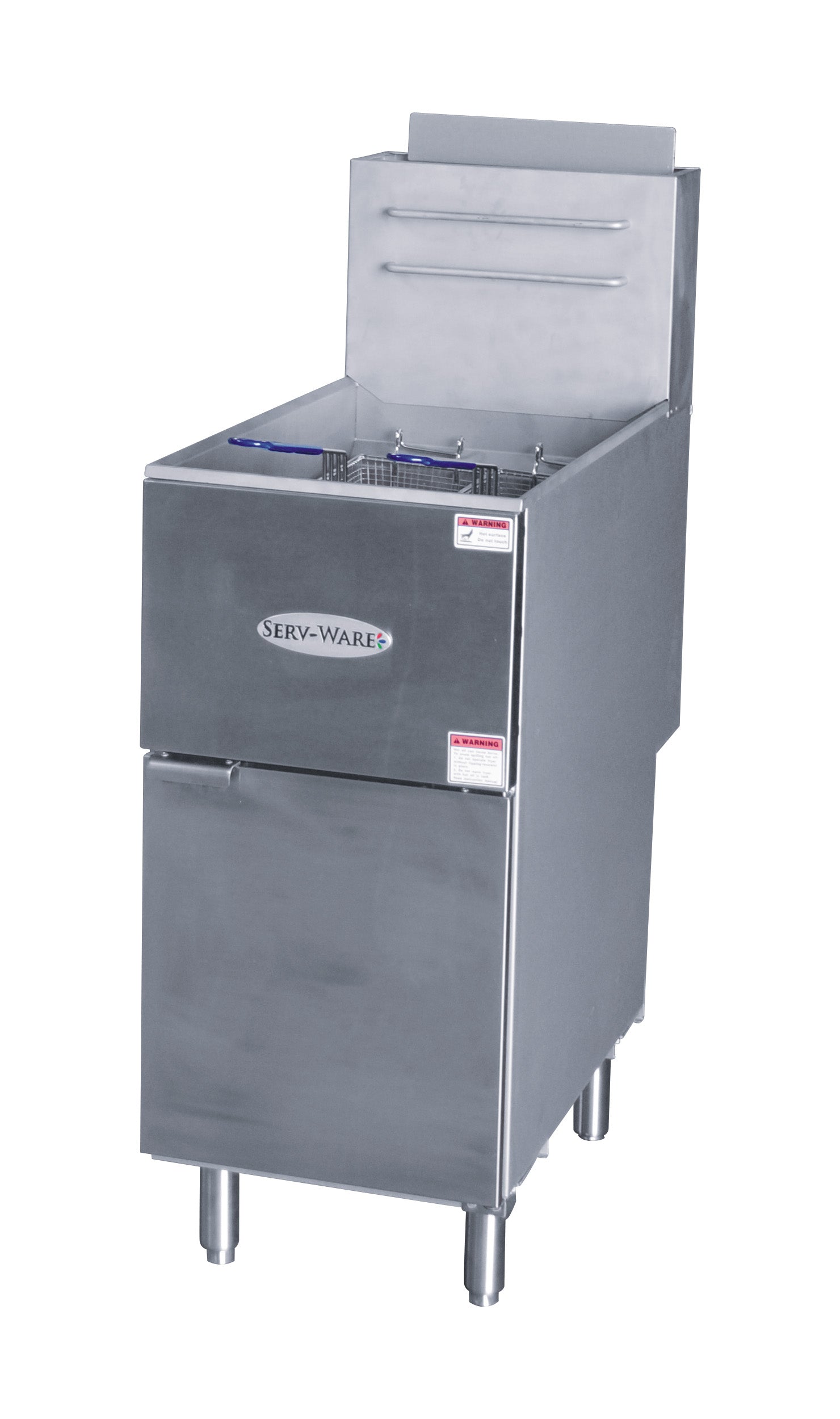
Explore commercial cooking equipment designed for professional use, including ovens, fryers, griddles, ranges, charbroilers, steamers, and countertop cooking equipment for a wide range of kitchen layouts and service volumes. From compact solutions for smaller operations to heavy-duty equipment for high-output kitchens, this category includes dependable options built to handle real commercial use.
Show less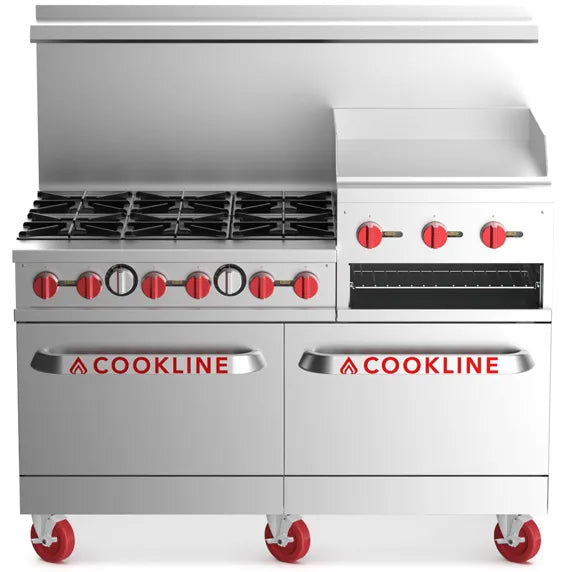
Cookline
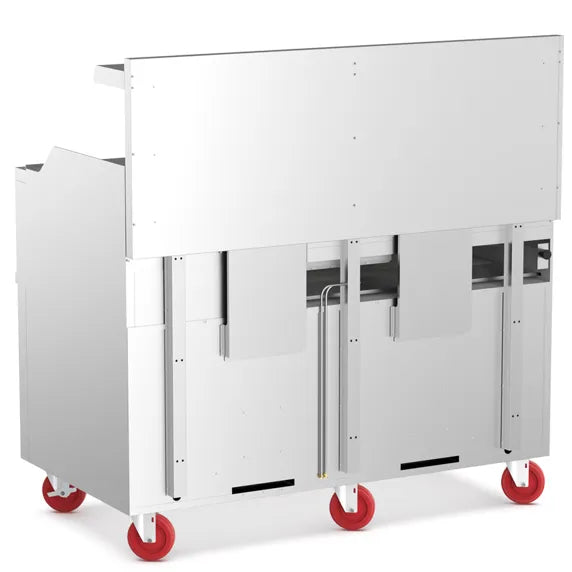
Cookline CR60-24RG-NG 60" 6 Burner Natural Gas Range with 2 Ovens with...
Regular price$2,795.00
/ Ea. 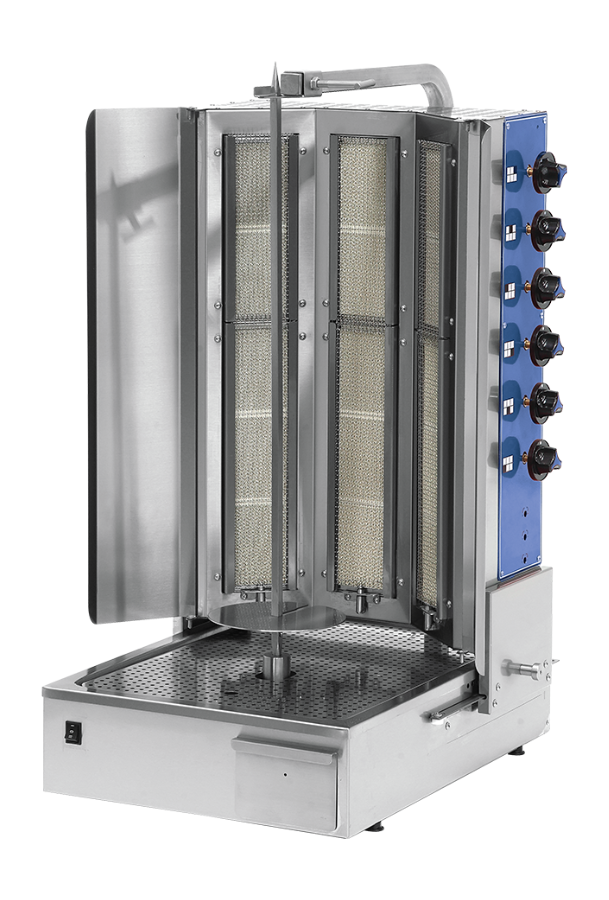
Free Shipping
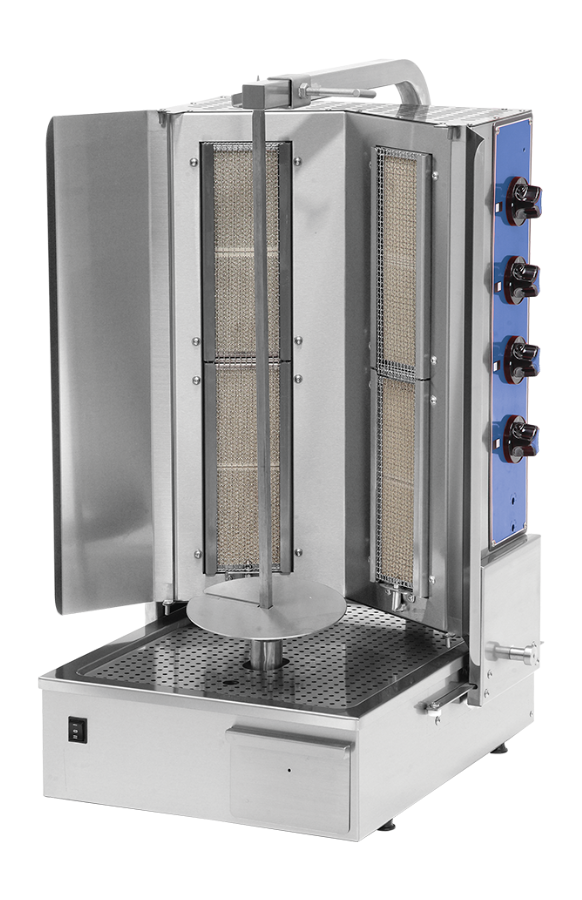
Inoksan
Inoksan PDG104MN-NAT Gyro Machine, Natural Gas, 4 Double-Burners, Top ...
Regular price$2,854.00
/ Ea. Free Shipping
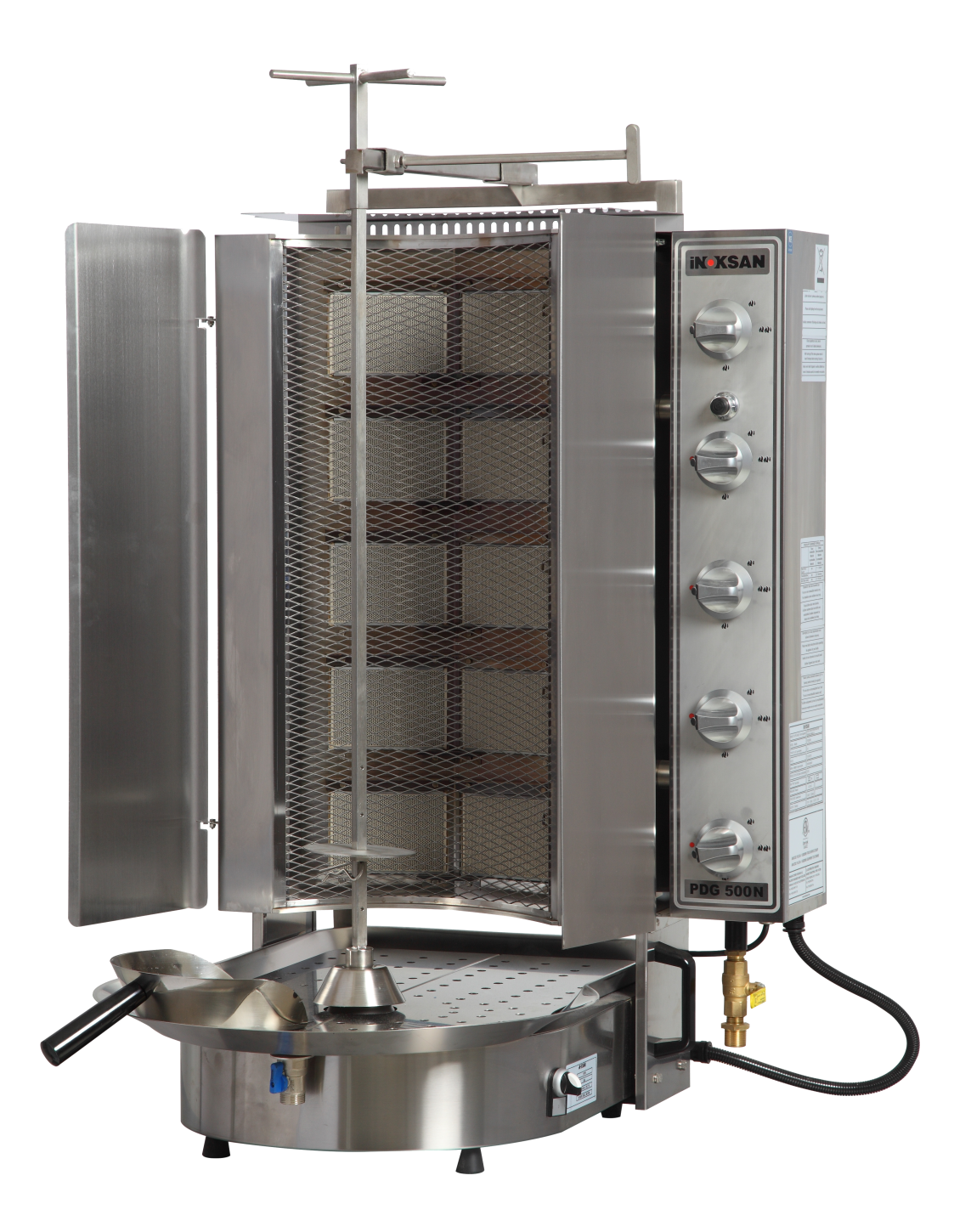
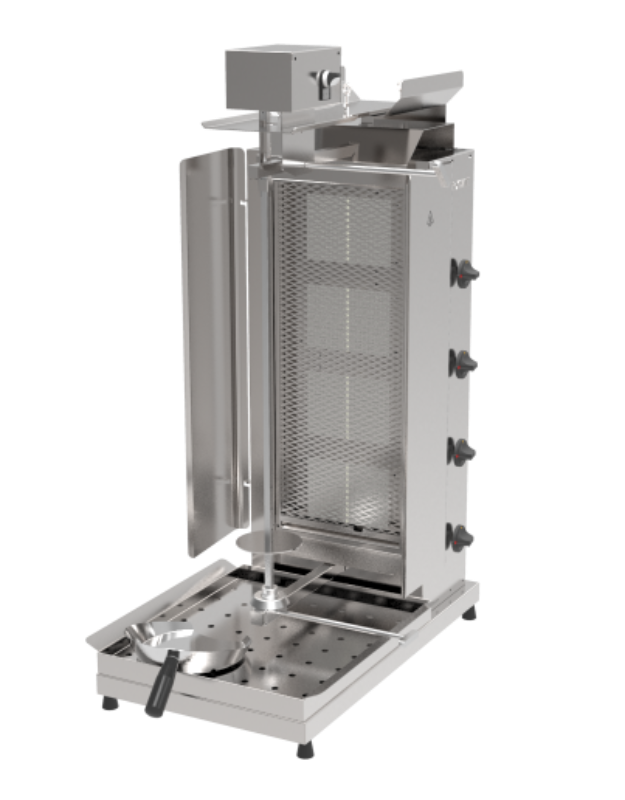
Inoksan
Inoksan PDG500NM-NAT Gyro Machine, Natural Gas, 10 Burners, Wire Mesh
Regular price$4,397.00
/ Ea. Free Shipping
Free Shipping
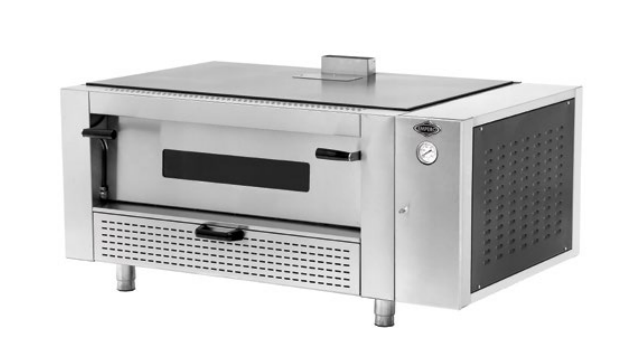
Cookline
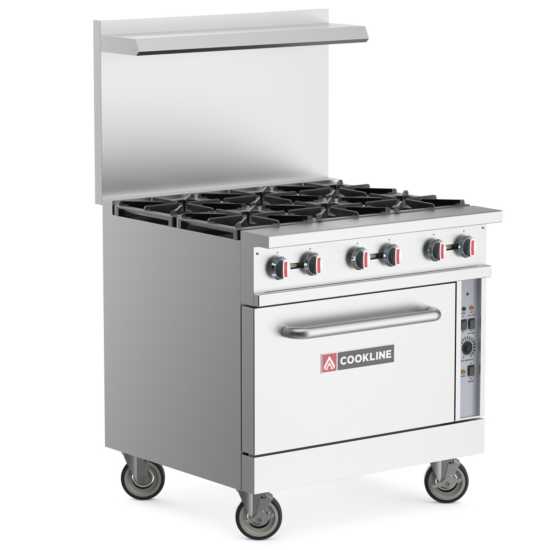
Cookline CR36-6C-LP Liquid Propane 36" Range with Convection Oven - 21...
Regular price$2,095.00
/ Ea. 
Cookline
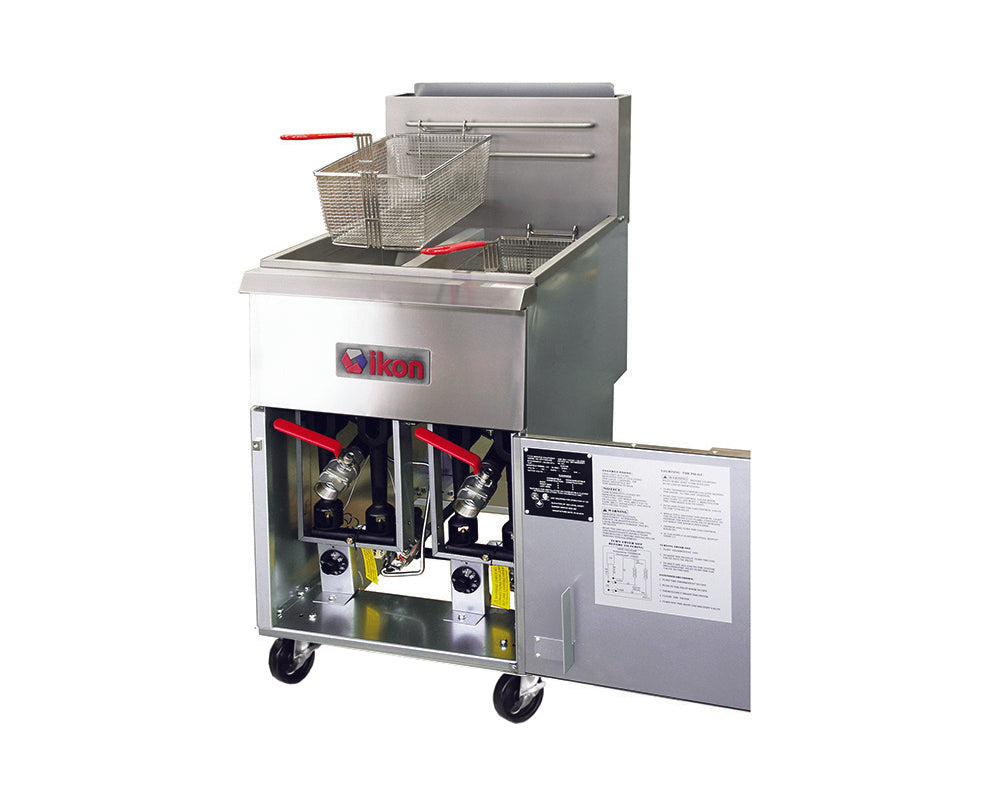
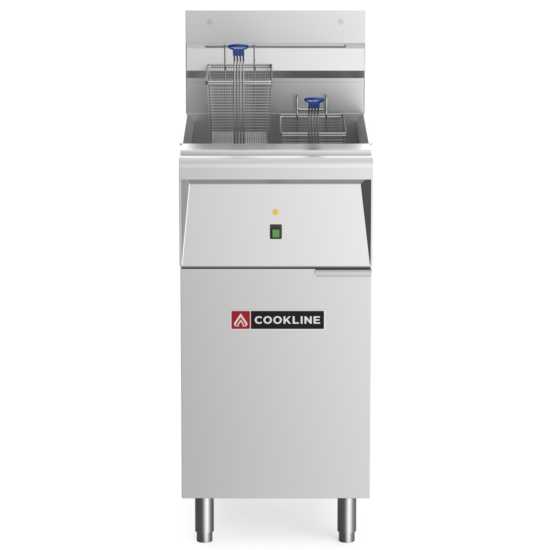
Cookline CF-40E-208-1 40 lb. Electric Floor Fryer-208V, 1 Phase
Regular price$1,595.00
/ Ea. 

Free Shipping
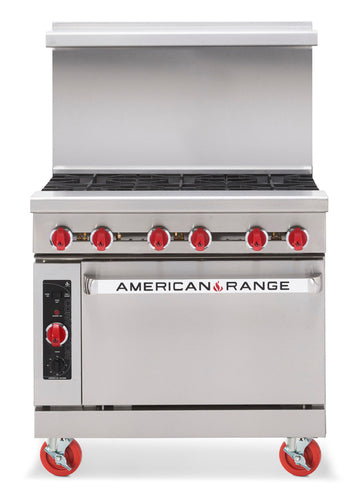
American Range
American Range AR-6-C-LP 36" Liquid Propane Commercial 6 Burner Range ...
Regular price$5,177.50
/ Ea. 
Refurbished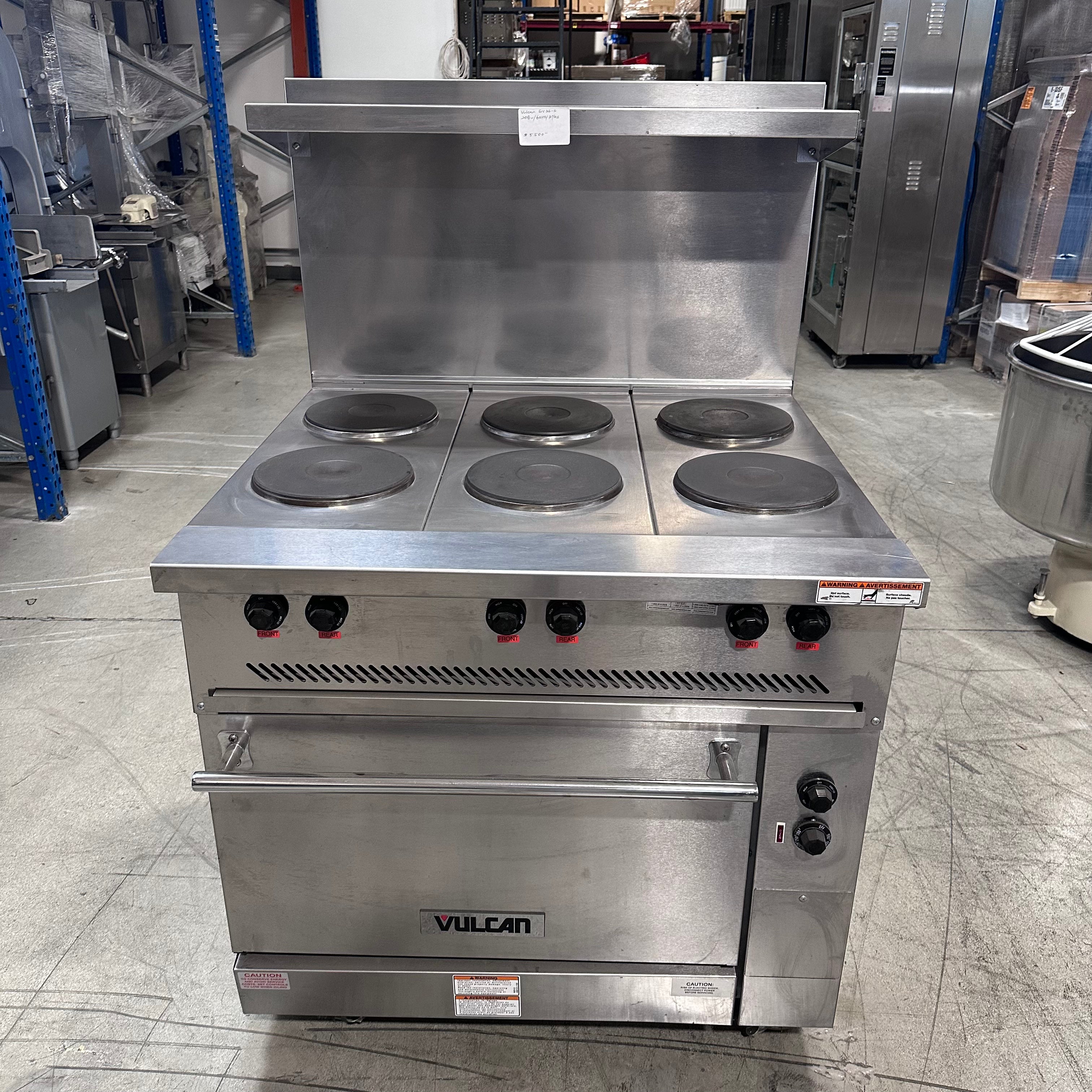
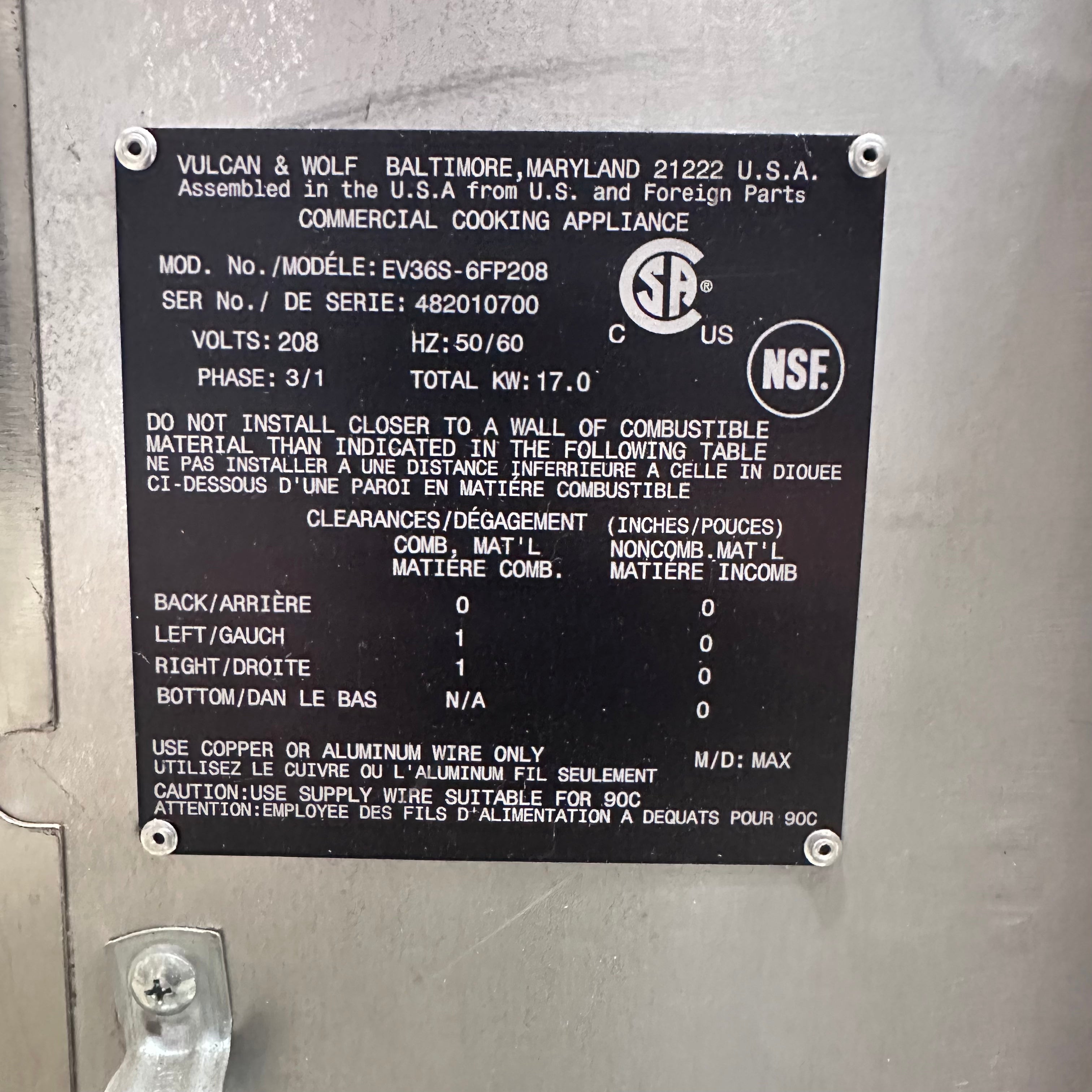
Vulcan
Vulcan EV36S-6FP240 36" EV Series Electric Range w/ (6) French Hot Pla...
Regular price$5,500.00
/ Ea.
Refurbished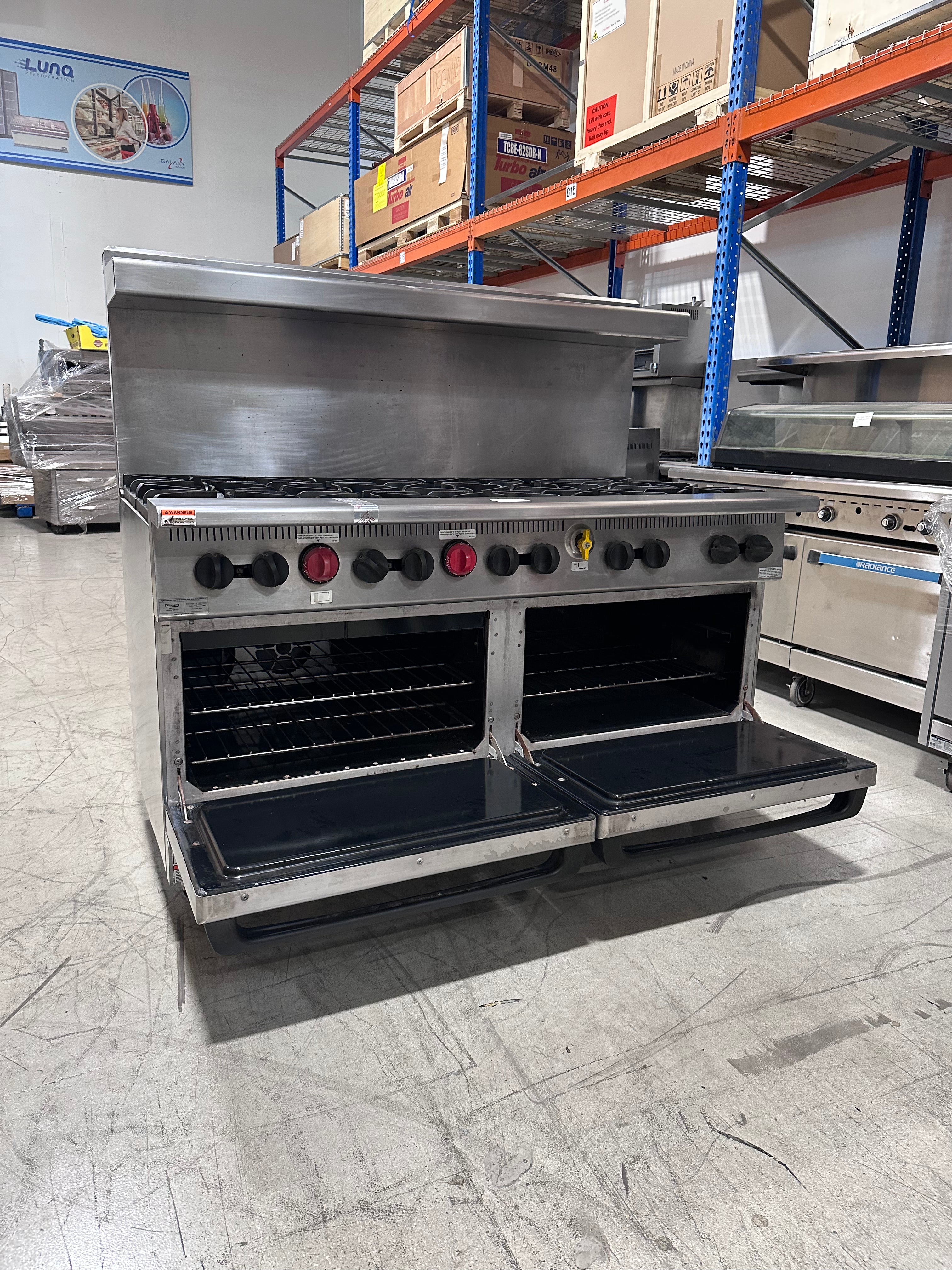
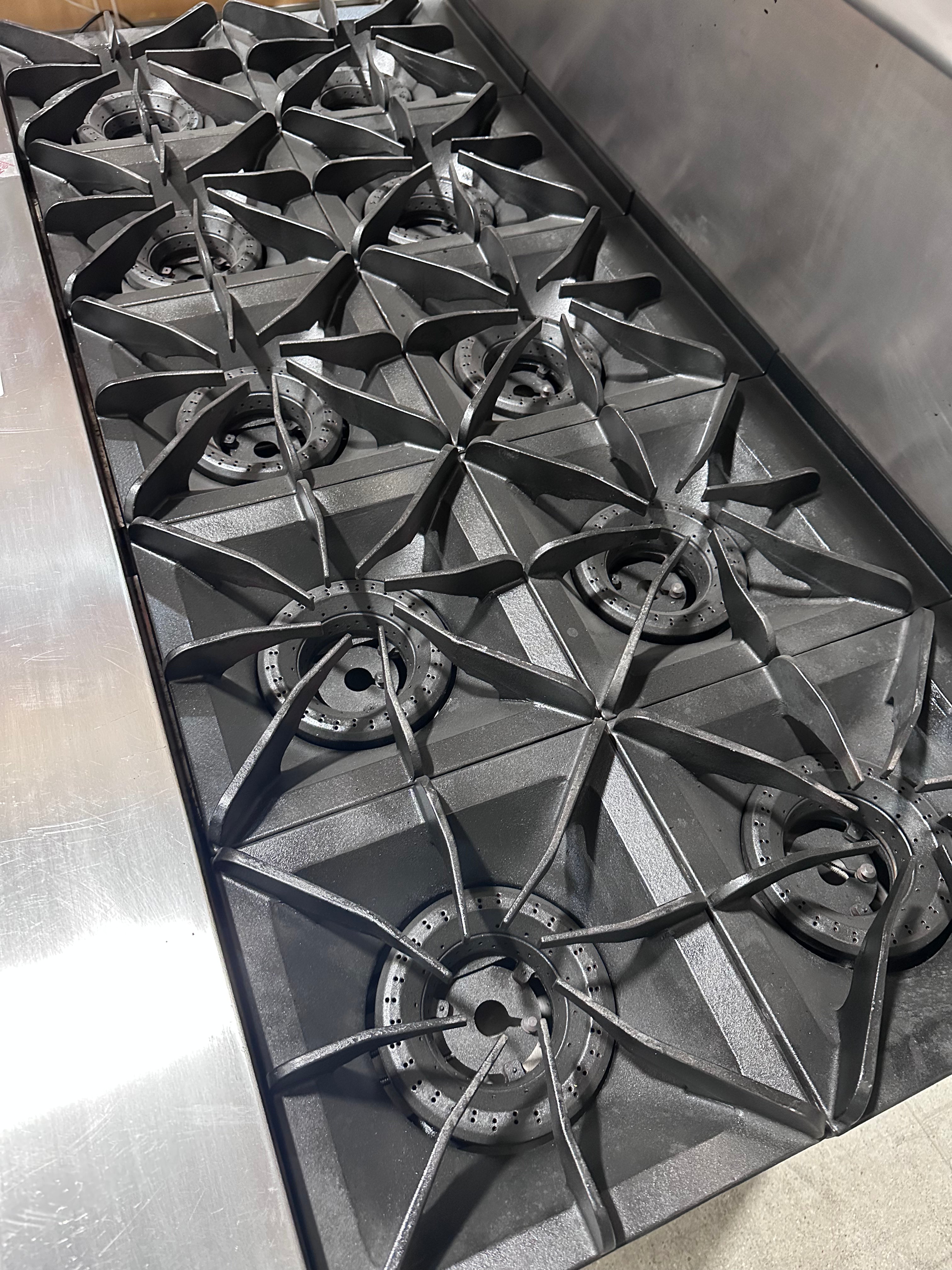
Vulcan
Vulcan 60SC-10B 60" 10 Burner Gas Range w/ (1) Standard & (1) Convecti...
Regular price$4,500.00
/ Ea. Free ShippingQuick Shipping
Free ShippingQuick Shipping
Free ShippingQuick Shipping
Free ShippingQuick Shipping
Free ShippingQuick Shipping
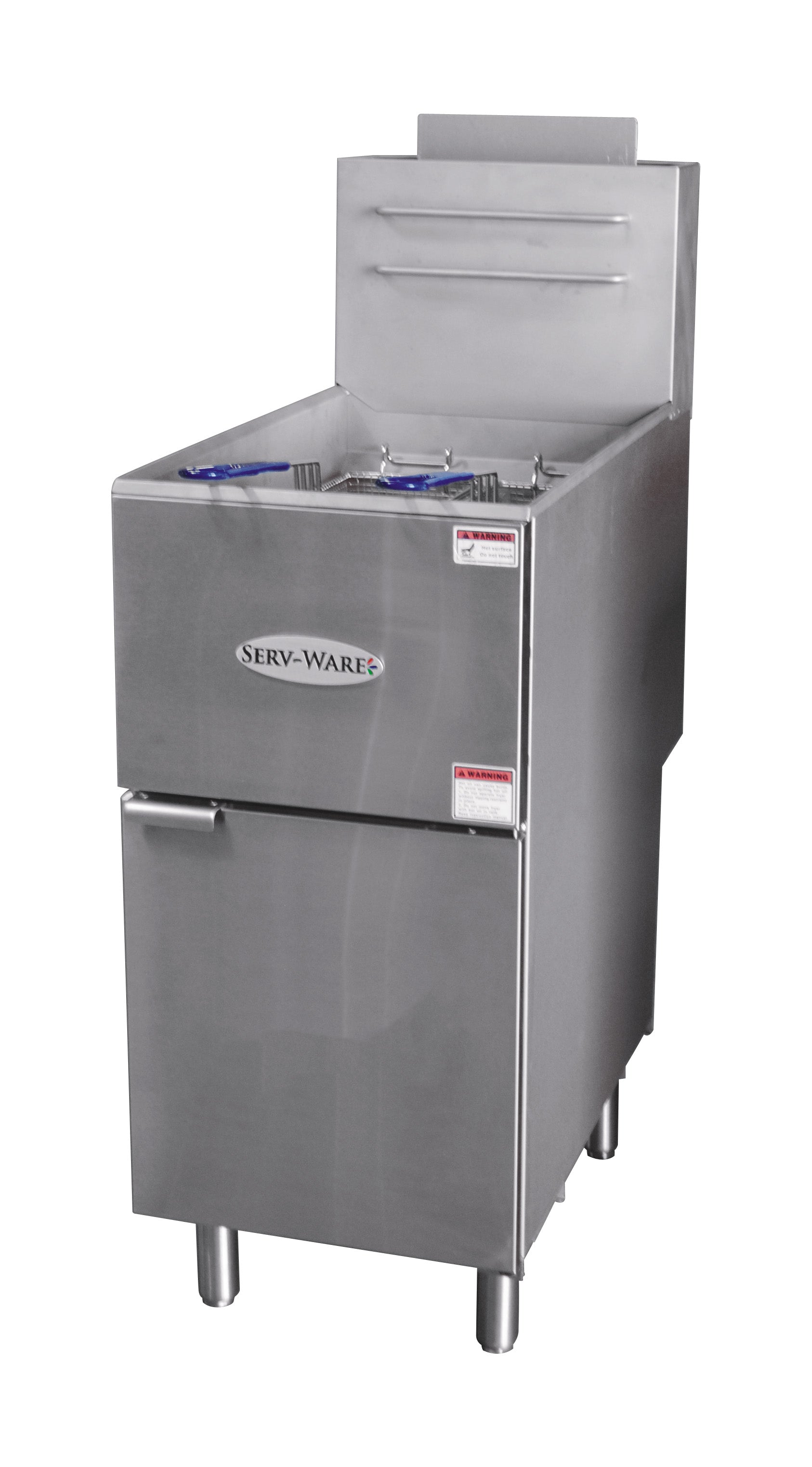
Free Shipping
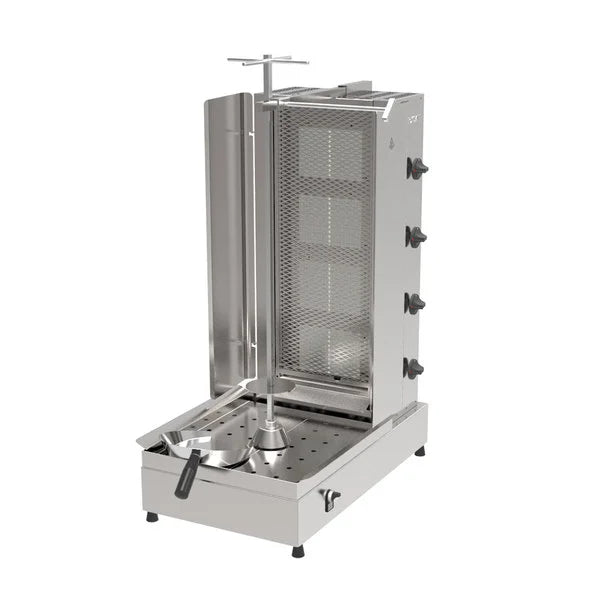
Inoksan
Inoksan PDG114M-NAT Natural Gas Gyro Machine / 4 Double Vertical Broil...
Regular price$2,916.00
/ Ea. Free Shipping
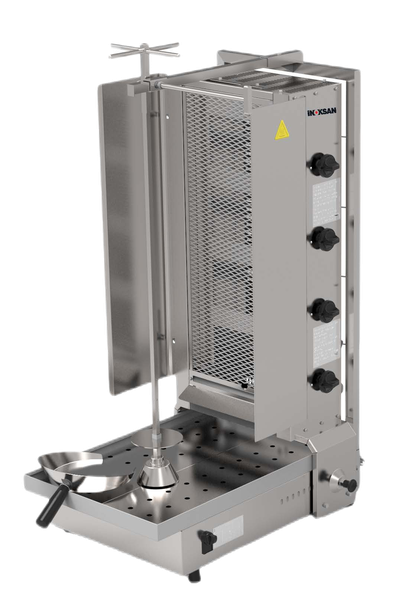
Inoksan
PDG114MN-NAT Gyro Machine, Natural Gas, 4 Double-Burners, Bottom Motor
Regular price$3,206.00
/ Ea. Free ShippingQuick Shipping
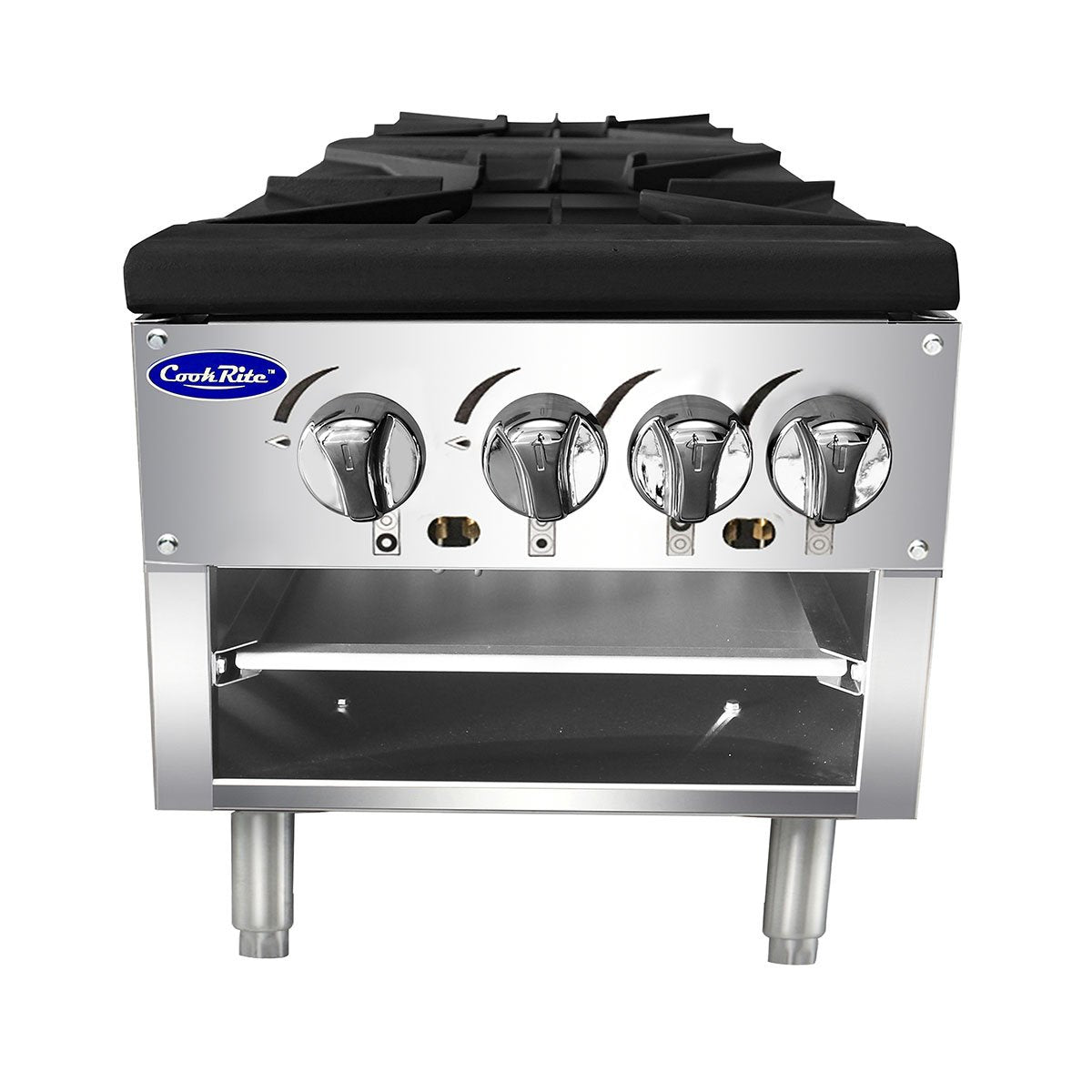
Free ShippingQuick Shipping
American Range
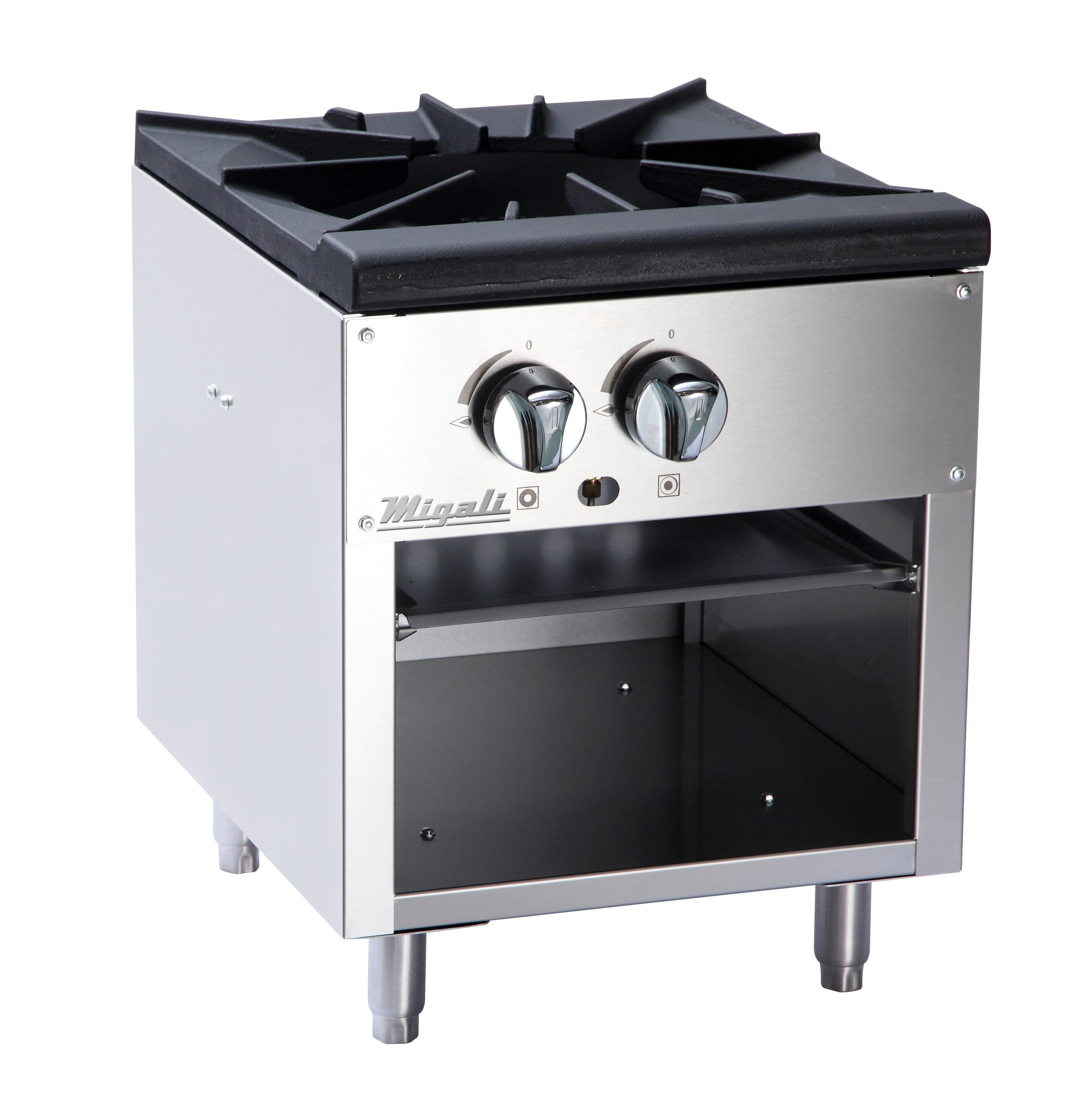
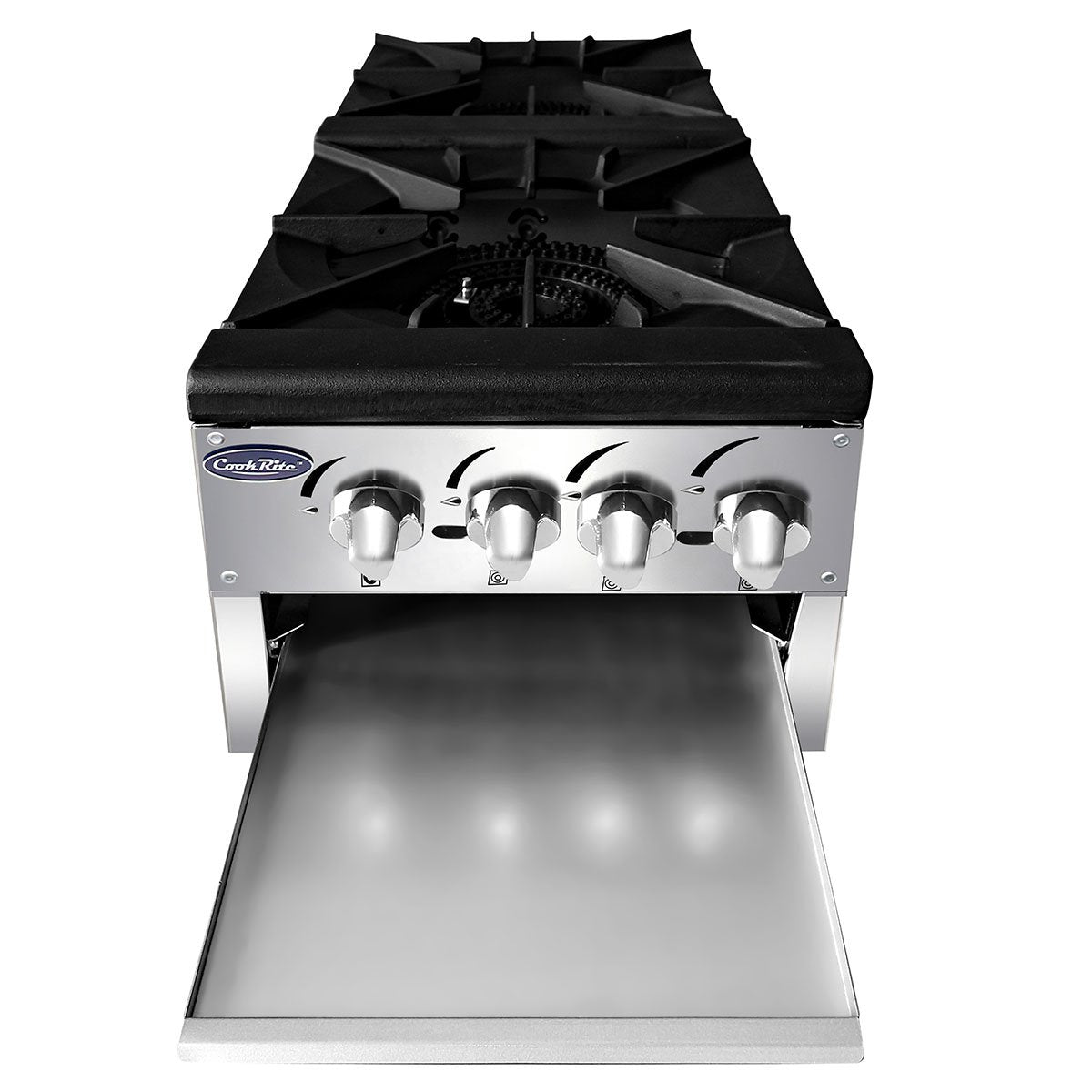
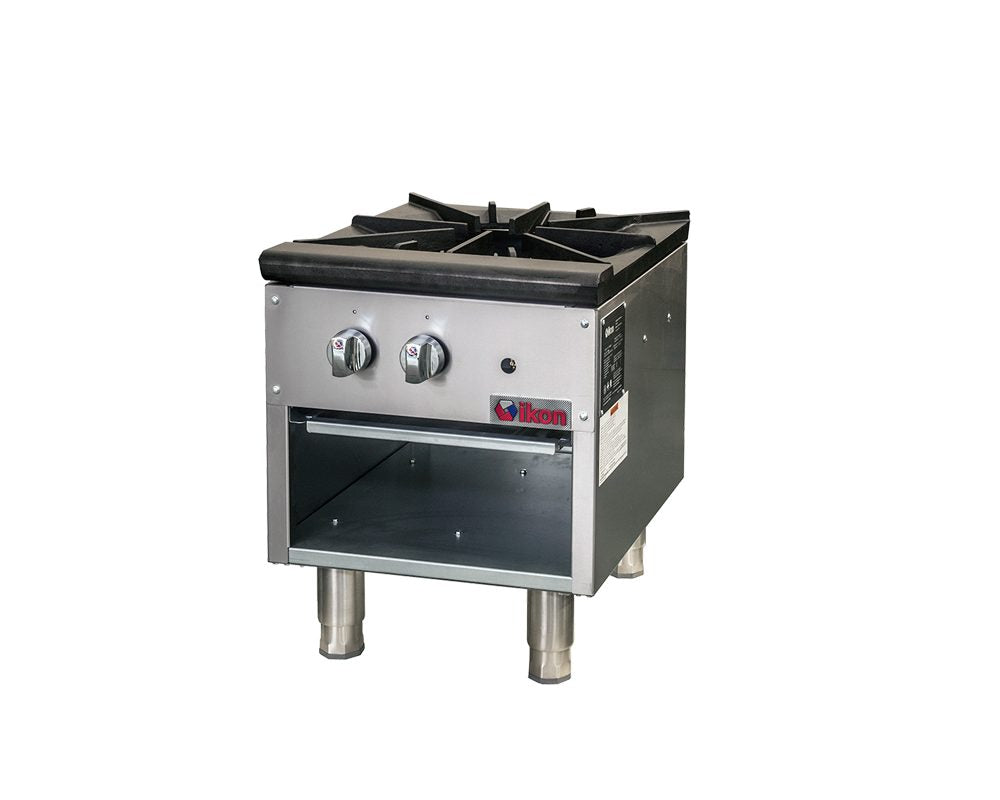
American Range SPSH-18-2 Stock Pot Range 180K BTU Low Profile -NG
Regular price$1,995.00
/ Ea. 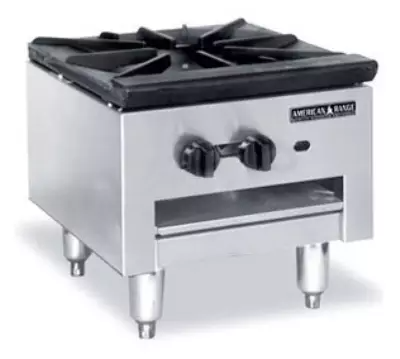
American Range
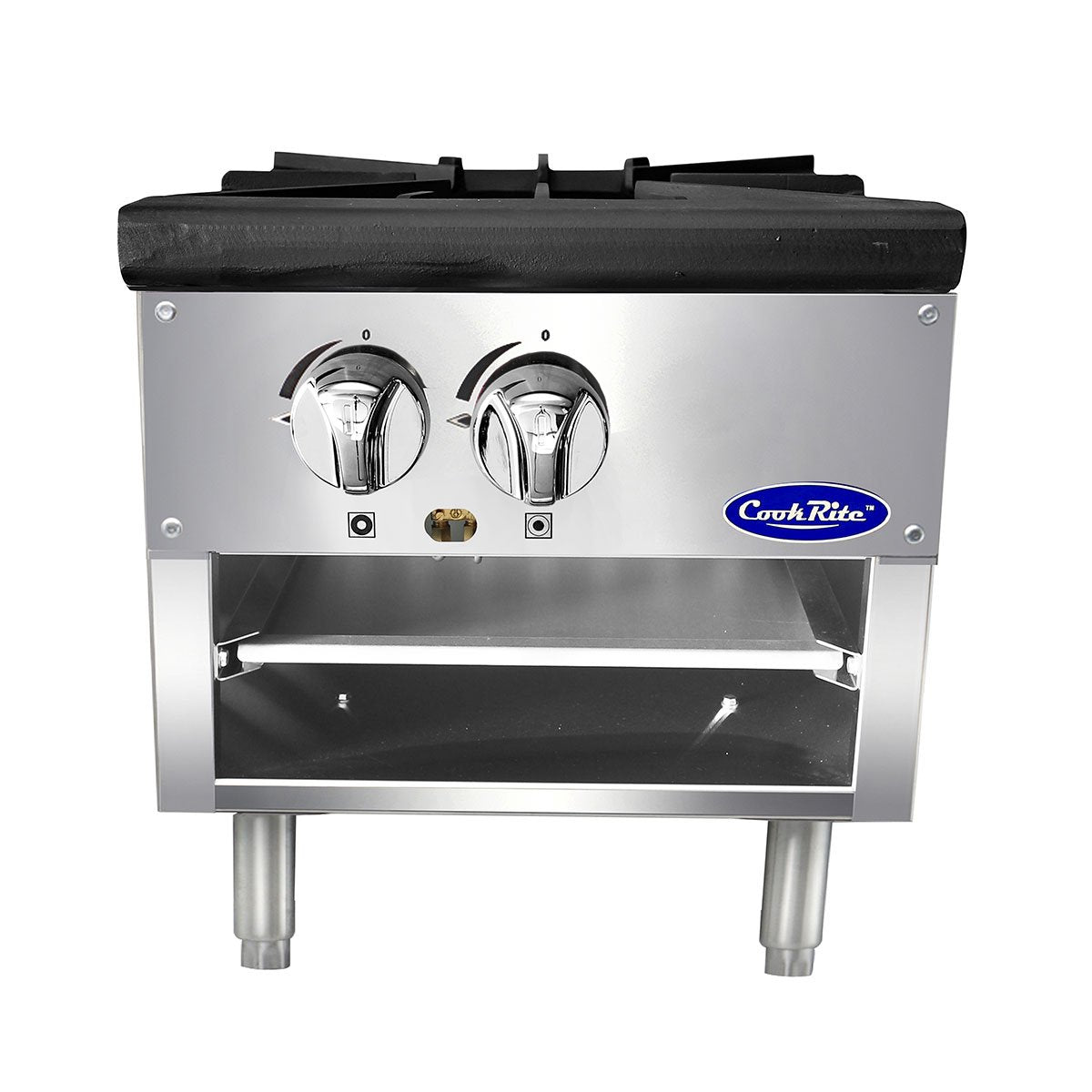
American Range SPSH-18 Stock Pot Range 90K BTU Low Profile -NG
Regular price$1,273.00
/ Ea. 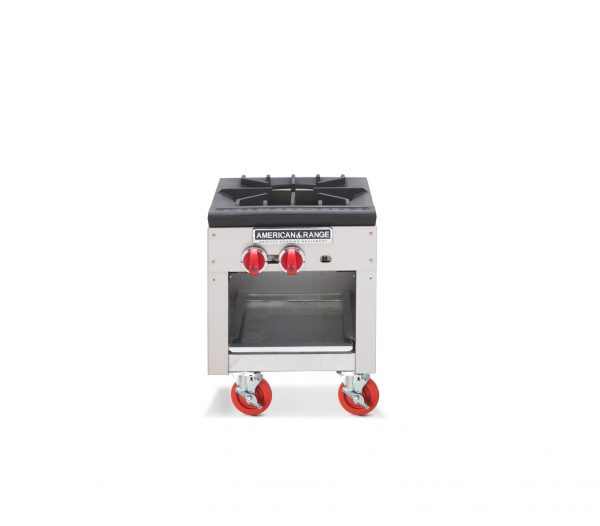
American Range
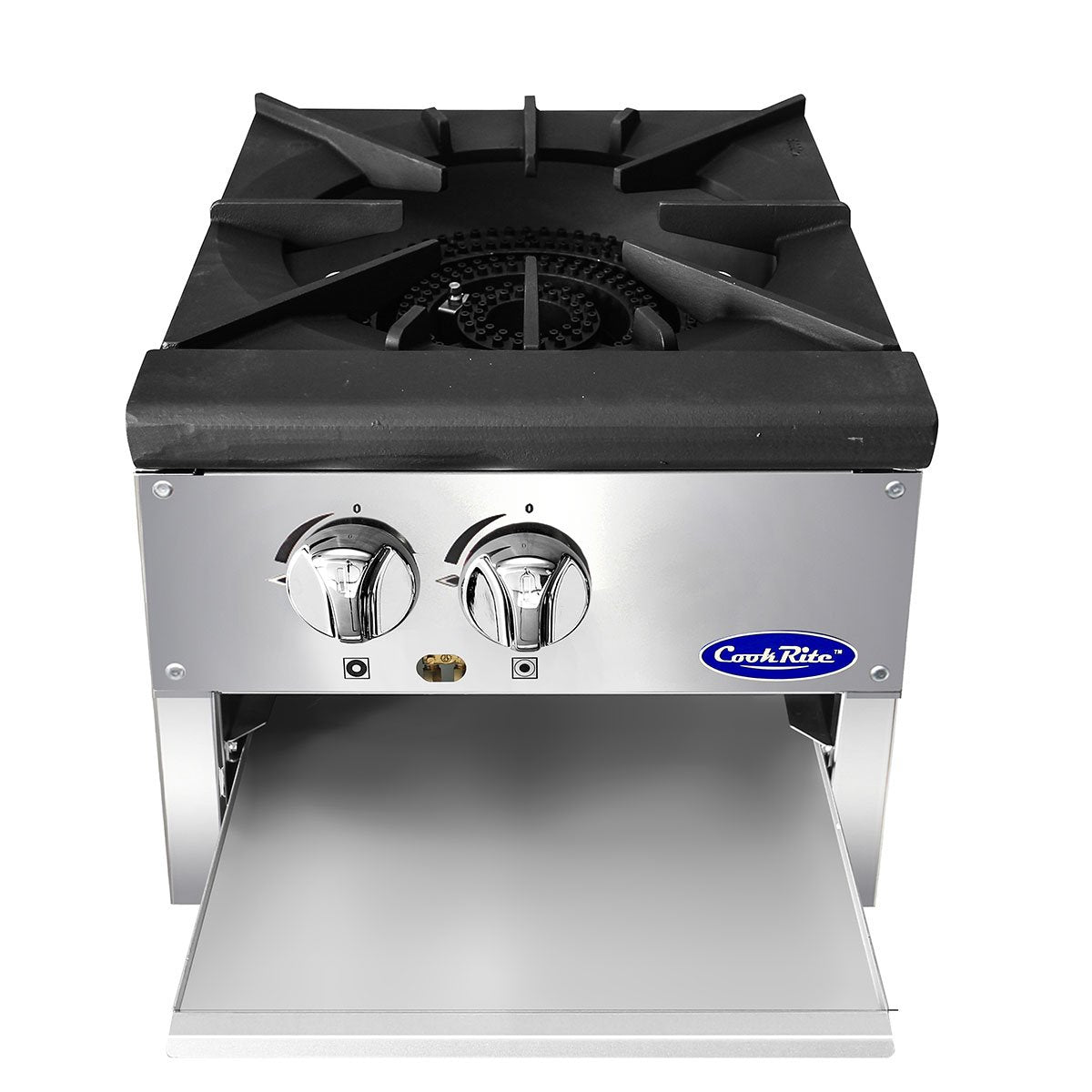
American Range ARSP-J Stock Pot Range 125K BTU High Profile -NG
Regular price$1,662.50
/ Ea. 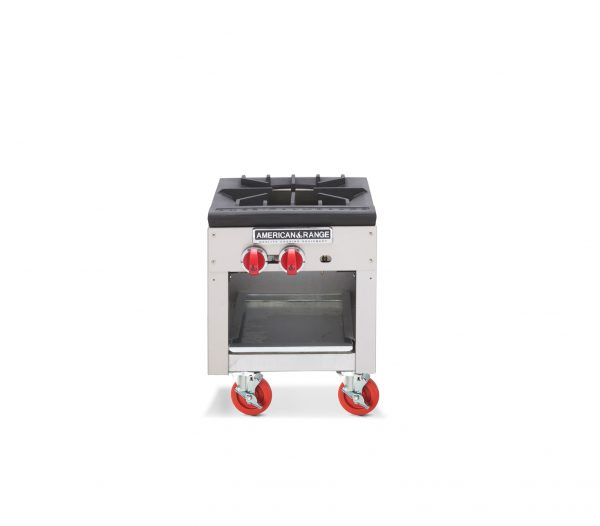
American Range
American Range ARSP-J-2 Stock Pot Range 250K BTU High Profile -NG
Regular price$3,325.00
/ Ea. 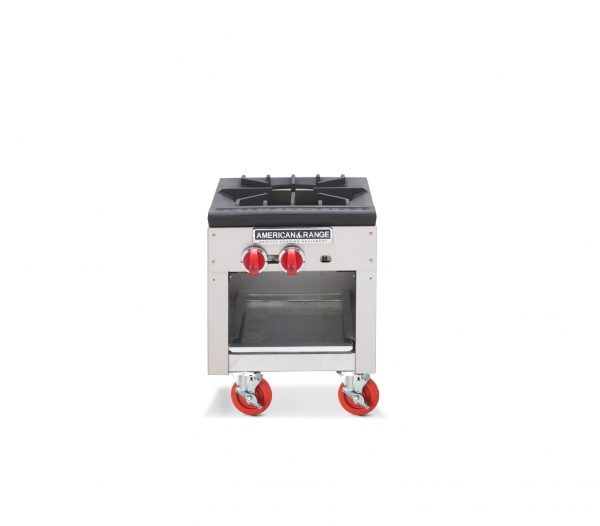
American Range
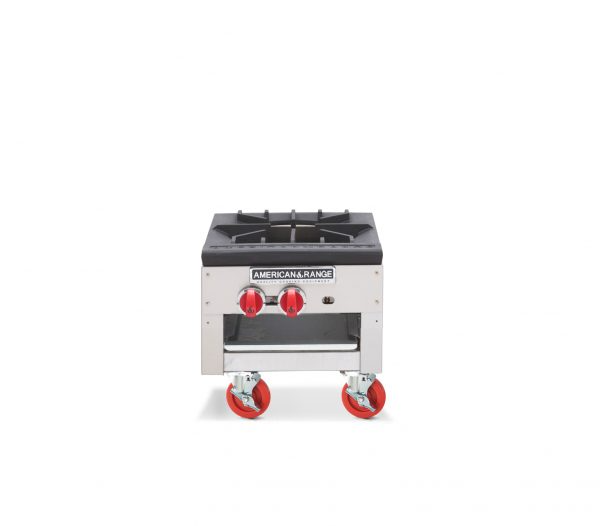
American Range ARSP-18-2 Stock Pot Range 180K BTU High Profile -NG
Regular price$2,327.50
/ Ea. 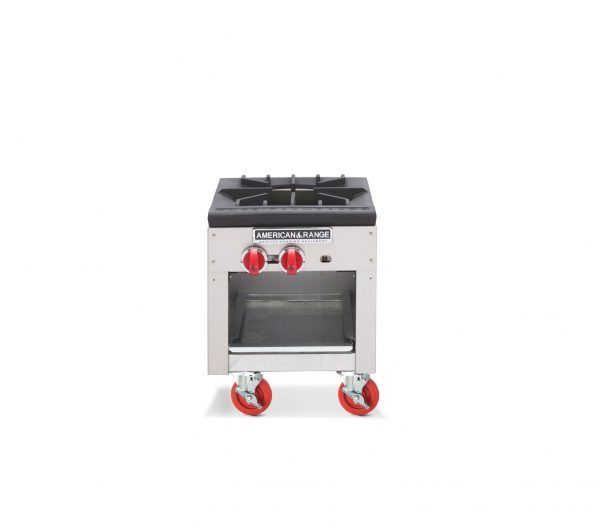
American Range
American Range ARSP-18 Stock Pot Range 90K BTU High Profile -NG
Regular price$1,273.00
/ Ea. 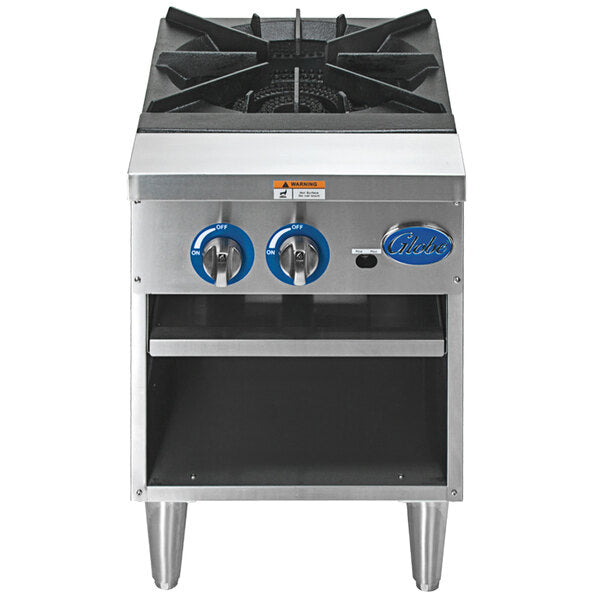

Cookline
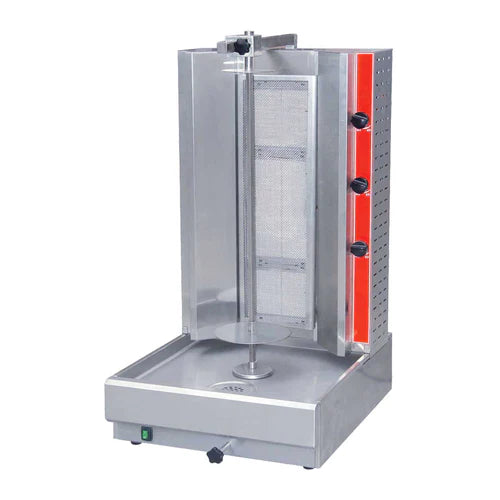
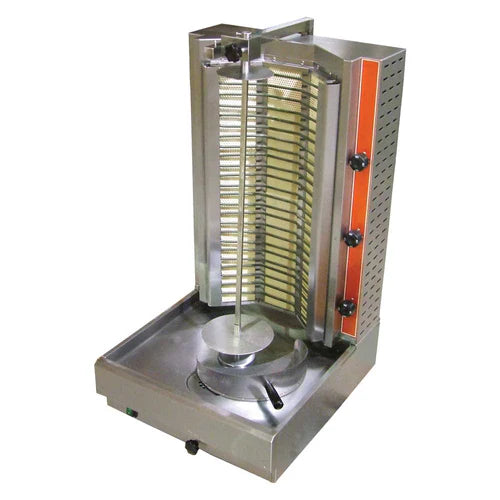
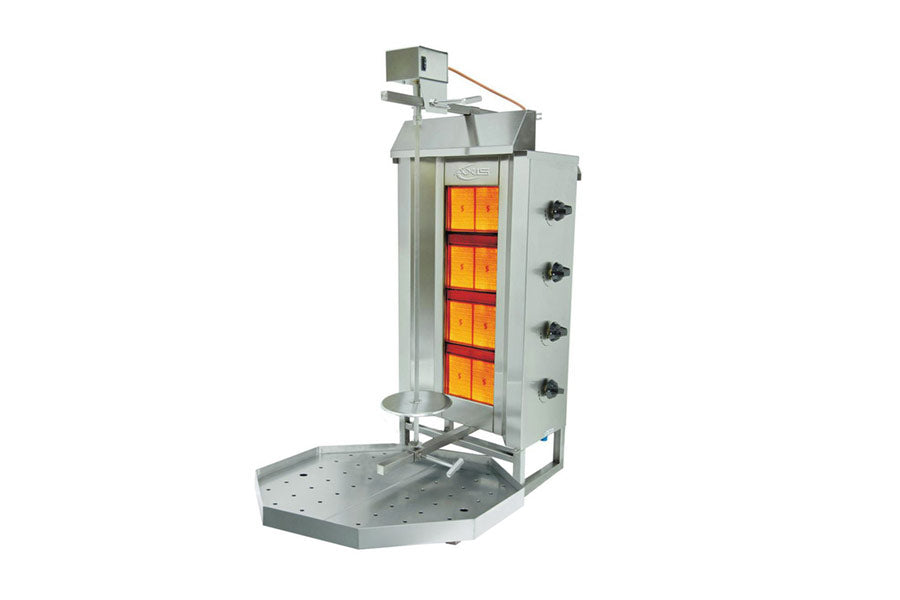
Cookline 4E 120 lb. Electric Vertical Gyro Shawarma Machine - 220/240v
Regular price$1,115.00
/ Ea. 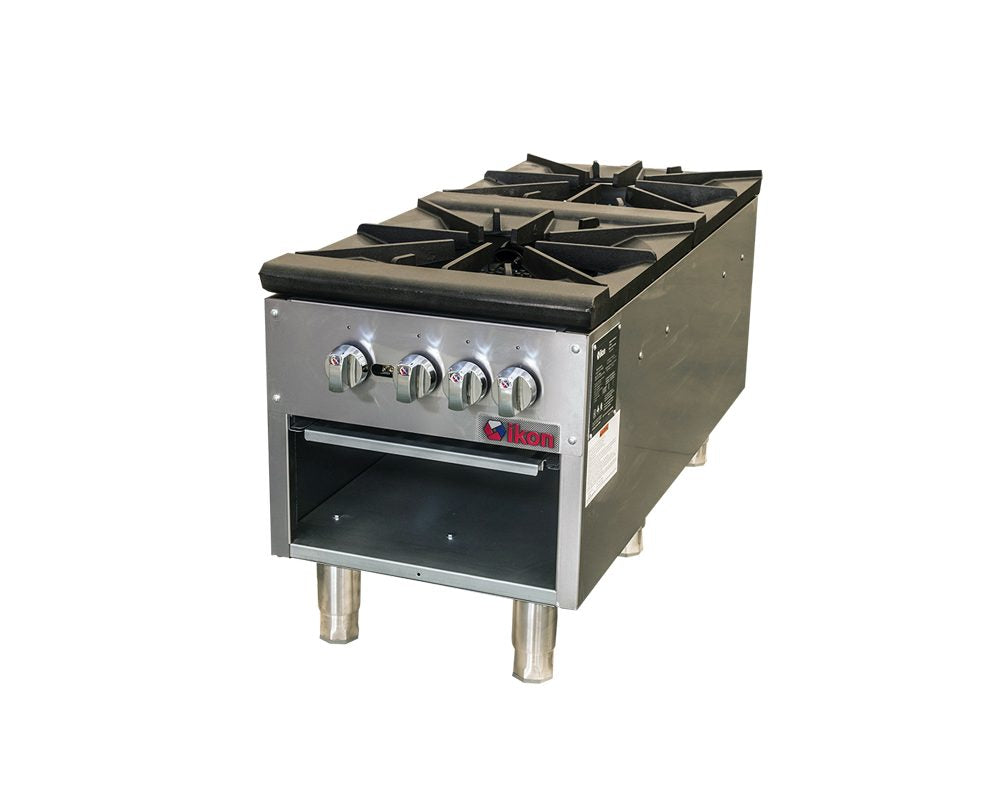
Recently viewed
What to know before you buy
Before choosing commercial cooking equipment, start with your menu, production volume, and available kitchen space. The right setup should support daily workflow, match your peak-hour demand, and fit the way your team actually cooks during service. Capacity, footprint, utility requirements, and equipment type all matter more than price alone when you are buying for long-term performance.
It is also important to think in terms of operation, not just products. A small café, a busy restaurant, and a high-volume commissary kitchen will all need different types of commercial cooking equipment. Choosing the right ovens, fryers, griddles, ranges, or countertop units starts with understanding your kitchen’s pace, layout, and service goals so you can invest in equipment that performs reliably every day.
F.A.Q.
What is commercial cooking equipment?
Commercial cooking equipment includes the machines and appliances used in professional foodservice operations such as restaurants, cafés, bakeries, delis, and commissary kitchens. This category typically includes ovens, fryers, griddles, ranges, charbroilers, steamers, and other equipment designed for daily commercial use.
What equipment do you need in a commercial kitchen?
The equipment you need depends on your menu, service style, kitchen size, and production volume. Most commercial kitchens require a core setup that may include ovens, fryers, ranges, griddles, prep equipment, holding equipment, and ventilation-compatible cooking solutions.
How do I choose the right commercial cooking equipment?
Start by evaluating your menu, expected output, available space, and utility requirements. The right commercial cooking equipment should match your workflow, handle peak-hour demand, and provide the capacity and durability your operation needs for consistent daily performance.
What is the difference between restaurant kitchen equipment and commercial cooking equipment?
Restaurant kitchen equipment is a broader term that can include prep, refrigeration, storage, and cleaning equipment, while commercial cooking equipment refers more specifically to the appliances used for cooking food. In many cases, cooking equipment is one of the most important parts of a complete restaurant kitchen setup.
Is countertop or floor model cooking equipment better?
Neither is automatically better. Countertop cooking equipment is often ideal for smaller kitchens, flexible layouts, and operations that need to save space, while floor models are usually better for higher-volume production and heavier daily use. The best choice depends on your kitchen layout, menu, and service demands.