
In a commercial kitchen, speed is not a luxury — it is a requirement. Commercial microwaves are designed to deliver consistent, high-powered performance in environments where every second counts. Unlike residential units, these machines are built for continuous operation, faster cook times, and long-term durability under heavy use.
Whether you operate a busy restaurant, café, concession stand, or institutional kitchen, the right commercial microwave can significantly improve workflow, reduce ticket times, and support high-volume service. From reheating and defrosting to cooking and finishing dishes, these units are an essential part of modern kitchen operations.
Today’s commercial microwaves range from compact light-duty models to heavy-duty, high-wattage units capable of handling nonstop use. With features like programmable controls, multiple power levels, and stackable designs, they allow kitchens to scale output without increasing footprint.
Choosing the right model is not just about power — it is about aligning your equipment with your menu, service speed, and kitchen workflow.
Show less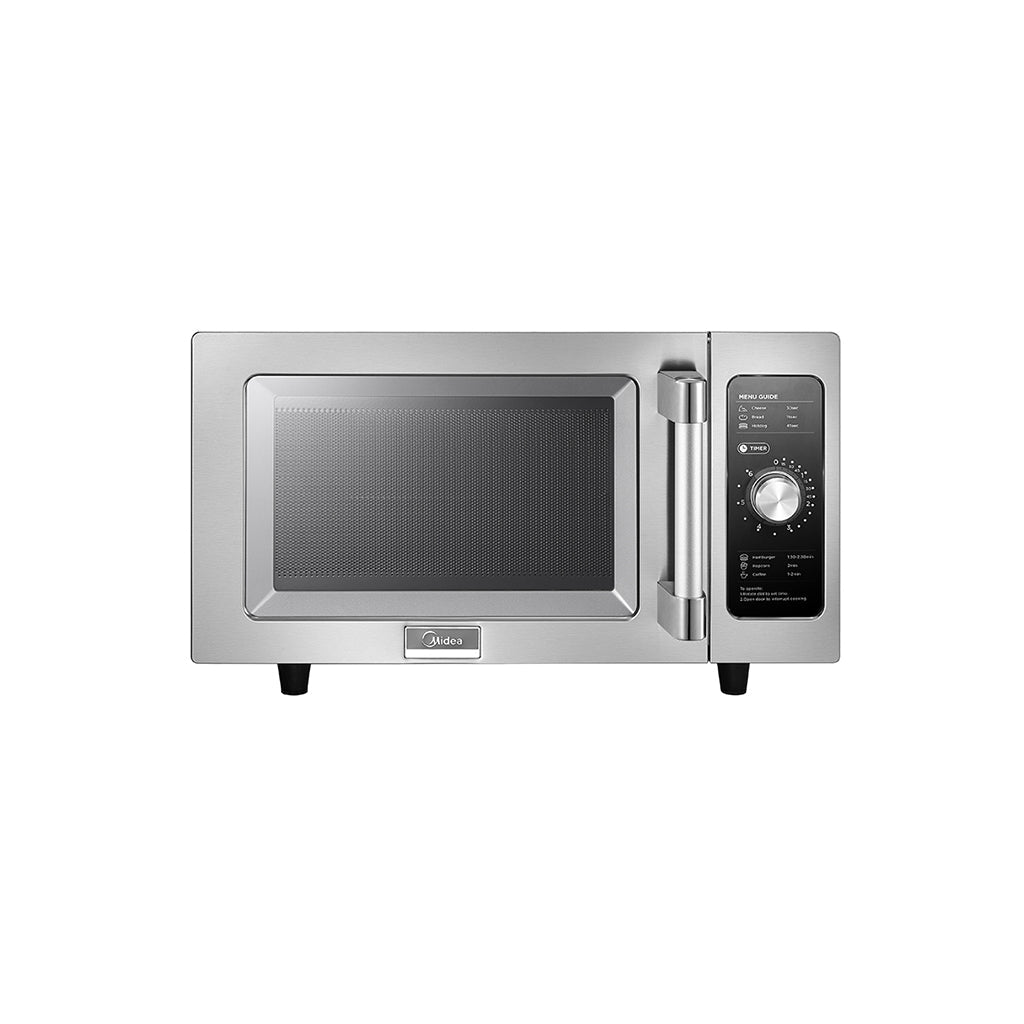
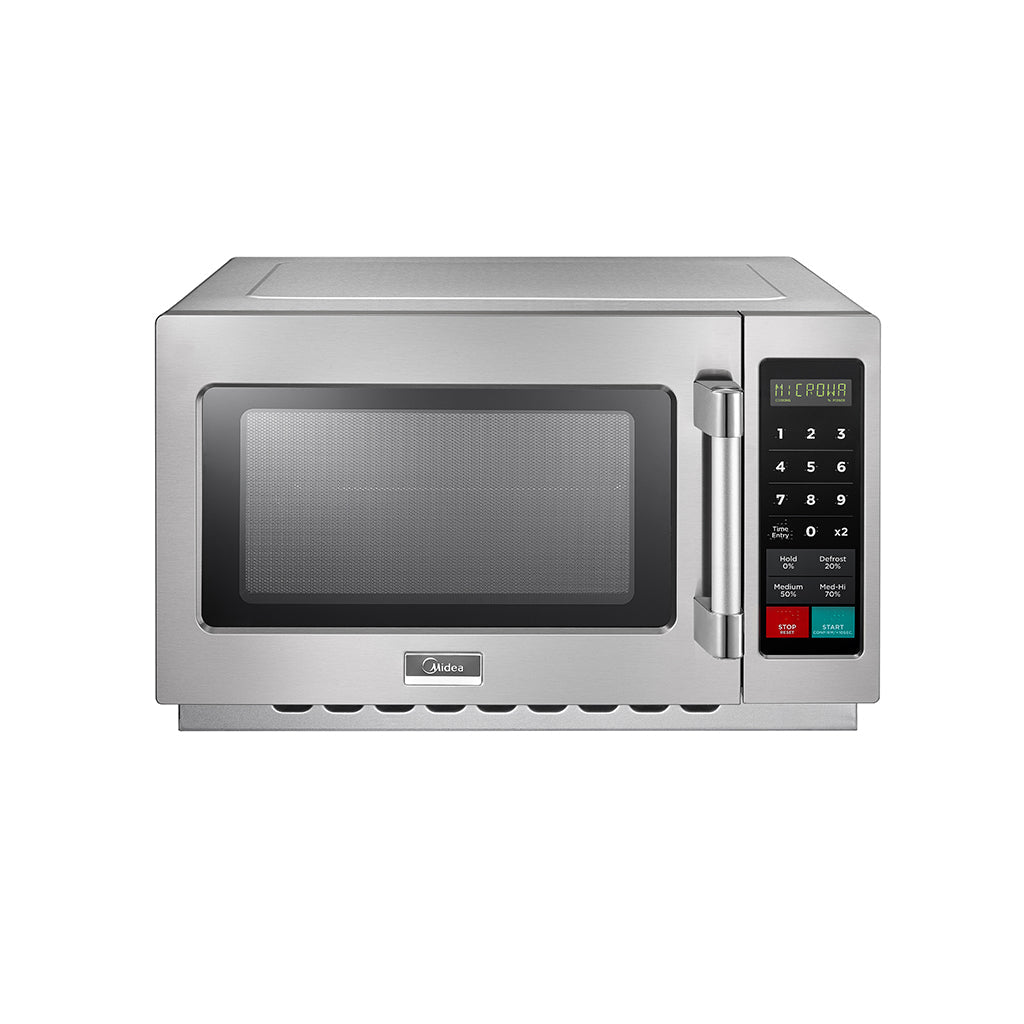
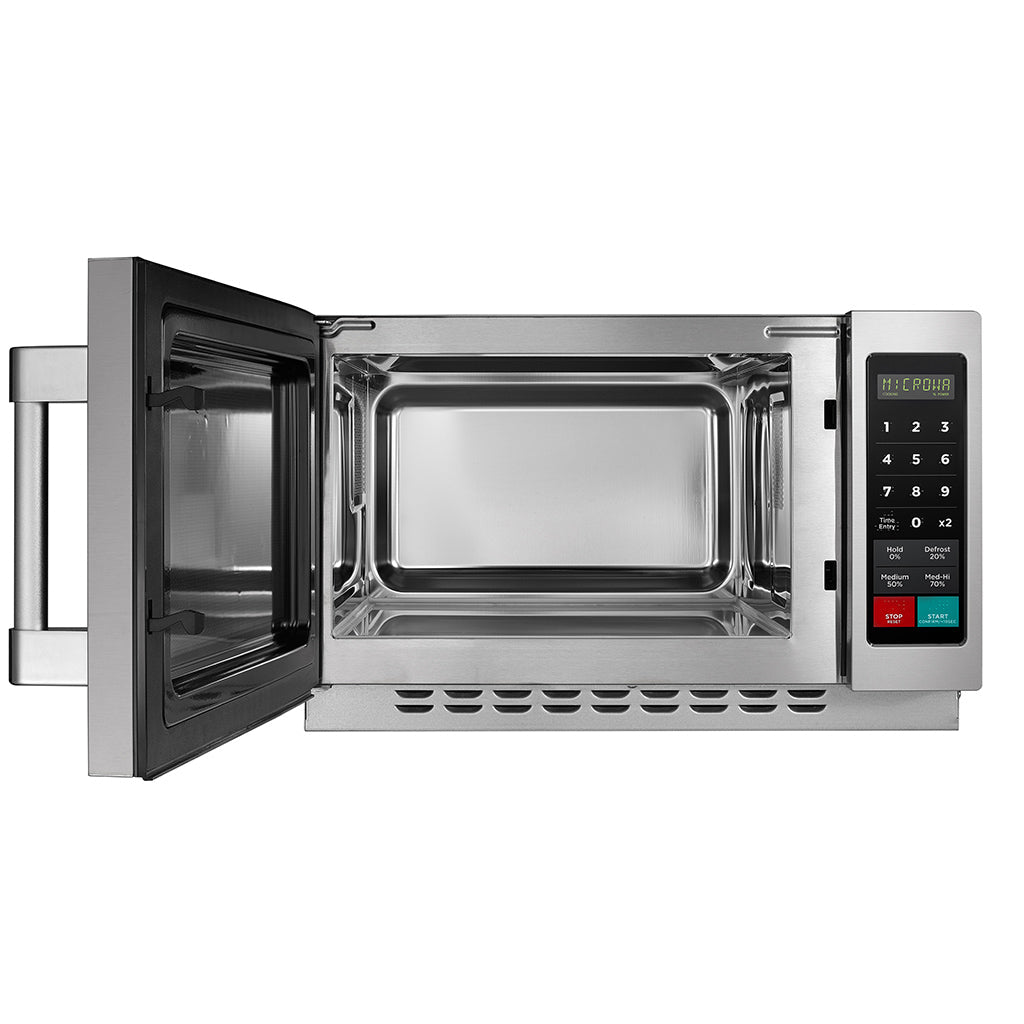
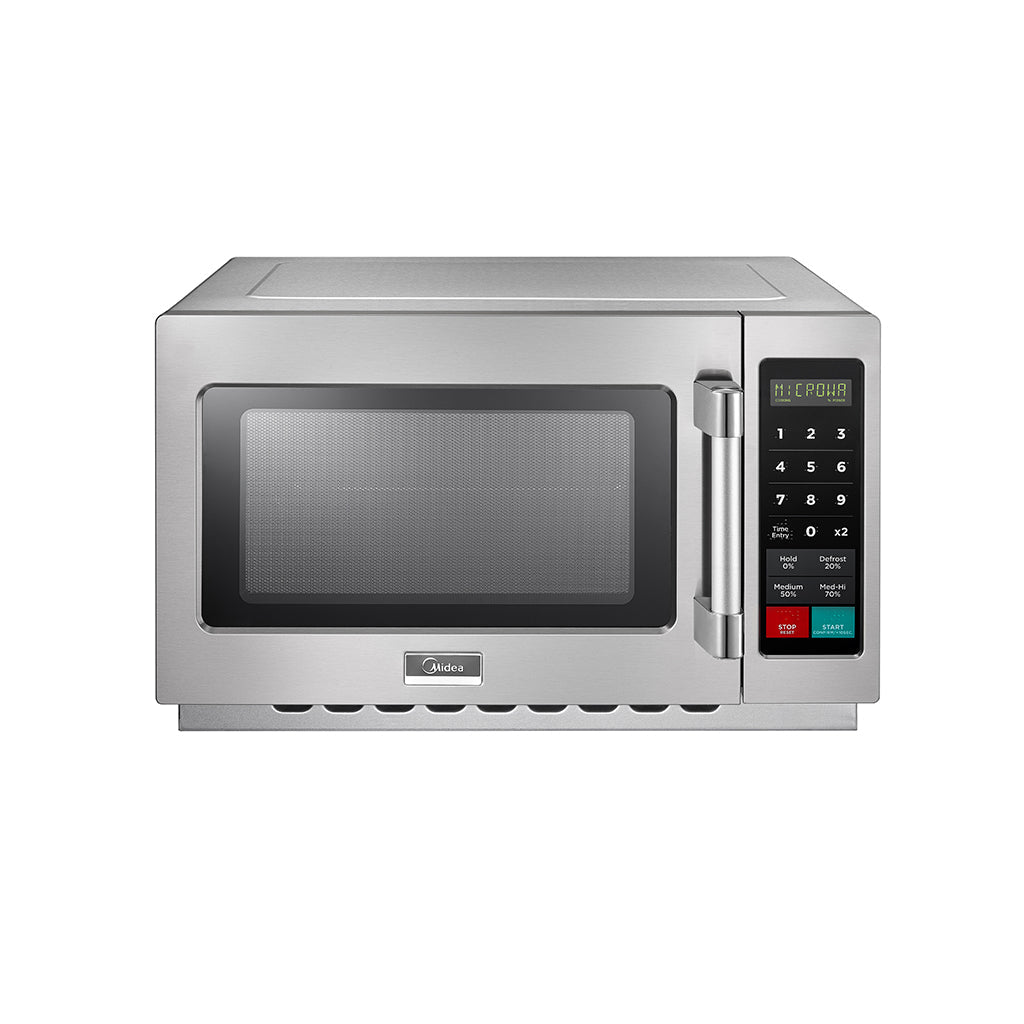
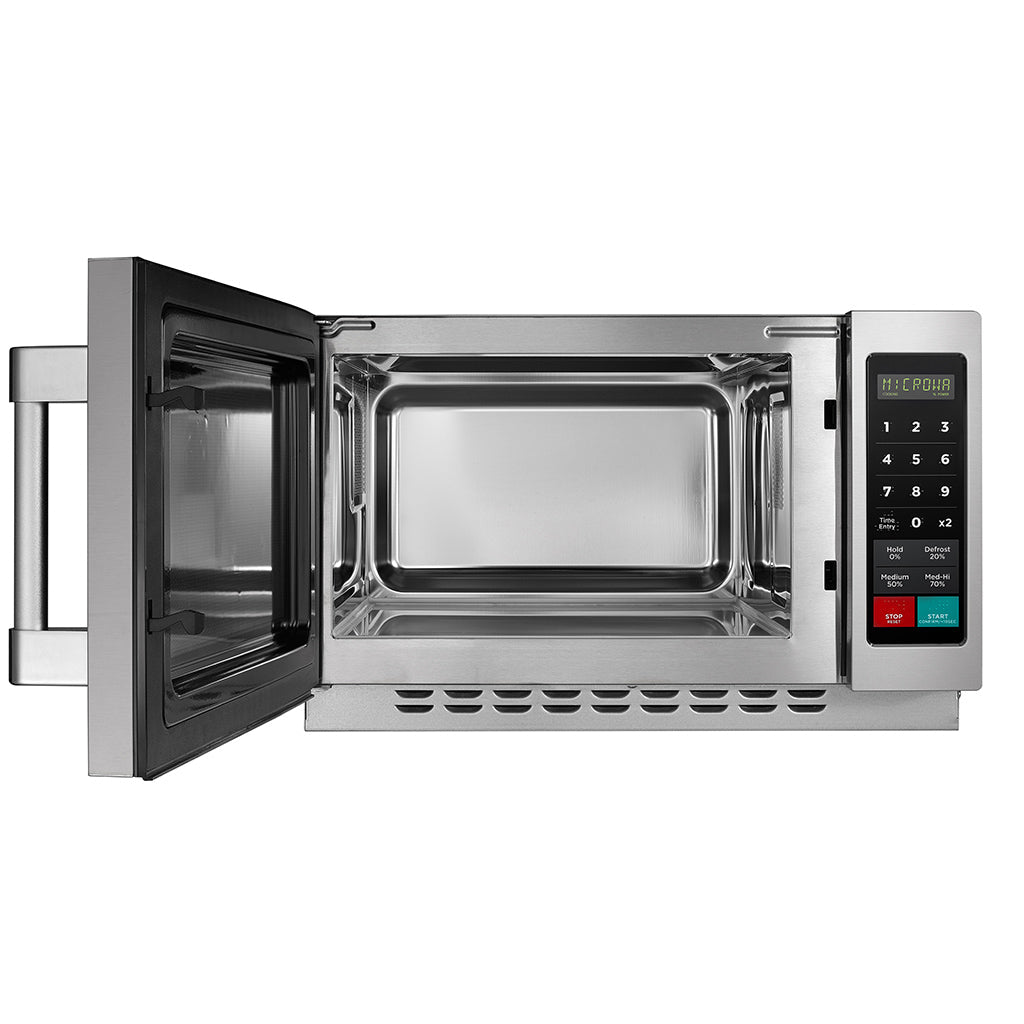
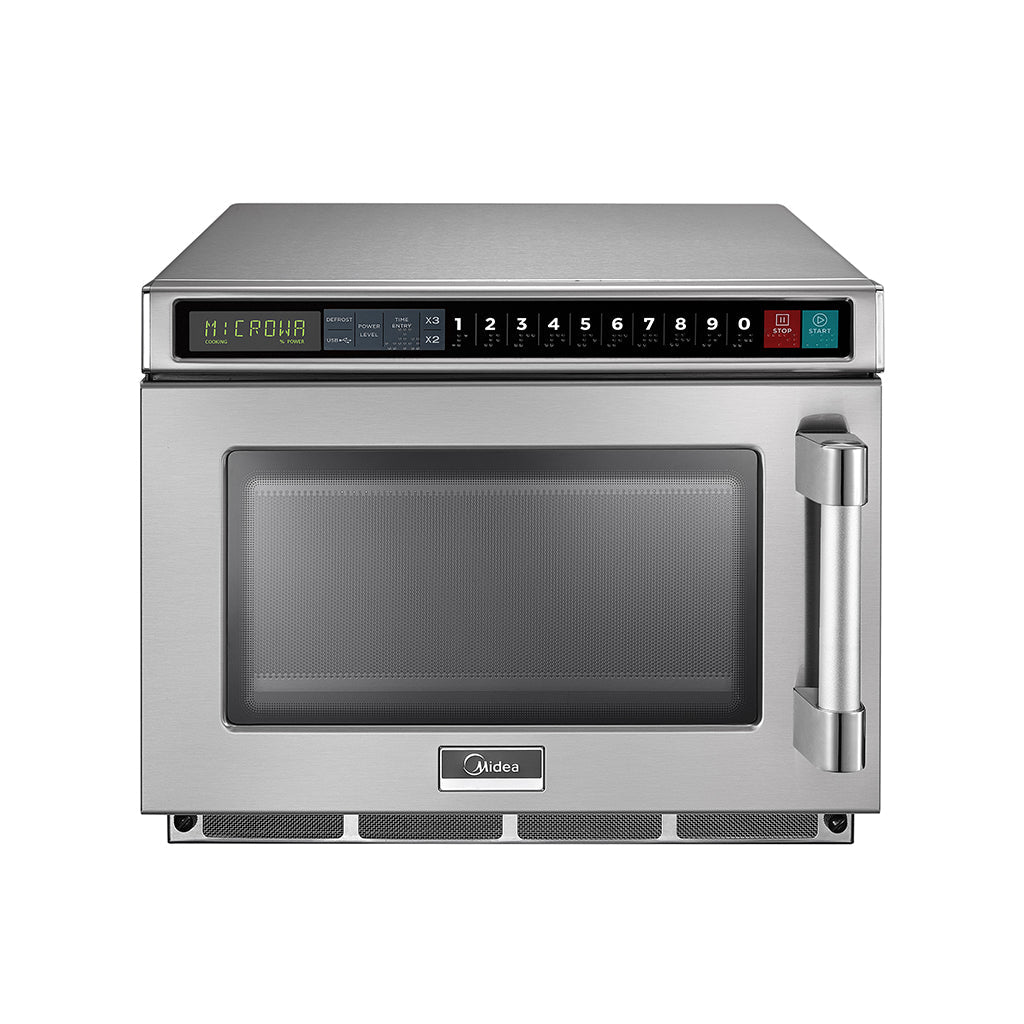
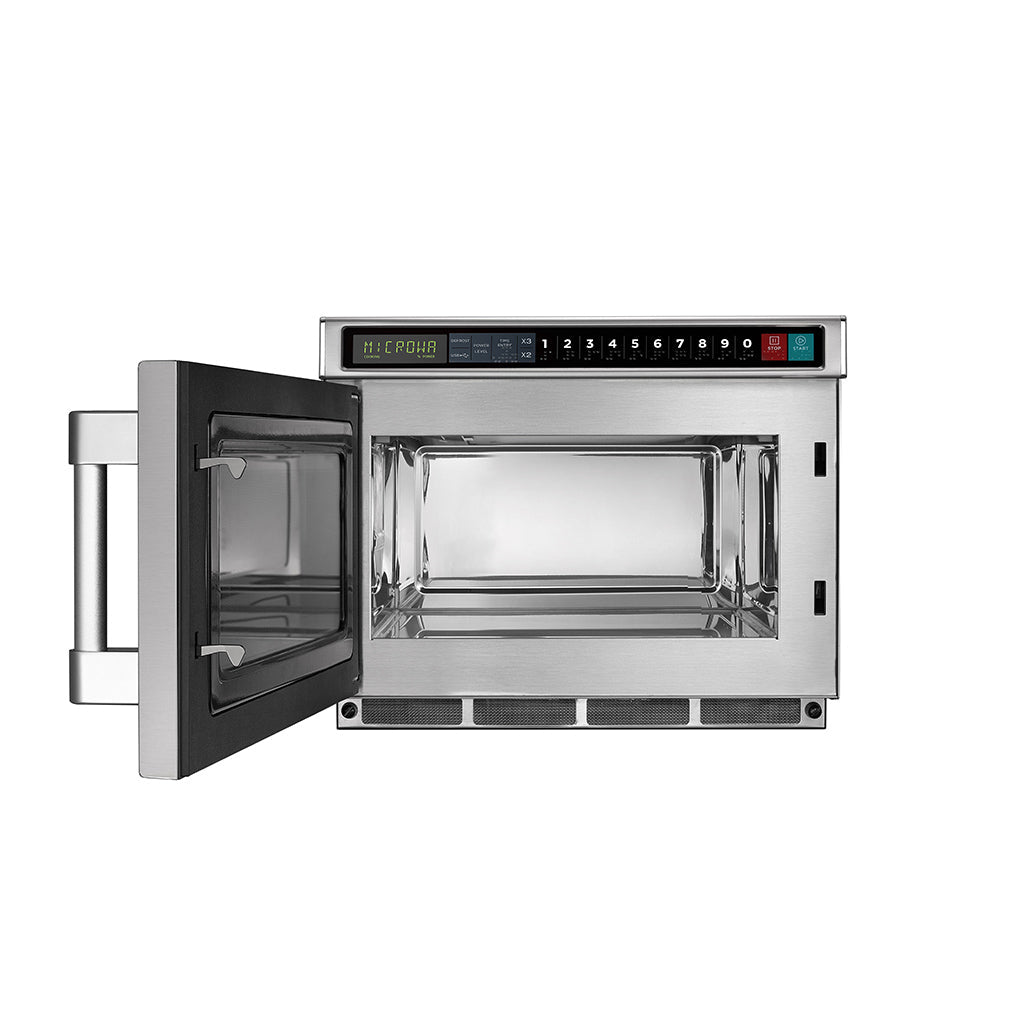
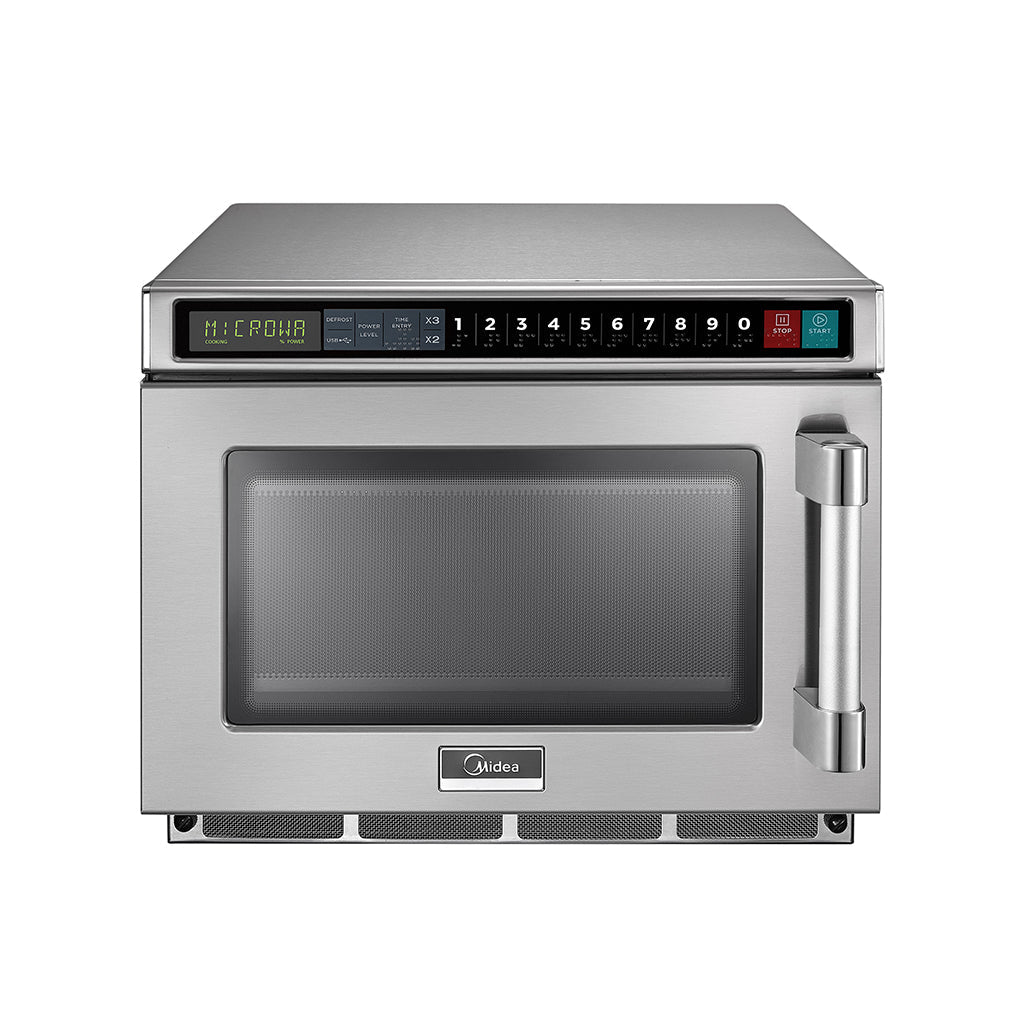
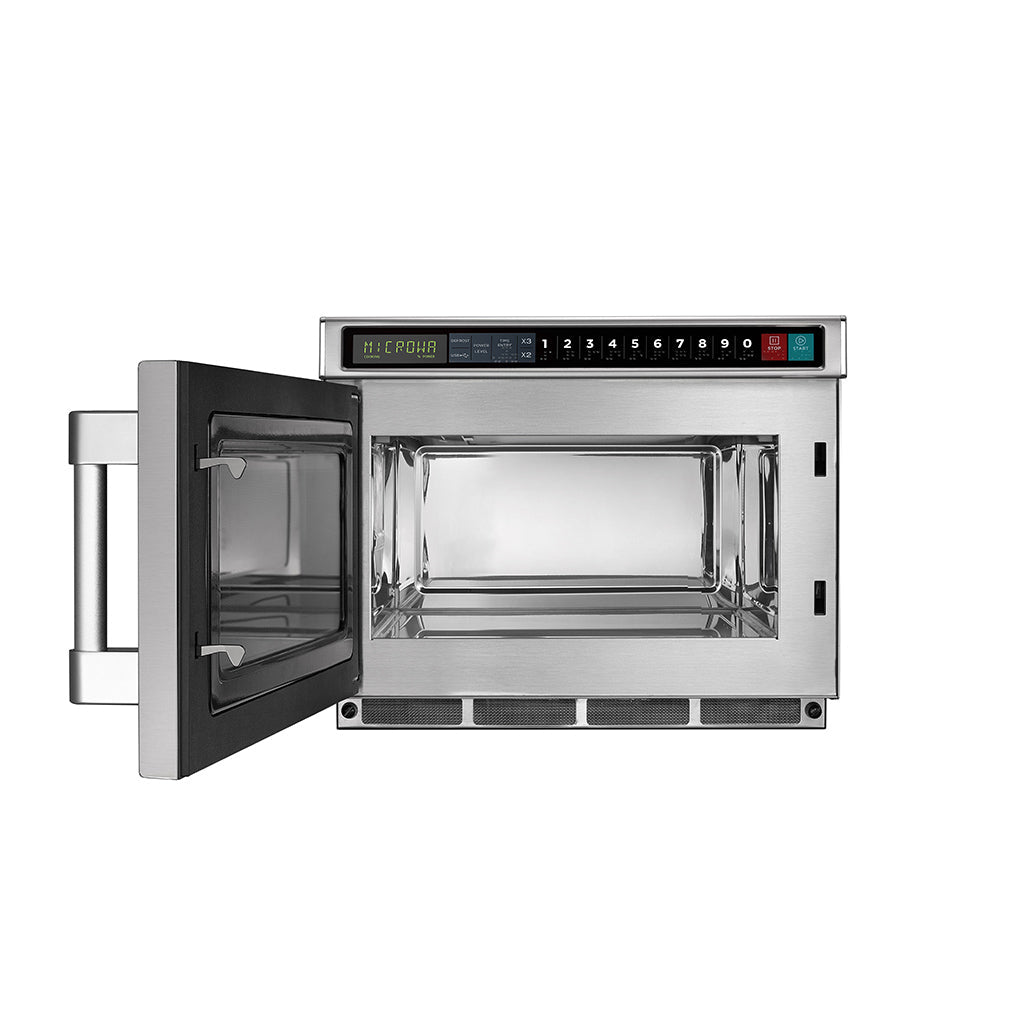
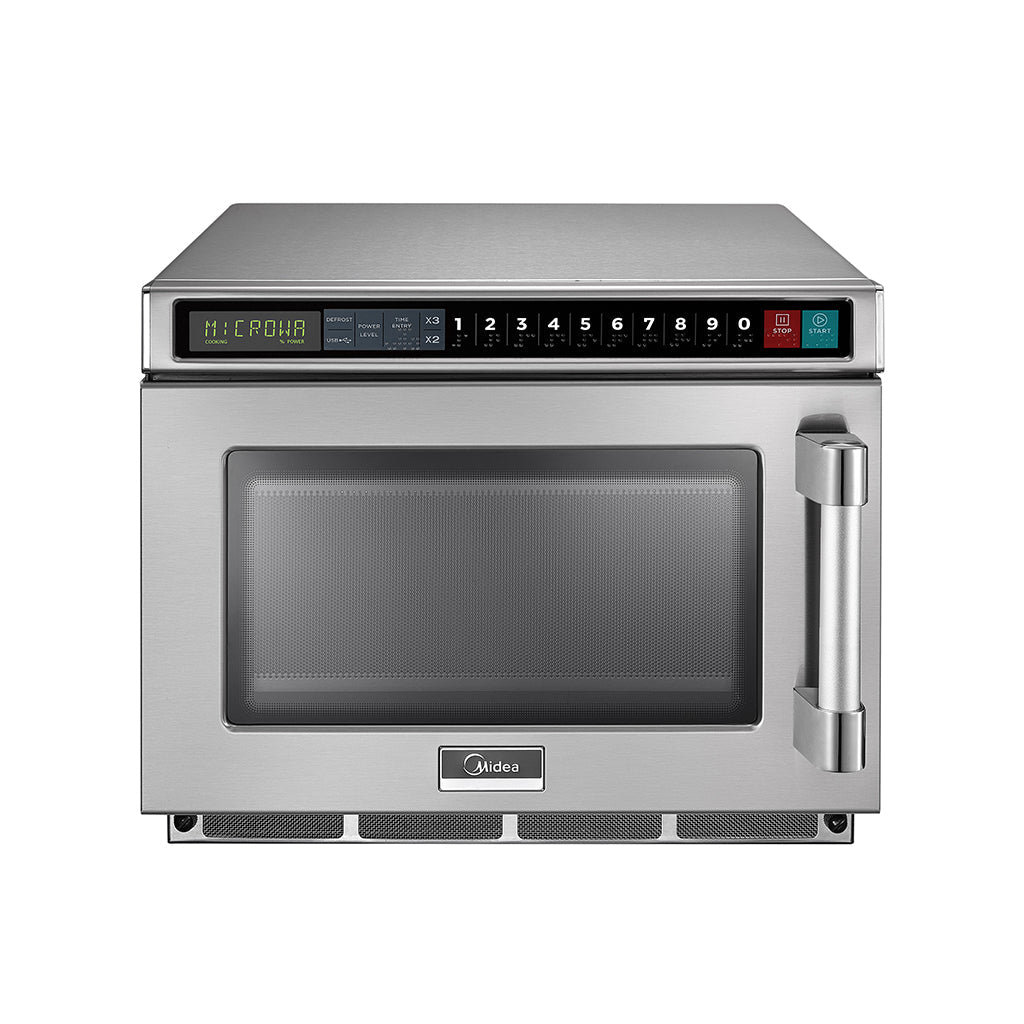
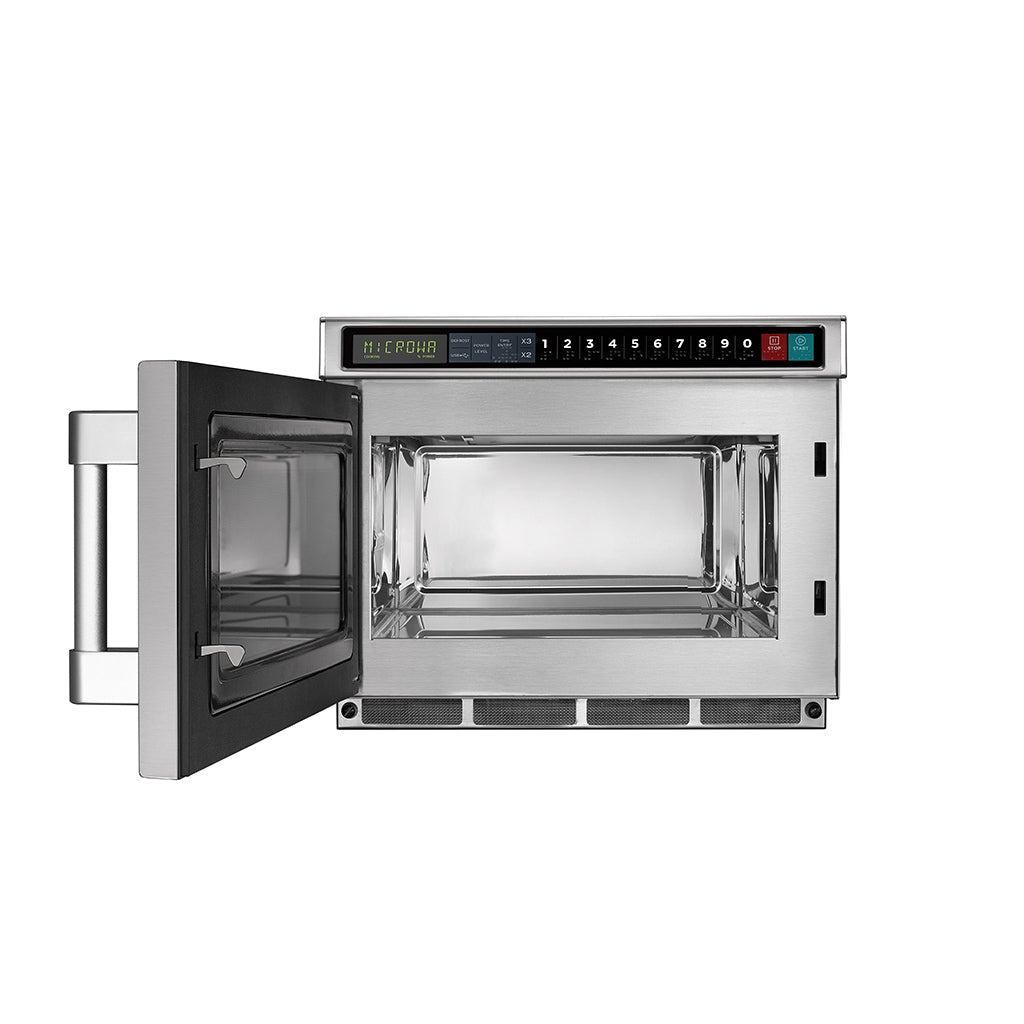
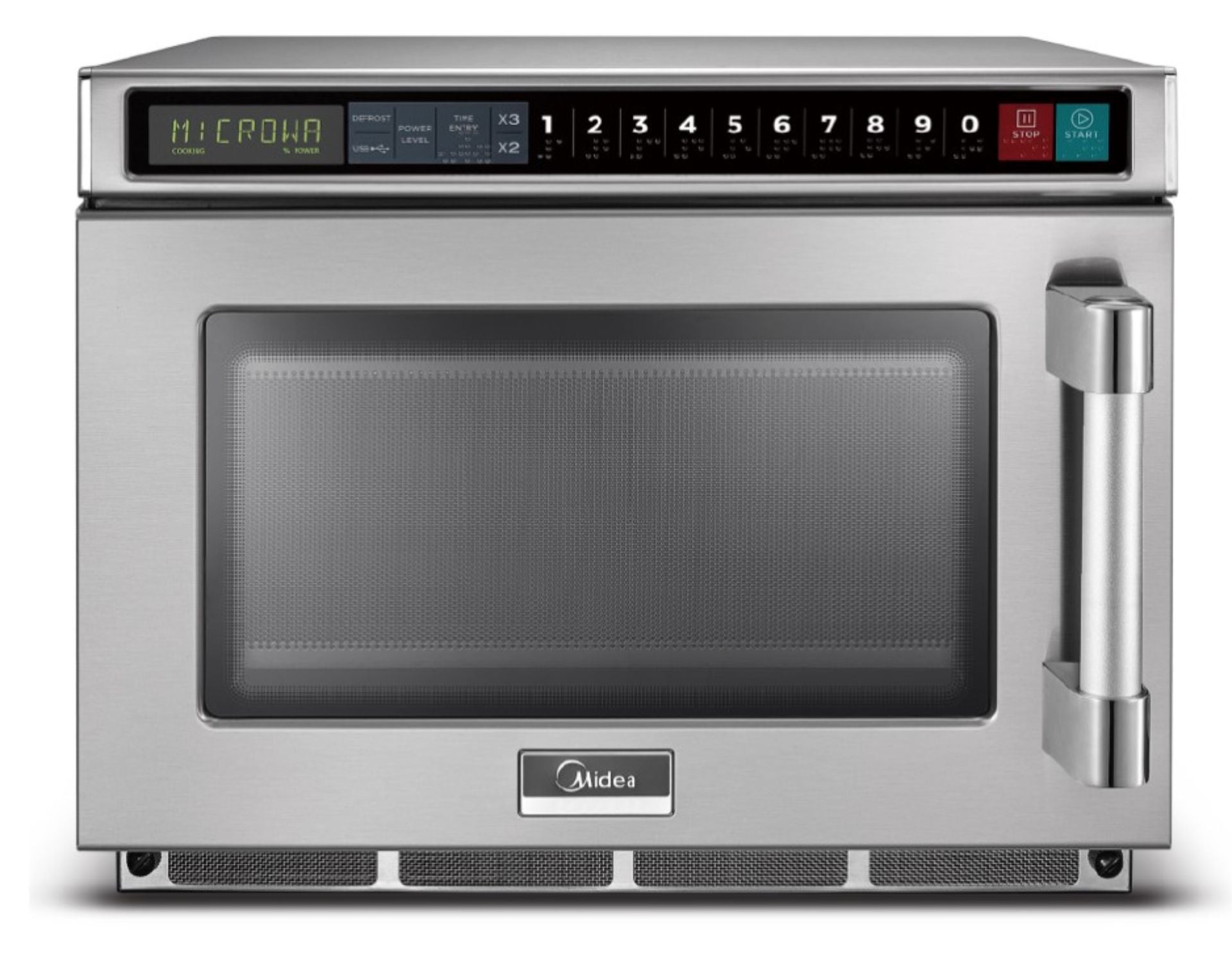
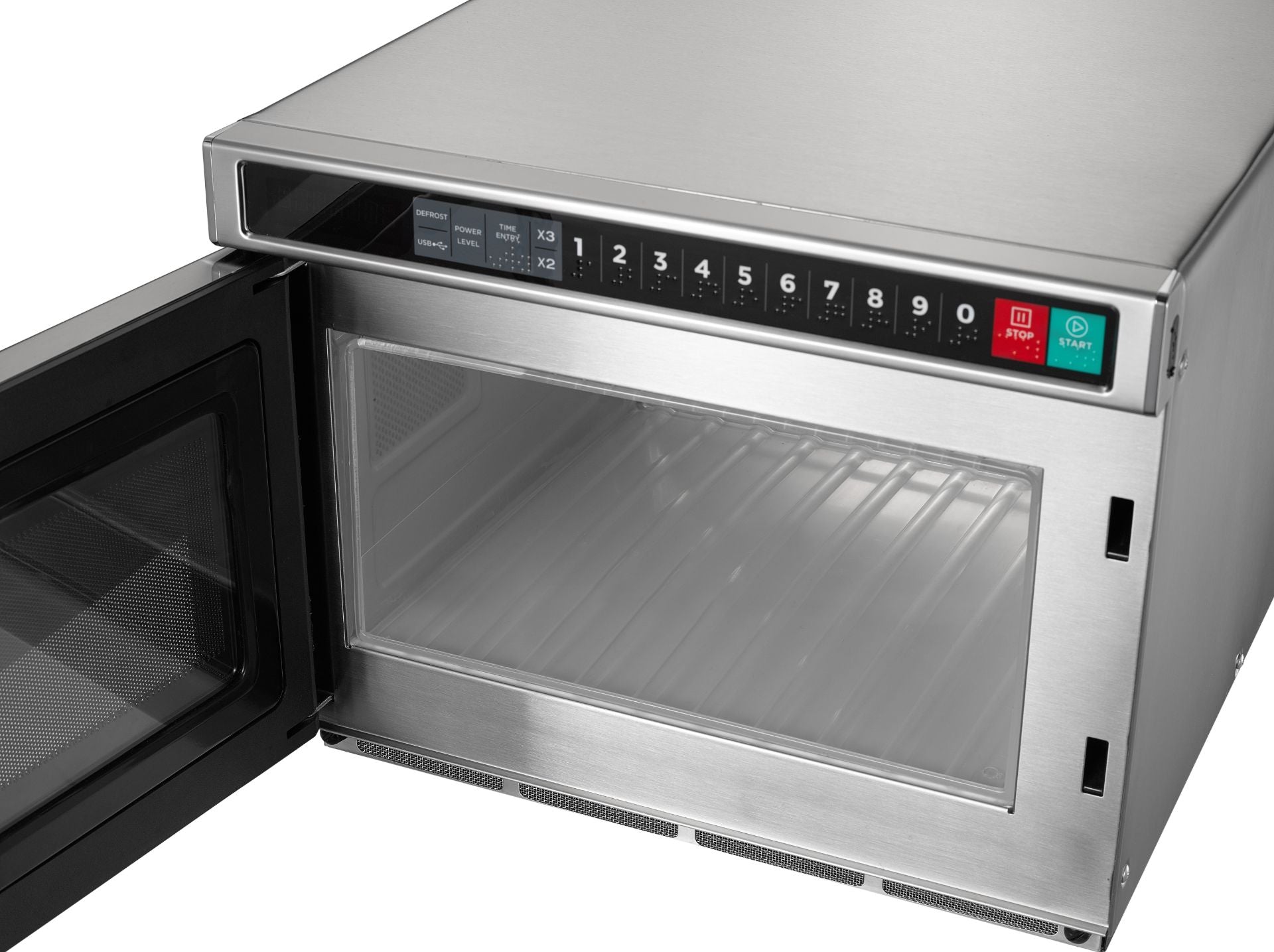
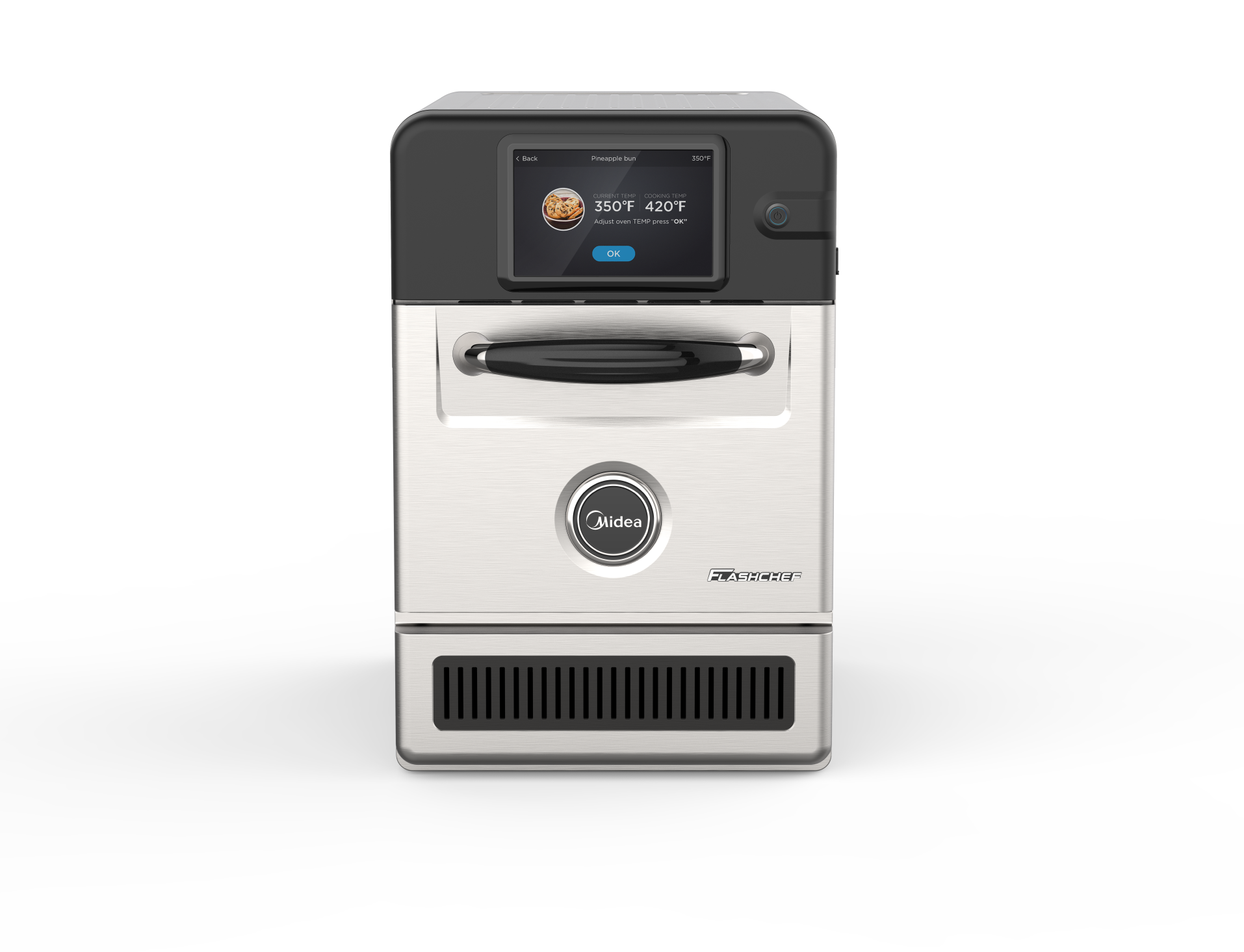
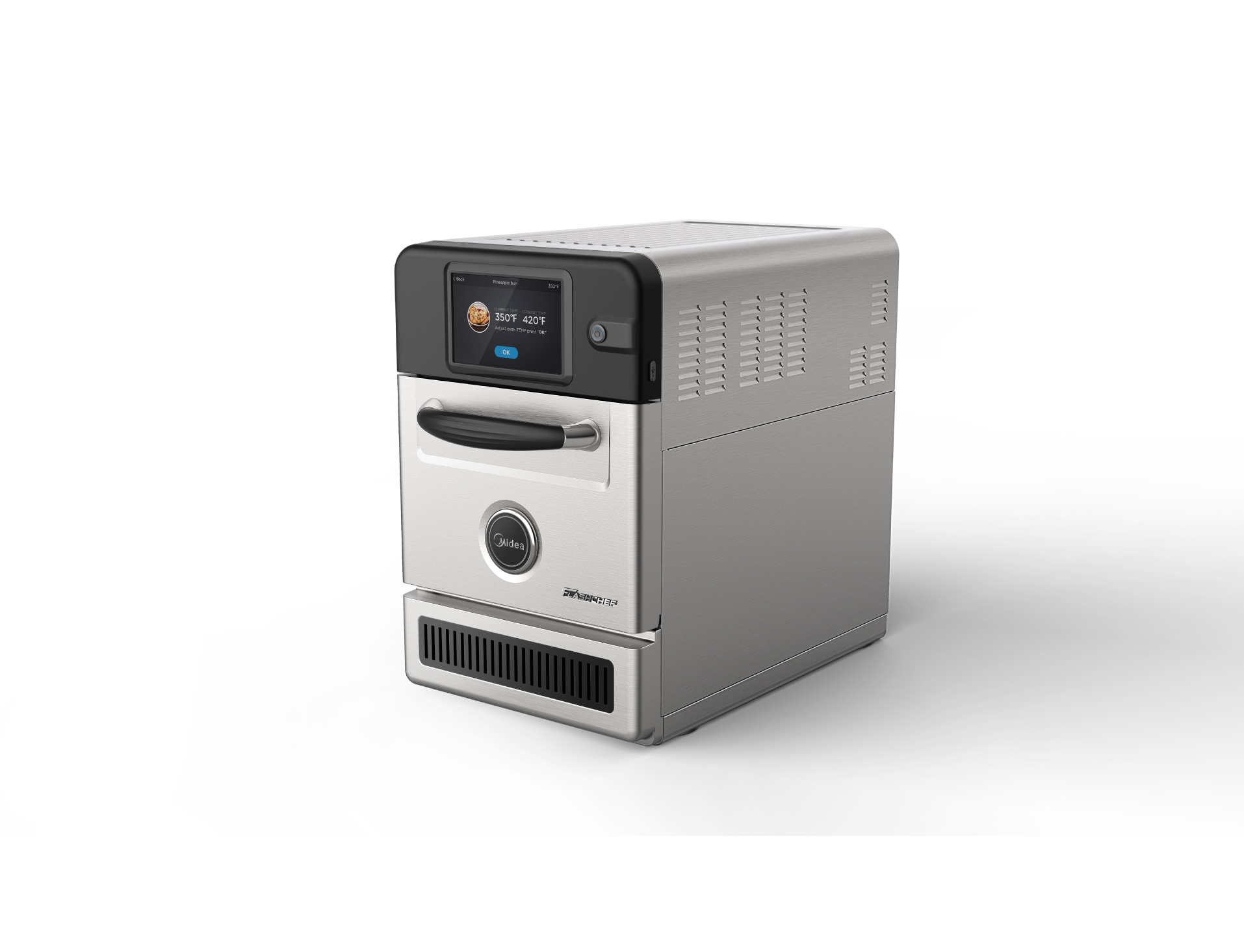
Free Shipping
Recently viewed
What to Know Before Buying a Commercial Microwave
Selecting a commercial microwave requires more than just comparing prices or sizes. The wrong choice can slow down your kitchen, while the right one can dramatically increase efficiency.
Power Output (Wattage) Determines Performance
The most important factor is wattage. Commercial microwaves typically range from 1,000W to over 3,000W.
Lower wattage units are suitable for light reheating and occasional use, while high-wattage models are designed for continuous cooking and rapid heating. If your kitchen handles high order volume, investing in a higher wattage unit is critical to maintaining speed and consistency.
Commercial Microwave Duty Level
Not all commercial microwaves are built for the same workload.
Light-duty microwaves are best for small cafés or low-volume operations.
Medium-duty units are ideal for moderate use in restaurants.
Heavy-duty microwaves are designed for nonstop use in high-volume kitchens.
Choosing the wrong duty level is one of the most common mistakes operators make.
Capacity and Interior Size
Interior capacity affects what you can cook. Larger cavities allow for bigger plates, multiple items, or bulk reheating.
If your menu includes large portions or high-volume prep, a spacious interior will prevent bottlenecks during service.
Controls: Manual vs Programmable
Manual dial controls are simple and reliable, making them ideal for basic operations.
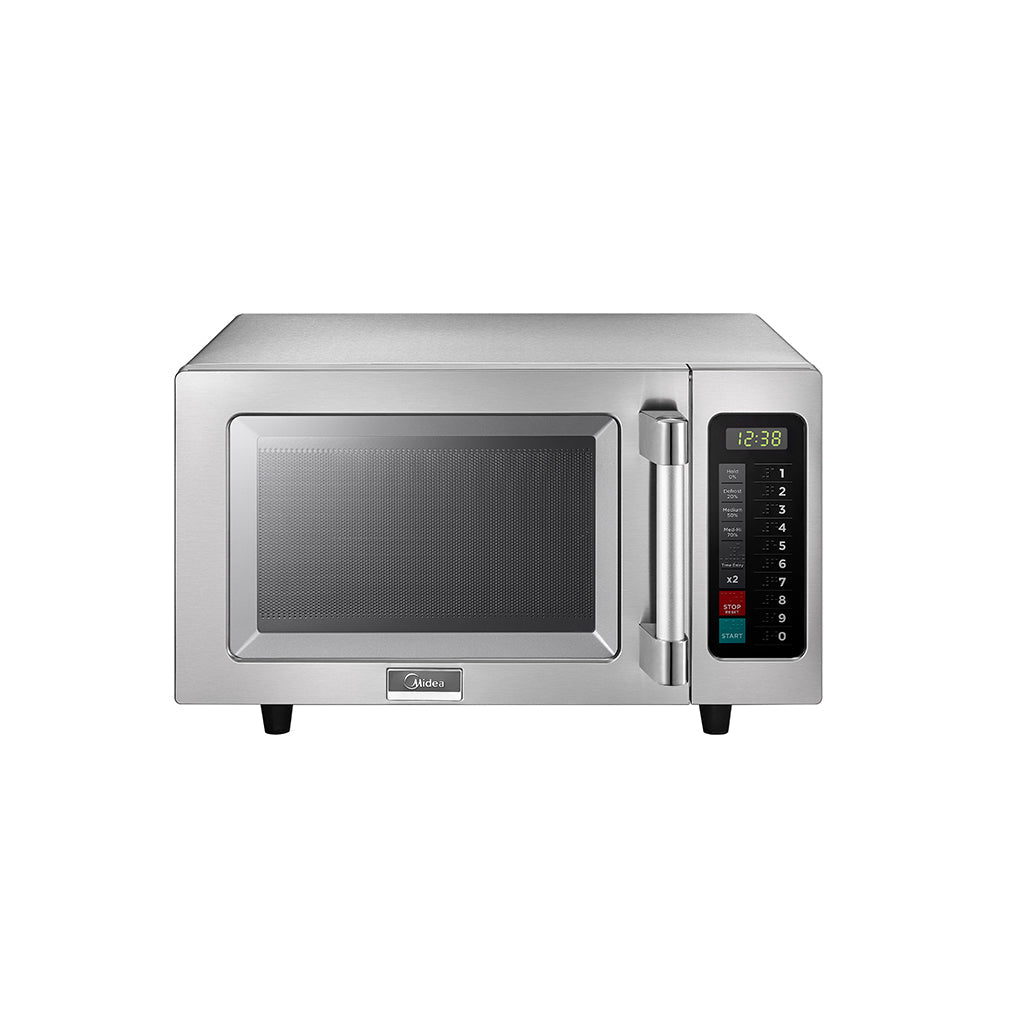
Programmable digital controls allow you to save cooking settings, ensuring consistency across staff and reducing training time. In high-volume kitchens, this can significantly improve speed and accuracy.
Stackability and Space Optimization
In many kitchens, space is limited. Stackable microwave models allow you to double capacity without increasing your footprint.
This is especially valuable in fast-paced environments where multiple staff members need access simultaneously.
Durability and Construction
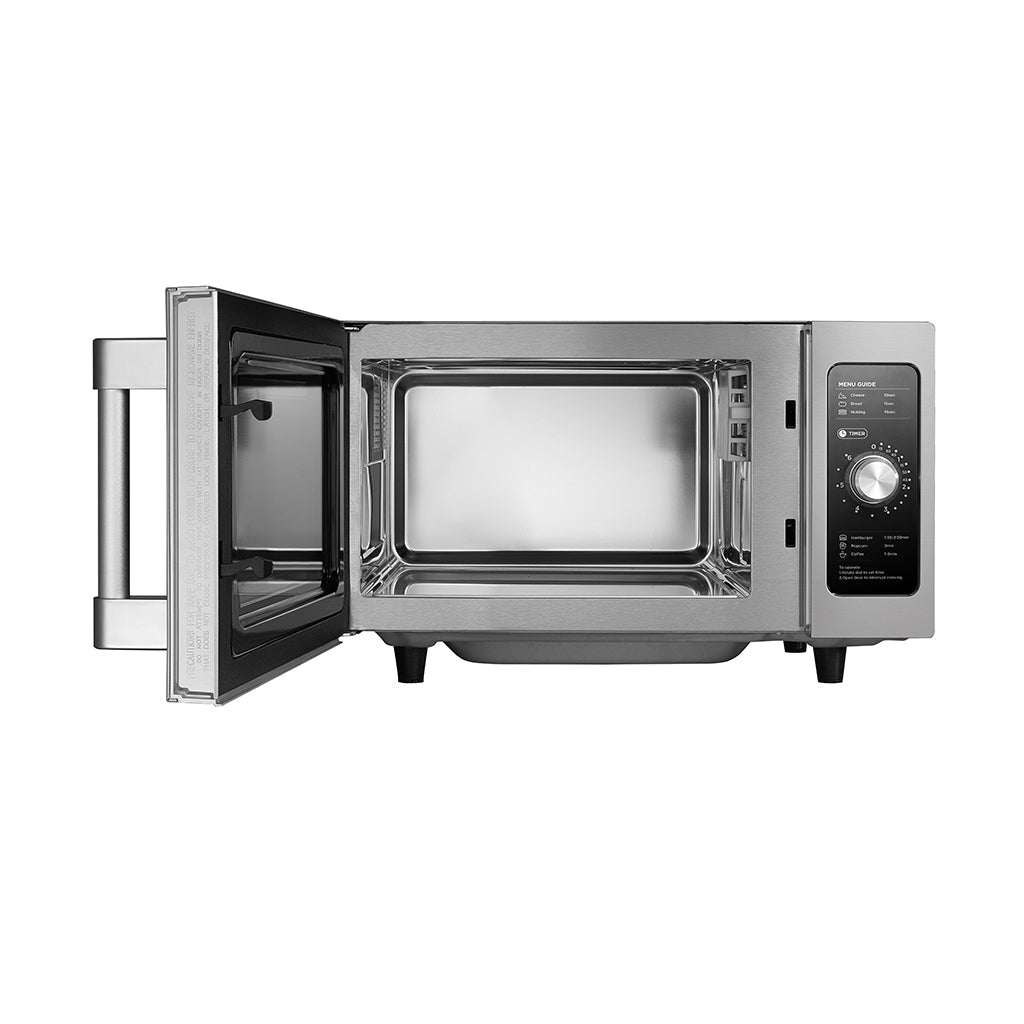
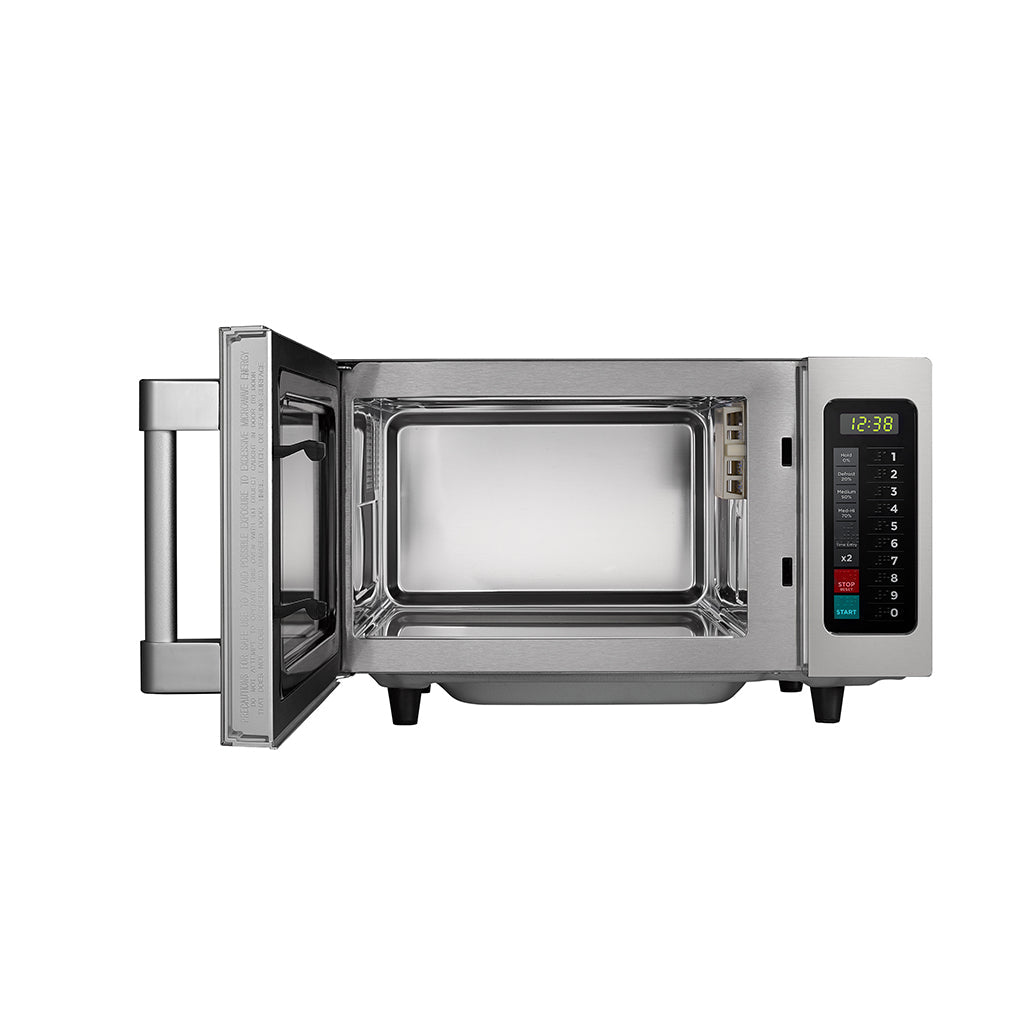
Commercial microwaves are built with stainless steel interiors and exteriors to withstand heavy use. Look for reinforced doors, durable handles, and reliable components designed for long-term performance.
Ventilation and Installation
Proper ventilation is essential for maintaining performance and preventing overheating. Always ensure your microwave is installed according to manufacturer guidelines, with adequate clearance and airflow.
Helpful guides
FAQs About Commercial Microwaves
What is the difference between a commercial microwave and a regular microwave?
Commercial microwaves are built for durability, speed, and continuous use. They offer higher wattage, stronger components, and faster cooking times compared to residential models. While a home microwave may handle occasional use, a commercial unit is designed to operate throughout the entire service period without performance loss.
What wattage is best for a commercial microwave?
The ideal wattage depends on your kitchen volume.
1,000–1,200W → Light use
1,200–2,000W → Medium volume kitchens
2,000W+ → High-volume, fast-paced operations
For most restaurants, a minimum of 1,200W is recommended to maintain efficient service.
Can a commercial microwave be used for cooking or just reheating?
Yes, commercial microwaves can be used for both cooking and reheating. High-powered models can cook vegetables, proteins, and prepared dishes efficiently. However, they are most commonly used for reheating, defrosting, and finishing items during service.
Are commercial microwaves faster than regular microwaves?
Yes. Commercial microwaves are significantly faster due to higher wattage and optimized energy distribution. This allows food to heat more evenly and in less time, which is critical in busy kitchens.
How long do commercial microwaves last?
With proper use and maintenance, a commercial microwave can last several years even under heavy use. Heavy-duty models are specifically designed to handle continuous operation, making them a long-term investment for professional kitchens.
Do I need a heavy-duty microwave for my restaurant?
If your kitchen experiences consistent high volume or relies heavily on microwave use during service, a heavy-duty model is recommended. For smaller operations or occasional use, a medium-duty unit may be sufficient.
Can commercial microwaves be stacked?
Yes, many commercial microwaves are designed to be stackable. This allows kitchens to increase capacity without using additional floor space, making it an efficient solution for high-demand environments.