


Food preparation and processing equipment plays a central role in the efficiency and consistency of any commercial kitchen. Whether you operate a restaurant, deli, bakery, supermarket, or food production facility, the way ingredients are prepared directly impacts speed, product quality, and overall workflow. The right equipment not only saves time but also ensures uniform results across every batch.
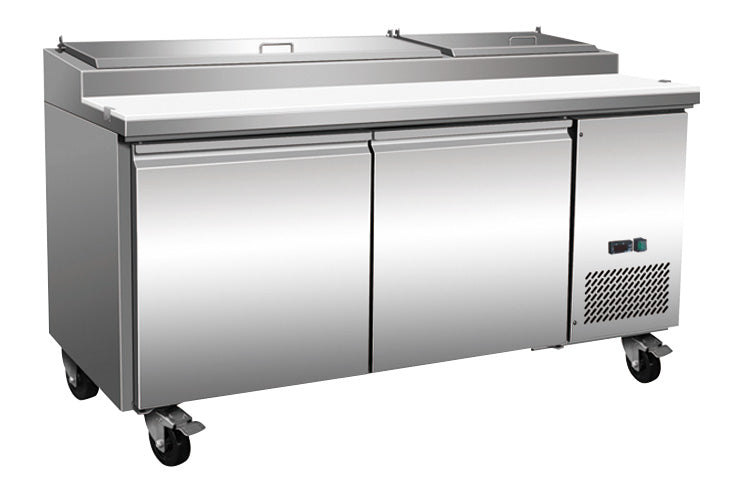
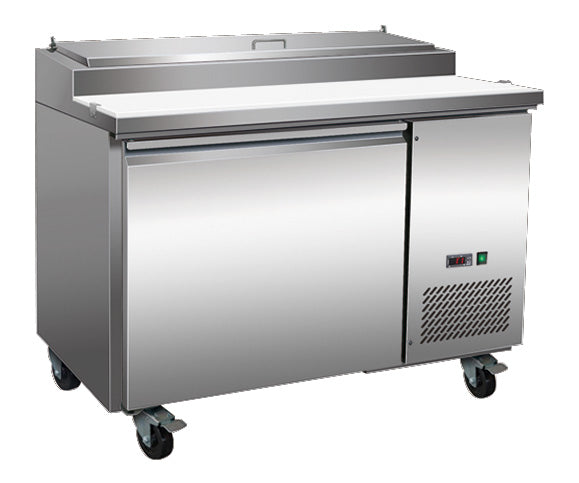
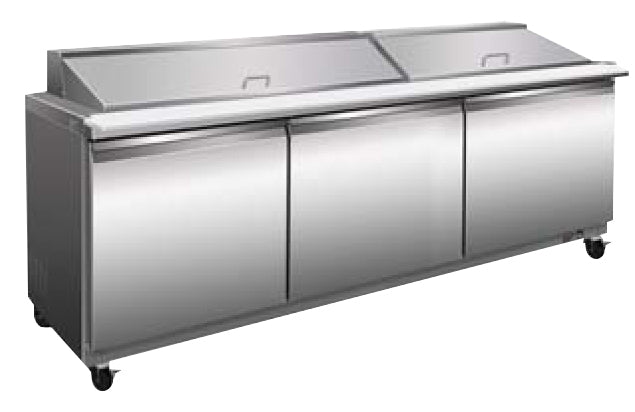
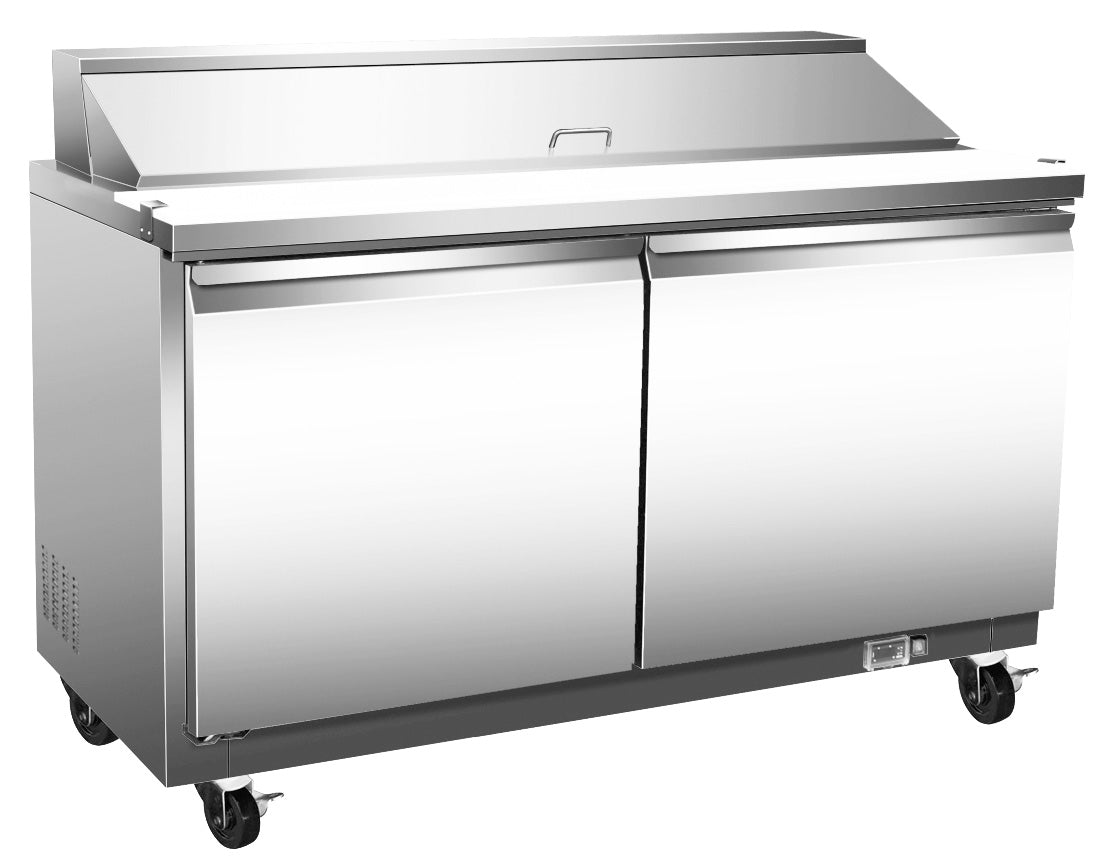
At Atlantic, we offer a complete range of commercial food preparation and processing equipment designed for high-volume environments. From food processors, mixers, and slicers to prep tables, choppers, and specialty processing machines, our equipment is built to handle the daily demands of professional kitchens. These tools are essential for reducing manual labor, improving precision, and maintaining consistent output during peak hours.
Different types of businesses require different preparation solutions. Restaurants often rely on versatile equipment that can handle multiple tasks, while delis and supermarkets may prioritize high-speed slicers and portioning tools for continuous service. Food production operations, on the other hand, require heavy-duty processing equipment capable of handling larger quantities with maximum efficiency.
Durability and performance are key considerations when choosing food preparation equipment. Commercial kitchens operate under constant pressure, so equipment must be reliable, easy to clean, and designed for long-term use. Stainless steel construction, powerful motors, and user-friendly controls are all critical features that contribute to smooth daily operations.
Investing in the right food preparation and processing equipment is not just about convenience. It is about building a faster, more efficient kitchen that can deliver consistent results while keeping up with customer demand. At Atlantic, we focus on providing solutions that help food businesses streamline their workflow, reduce prep time, and operate more efficiently in competitive environments.
Show less
Free Shipping
Free Shipping
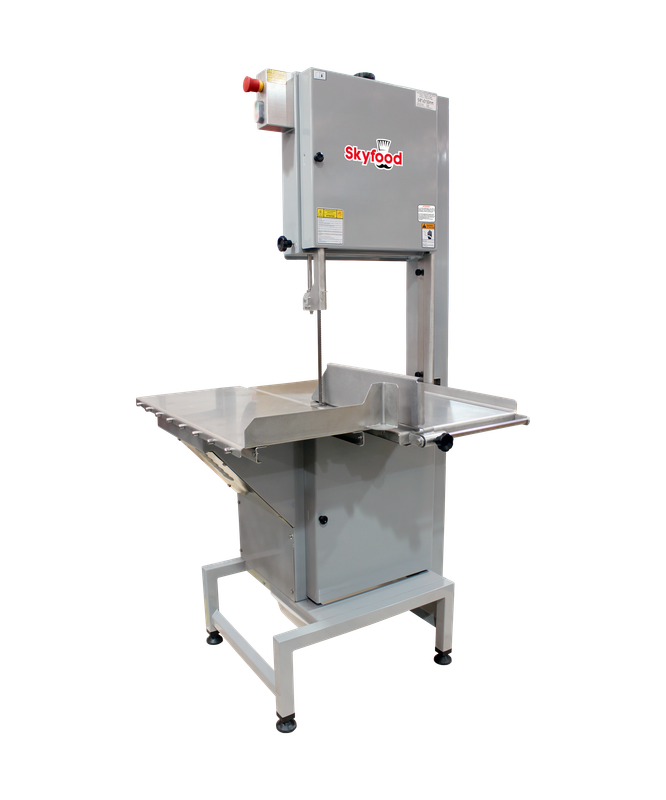
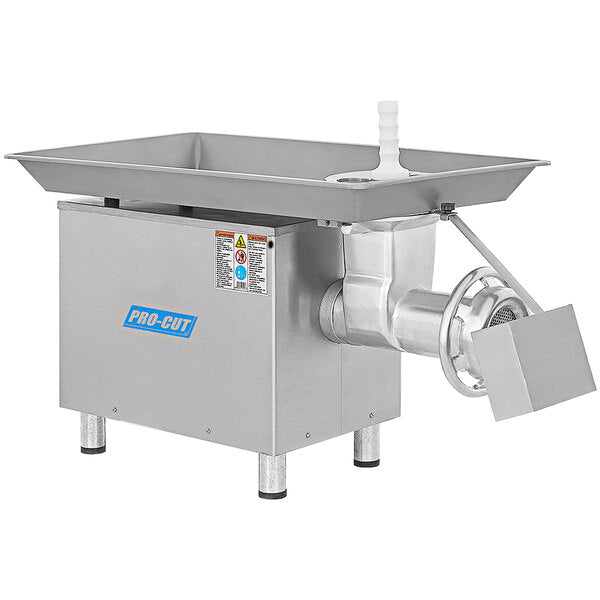
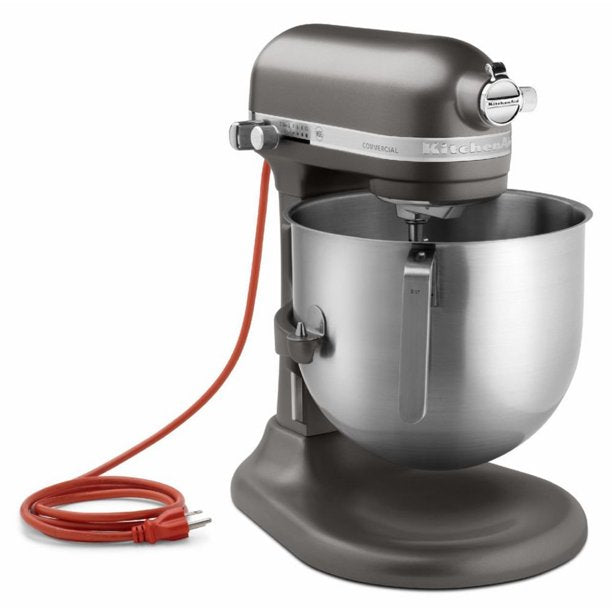
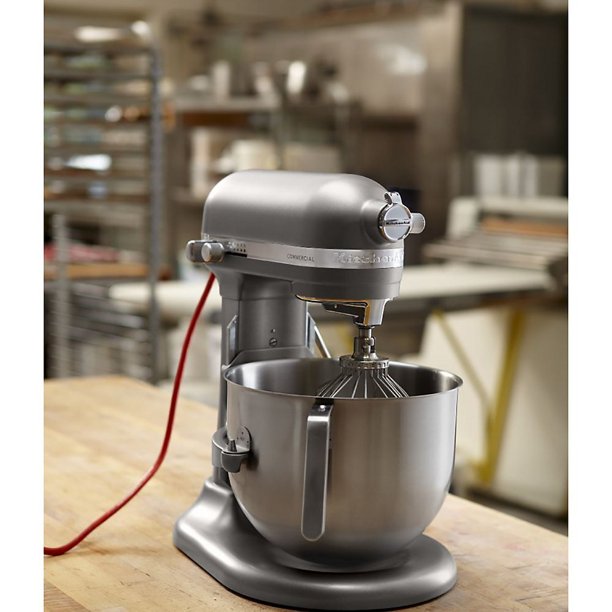
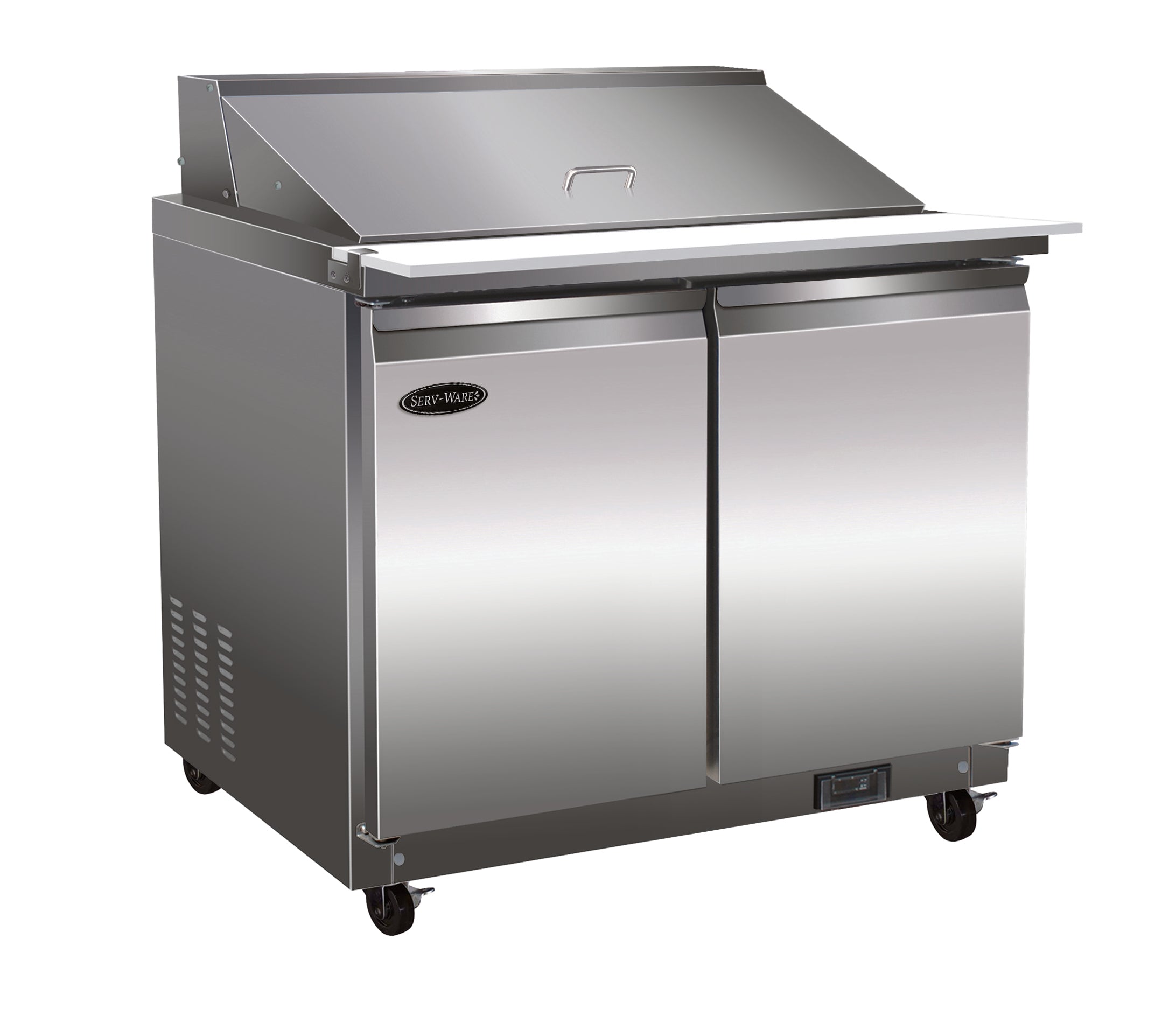
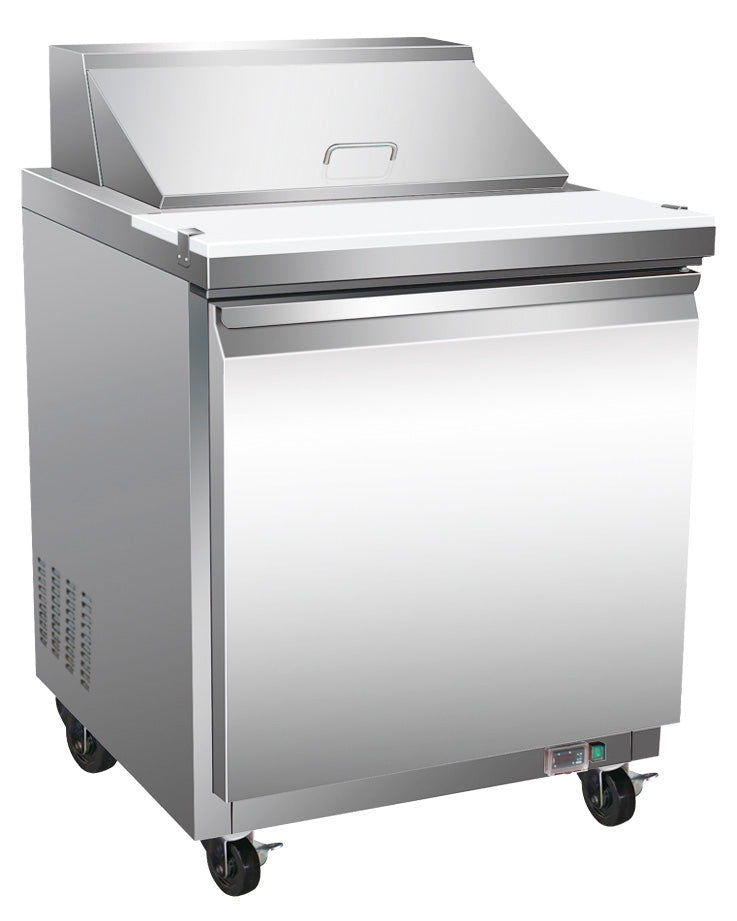
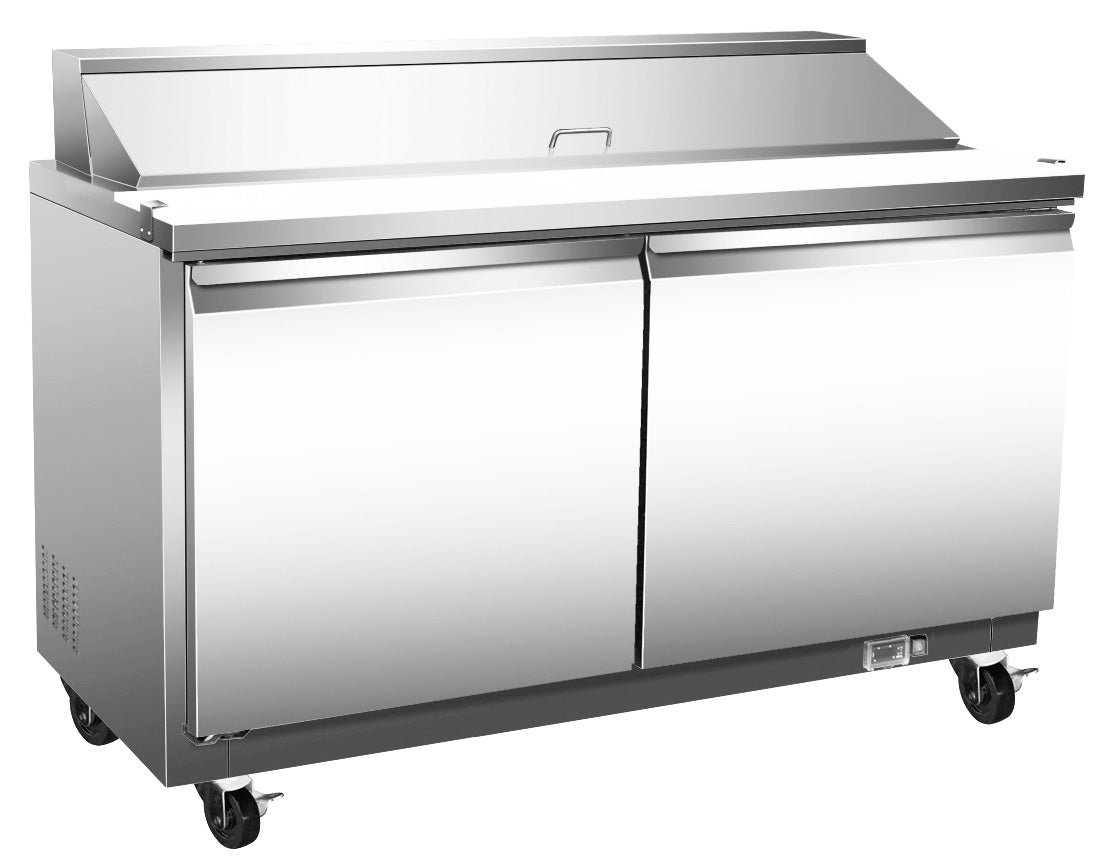
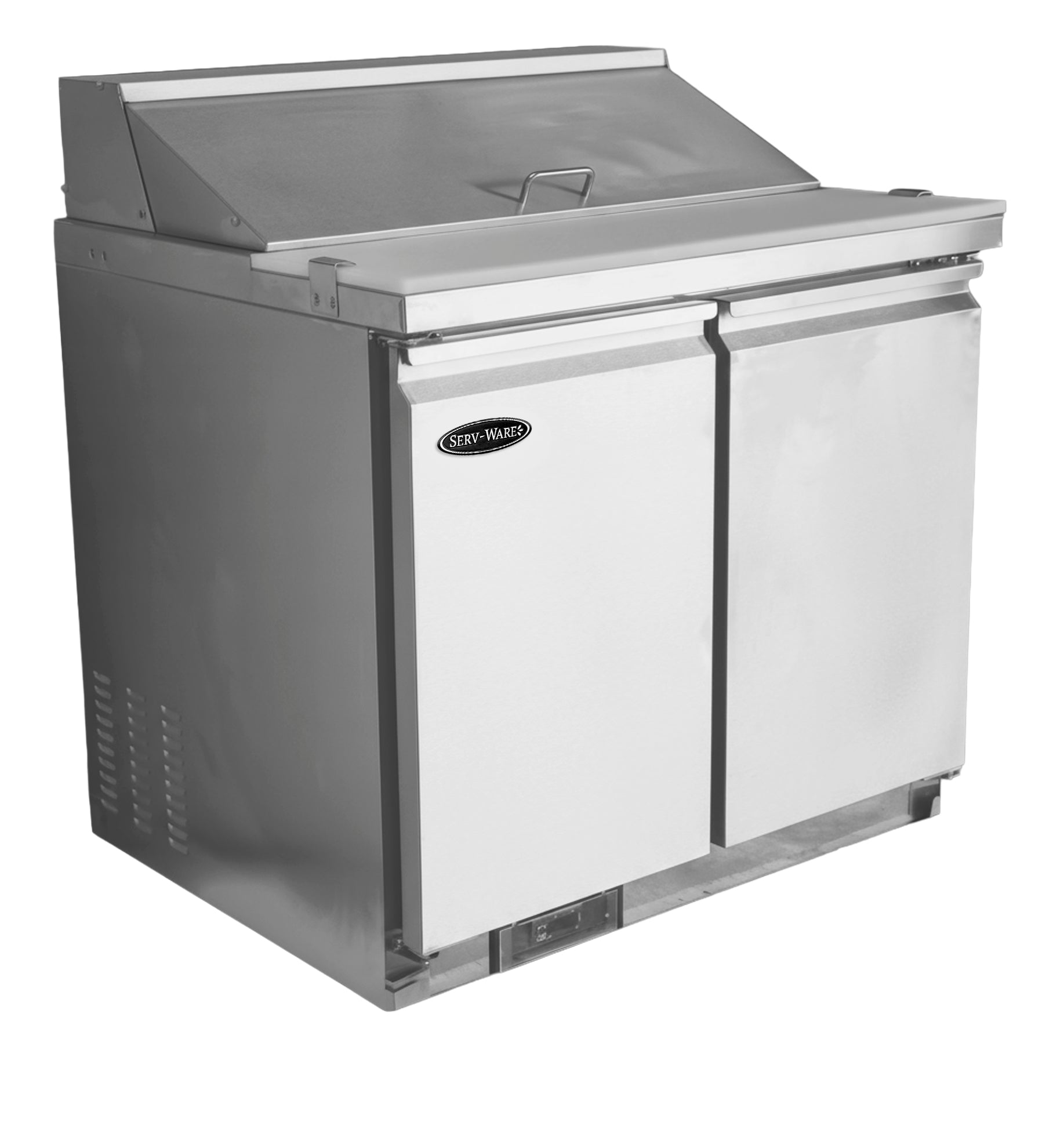
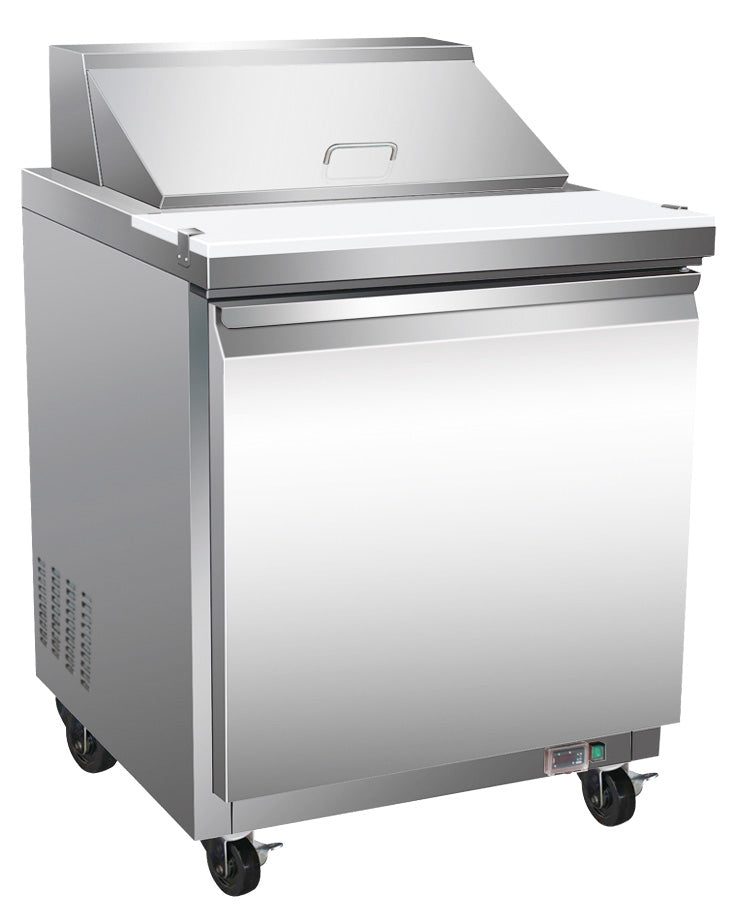
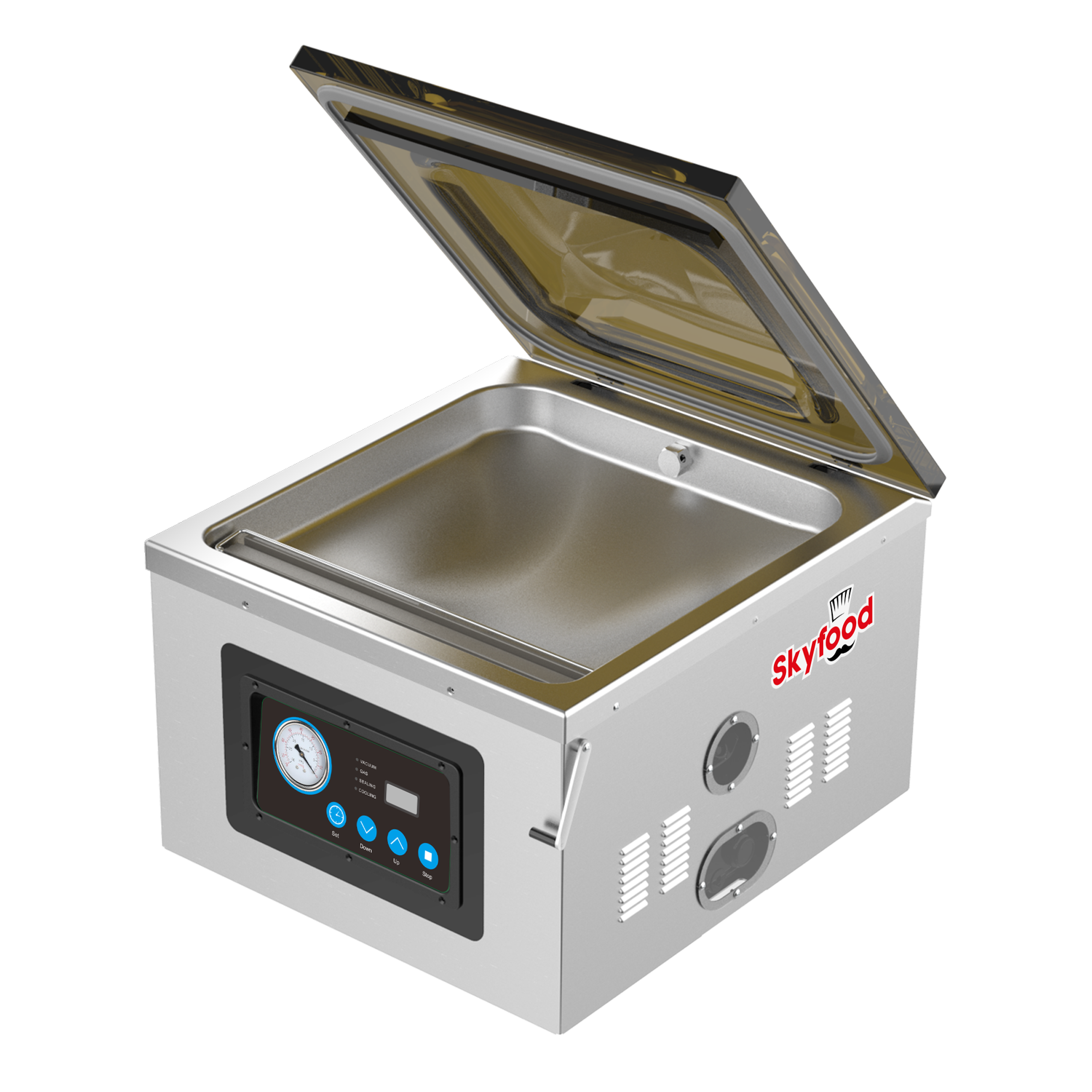
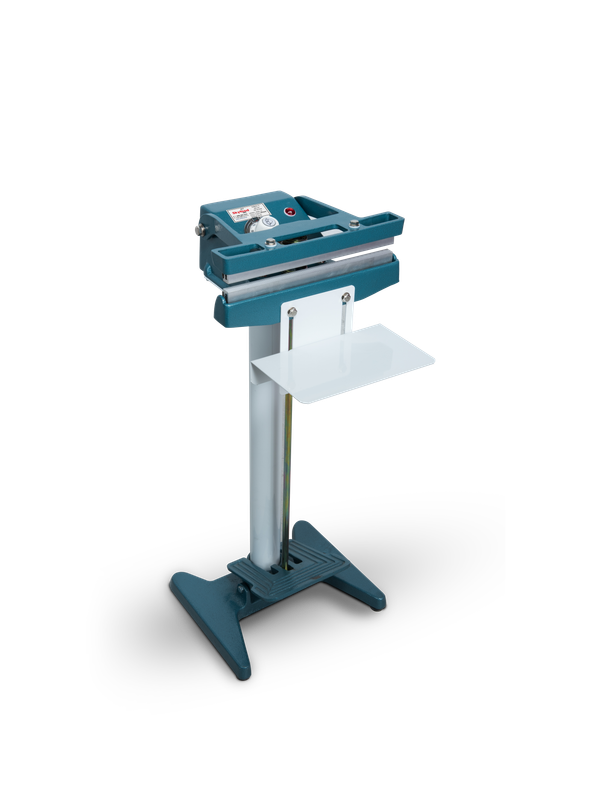
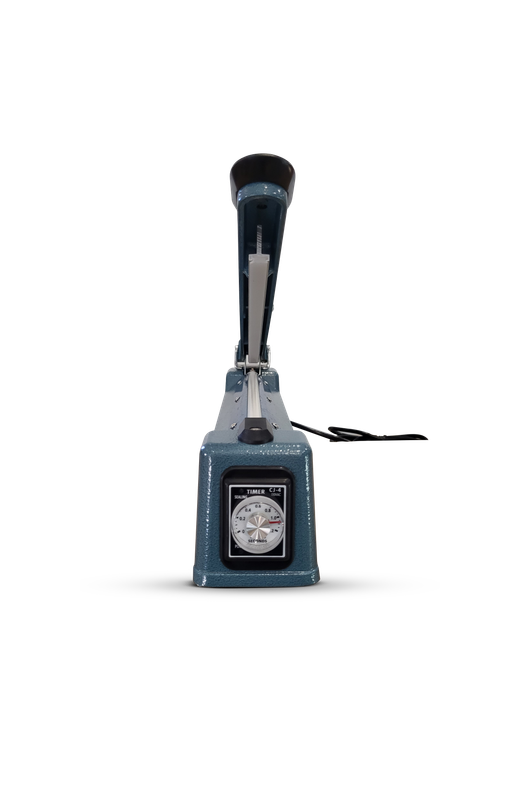
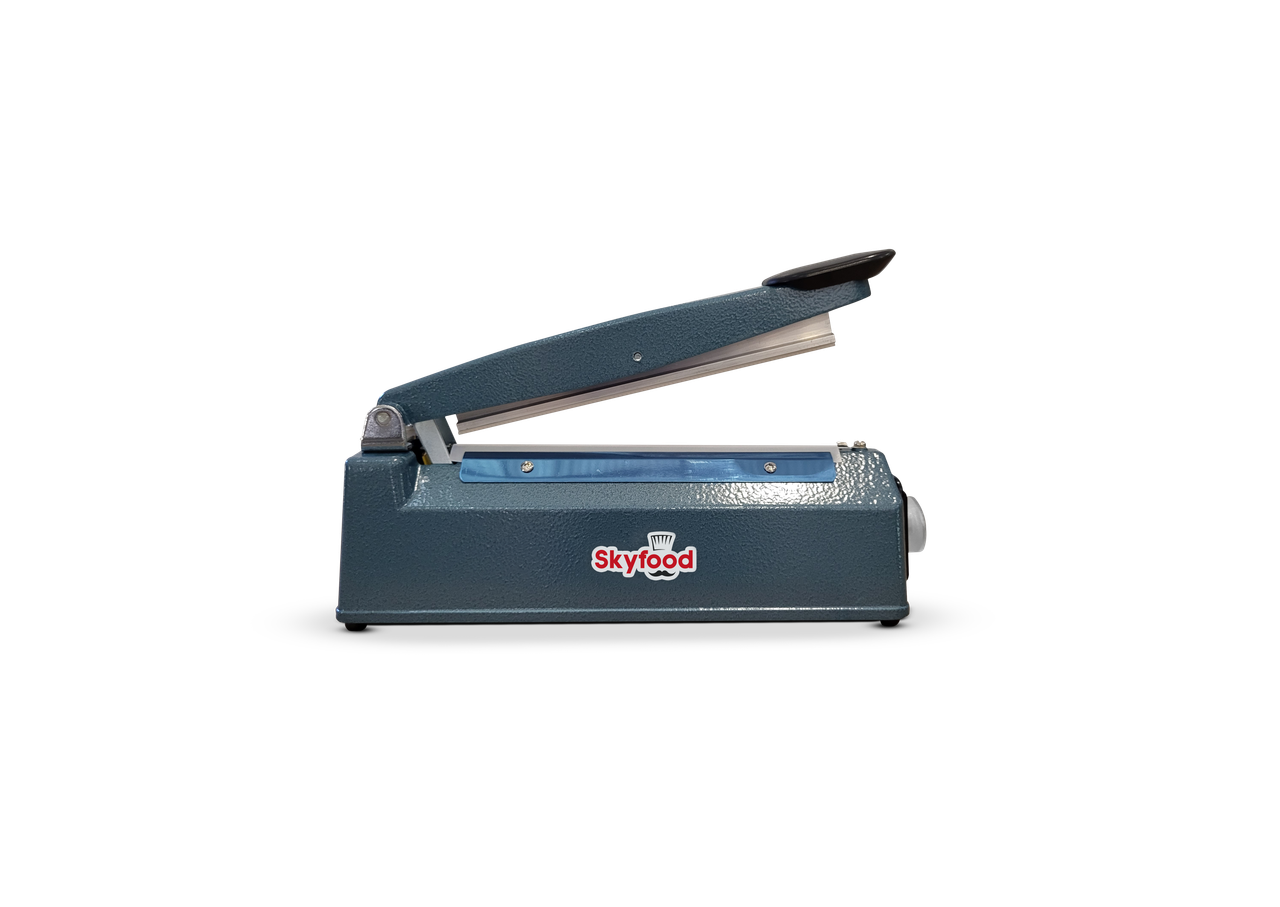

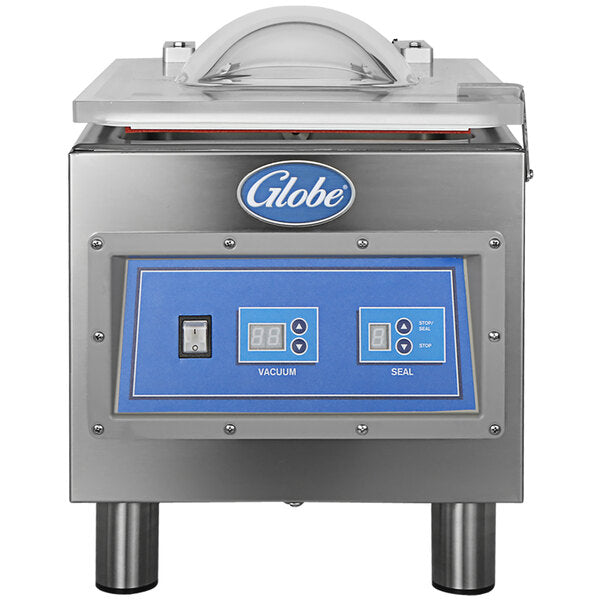



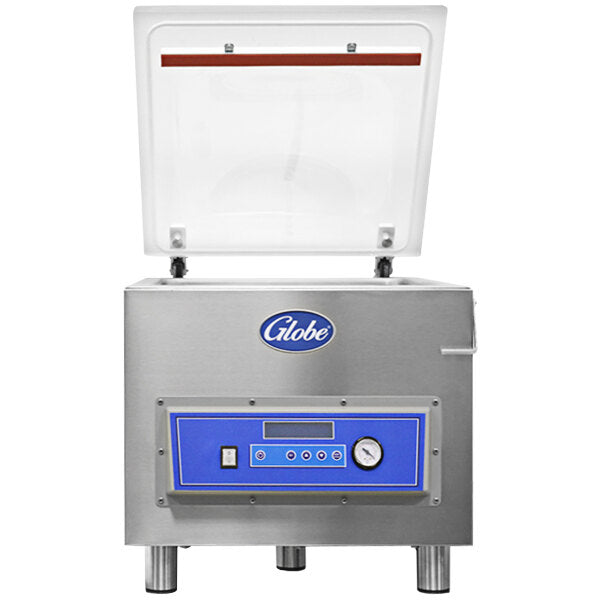
Free Shipping

Free Shipping
Free Shipping
Free Shipping
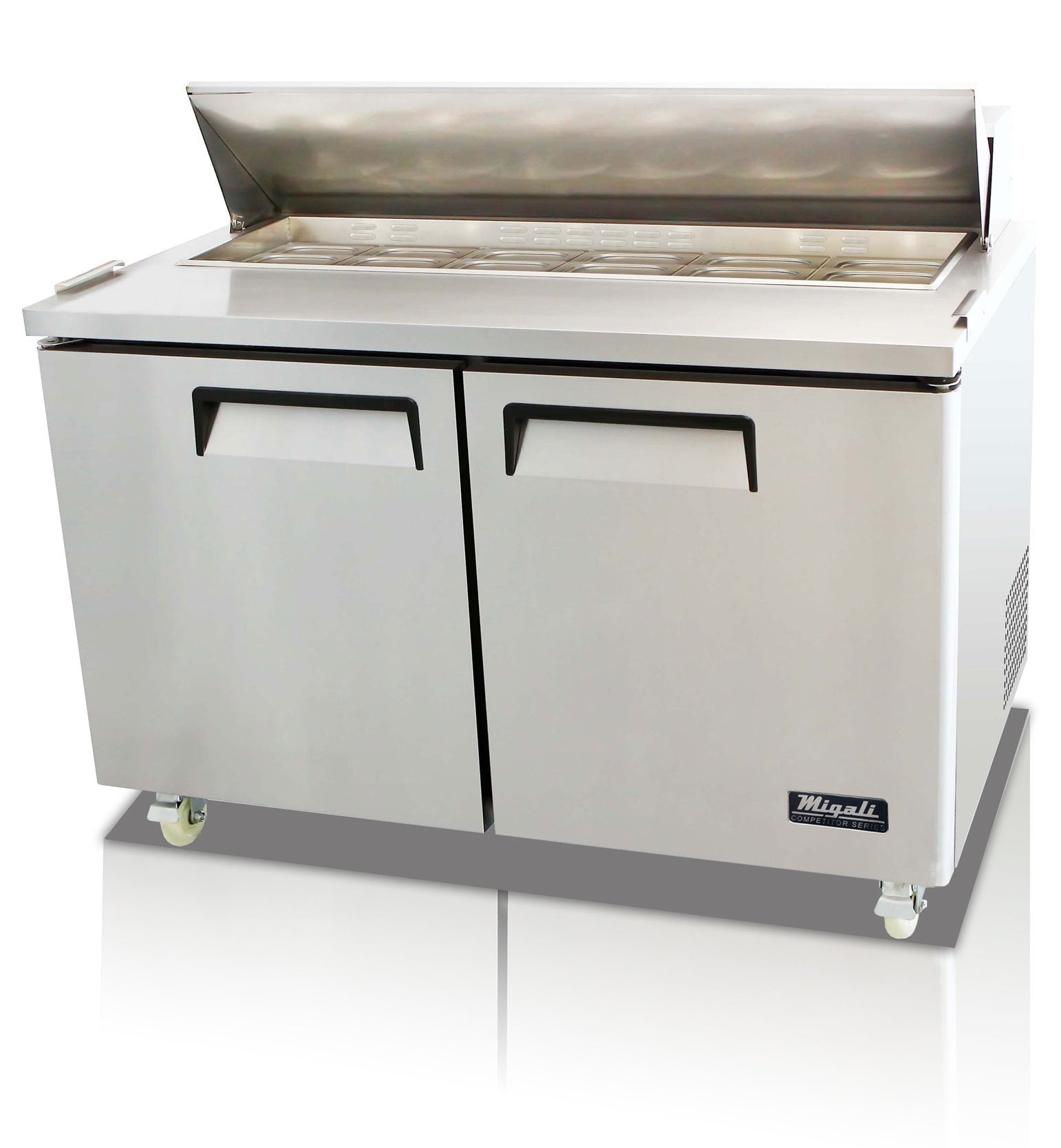
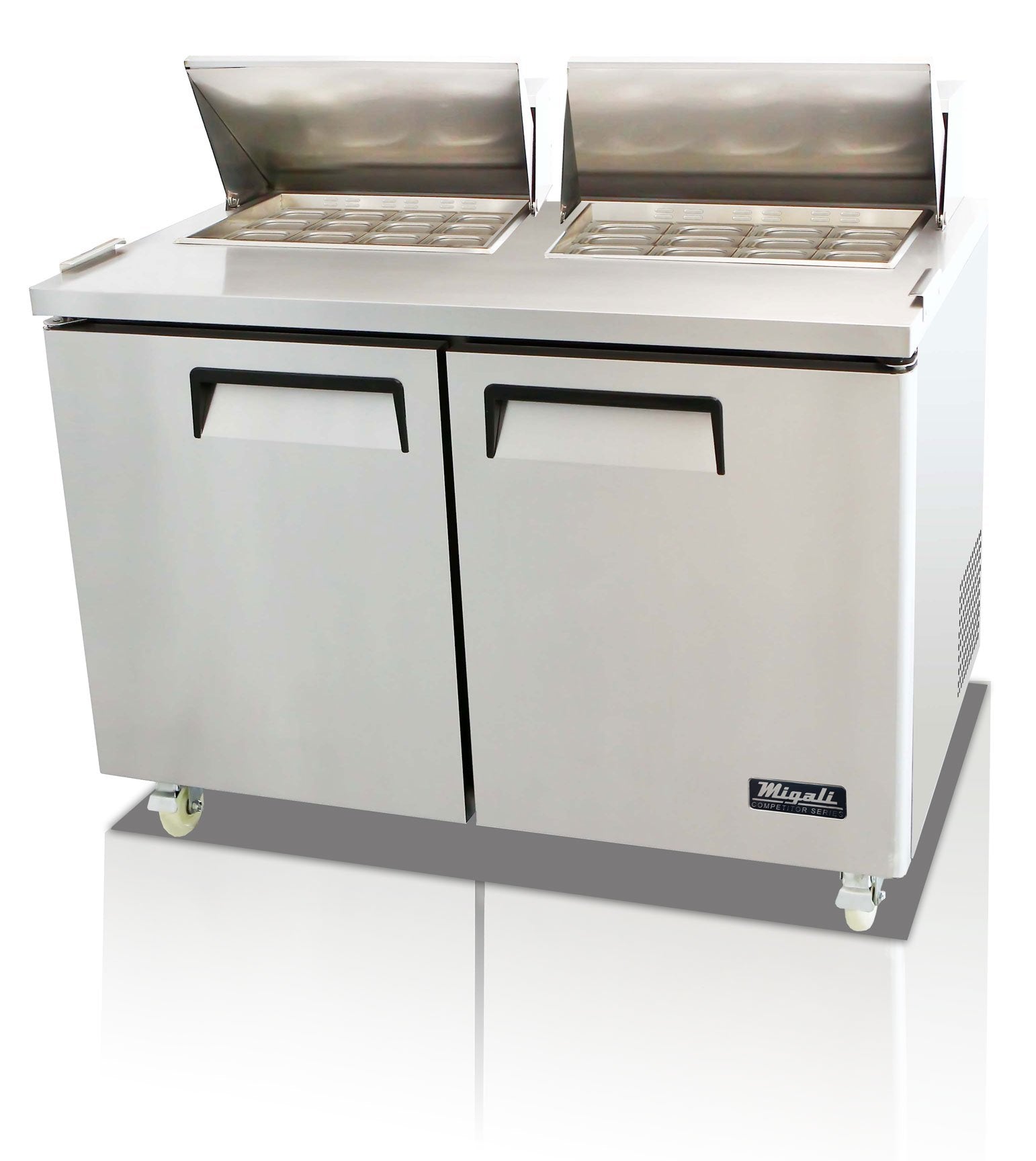
Free Shipping
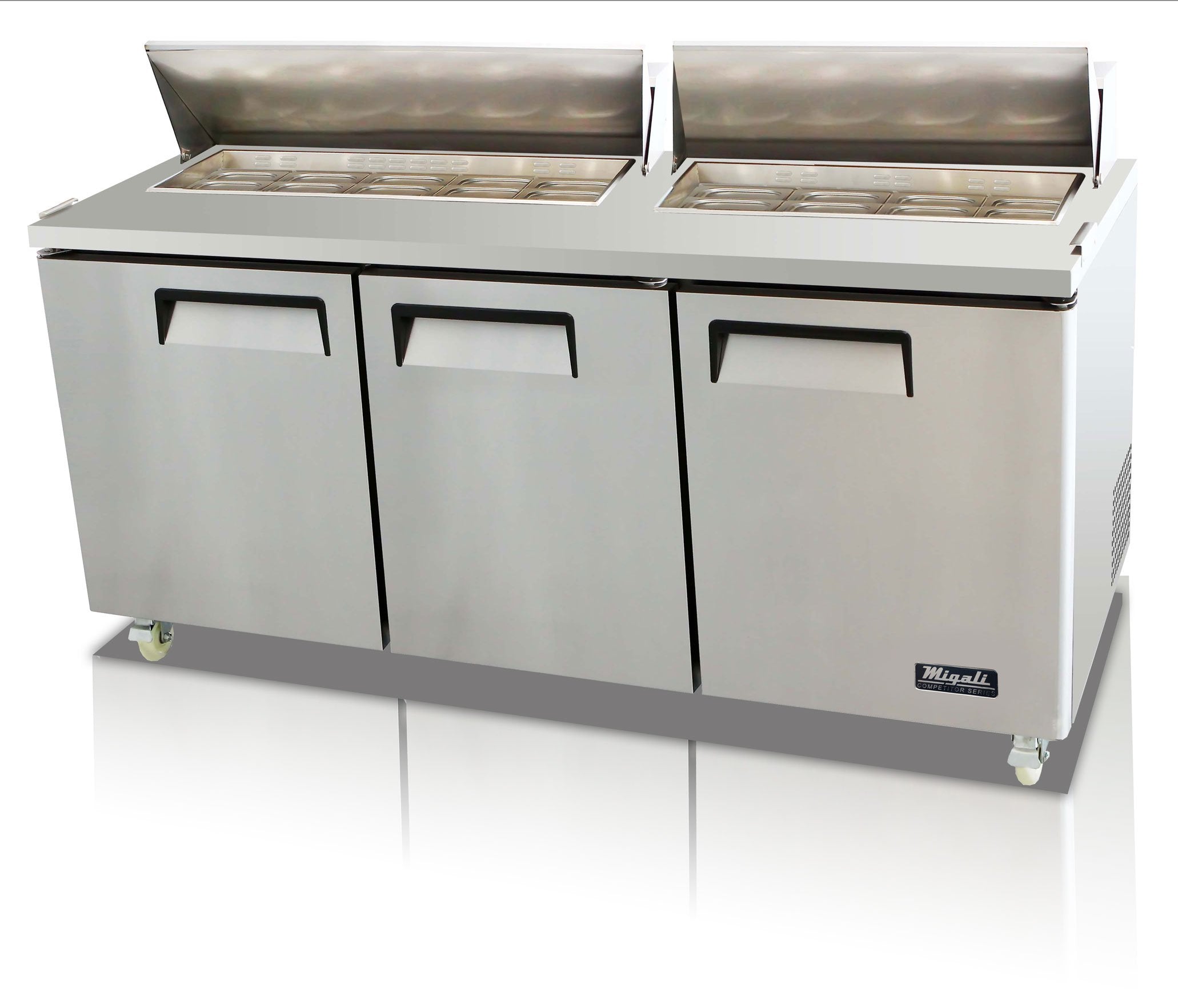
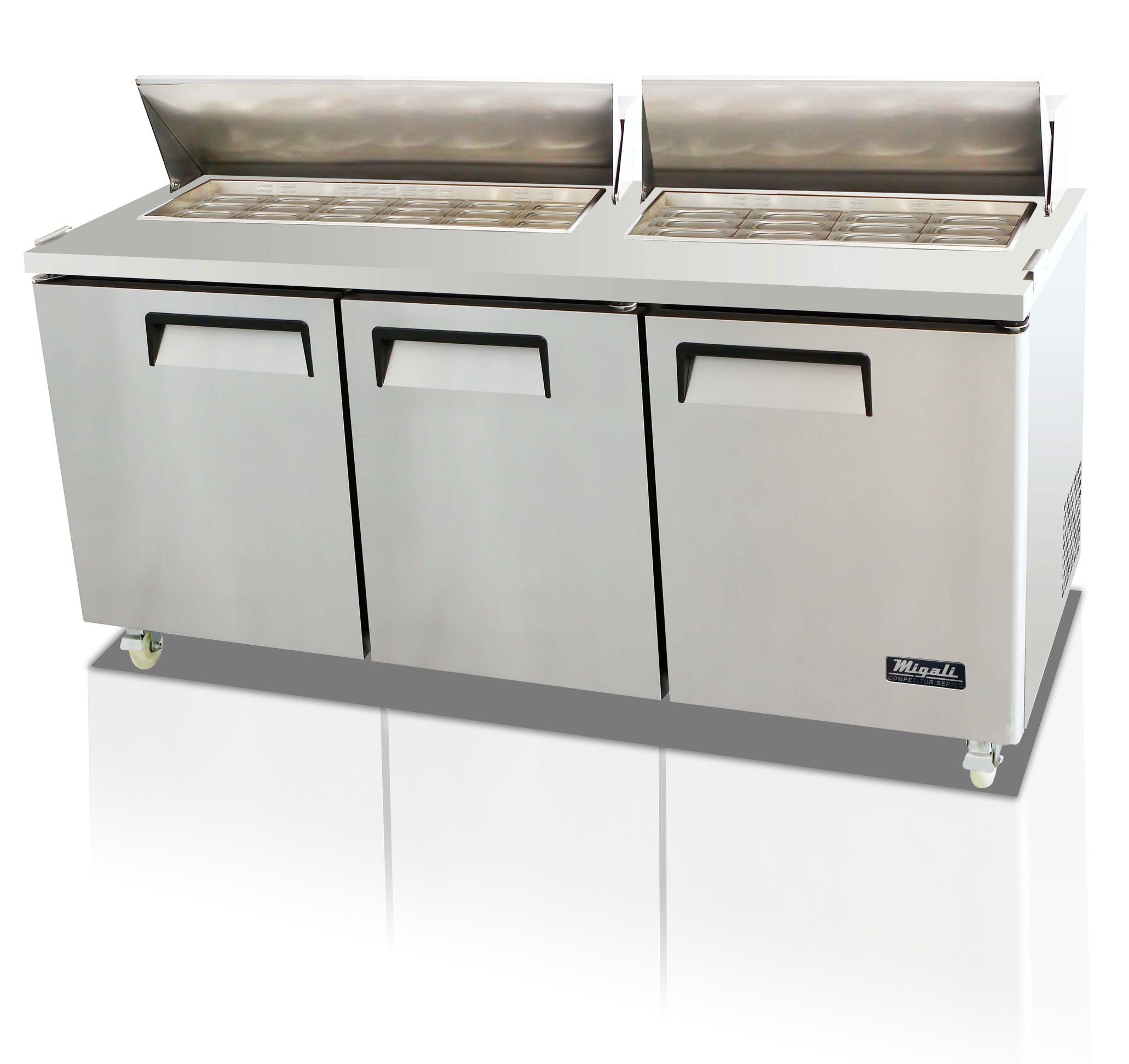
Free Shipping
Recently viewed
What to Know Before Buying Food Preparation & Processing Equipment
Choosing the right food preparation and processing equipment is not just about functionality. It directly impacts your kitchen’s speed, consistency, labor efficiency, and overall profitability. In commercial kitchens, preparation is often the most time-consuming part of operations, so the equipment you choose plays a critical role in how smoothly your business runs.
One of the first things to evaluate is the type of food you prepare on a daily basis. Different operations require different solutions. A restaurant with a diverse menu may need versatile equipment such as food processors and mixers, while a deli or butcher shop may rely heavily on slicers, grinders, and portioning tools. Understanding your workflow helps you avoid investing in equipment that does not align with your actual needs.
Volume is another key factor. Equipment designed for light-duty use may not hold up in high-volume environments. Commercial kitchens that operate continuously throughout the day require heavy-duty machines with strong motors, durable components, and the ability to handle repeated use without performance loss. Choosing equipment based on your peak workload rather than average usage is essential for long-term reliability.
Efficiency and speed should also be considered carefully. Food preparation equipment is often used during peak hours when time matters the most. Machines that reduce manual work, automate repetitive tasks, and deliver consistent results can significantly improve kitchen output and reduce labor costs. Over time, this can have a direct impact on profitability.
Ease of cleaning and maintenance is another critical aspect that is often overlooked. Food preparation equipment comes into direct contact with ingredients, so maintaining hygiene is essential. Equipment with removable components, smooth surfaces, and easy access for cleaning will save time and help maintain food safety standards.
Space and layout planning also play an important role. Commercial kitchens are often limited in space, so choosing the right size and configuration ensures efficient workflow without creating bottlenecks. Compact multi-function equipment can be especially valuable in smaller kitchens.
Finally, think about long-term value rather than just upfront cost. High-quality equipment may require a larger initial investment, but it typically offers better durability, fewer breakdowns, and lower maintenance costs over time. Investing in reliable food preparation and processing equipment allows your business to operate more efficiently and scale with demand.
Helpful guides
FAQs About Food Preparation & Processing Equipment
What is food preparation equipment used for in commercial kitchens?
Food preparation equipment is used to handle tasks such as cutting, slicing, mixing, grinding, and processing ingredients before cooking or serving. It helps improve efficiency, consistency, and speed in restaurants, delis, bakeries, and food production environments.
What is the difference between food preparation and food processing equipment?
Food preparation equipment typically handles basic tasks like chopping, slicing, and mixing, while food processing equipment is designed for more advanced operations such as grinding, emulsifying, or mass production. Many commercial kitchens use a combination of both.
What equipment is essential for a commercial kitchen prep area?
Essential equipment depends on the business type, but commonly includes food processors, mixers, slicers, prep tables, and cutting tools. High-volume kitchens may also require grinders, portioning equipment, and automated processing machines.
How do I choose the right food prep equipment for my business?
The best approach is to evaluate your menu, daily prep volume, and kitchen workflow. Choose equipment that matches your peak demand, fits your available space, and supports the type of food you prepare regularly.
Is commercial food preparation equipment energy efficient?
Many modern units are designed with energy efficiency in mind, especially those with advanced motors and optimized performance settings. However, efficiency varies depending on the type of equipment and how frequently it is used.
How important is durability in food processing equipment?
Durability is extremely important because commercial kitchens operate under constant pressure. Equipment made from high-quality materials like stainless steel and equipped with powerful motors will last longer and perform more reliably over time.
Can food preparation equipment reduce labor costs?
Yes, the right equipment can significantly reduce manual work and speed up preparation time. This allows kitchens to operate more efficiently with fewer staff hours while maintaining consistent output and product quality.