
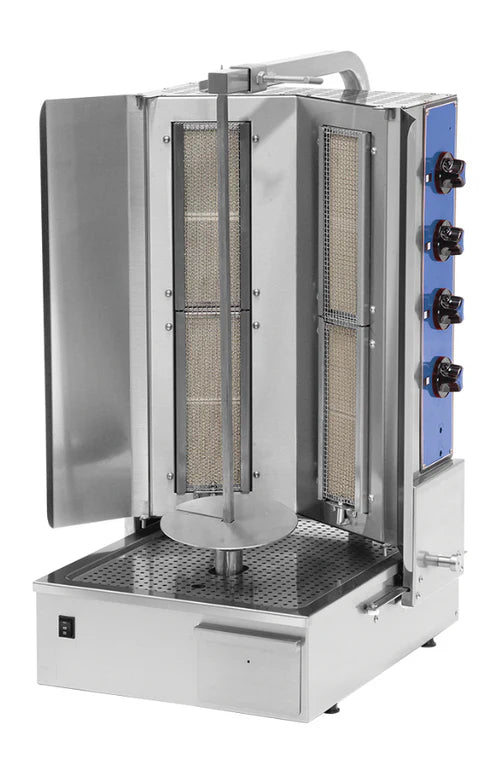
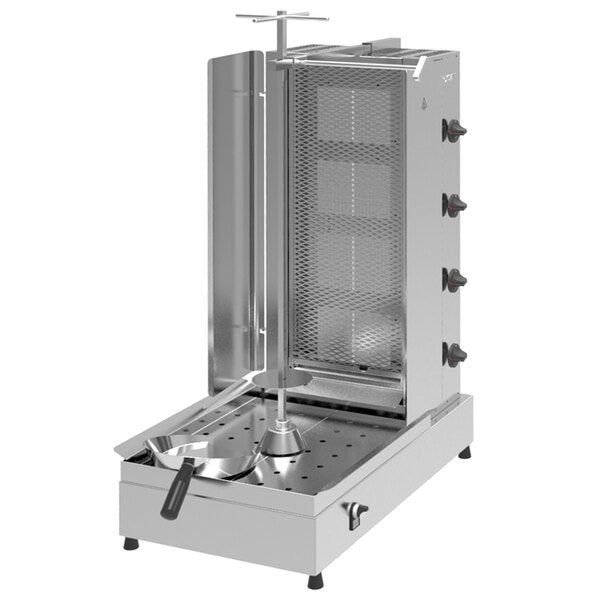


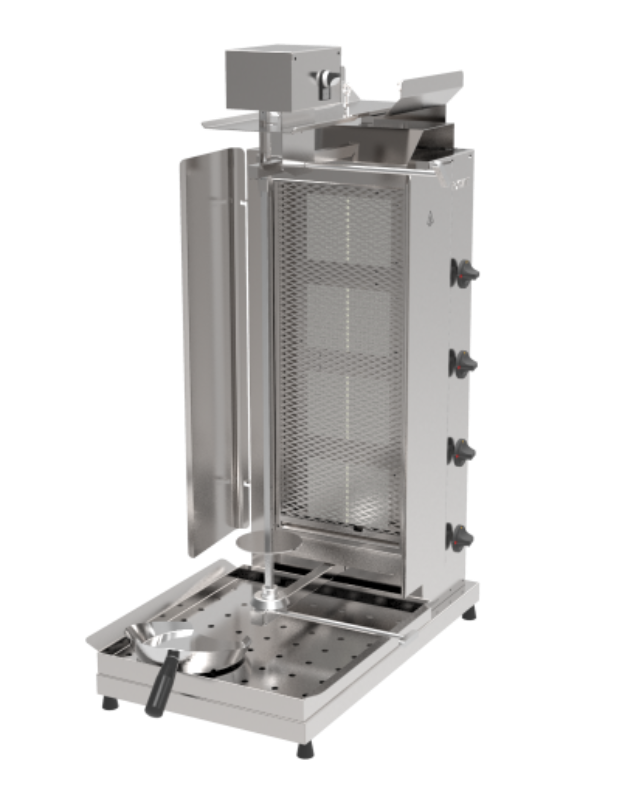
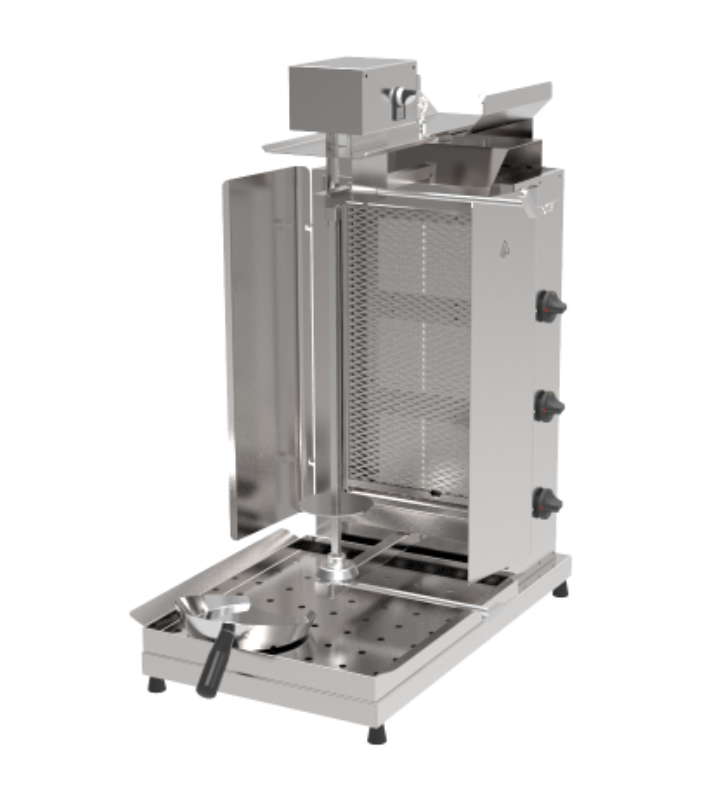
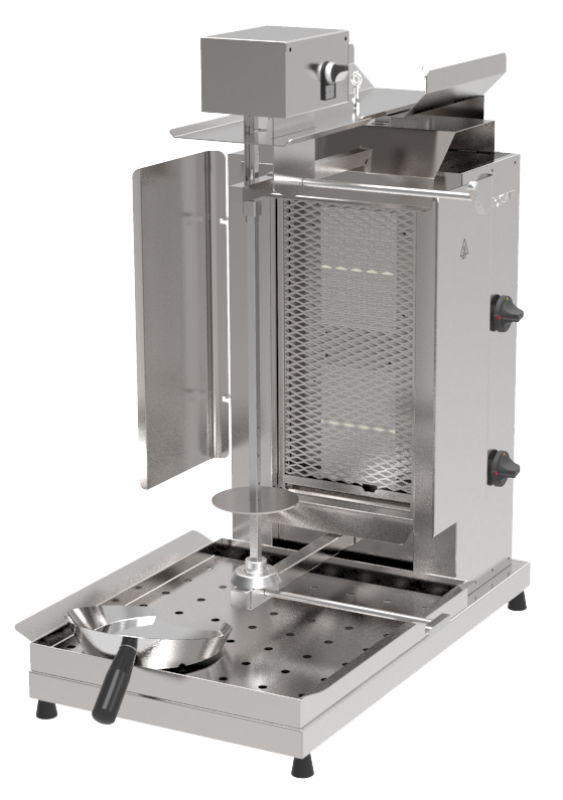
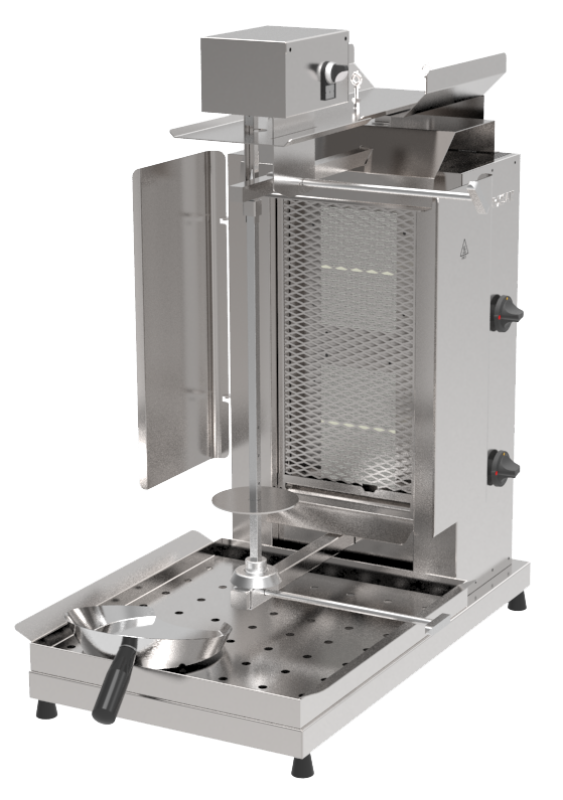
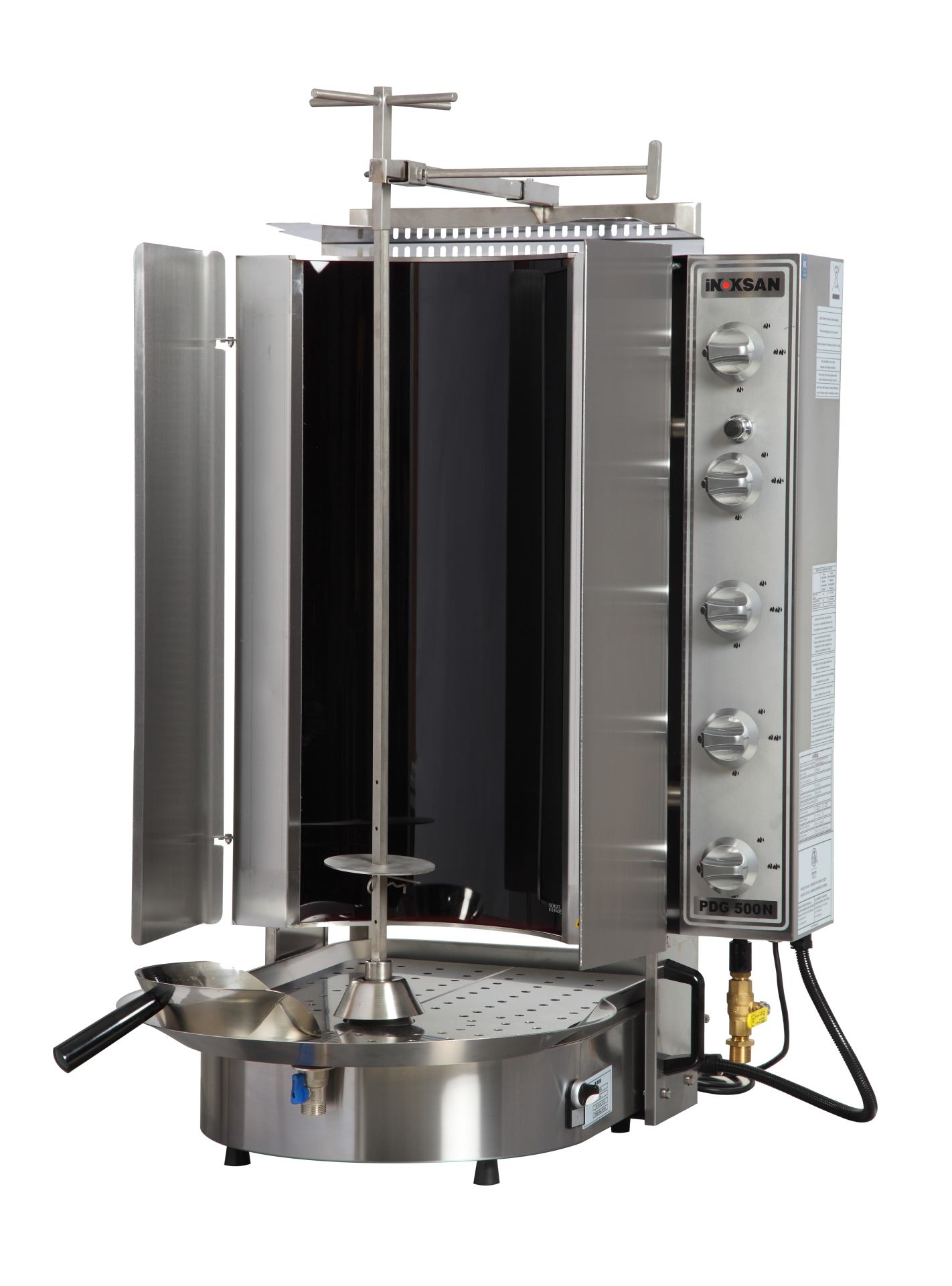
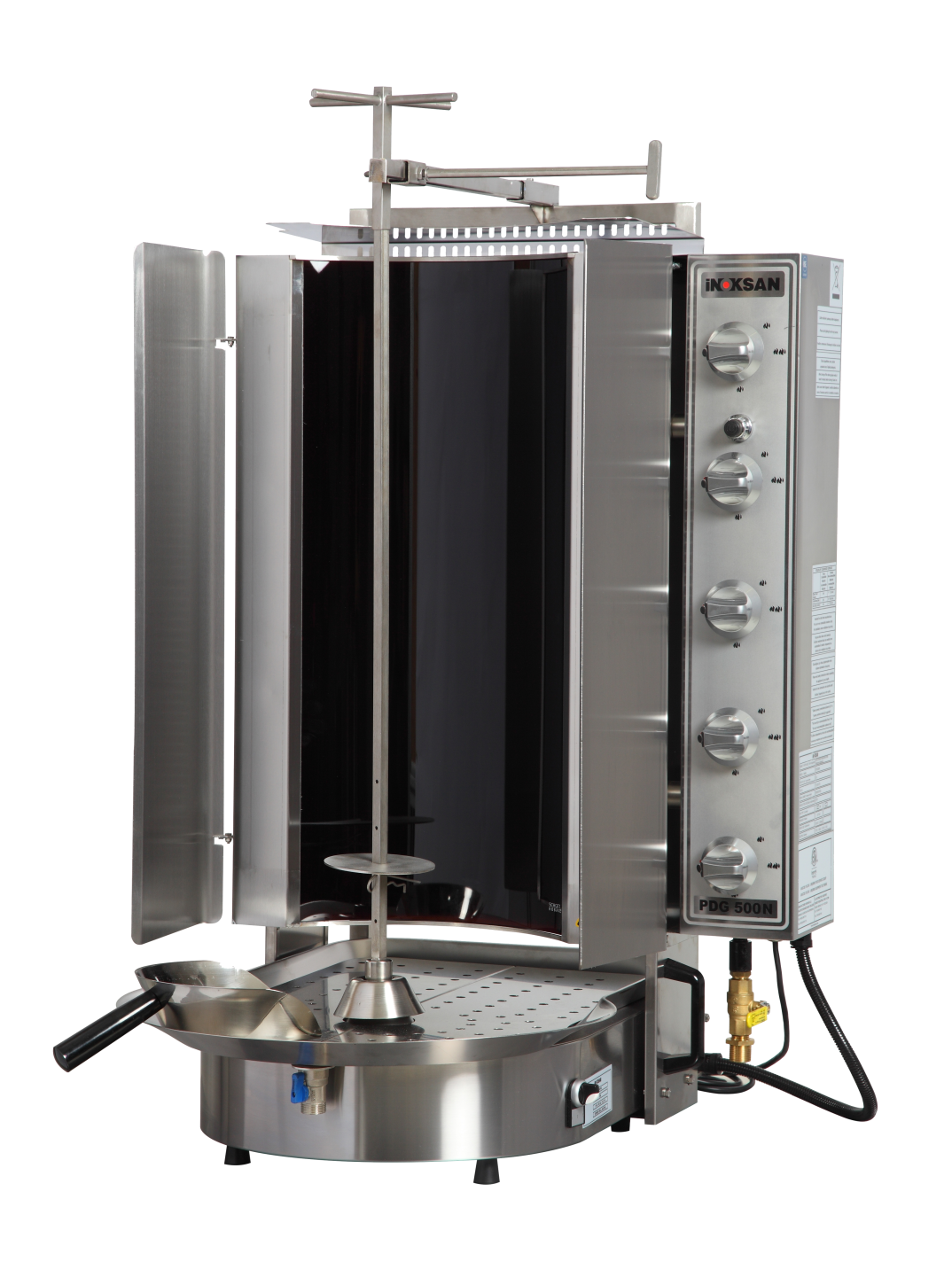
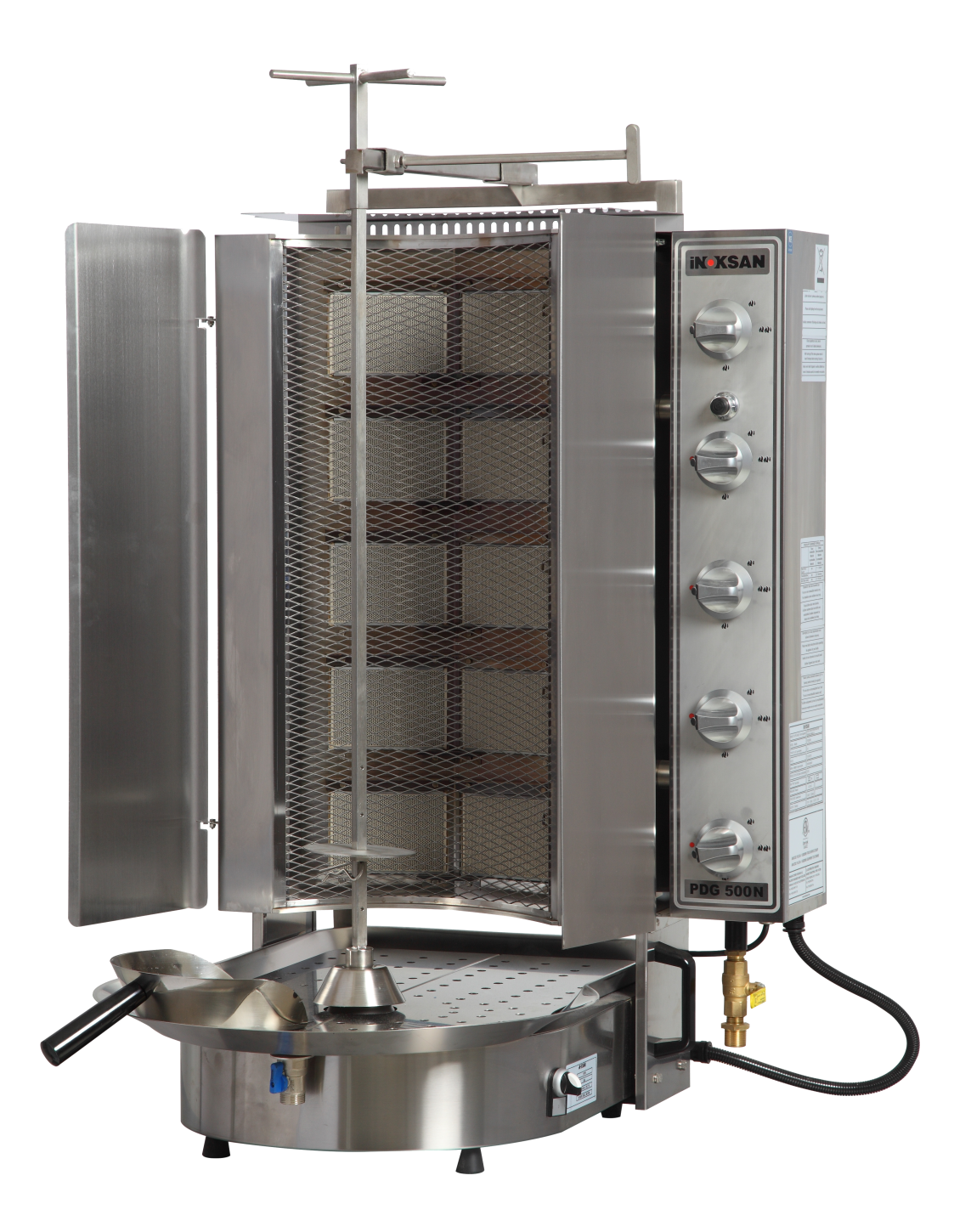
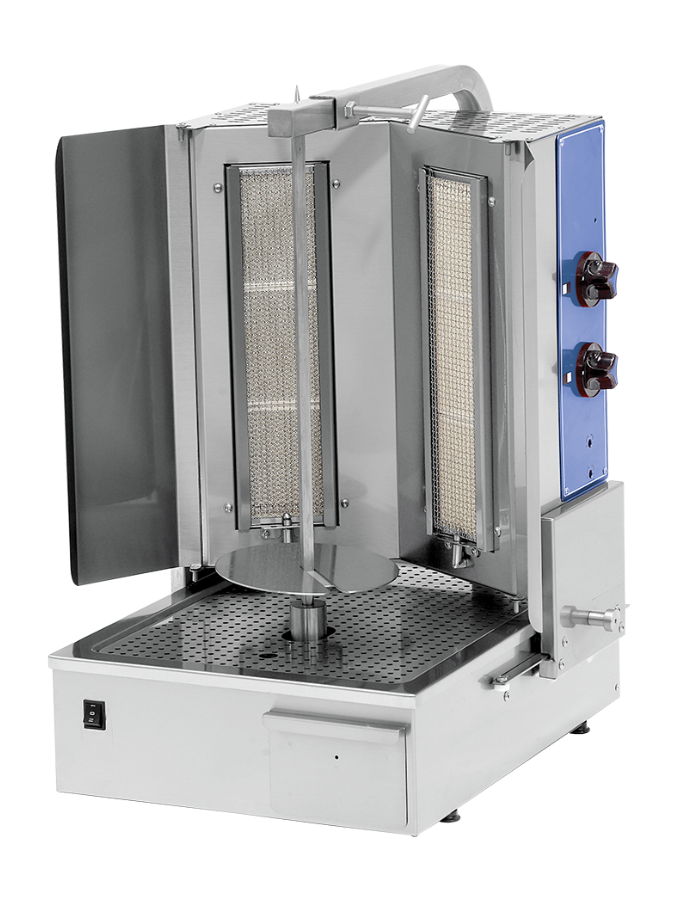
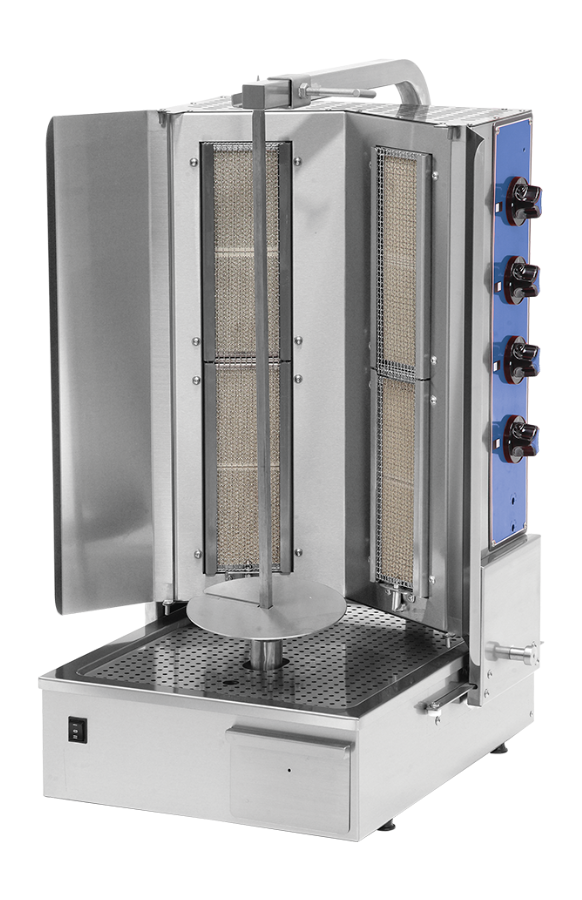
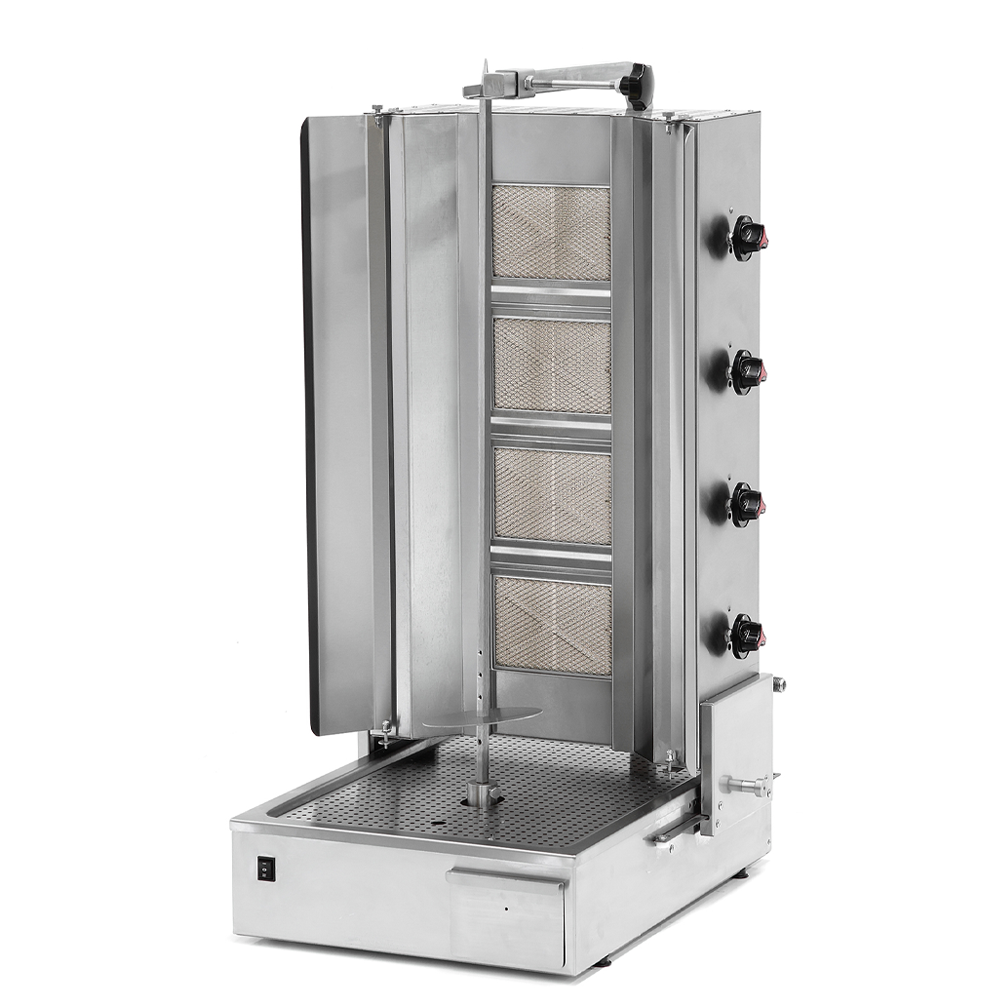
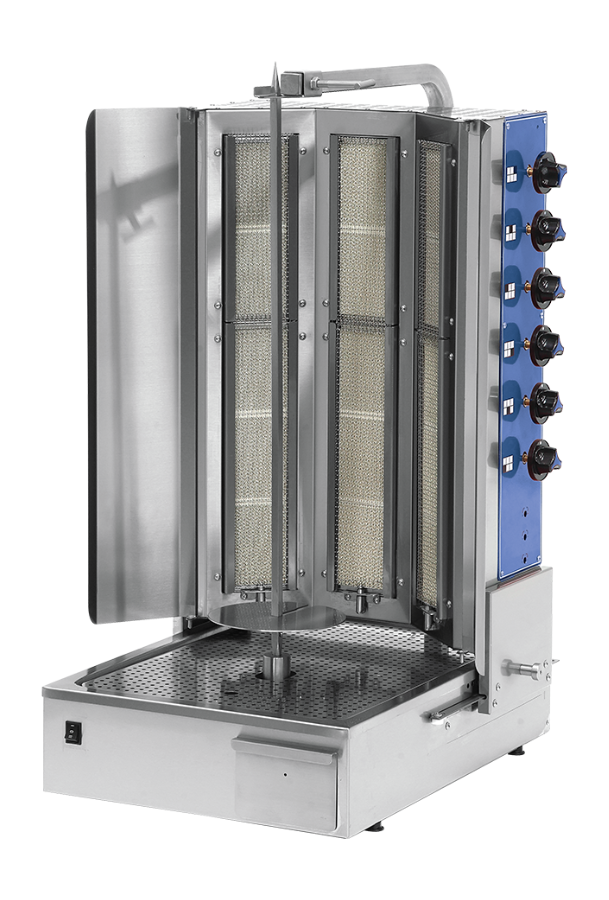
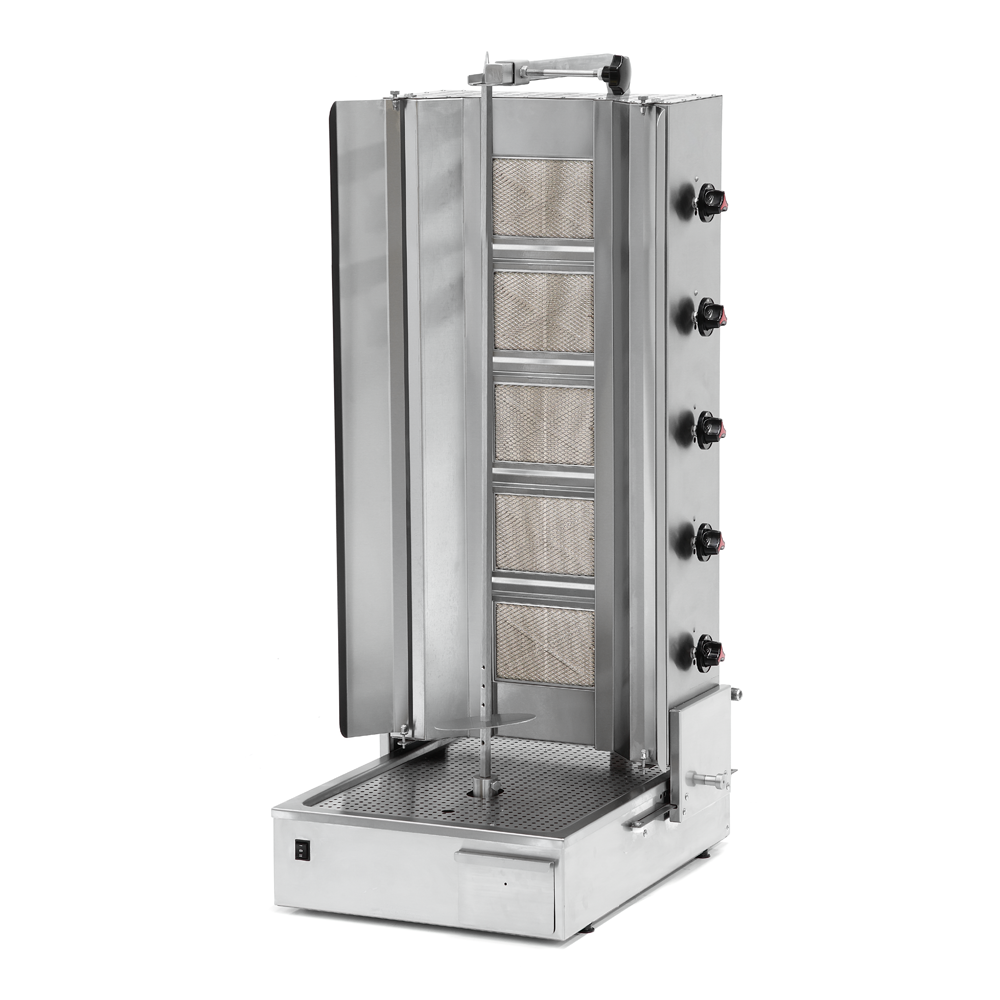
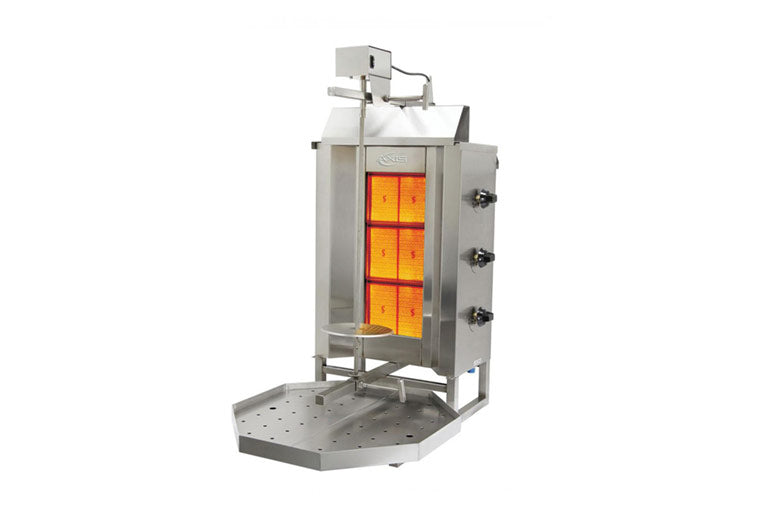
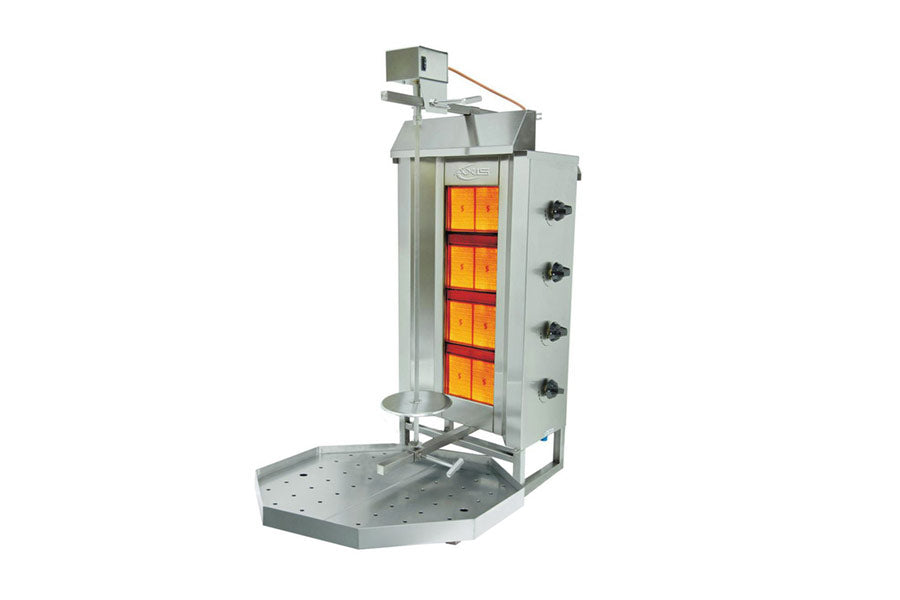
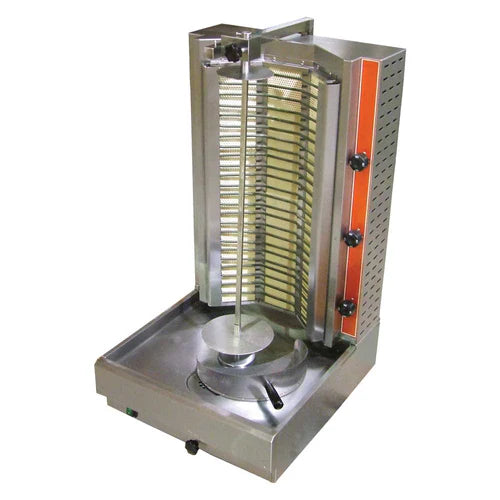
A commercial gyro machine is more than just a piece of equipment—it’s the foundation of consistency in high-demand kitchens. Whether you’re serving traditional gyros, shawarma, or vertical-roasted meats, the right machine ensures even cooking, controlled heat exposure, and a steady workflow throughout the day. Unlike flat grilling methods, vertical broiling allows fat to self-baste the meat, delivering richer flavor and a more authentic texture.
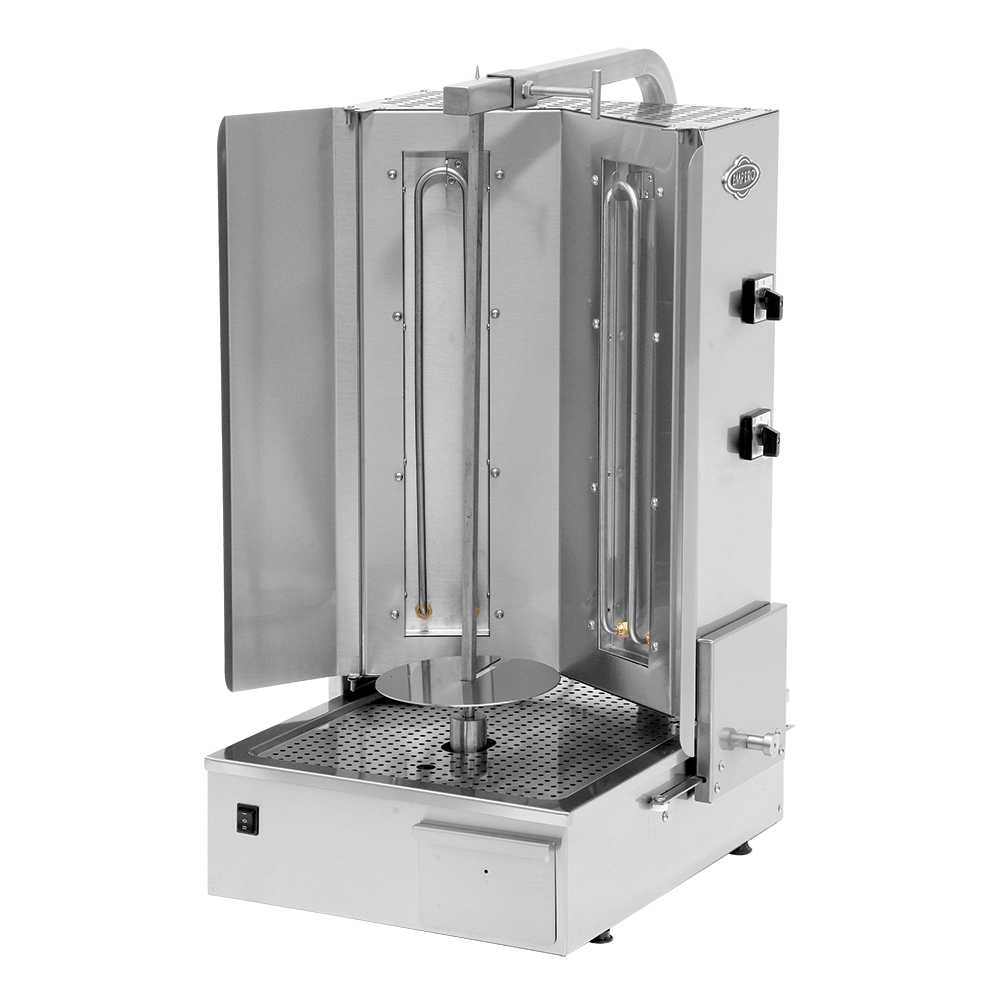
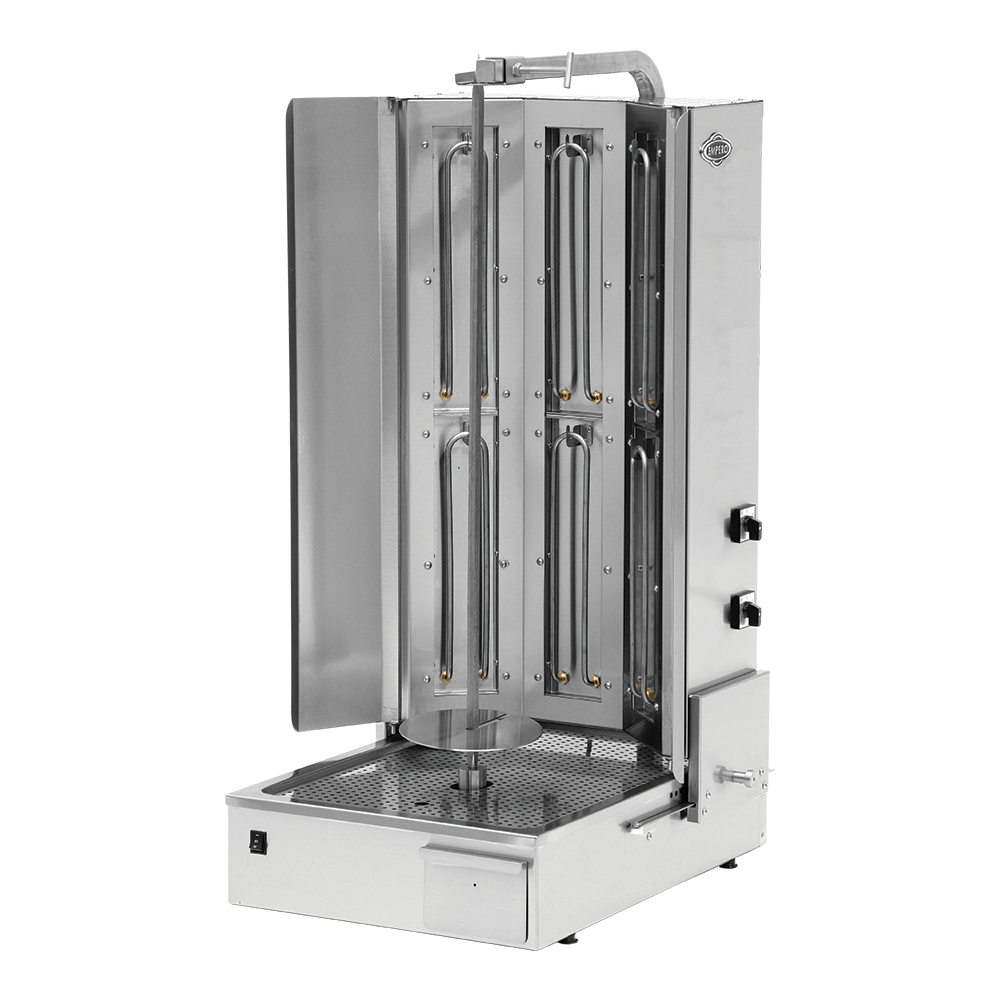
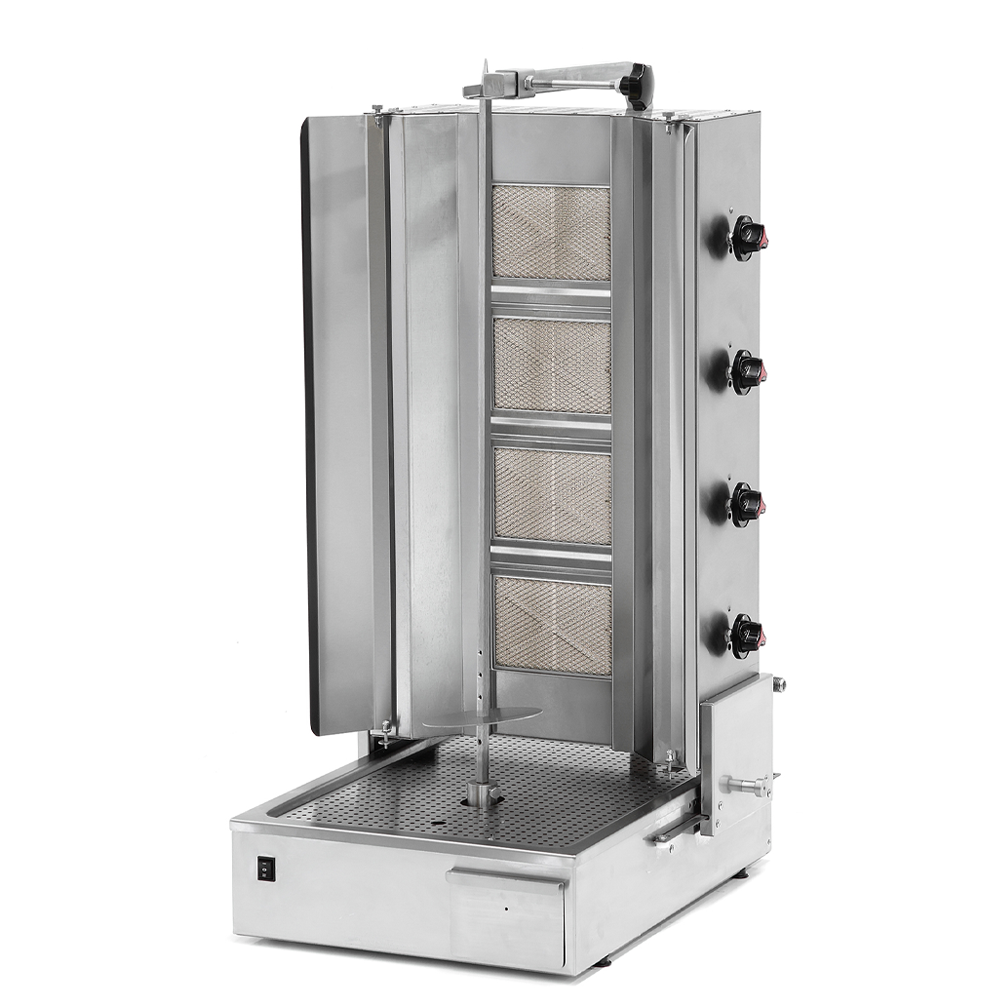
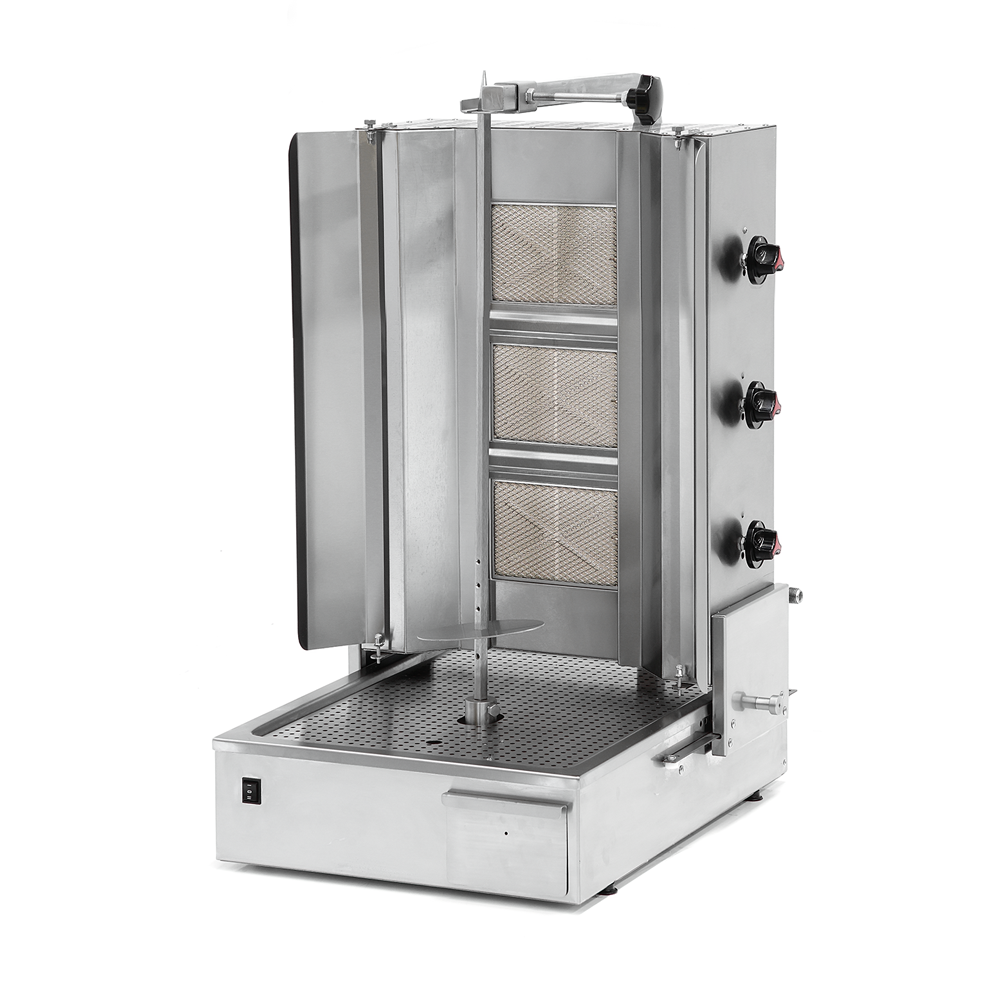
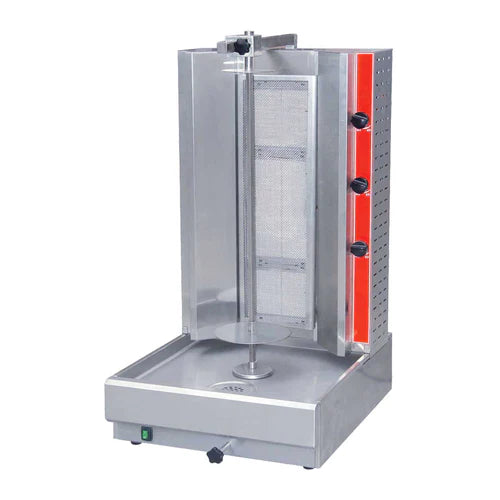
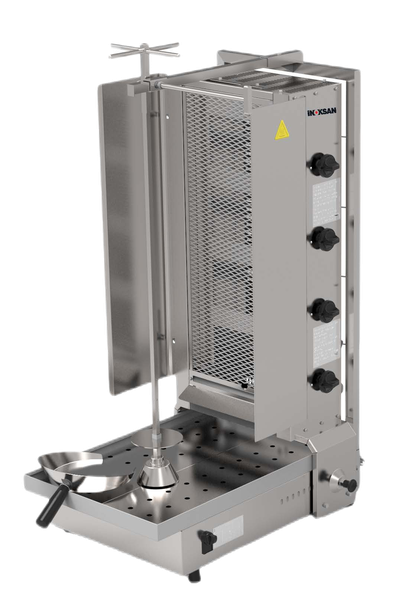
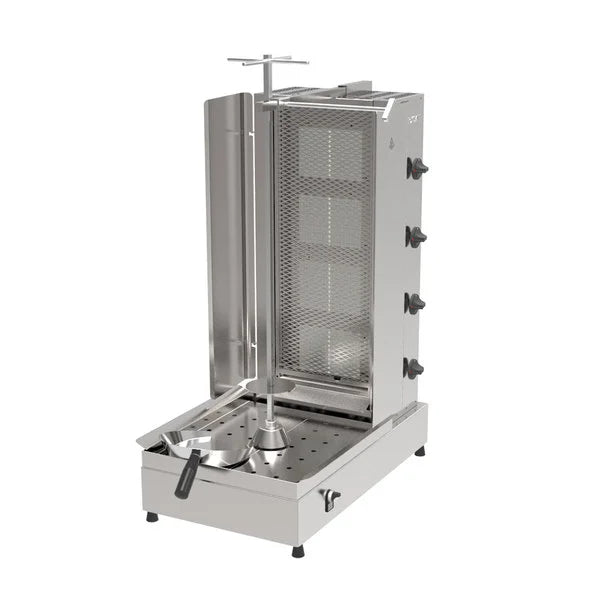
Designed for restaurants, food trucks, and high-volume foodservice operations, commercial gyro machines are built to handle continuous use without compromising performance. Gas and electric models offer flexibility depending on your setup, while adjustable burners and rotating spits give you precise control over cooking intensity. Stainless steel construction ensures durability and easy cleaning, making these machines a reliable choice for busy kitchens where efficiency and hygiene are critical.
Choosing the right gyro machine depends on your menu, volume, and available space. Compact countertop units work well for smaller operations, while larger floor models are ideal for high-output environments. With the right equipment, you can improve cooking consistency, reduce waste, and deliver perfectly roasted meat every time—helping you maintain both quality and speed in your service.
Show less
Free Shipping
Free Shipping
Free Shipping
Free Shipping
Free Shipping
Free Shipping
Free Shipping
Free Shipping
Free Shipping
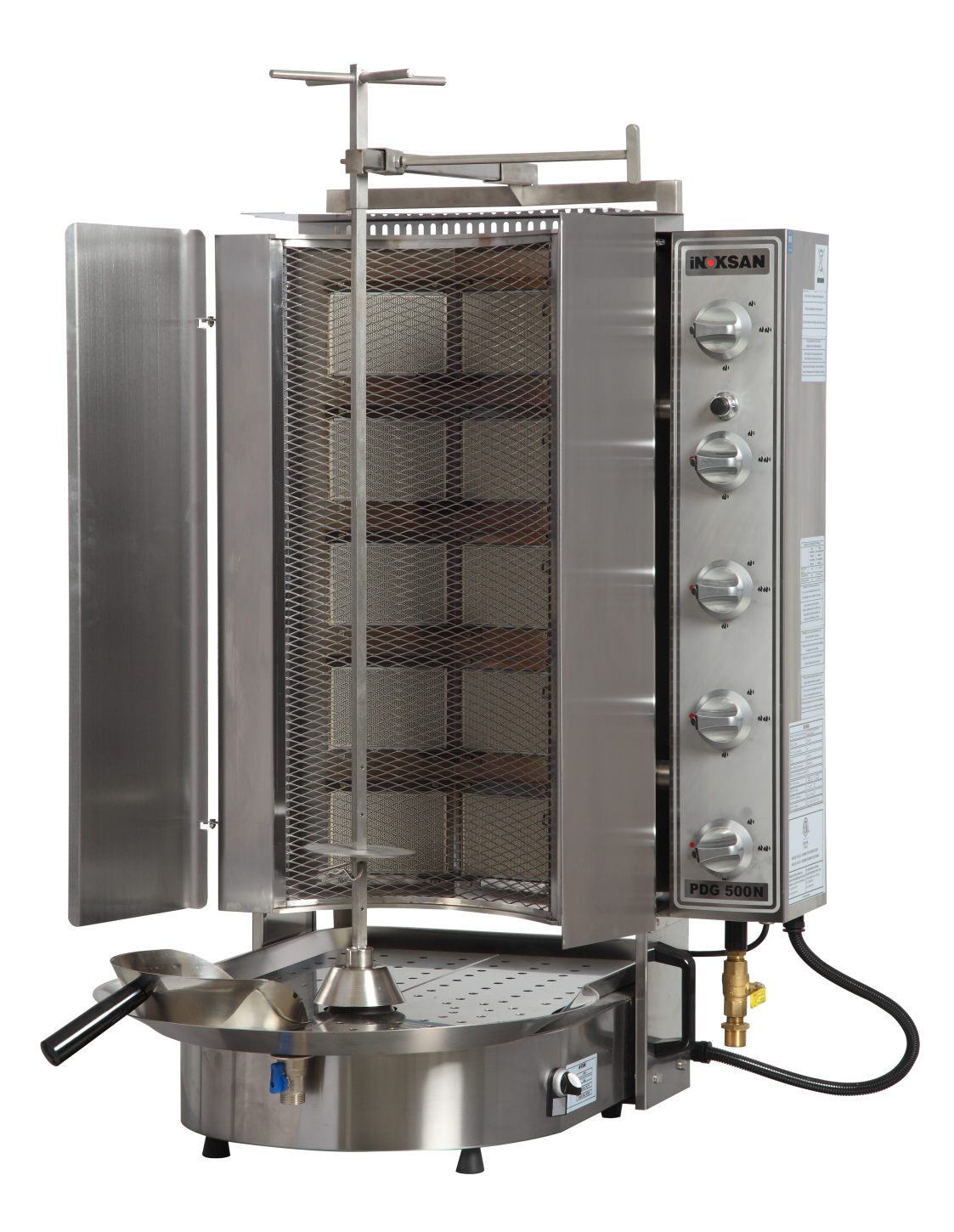
Free Shipping
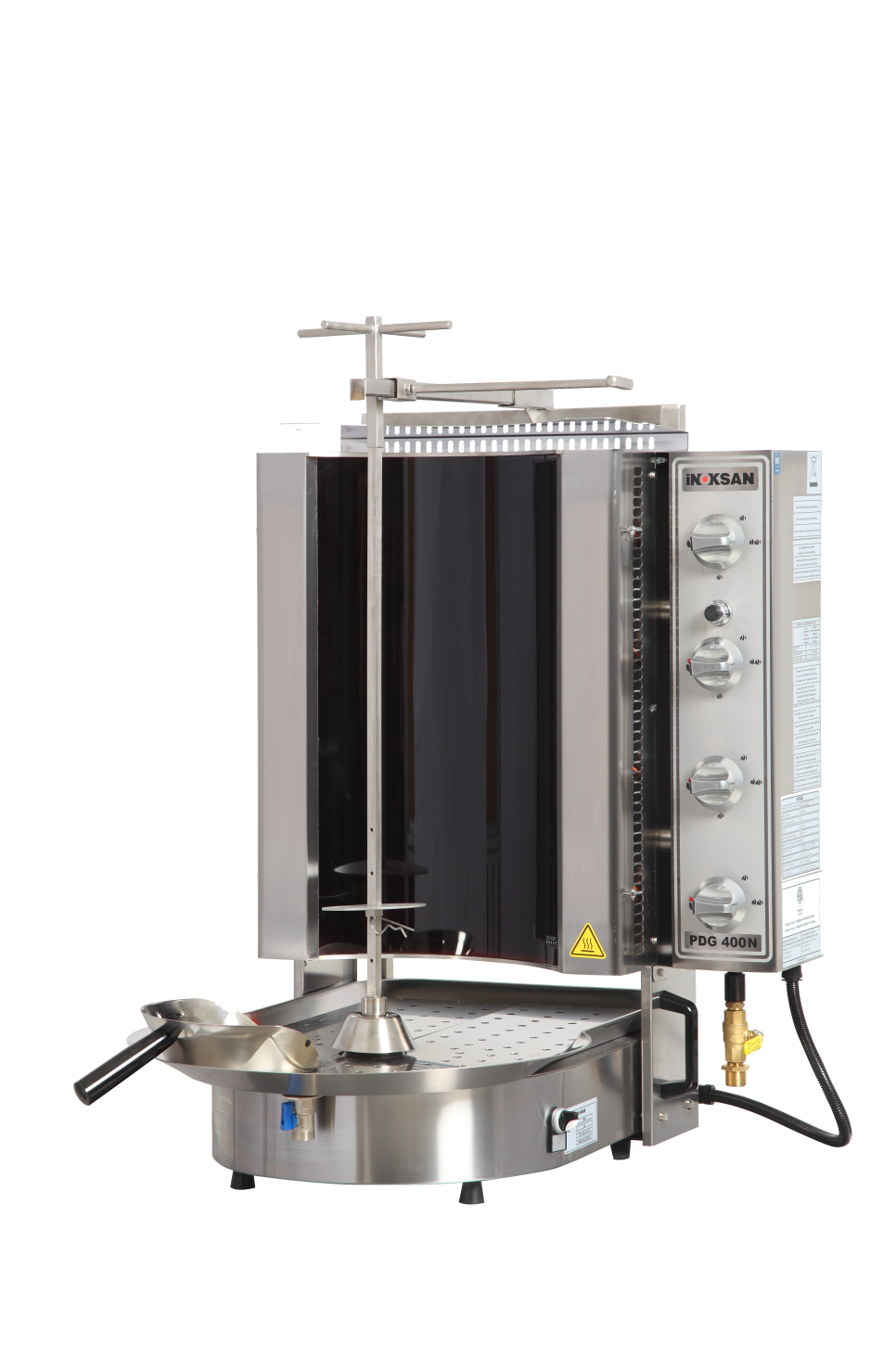
Free Shipping
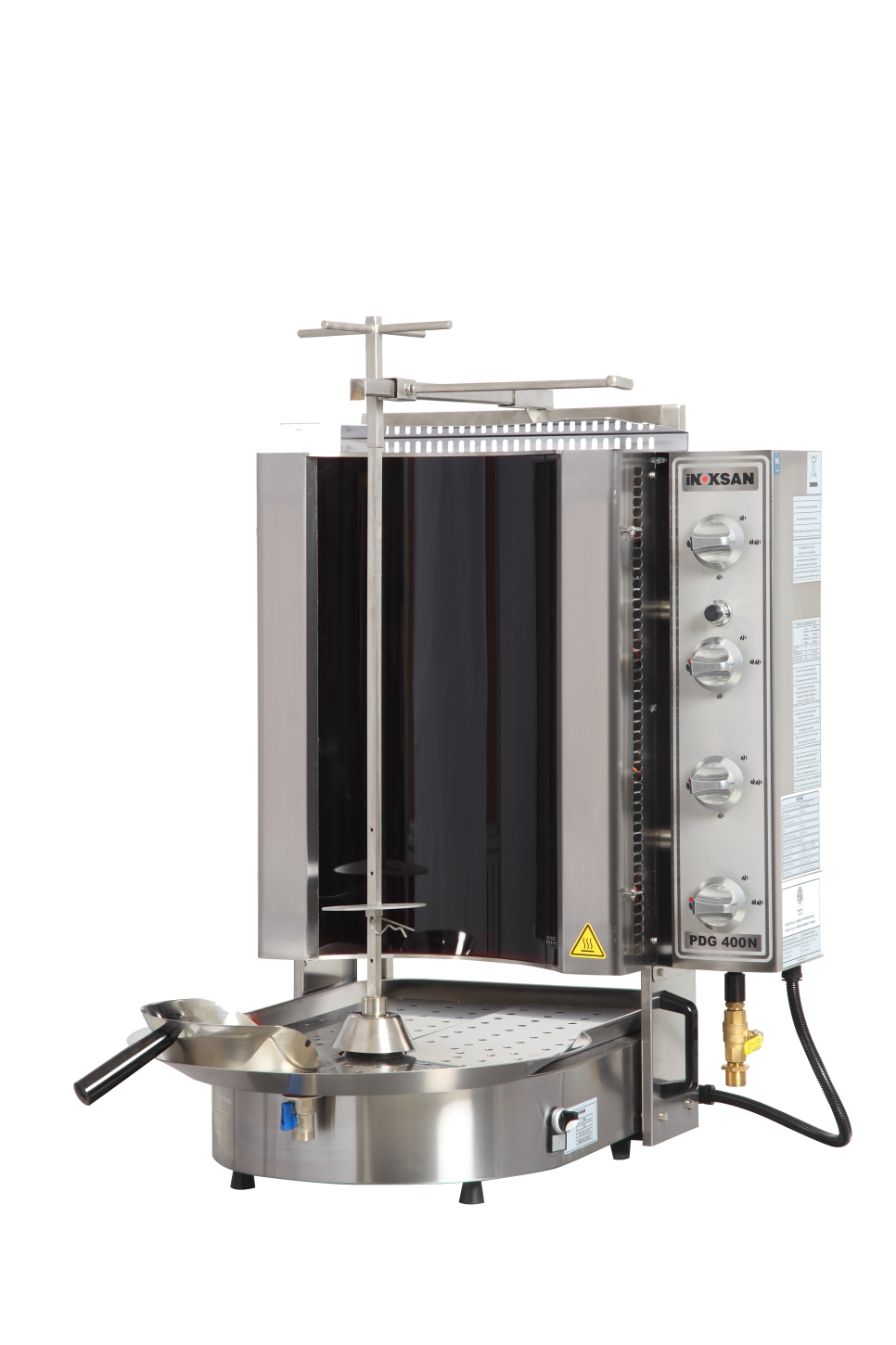
Free Shipping
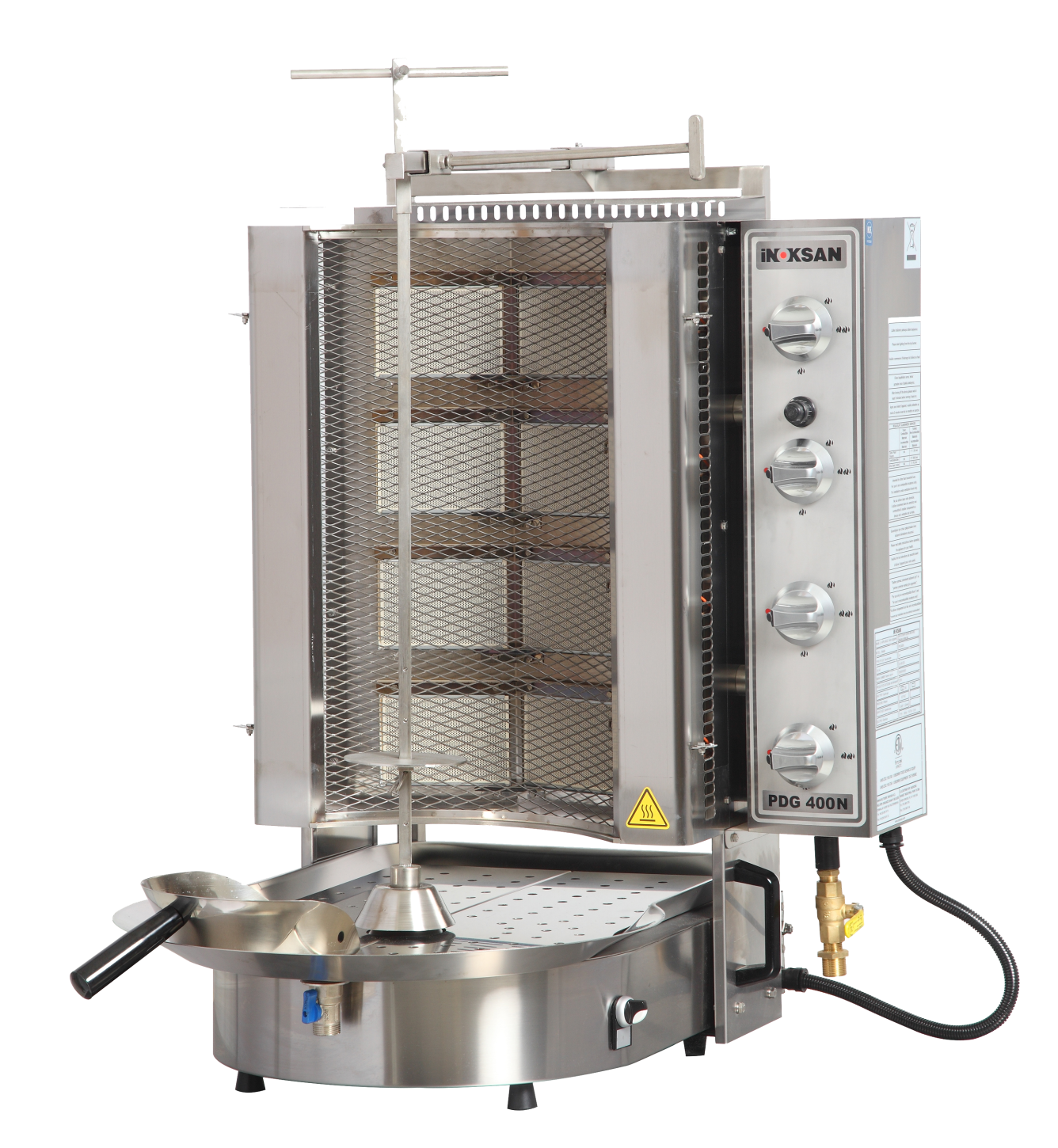
Free Shipping
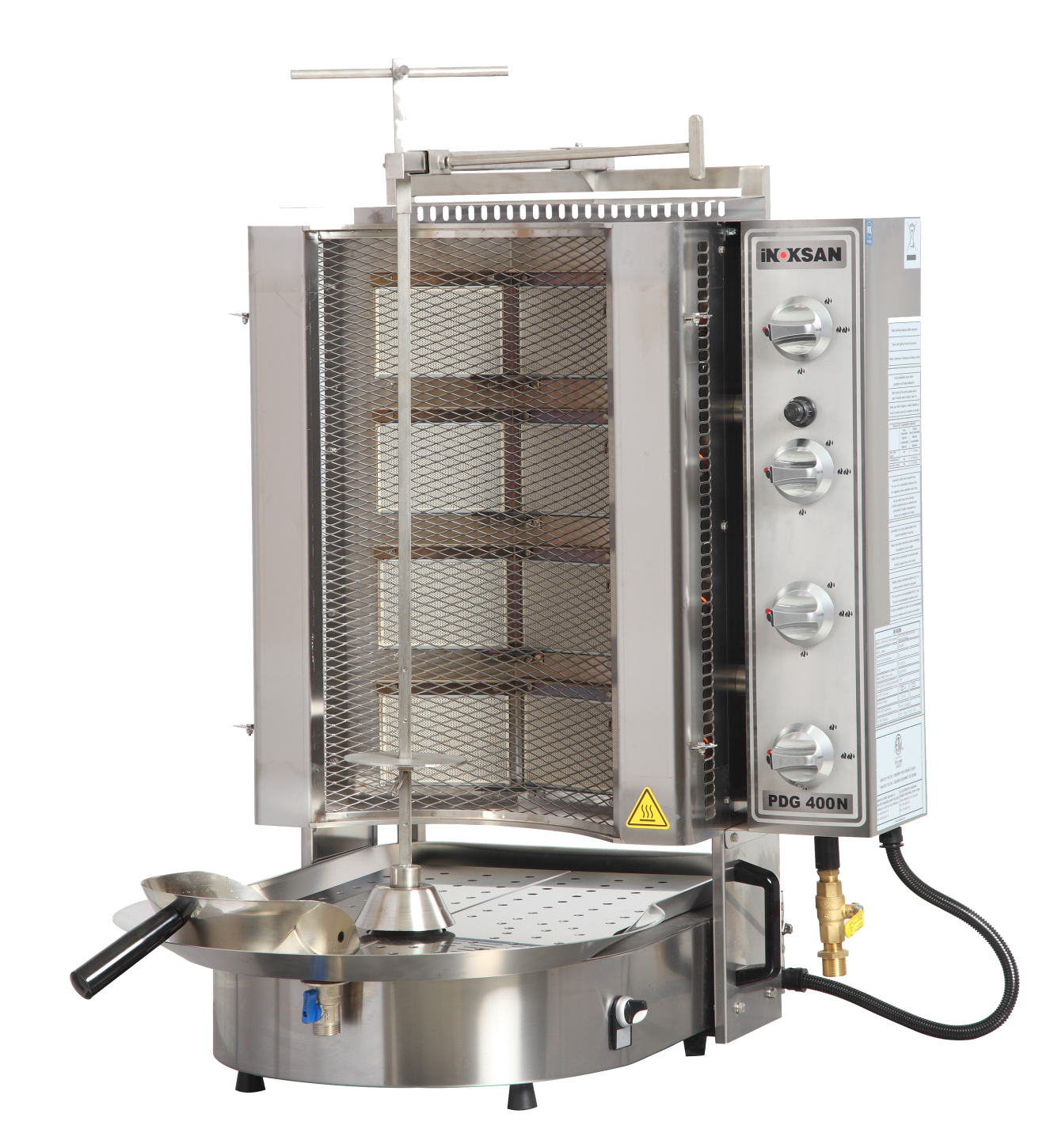
Free Shipping
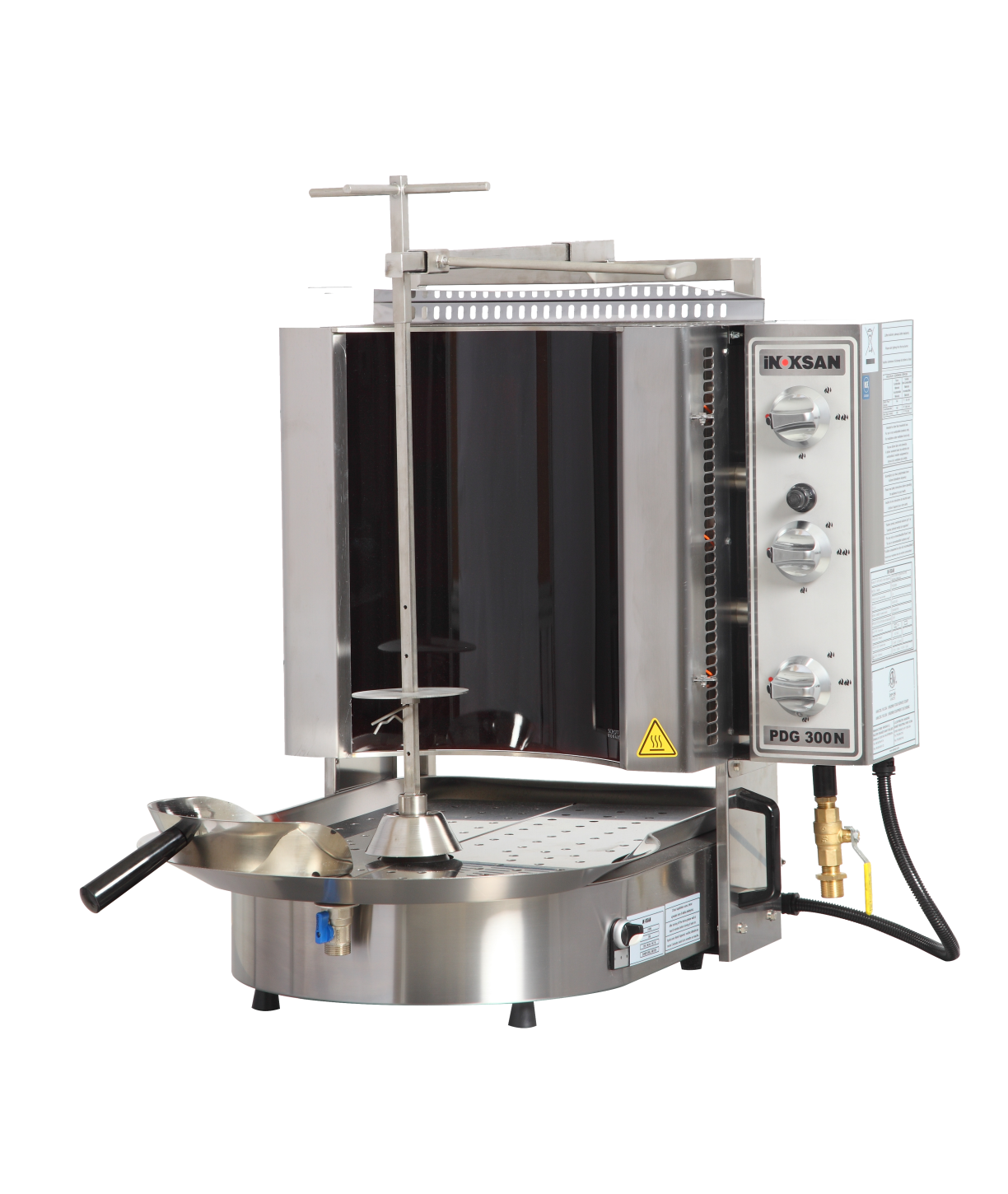
Free Shipping
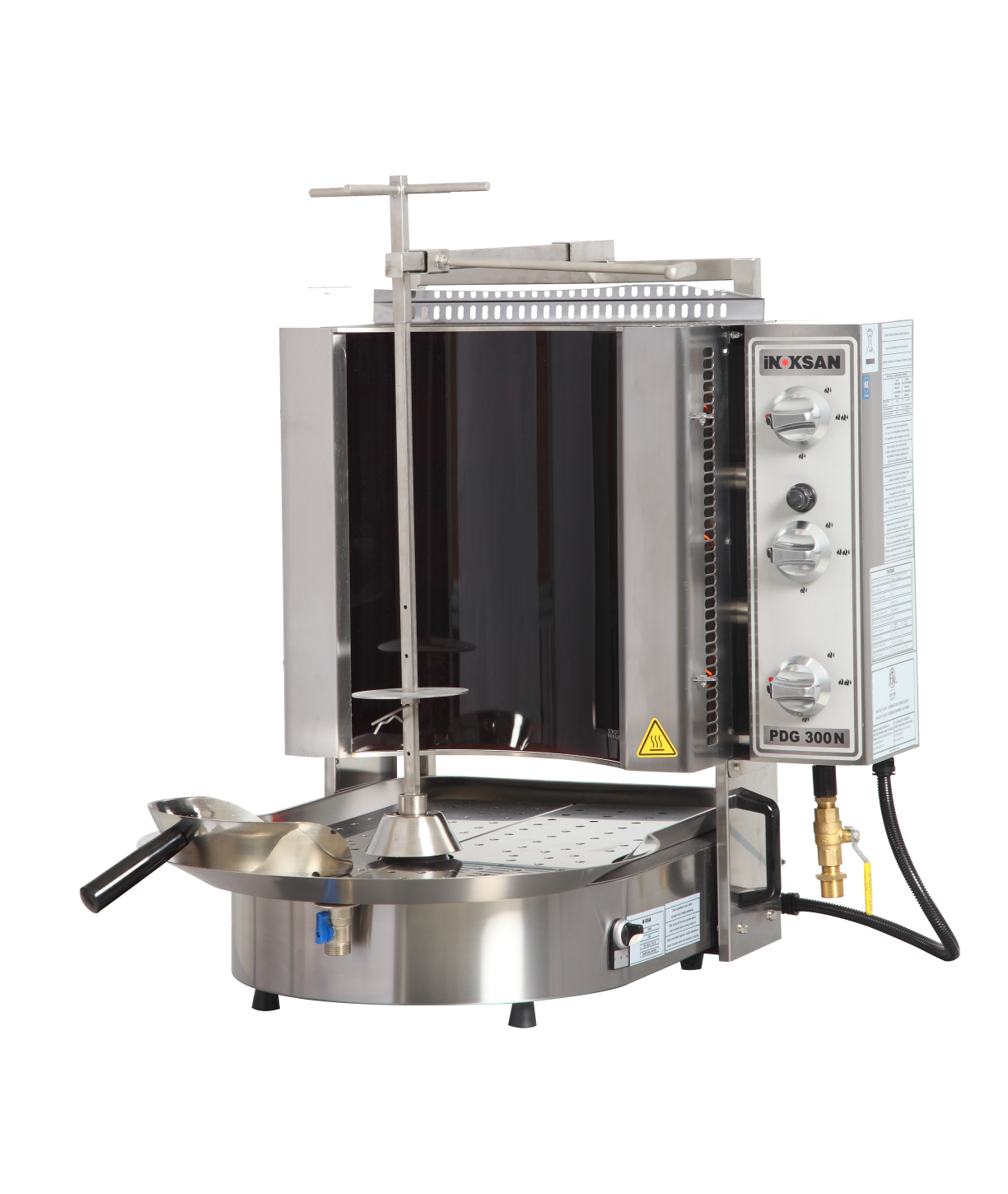
Free Shipping
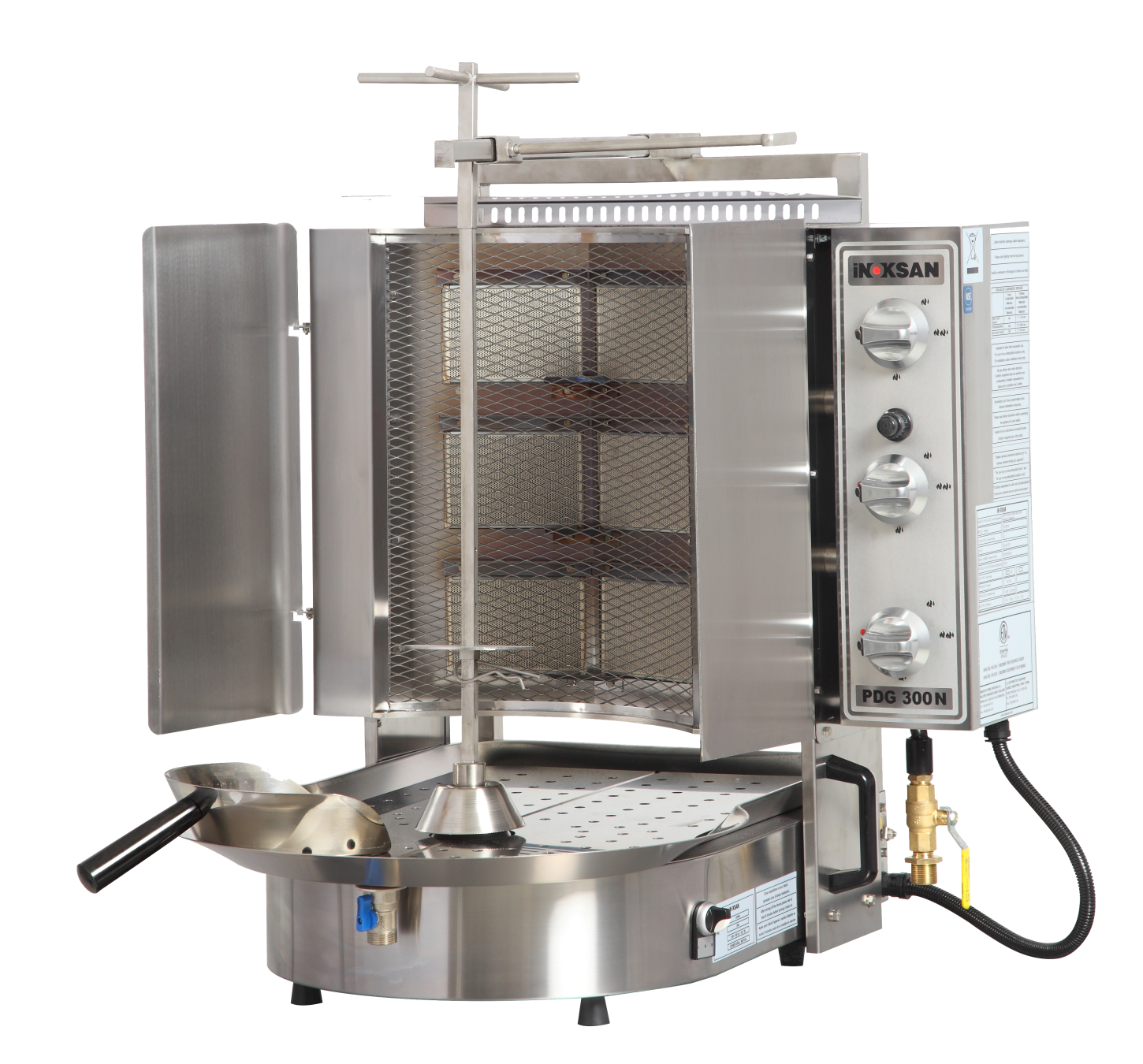
Free Shipping
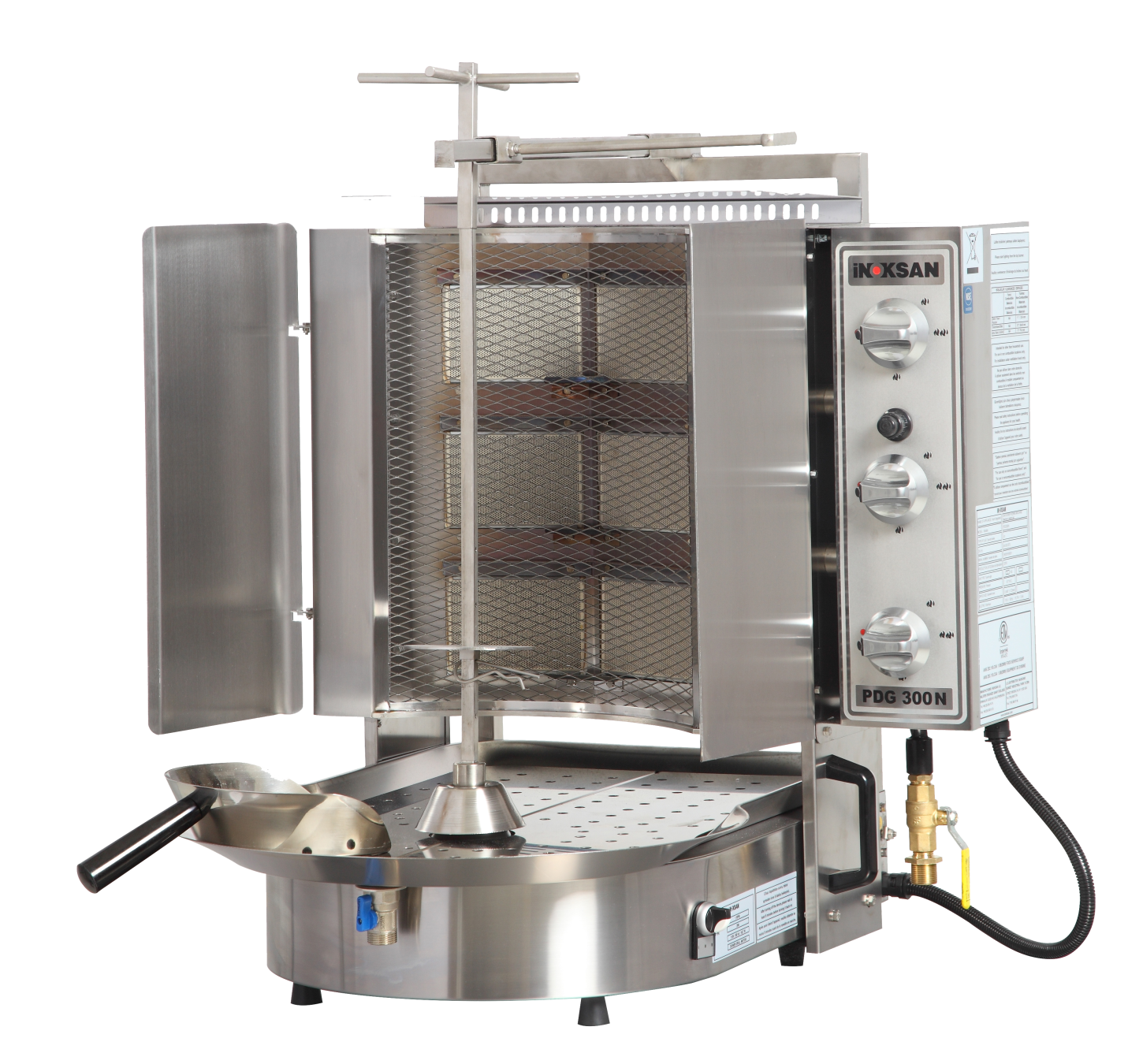
Free Shipping
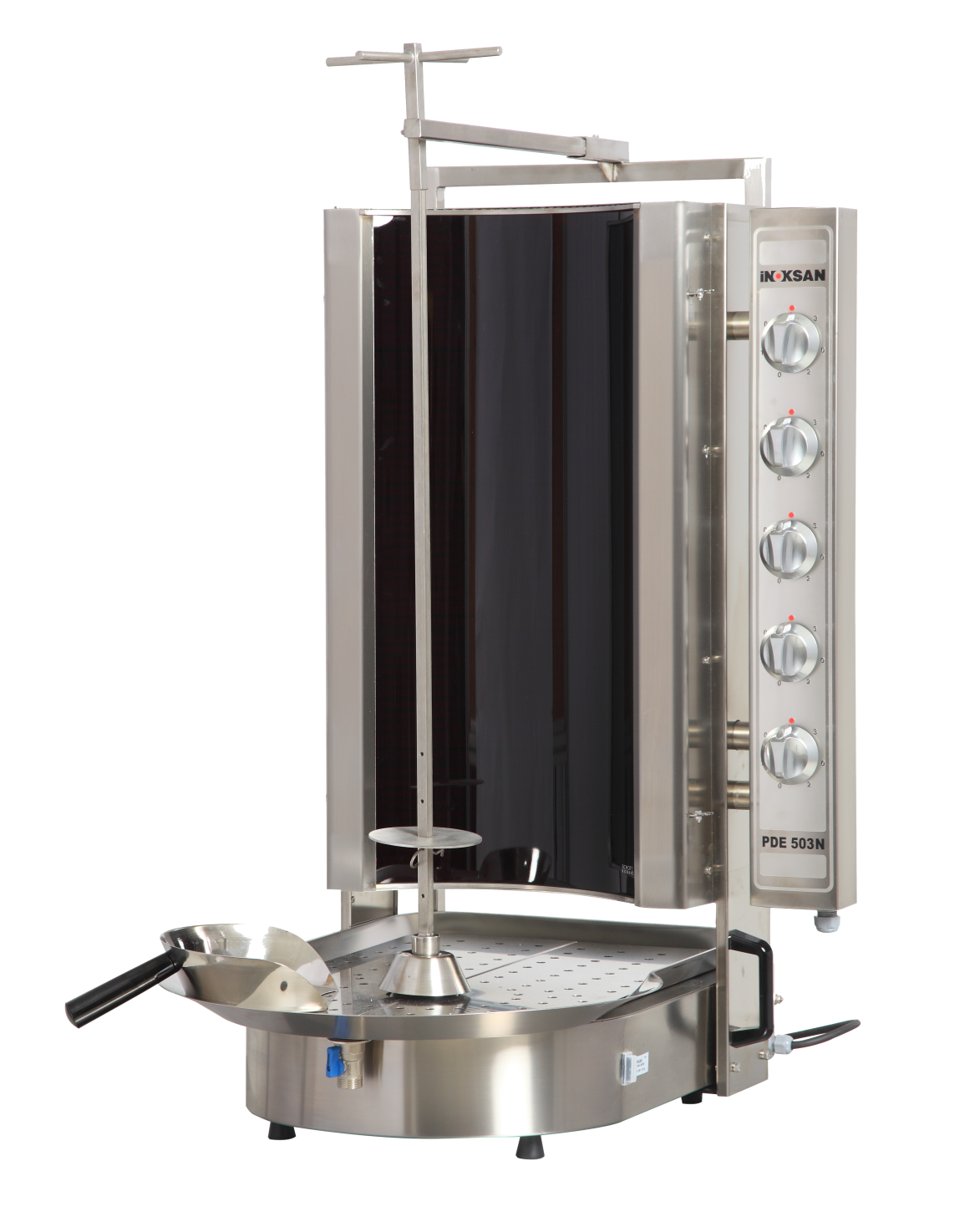
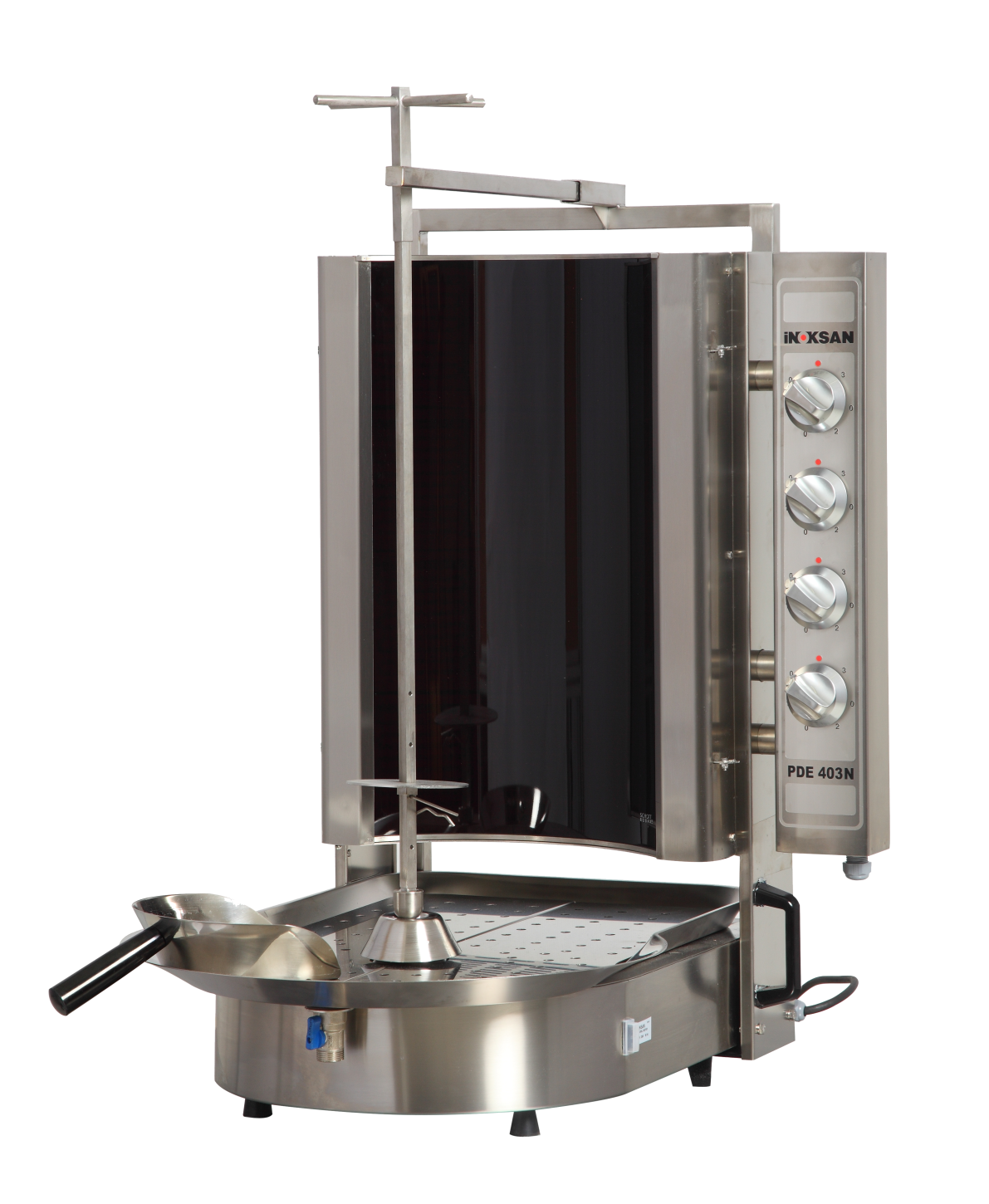
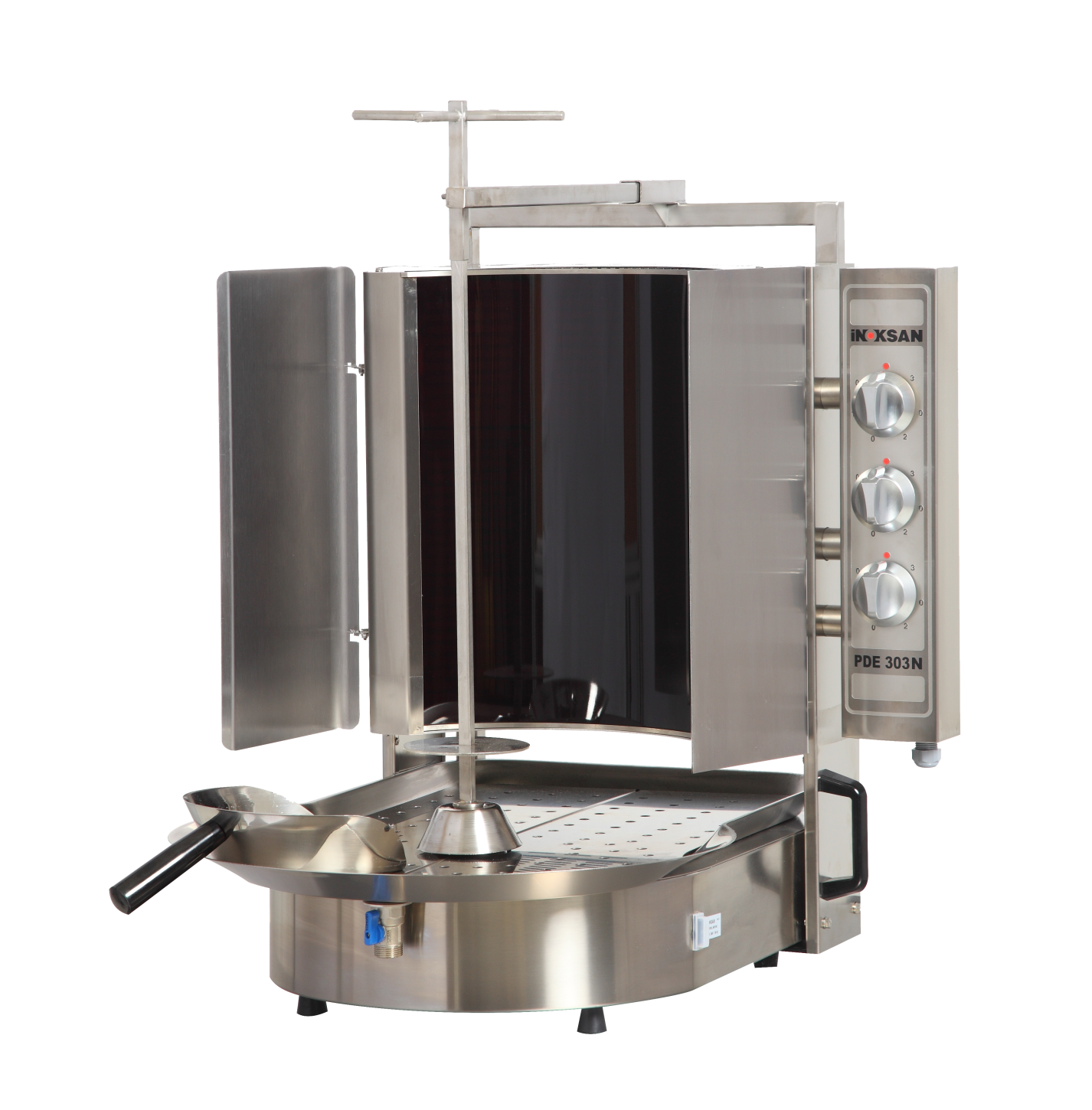




Free Shipping
Free Shipping
Recently viewed
What to Know Before Buying a Commercial Gyro Machine
Choosing the right gyro machine isn’t just about size—it’s about how well it fits your daily operation. The most important factor is capacity. If you’re serving a steady flow of customers, especially in a restaurant or food truck, you need a unit that can handle continuous roasting without losing heat consistency. Undersized machines often lead to uneven cooking and slow service, which directly impacts customer experience.
Heat source is another critical decision. Gas-powered gyro machines typically provide stronger and more responsive heat, making them ideal for high-volume environments. Electric models, on the other hand, offer easier installation and more controlled operation, especially in locations where gas access is limited. Adjustable burners or heating elements allow you to control how quickly the outer layer cooks while keeping the inside juicy.
You should also consider build quality and ease of cleaning. Stainless steel construction is essential for durability and food safety, while removable drip trays and accessible components make daily maintenance faster. A well-designed gyro machine doesn’t just cook meat—it improves workflow, reduces waste, and ensures consistent results throughout service.
Helpful guides
Common questions
What size gyro machine do I need?
The right size depends on your daily volume. Small countertop models work for low to medium demand, while high-volume kitchens need larger units with higher meat capacity.
Are gas or electric gyro machines better?
Gas models offer stronger heat and faster cooking, making them ideal for busy kitchens. Electric models are easier to install and provide more controlled heat in smaller setups.
How much meat can a gyro machine hold?
Most commercial gyro machines can hold between 20 to 100+ pounds of meat, depending on the model and size.
How long does it take to cook gyro meat?
Initial cooking typically takes 45 minutes to 1.5 hours, but the machine is designed for continuous slicing and serving throughout the day.
Can I use a gyro machine for shawarma or doner?
Yes. Commercial gyro machines are commonly used for gyro, shawarma, and doner, as all rely on vertical roasting methods.
How do you clean a gyro machine?
Turn off and cool the unit, remove drip trays and removable parts, clean with food-safe detergent, and wipe down all surfaces regularly to maintain hygiene.
What are the benefits of using a gyro machine instead of a grill?
Gyro machines cook meat evenly with vertical heat, rtain moisture through self-basting, and provide consistent texture and flavor compared to flat grills.