


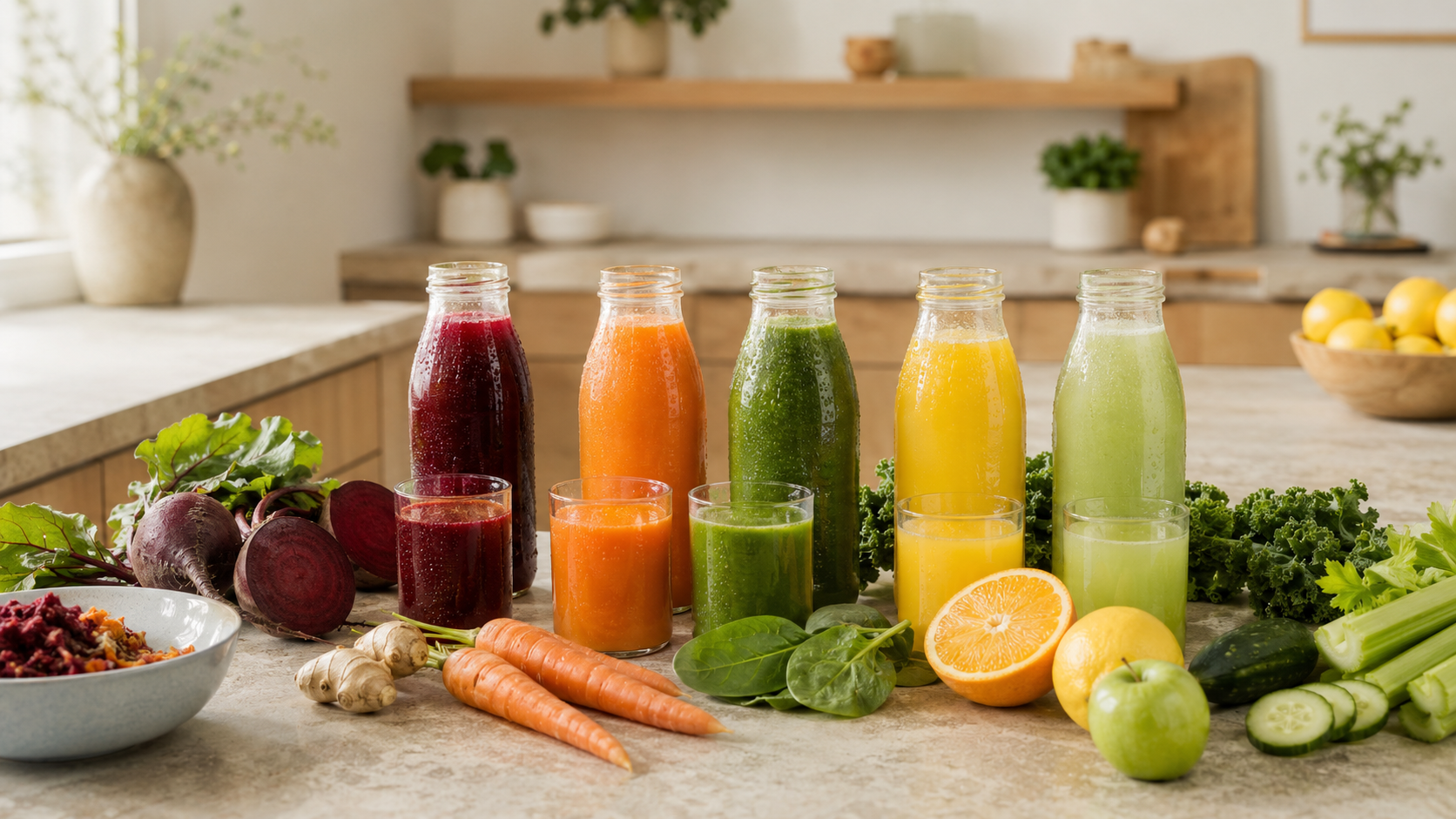
Juice cleanses may increase your short-term intake of certain vitamins and plant compounds, but there is no compelling evidence that they remove toxins, “reset” the digestive system, or produce lasting weight loss. Any rapid weight loss usually results from consuming fewer calories and losing water rather than eliminating toxins or permanently reducing body fat.
Fruit and vegetable juice can still be part of a balanced diet. The problem arises when juice replaces whole foods and becomes the only source of nutrition for several days.
Juice-only diets are generally low in fiber, protein, and fat. Depending on their ingredients, they may also deliver a large amount of naturally occurring sugar in a form that is easy to consume quickly.
This article examines what a juice cleanse is, what may happen when you only drink juice, and how juice bars and consumers can approach fresh juice more responsibly.
Medical note: This article is for general educational purposes and is not a substitute for individualized medical advice. Anyone with a health condition, a history of disordered eating, or prescription medication use should consult a qualified healthcare professional before making a restrictive dietary change.
What Is a Juice Cleanse?
A juice cleanse is a short-term diet in which a person consumes primarily or exclusively fruit and vegetable juices. Most commercial programs last between one and several days, although there is no medically established standard for how long a cleanse should last or what it should contain.
A typical program may include several bottles of juice made from ingredients such as:
- Apples
- Oranges
- Lemons
- Carrots
- Beets
- Celery
- Cucumbers
- Spinach
- Kale
- Ginger
- Turmeric
Some programs also include nut-based beverages, herbal teas, soups, supplements, laxatives, or activated charcoal. These additions can introduce their own risks and should not automatically be considered safe simply because they are marketed as natural.
The word “cleanse” is primarily a marketing term. It does not describe a standardized medical treatment or scientifically defined process.
Do Juice Cleanses Detox Your Body?
There is no convincing evidence that juice cleanses remove toxins from the body.
Your body already has systems that continuously process and eliminate waste. The liver transforms many substances so they can be safely used or removed. The kidneys filter the blood and excrete waste through urine. The digestive system and lungs also contribute to the removal of waste products.
If these organs cannot perform their jobs properly, drinking juice is not an appropriate treatment. That situation requires medical evaluation.
The National Center for Complementary and Integrative Health reports that research has not provided compelling support for detox diets as a method of eliminating toxins or managing weight. Long-term studies of commercial detoxification programs are also lacking.
Another problem is that cleanse promotions rarely identify the specific “toxins” being removed, how those substances are measured, or how juice supposedly improves their elimination. Without a defined substance and a measurable result, a detoxification claim cannot be meaningfully tested.
Do Juice Cleanses Help You Lose Weight?
A juice cleanse may cause the number on the scale to fall temporarily, but that does not mean it provides sustainable fat loss.
Most juice-only programs provide substantially fewer calories than a person’s regular diet. This calorie reduction can produce short-term weight loss. Some of the initial change may also come from:
- Reduced glycogen stores
- Water released along with stored glycogen
- Less food moving through the digestive system
- Lower sodium consumption
- A small amount of body fat loss from the calorie deficit
Once normal eating resumes and glycogen and fluid levels are restored, part of the weight often returns.
Because juice cleanses do not teach portion management, meal planning, cooking habits, or sustainable dietary changes, they are unlikely to provide a durable weight-management strategy by themselves.
A restrictive program can also increase hunger and food preoccupation. For some people, this may contribute to a cycle of restriction followed by overeating.
Are There Any Benefits to Juicing?
Juicing is not inherently unhealthy. Fruit and vegetable juices can provide:
- Vitamin C
- Folate
- Potassium
- Carotenoids
- Polyphenols
- Water and carbohydrates
Juice may also help someone consume a wider range of produce flavors, particularly when it is used as a beverage alongside regular meals.
However, these benefits come from the fruits and vegetables—not from the cleanse itself. A person can obtain the same nutrients, together with more fiber and greater fullness, by eating whole produce or drinking a properly balanced smoothie.
It is therefore important to separate two different questions:
- Can fruit and vegetable juice fit into a healthy diet?
- Is a juice-only cleanse necessary or proven to detoxify the body?
The answer to the first can be yes. Current evidence does not support the second.
What Happens to Your Body During a Juice Cleanse?
No two programs are identical, and individual responses vary. The following effects are possible rather than guaranteed.
During the First Day
A person may initially feel motivated, hydrated, or energized, particularly if the juices contain a substantial amount of carbohydrate.
Others may experience:
- Hunger
- Headache
- Irritability
- Difficulty concentrating
- Blood sugar fluctuations
- Caffeine-withdrawal symptoms
- More frequent urination
A headache attributed to “toxins leaving the body” may instead be related to caffeine withdrawal, low energy intake, dehydration, or a change in usual eating patterns.
After Two or Three Days
As the calorie and protein deficit continues, some people may feel:
- Weak or tired
- Lightheaded
- Cold
- Less able to exercise
- Constipated because of reduced fiber
- Diarrhea from certain ingredients or added laxatives
- Nauseated
- Preoccupied with food
The body may begin using stored glycogen and a greater proportion of fat for energy. However, a diet that provides too little protein can also make it harder to preserve lean muscle tissue.
These changes are normal responses to restricted energy intake, not proof that the cleanse is removing toxins.
With Longer or Repeated Cleanses
The longer a restrictive juice-only diet continues, the greater the concern about inadequate intake of:
- Protein
- Essential fatty acids
- Fiber
- Iron
- Calcium
- Vitamin B12
- Zinc
- Fat-soluble vitamins
- Total calories
There are not enough high-quality long-term studies to define the full effects of repeated commercial cleanses.
What Does Recent Microbiome Research Show?
A small 2025 study examined the effects of three short dietary patterns: juice only, juice combined with other foods, and a fiber-rich plant-based diet.
The study included only 14 adults and lasted three days, so it should be considered exploratory—not definitive proof that all juice consumption is harmful.
Researchers found that the juice-only diet produced the largest changes in the oral microbiome, including shifts toward bacteria associated with simple-sugar metabolism and inflammatory conditions. Changes in the gut microbiome were less pronounced.
The authors suggested that the combination of high sugar exposure and low fiber intake may explain some of the changes. The fiber-rich plant-based diet produced more favorable microbial shifts.
The study does not show that drinking one glass of juice damages the microbiome. It does, however, challenge the idea that several days of juice alone automatically improves digestive health. You can review the study through PubMed.
Why Fiber Matters

Traditional juice extraction separates much of the liquid from the pulp. As a result, the finished juice generally contains considerably less fiber than the whole ingredients.
Fiber helps:
- Support regular bowel movements
- Slow digestion
- Promote fullness
- Moderate the absorption of carbohydrates
- Support beneficial gut microorganisms
- Maintain healthy cholesterol levels
The current Dietary Guidelines for Americans state that 100% fruit juice can be included in a healthy dietary pattern but is lower in fiber than whole fruit. At least half of recommended fruit intake should generally come from whole fruit rather than juice.
This does not mean juice contains nothing valuable. It means juice and whole produce are not nutritionally interchangeable.
Juice vs. Smoothies vs. Whole Fruit
| Option | Fiber | Typical fullness | Sugar absorption | Best use |
|---|---|---|---|---|
| Extracted juice | Low | Low | Generally faster | Small beverage alongside food |
| Smoothie using whole produce | Moderate to high | Moderate | Slower when fiber, protein, and fat are included | Snack or properly balanced meal component |
| Whole fruit and vegetables | High | High | Generally slower | Primary way to consume produce |
| Juice-only cleanse | Low | Often low | Can produce large carbohydrate loads | Not required for detoxification |
A smoothie retains more of the fruit or vegetable’s original fiber because the whole edible portion is blended rather than separated.
However, a smoothie is not automatically balanced. One made from several fruits, juice, and sweeteners may still contain a large carbohydrate load. Adding plain yogurt, unsweetened milk, nut or seed butter, or another suitable protein source can make it more filling.
Potential Juice Cleanse Risks and Side Effects
Blood Sugar Fluctuations
Juice makes it easy to consume the carbohydrate from several pieces of fruit quickly. Because much of the fiber has been removed, the drink may be less filling than eating the same ingredients whole.
People with diabetes or conditions affecting blood glucose regulation should not begin a juice cleanse without guidance from their healthcare team. The American Diabetes Association notes that juice portions are relatively small because they can provide a concentrated amount of carbohydrate.
Insufficient Protein
Protein is necessary for muscle maintenance, immune function, enzymes, hormones, and tissue repair. Most fruit and vegetable juices contain relatively little.
A short juice-only diet may therefore leave someone hungry or tired, while longer or frequently repeated cleanses may make it more difficult to maintain muscle mass.
Low Fiber Intake
Reduced fiber may cause constipation and may not support the gut microbiome as effectively as whole plant foods. This directly contradicts the claim that juice cleanses necessarily improve digestion.
Dehydration and Electrolyte Imbalance
Although juice contains water, cleanse products that include laxatives or diuretic ingredients can contribute to diarrhea, excessive fluid loss, and electrolyte disturbances.
Severe weakness, fainting, confusion, persistent vomiting, chest symptoms, or an inability to keep fluids down requires prompt medical attention.
Kidney Concerns
Certain vegetables, including spinach, beets, and Swiss chard, can be high in oxalates. Concentrating large amounts into juice may create a significant oxalate load.
Case reports have linked heavy consumption of oxalate-rich juices with oxalate nephropathy and acute kidney injury. These reports do not mean a normal serving of vegetable juice causes kidney failure, but they demonstrate why more is not always better.
People with kidney disease, previous calcium oxalate stones, or medically restricted potassium intake should seek individualized advice before consuming concentrated juices.
Medication Interactions
Grapefruit juice can change how certain medications are absorbed or metabolized. The FDA explains that grapefruit may interact with some statins, blood-pressure medications, transplant medications, anti-anxiety drugs, antihistamines, and other prescriptions.
Other juice ingredients may also interact with medicines. Anyone taking prescription or over-the-counter medication should ask a pharmacist or healthcare provider whether the ingredients in a cleanse are appropriate.
Foodborne Illness
Fresh juice can carry harmful microorganisms when produce is contaminated or equipment is not properly cleaned.
According to the FDA’s juice safety guidance, unpasteurized juice can present a higher risk to:
- Pregnant people
- Young children
- Older adults
- People with weakened immune systems
Juice sold by the glass at a restaurant, farmers’ market, orchard, or juice bar may not carry the same warning label required on some packaged untreated juices. Customers should ask whether a product has been pasteurized or otherwise treated.
Dental Exposure
Frequently sipping fruit juice exposes the teeth to sugar and acids over an extended period. This may contribute to enamel erosion and tooth decay, particularly when juice is consumed repeatedly throughout the day.
Drinking juice with a meal rather than continuously sipping it may reduce the frequency of exposure.
Who Should Avoid a Juice Cleanse?
A restrictive juice-only cleanse may be especially inappropriate for:
- Children and teenagers
- Pregnant or breastfeeding people
- Older adults at risk of malnutrition
- People with diabetes
- People with kidney or liver disease
- People with a history of kidney stones
- Anyone taking medications that may interact with juice ingredients
- People with gastrointestinal or metabolic conditions
- Athletes with high energy and protein requirements
- People who are underweight
- Anyone with a current or previous eating disorder
- People recovering from surgery or illness
- Individuals with weakened immune systems, particularly when juice is unpasteurized
This list is not exhaustive. A cleanse should not be used to treat symptoms, replace prescribed care, or delay medical evaluation.
Is Cold-Pressed Juice Healthier?
Cold-pressed juicers crush and press produce rather than shredding it with a rapidly rotating blade. The process may affect juice yield, texture, oxidation, temperature, and operating workflow.
However, “cold-pressed” does not mean:
- Sugar-free
- Fiber-rich
- Sterile
- Automatically safe
- Medically detoxifying
- Nutritionally complete
Cold-pressed juice may still contain little fiber, significant carbohydrate, and harmful microorganisms if it is untreated or handled improperly.
For consumers, the overall ingredients, serving size, food-safety controls, and role of the juice within the full diet matter more than the word “cold-pressed.”
A Safer Alternative to a Juice-Only Reset

If the goal is to feel better after a period of irregular eating, a restrictive cleanse is not necessary. A more balanced reset may include:
- Drinking water regularly
- Limiting alcohol
- Reducing heavily processed foods
- Eating whole fruits and vegetables
- Choosing fiber-rich whole grains
- Including beans, lentils, nuts, or seeds
- Consuming an appropriate source of protein at each meal
- Sleeping consistently
- Returning gradually to regular physical activity
A small serving of 100% juice can be included if desired, but it does not need to replace meals.
Someone who likes the convenience of a liquid breakfast could choose a smoothie made from whole fruit or vegetables and add a protein source and healthy fat. That approach retains more fiber and can provide a more complete nutrient profile.
If You Still Choose to Drink Fresh Juice
A generally healthy adult who enjoys juice can reduce unnecessary risk by treating it as a beverage rather than a complete diet.
Consider the following:
- Do not assume more juice produces more benefits
- Choose vegetable-forward recipes instead of relying entirely on sweet fruit
- Consume juice alongside balanced food
- Avoid laxative or diuretic “detox” additives
- Review ingredients for medication interactions
- Wash produce thoroughly
- Clean and sanitize juicing equipment after use
- Refrigerate fresh juice promptly
- Follow local food-safety guidance
- Choose pasteurized or appropriately treated products if you are in a high-risk group
- Stop and seek medical advice if significant symptoms develop
There is no scientifically proven combination of juice ingredients that can flush toxins from the body.
What Juice Bars and Restaurants Should Know
Juice bars, cafes, hotels, and restaurants can serve fresh juice without promoting unsupported medical claims.
Menu descriptions should focus on verifiable characteristics such as:
- Ingredients
- Flavor
- Serving size
- Whether the juice is pasteurized
- Whether sugar has been added
- Preparation method
- Allergen information
- Refrigeration and storage requirements
Terms such as “detox,” “fat-burning,” “immune-boosting,” “cleans your liver,” or “removes toxins” can imply medical benefits that the product may not be proven to deliver.
A more responsible description would be:
Freshly prepared juice made with cucumber, celery, green apple, lemon, and ginger. No added sugar.
This tells customers what they are purchasing without promising a physiological result.
Equipment for Commercial Juice Production
A high-volume juice operation may require:
- Commercial juice extractors
- Citrus juicers
- Produce washing and preparation sinks
- Commercial refrigerators
- Undercounter refrigeration
- Food-safe storage containers
- Accurate thermometers
- Prep tables
- Bottle-filling equipment
- Cleaning and sanitizing supplies
The appropriate juicer depends on the ingredients and expected volume. Centrifugal machines provide fast production, while press-style and citrus machines serve different applications.
Atlantic offers commercial juice extractors, food preparation equipment, and commercial refrigeration for juice bars, cafes, hotels, and restaurants.
Equipment alone does not ensure product safety. Operators must also develop appropriate cleaning, temperature-control, employee-hygiene, storage, and traceability procedures that comply with applicable regulations.

