


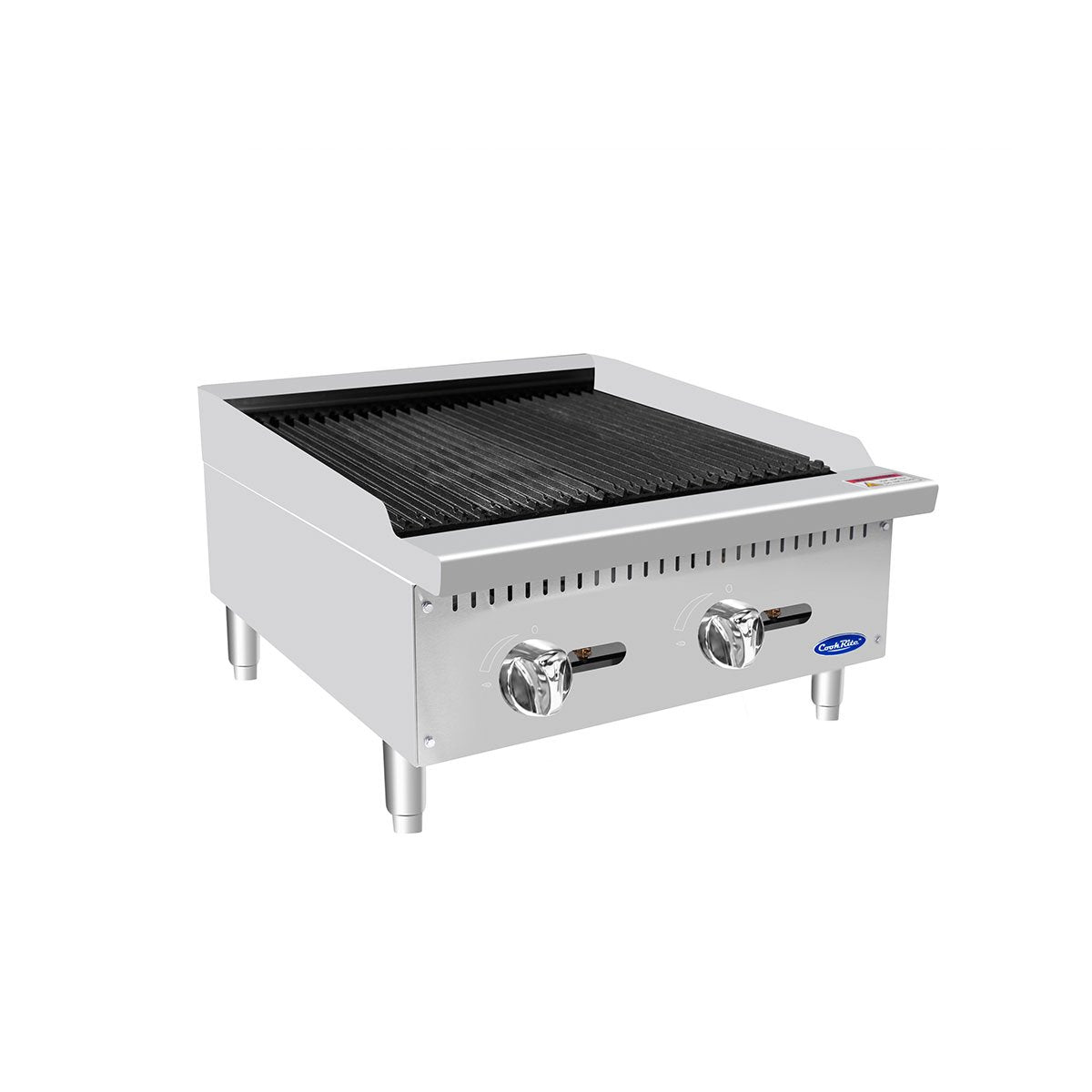
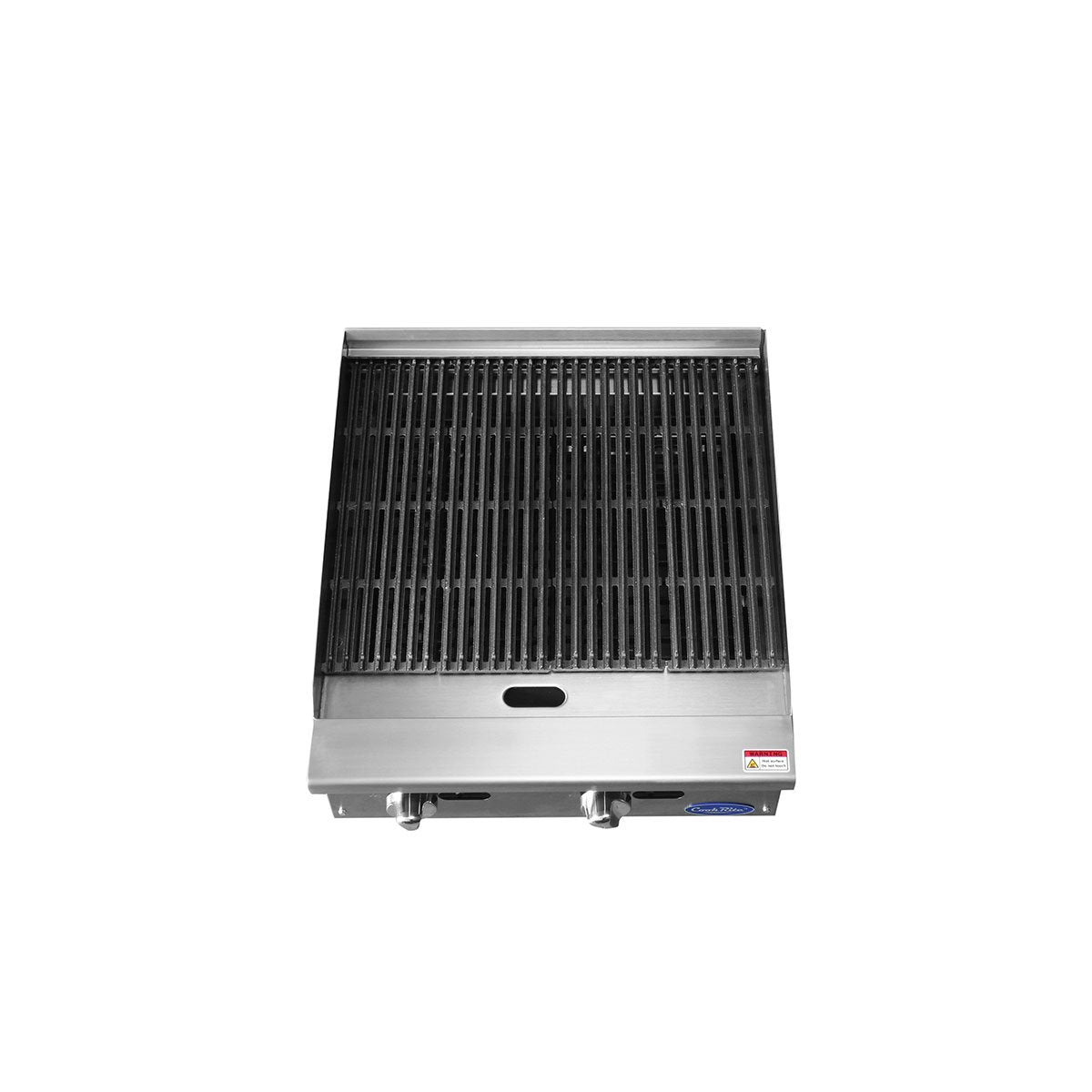
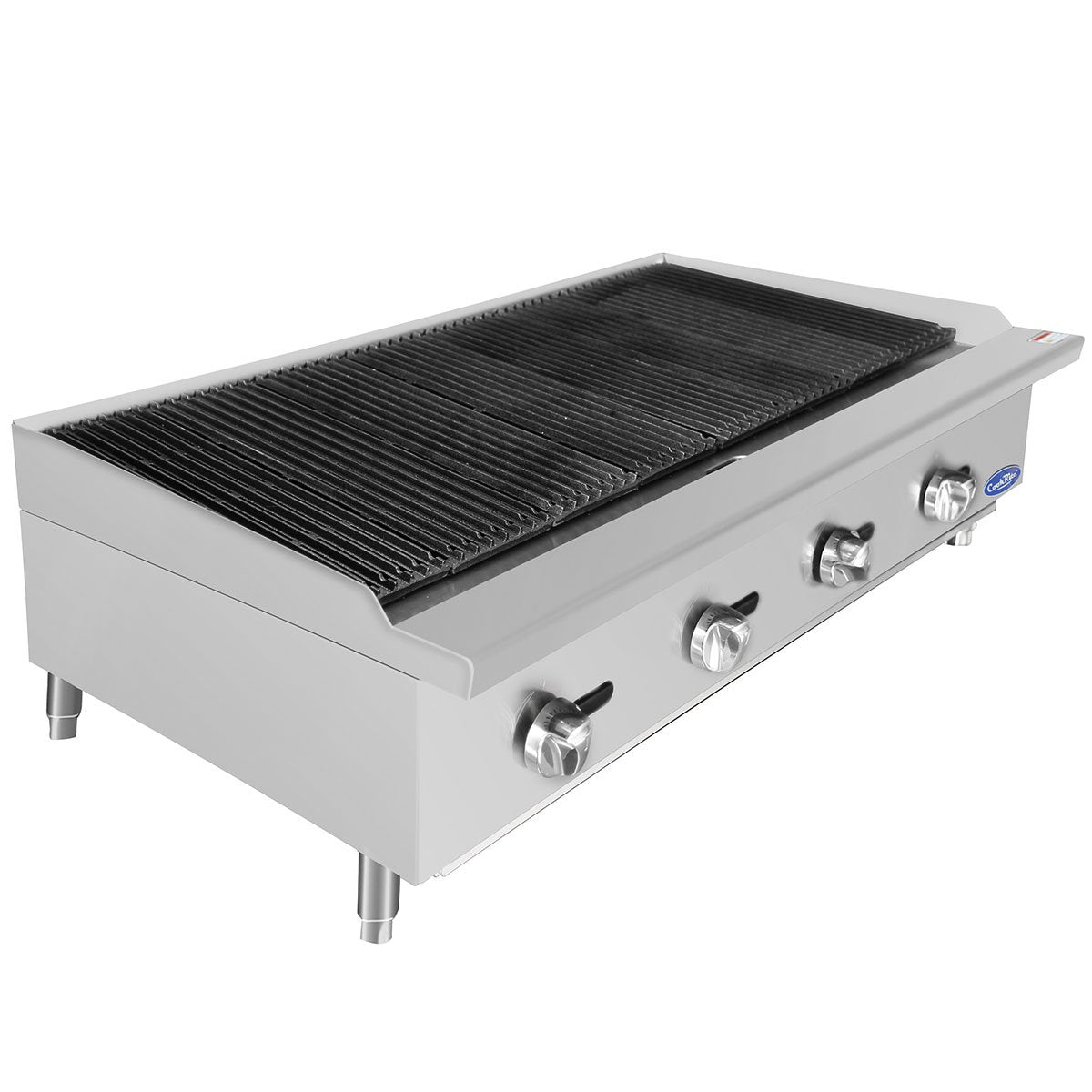
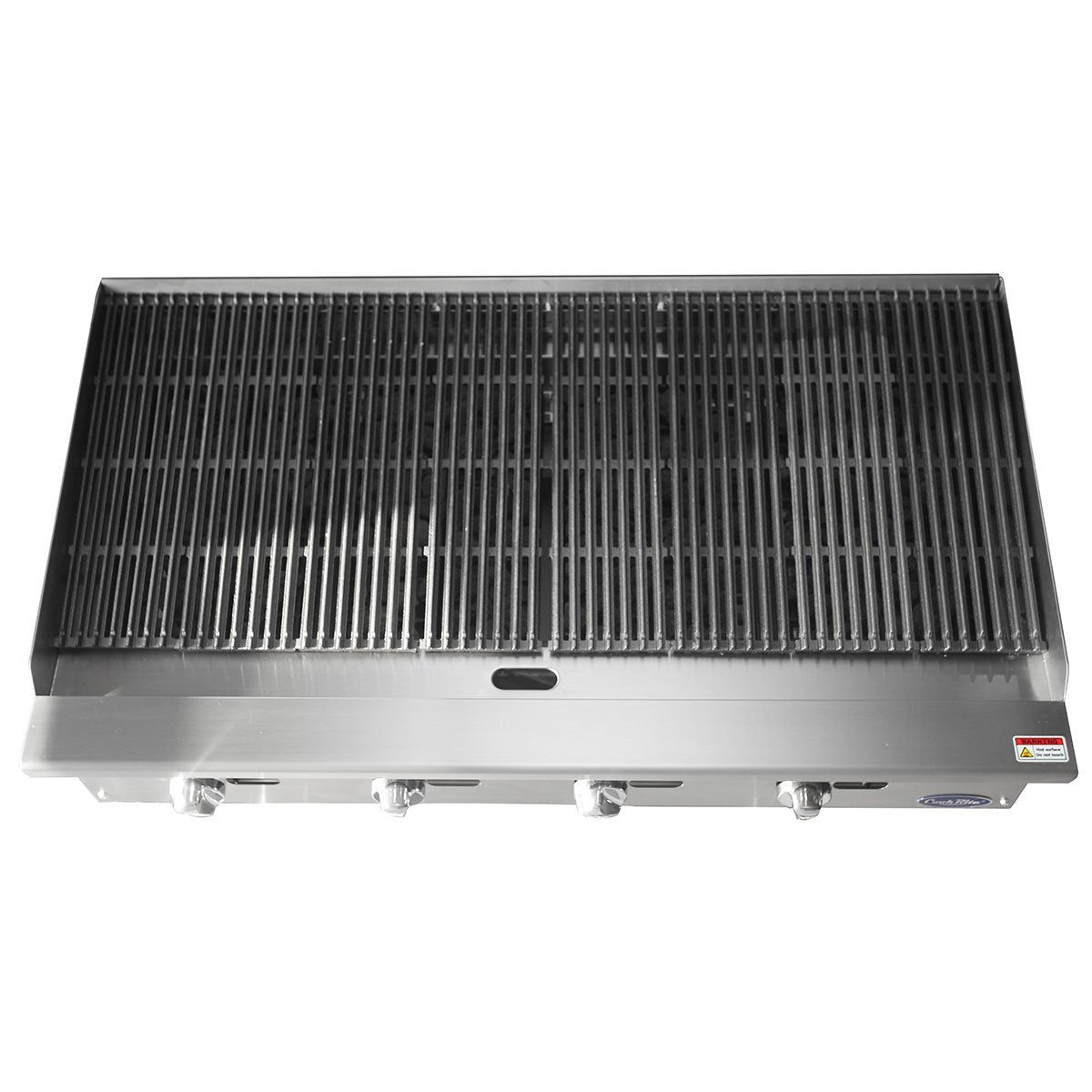
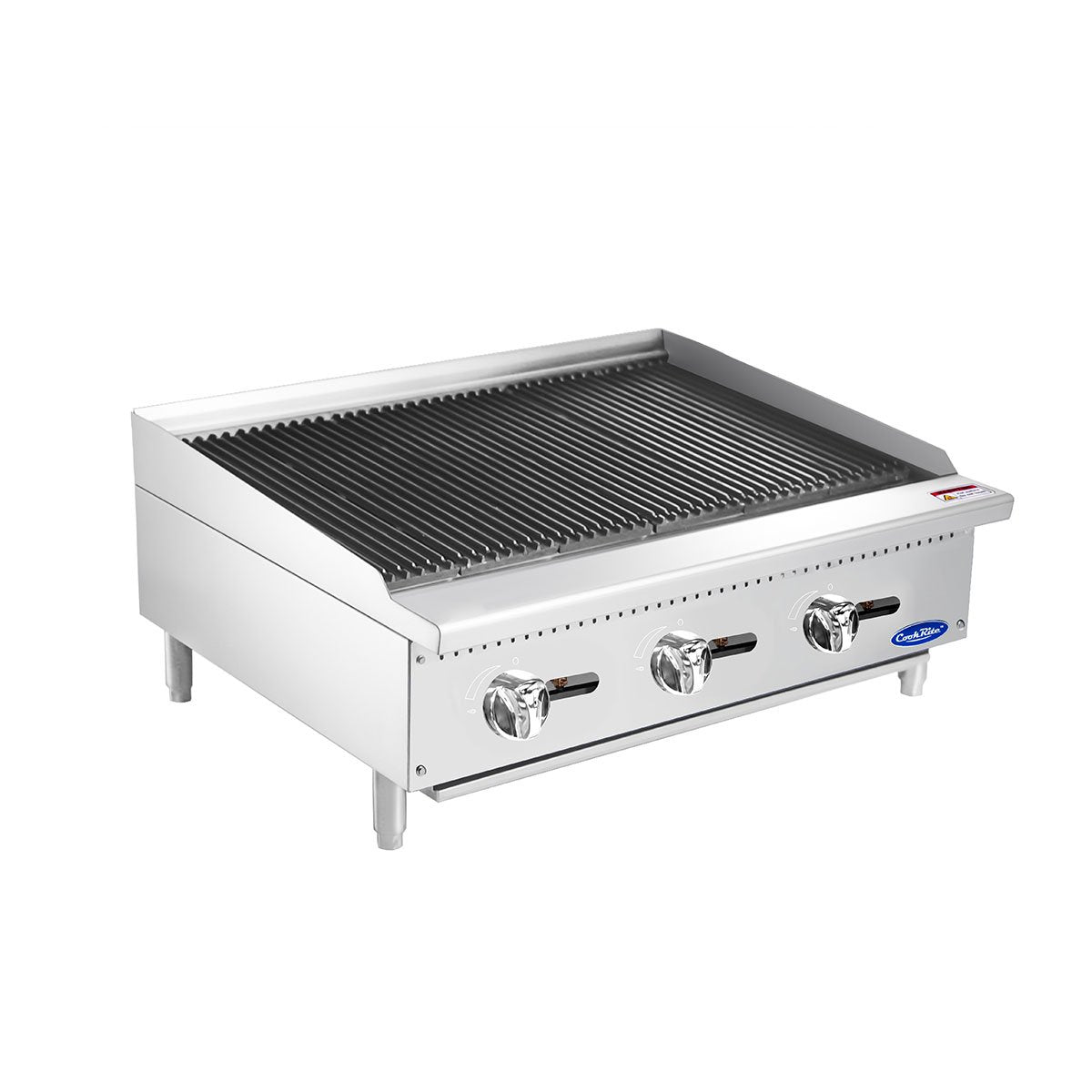
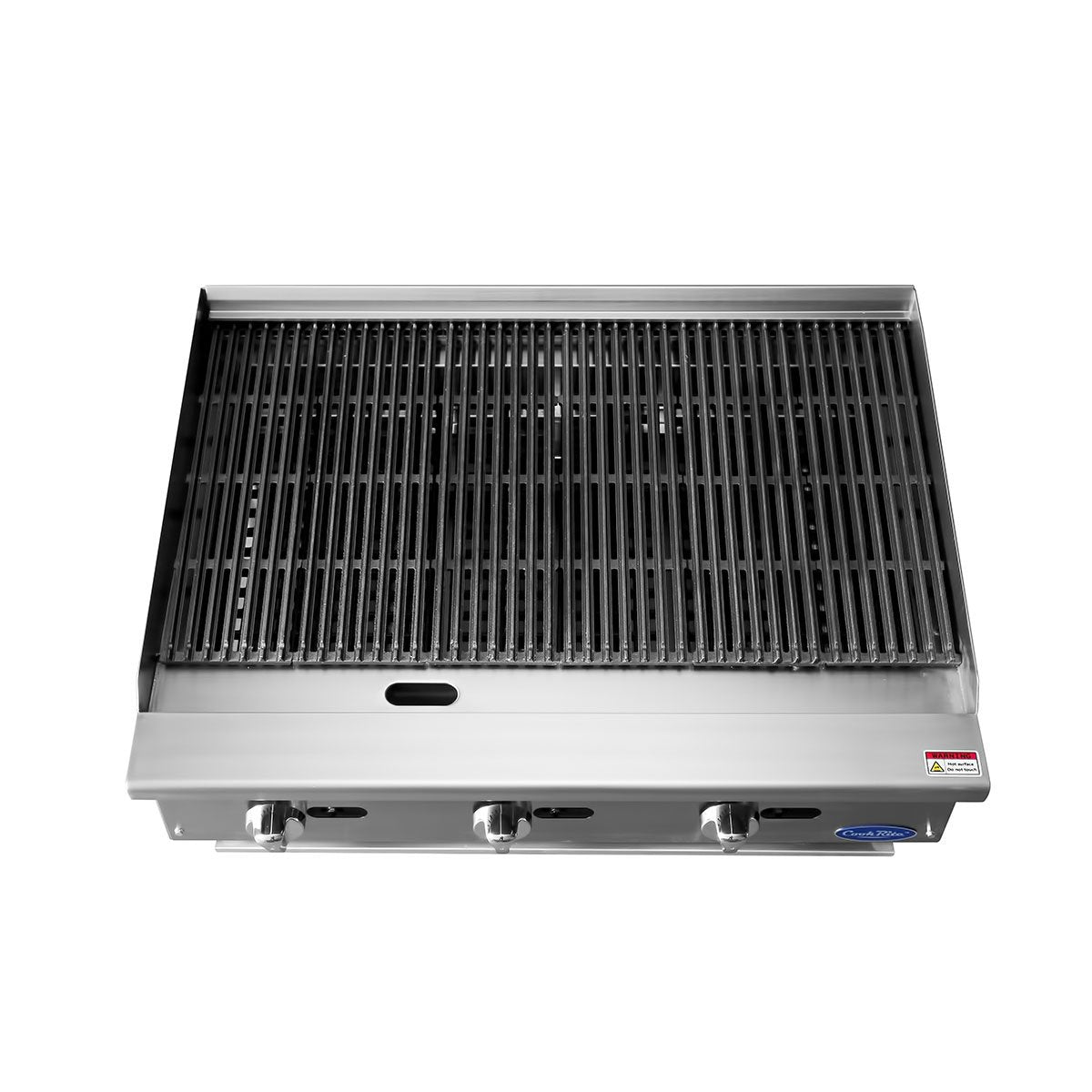
Commercial broilers are essential for restaurants and professional kitchens that rely on high-heat cooking to deliver flavor, texture, and speed. Whether you are finishing steaks, melting cheese, toasting dishes, or preparing high-temperature menu items, broilers provide intense, direct heat that cannot be replicated by standard cooking equipment.
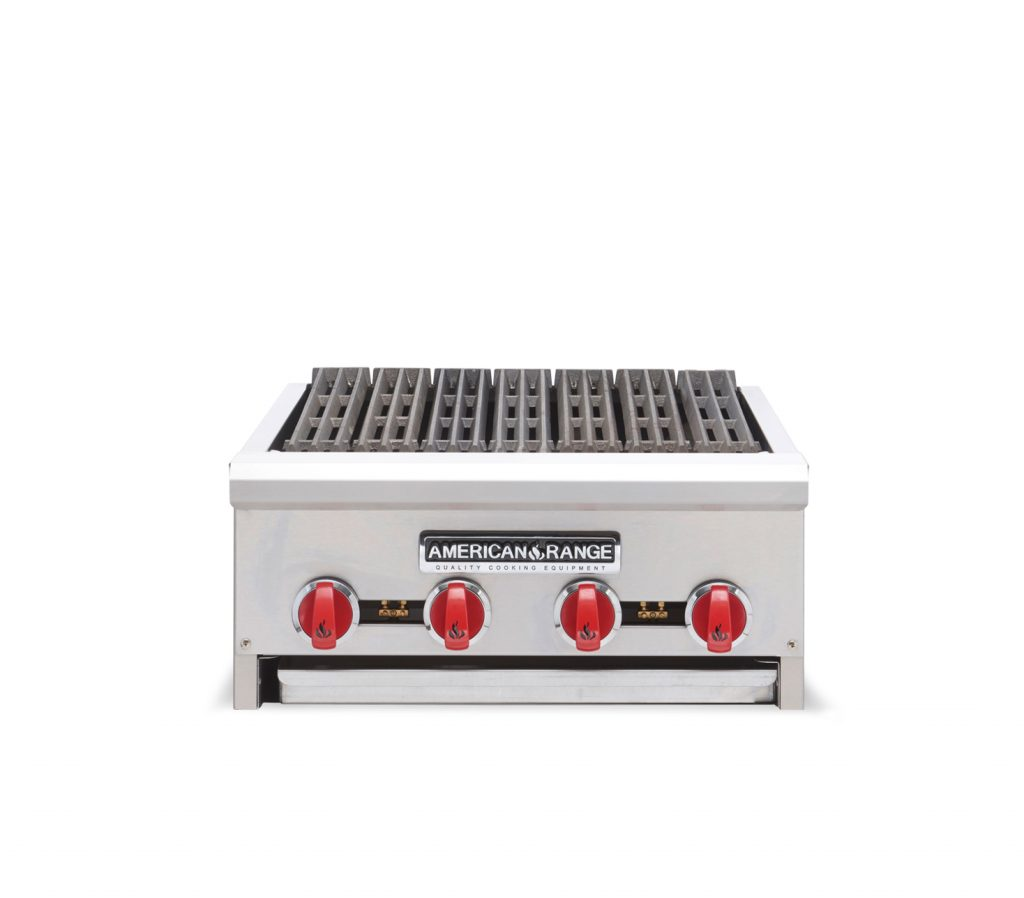
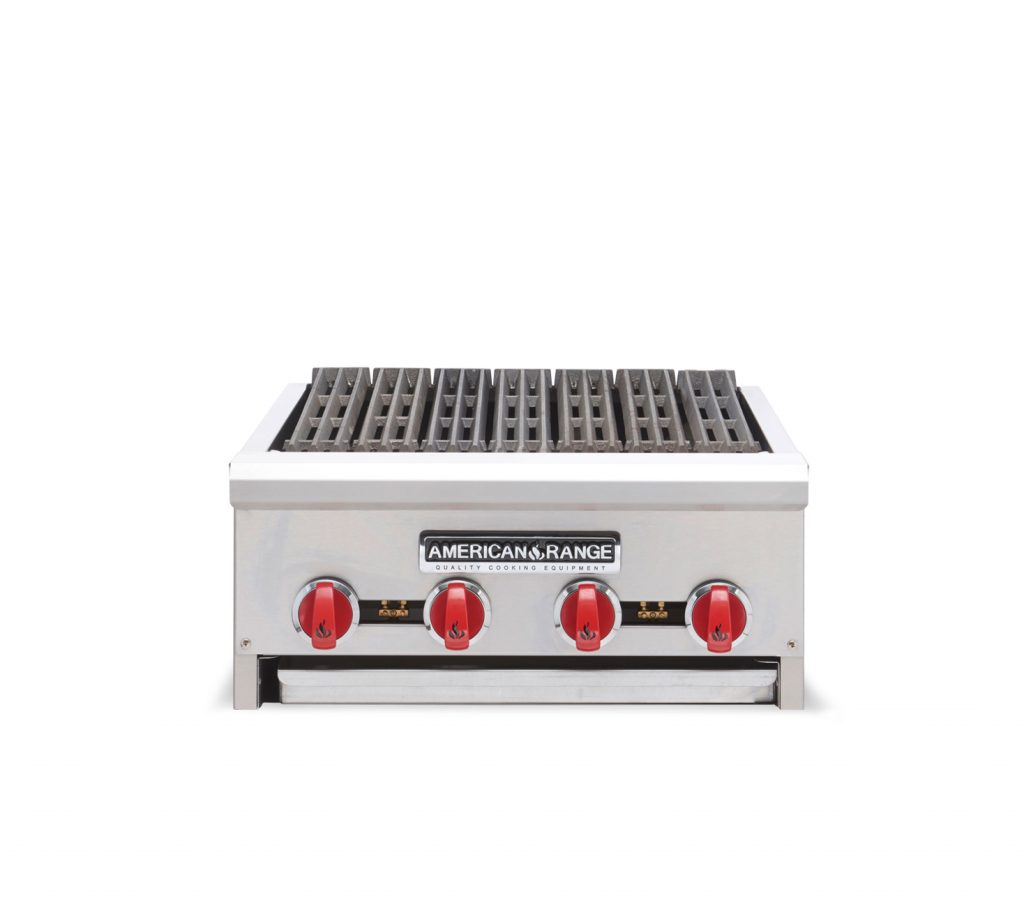
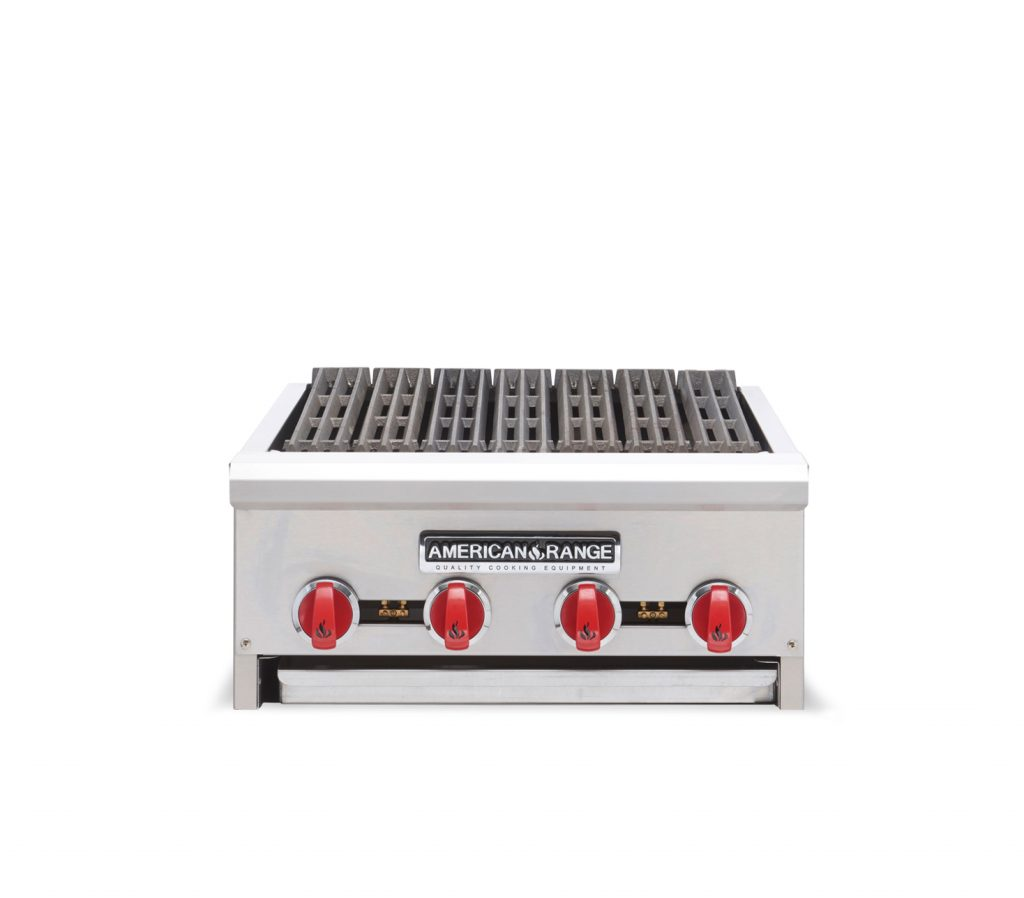
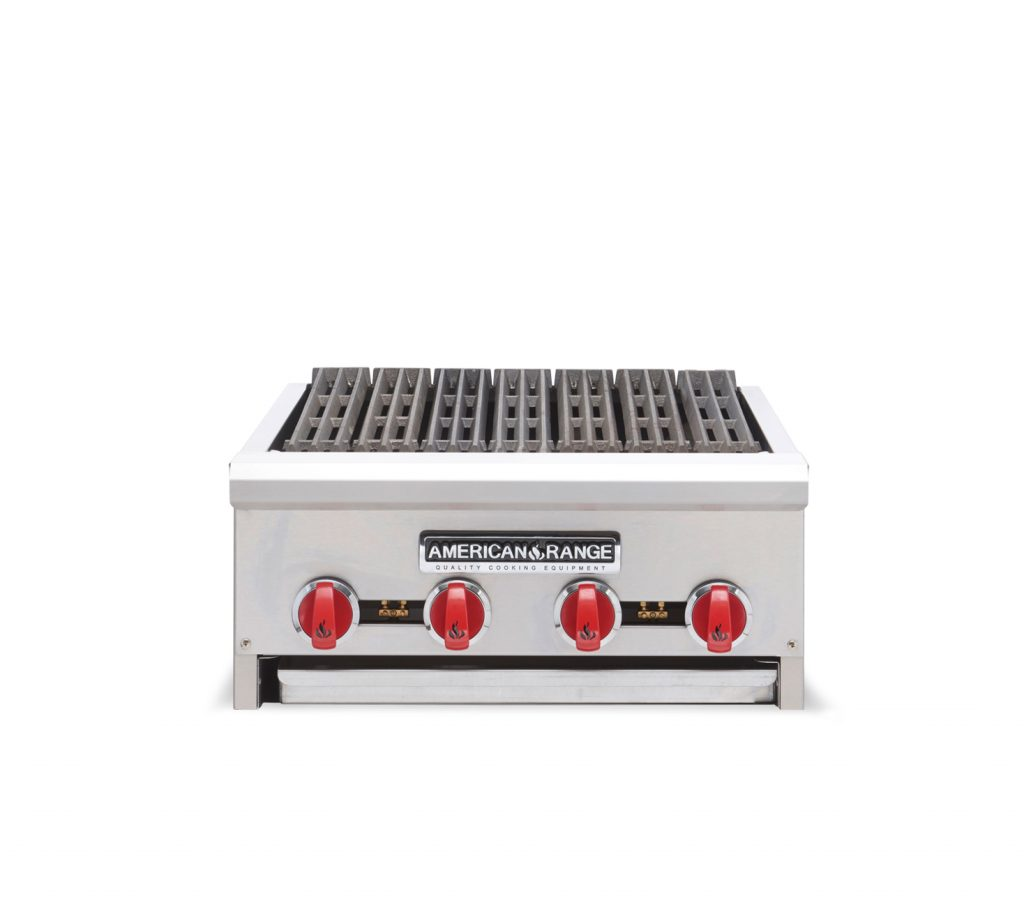
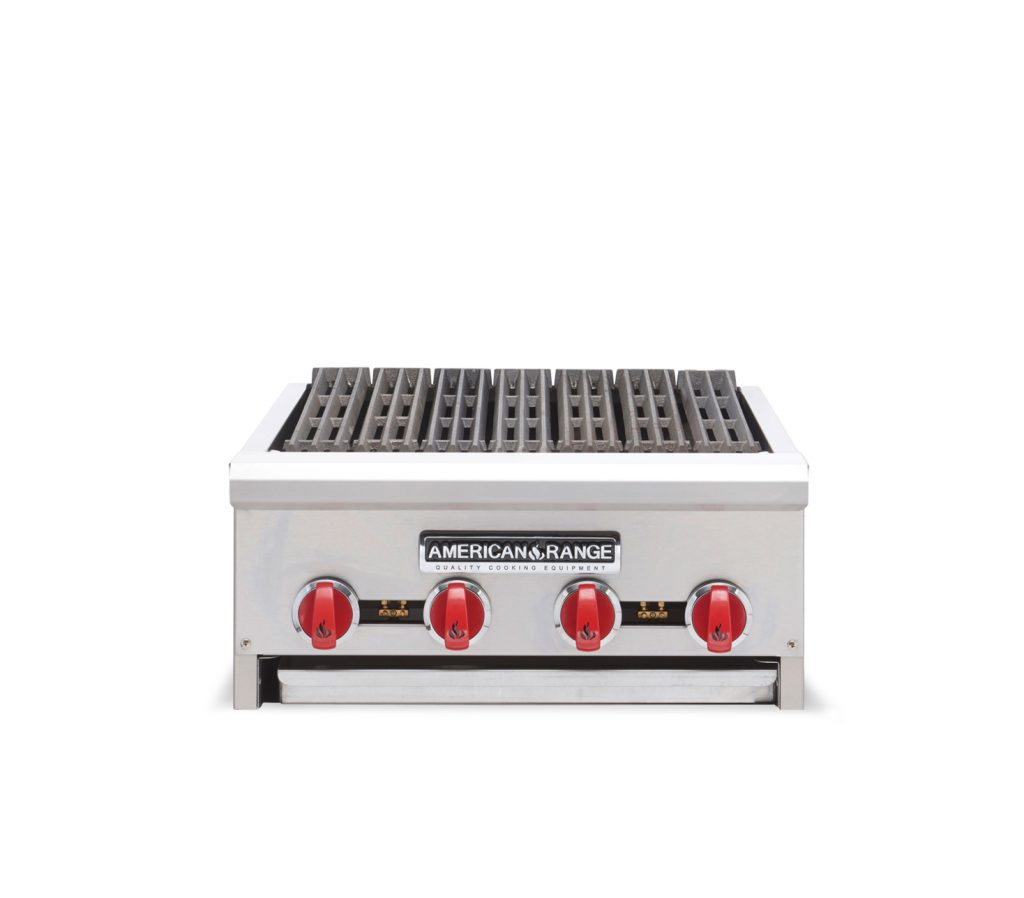
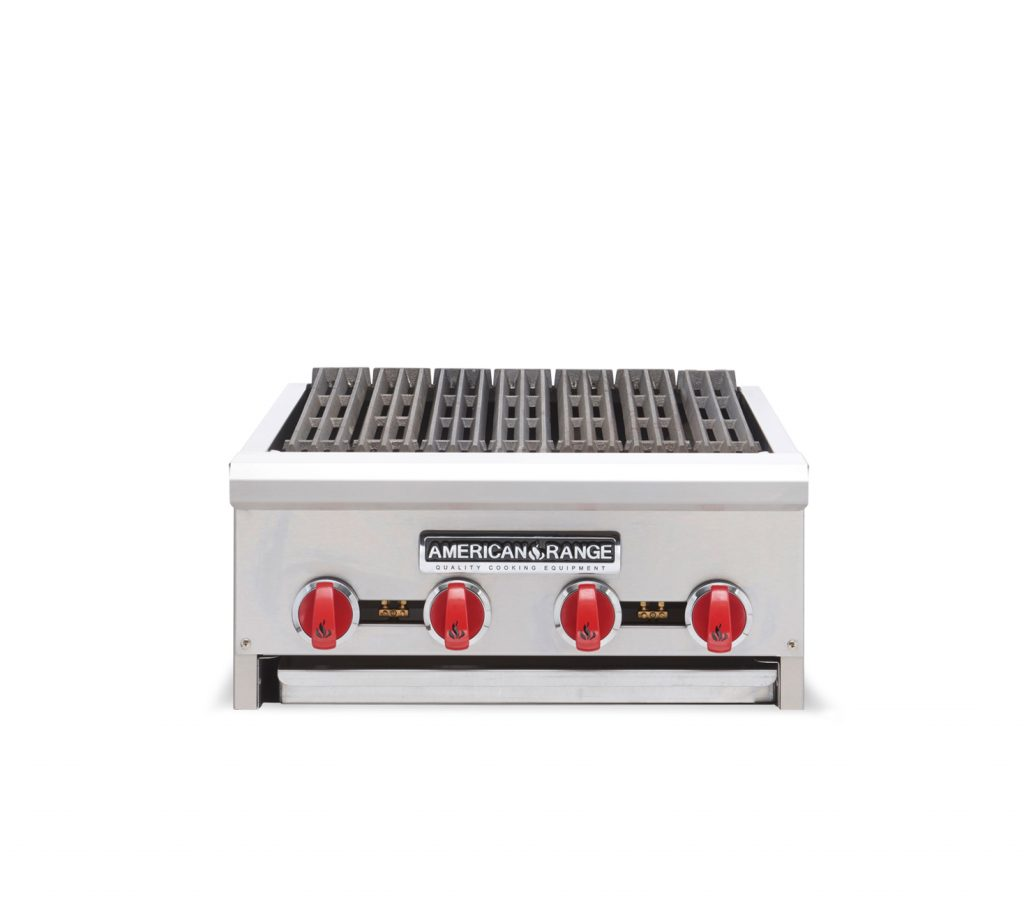
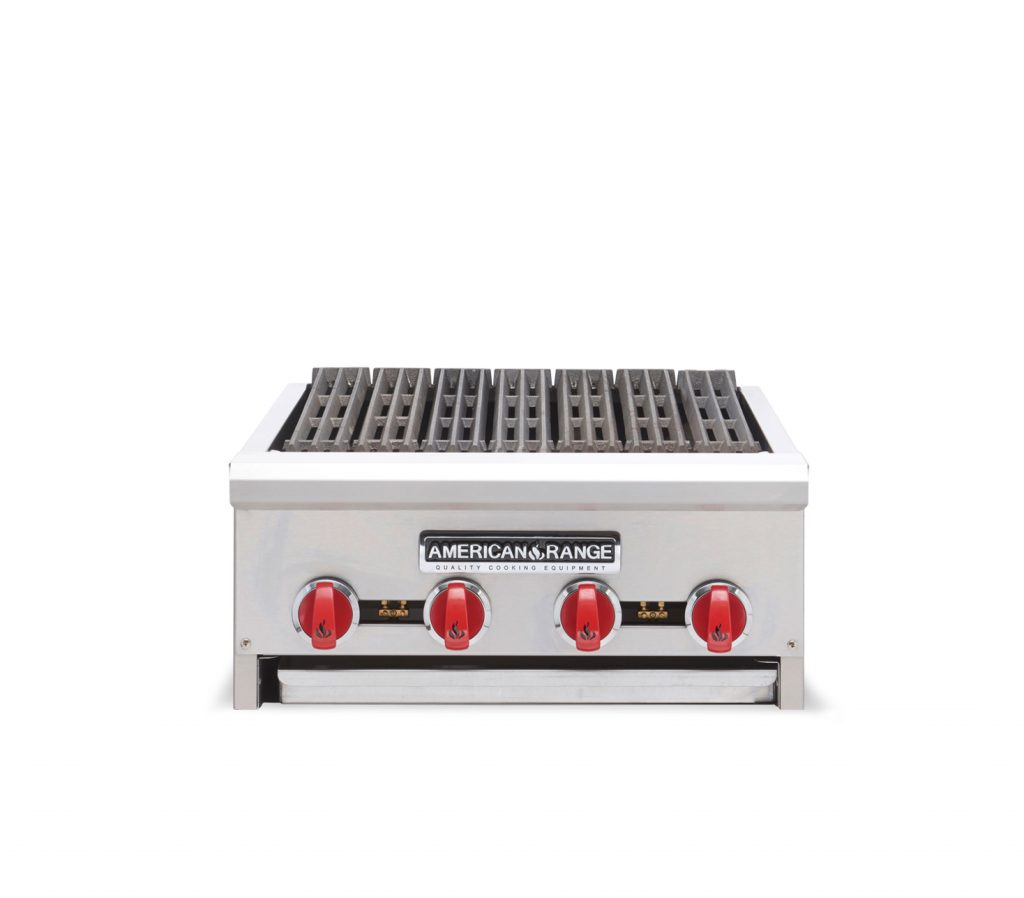
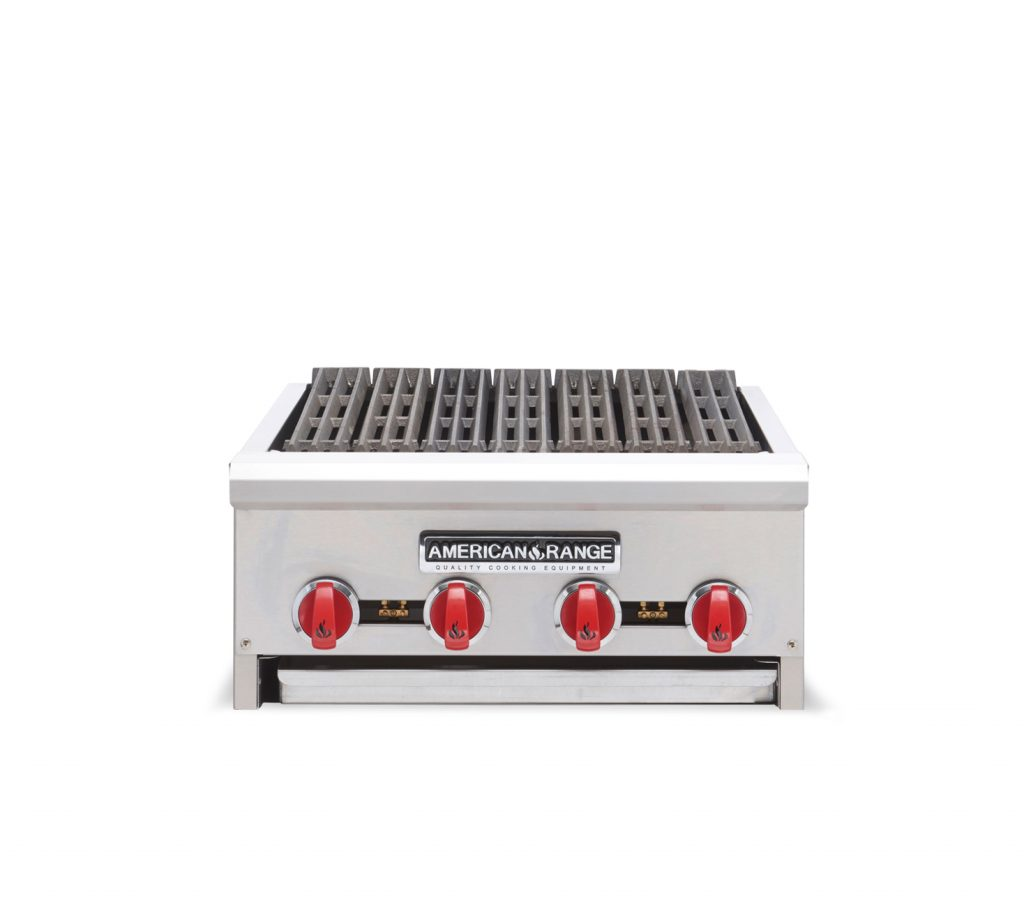
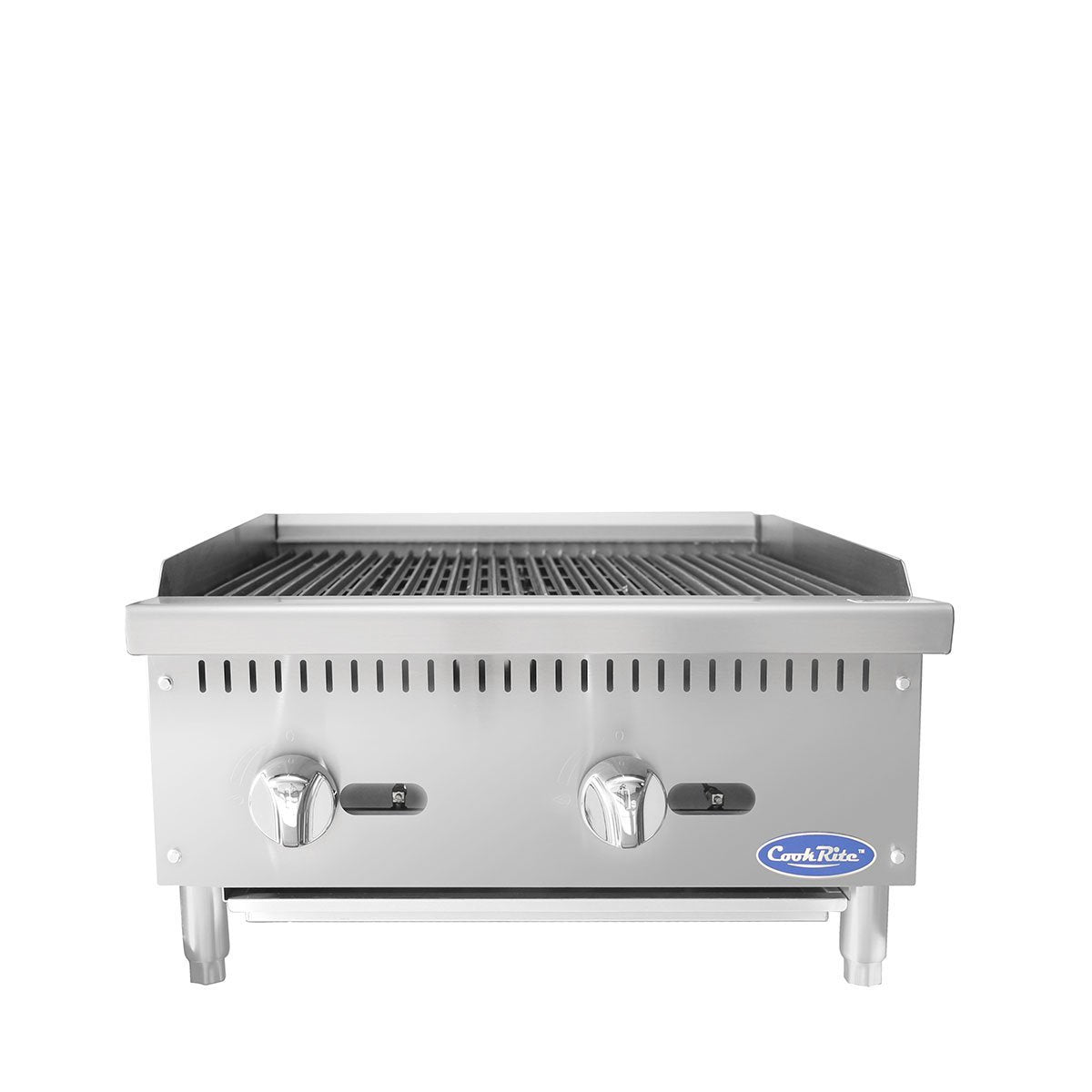
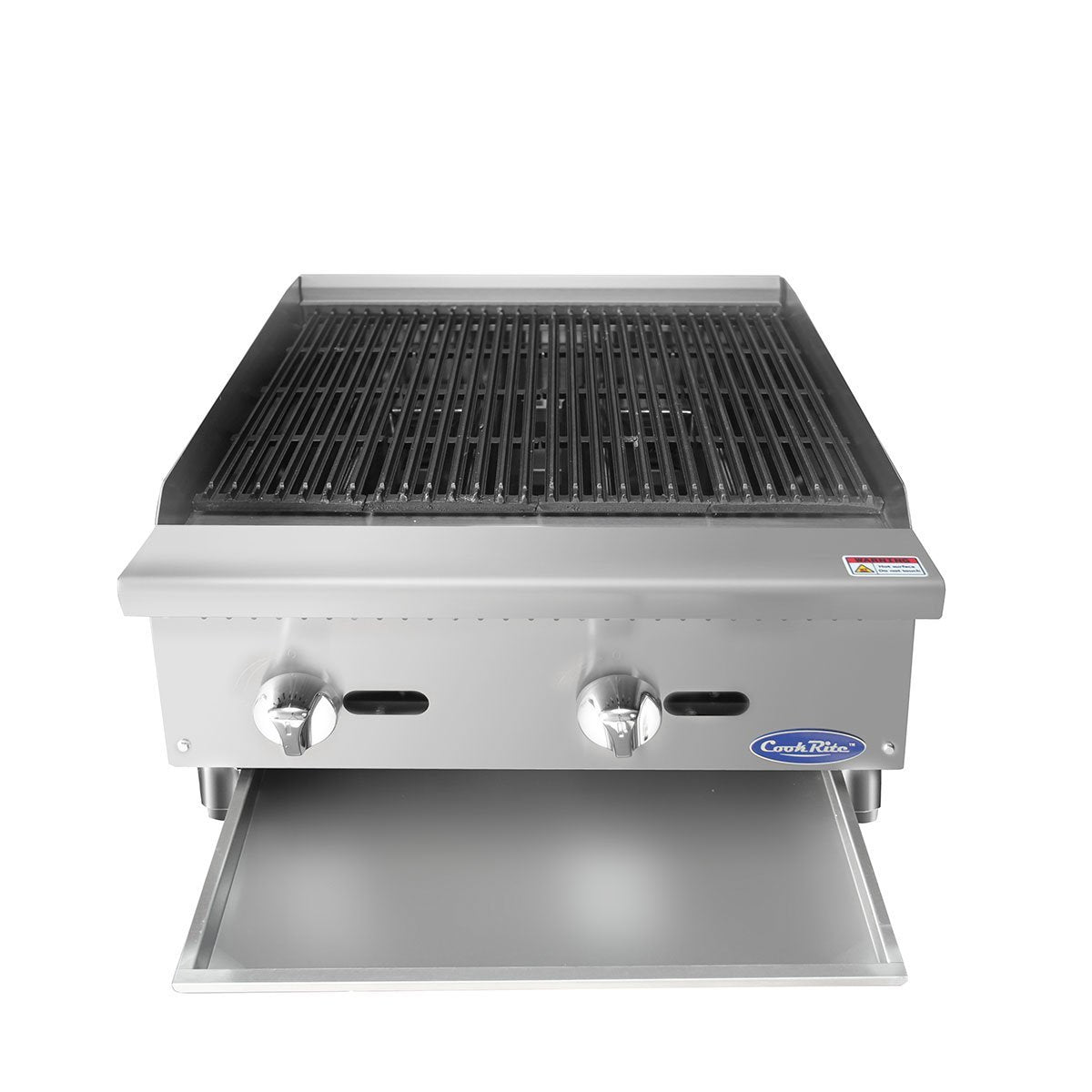
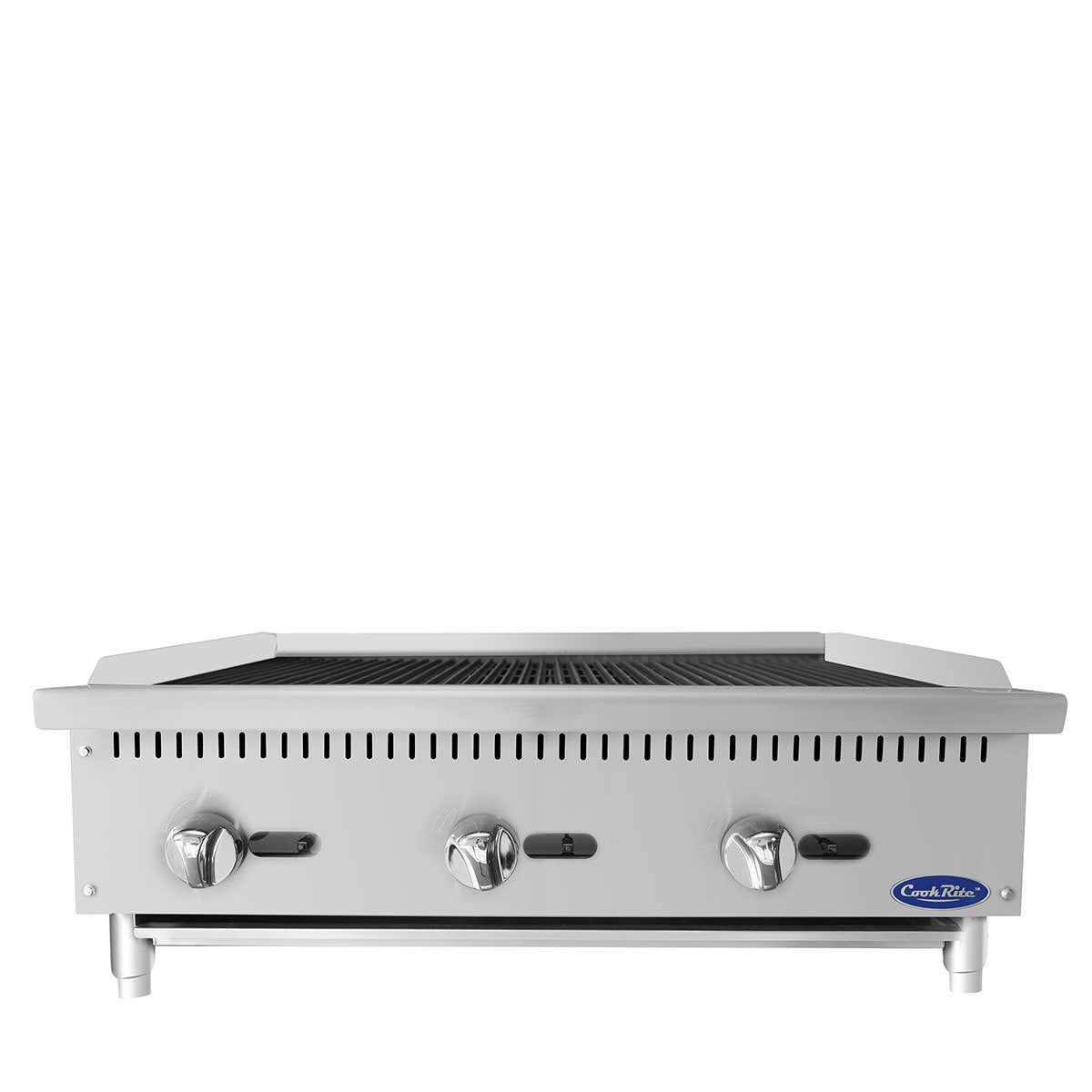
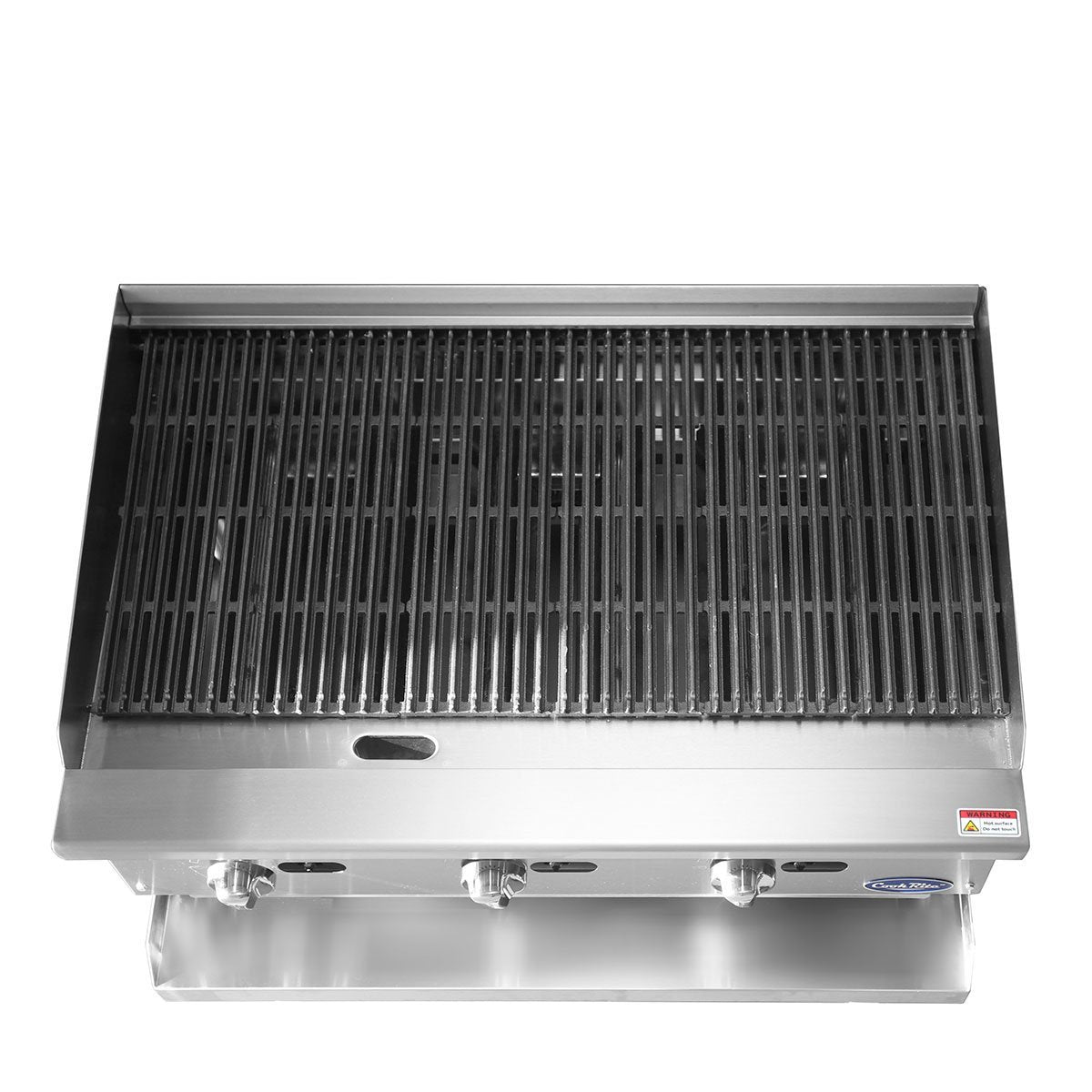
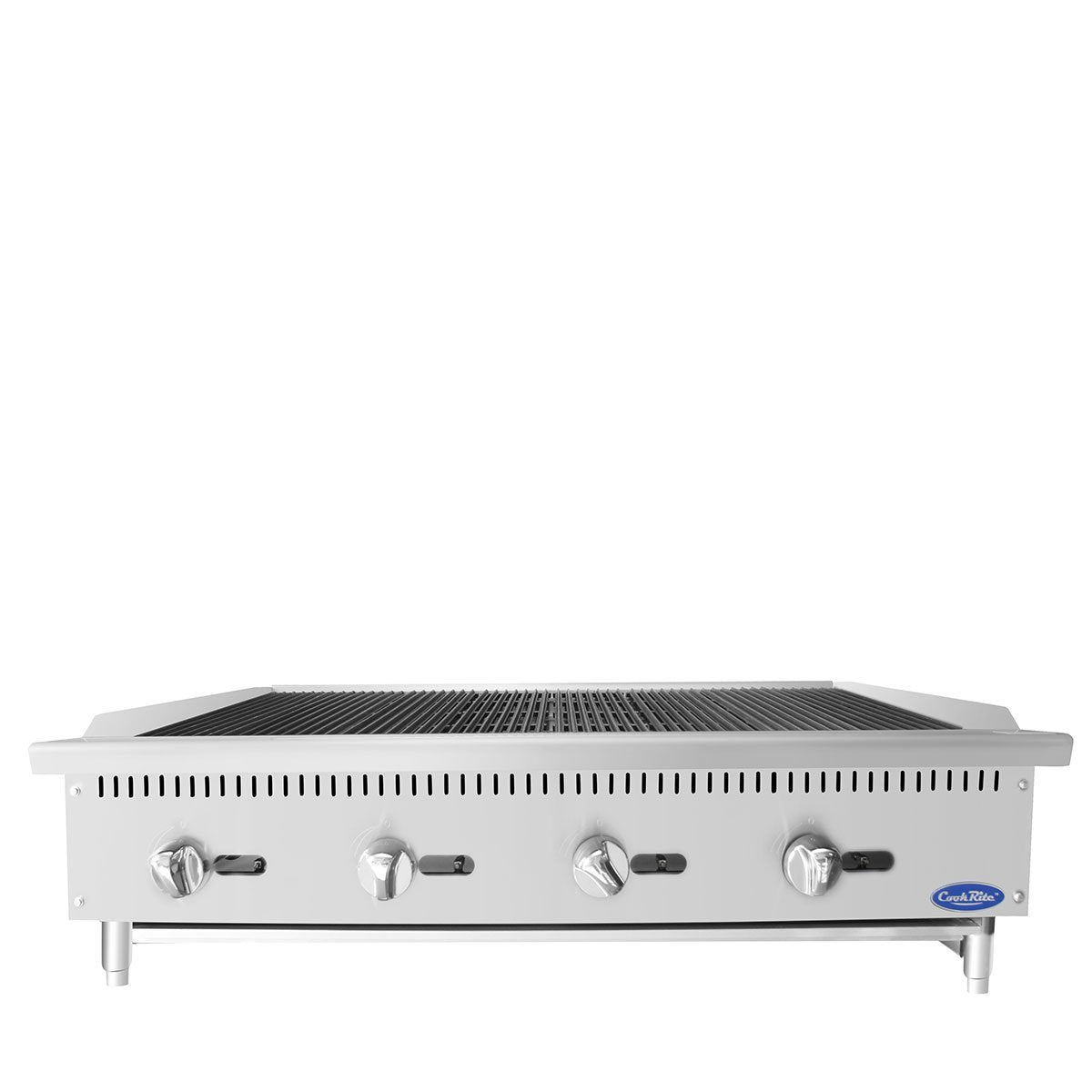
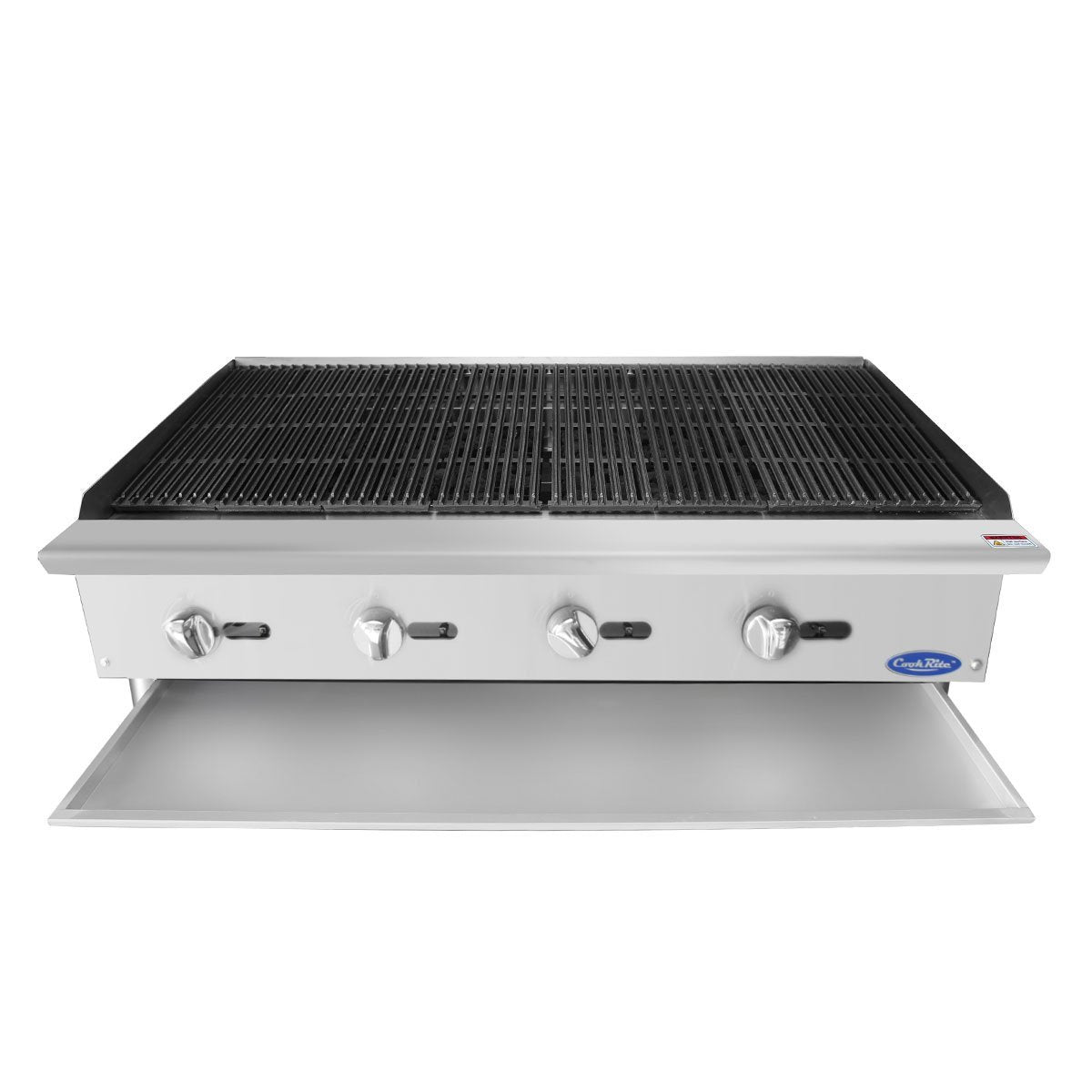
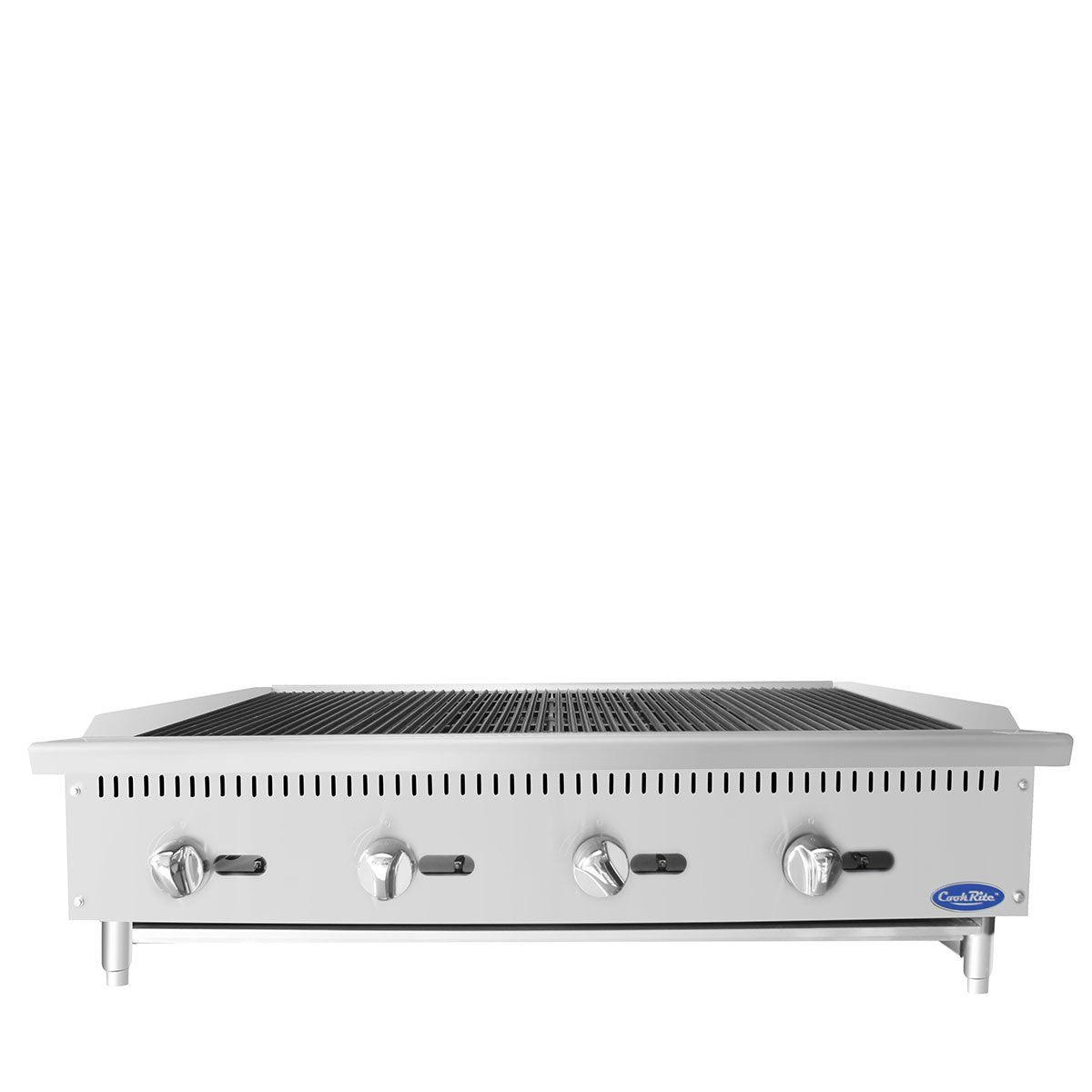
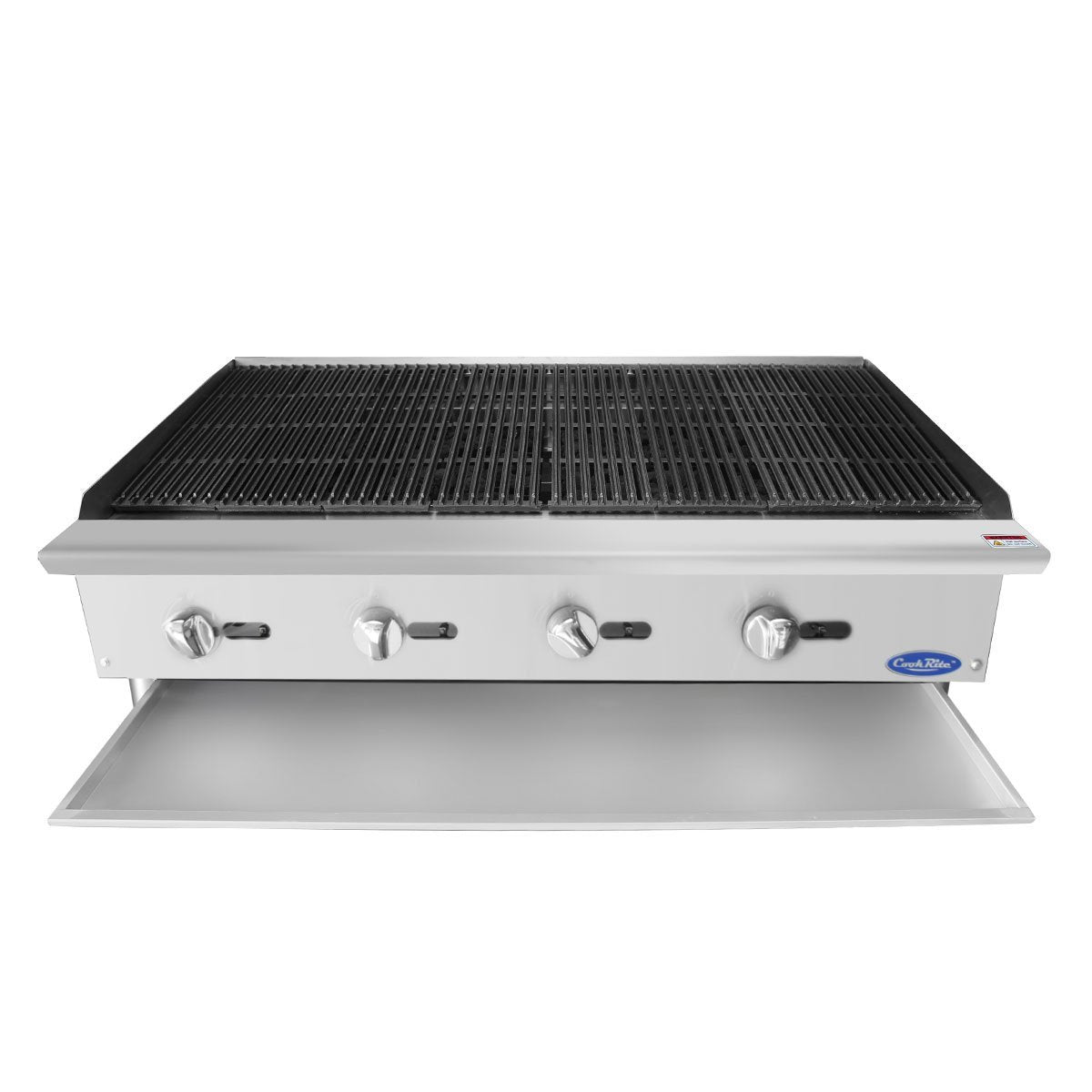
At Atlantic, we offer a range of commercial broilers designed to meet the demands of busy kitchens. From countertop salamander broilers to heavy-duty infrared and gas broilers, our equipment is built to deliver fast heat-up times, precise control, and consistent cooking performance. These units are ideal for steakhouses, restaurants, diners, and foodservice operations that require high output and reliable results during peak service hours.
Different types of broilers serve different purposes. Salamander broilers are commonly used for finishing dishes, melting toppings, and browning surfaces quickly, while upright and range-mounted broilers are designed for continuous cooking of meats and other high-heat items. Infrared broilers, in particular, are known for their ability to reach extremely high temperatures, making them a popular choice for achieving steakhouse-quality searing.
Performance and durability are critical when selecting a commercial broiler. High BTU output, even heat distribution, and strong construction ensure that the unit can handle constant use without compromising results. Stainless steel builds, adjustable racks, and easy-to-clean components also contribute to efficiency and long-term reliability in demanding kitchen environments.
Choosing the right commercial broiler allows your kitchen to operate faster, improve food quality, and maintain consistency across every dish. At Atlantic, we focus on providing high-performance broiling equipment that helps restaurants deliver better results, reduce cooking time, and keep up with high customer demand.
Show less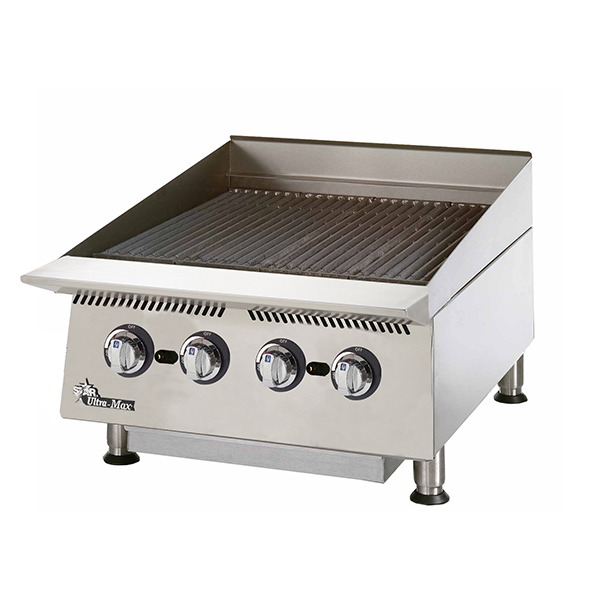
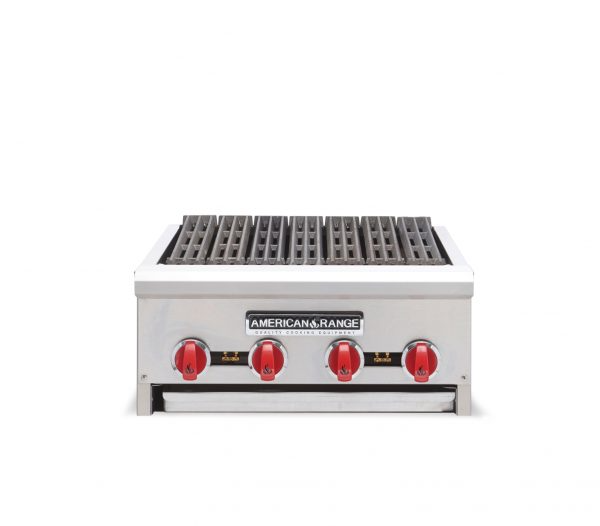
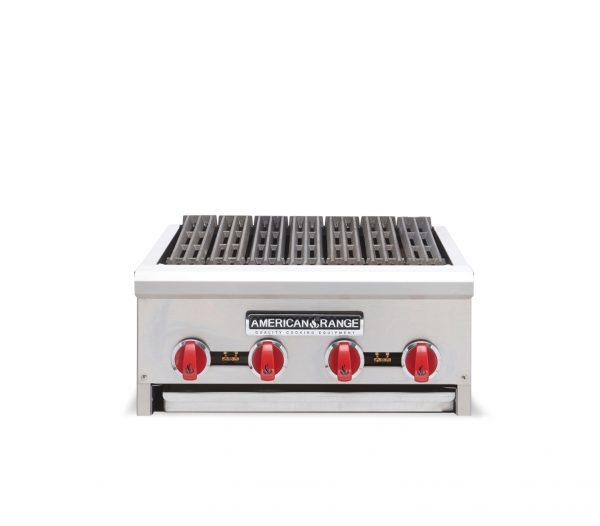
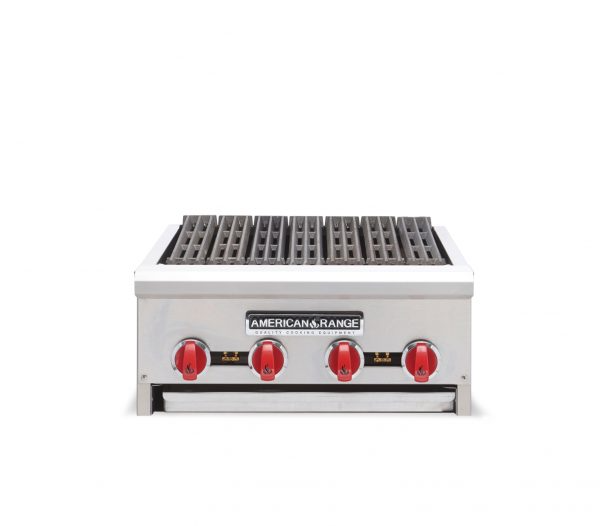
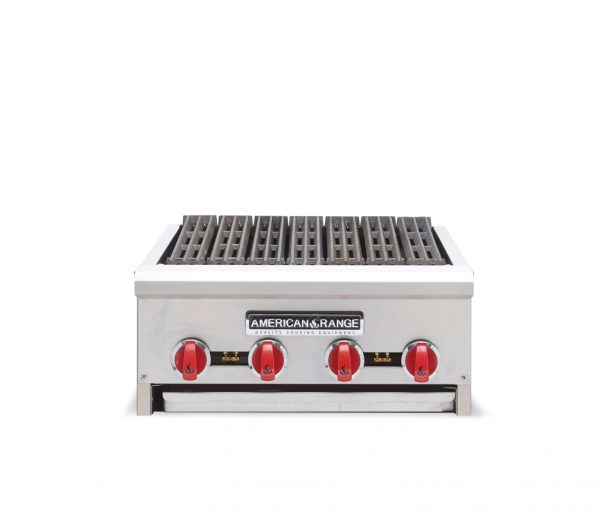
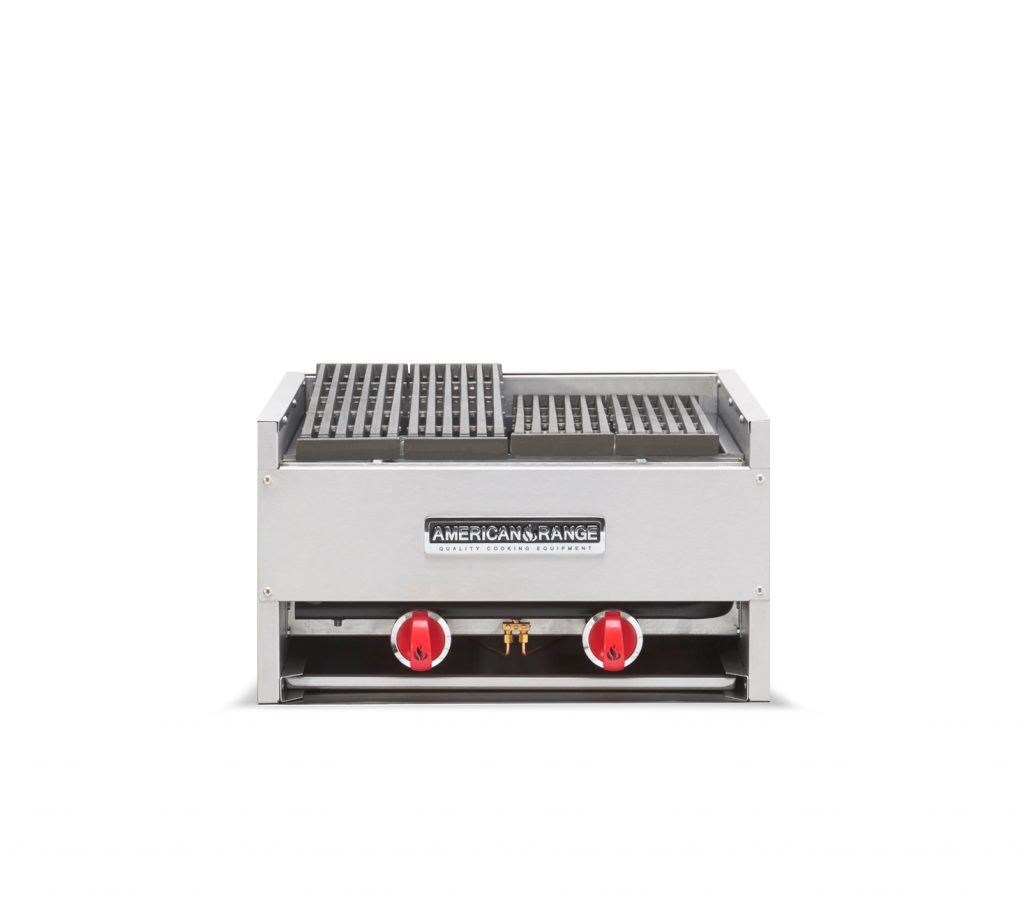
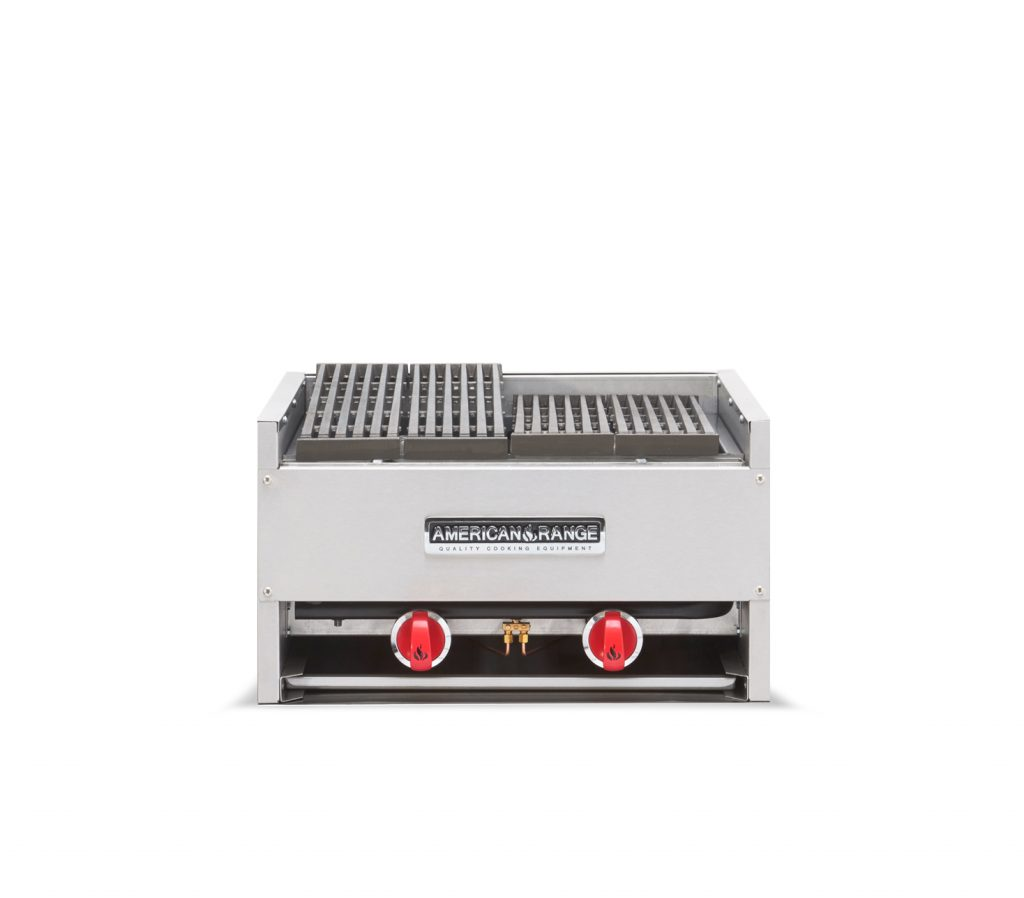
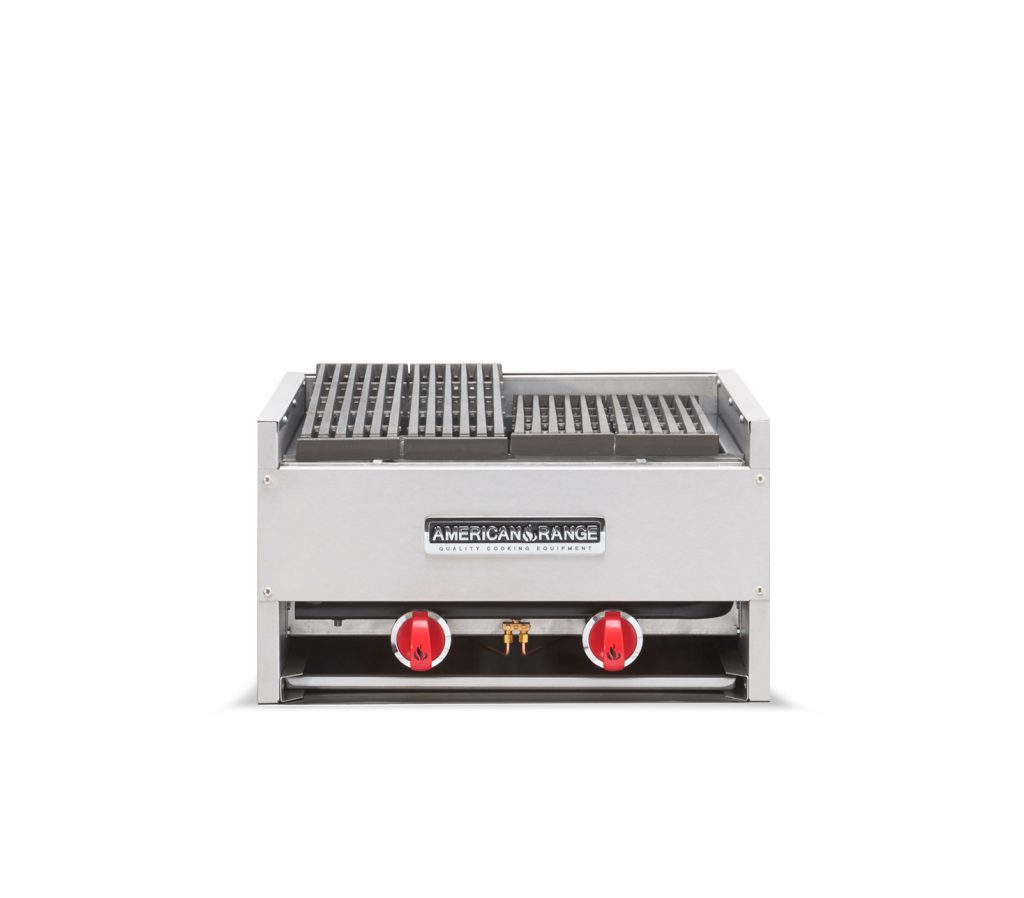
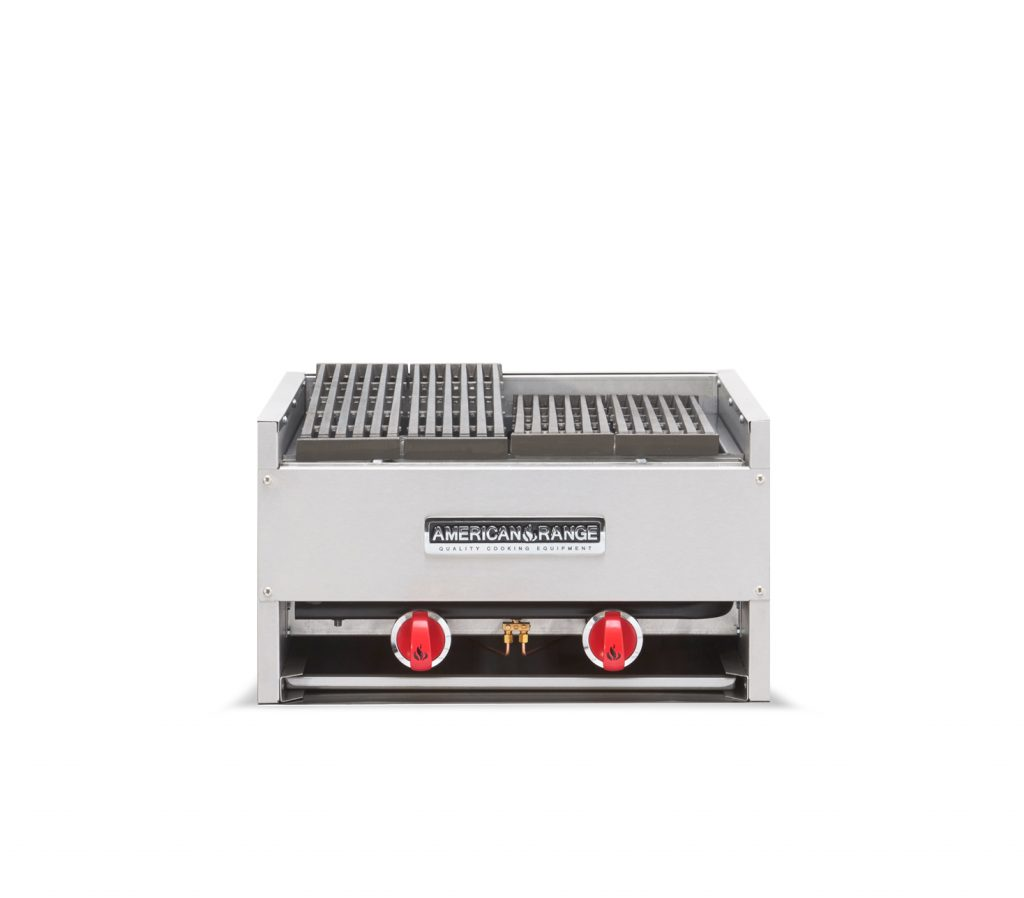
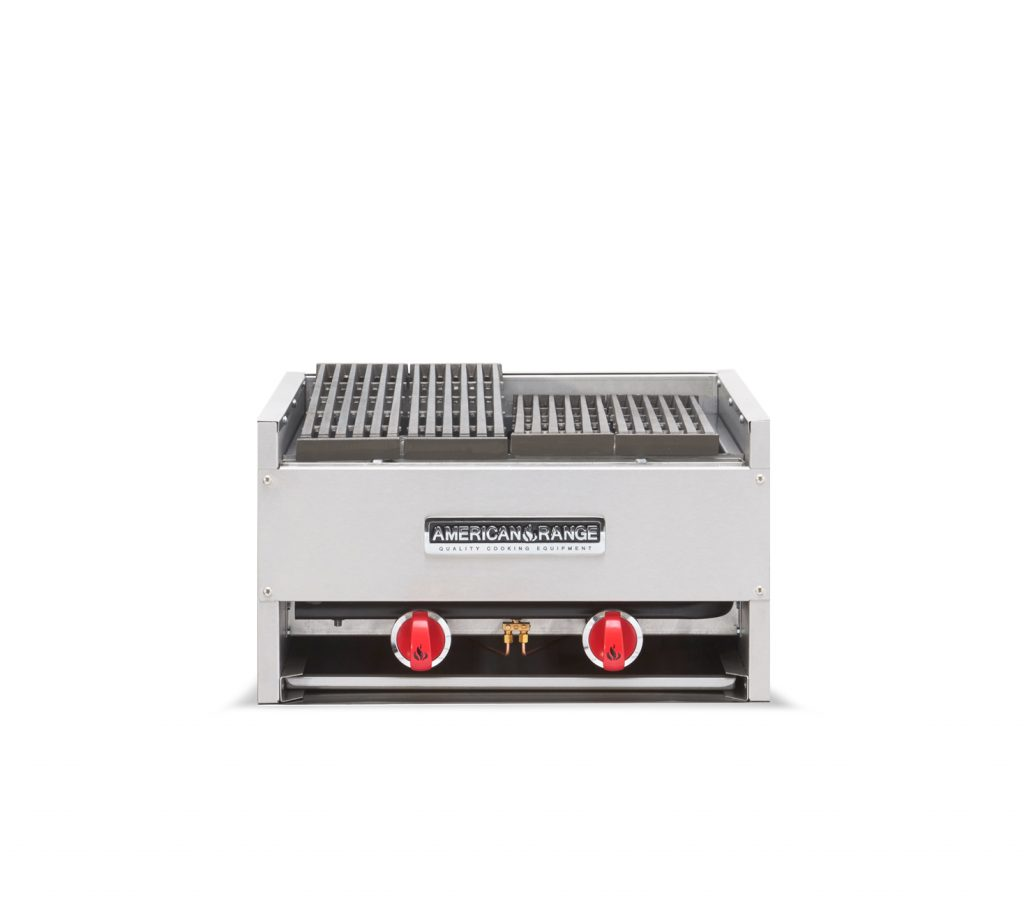
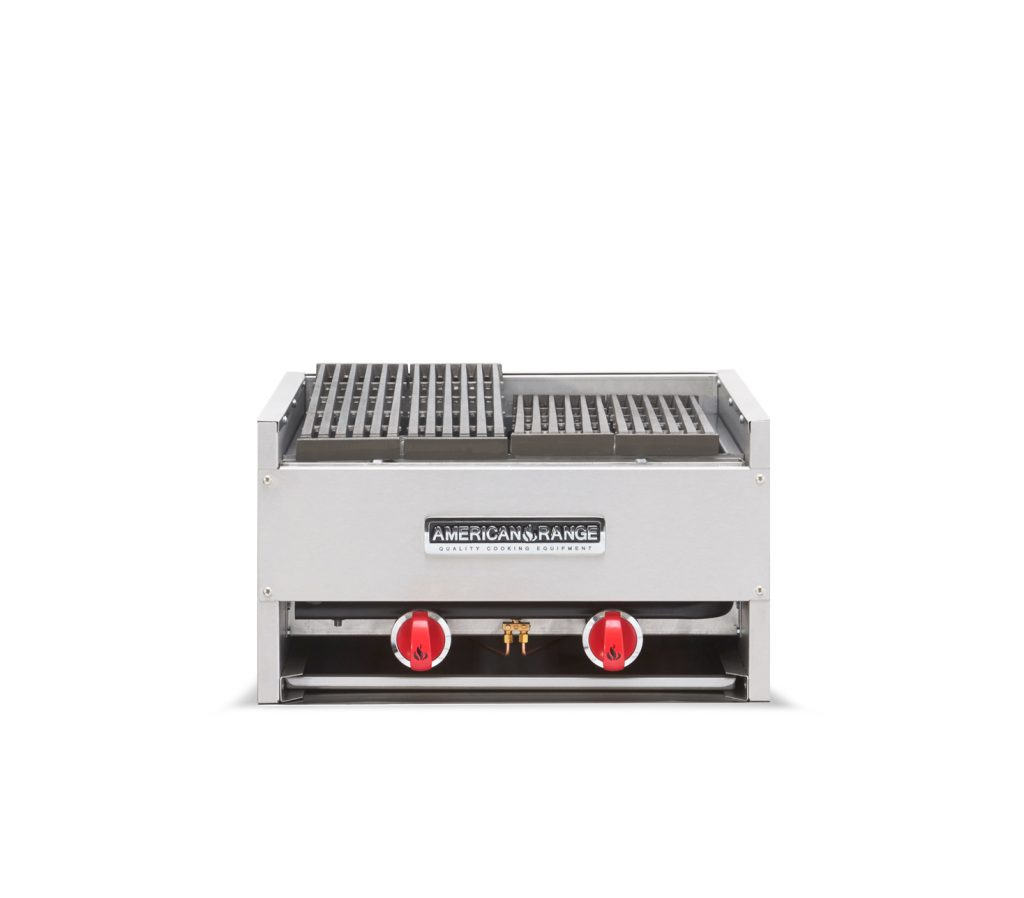
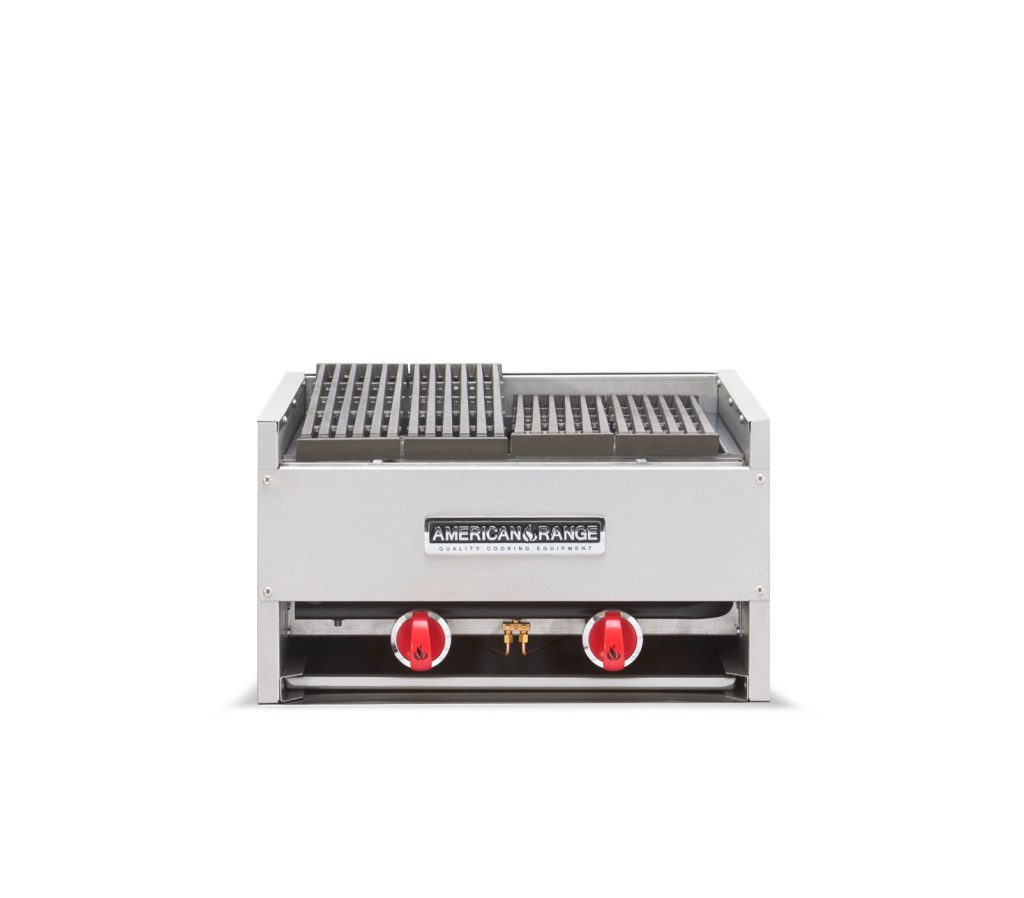
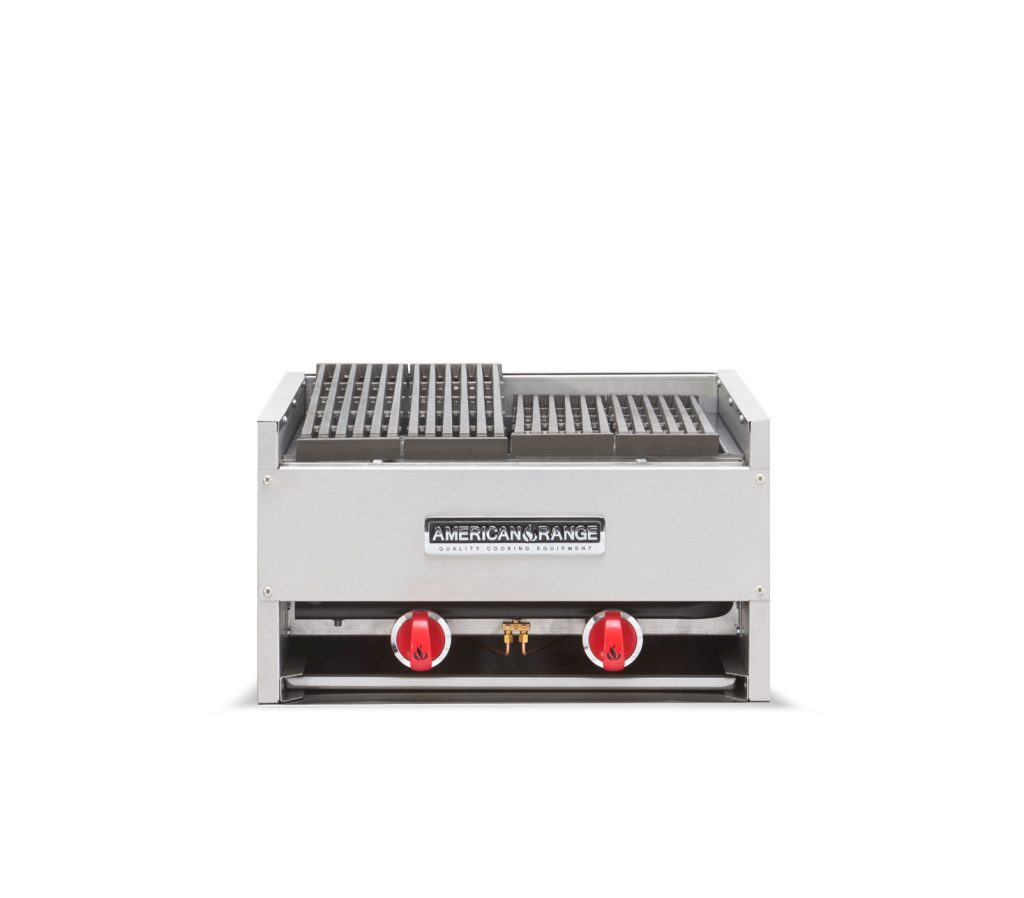
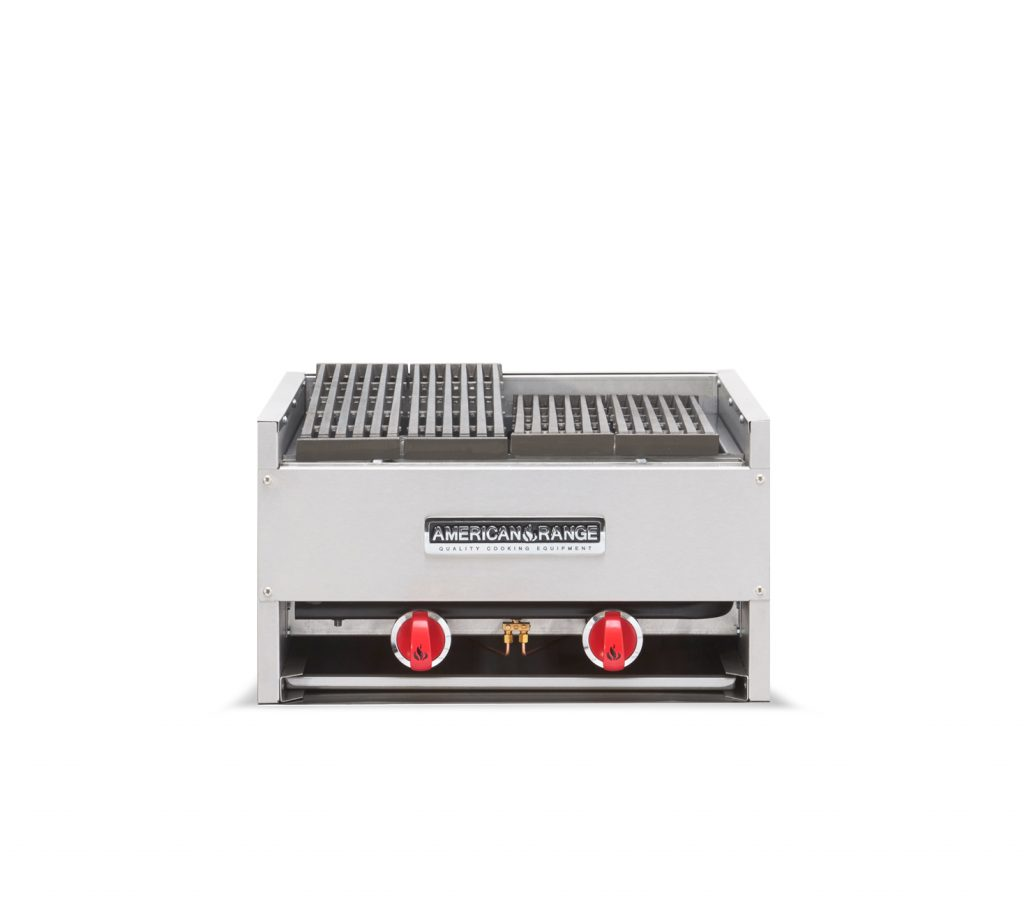
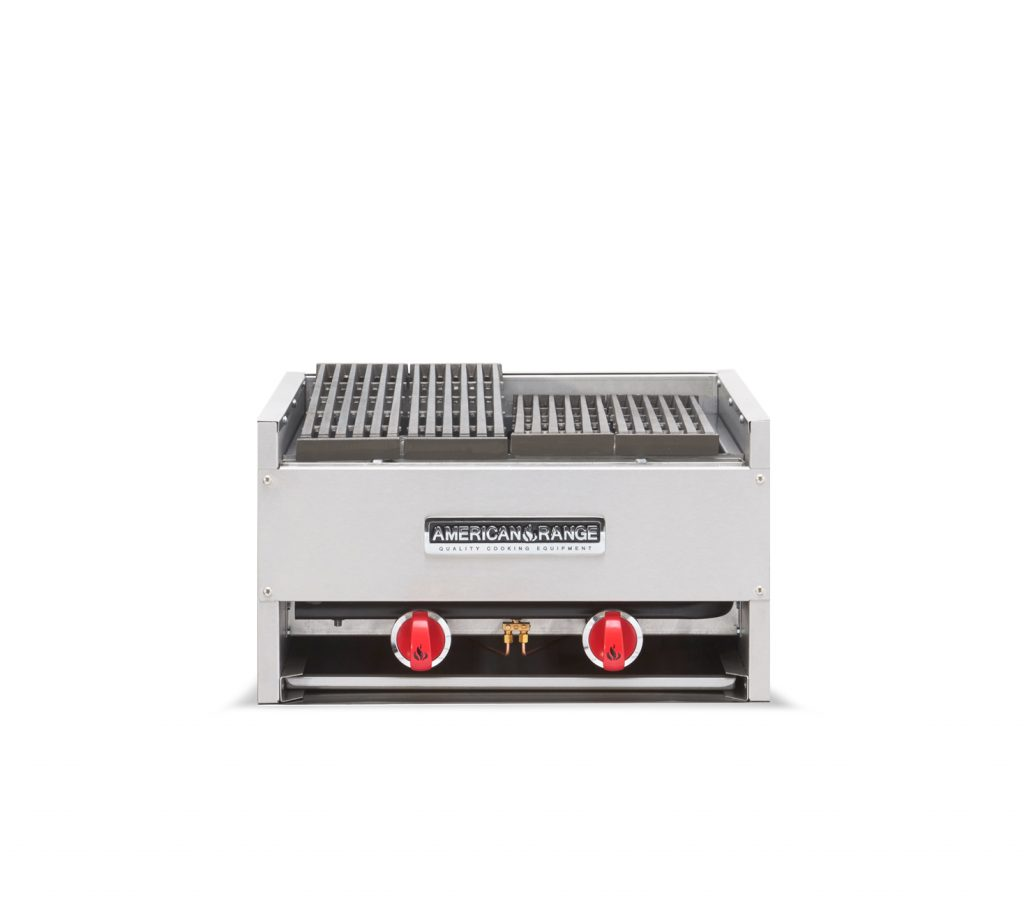
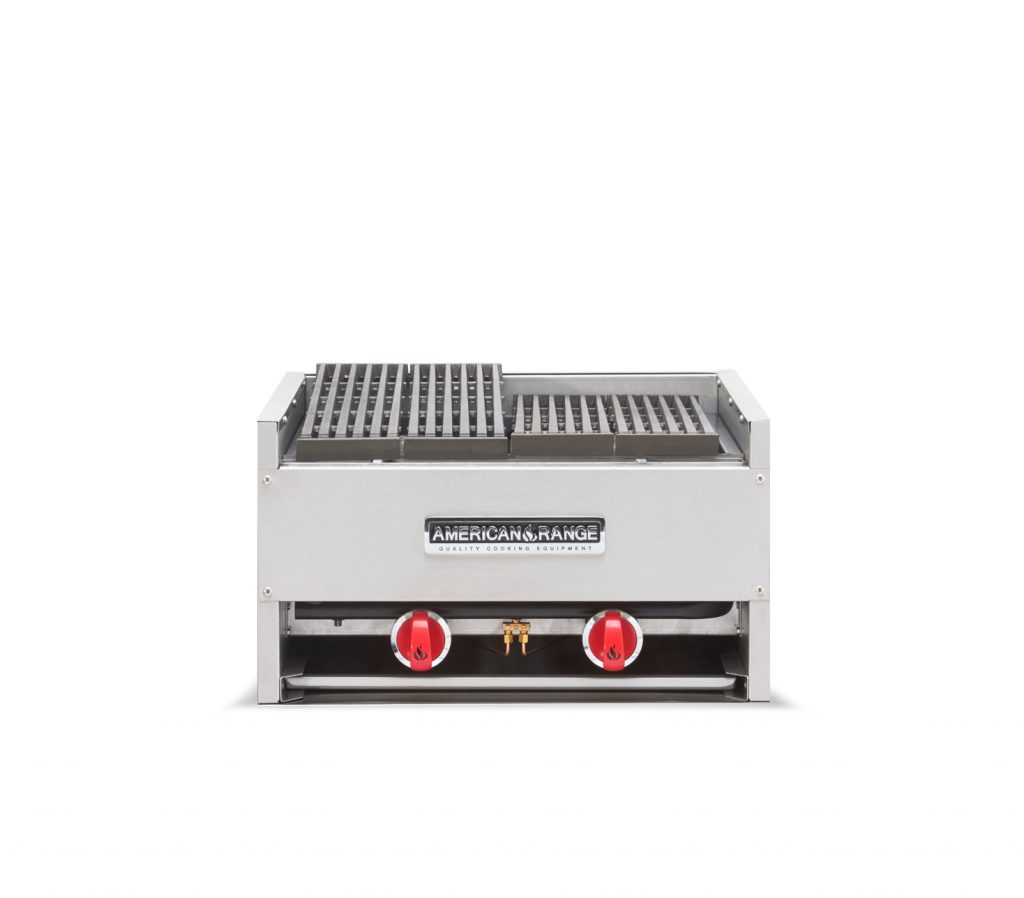
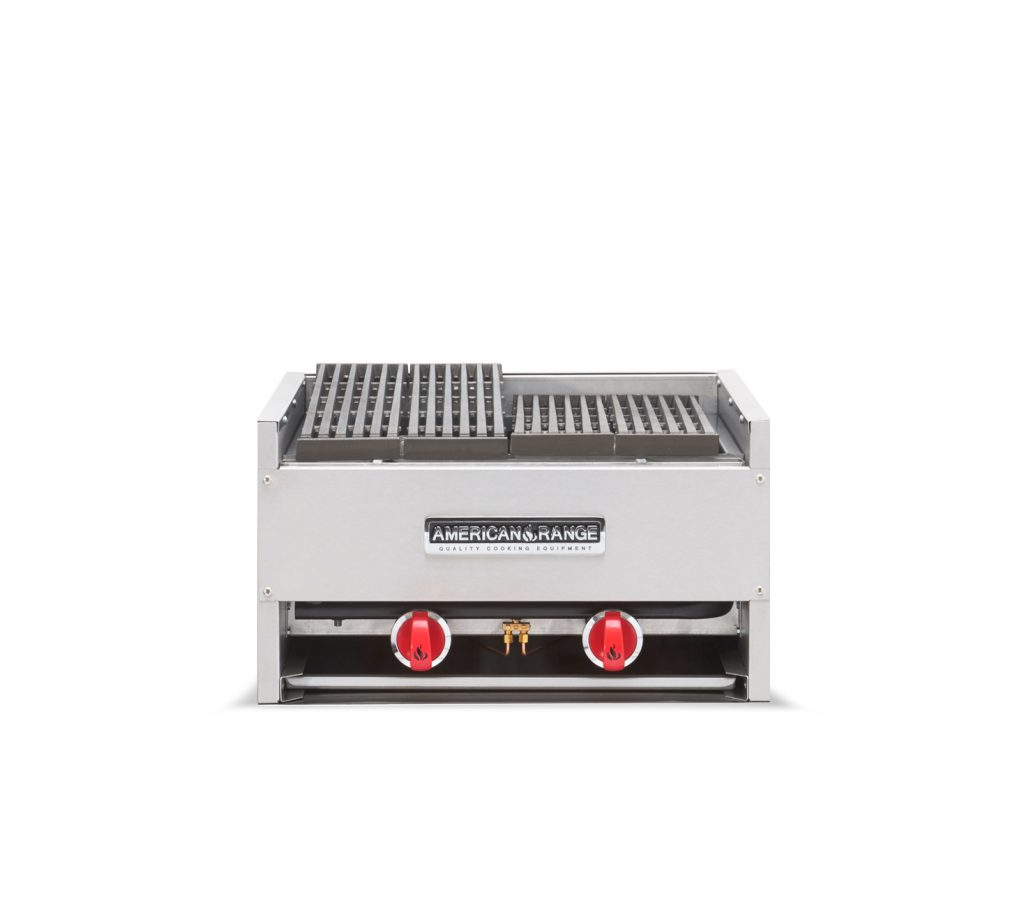
Recently viewed
What to Know Before Buying a Commercial Broiler
Helpful guides
FAQs About Broilers
What is a commercial broiler used for?
A commercial broiler is used for high-heat cooking tasks such as searing meats, melting cheese, browning dishes, and finishing plates. It provides direct heat from above or below, making it ideal for achieving texture and flavor quickly.
What is the difference between a salamander broiler and a regular broiler?
A salamander broiler is typically used for finishing and top-heating tasks like melting or browning, while standard broilers are designed for continuous cooking of meats and other items. Salamanders offer more flexibility for quick finishing during service.
What is an infrared broiler?
An infrared broiler uses high-intensity radiant heat to reach extremely high temperatures. It is commonly used in steakhouses because it allows for fast searing and helps lock in juices while creating a crispy outer layer.
Which type of broiler is best for a restaurant?
The best type depends on your menu. Restaurants that need finishing and quick browning often choose salamander broilers, while high-volume kitchens or steakhouses prefer infrared or heavy-duty broilers for consistent, high-heat cooking.
How much heat output should a commercial broiler have?
Heat output varies depending on the model, but higher BTU units are generally better for high-volume kitchens. The key is choosing a broiler that can maintain consistent heat during peak service without losing performance.
Are commercial broilers energy efficient?
Commercial broilers are designed for high heat rather than low energy consumption. However, modern models with efficient burners and better heat distribution can reduce energy waste while maintaining strong performance.
Can a commercial broiler replace a grill?
A broiler can handle some grilling tasks, especially for searing and finishing, but it does not fully replace a traditional grill. Many kitchens use both to achieve different textures and cooking results.