
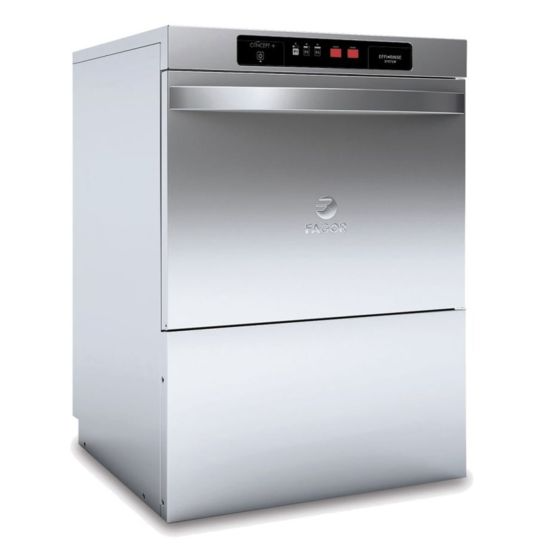
A commercial dishwasher is a critical piece of equipment in any restaurant, bar, café, hotel, or foodservice operation where speed, sanitation, and efficiency are non-negotiable. Unlike residential units, commercial dishwashers are engineered for high-volume washing cycles, rapid turnaround times, and strict health code compliance. The right machine helps maintain workflow during peak hours while reducing labor costs and ensuring consistent sanitization.
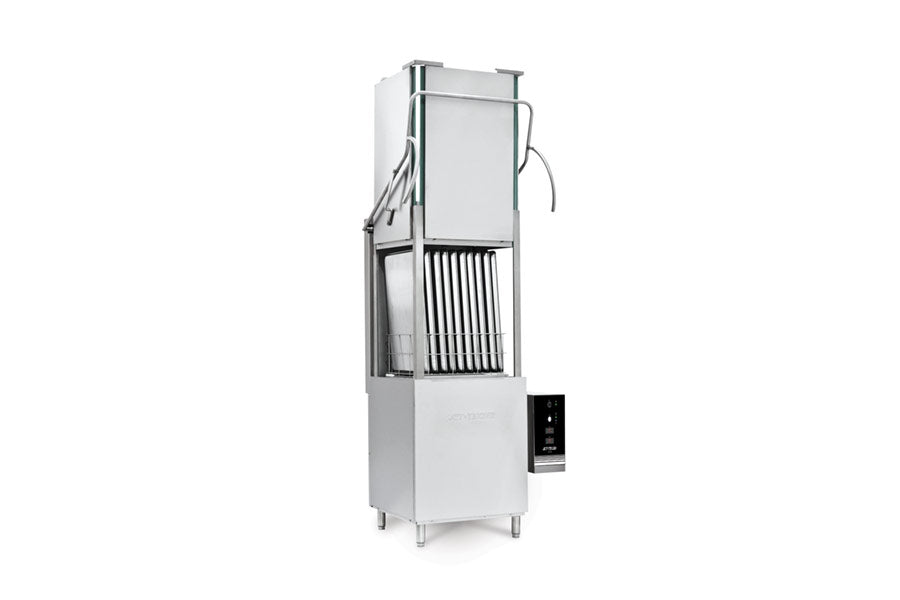
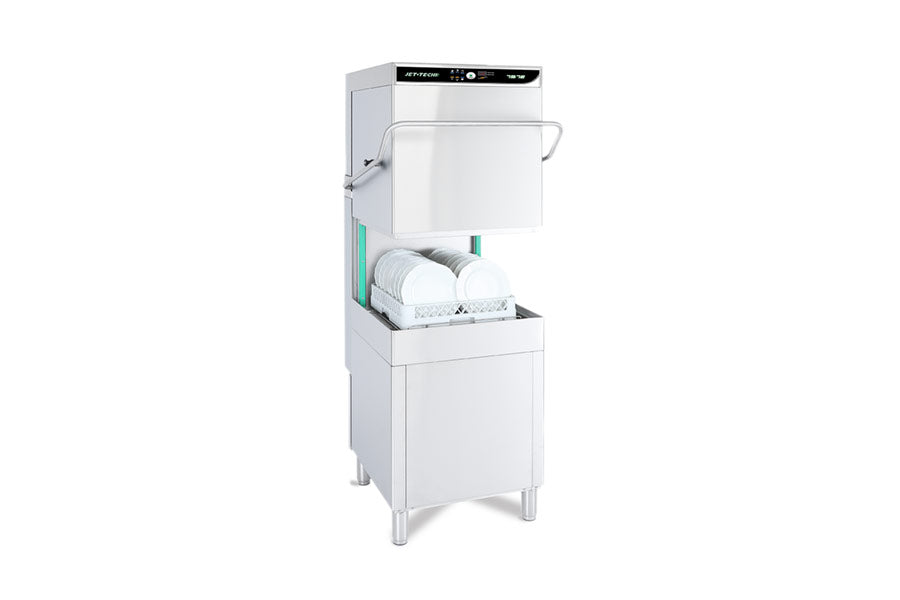
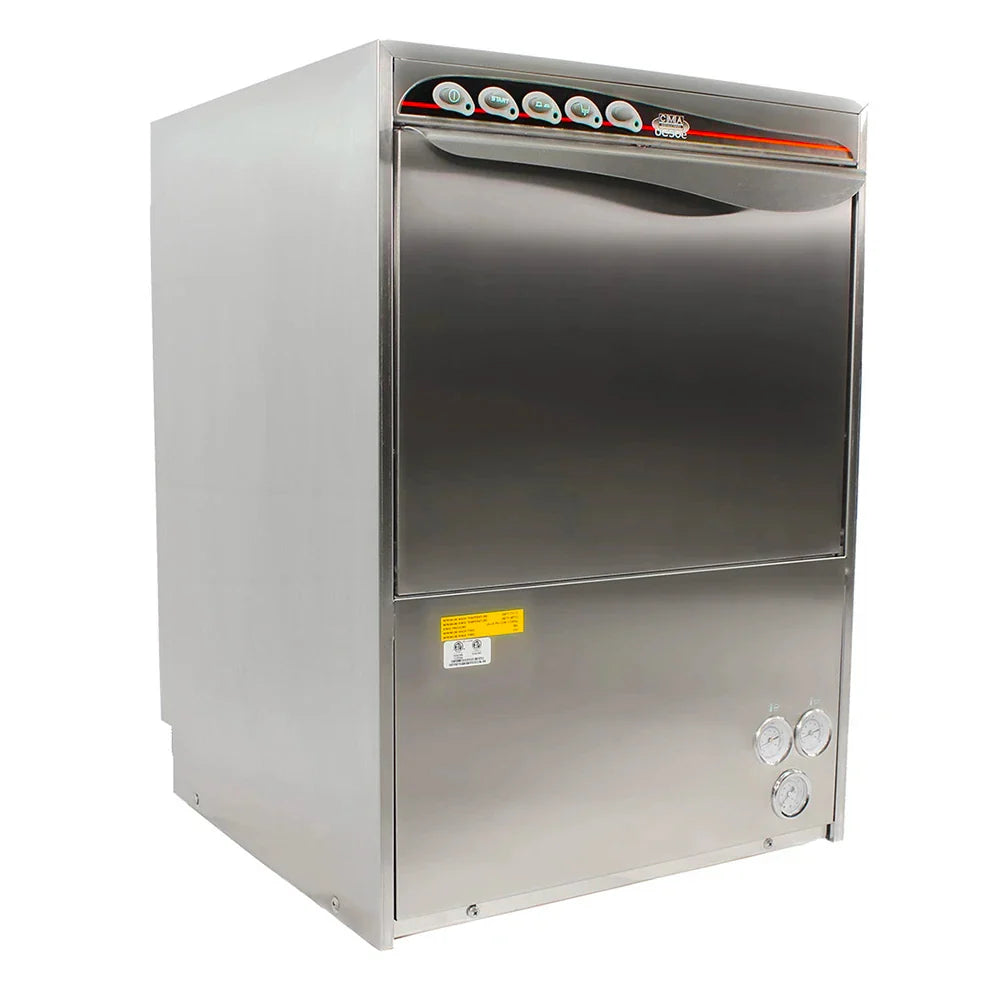
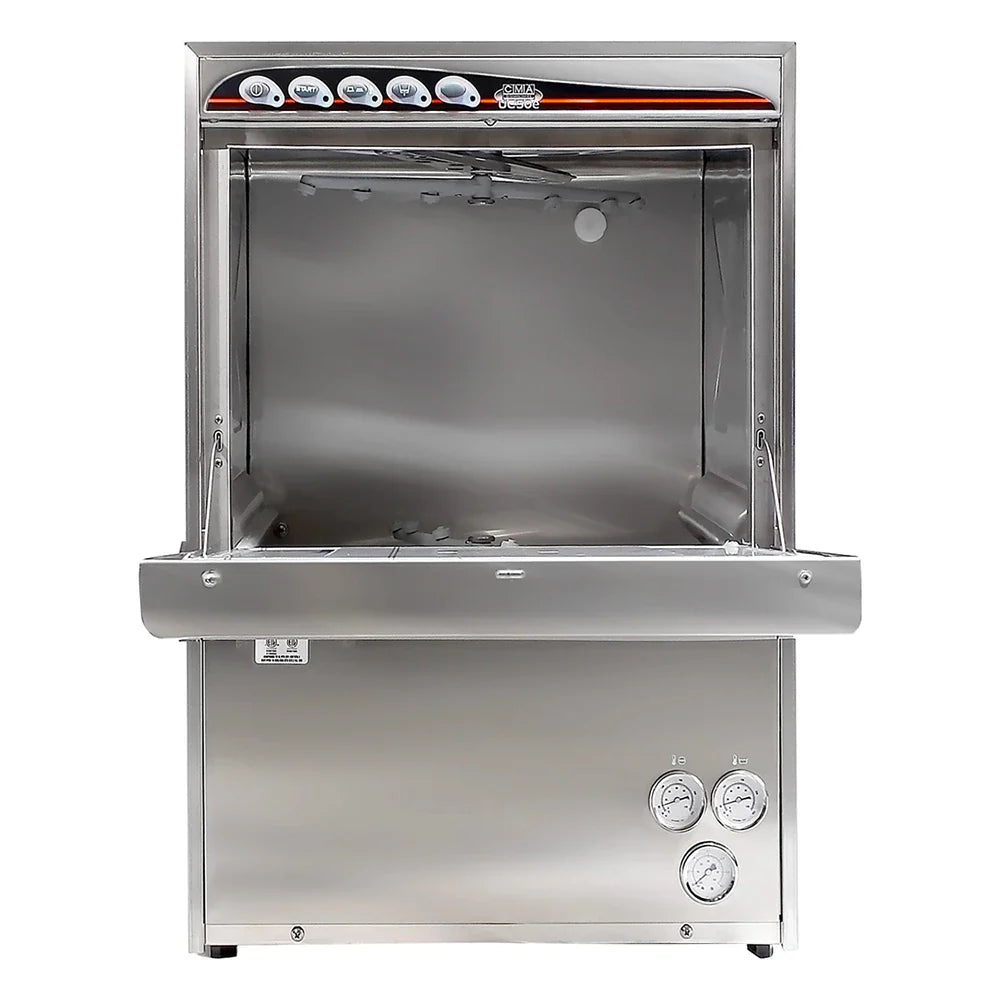
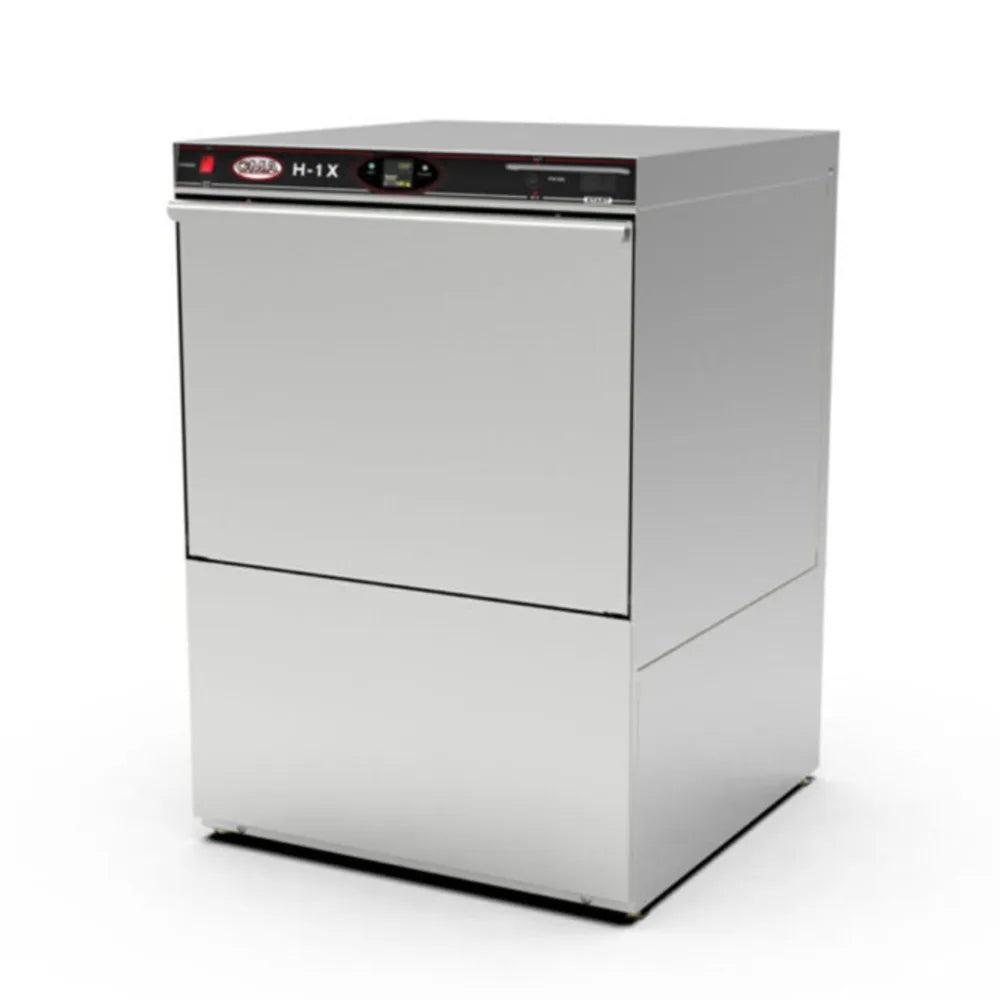
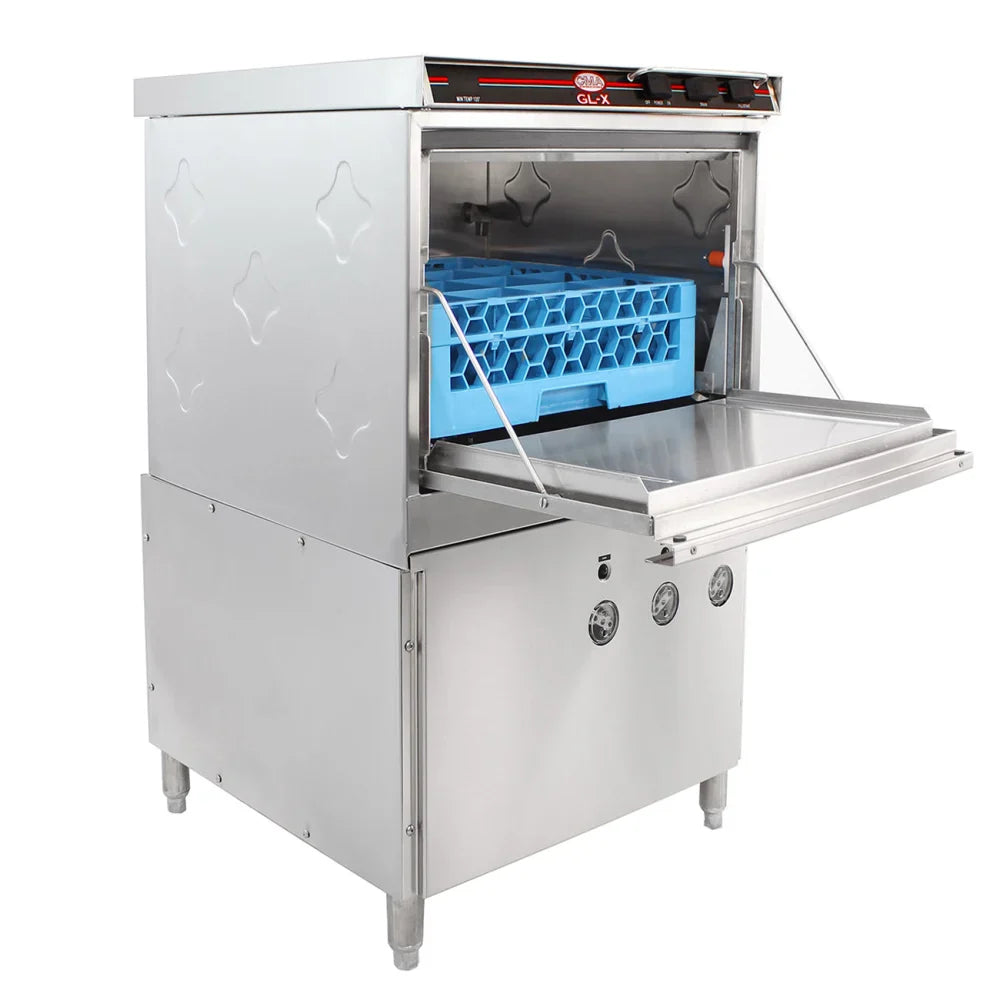
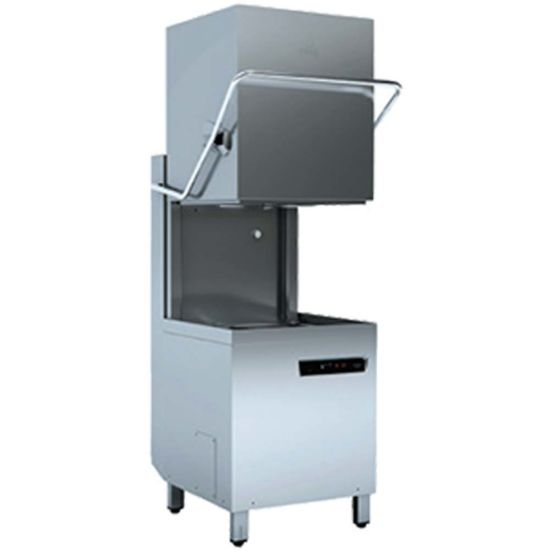
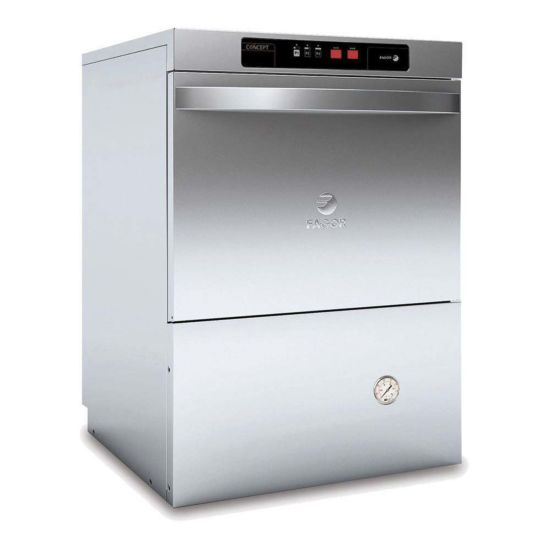
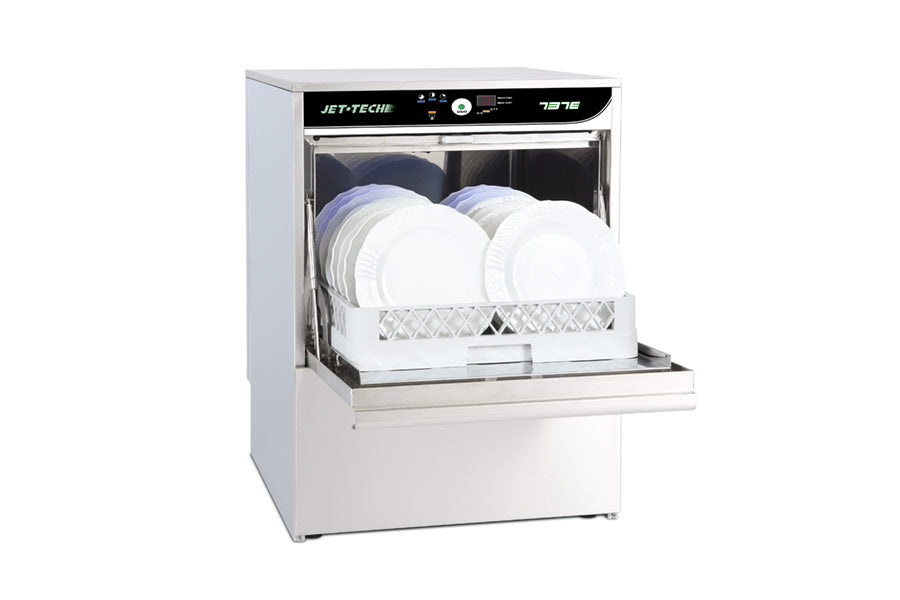
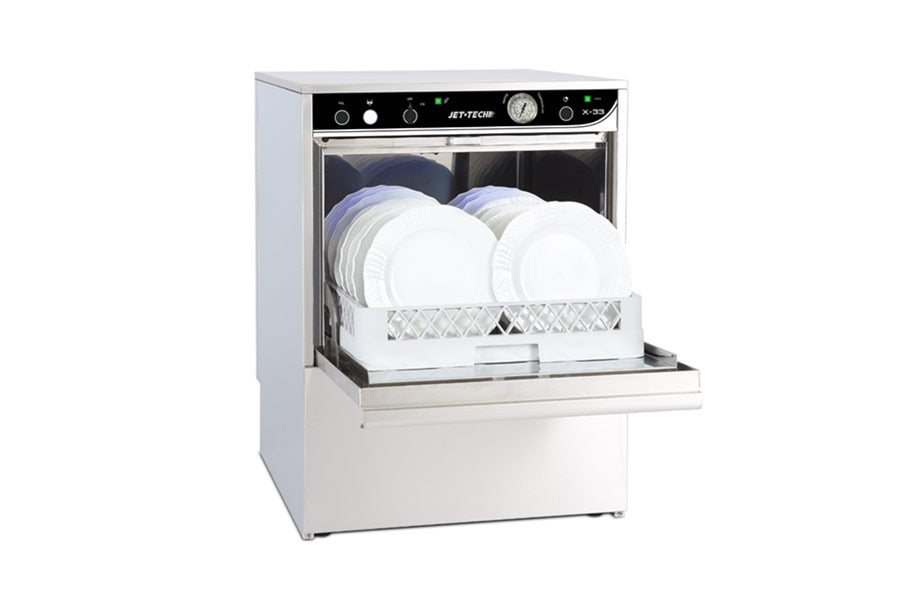
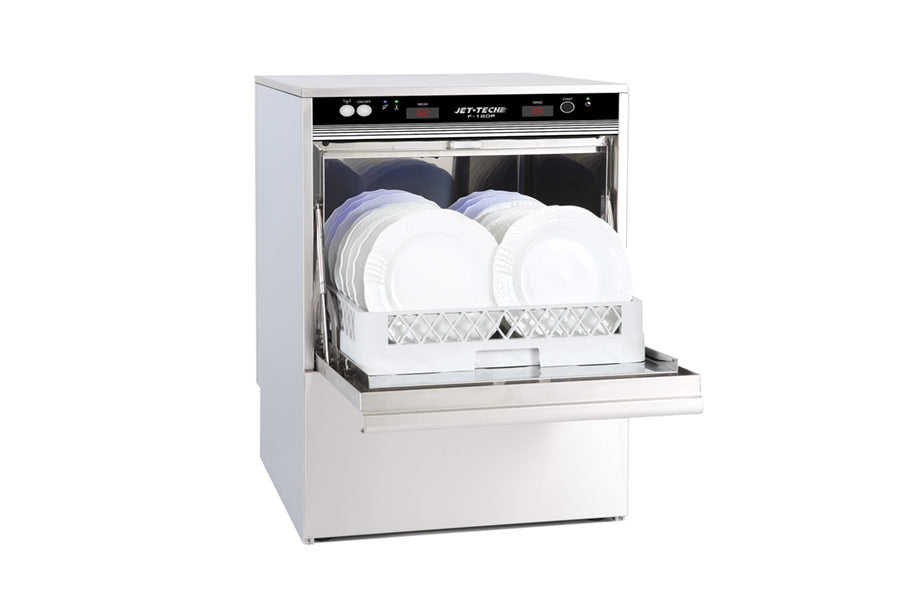
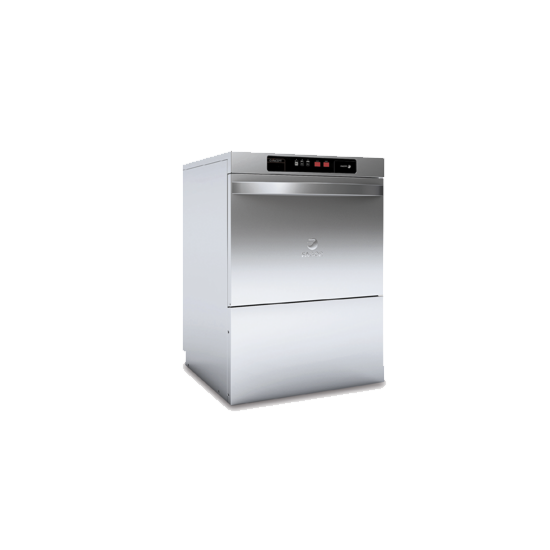
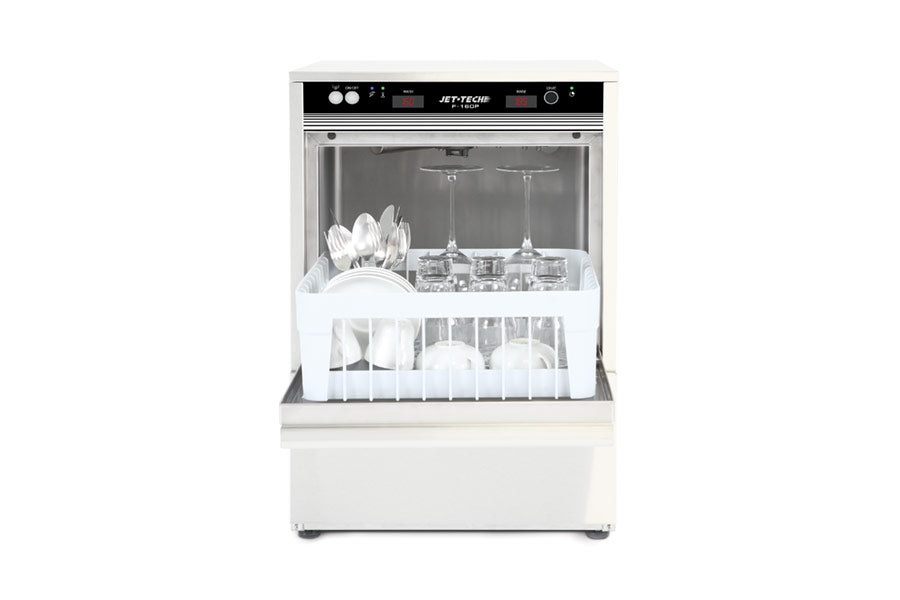
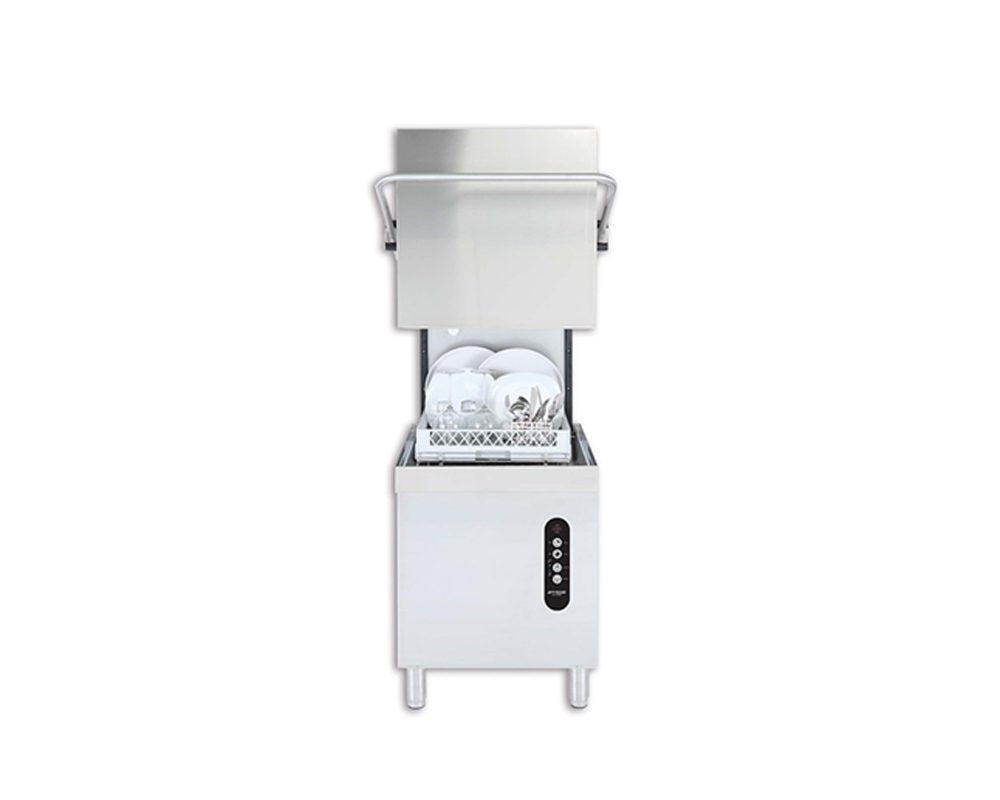
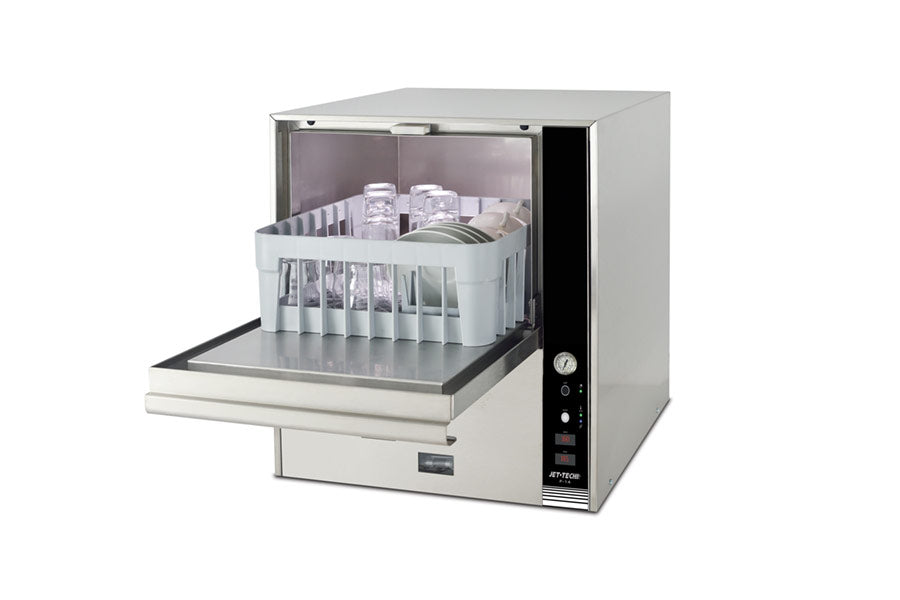
Commercial dishwashers are available in multiple configurations, including undercounter models, door-type (high-temp and low-temp) units, conveyor dishwashers, and flight-type systems for large-scale operations. Undercounter units are ideal for small kitchens and bars with limited space, while door-type and conveyor models are built for high-capacity restaurants with continuous dish flow. High-temperature models sanitize using hot water, whereas low-temperature units rely on chemical sanitizers—each suited to different operational requirements.
When selecting a commercial dishwasher, it’s important to evaluate water temperature requirements, electrical specifications, ventilation needs, cycle time, rack capacity, and long-term operating costs. Energy-efficient and water-saving models can significantly reduce utility expenses over time. Choosing the right dishwasher ensures smoother kitchen operations, faster table turnover, and full compliance with local health regulations.
Show less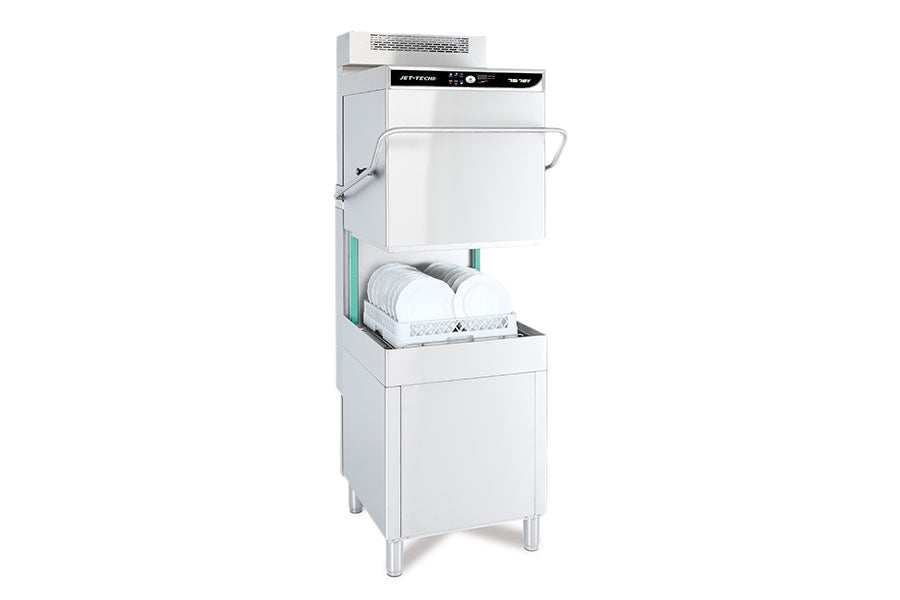
Free Shipping
Free Shipping
Free Shipping
Free Shipping
Free Shipping
Free Shipping


Recently viewed
F.A.Q. About Commercial Dishwashers
A commercial dishwasher operates in rapid wash cycles designed for high-volume foodservice environments. Unlike residential machines, commercial units clean and sanitize dishes in as little as 1–3 minutes per rack.
The basic process includes:
- Pre-rinse – Food debris is removed manually or with a pre-rinse spray valve.
- Wash cycle – Hot water mixed with detergent is sprayed at high pressure.
- Rinse cycle – Clean water rinses off detergent and residue.
- Sanitizing stage – Either high-temperature water (180°F final rinse) or chemical sanitizer is used to meet health code standards.
The machine then automatically drains and prepares for the next cycle, allowing continuous operation during peak service hours.
Yes. Commercial dishwashers require professional-grade detergents specifically formulated for high-temperature and high-pressure systems.
Most units use:
- Liquid commercial detergent
- Rinse aid (to prevent spotting and improve drying)
- Chemical sanitizer (for low-temperature machines)
These chemicals are typically dispensed automatically through built-in chemical pumps. Residential detergents should never be used, as they are not formulated for commercial equipment and may cause damage or poor sanitation performance.
Temperature depends on whether the unit is high-temp or low-temp.
High-temperature dishwashers:
- Wash cycle: 150°F – 160°F
- Final rinse: Minimum 180°F (required for sanitization)
Low-temperature dishwashers:
- Wash cycle: 120°F – 140°F
- Sanitization achieved using chemical disinfectant instead of extreme heat
Local health codes typically require a final rinse temperature of at least 180°F for high-temp machines to ensure proper sanitization.
The price of a commercial dishwasher varies based on capacity, configuration, and sanitizing method.
Typical price ranges:
- Undercounter units: $2,000 – $6,000
- Door-type (high-temp or low-temp): $5,000 – $15,000
- Conveyor dishwashers: $15,000 – $40,000+
- Flight-type systems: $40,000 and above
Installation costs, booster heaters, ventilation systems, and plumbing upgrades can significantly increase total project cost.
Water consumption depends on machine type and efficiency rating.
Typical usage per rack:
- Undercounter models: 0.7 – 1.5 gallons per rack
- Door-type machines: 0.8 – 2 gallons per rack
- Conveyor machines: Variable, depending on speed and size
Modern Energy Star certified dishwashers use significantly less water compared to older models, reducing both utility costs and environmental impact.
Routine maintenance is essential for performance and health code compliance.
Recommended cleaning schedule:
- Daily: Clean scrap trays, filters, and interior surfaces.
- Weekly: Inspect spray arms and delime if necessary.
- Monthly (or as needed): Deep clean and remove mineral buildup, especially in hard water areas.
Failure to clean regularly can lead to poor wash results, unpleasant odors, scale buildup, and costly equipment damage.