


Commercial Refrigerator Maintenance Checklist for Restaurants
Commercial display refrigerators are one of the most important investments for any retail food business. Whether you run a grocery store, convenience store, deli, or supermarket, the way you present cold products directly impacts customer behavior and sales. A well-designed display refrigerator does more than keep products cold, it turns everyday items into visible, accessible, and impulse-driven purchases.At Atlantic, we offer a wide range of commercial display refrigerators and freezers built for high-traffic retail environments. From glass door merchandiser refrigerators to open-air display units and grab-and-go coolers, every unit is designed to combine consistent temperature performance with maximum product visibility. These systems are ideal for beverages, packaged foods, dairy, desserts, and ready-to-eat items that need to stay fresh while remaining front-facing to customers.Choosing the right display refrigeration system depends on your store layout, product type, and customer flow. Convenience stores often prioritize vertical glass door refrigerators for drinks and quick access items, while grocery stores and supermarkets may rely on multi-door units or open display cases to showcase a broader range of products. Freezer display units, on the other hand, are essential for frozen foods and impulse buys like ice cream, especially near checkout areas.Energy efficiency and durability are also key considerations. Commercial display refrigerators operate continuously, so reliable compressors, proper insulation, and efficient airflow design play a critical role in long-term operating costs. Many modern units also include LED lighting and anti-fog glass doors to enhance product visibility while reducing energy consumption.At Atlantic, we focus on providing equipment that balances performance, reliability, and real-world usability. Whether you are opening a new store or upgrading your current setup, our commercial display refrigerators and freezers are designed to help you showcase your products better, increase sales, and maintain consistent cooling performance in demanding environments.Read more
Commercial display refrigerators are one of the most important investments for any retail food business. Whether you run a grocery store, convenience store, deli, or supermarket, the way you present cold products directly impacts customer behavior and sales. A well-designed display refrigerator does more than keep products cold, it turns everyday items into visible, accessible, and impulse-driven purchases.
At Atlantic, we offer a wide range of commercial display refrigerators and freezers built for high-traffic retail environments. From glass door merchandiser refrigerators to open-air display units and grab-and-go coolers, every unit is designed to combine consistent temperature performance with maximum product visibility. These systems are ideal for beverages, packaged foods, dairy, desserts, and ready-to-eat items that need to stay fresh while remaining front-facing to customers.
Choosing the right display refrigeration system depends on your store layout, product type, and customer flow. Convenience stores often prioritize vertical glass door refrigerators for drinks and quick access items, while grocery stores and supermarkets may rely on multi-door units or open display cases to showcase a broader range of products. Freezer display units, on the other hand, are essential for frozen foods and impulse buys like ice cream, especially near checkout areas.
Energy efficiency and durability are also key considerations. Commercial display refrigerators operate continuously, so reliable compressors, proper insulation, and efficient airflow design play a critical role in long-term operating costs. Many modern units also include LED lighting and anti-fog glass doors to enhance product visibility while reducing energy consumption.
At Atlantic, we focus on providing equipment that balances performance, reliability, and real-world usability. Whether you are opening a new store or upgrading your current setup, our commercial display refrigerators and freezers are designed to help you showcase your products better, increase sales, and maintain consistent cooling performance in demanding environments.
Show less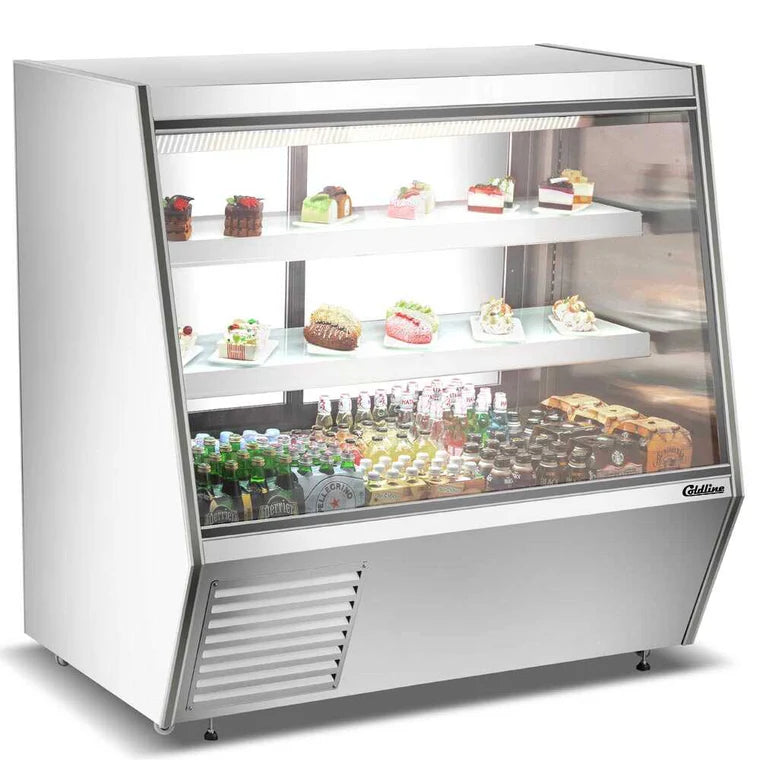
Coldline
Coldline HDL-60 60" Refrigerated Slanted Glass High Meat Deli Case wit...
Sale price$2,895.00
/ Ea. 
Coldline
Coldline SDC72-F 72" Refrigerated Fish Display Case with Ice Bin and D...
Sale price$3,295.00
/ Ea. 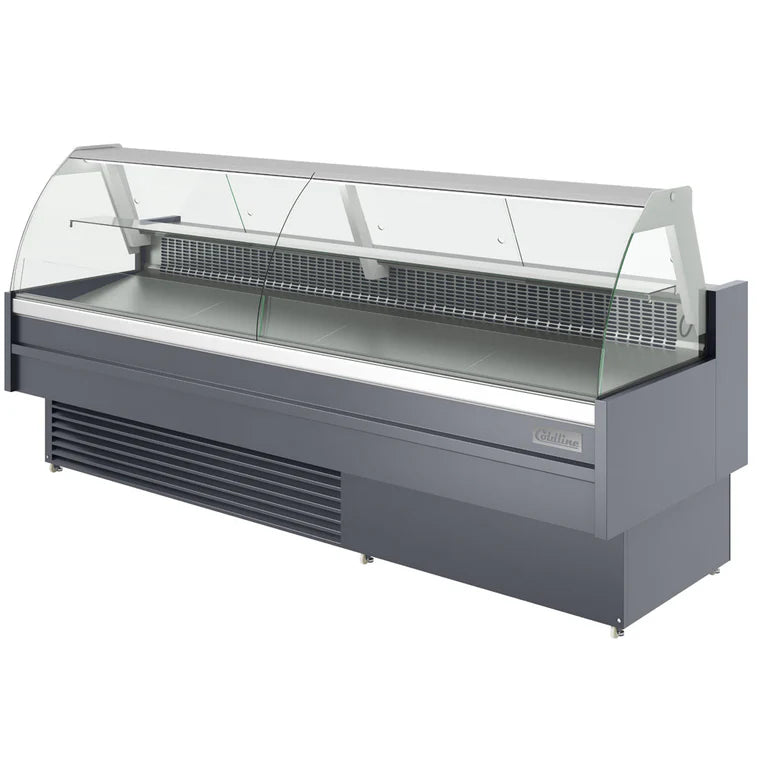
Coldline
Coldline SDC98 98" Refrigerated Curved Glass Meat Deli Case with Rear ...
Sale price$3,795.00
/ Ea. Free Shipping
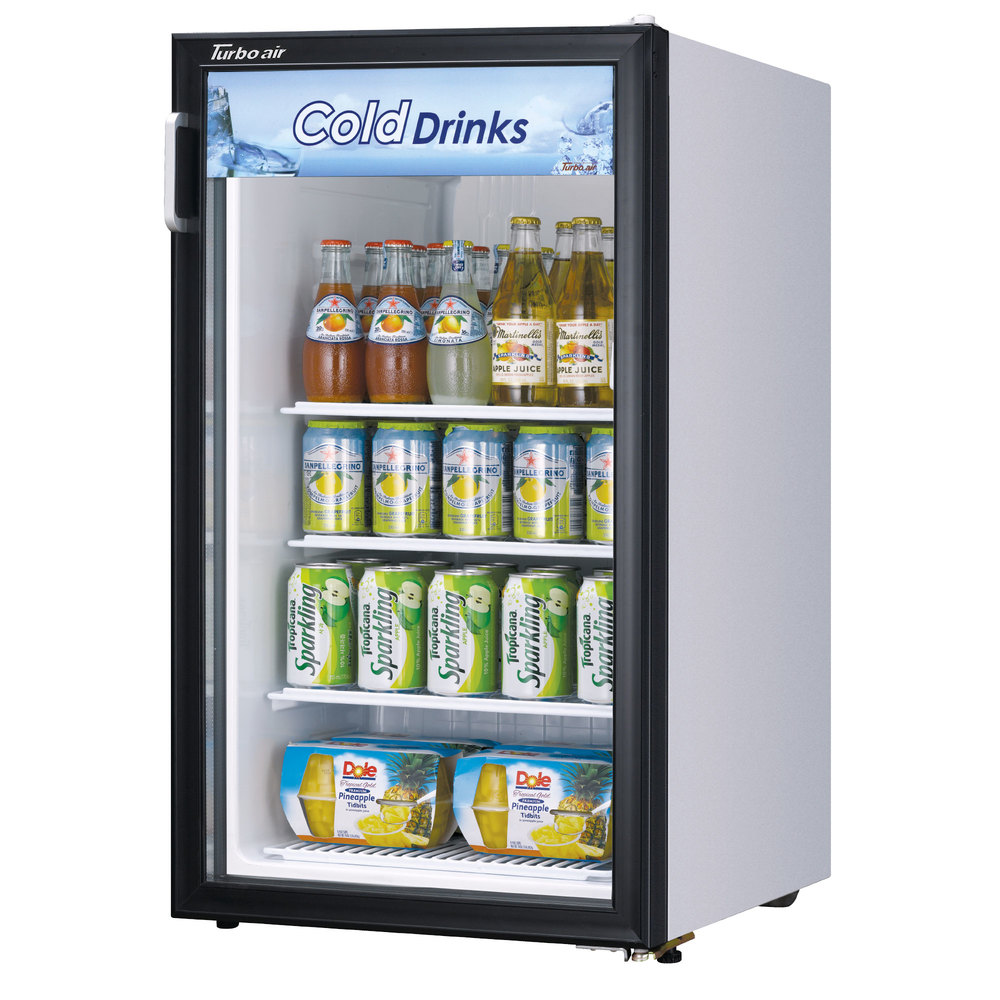
Turbo Air
Turbo Air TGM-5R-N6 Countertop Merchandiser, White Cabinet w/ Black *D...
Sale price$1,096.22
/ Ea. Free Shipping
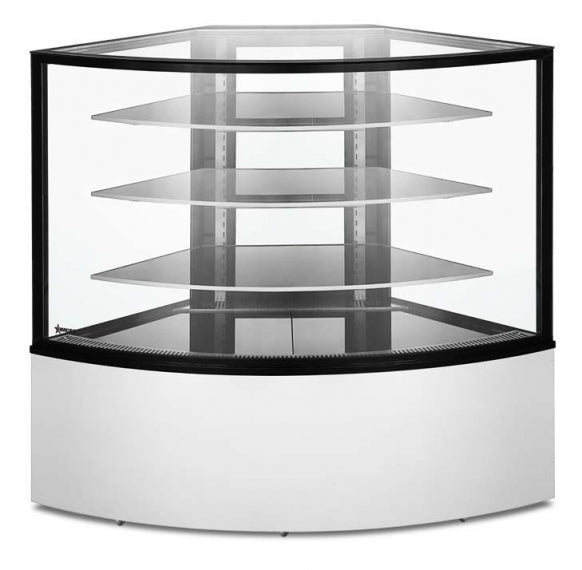
Omcan
Omcan 47708 | RS-CN-0351-C | Corner Refrigerated Bakery Display Case
Sale price$2,737.49
/ Ea. 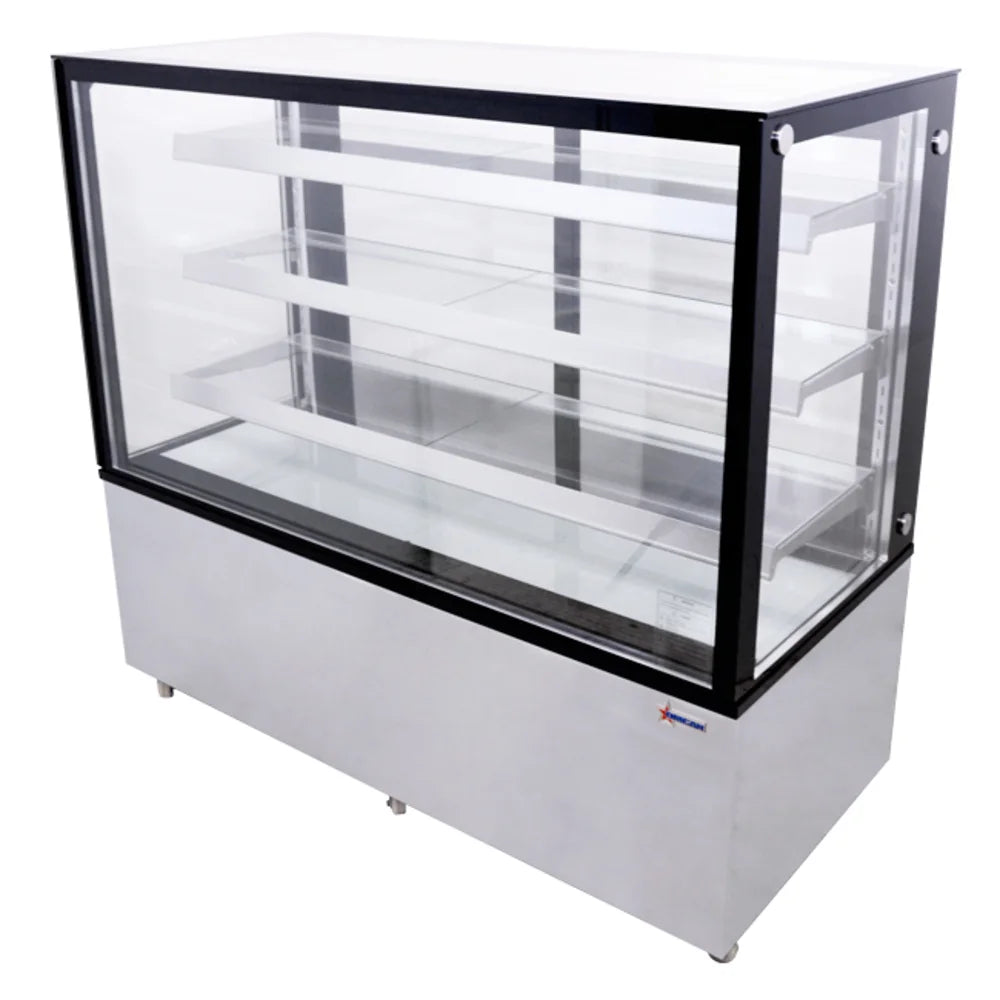
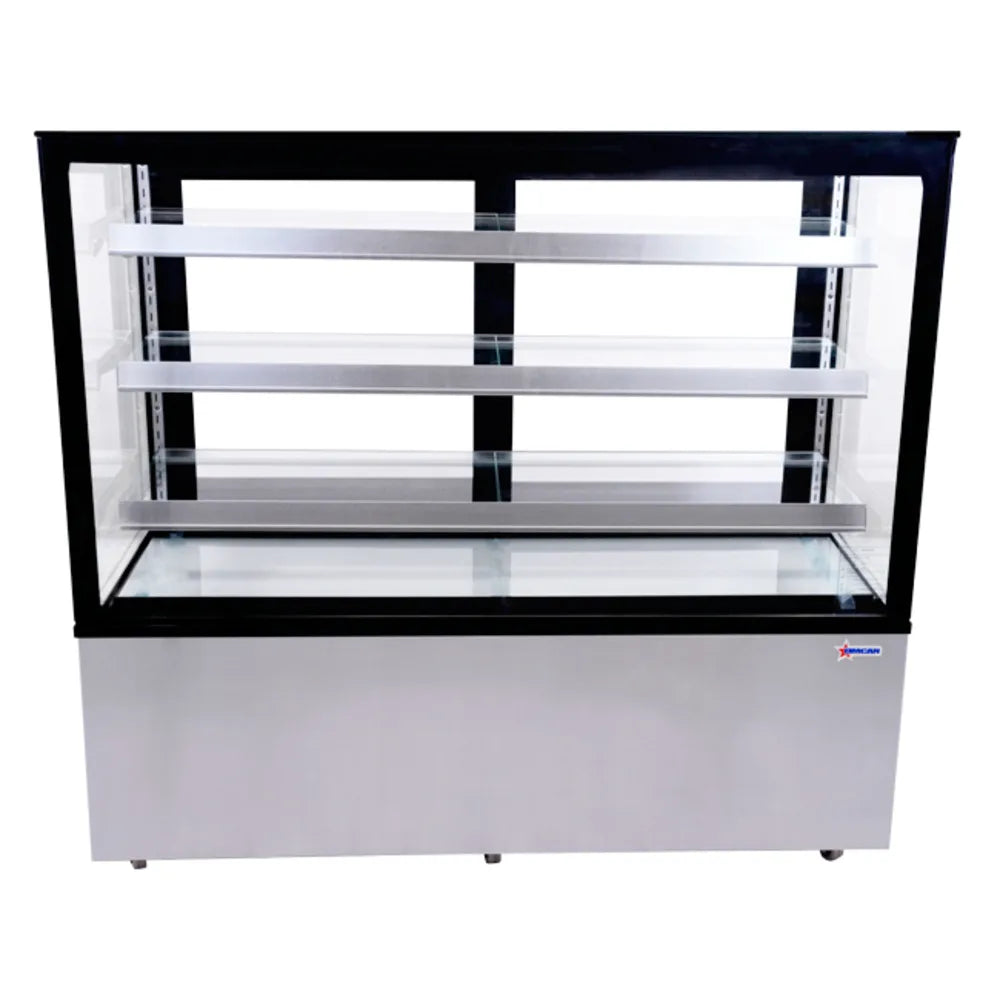
Omcan
Omcan 44384 60" Full Service Bakery Display Case w/ Straight Glass - ...
Sale price$3,678.96
/ Ea. 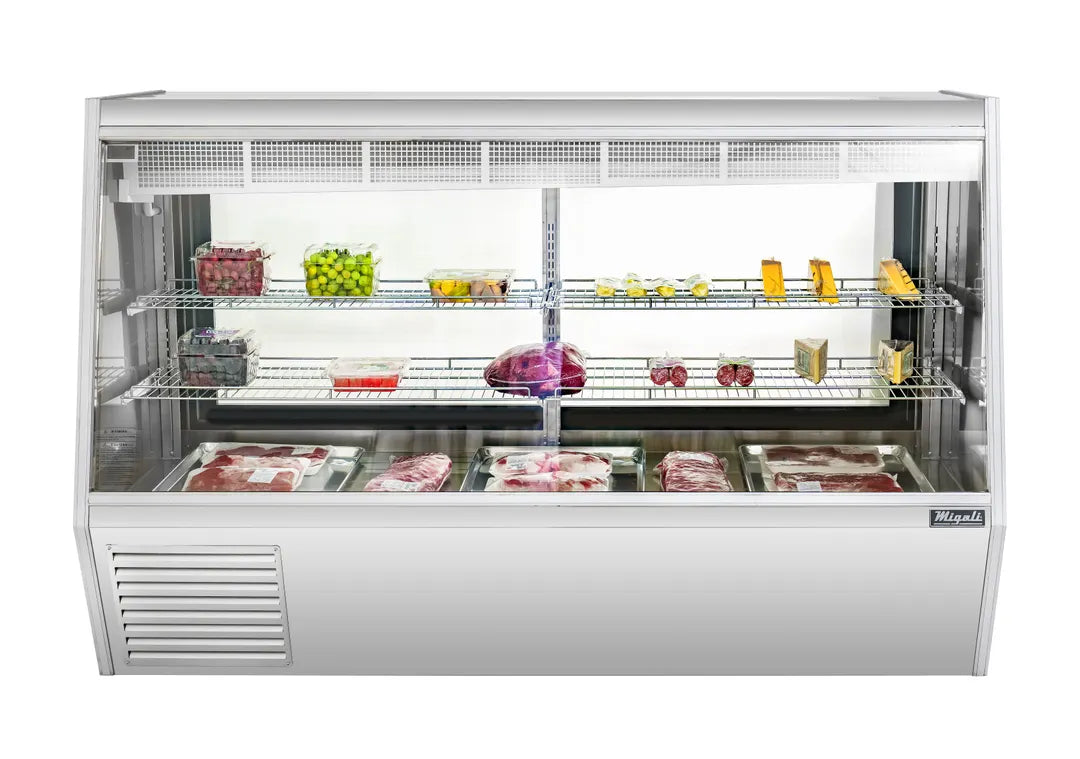
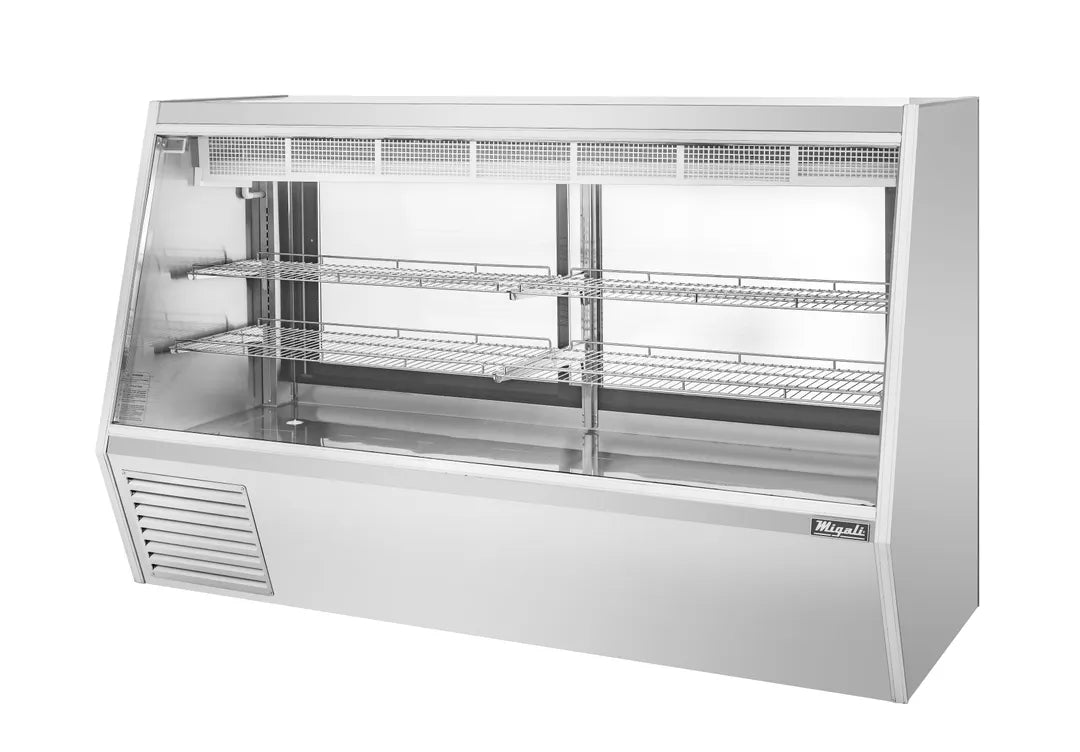
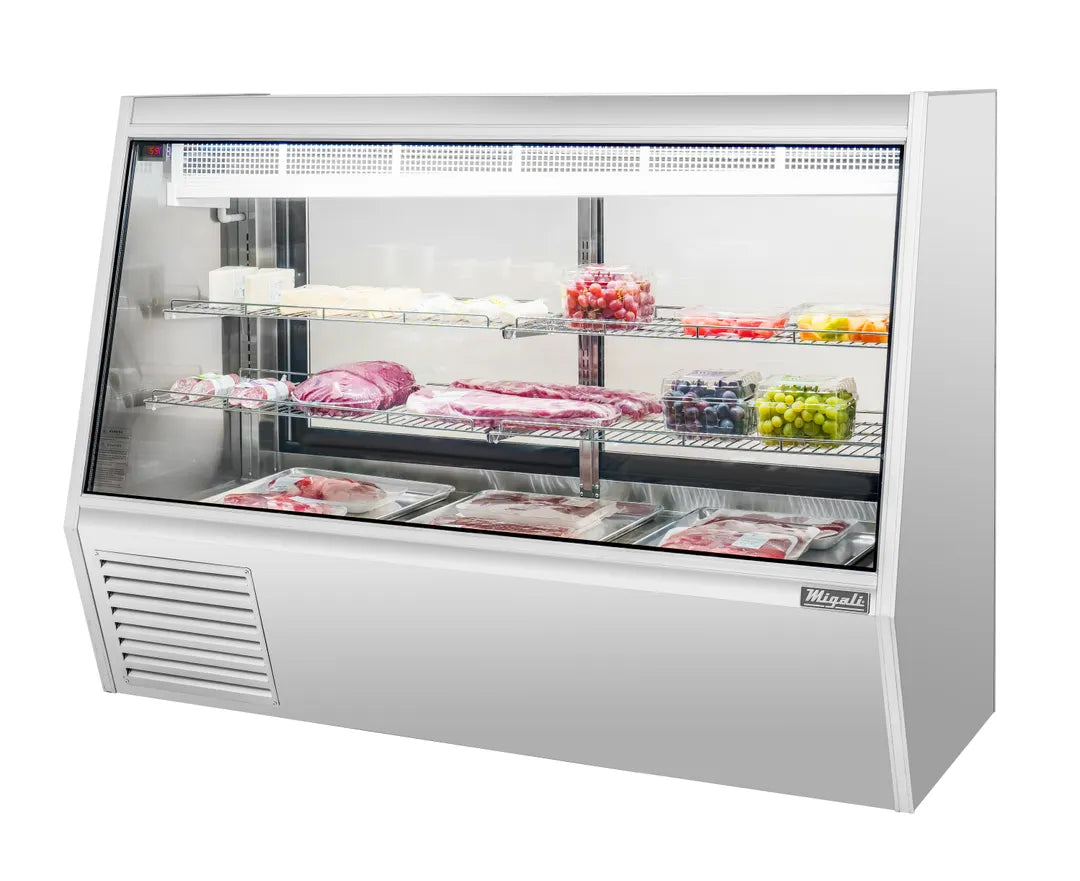
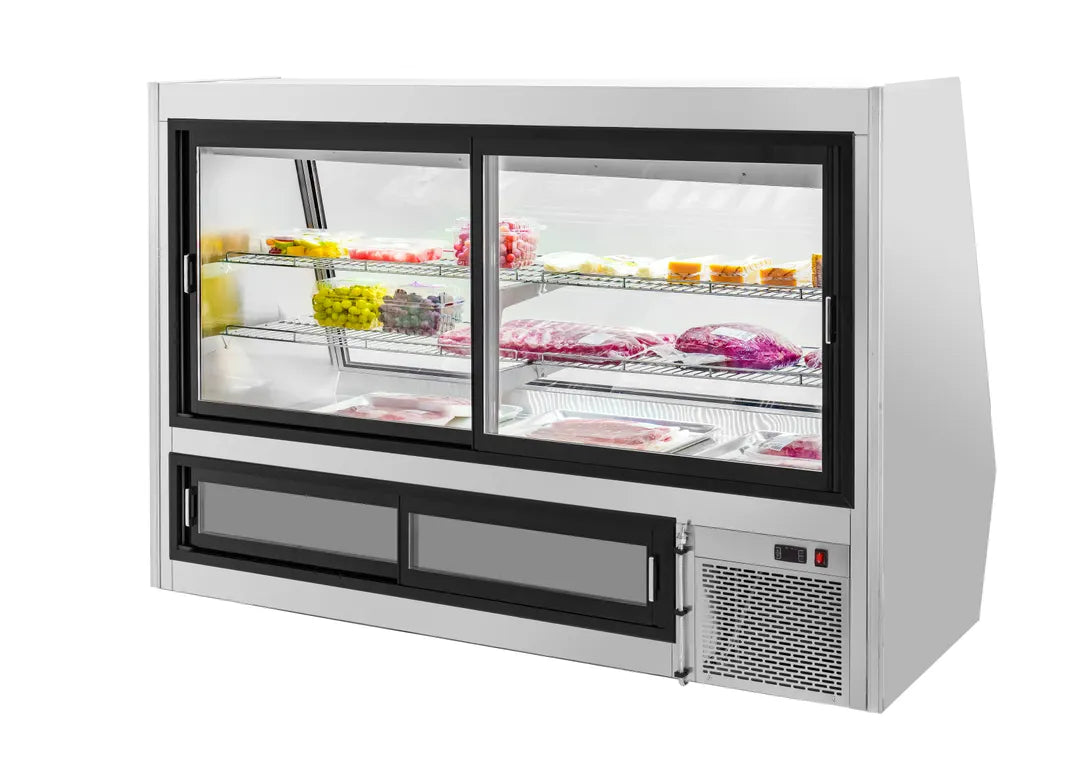
Migali
6 Foot Interchangeable Meat/Fish/Deli Case, Flat Glass Front NEW C-DS-...
Sale price$8,580.00
/ Ea. 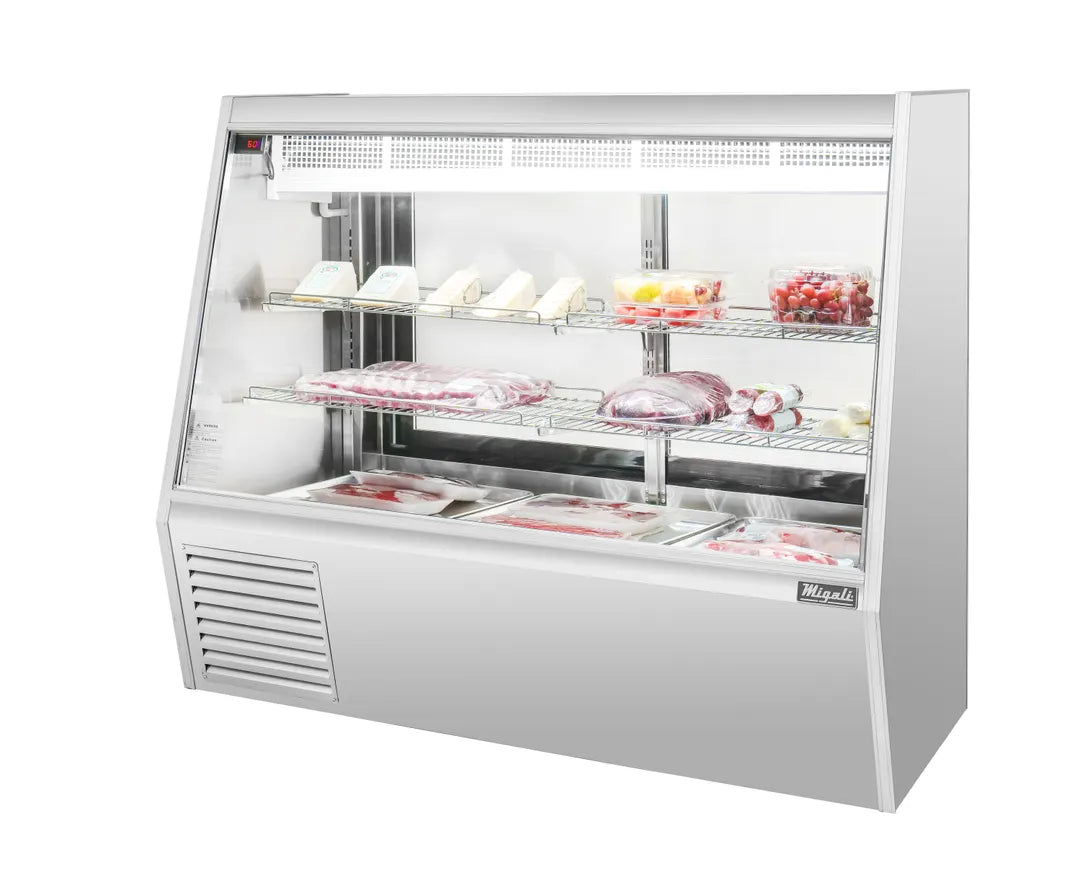
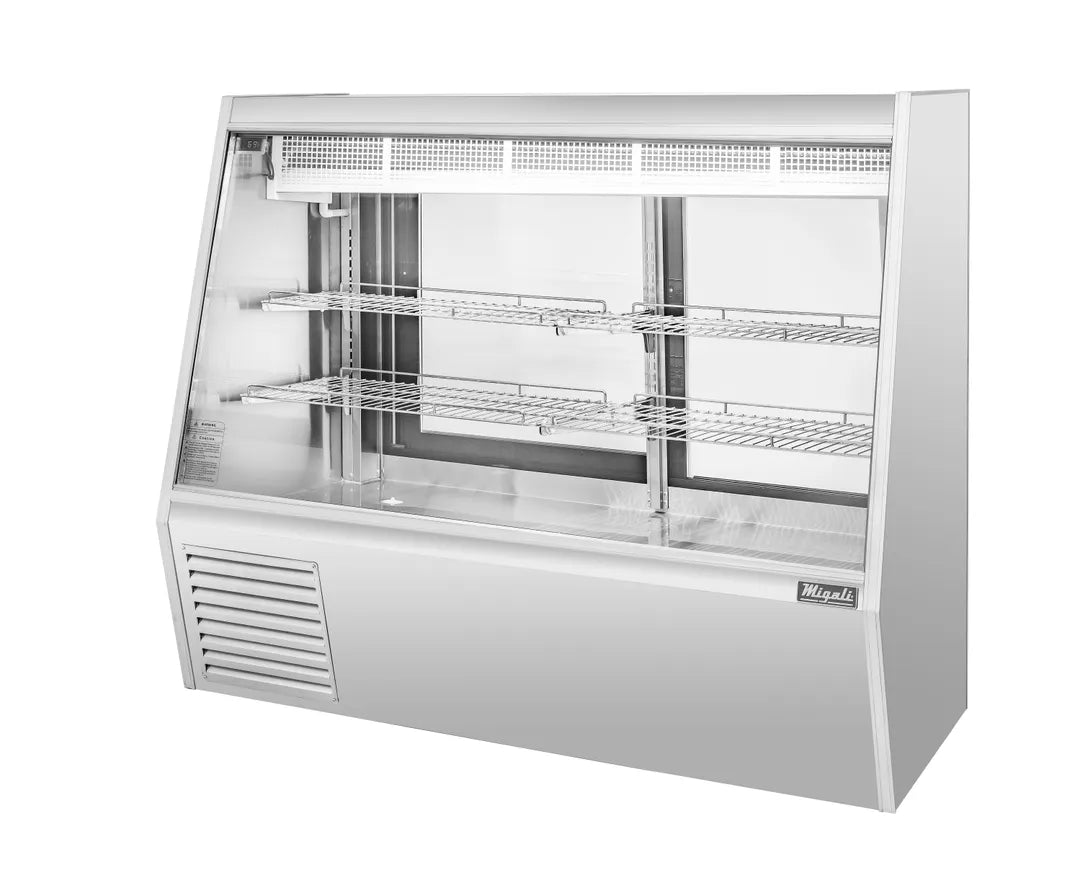
Migali
5 Foot Interchangeable Meat/Fish/Deli Case, Flat Glass Front C-DS-5
Sale price$7,193.00
/ Ea. 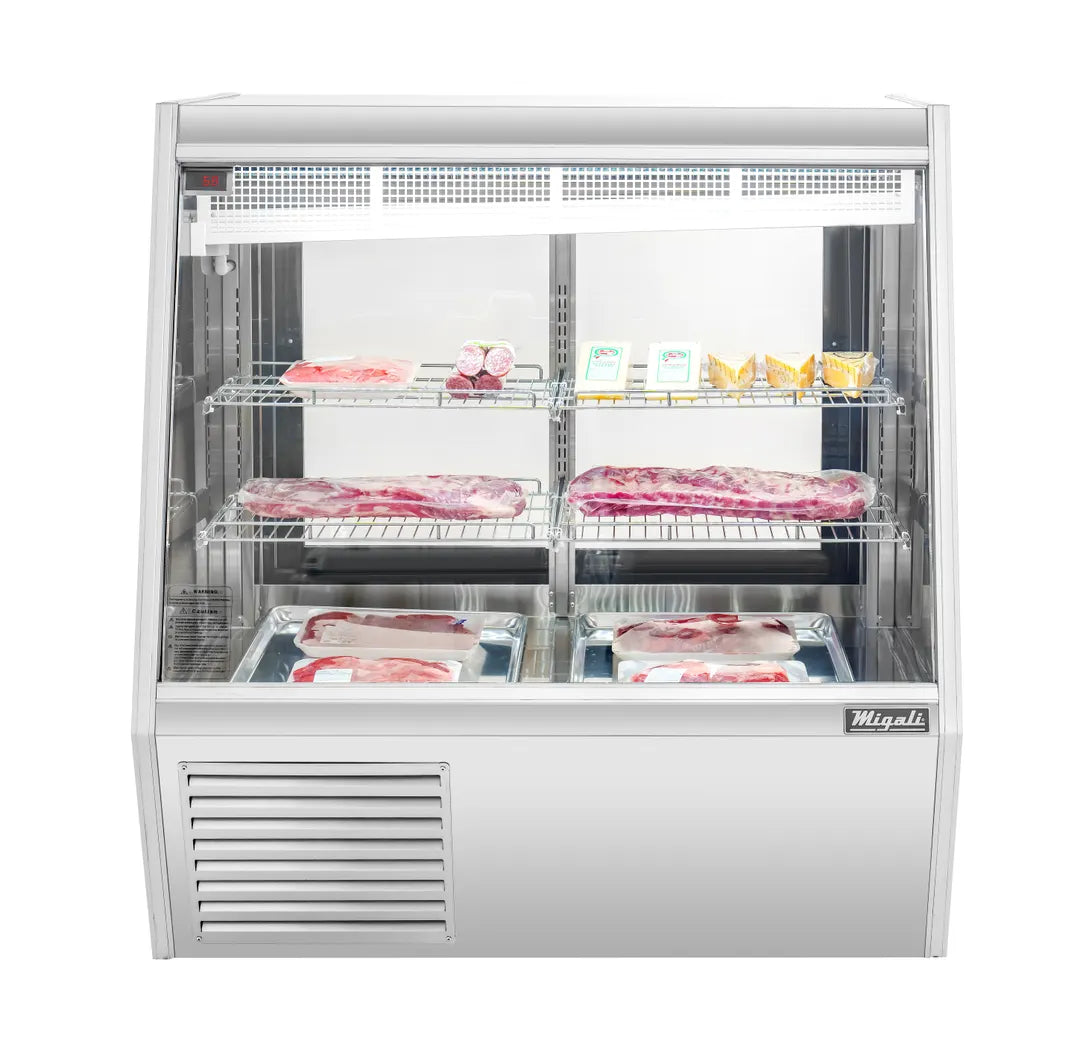
Migali
4 Foot Interchangeable Meat/Fish/Deli Case, Flat Glass Front C-DS-4
Sale price$6,145.00
/ Ea. 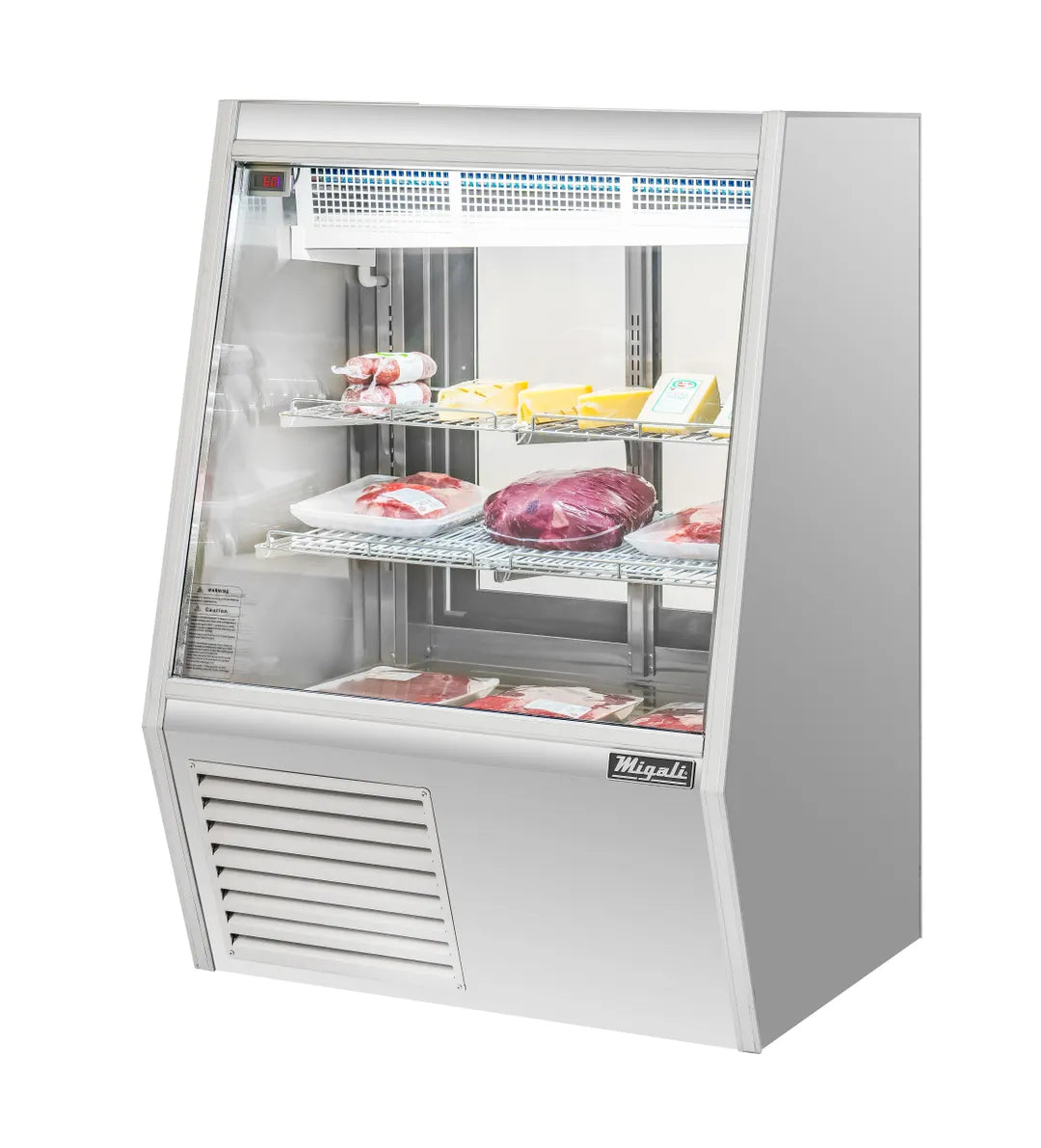
Migali
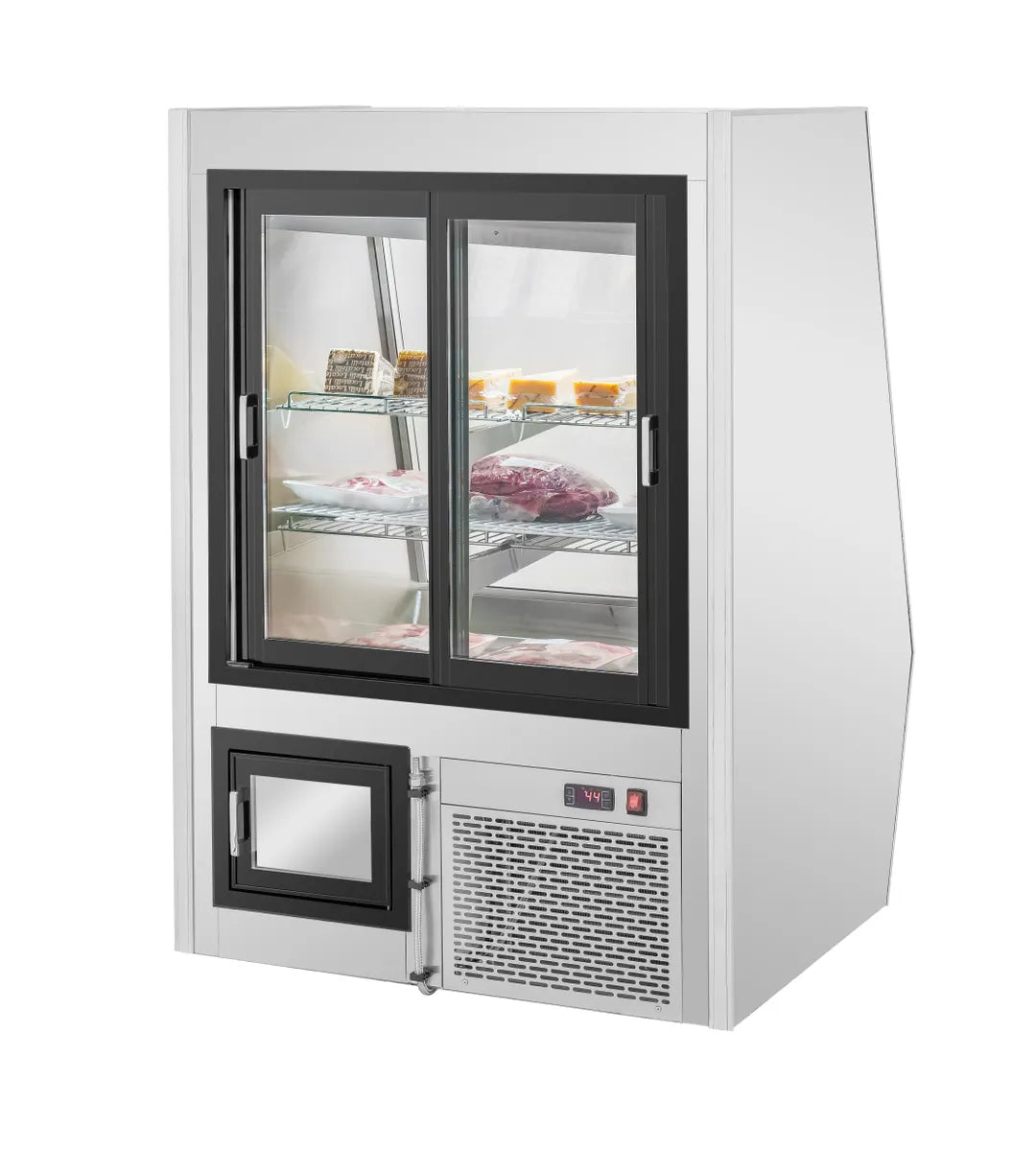
3 Foot Interchangeable Meat/Fish/Deli Case, Flat Glass Front C-DS-3
Sale price$5,864.00
/ Ea. 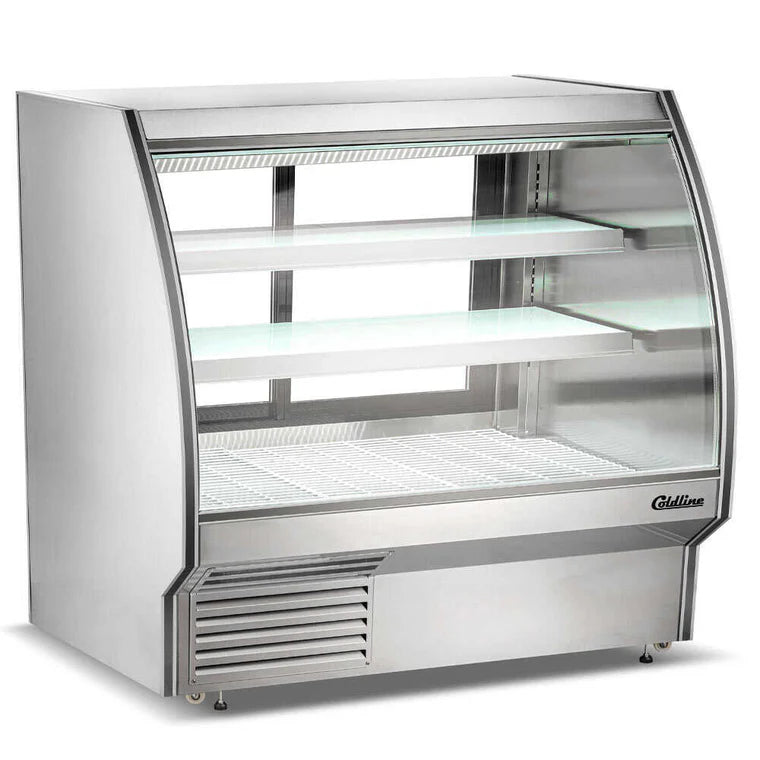
Coldline
Coldline HDC-72 72" Refrigerated Curved Glass High Meat Deli Case with...
Sale price$3,495.00
/ Ea. 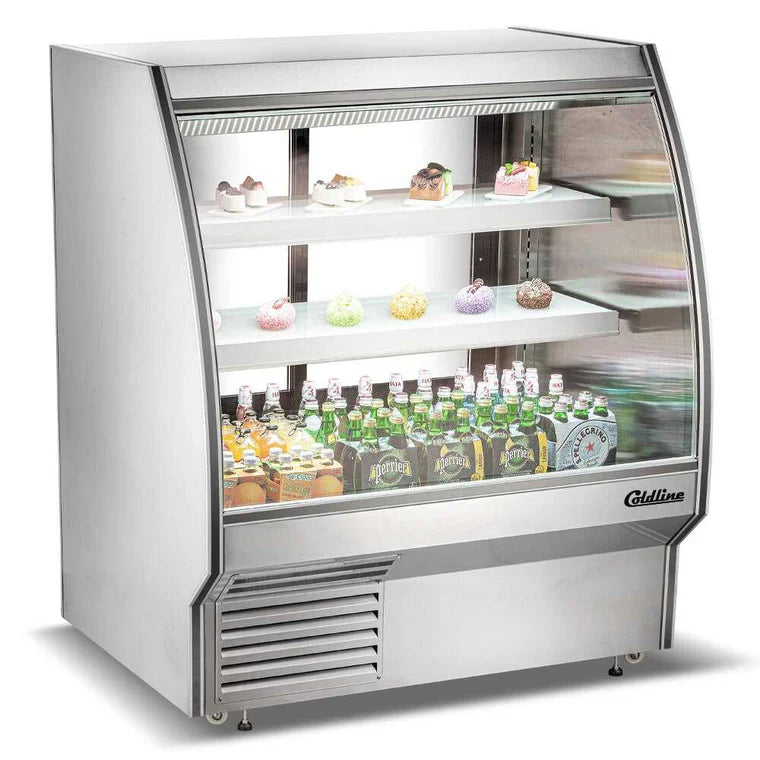
Coldline
Coldline HDC-48 48" Refrigerated Curved Glass High Meat Deli Case with...
Sale price$2,595.00
/ Ea. 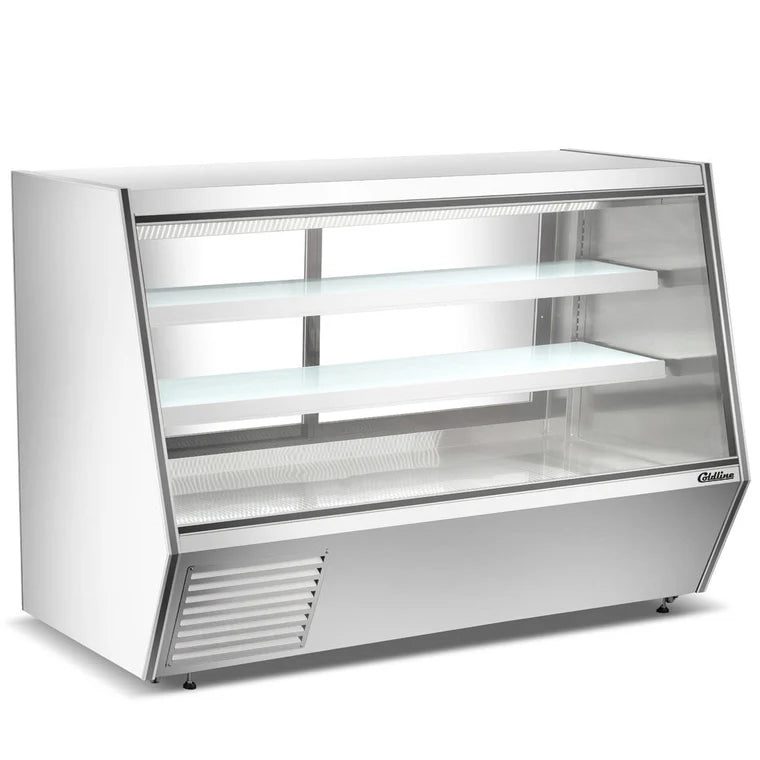
Coldline
Coldline HDL-84 84" Refrigerated Slanted Glass High Meat Deli Case wit...
Sale price$3,695.00
/ Ea. 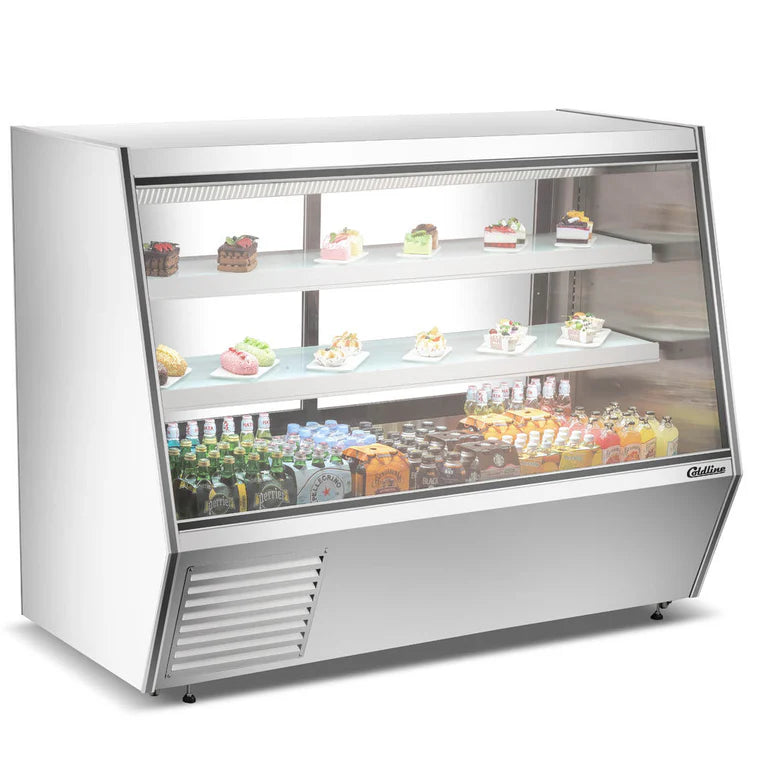
Coldline
Coldline HDL-72 72" Refrigerated Slanted Glass High Meat Deli Case wit...
Sale price$3,249.00
/ Ea. 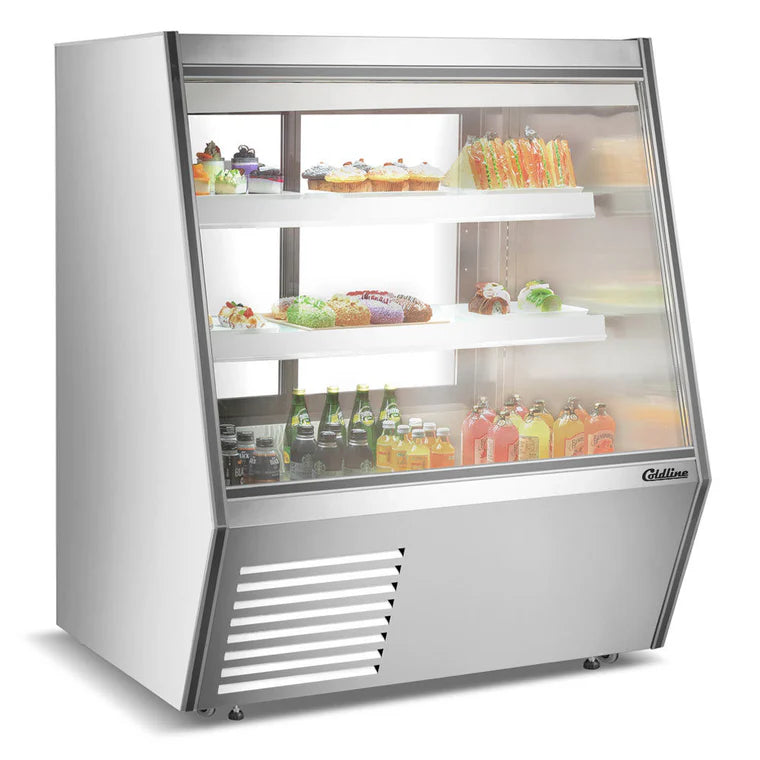
Coldline
Coldline HDL-48 48" Refrigerated Slanted Glass High Meat Deli Case wit...
Sale price$2,295.00
/ Ea. 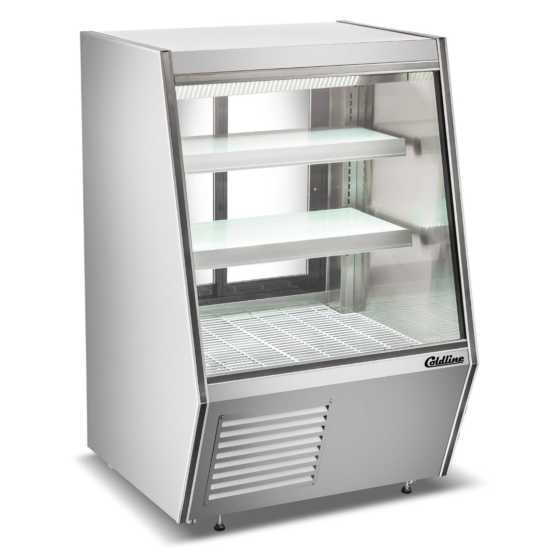
Coldline
Coldline HDL-36 36" Refrigerated Slanted Glass High Meat Deli Case wit...
Sale price$2,697.50
/ Ea. 
Coldline
Coldline SDC98-F 98” Refrigerated Fish Display Case with Ice Bin and D...
Sale price$4,295.00
/ Ea. Free Shipping

Coldline
Coldline SDC48-F 48" Refrigerated Fish Display Case with Ice Bin and D...
Sale price$2,495.00
/ Ea. 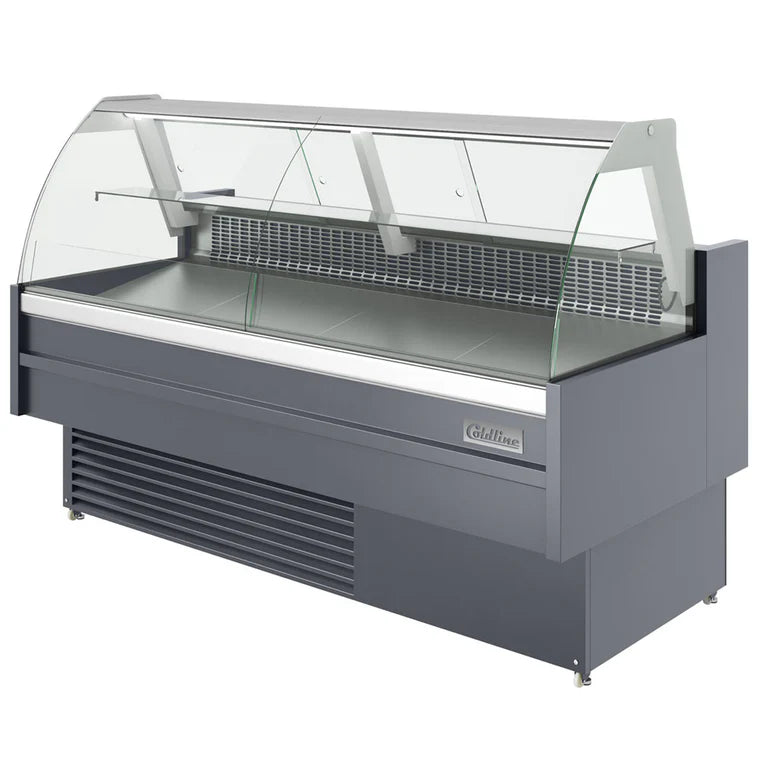
Coldline
Coldline SDC72 72" Refrigerated Curved Glass Meat Deli Case with Rear ...
Sale price$2,795.00
/ Ea. 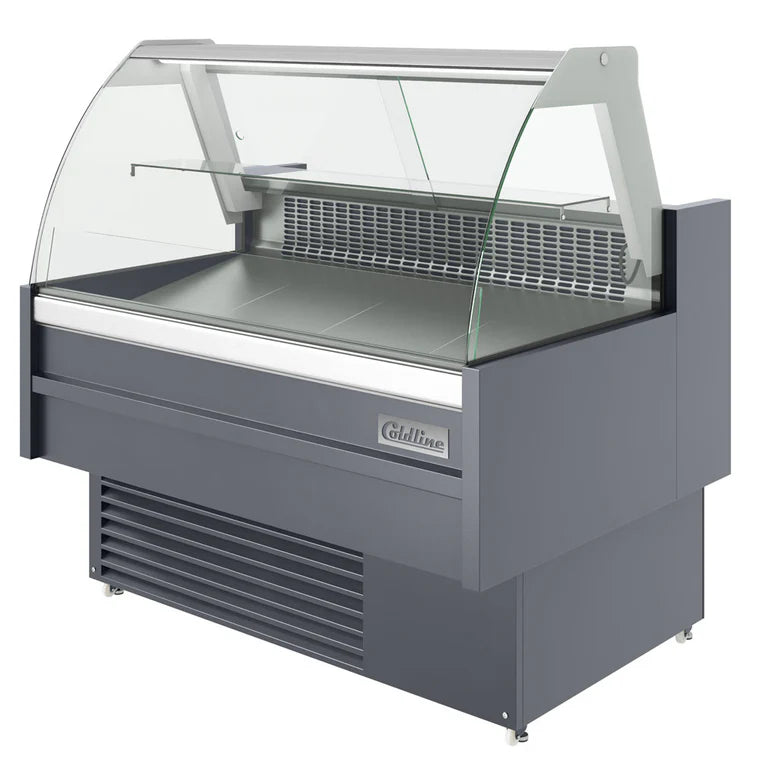
Coldline
Coldline SDC48 48" Refrigerated Curved Glass Meat Deli Case with Rear ...
Sale price$2,295.00
/ Ea. 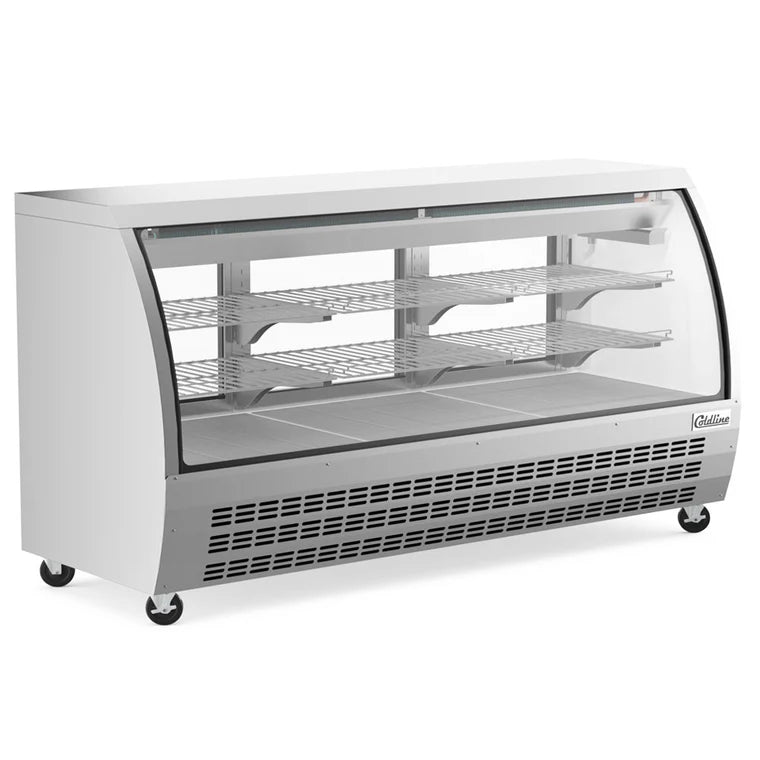
Coldline
Coldline DC80-SS 80" Stainless Steel Curved Glass Refrigerated Deli Di...
Sale price$2,195.00
/ Ea. 
Coldline
Coldline DC80-B 80" Black Curved Glass Refrigerated Deli Display Case
Sale price$2,195.00
/ Ea. 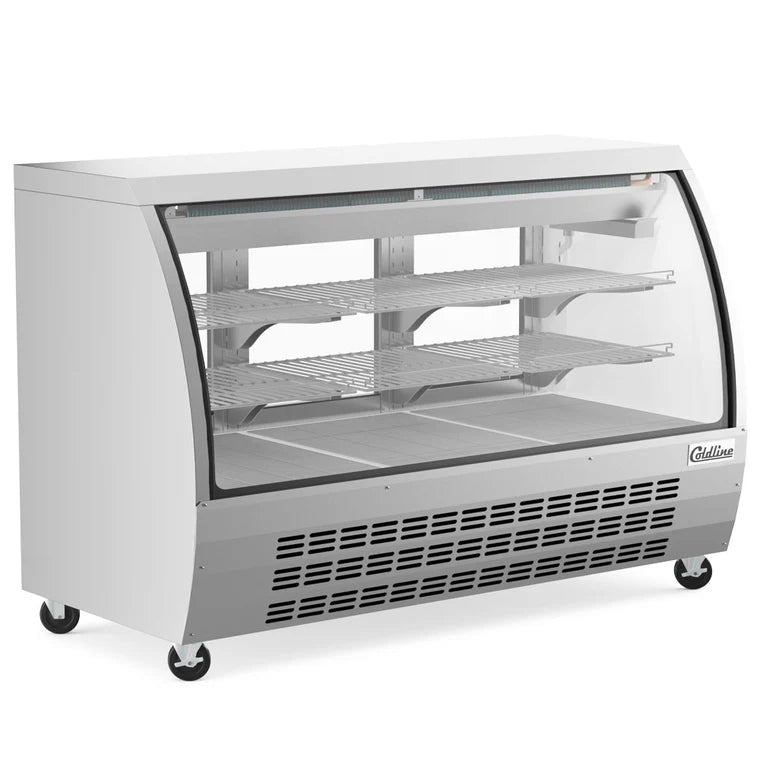
Coldline
Coldline DC64-SS 64" Stainless Steel Curved Glass Refrigerated Deli Di...
Sale price$1,989.00
/ Ea. 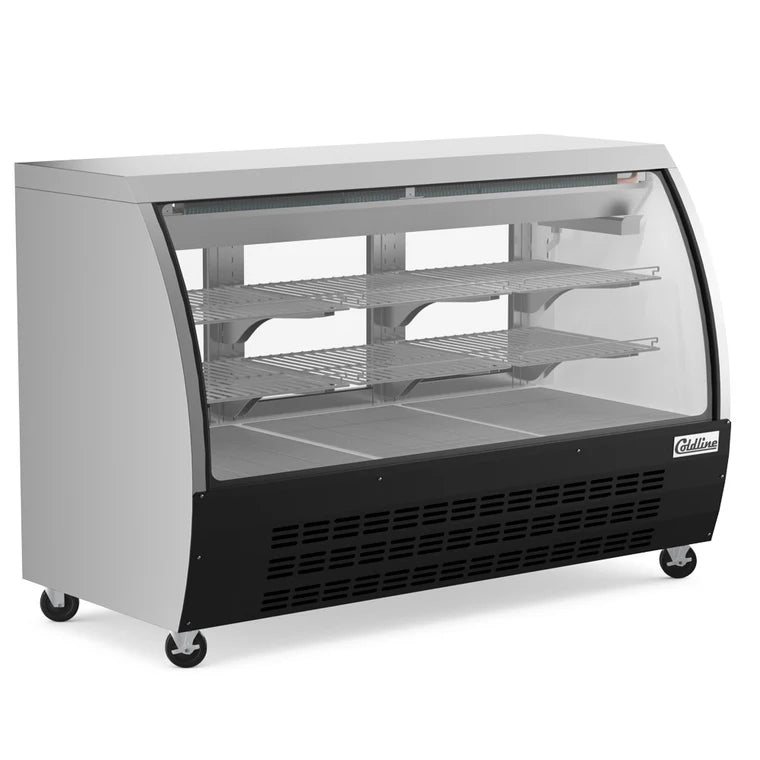
Coldline
Coldline DC64-B 64" Black Curved Glass Refrigerated Deli Display Case
Sale price$1,989.00
/ Ea. 
Coldline
Coldline DC48-SS 48" Stainless Steel Curved Glass Refrigerated Deli Di...
Sale price$1,695.00
/ Ea. 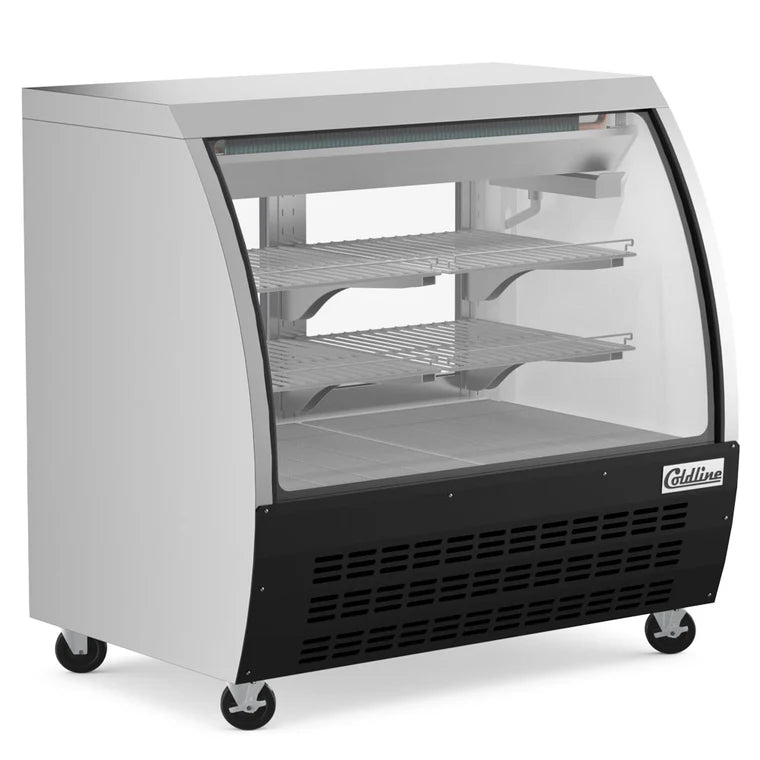
Coldline
Coldline DC48-B 48" Black Curved Glass Refrigerated Deli Display Case
Sale price$1,695.00
/ Ea. 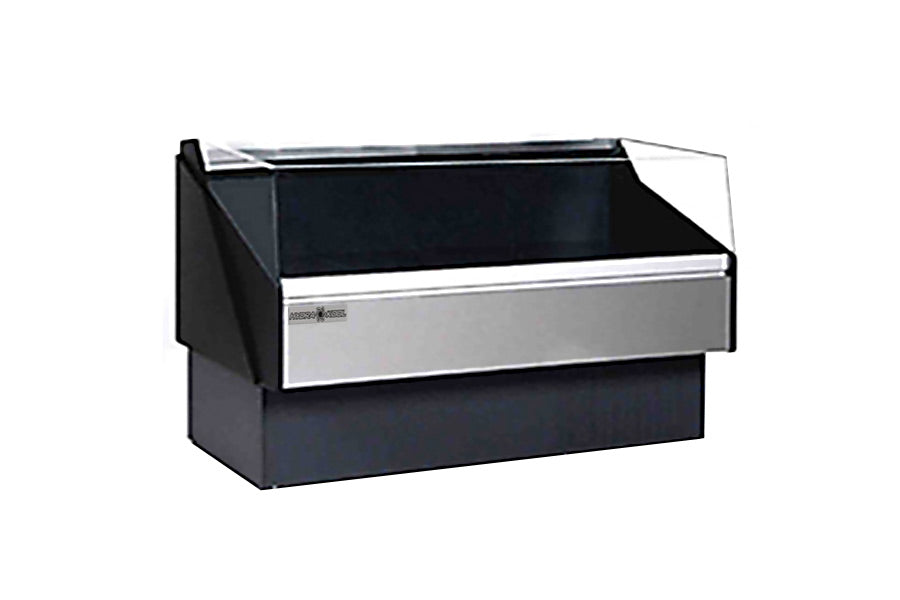
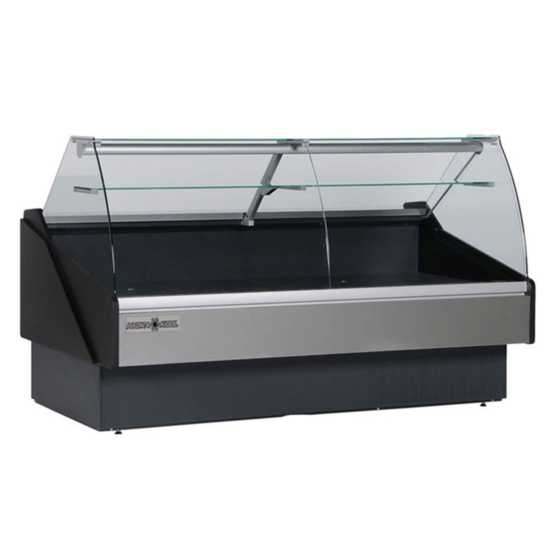
Hydra Kool
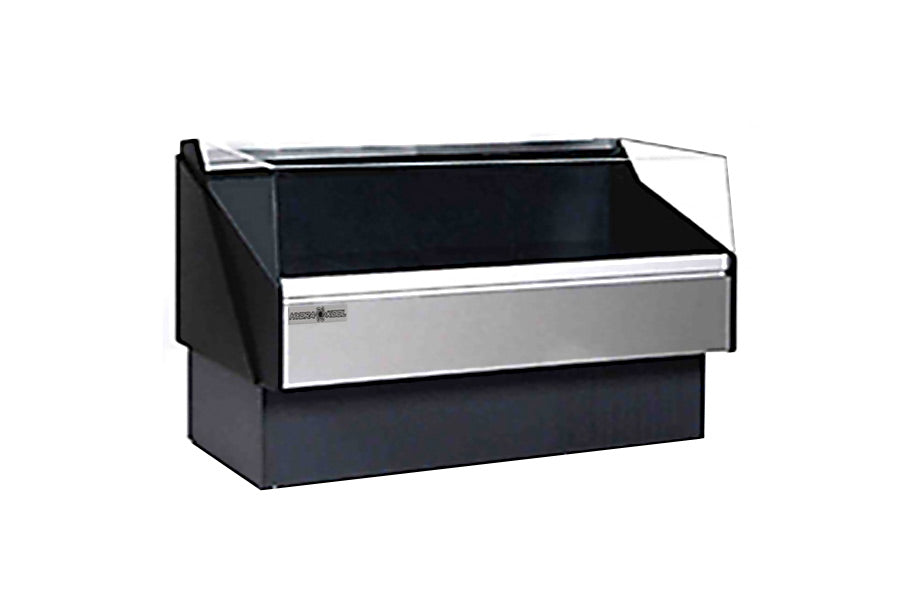
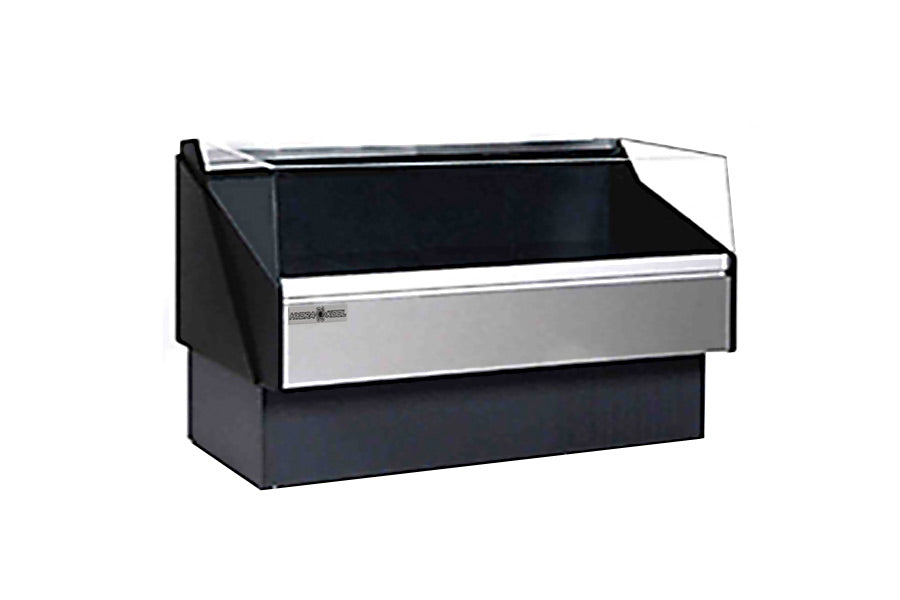
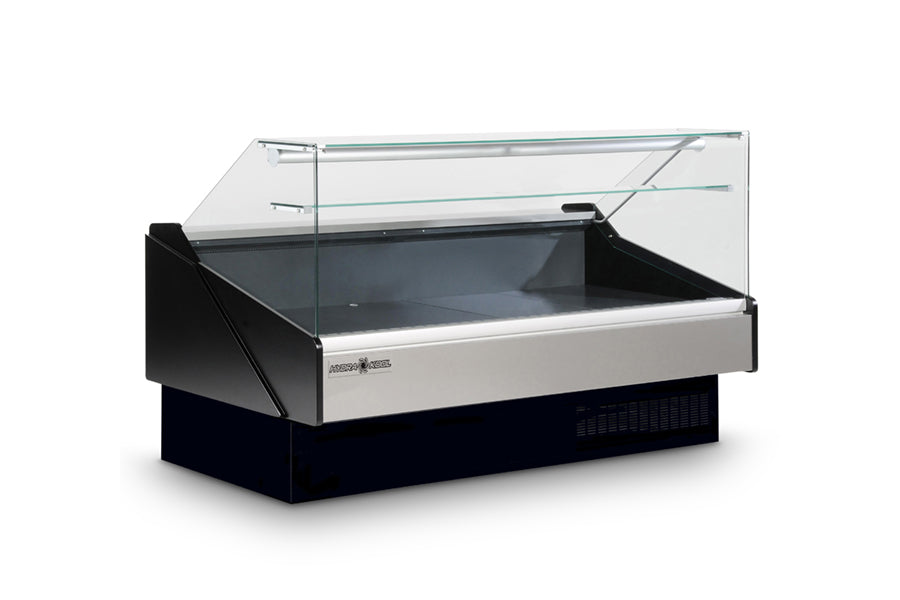
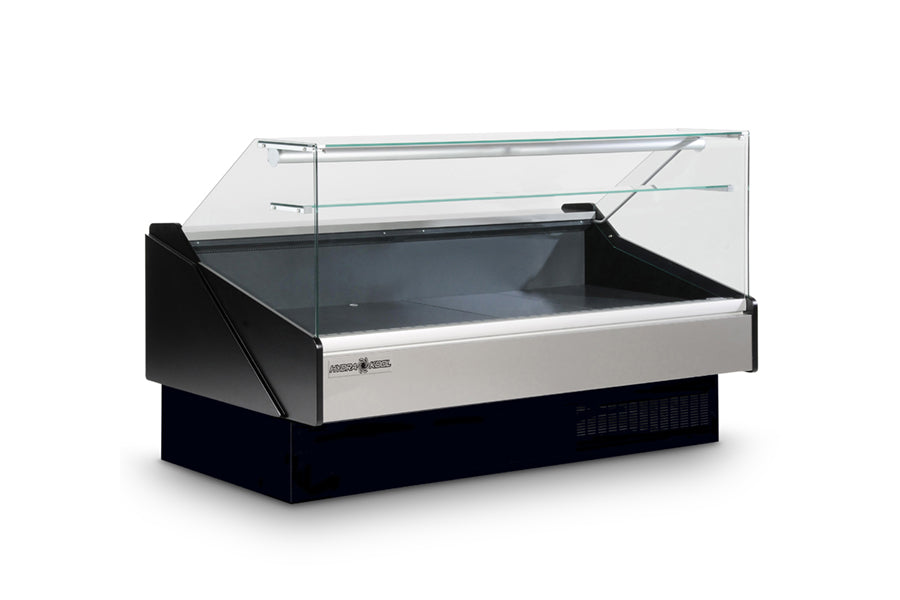
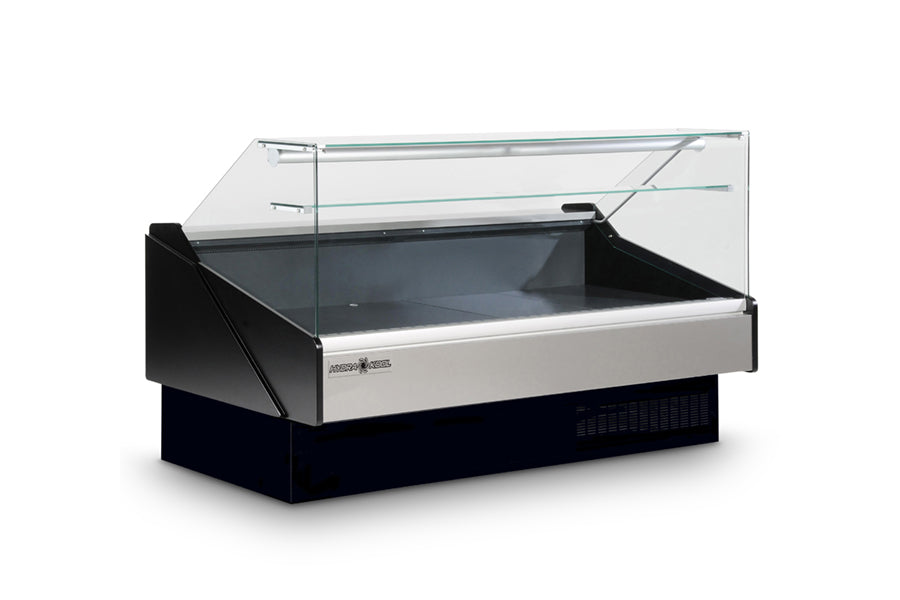
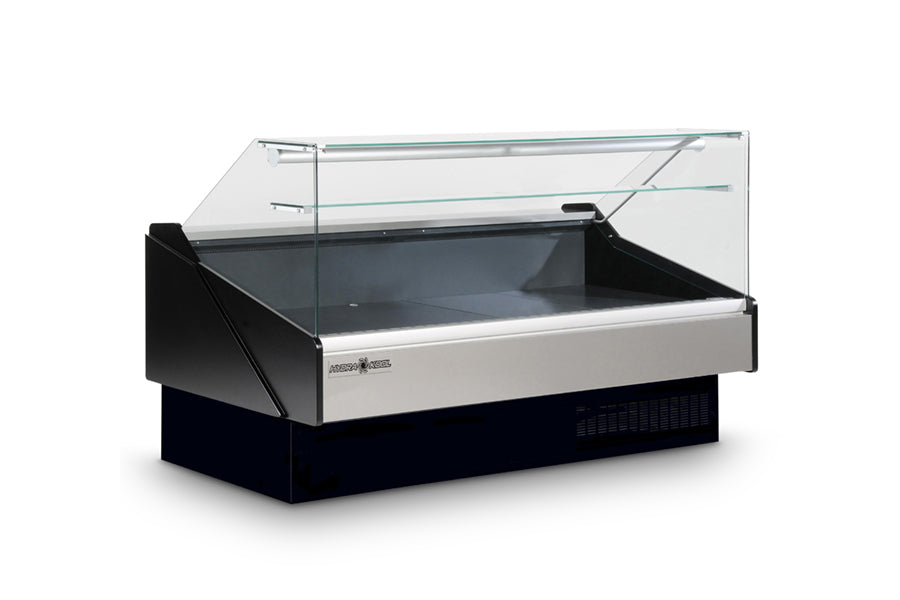
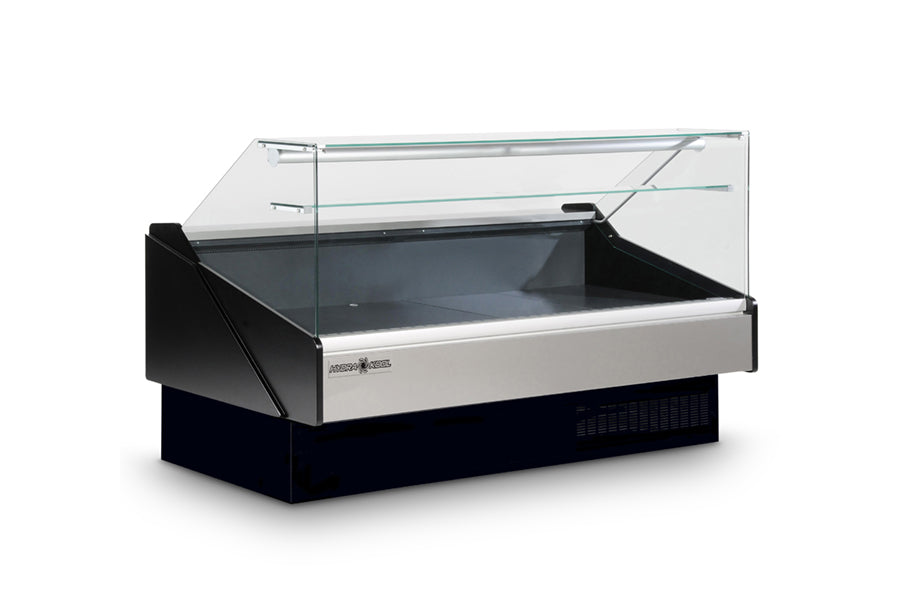
Hydra-Kool KPM-CG-80-R 77" Refrigerated Curved Glass Packaged Meat Del...
Sale price$10,282.44
/ Ea. Free Shipping
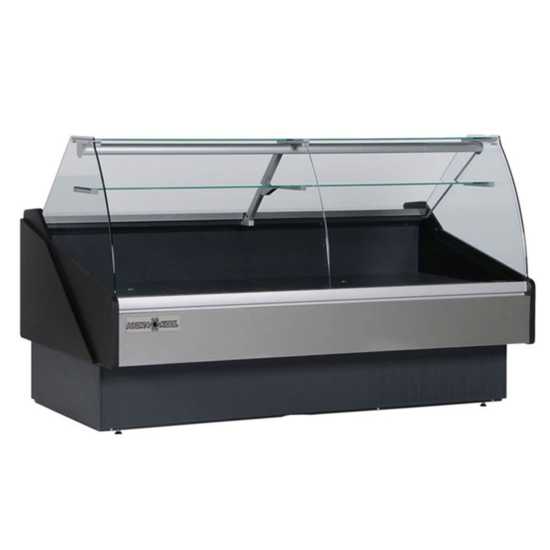
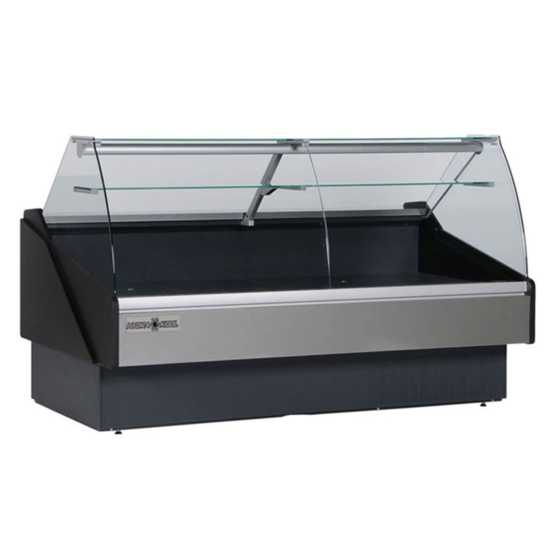
Hydra Kool
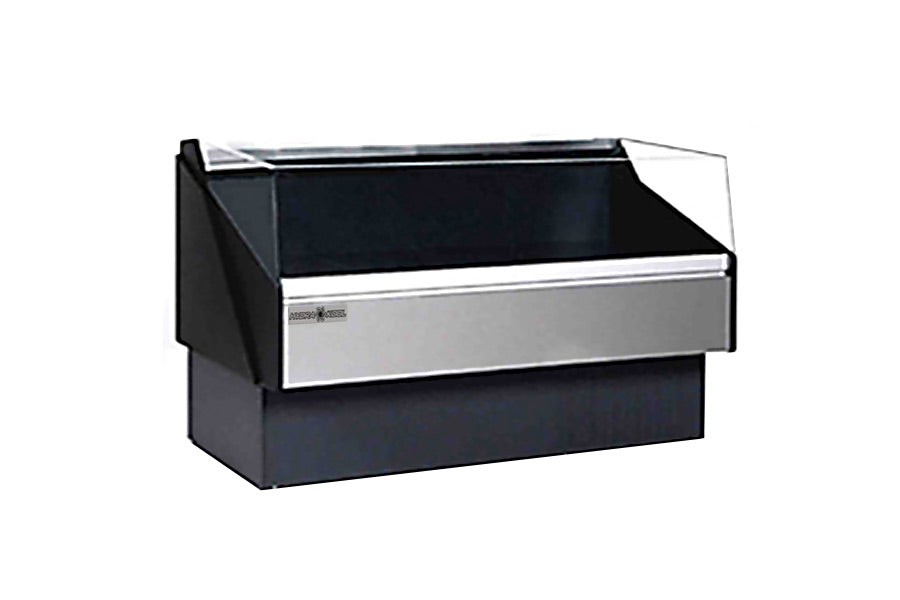
Hydra-Kool KPM-CG-60-R 60" Refrigerated Curved Glass Packaged Meat Del...
Sale price$9,460.04
/ Ea. Free Shipping
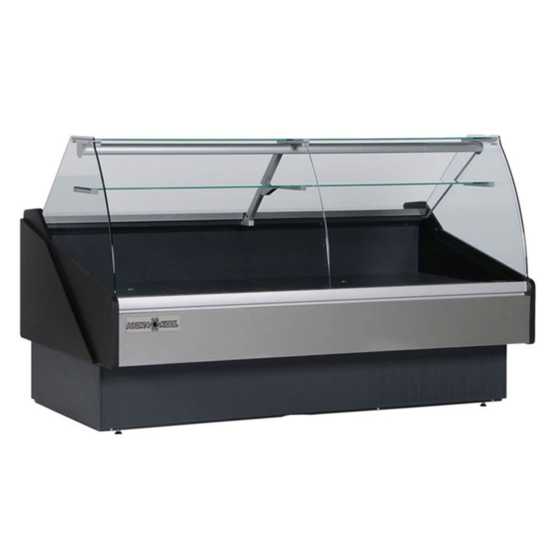
Hydra Kool
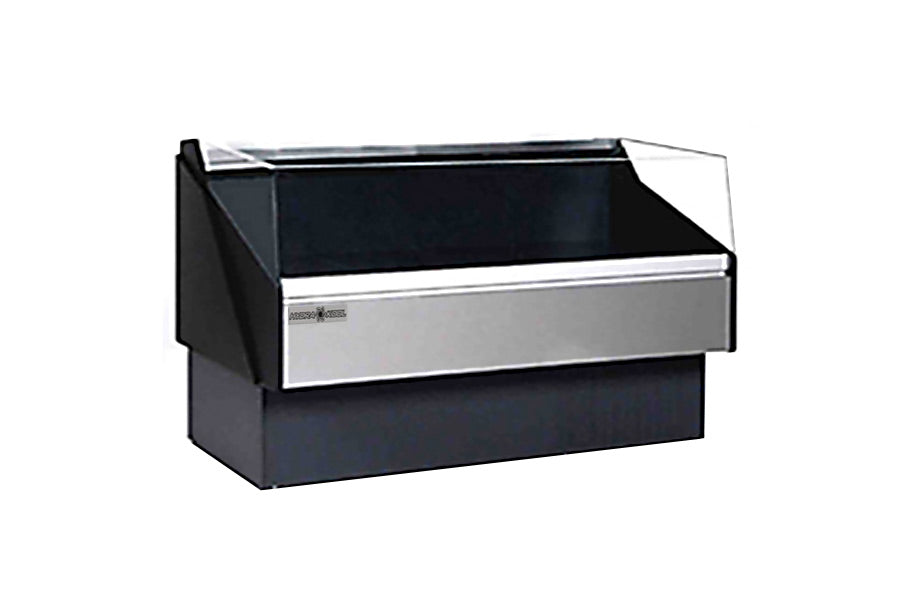
Hydra-Kool KPM-CG-100-S 101" Refrigerated Curved Glass Packaged Meat D...
Sale price$13,047.83
/ Ea. Free Shipping
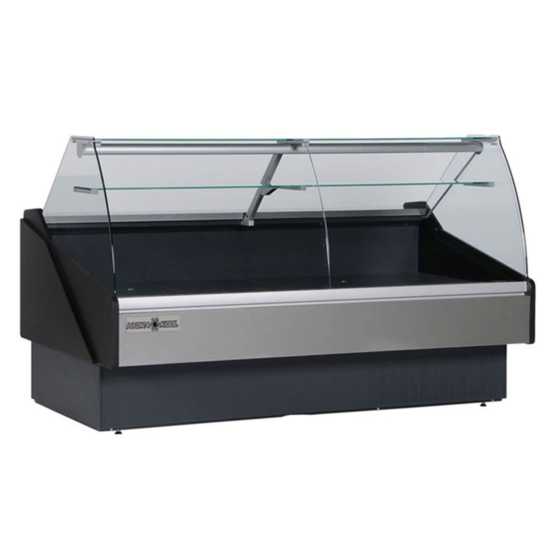
Hydra Kool
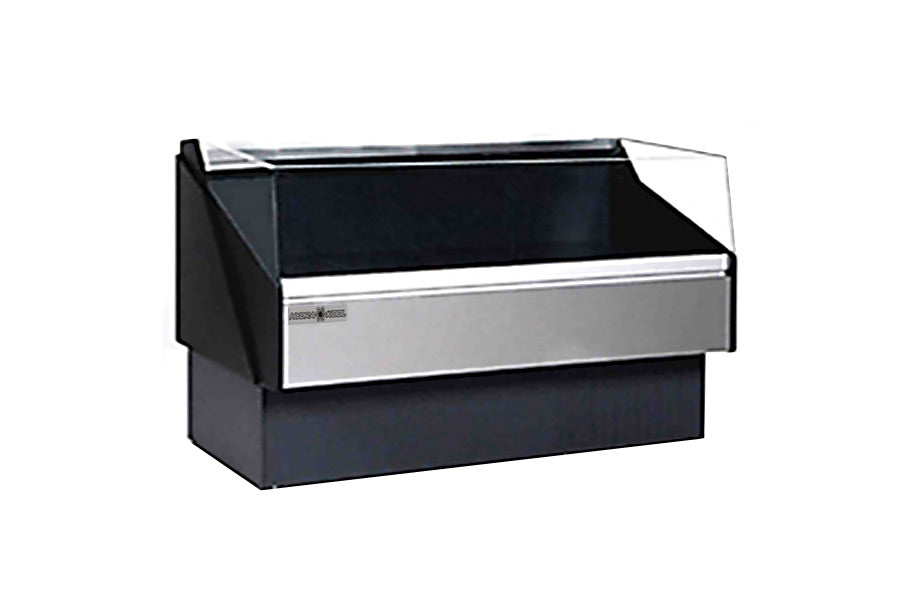
Hydra-Kool KPM-CG-80-S 77" Refrigerated Curved Glass Packaged Meat Del...
Sale price$11,273.18
/ Ea. Free Shipping
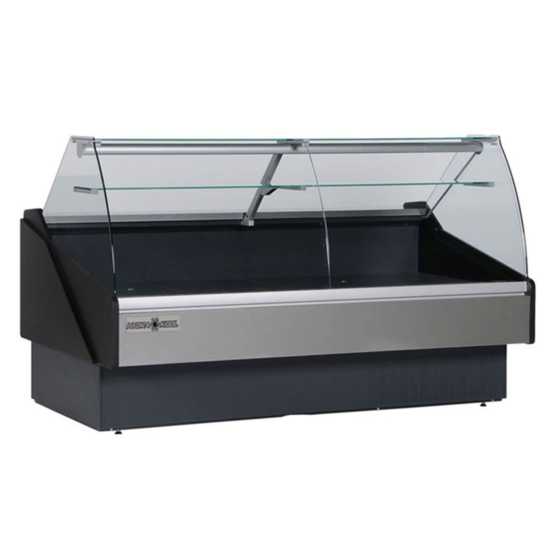
Hydra Kool
Hydra-Kool KPM-CG-60-S 60" Refrigerated Curved Glass Packaged Meat Del...
Sale price$10,157.40
/ Ea. Free Shipping
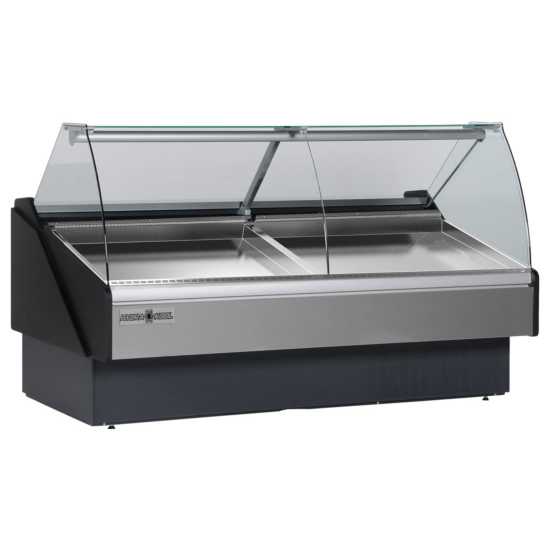
Hydra Kool
Hydra-Kool KFM-CG-120-R 117" Refrigerated Curved Glass Fresh Meat Deli...
Sale price$12,624.61
/ Ea. Free Shipping
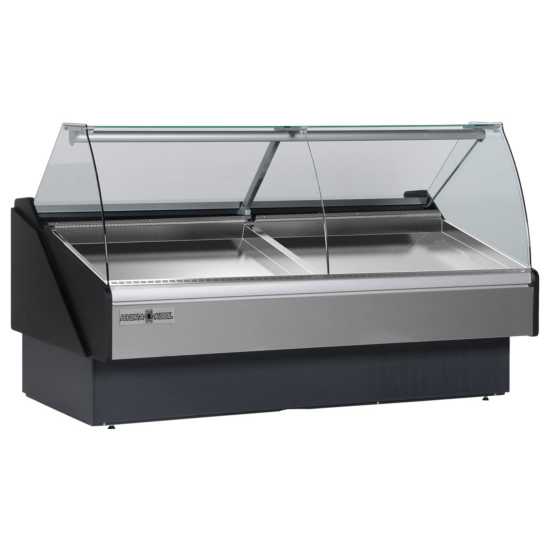
Hydra Kool
Hydra-Kool KFM-CG-100-R 101" Refrigerated Curved Glass Fresh Meat Deli...
Sale price$11,311.65
/ Ea. Free Shipping
Hydra Kool
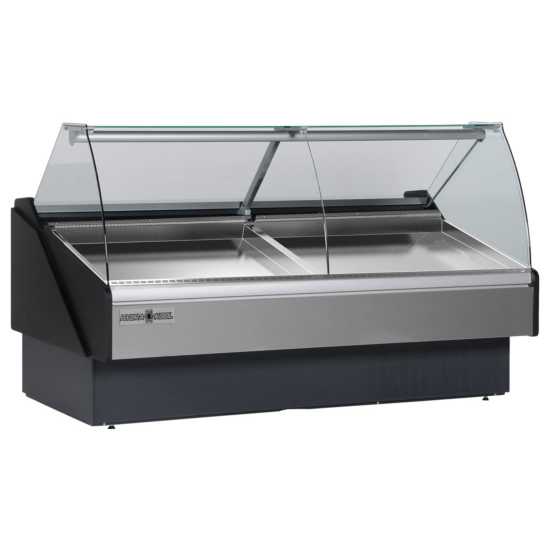
Hydra-Kool KFM-CG-80-R 77" Refrigerated Curved Glass Fresh Meat Deli C...
Sale price$10,253.59
/ Ea. Free Shipping
Hydra Kool
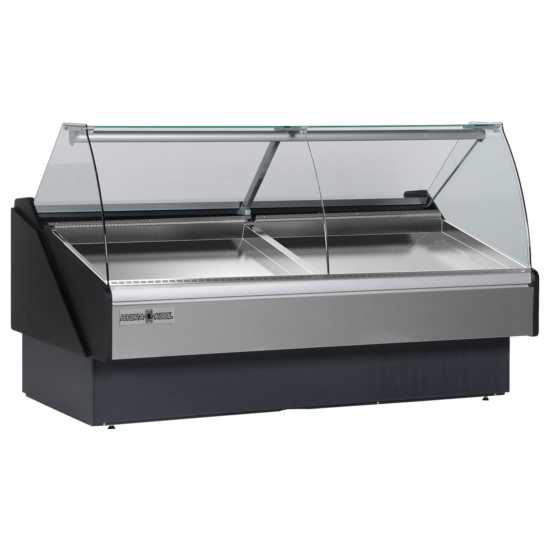
Hydra-Kool KFM-CG-60-R 60" Refrigerated Curved Glass Fresh Meat Deli C...
Sale price$8,676.11
/ Ea. Free Shipping
Recently viewed
What to Know Before Buying Commercial Display Refrigerators
Choosing the right commercial display refrigerator is not just about cooling capacity. It is about how effectively you can turn your products into visible, accessible, and high-converting items inside your store. The right unit directly impacts impulse purchases, product rotation, and overall customer experience.One of the first things to consider is how your products will be presented. Glass door display refrigerators are ideal for beverages and packaged goods because they allow customers to quickly see what is available without opening the door. Open-air display units, on the other hand, are commonly used for grab-and-go items in grocery stores and delis, where speed and accessibility matter more than energy efficiency.Store type also plays a major role in your decision. Convenience stores...
Choosing the right commercial display refrigerator is not just about cooling capacity. It is about how effectively you can turn your products into visible, accessible, and high-converting items inside your store. The right unit directly impacts impulse purchases, product rotation, and overall customer experience.
One of the first things to consider is how your products will be presented. Glass door display refrigerators are ideal for beverages and packaged goods because they allow customers to quickly see what is available without opening the door. Open-air display units, on the other hand, are commonly used for grab-and-go items in grocery stores and delis, where speed and accessibility matter more than energy efficiency.
Store type also plays a major role in your decision. Convenience stores typically rely on vertical merchandiser refrigerators that maximize visibility in a compact footprint, while supermarkets often use larger multi-door units or a combination of refrigerators and display freezers to handle a wider product range. If you sell frozen items, a dedicated display freezer is essential, especially for high-margin impulse products like ice cream.
Temperature consistency is another critical factor. Display refrigeration systems operate in environments where doors are opened frequently, so maintaining stable internal temperatures requires a reliable compressor and proper airflow design. Units with poor circulation can lead to uneven cooling, which affects product quality and shelf life.
Energy efficiency should not be overlooked. Since these units run continuously, even small differences in efficiency can significantly impact long-term operating costs. Modern commercial display refrigerators often include LED lighting, energy-efficient compressors, and insulated glass doors to reduce energy consumption without sacrificing visibility.
Finally, think about placement within your store. Display refrigerators perform best when positioned strategically, near checkout areas, entrances, or high-traffic zones. The goal is not just storage, but maximizing exposure and encouraging quick purchase decisions.
Helpful guides

Common questions
What is a commercial display refrigerator used for?
A commercial display refrigerator is designed to both store and showcase products at the same time. It is commonly used in grocery stores, convenience stores, delis, and supermarkets to display beverages, packaged foods, dairy, and ready-to-eat items while keeping them at safe temperatures.
What is the difference between a display refrigerator and a regular commercial refrigerator?
Display refrigerators are built with glass doors or open fronts to maximize product visibility, while standard commercial refrigerators focus on storage and are typically solid-door units. Display models are specifically designed to increase impulse purchases and improve product presentation.
Which type of display refrigerator is best for a convenience store?
For convenience stores, vertical glass door merchandiser refrigerators are usually the best option. They provide high visibility for drinks and grab-and-go items while taking up minimal floor space, making them ideal for fast customer flow and impulse buying.
Can display refrigerators be used for grocery stores and supermarkets?
Yes, display refrigerators are widely used in grocery stores and supermarkets. Multi-door units, open-air display cases, and display freezers are commonly used to showcase a wide range of products, from beverages and dairy to frozen foods.
What is a merchandiser refrigerator?
A merchandiser refrigerator is a type of display refrigerator specifically designed to highlight products and drive sales. These units typically feature glass doors, internal lighting, and adjustable shelving to improve product visibility and organization.
Are display refrigerators energy efficient?
Modern commercial display refrigerators are designed to be energy efficient, especially models with LED lighting, high-quality insulation, and efficient compressors. However, open-air units generally consume more energy than glass door refrigerators due to constant exposure to ambient air.
What size display refrigerator should I choose?
The right size depends on your store layout, product volume, and available space. Smaller stores may benefit from single or double door units, while larger grocery stores often require multi-door refrigerators or a combination of display refrigerators and freezers to handle higher demand.