


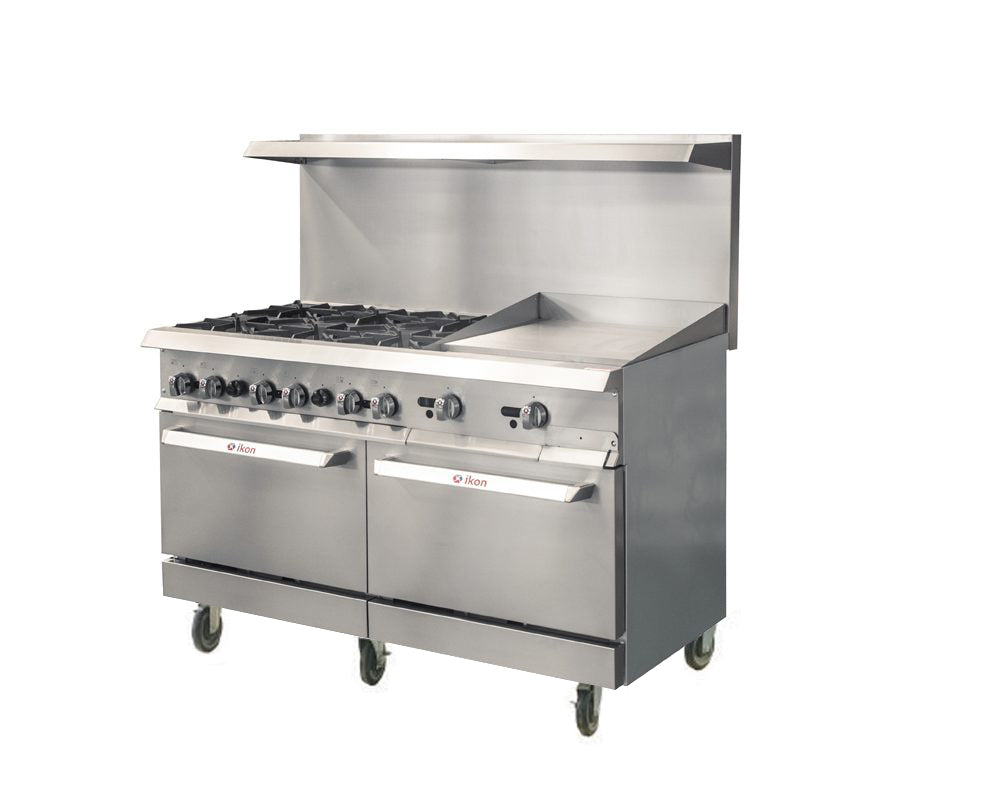

How to Choose Commercial Cooking Equipment for a Restaurant
Commercial ranges are a core part of any restaurant kitchen, giving chefs the flexibility to cook, simmer, sauté, boil, and bake from a single powerful unit. Whether you need a commercial kitchen range for a busy restaurant line, a commercial stove and oven for a smaller foodservice operation, or a heavy-duty cooking range for high-volume production, the right setup can improve workflow, save space, and support consistent daily performance. Explore commercial ranges built for restaurants, cafés, diners, catering operations, and other professional kitchens. This category includes commercial kitchen stoves, range ovens, and stove top configurations designed for different cooking styles, kitchen layouts, and service demands. From compact models for smaller operations to larger commercial stoves and ovens for demanding service, these units are built to deliver reliable heat, durable construction, and professional cooking performance.Read more
Commercial ranges are a core part of any restaurant kitchen, giving chefs the flexibility to cook, simmer, sauté, boil, and bake from a single powerful unit. Whether you need a commercial kitchen range for a busy restaurant line, a commercial stove and oven for a smaller foodservice operation, or a heavy-duty cooking range for high-volume production, the right setup can improve workflow, save space, and support consistent daily performance.
Explore commercial ranges built for restaurants, cafés, diners, catering operations, and other professional kitchens. This category includes commercial kitchen stoves, range ovens, and stove top configurations designed for different cooking styles, kitchen layouts, and service demands. From compact models for smaller operations to larger commercial stoves and ovens for demanding service, these units are built to deliver reliable heat, durable construction, and professional cooking performance.
Show lessFree Shipping
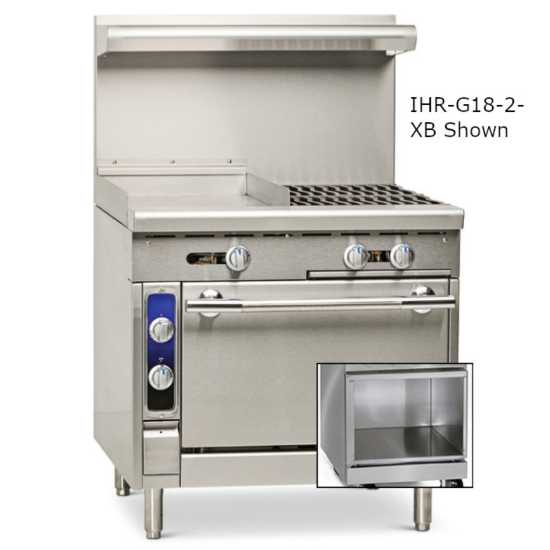
Imperial
Imperial IHR-G24-2-XB-NG Spec Series 36" 2 Burner & 24" Griddle Heavy ...
Regular price$7,324.00
/ Ea. Free Shipping
Imperial
Imperial IHR-G24-2-XB-LP Spec Series 36" 2 Burner & 24" Griddle Heavy ...
Regular price$7,324.00
/ Ea. Free Shipping
Imperial
Imperial IHR-G24-2-C-NG Spec Series 36" 2 Burner & 24" Griddle Heavy D...
Regular price$13,660.00
/ Ea. Free Shipping
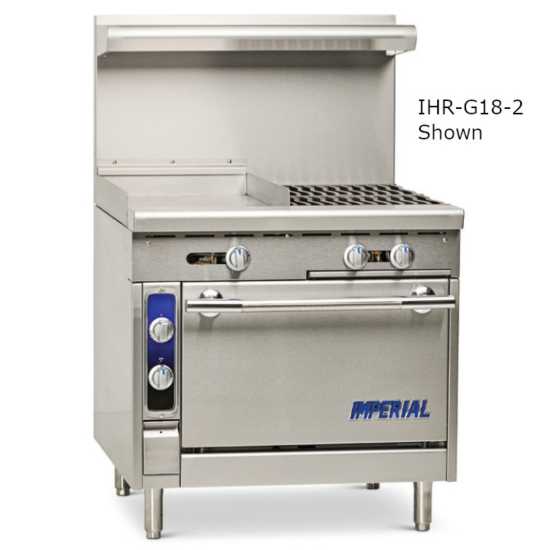
Imperial
Imperial IHR-G24-2-C-LP Spec Series 36" 2 Burner & 24" Griddle Heavy D...
Regular price$13,660.00
/ Ea. Free Shipping
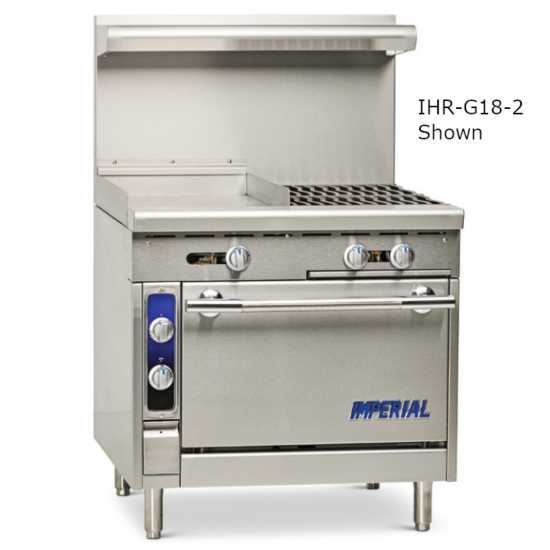
Imperial
Imperial IHR-G24-2-LP Spec Series 36" 2 Burner & 24" Griddle Heavy Dut...
Regular price$10,154.00
/ Ea. Free Shipping
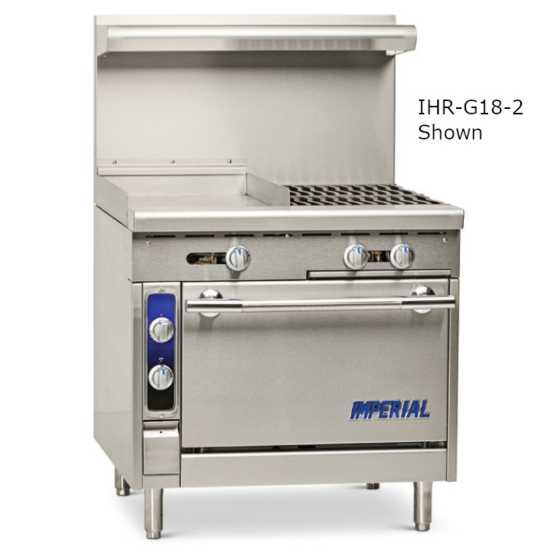
Imperial
Imperial IHR-G24-2-NG Spec Series 36" 2 Burner & 24" Griddle Heavy Dut...
Regular price$10,154.00
/ Ea. 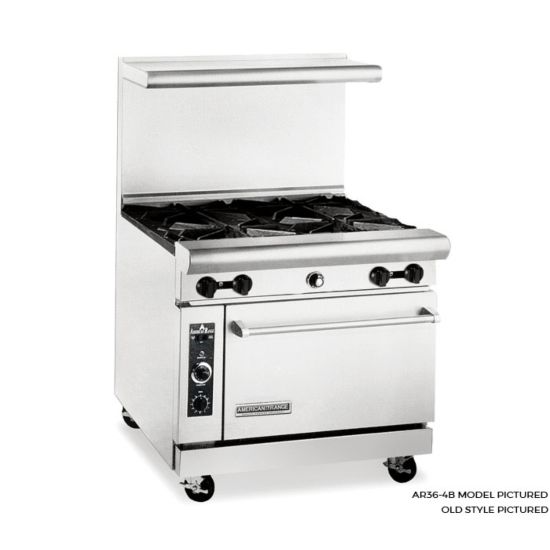
American Range
American Range AR36-4WB 36" 4 Wide Burner Gas Range with Standard Oven...
Regular price$2,921.00
/ Ea. Free Shipping
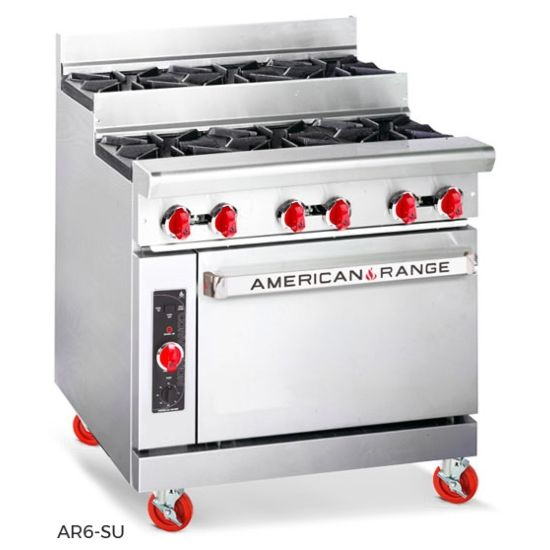
American Range
American Range AR-8-SU 48" 8 Burner Gas Range with Step up and (2) Sta...
Regular price$5,989.00
/ Ea. Free Shipping
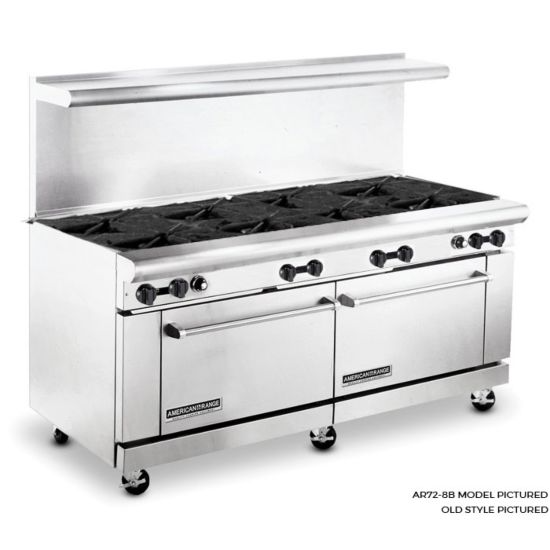
American Range
American Range AR-72-8WB 72" 8 Wide Burner Gas Range with (2) Standard...
Regular price$6,248.00
/ Ea. 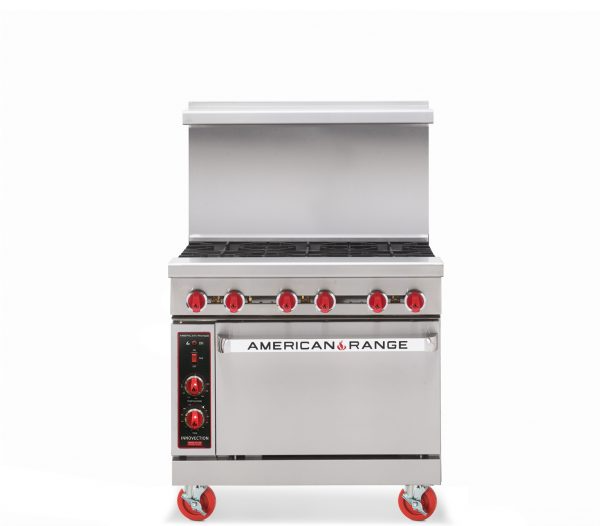
American Range
American Range AR-5 36" 5 Burner Gas Range with Standard Oven - LP
Regular price$2,456.00
/ Ea. Free Shipping

American Range
American Range AR-60G 60" Gas Range with Griddle and (2) Standard Oven...
Regular price$11,799.00
/ Ea. 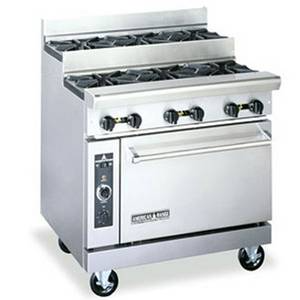
American Range
American Range AR-6-SU 36" 6 Burner Gas Range with Step up and Standar...
Regular price$3,445.00
/ Ea. Free Shipping
American Range
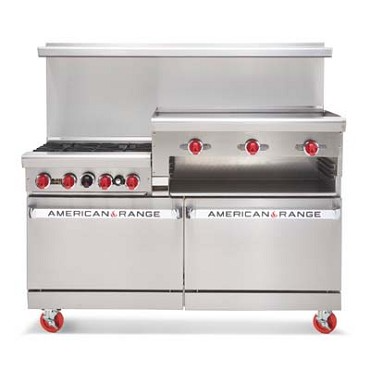
American Range AR-4B-24RG 48" 4 Burner Gas Range with 24" Right Griddl...
Regular price$8,550.00
/ Ea. Free Shipping
American Range
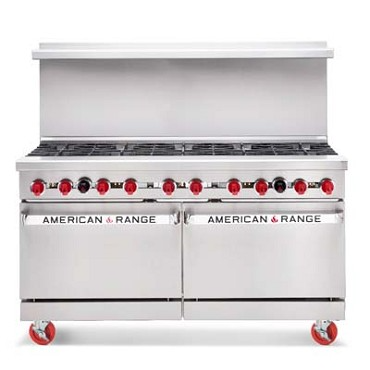
American Range AR-4B-12RG 36" 4 Burner Gas Range with 12" Right Griddl...
Regular price$6,175.00
/ Ea. Free Shipping
American Range
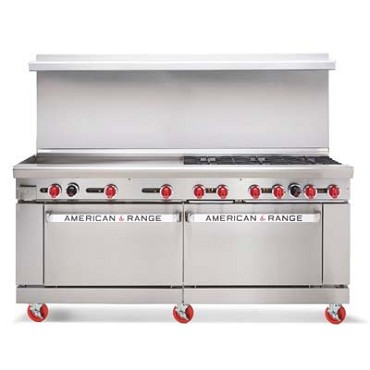
American Range AR-36G-6B 72" 6 Burner Gas Range with 36" Griddle (2) S...
Regular price$9,025.00
/ Ea. Free Shipping
American Range
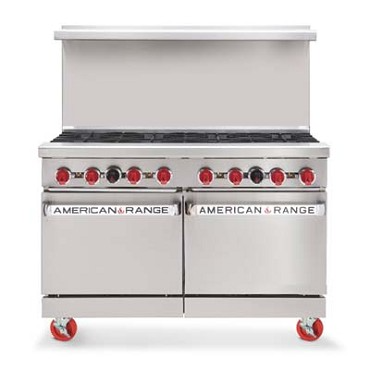
American Range AR-36G-2B 48" 2 Burner Gas Range with 12" Griddle and (...
Regular price$8,151.00
/ Ea. Free Shipping
American Range
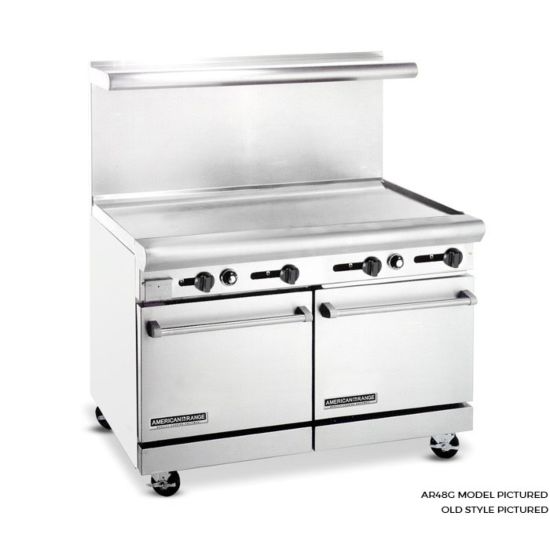
American Range AR-48G 48" Gas Range with Griddle and (2) Standard Oven...
Regular price$8,963.25
/ Ea. 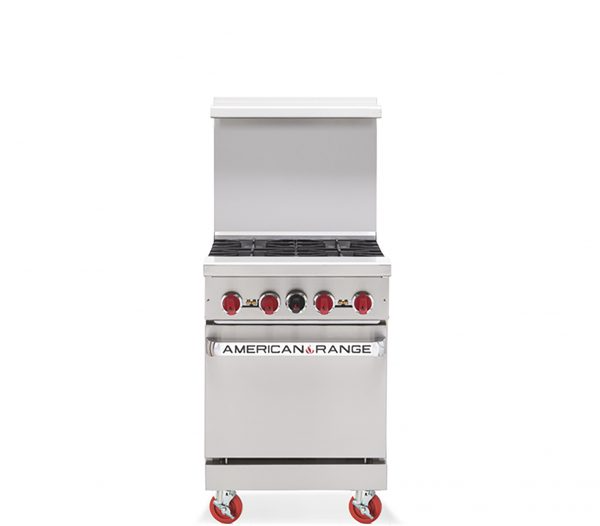
American Range
American Range AR-4-SU 24" 4 Burner Gas Range with Step up and Standar...
Regular price$3,014.00
/ Ea. Free Shipping
American Range
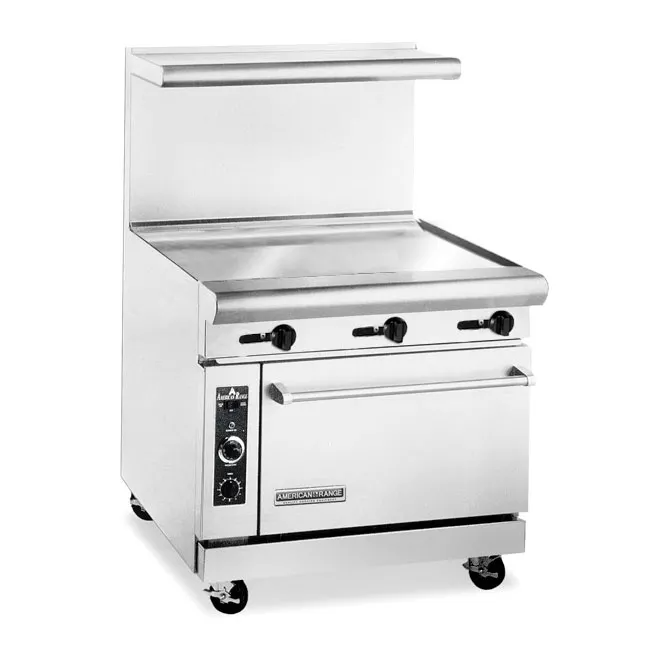
American Range AR-36G 36" Gas Range with Griddle and Standard Oven - L...
Regular price$4,750.00
/ Ea. Free Shipping
American Range
American Range AR-24G-8B 72" 8 Burner Gas Range with 24" Griddle (2) S...
Regular price$11,162.50
/ Ea. Free Shipping
American Range
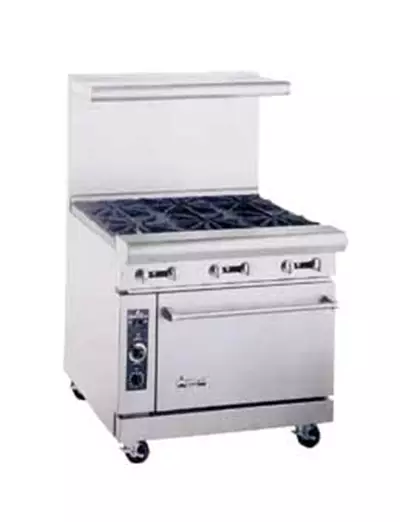
American Range AR-24G-4B 48" 4 Burner Gas Range with 24" Griddle and (...
Regular price$5,937.50
/ Ea. 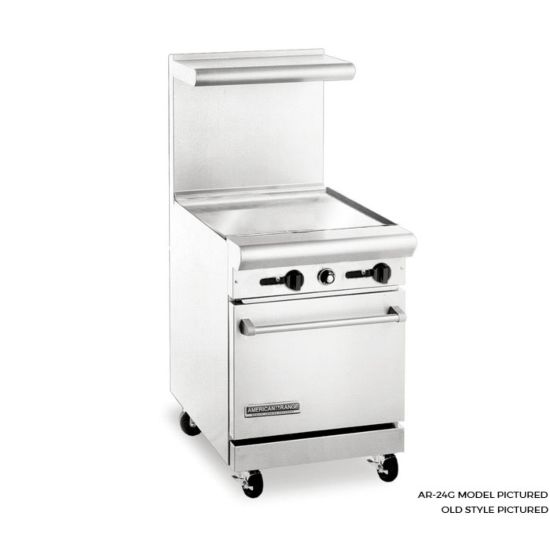
American Range
American Range AR-24G 24" Gas Range with Griddle and Standard Oven - L...
Regular price$3,794.00
/ Ea. Free Shipping
American Range
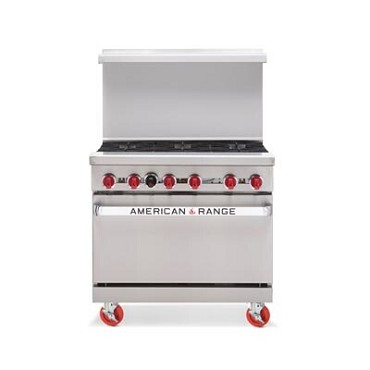
American Range AR-24G-2B 36" 2 Burner Gas Range with 24" Griddle and S...
Regular price$5,605.00
/ Ea. Free Shipping
American Range
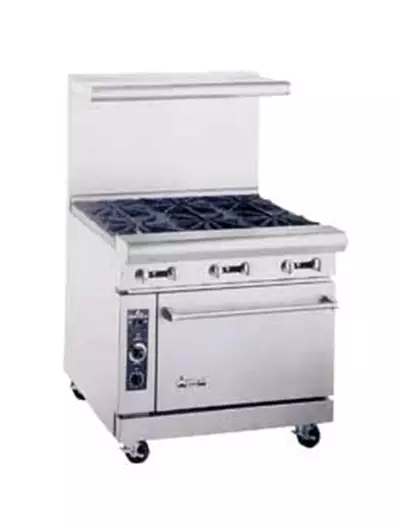
American Range AR-12G-4B 36" 4 Burner Gas Range with 12" Griddle and S...
Regular price$4,275.00
/ Ea. 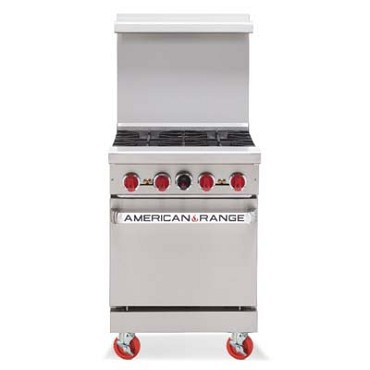
American Range
American Range AR-12G-2B 24" 2 Burner Gas Range with 12" Griddle and S...
Regular price$3,562.50
/ Ea. Free Shipping
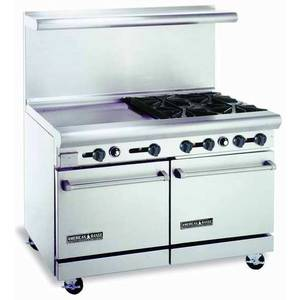
American Range
American Range AR-12G-6B 48" 6 Burner Gas Range with 12" Griddle and (...
Regular price$7,782.00
/ Ea. Free Shipping
American Range
American Range AR-12 72" 12 Burner Gas Range with (2) Standard Ovens -...
Regular price$10,212.50
/ Ea. Free Shipping
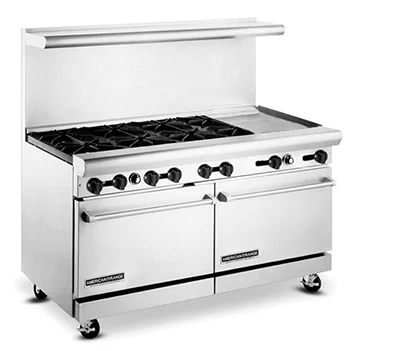
American Range
American Range AR-6B-24RG 60" 6 Burner Gas Range with 24" Griddle and ...
Regular price$10,450.00
/ Ea. Free Shipping
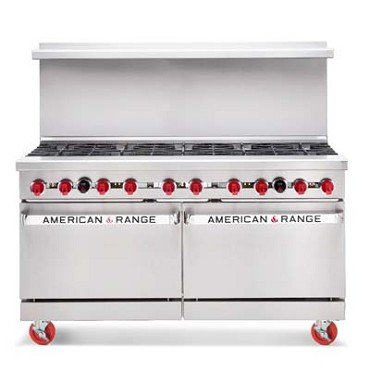
American Range
American Range AR-48G-2B 60" 2 Burner Gas Range with 48" Griddle and (...
Regular price$10,497.50
/ Ea. Free Shipping
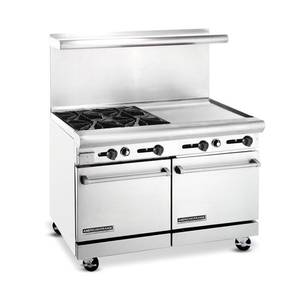
American Range
American Range AR-36G-4B 60" 4 Burner Gas Range with 36" Griddle and (...
Regular price$8,075.00
/ Ea. Free Shipping
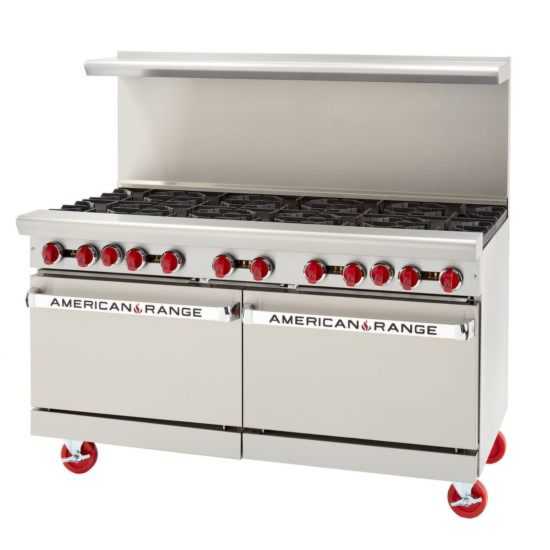
American Range
American Range AR-10 60" 10 Burner Gas Range with (2) Standard Ovens -...
Regular price$7,125.00
/ Ea. 
Cookline
Cookline CR60-10-NG 60" 10 Burner Natural Gas Range with 2 Ovens
Regular price$2,795.00
/ Ea. 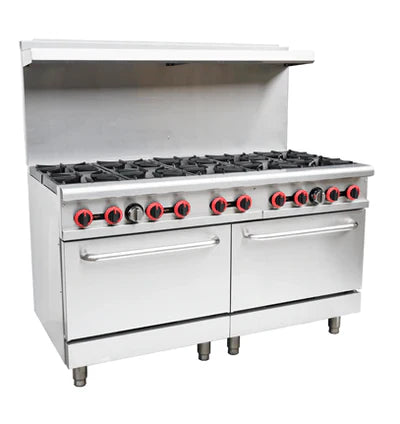
Cookline
Cookline CR60-10-LP 60" 10 Burner Liquid Propane Range with 2 Ovens
Regular price$2,795.00
/ Ea. 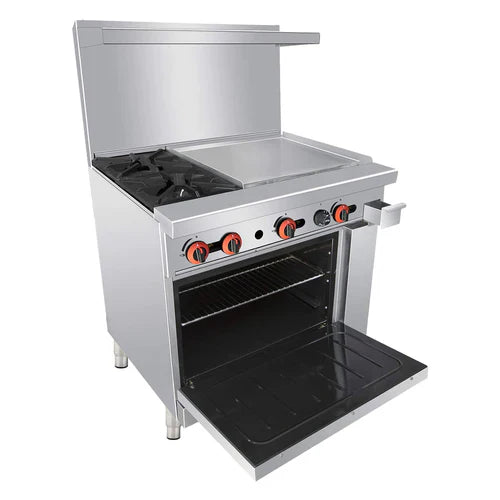
Cookline
Cookline CR36-24G-NG 36" 2 Burner Natural Gas Range with 24" Right Sid...
Regular price$1,795.00
/ Ea. 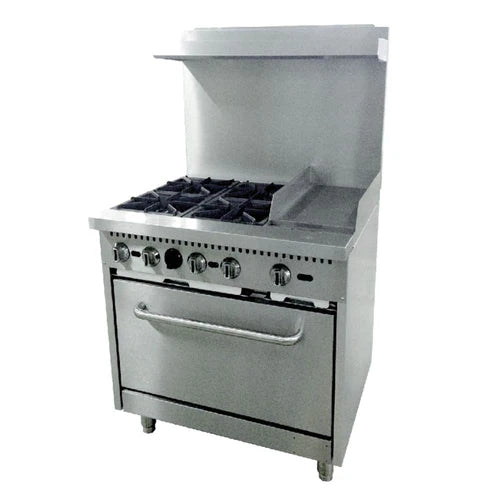
Cookline
Cookline CR36-12G-NG 36" 4 Burner Natural Gas Range with 12" Right Sid...
Regular price$1,595.00
/ Ea. 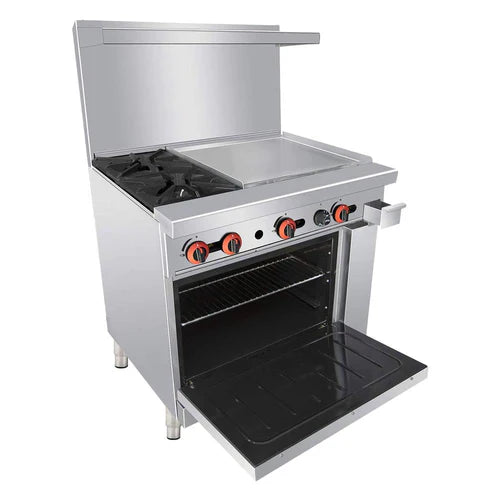
Cookline
Cookline CR36-24G-LP 36" 2 Burner Liquid Propane Range with 24" Right ...
Regular price$1,795.00
/ Ea. 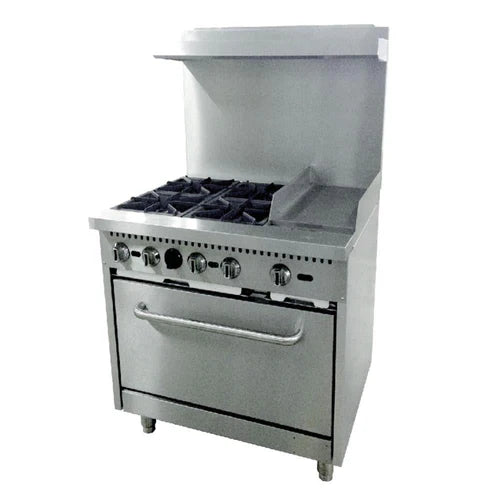
Cookline
Cookline CR36-12G-LP 36" 4 Burner Liquid Propane Range with 12" Right ...
Regular price$1,595.00
/ Ea. 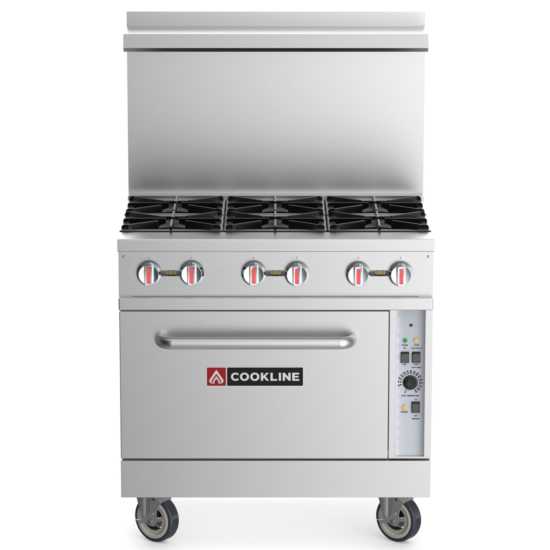
Cookline
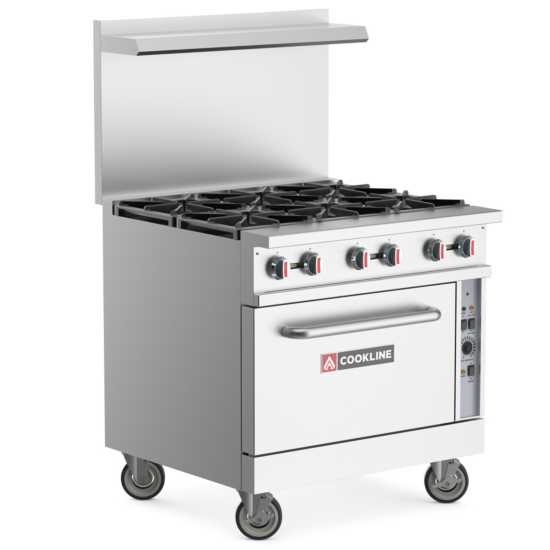
Cookline CR36-6C-NG Natural Gas 36" Range with Convection Oven - 211,0...
Regular price$2,095.00
/ Ea. 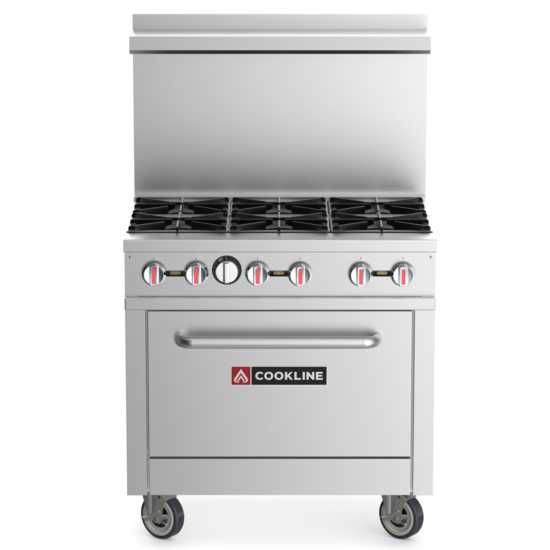
Cookline
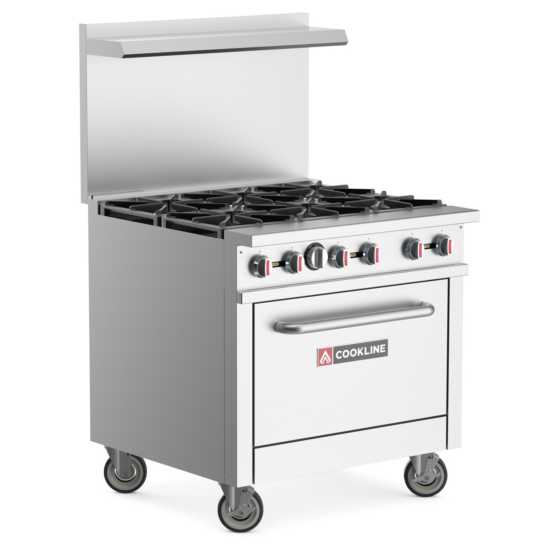
Cookline CR36-6-NG 36" 6 Burner Commercial Gas Range with Oven - Natur...
Regular price$1,449.00
/ Ea. 
Cookline
Cookline CR36-6-LP 36" 6 Burner Liquid Propane Range with Oven
Regular price$1,449.00
/ Ea. 


Cookline
Cookline CR24-4-LP 24" 4 Burner Liquid Propane Range with Oven
Regular price$1,395.00
/ Ea. 
Cookline
Cookline CR60-24RG-LP 60" 6 Burner Liquid Propane Range with 2 Ovens w...
Regular price$2,795.00
/ Ea. 
Cookline
Cookline CR60-24G-NG 60" 6 Burner Natural Gas Range with 2 Ovens with ...
Regular price$2,795.00
/ Ea. 
Cookline
Cookline CR60-24G-LP 60" 6 Burner Liquid Propane Range with 2 Ovens wi...
Regular price$2,795.00
/ Ea. 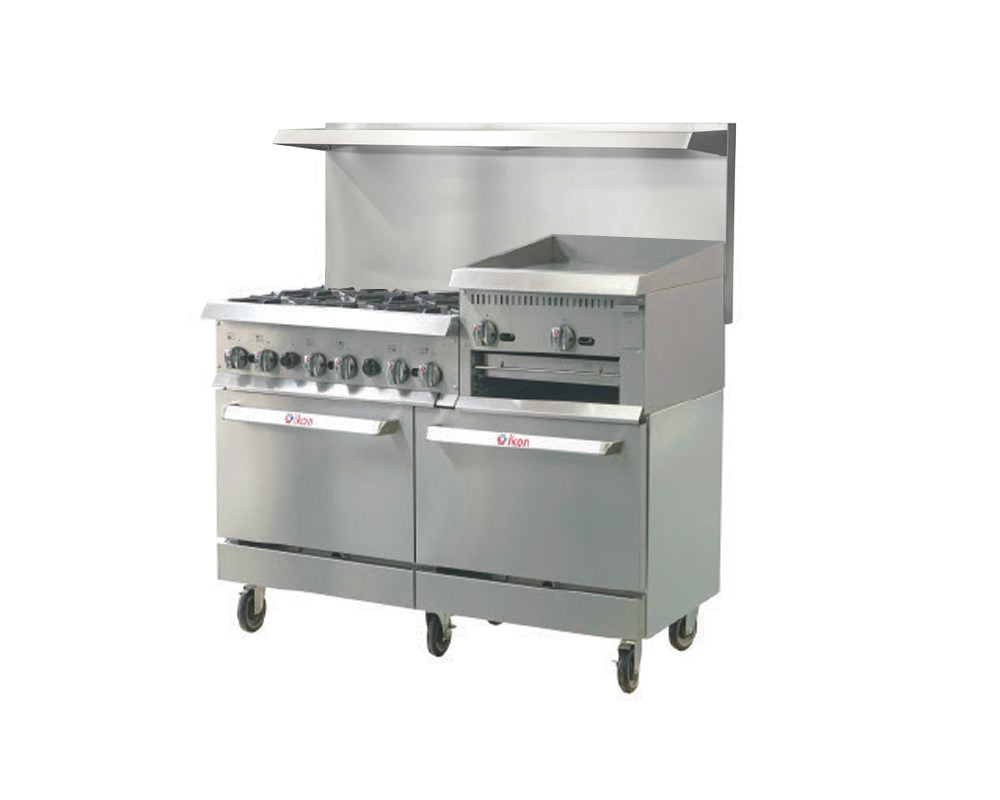
Recently viewed
What to know before you buy
Before choosing a commercial range, think about your menu, cooking volume, and available kitchen space. The right unit should match your daily workflow, support peak-hour demand, and give you the burner, oven, or griddle configuration your operation actually needs.
It is also important to compare fuel type, width, oven capacity, and overall kitchen layout before you buy. A commercial range should not only fit your space, but also improve speed, consistency, and efficiency during service.

F.A.Q.
What is a commercial range?
A commercial range is a professional cooking unit designed for restaurants, cafés, diners, and other foodservice operations. It typically combines open burners, a stove top, and one or more ovens to support a wide range of cooking tasks in a single piece of equipment.
What is the difference between a commercial range and a commercial stove?
The terms are often used interchangeably, but a commercial range usually refers to a full cooking unit that may include burners, an oven base, griddle sections, or other configurations. A commercial stove can sometimes refer more generally to the top cooking surface or burner area.
How do I choose the right commercial kitchen range?
Start by considering your menu, production volume, fuel type, and available space. The best commercial kitchen range should match your cooking style, give you the right combination of burners and oven capacity, and support your kitchen during busy service hours.
Are commercial ranges better for restaurants than separate stove and oven units?
In many kitchens, yes. Commercial ranges are popular because they combine multiple cooking functions in one footprint, which helps save space and improve workflow. For some high-volume operations, separate specialized equipment may also make sense depending on the menu and line setup.
What size commercial range do I need?
The right size depends on your kitchen layout, the number of menu items you prepare at once, and how much cooking capacity you need during peak periods. Smaller operations may do well with compact units, while busier restaurants often need larger commercial stoves and ovens for consistent output.