
Commercial ice machines are an essential component of... Read More
Free Shipping

Free Shipping


Free Shipping

Free Shipping


Free Shipping
Free Shipping
Recently viewed
Cleaning a commercial ice maker involves two separate processes: descaling (removing mineral buildup) and sanitizing (killing bacteria and mold).
Here’s the standard procedure:
- Turn off the machine and unplug it.
- Empty the ice bin completely.
- Remove interior components such as the water curtain, distribution tubes, and ice thickness probe (if accessible).
- Run a manufacturer-approved ice machine cleaner through the system to remove scale buildup.
- Rinse thoroughly.
- Apply a food-safe sanitizer to all interior surfaces.
- Reassemble and restart the unit.
Hard water areas require more frequent descaling. For best performance and health code compliance, always follow the manufacturer’s cleaning instructions.
The price of a commercial ice machine depends on:
- Daily ice production capacity
- Ice type (cube, nugget, flake)
- Air-cooled vs. water-cooled condenser
- Brand and build quality
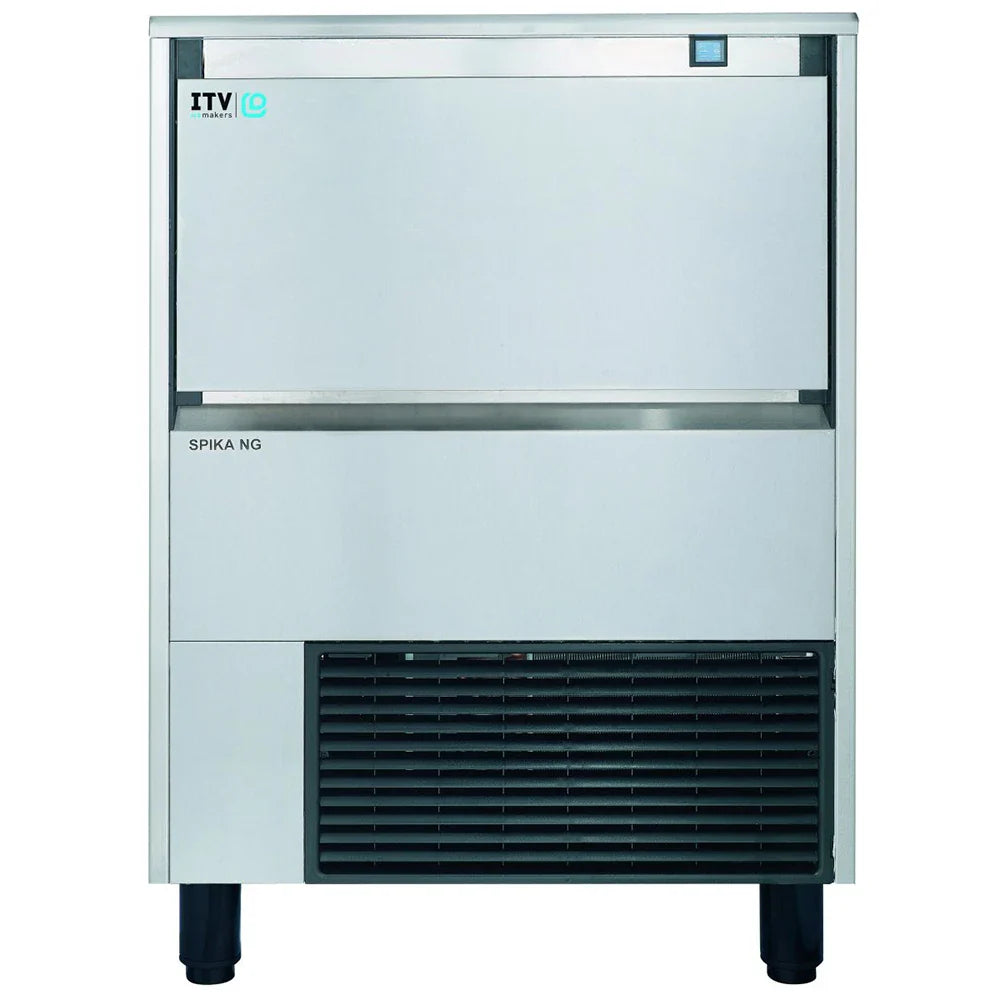
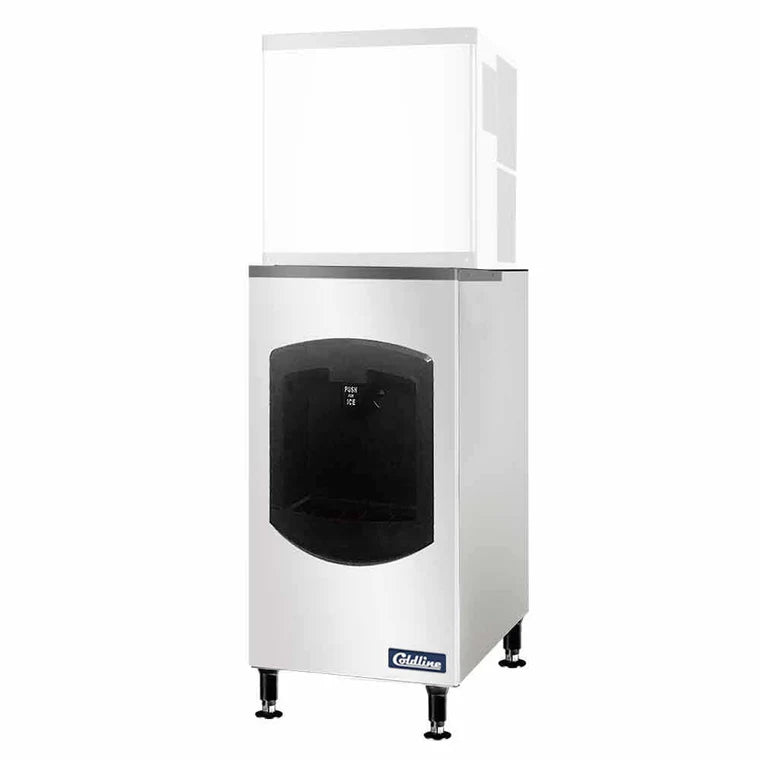
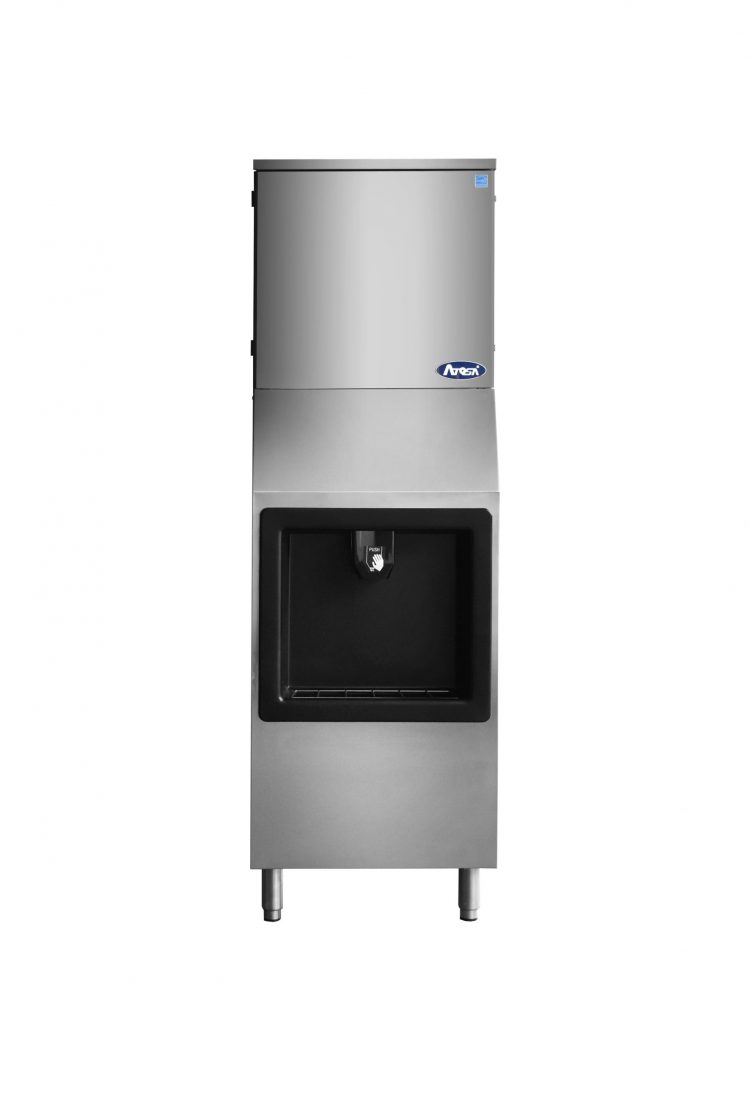
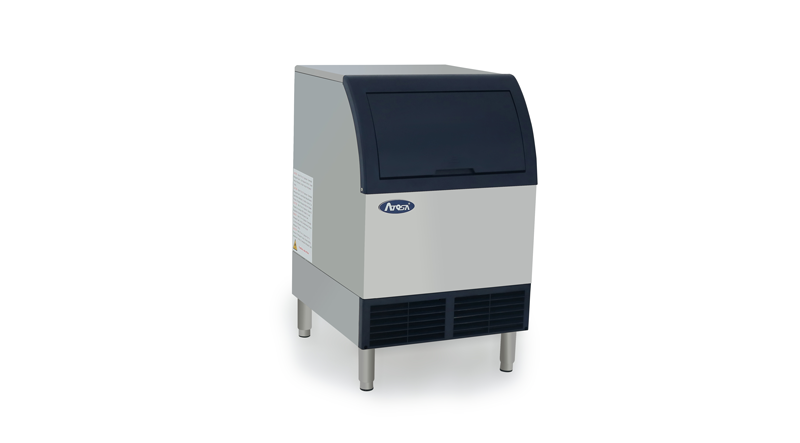
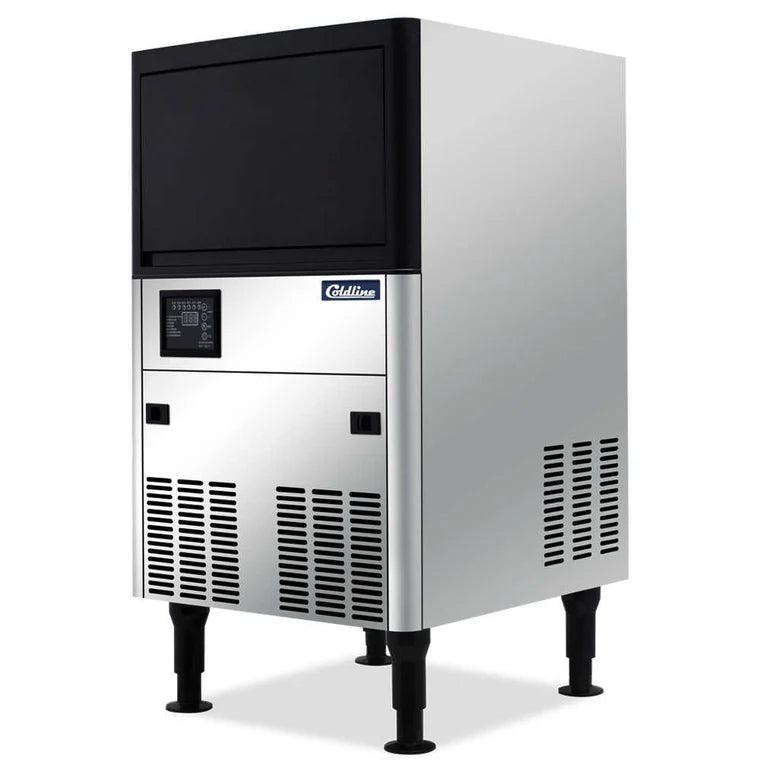
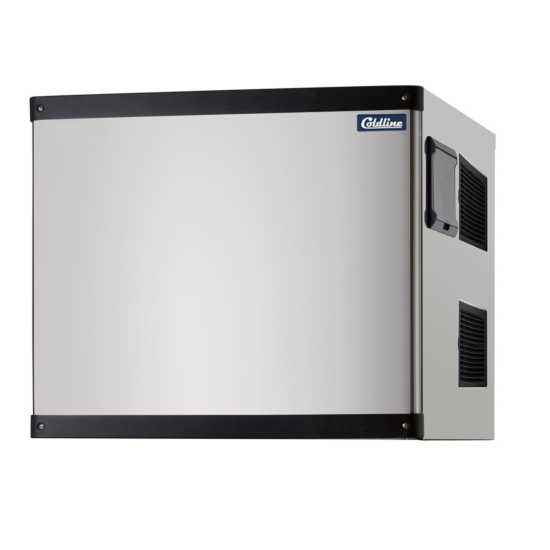
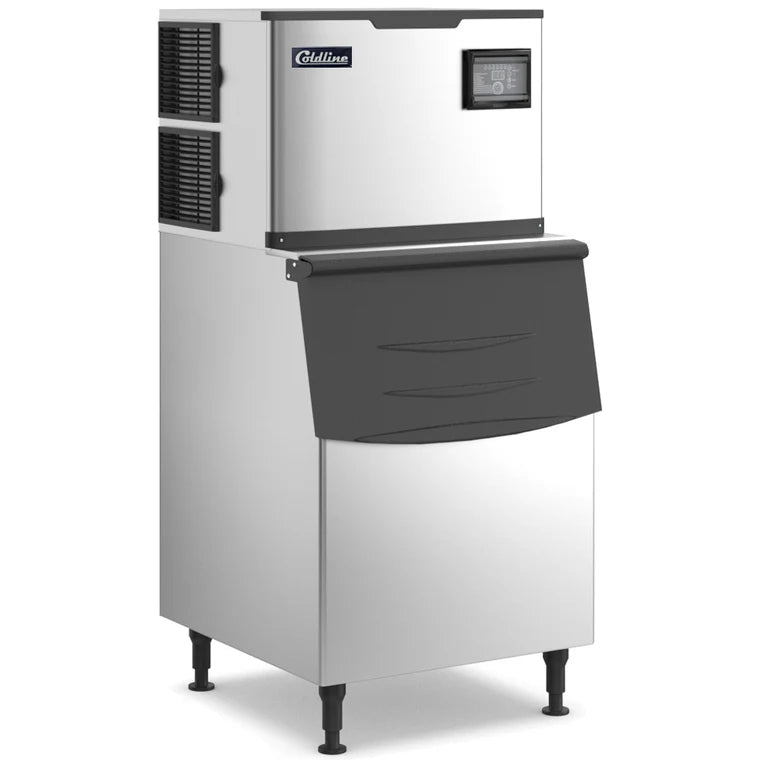
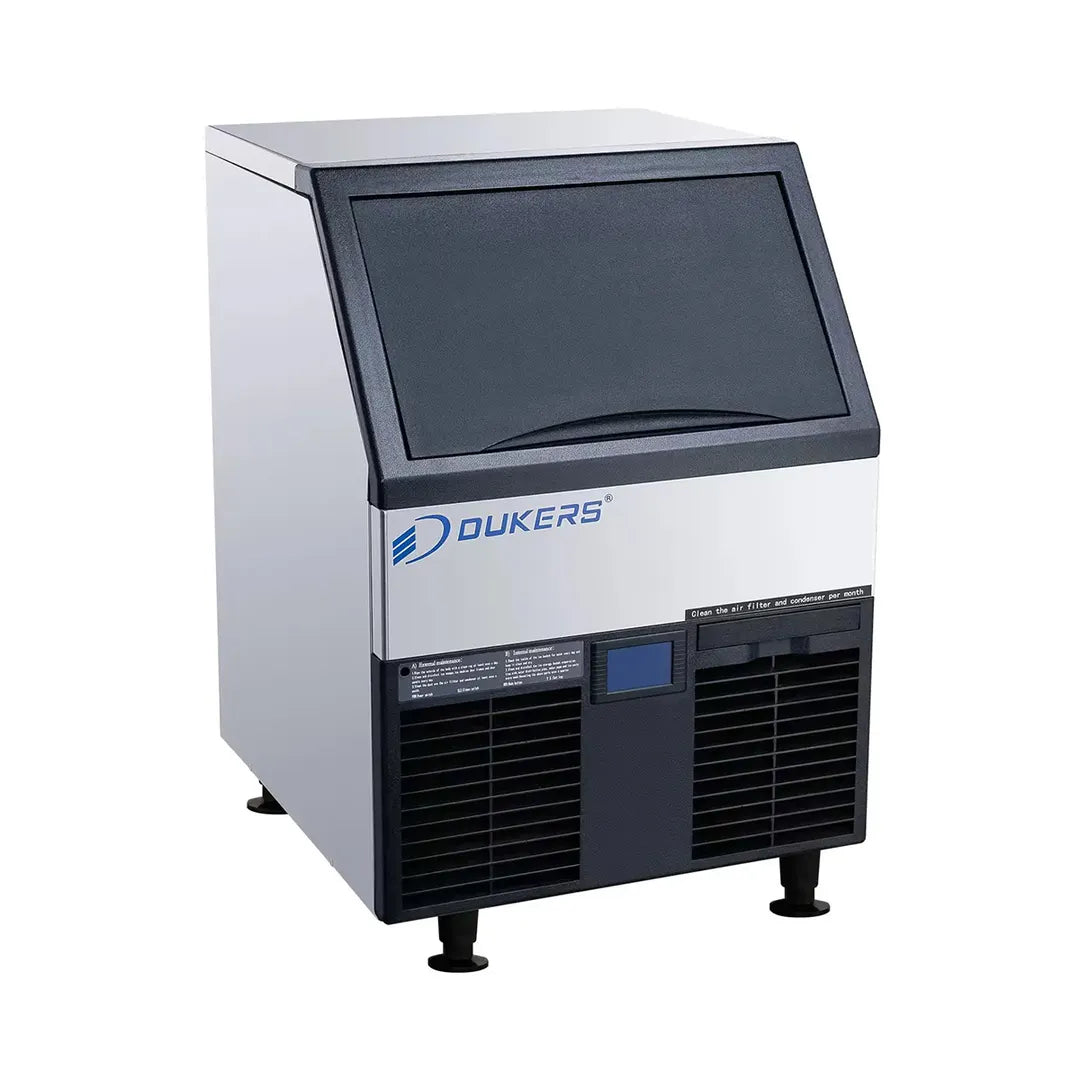
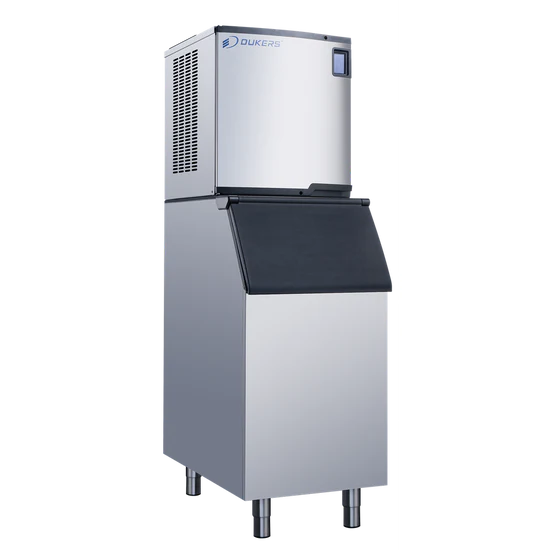
- Modular vs. undercounter design
Typical price ranges:
- Small undercounter units (100–300 lbs/day): $1,500 – $3,000
- Mid-size commercial units (400–800 lbs/day): $3,000 – $6,000
- High-capacity modular machines (1,000+ lbs/day): $6,000 – $12,000+
Installation costs, water filtration systems, and extended warranties can add to the total investment.
Most manufacturers recommend:
- Descaling every 3–6 months
- Sanitizing every 6 months
- More frequently in high-volume operations or hard water regions
Restaurants, bars, and healthcare facilities often clean units quarterly to stay compliant with local health regulations.
If you notice:
- Slower ice production
- Cloudy ice
- Unusual taste or odor
- Visible slime or scale buildup
…it’s time to clean the unit immediately.
Commercial ice machines operate in cycles. The basic process includes:
- Water Fill – Water enters the evaporator plate.
- Freezing Cycle – Refrigerant removes heat, forming ice on the evaporator.
- Harvest Cycle – The machine slightly warms the evaporator to release the ice.
- Storage – Ice falls into the bin and is stored until needed.
Most machines use either:
- Air-cooled condensers (most common and energy efficient for general use)
- Water-cooled condensers (used in hot environments or tight spaces)
- Remote condensers (compressor located separately to reduce kitchen heat and noise)
The refrigeration system is the most expensive and technically complex component of the machine.
Water usage depends on:
- Machine efficiency
- Cooling method
- Ice production capacity
On average:
- Air-cooled units use approximately 20–25 gallons of water per 100 lbs of ice produced
- Water-cooled units use significantly more (can be 100+ gallons per 100 lbs)
Water filtration systems improve efficiency and reduce scale buildup, ultimately lowering total water waste.
Energy consumption varies by capacity and model.
Typical usage ranges:
- Small units: 5–8 kWh per 100 lbs of ice
- Large modular units: 6–12 kWh per 100 lbs
Energy Star certified machines can reduce electricity usage by 10–15% compared to standard models.
Electrical requirements commonly include:
- 115V (small units)
- 208–230V single-phase
- 208–230V three-phase (high-capacity models)
Always confirm voltage compatibility before installation.
Choosing the right commercial ice machine requires evaluating:
1. Daily Ice Production Needs
Estimate how much ice your business uses per day.
- Restaurants: 1.5 lbs per customer
- Bars: 3 lbs per seat
- Hotels: 5 lbs per room
2. Ice Type
- Full cube: Slow melting, ideal for restaurants
- Half cube: Faster cooling
- Nugget ice: Popular for beverages and healthcare
- Flake ice: Seafood displays and food presentation
3. Available Space
- Undercounter vs. modular with separate bin
- Ventilation clearance
- Remote condenser option if heat is a concern
4. Water Quality
Install a filtration system to extend equipment lifespan.
5. Long-Term Operating Costs
Focus not only on purchase price but also:
- Energy efficiency
- Water usage
- Ease of maintenance
- Availability of replacement parts
Selecting the right machine is a balance between production capacity, installation environment, and total cost of ownership.