
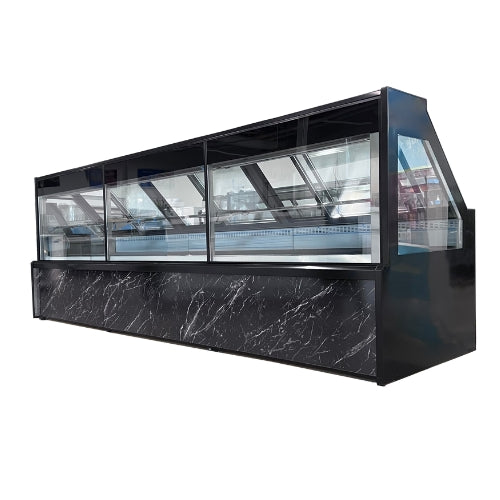
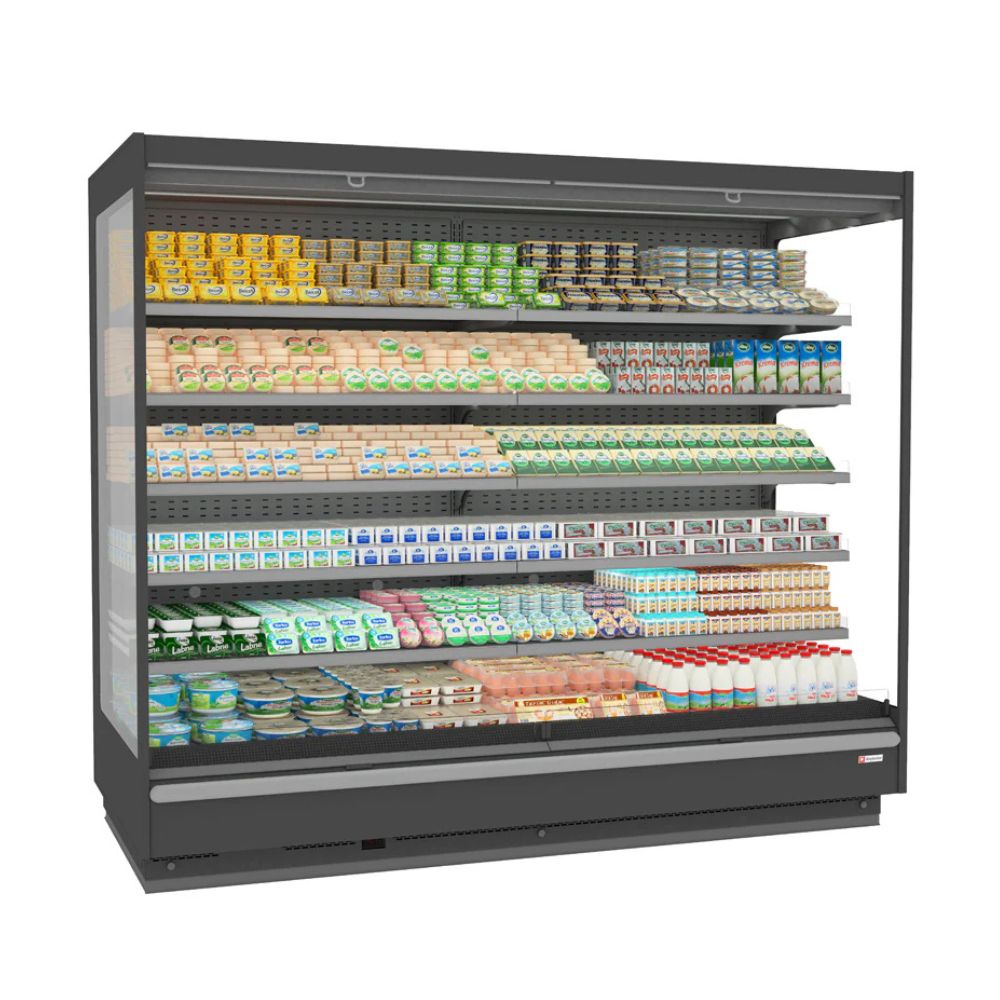
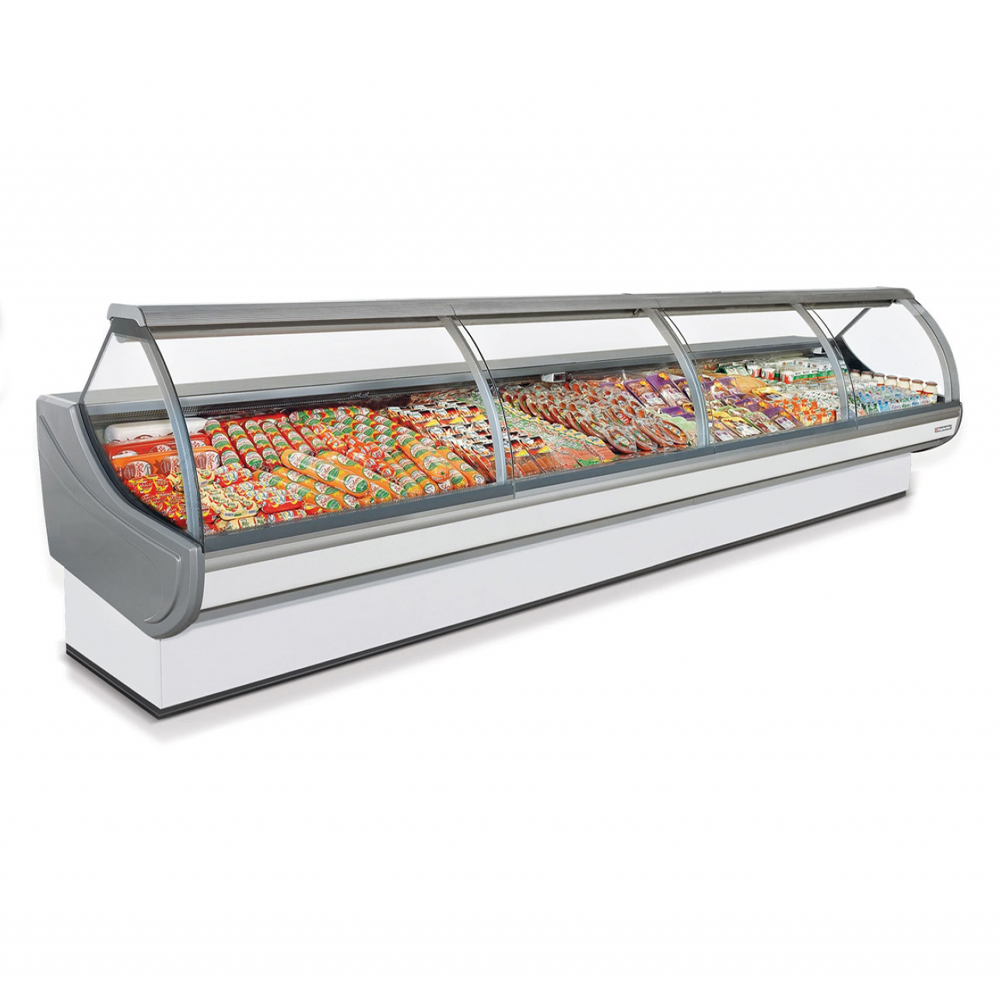

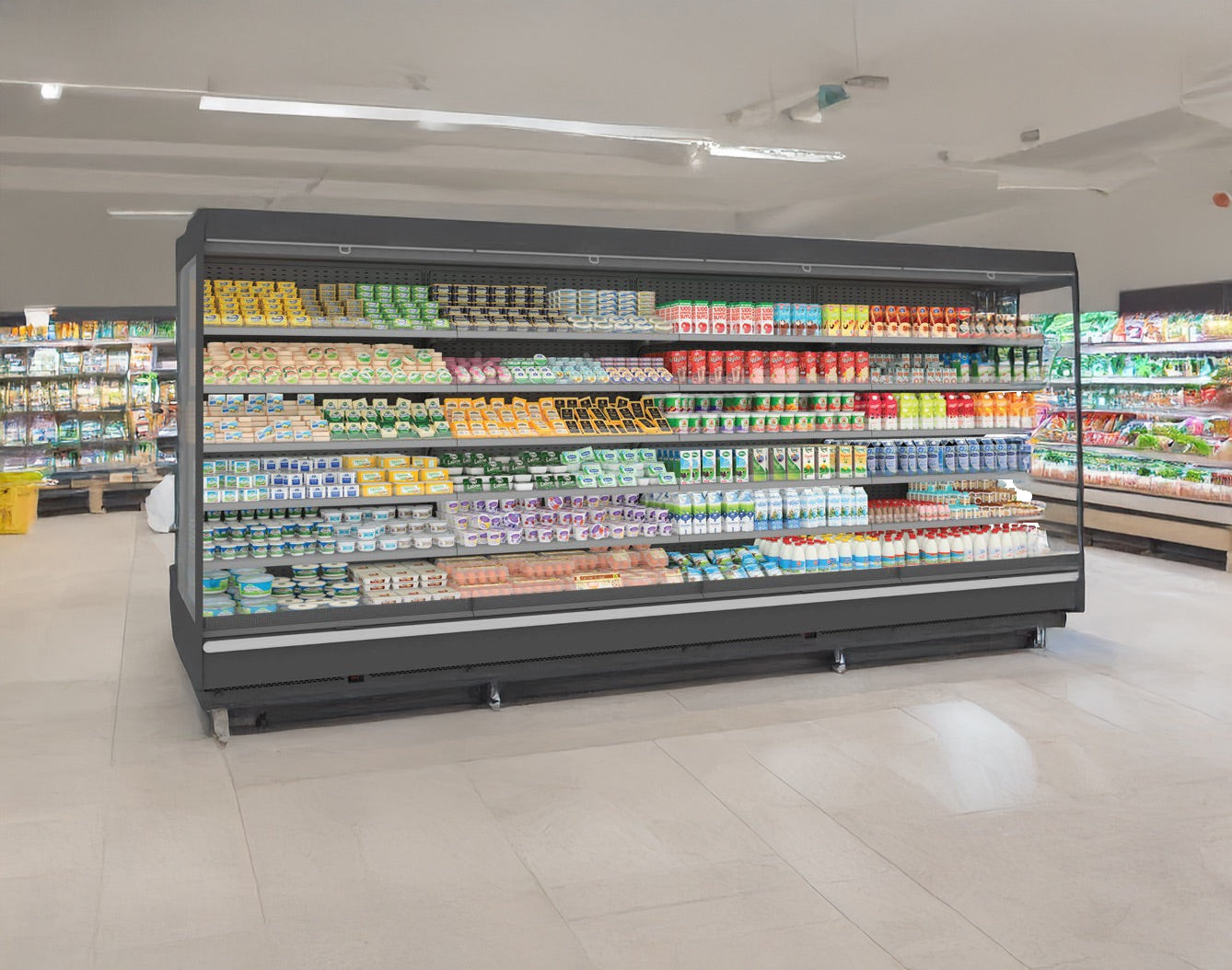
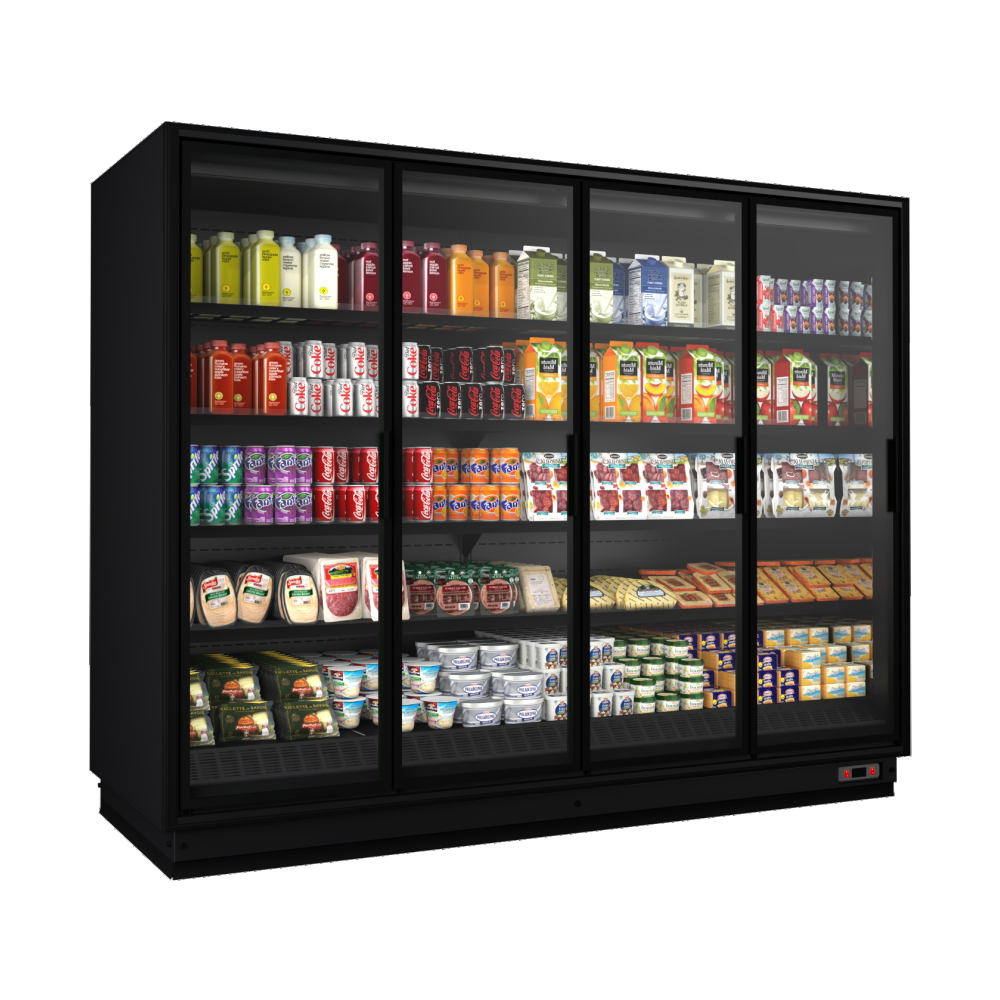
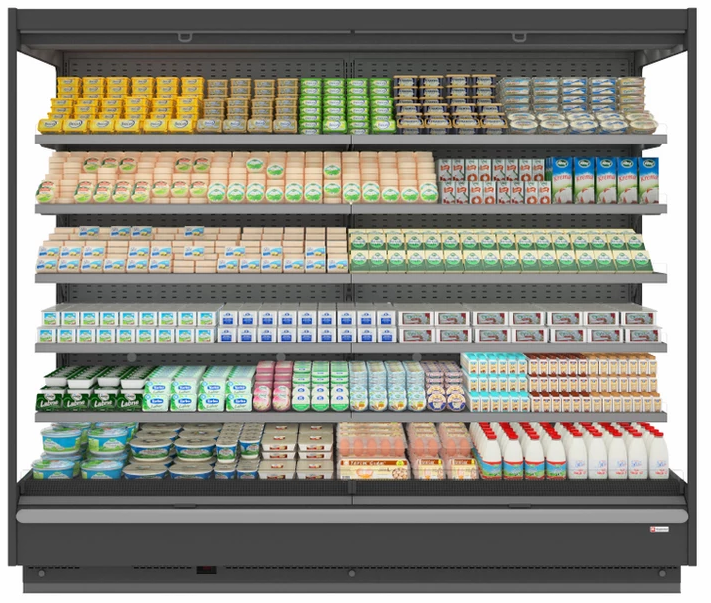
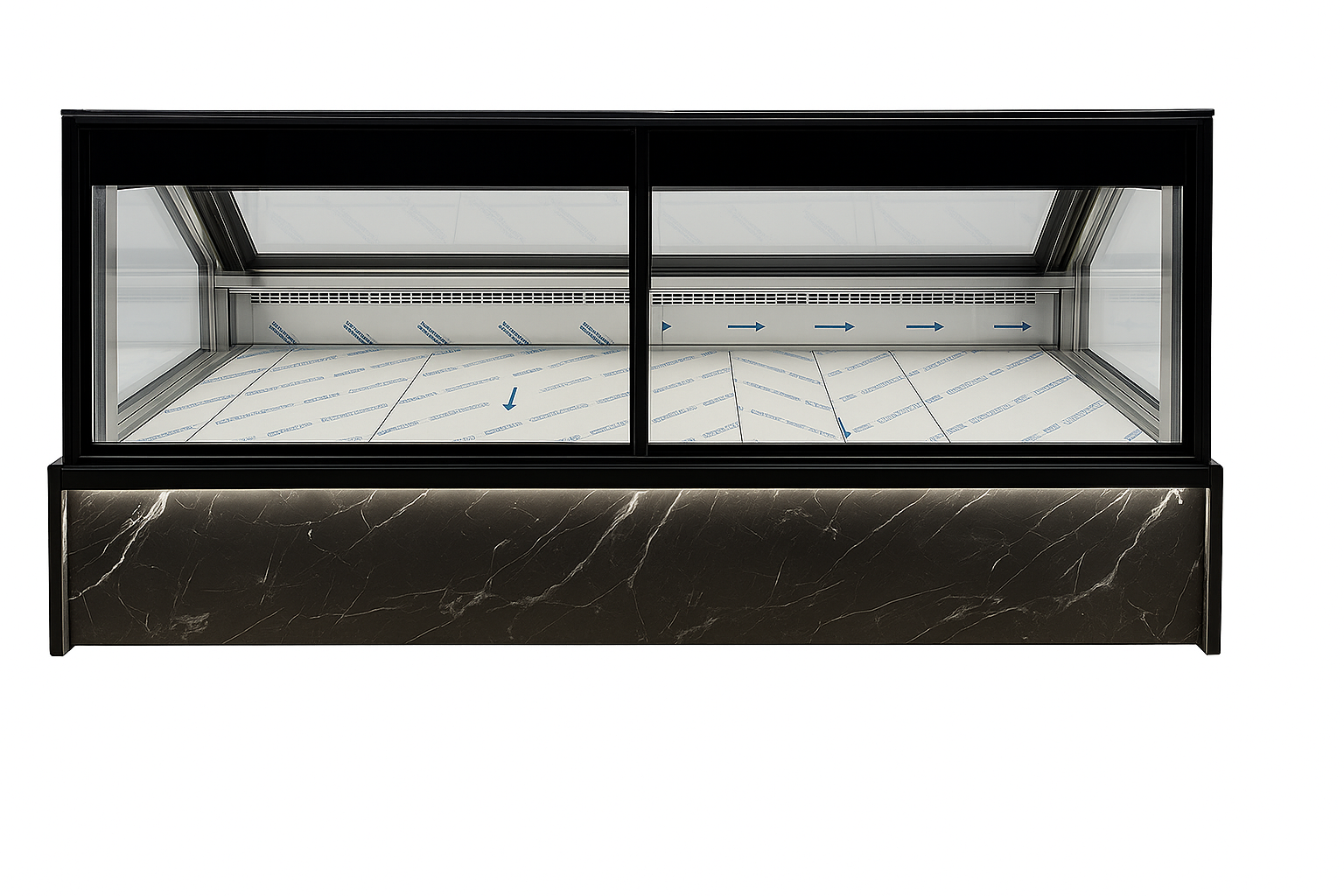
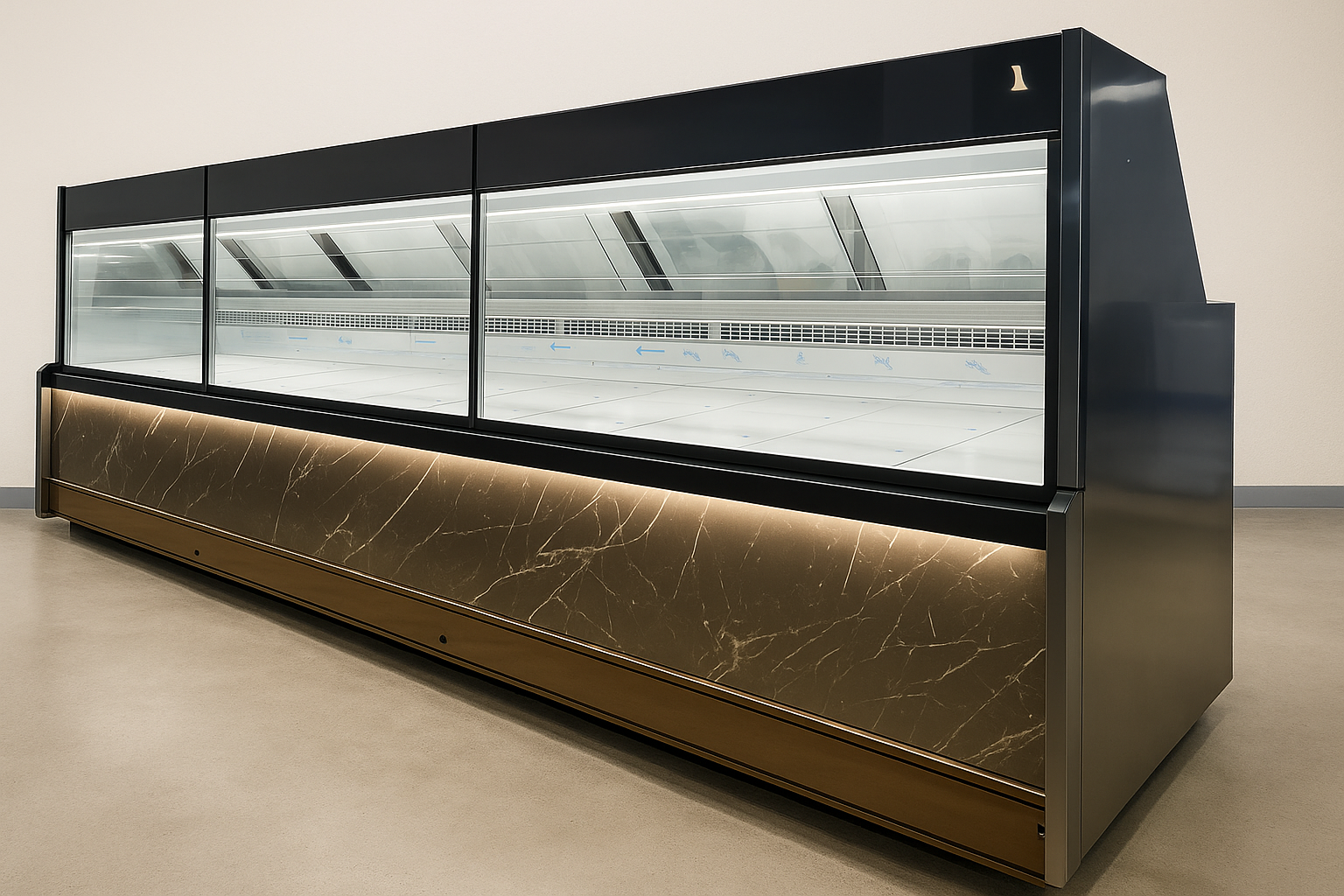
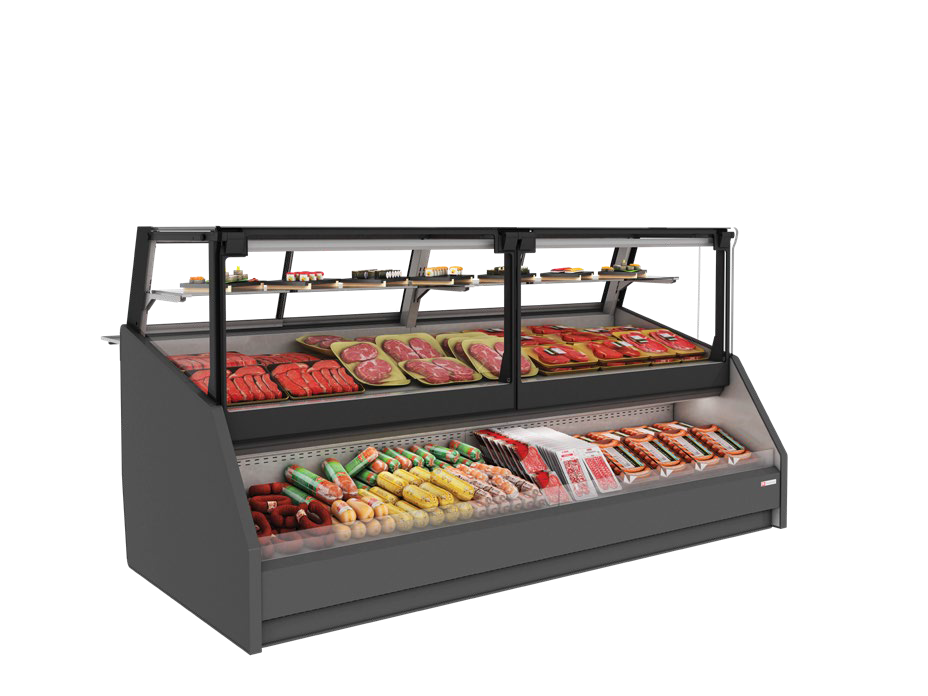
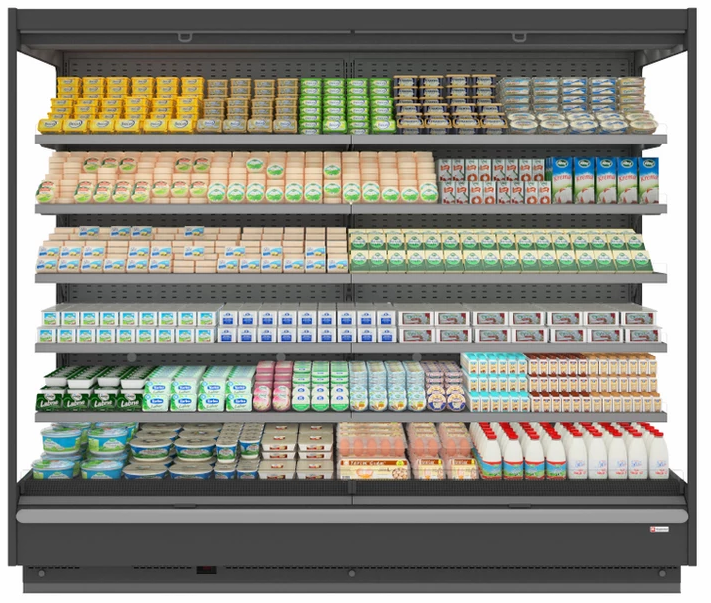
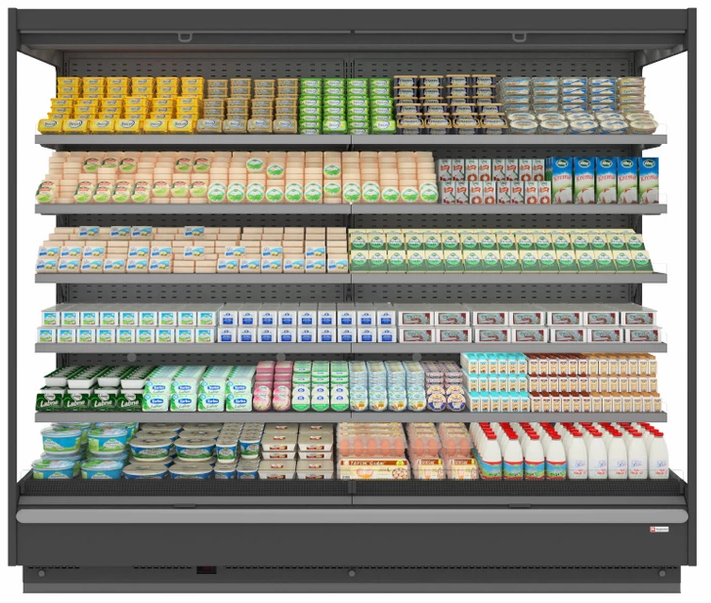
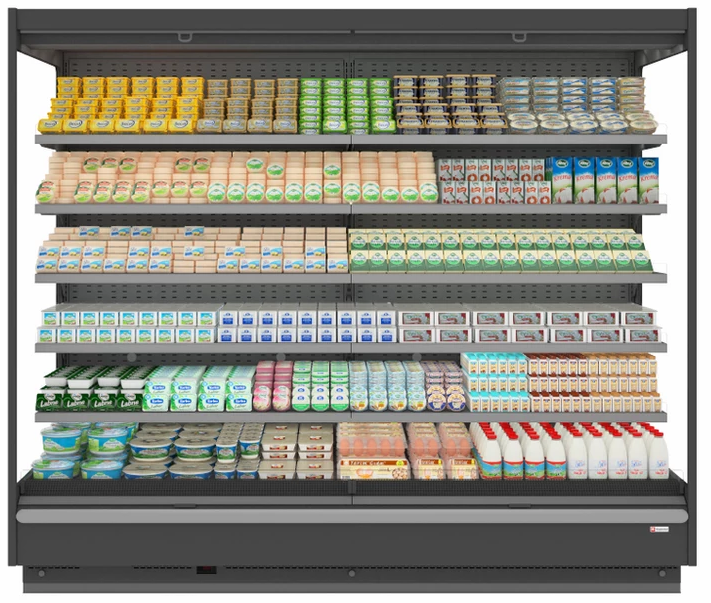
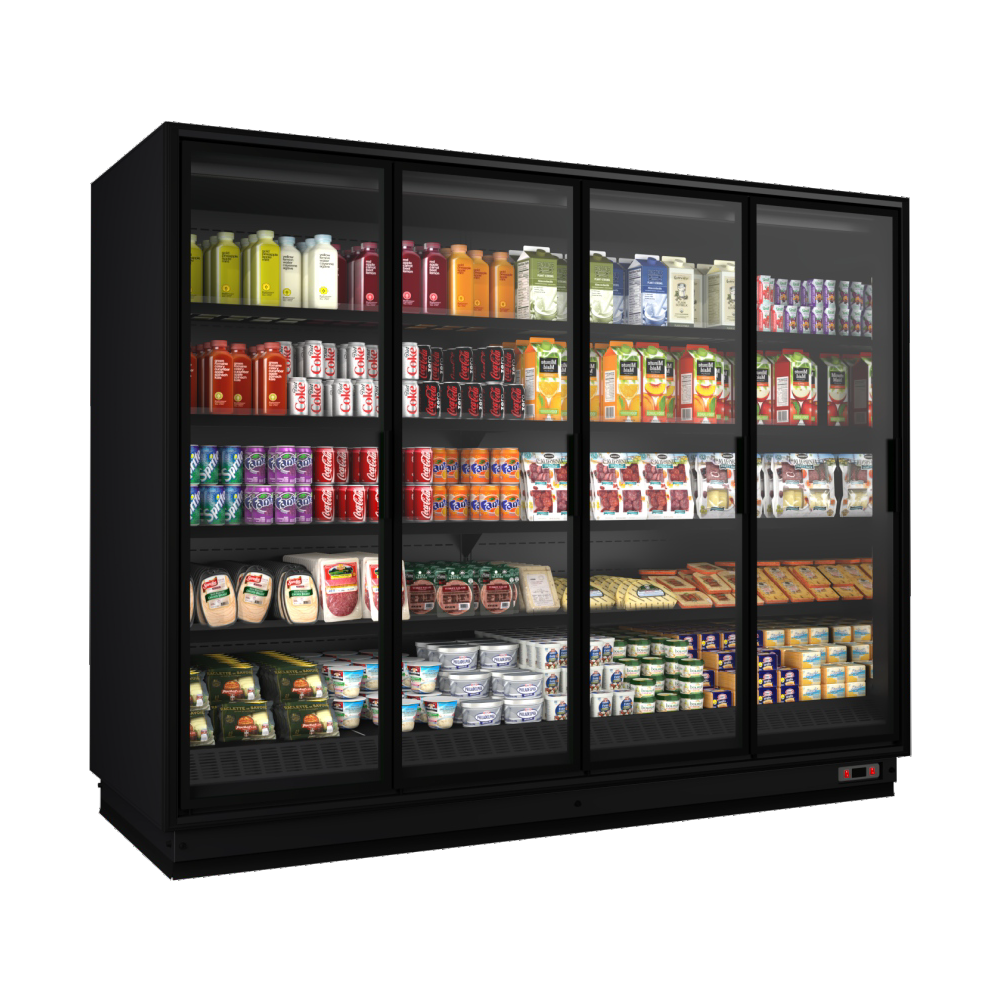
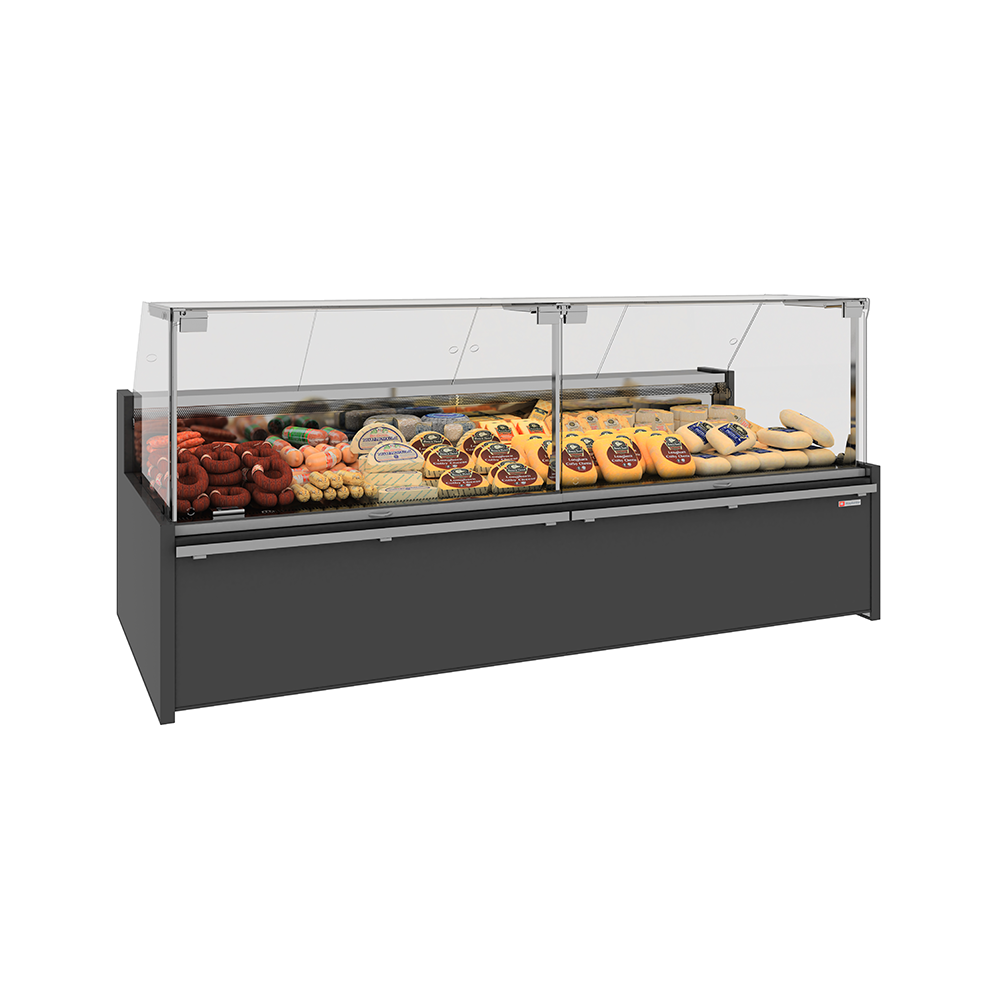
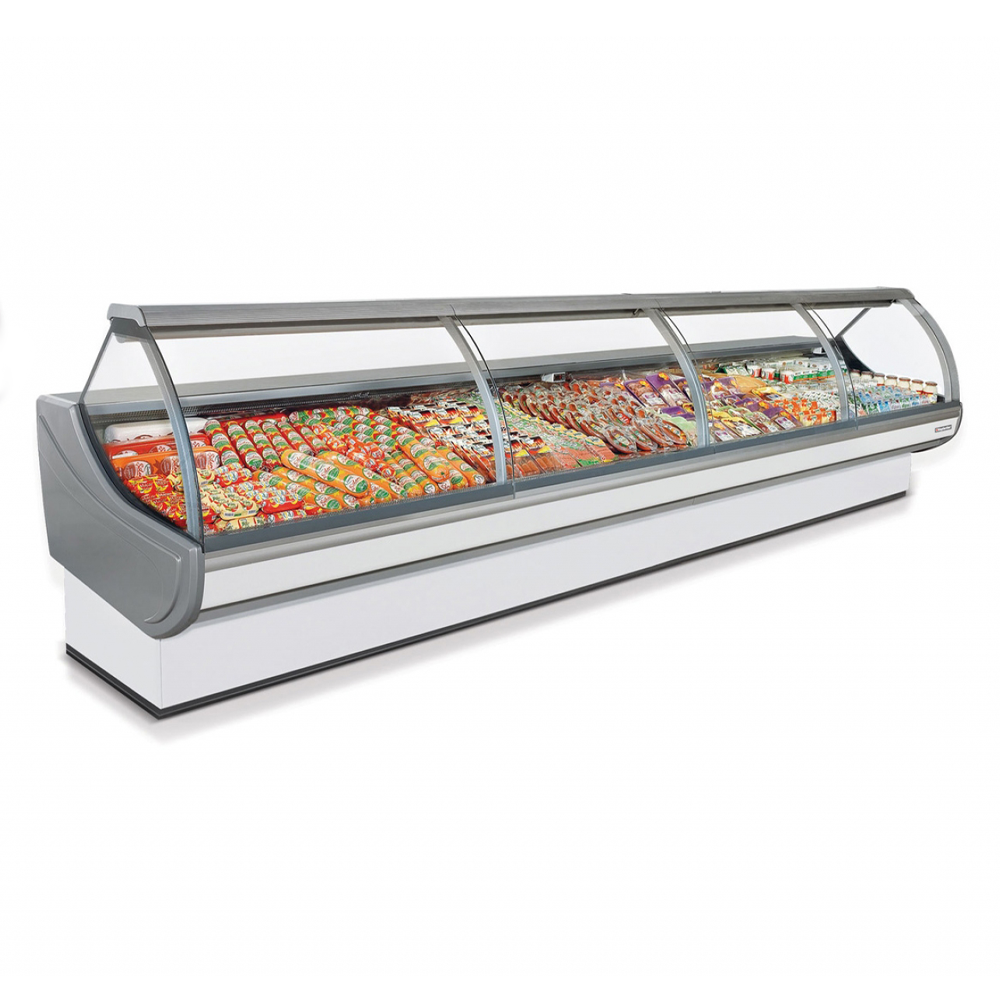
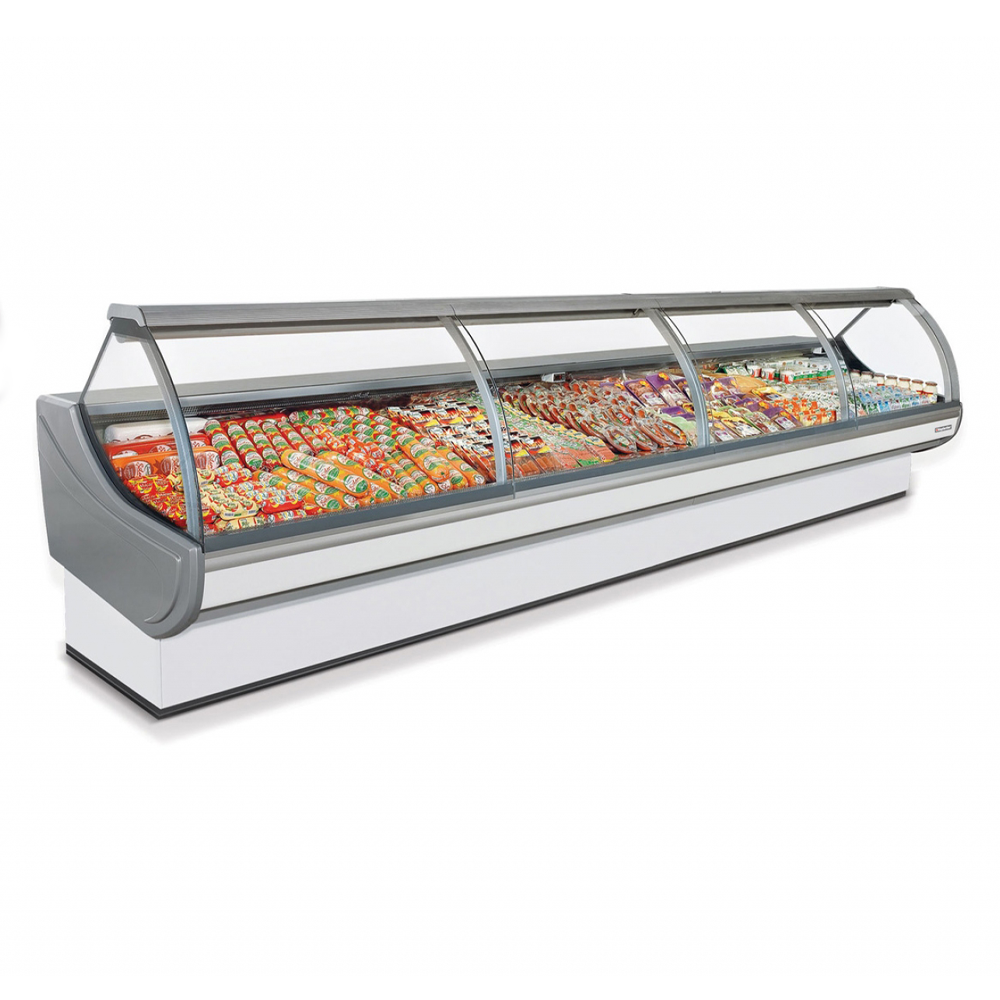
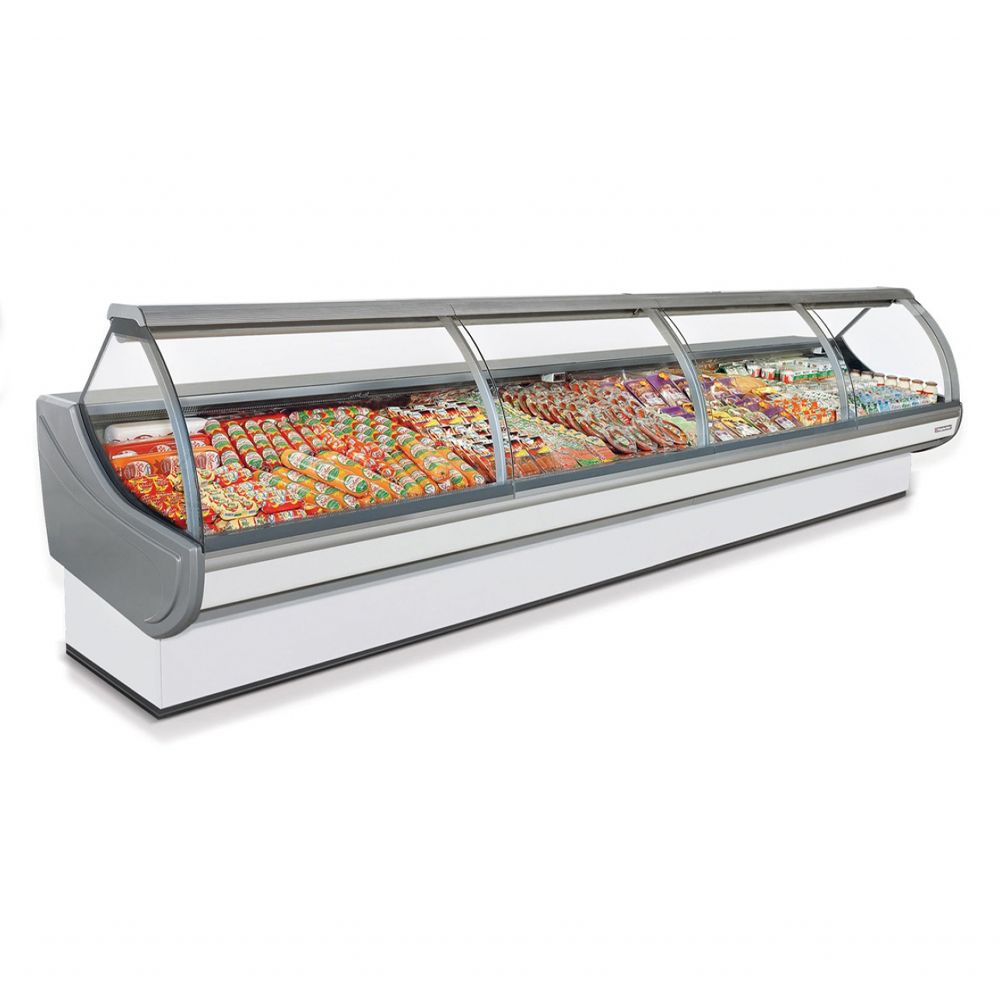
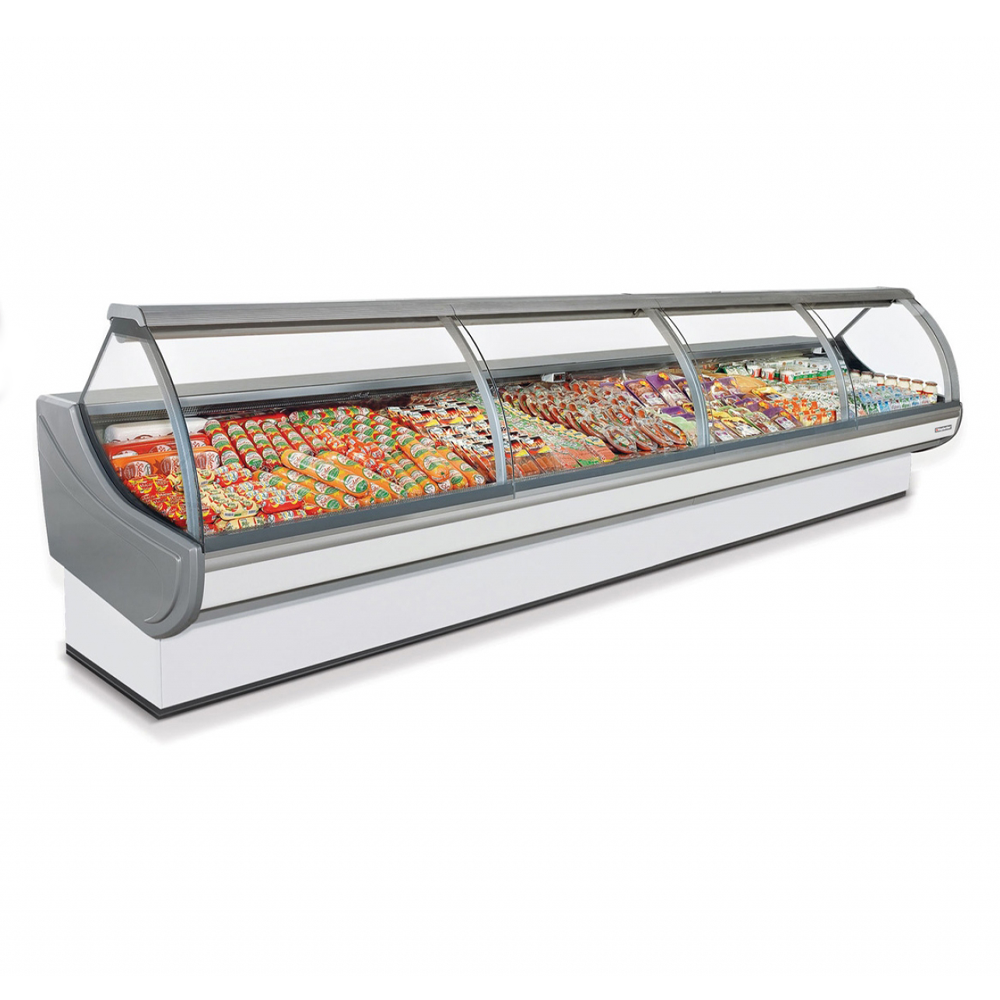
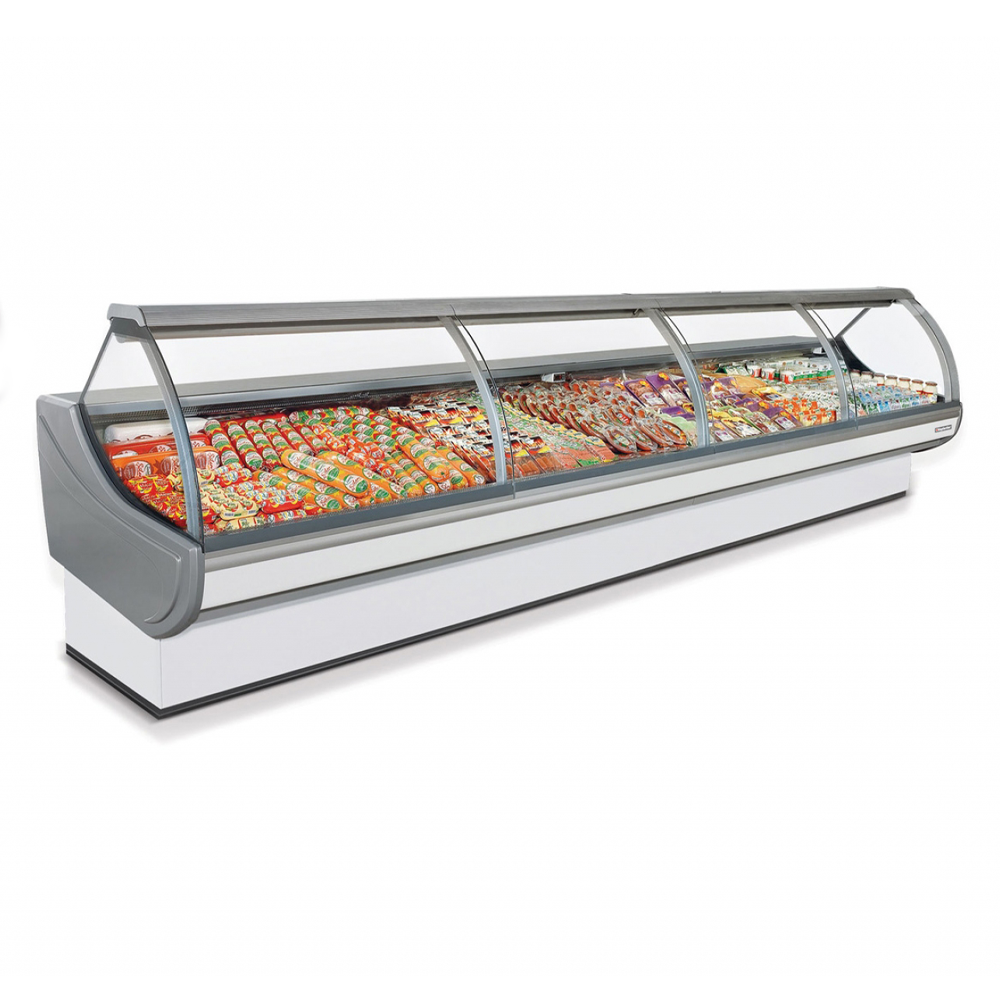
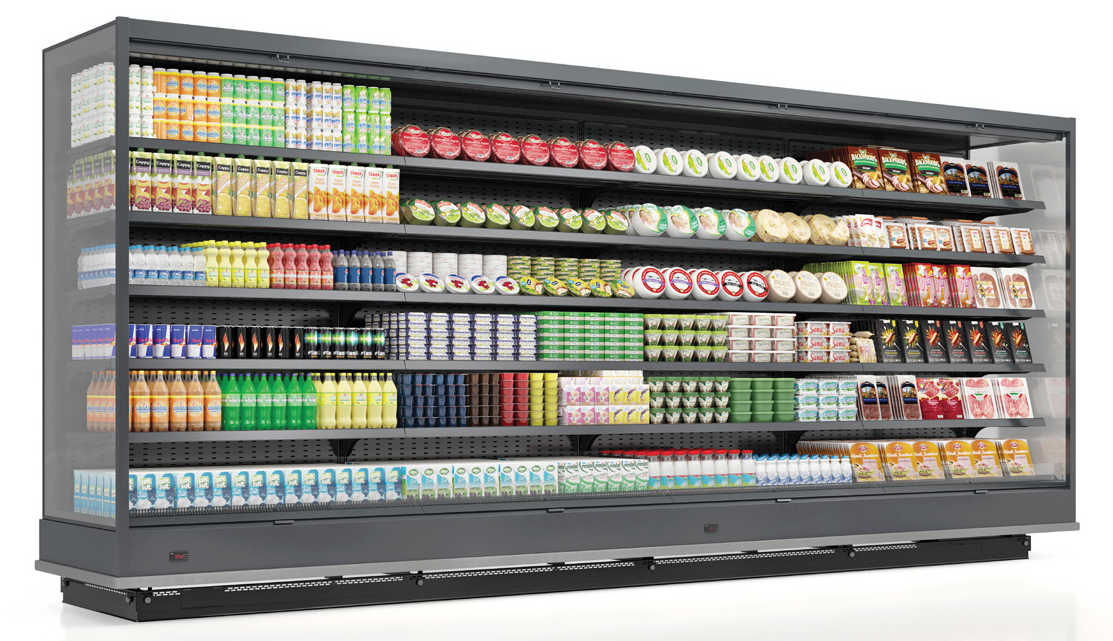
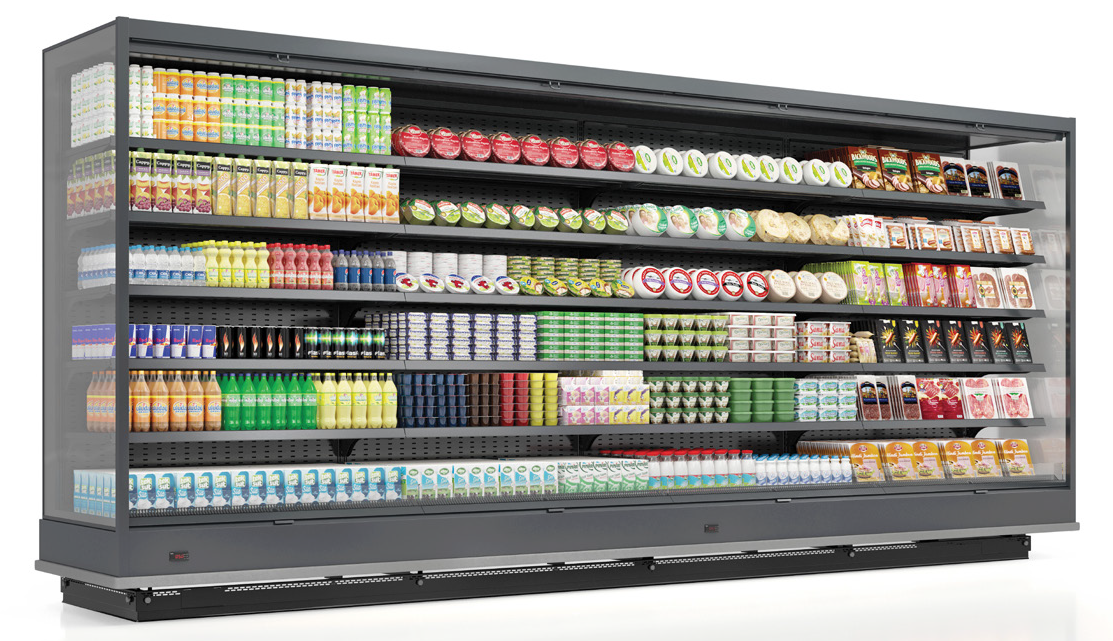
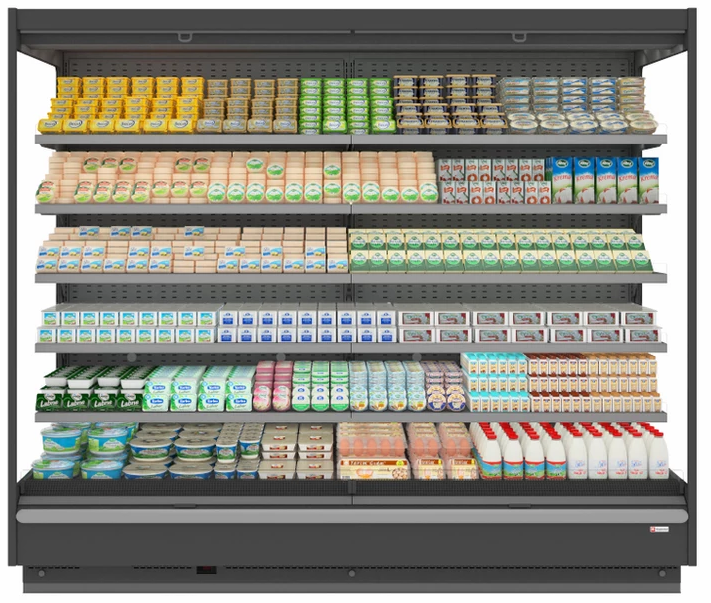
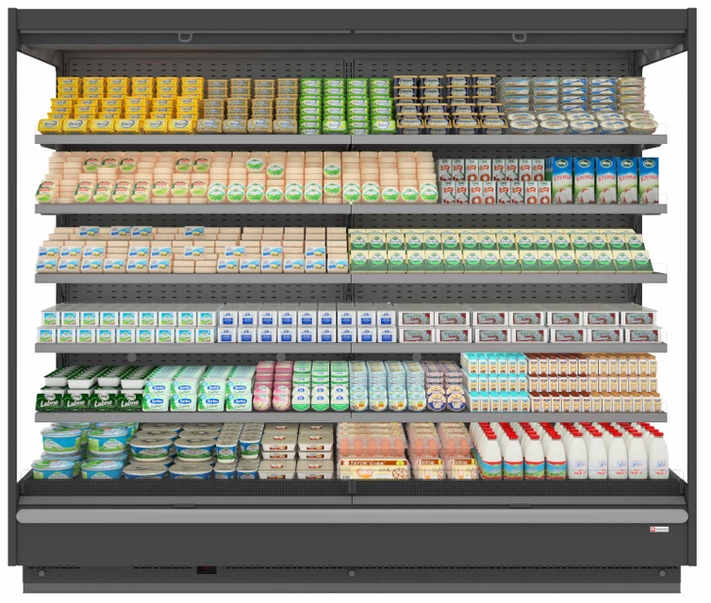
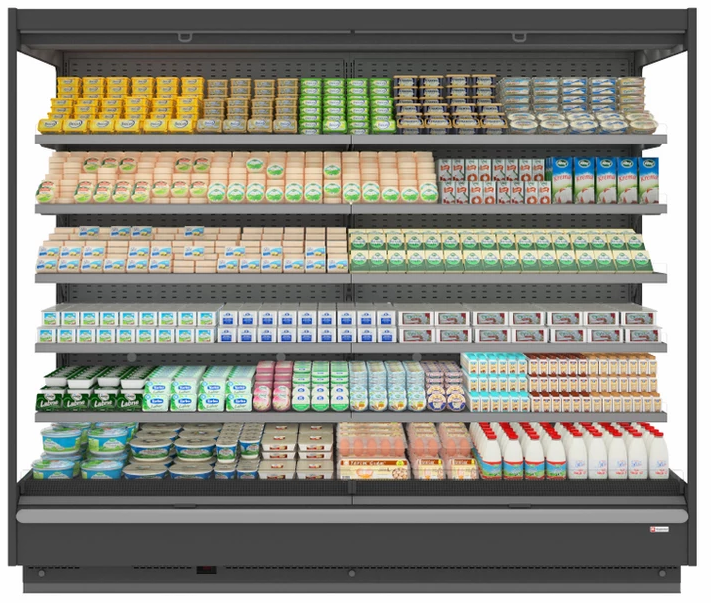
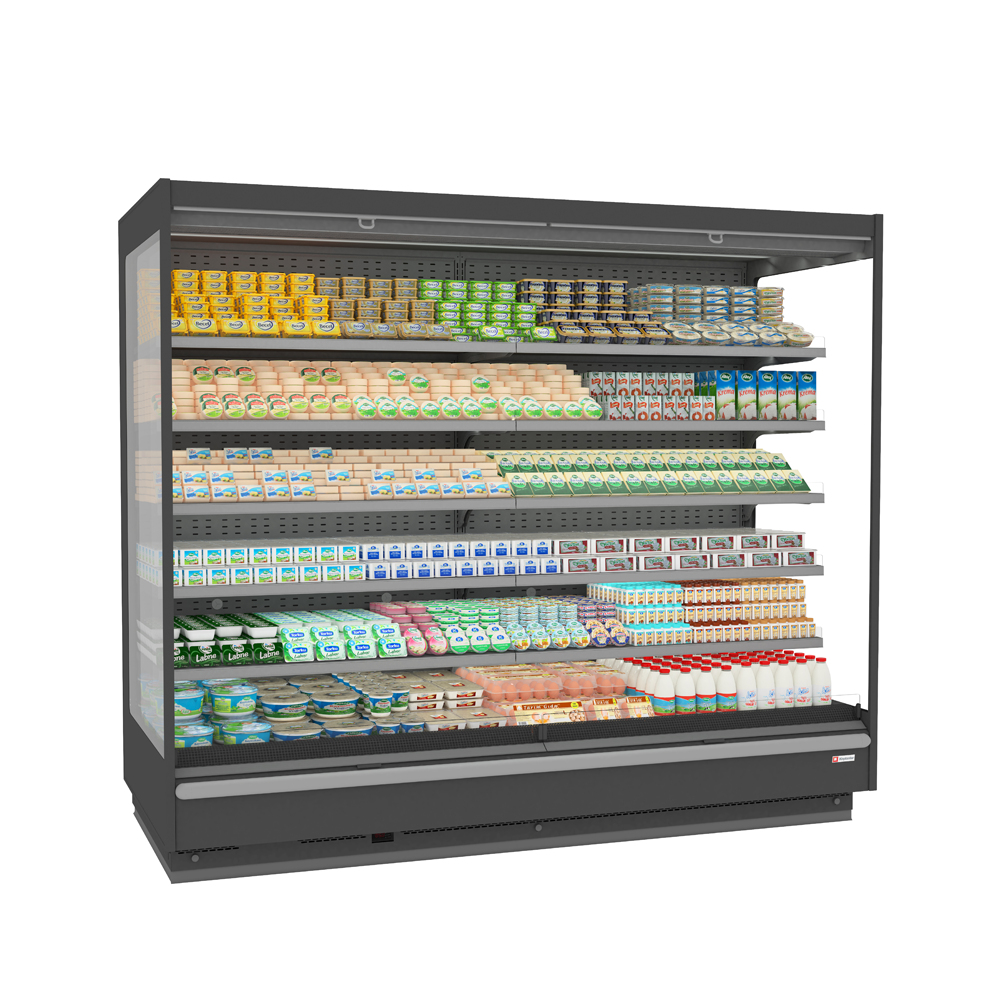
Remote refrigerated cases are designed for businesses that need both reliable temperature control and strong product presentation. In supermarkets, delis, butcher shops, and specialty food stores, how your products are displayed is just as important as how they are stored. A well-designed refrigerated deli case not only keeps food fresh but also enhances visibility, helping customers engage with your products and make faster purchasing decisions.
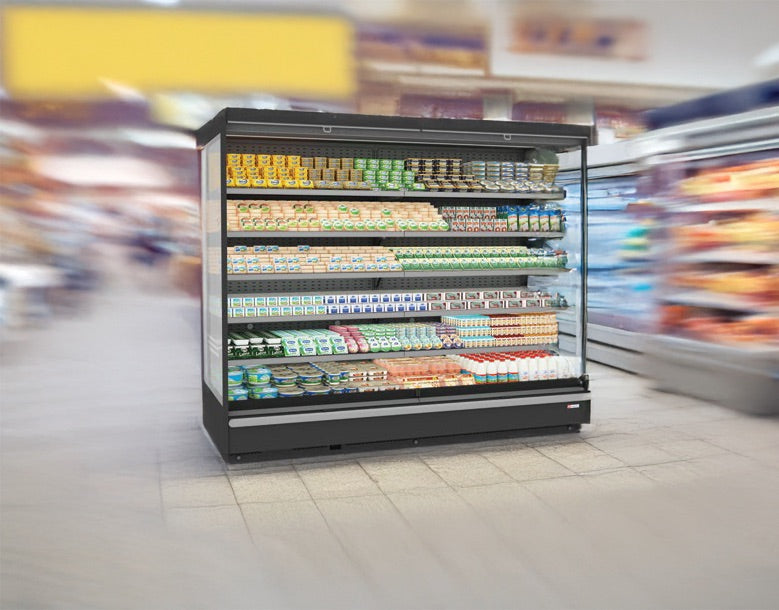
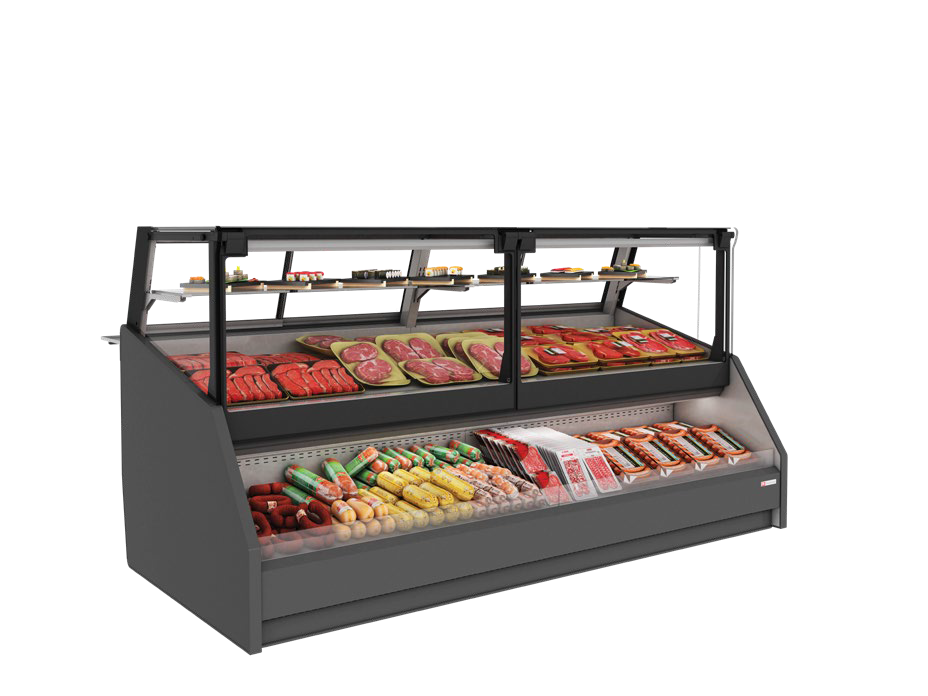
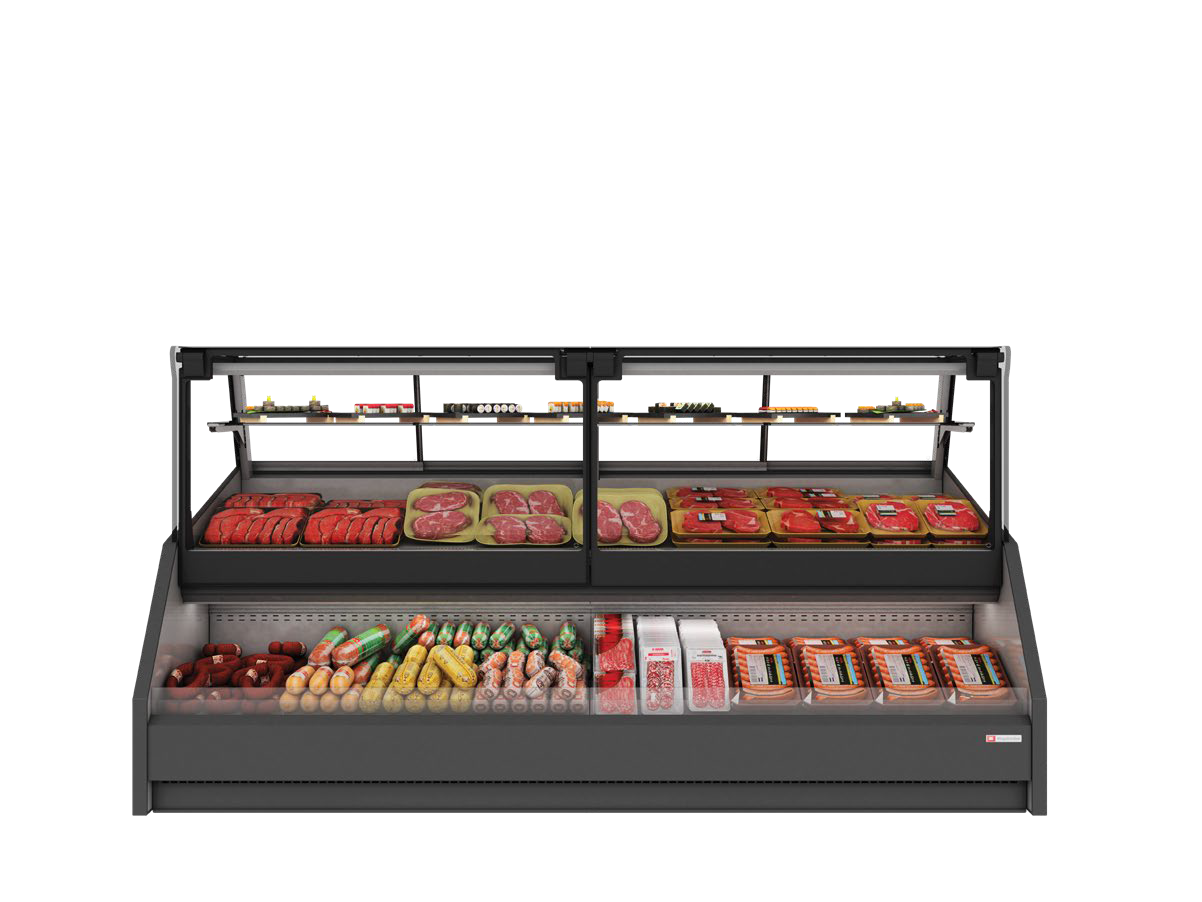
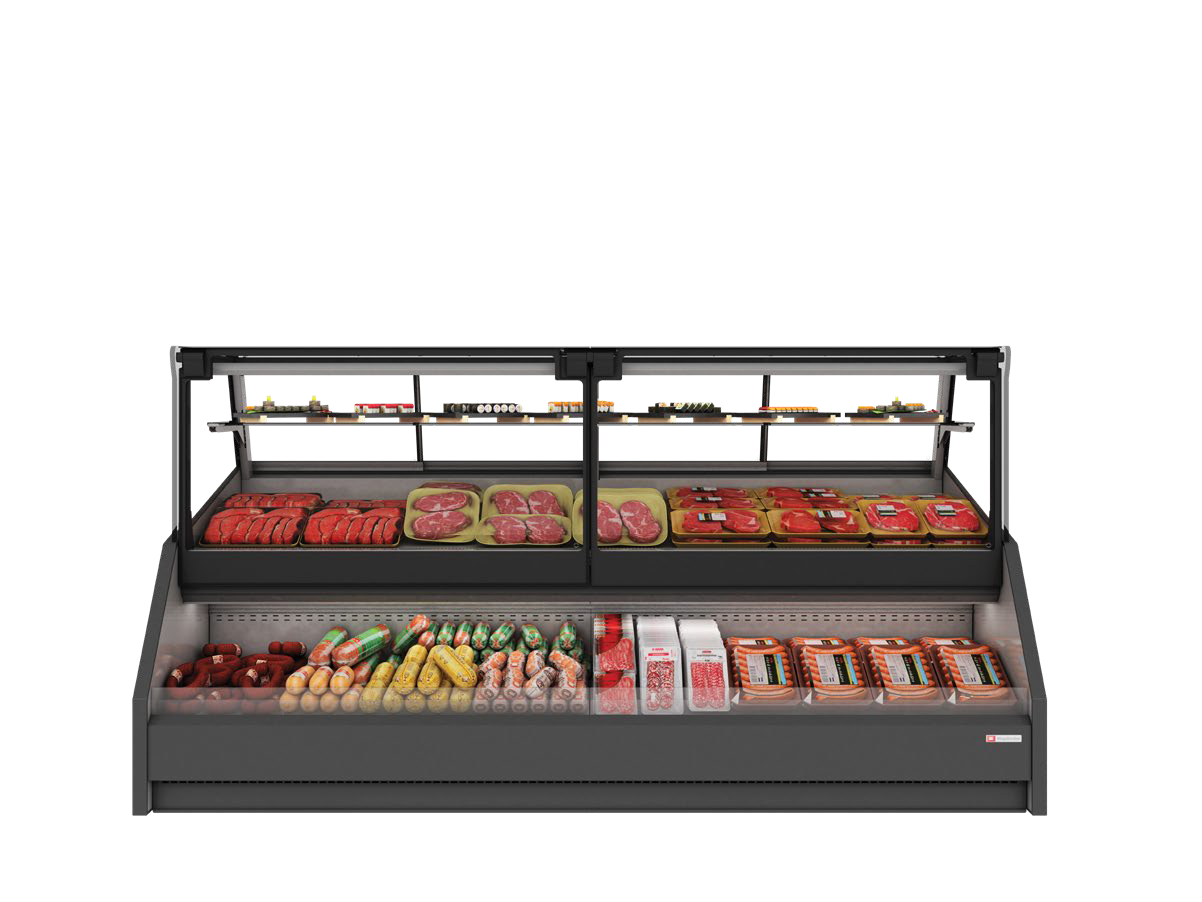
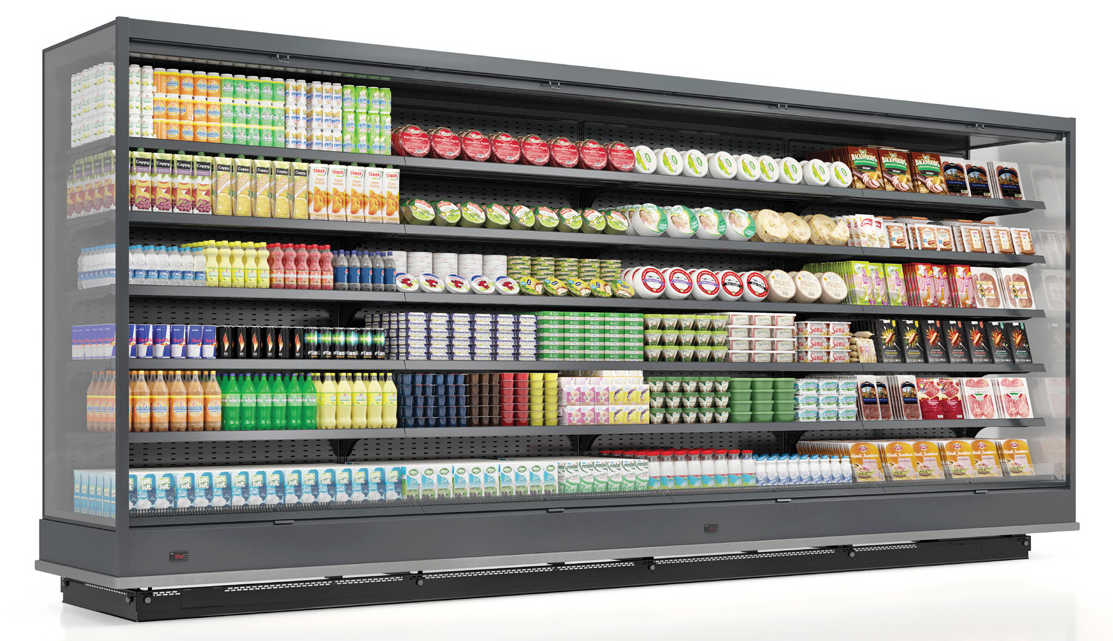
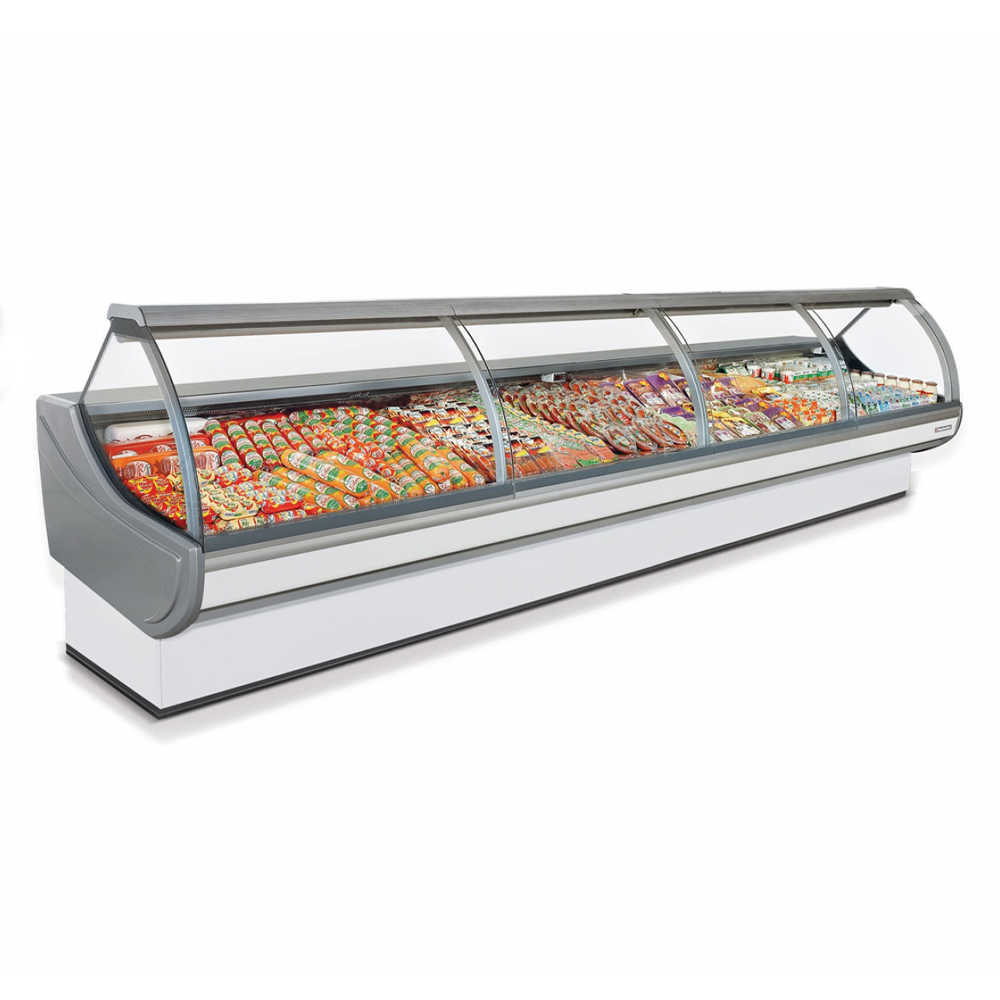
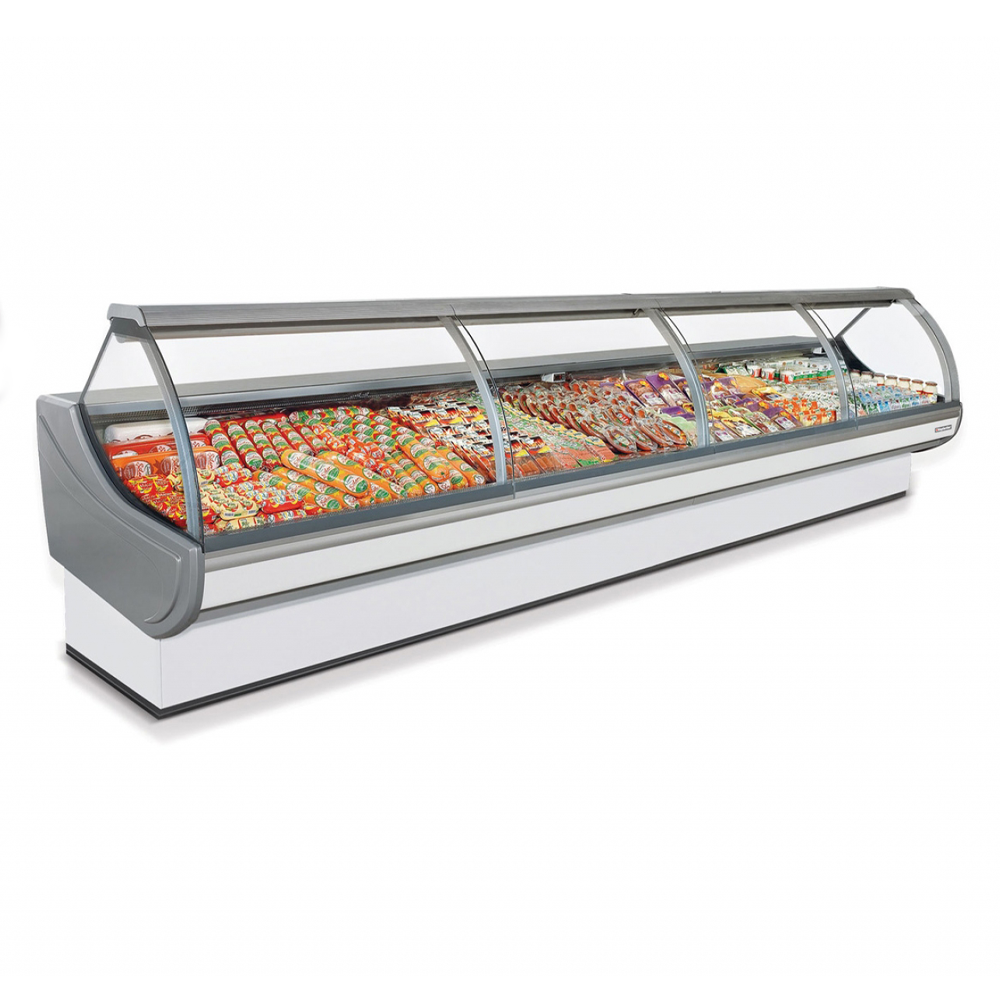
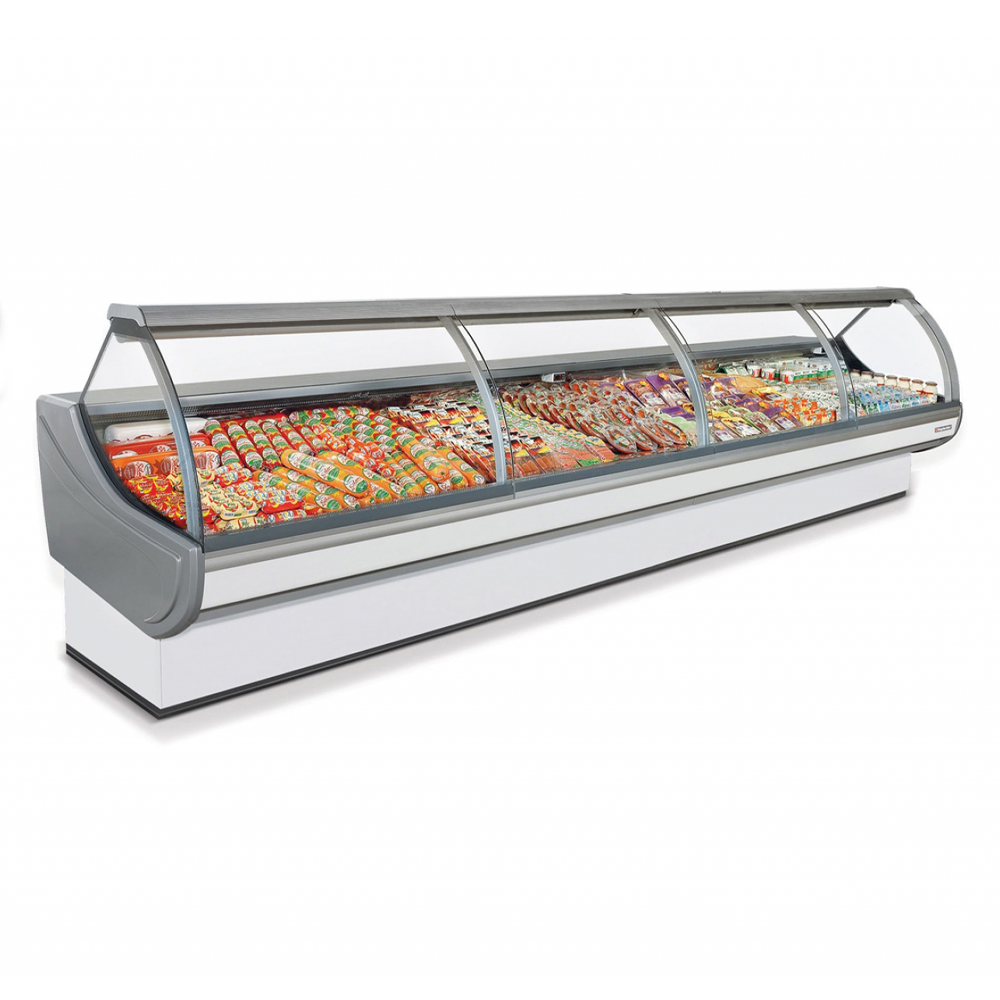
Unlike self-contained units, remote refrigerated display cases connect to an external refrigeration system, allowing for quieter operation, reduced heat inside the store, and more efficient use of space. This setup is especially valuable in high-traffic environments where multiple cases are used together to create a clean, continuous display. From deli meats and cheeses to fresh cuts of meat and prepared foods, remote deli cases provide consistent cooling while maintaining an attractive presentation across the entire case line.
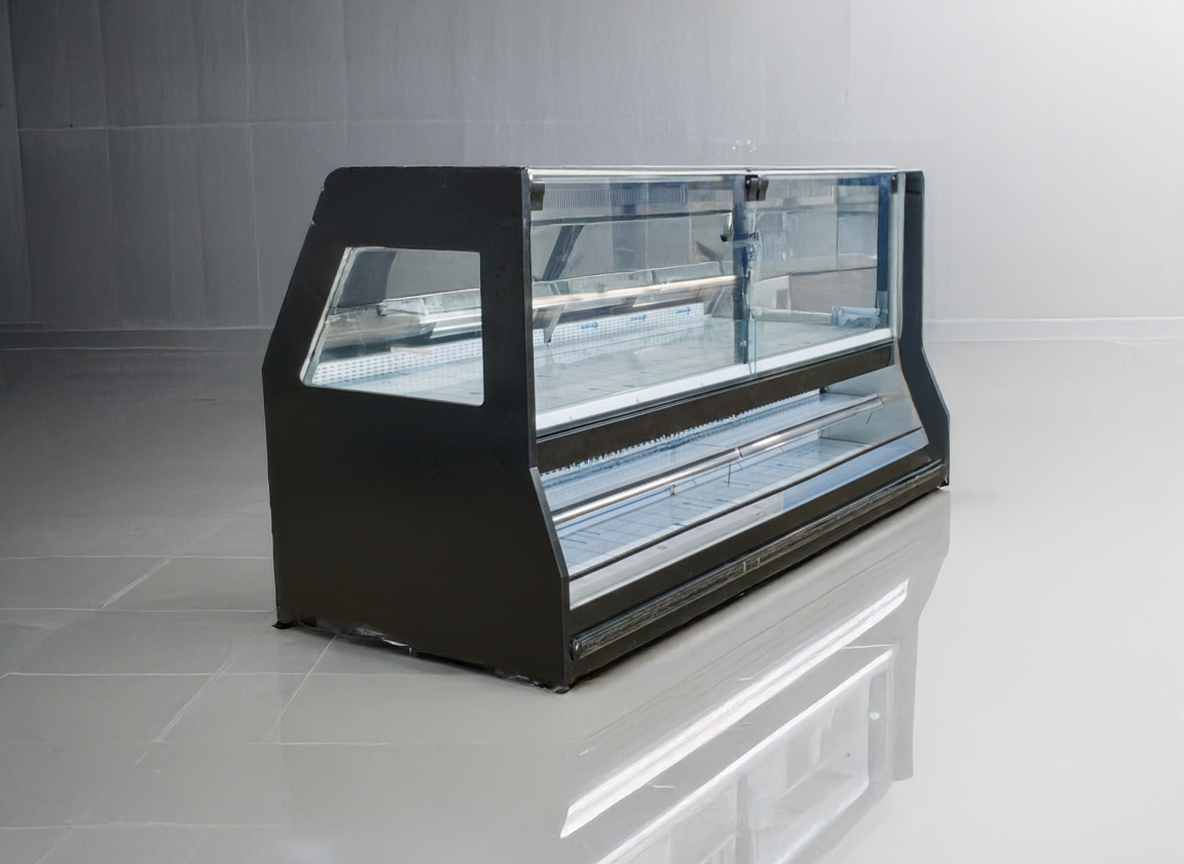
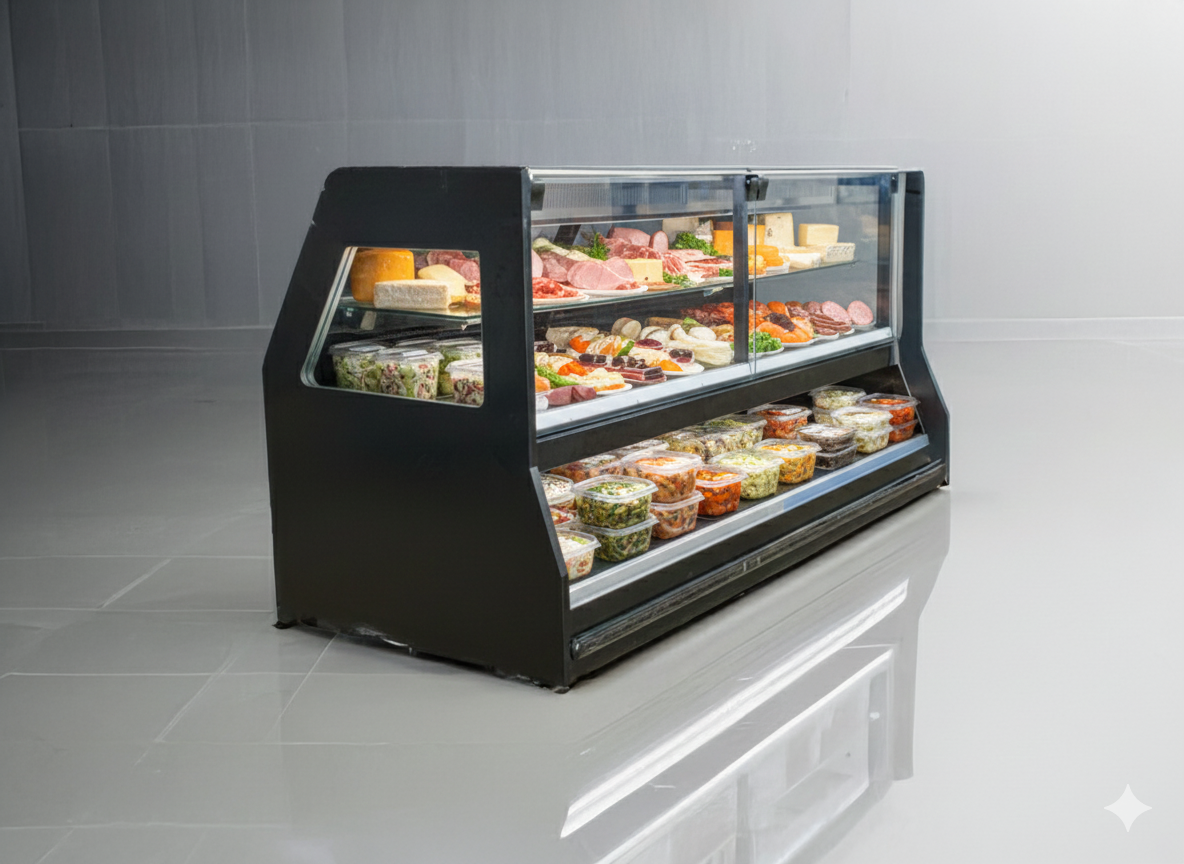
Choosing the right refrigerated case depends on your product type, layout, and merchandising goals. Deli cases are ideal for sliced meats and cheeses, while meat display cases are designed to showcase fresh cuts with optimal lighting and temperature control. With the right remote refrigerated case, you can improve product visibility, maintain consistent temperatures, and create a more professional, high-end shopping experience—ultimately driving both sales and customer satisfaction.
Show less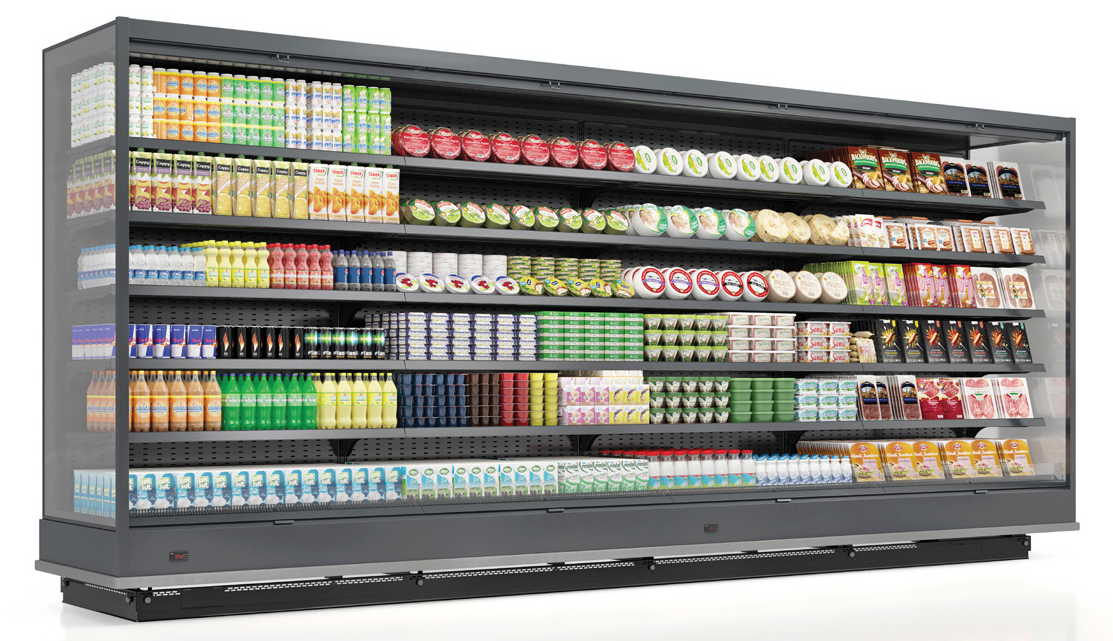
Free Shipping


Free Shipping
Free Shipping
Free Shipping
Free Shipping
Free Shipping
Free Shipping
Free Shipping
Free Shipping
Free Shipping
Free Shipping
Free Shipping
Free Shipping
Free Shipping
Free Shipping
Free Shipping

Recently viewed
What to Know Before Buying a Refrigerated Deli Case
Choosing the right refrigerated deli case is not just about keeping products cold—it’s about how your products are presented and sold. In deli, meat, and prepared food environments, visibility directly impacts purchasing decisions. The right case should provide clear product display, proper lighting, and consistent temperature control to keep items fresh while making them visually appealing to customers.
One of the most important decisions is choosing between self-contained and remote refrigerated cases. Remote deli cases connect to an external refrigeration system, making them quieter and reducing heat inside the store, which is ideal for larger supermarkets and continuous display lines. You’ll also need to consider case style, size, and configuration to match your layout and product mix, whether you're displaying sliced meats, cheeses, fresh cuts, or prepared foods.
Finally, focus on airflow, temperature consistency, and ease of maintenance. A well-designed refrigerated deli case should maintain stable temperatures across the entire display, prevent product drying, and allow easy cleaning and servicing. The right choice not only preserves product quality but also enhances presentation, improves customer experience, and ultimately increases sales.
Helpful guides
Common questions
What is a refrigerated deli case used for?
Refrigerated deli cases are used to display and store meats, cheeses, and prepared foods while maintaining safe temperatures and improving product visibility.
What is the difference between remote and self-contained deli cases?
Remote deli cases connect to an external refrigeration system, while self-contained units have built-in compressors. Remote systems are quieter and better for larger setups.
What temperature should a deli display case maintain?
Most deli cases operate between 36°F and 41°F to keep products fresh and safe for consumption.
What is the difference between a deli case and a meat display case?
Deli cases are designed for sliced meats and cheeses, while meat cases are optimized for fresh cuts, often with different airflow and humidity control.
How do you choose the right size deli case?
The right size depends on your available space, product variety, and expected customer volume. Larger displays are ideal for high-traffic environments.
Are remote refrigerated cases better for supermarkets?
Yes. Remote cases reduce heat and noise in the store, making them ideal for supermarkets and large retail environments.
How do you maintain a refrigerated deli case?
Regular cleaning, monitoring temperature levels, checking airflow, and routine maintenance ensure long-term performance and food safety.