


How to Choose the Right Commercial Oven for Your Business
A commercial oven is one of the most important pieces of equipment in any professional kitchen. Whether you operate a restaurant, bakery, café, pizzeria, commissary, catering business, or institutional foodservice operation, the right oven affects cooking consistency, production speed, menu flexibility, and overall kitchen efficiency. From roasting and baking to reheating and high-volume production, commercial ovens are built to handle the demands that residential equipment cannot.At Atlantic, our commercial oven category is designed for businesses that need dependable performance in real foodservice environments. Whether you are searching for a restaurant oven, a commercial kitchen oven, a commercial convection oven, or a commercial bakery oven, choosing the right unit starts with understanding your production needs and workflow. Different ovens are built for different applications, and selecting the wrong type can slow down output, waste energy, and limit your kitchen’s potential.For many restaurants, a commercial oven needs to deliver versatility. It may be used for roasting proteins, finishing dishes, baking sides, or handling everyday prep tasks throughout service. In bakery environments, the priorities often shift toward baking consistency, airflow, recovery time, and the ability to support repeated batches of bread, pastries, or specialty products. That is why searches such as bakery oven, commercial bread oven, and commercial oven for bakery carry so much value: buyers are not only looking for an oven, they are looking for the right production tool for their business model.A commercial bakery oven is typically chosen for its ability to support repeatable baking results, proper heat distribution, and the capacity needed for steady output. Meanwhile, a restaurant oven may be selected for its flexibility, footprint, recovery performance, and compatibility with a broader menu. Some operations need a more specialized commercial baking oven, while others are better served by a versatile commercial convection oven that can handle multiple tasks in a busy kitchen.Size, production volume, and oven type all matter. A smaller operation may benefit from a compact unit that saves floor space, while a high-volume bakery or restaurant may require a larger industrial oven or a heavy-duty oven designed for continuous daily use. Businesses should also consider how the oven fits into the rest of the kitchen line, what products will be baked or cooked most often, and whether future menu expansion could require more capacity or a different oven style later.Durability is another major factor. Commercial foodservice equipment must withstand constant use, frequent opening and closing, temperature cycling, and regular cleaning. A well-built commercial oven for sale should offer not only the right cooking performance, but also the structural quality needed for long-term operation. In many cases, investing in the right oven from the beginning can improve consistency, reduce operational friction, and help support stronger output during peak service hours.Atlantic’s selection of commercial ovens, bakery ovens, and restaurant ovens is intended to help foodservice operators find the right solution for their kitchen. Whether you are equipping a bakery, replacing an aging restaurant oven, or planning a new commercial kitchen, the right oven is a foundational investment in quality, workflow, and growth.Read more
A commercial oven is one of the most important pieces of equipment in any professional kitchen. Whether you operate a restaurant, bakery, café, pizzeria, commissary, catering business, or institutional foodservice operation, the right oven affects cooking consistency, production speed, menu flexibility, and overall kitchen efficiency. From roasting and baking to reheating and high-volume production, commercial ovens are built to handle the demands that residential equipment cannot.
At Atlantic, our commercial oven category is designed for businesses that need dependable performance in real foodservice environments. Whether you are searching for a restaurant oven, a commercial kitchen oven, a commercial convection oven, or a commercial bakery oven, choosing the right unit starts with understanding your production needs and workflow. Different ovens are built for different applications, and selecting the wrong type can slow down output, waste energy, and limit your kitchen’s potential.
For many restaurants, a commercial oven needs to deliver versatility. It may be used for roasting proteins, finishing dishes, baking sides, or handling everyday prep tasks throughout service. In bakery environments, the priorities often shift toward baking consistency, airflow, recovery time, and the ability to support repeated batches of bread, pastries, or specialty products. That is why searches such as bakery oven, commercial bread oven, and commercial oven for bakery carry so much value: buyers are not only looking for an oven, they are looking for the right production tool for their business model.
A commercial bakery oven is typically chosen for its ability to support repeatable baking results, proper heat distribution, and the capacity needed for steady output. Meanwhile, a restaurant oven may be selected for its flexibility, footprint, recovery performance, and compatibility with a broader menu. Some operations need a more specialized commercial baking oven, while others are better served by a versatile commercial convection oven that can handle multiple tasks in a busy kitchen.
Size, production volume, and oven type all matter. A smaller operation may benefit from a compact unit that saves floor space, while a high-volume bakery or restaurant may require a larger industrial oven or a heavy-duty oven designed for continuous daily use. Businesses should also consider how the oven fits into the rest of the kitchen line, what products will be baked or cooked most often, and whether future menu expansion could require more capacity or a different oven style later.
Durability is another major factor. Commercial foodservice equipment must withstand constant use, frequent opening and closing, temperature cycling, and regular cleaning. A well-built commercial oven for sale should offer not only the right cooking performance, but also the structural quality needed for long-term operation. In many cases, investing in the right oven from the beginning can improve consistency, reduce operational friction, and help support stronger output during peak service hours.
Atlantic’s selection of commercial ovens, bakery ovens, and restaurant ovens is intended to help foodservice operators find the right solution for their kitchen. Whether you are equipping a bakery, replacing an aging restaurant oven, or planning a new commercial kitchen, the right oven is a foundational investment in quality, workflow, and growth.
Show less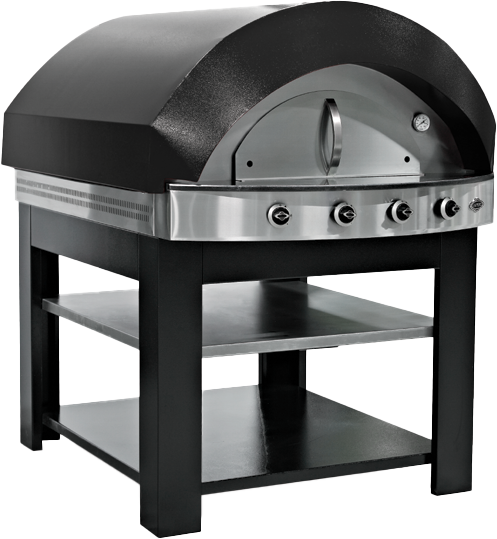
Pegasus
Pegasus TS-D150-B Topstone Series Gas Pizza Oven, Single Deck, Black
Sale price$4,938.00
/ Ea. Free Shipping

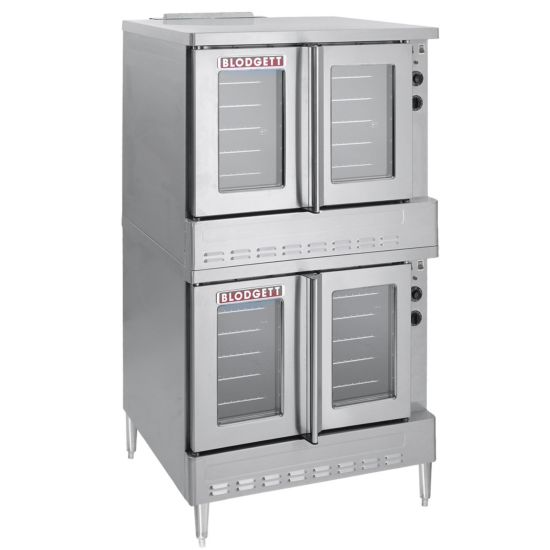
Blodgett
Blodgett Zephaire-200-G Double Deck Gas Convection Oven - LP
Sale price$13,598.00
/ Ea. Free Shipping
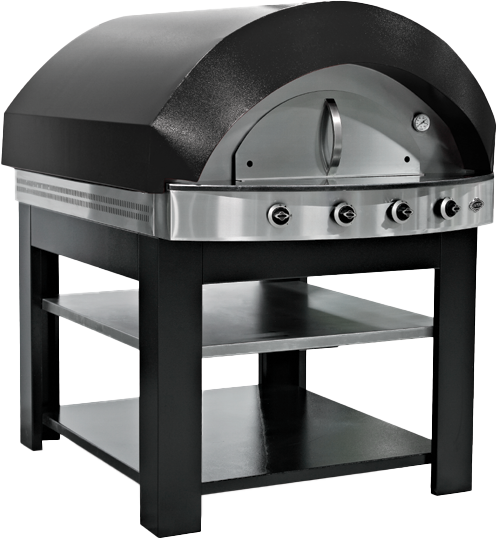
Pegasus
Pegasus TS-D250-B Topstone Series Gas Pizza Oven, Single Deck, Black
Sale price$5,393.00
/ Ea. 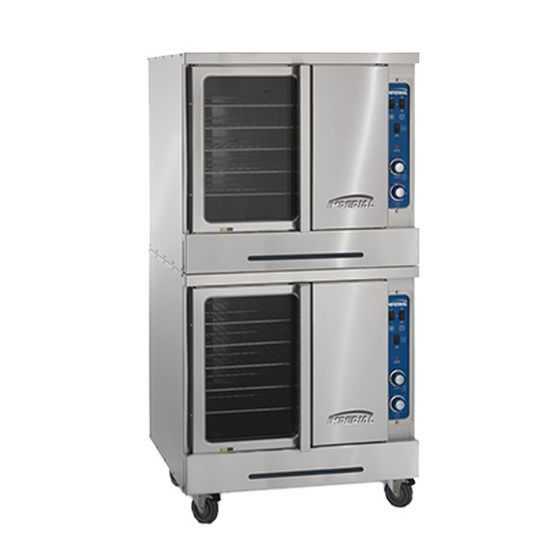
Imperial
Imperial PCVDE-2 38" Electric Two Deck Bakery Manual Controls Convecti...
Sale price$31,099.20
/ Ea. Free Shipping
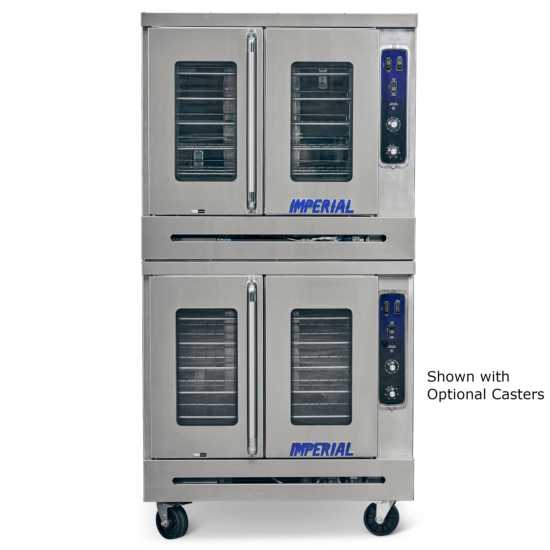
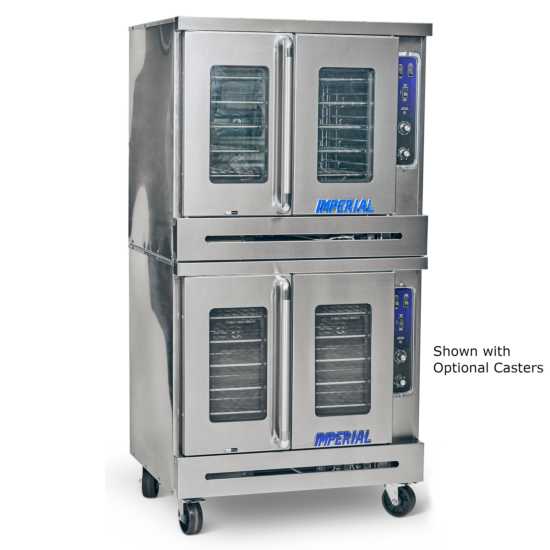
Imperial
Imperial PCVE-2 38" Electric Double Deck Standard Depth Turbo Flow Con...
Sale price$26,288.35
/ Ea. Free Shipping
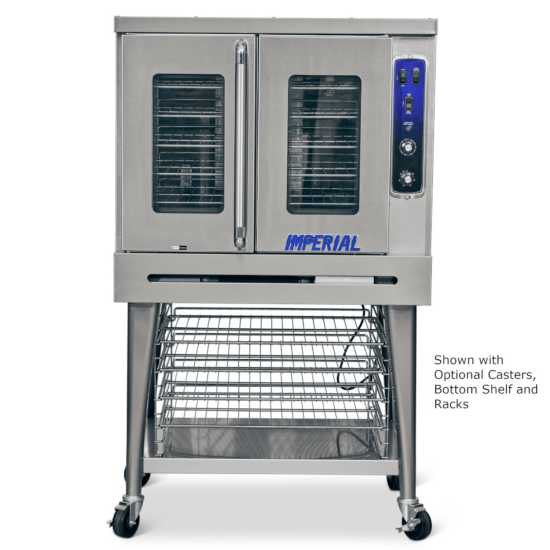
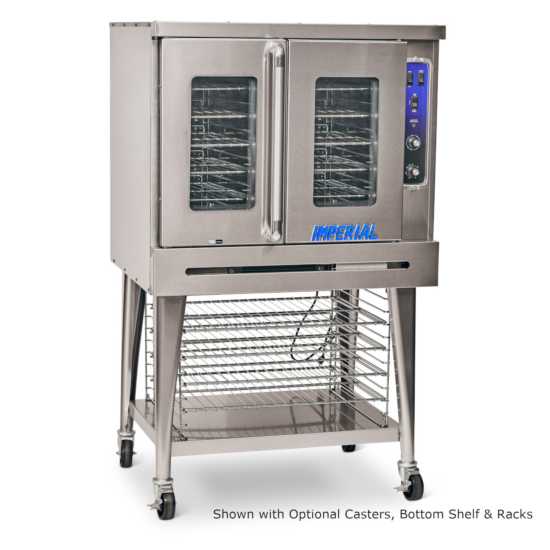
Imperial
Imperial PCVE-1 38" Electric Single Deck Standard Depth Turbo Flow Con...
Sale price$13,145.55
/ Ea. Free Shipping
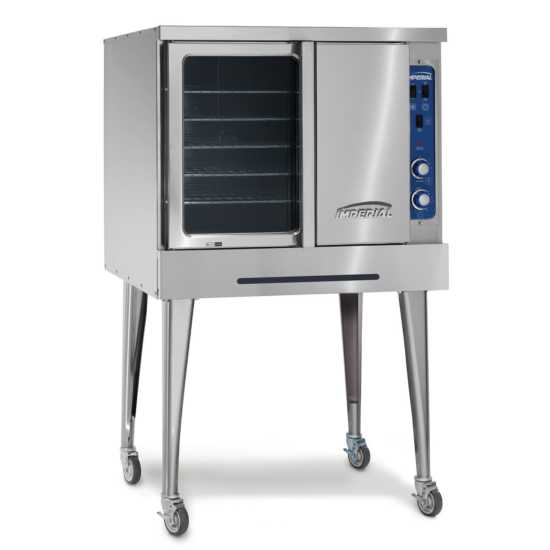
Imperial
Imperial PCVDE-1 38" Electric Single Deck Bakery Depth Turbo Flow Conv...
Sale price$15,551.80
/ Ea. Free Shipping
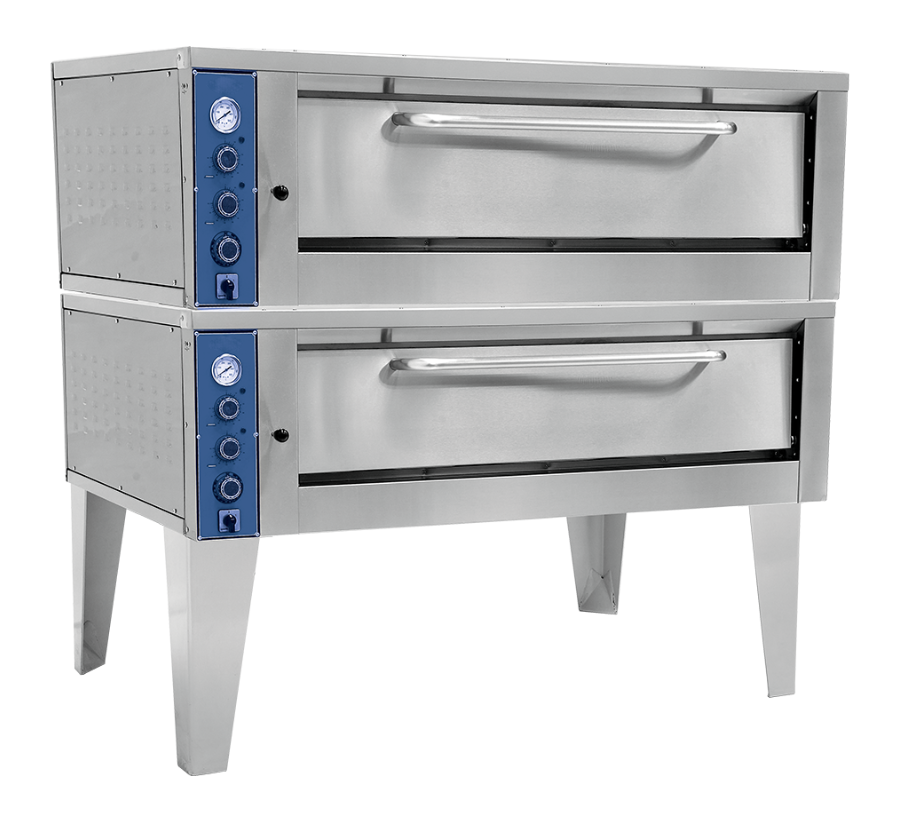
Pegasus
Pegasus FS78E-2 Firestone Double Deck Electric Pizza Oven
Sale price$13,057.00
/ Ea. Free Shipping
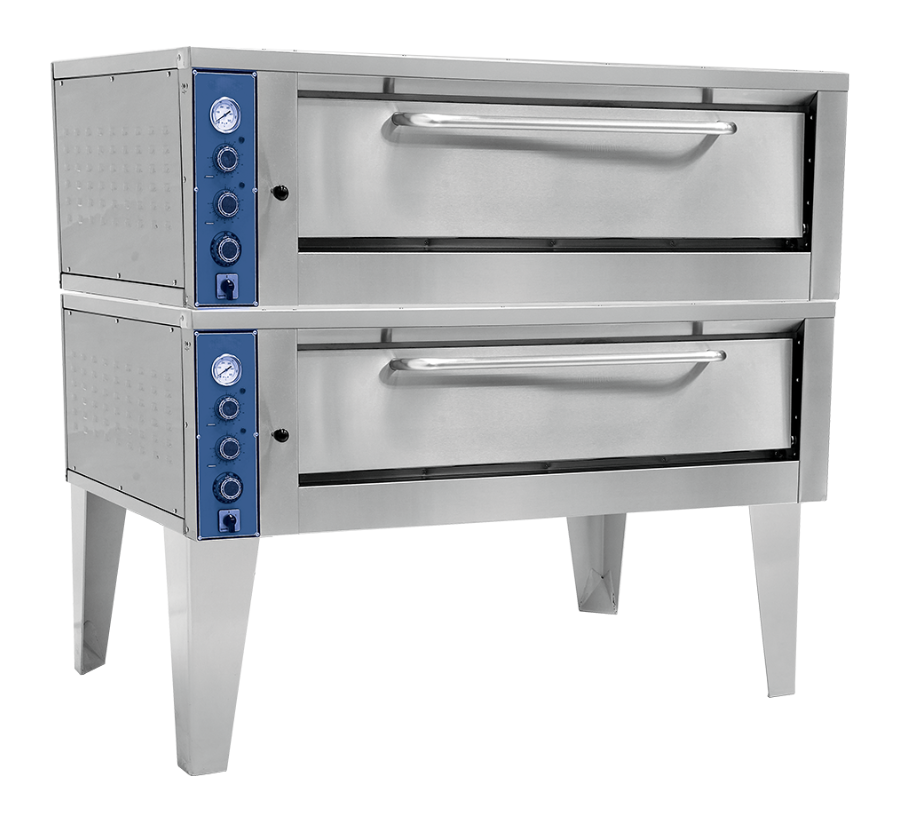
Pegasus
Pegasus FS66E-2 Firestone Double Deck Electric Pizza Oven
Sale price$11,577.00
/ Ea. Free Shipping
Pegasus
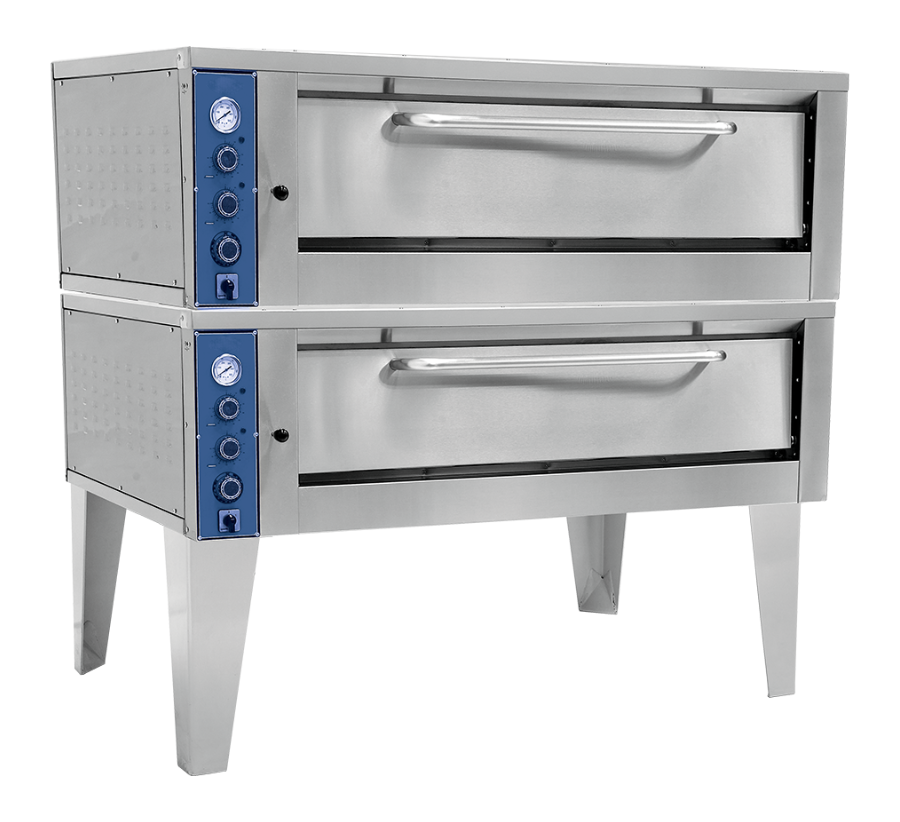
Pegasus FS55E-2 Firestone Double Deck Electric Pizza Oven
Sale price$10,101.00
/ Ea. Free Shipping
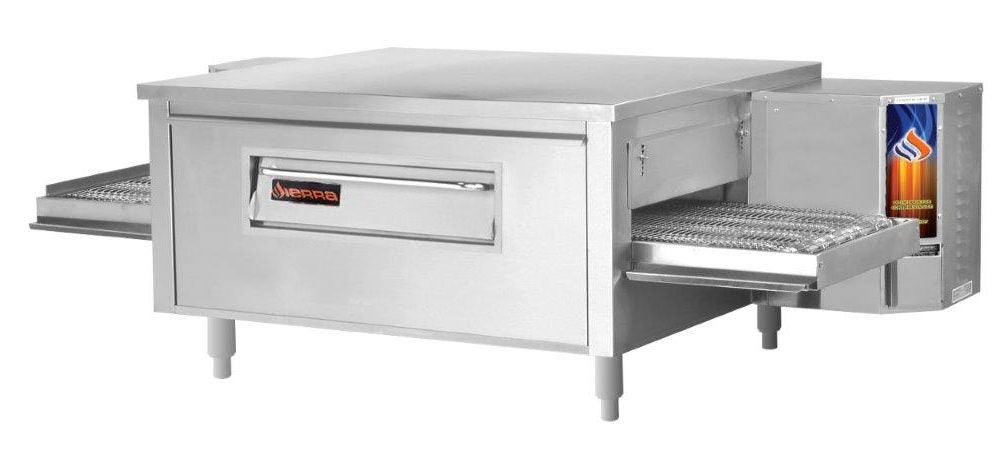
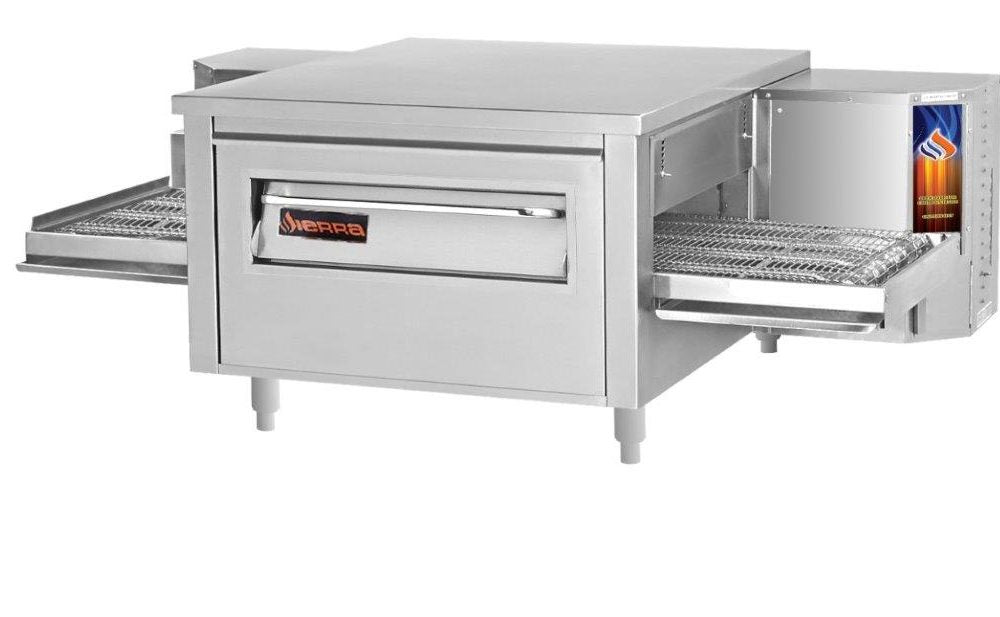
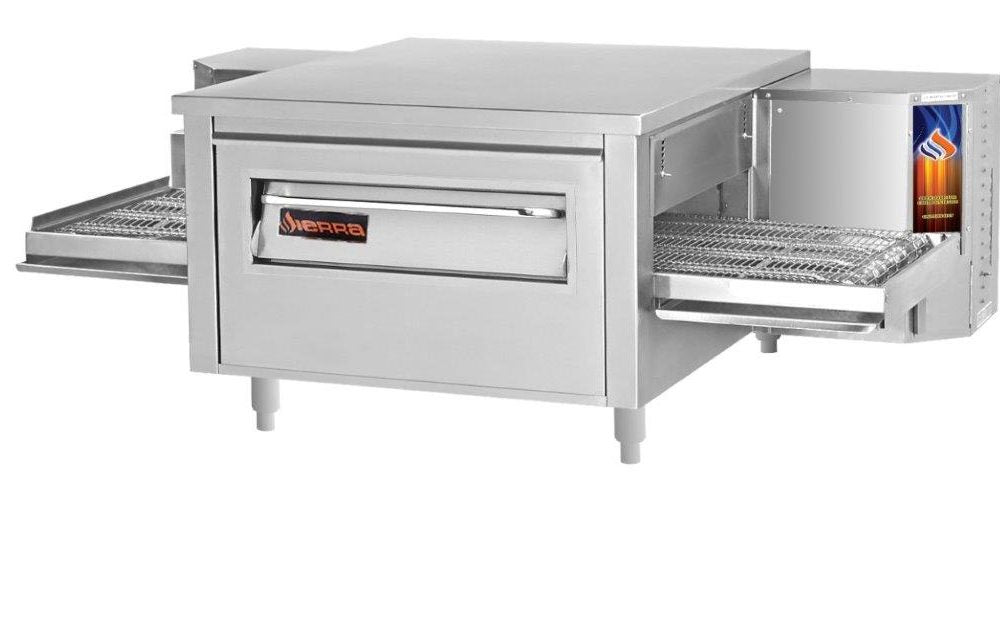
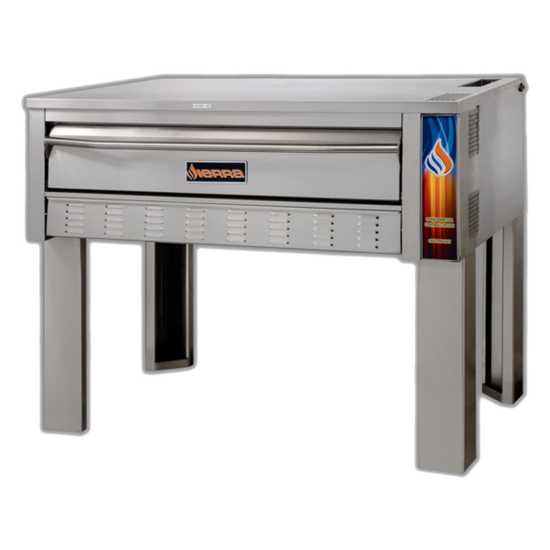
Sierra
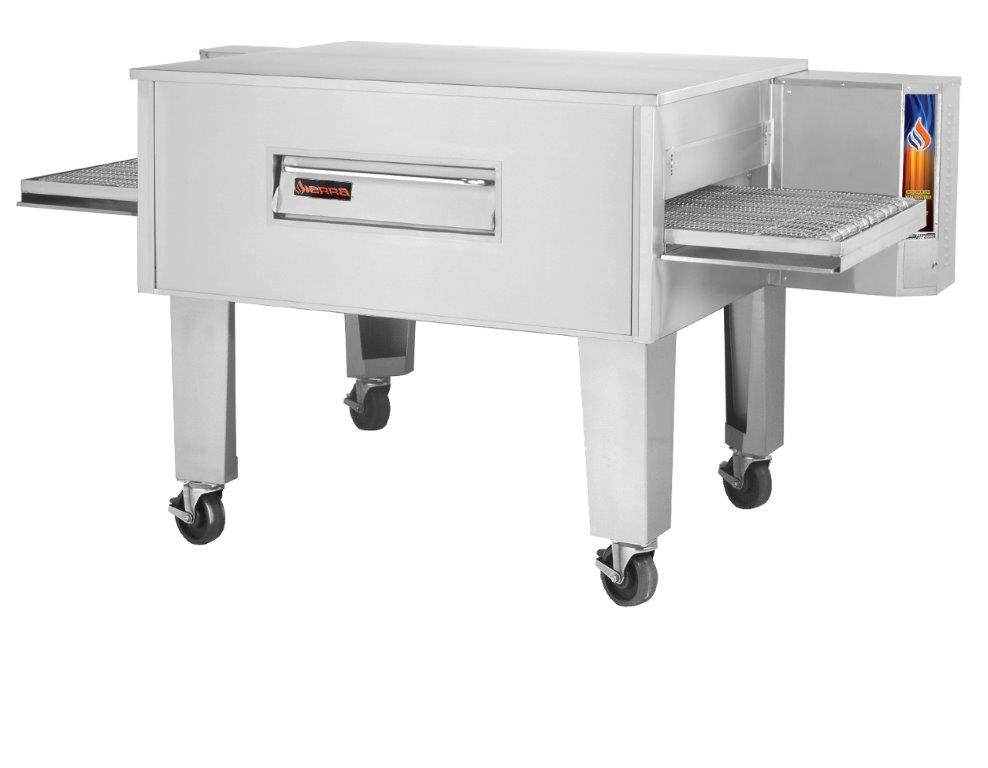
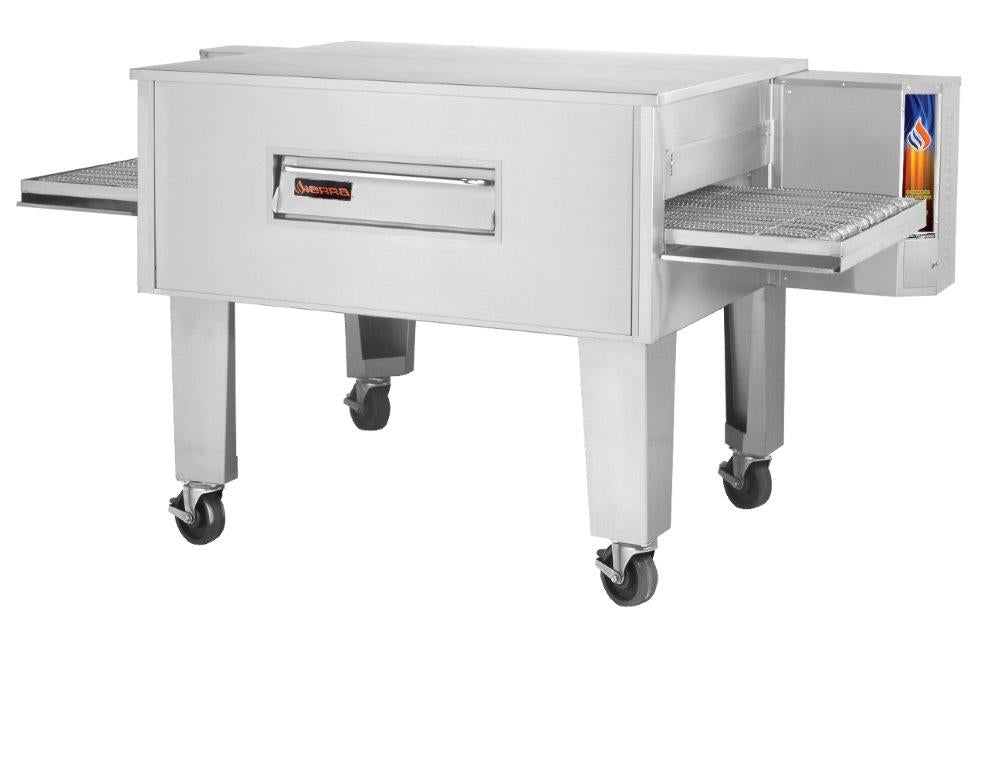
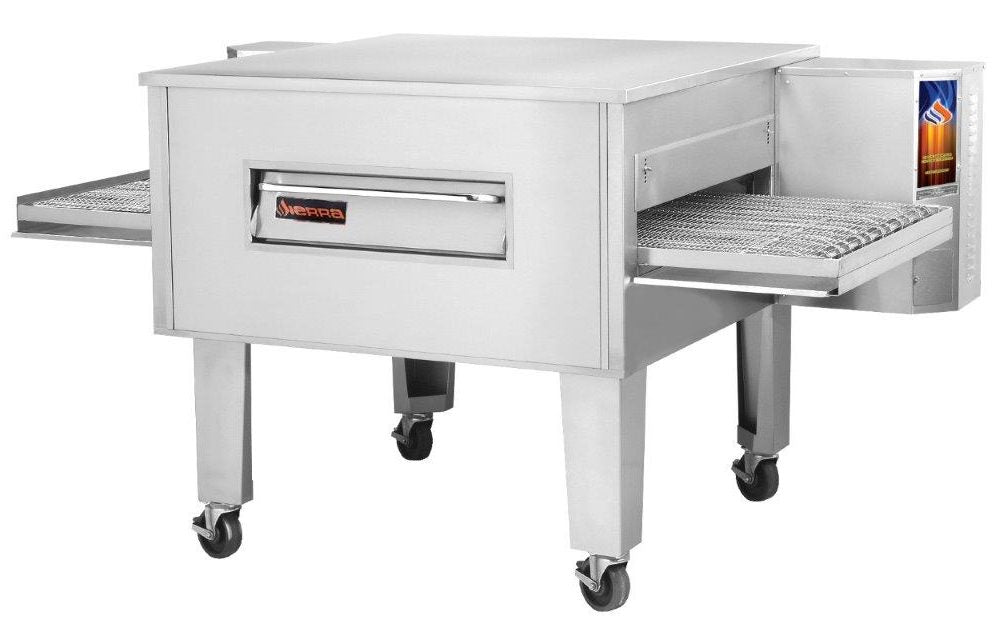
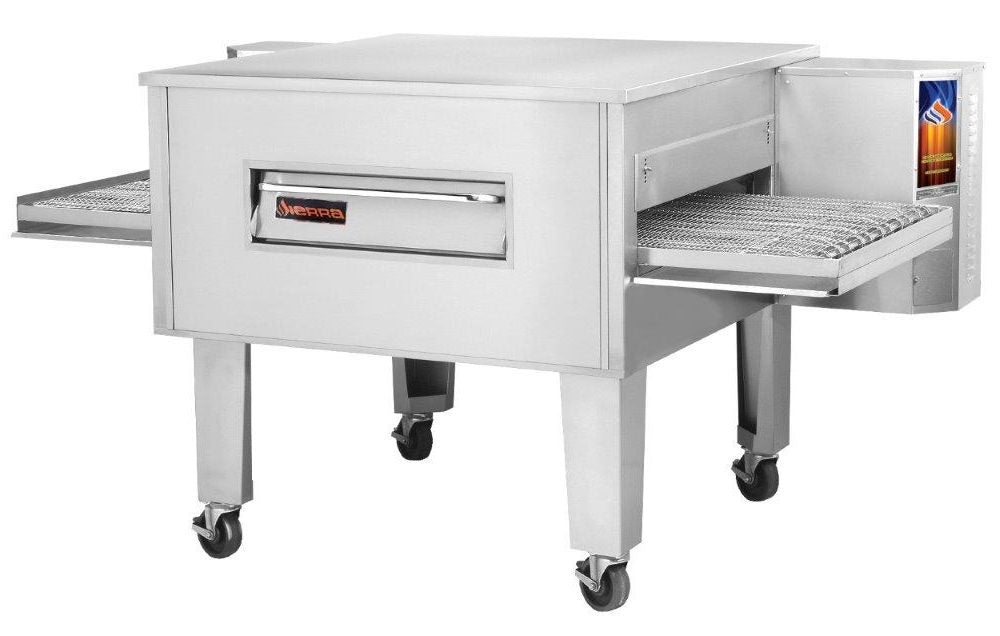
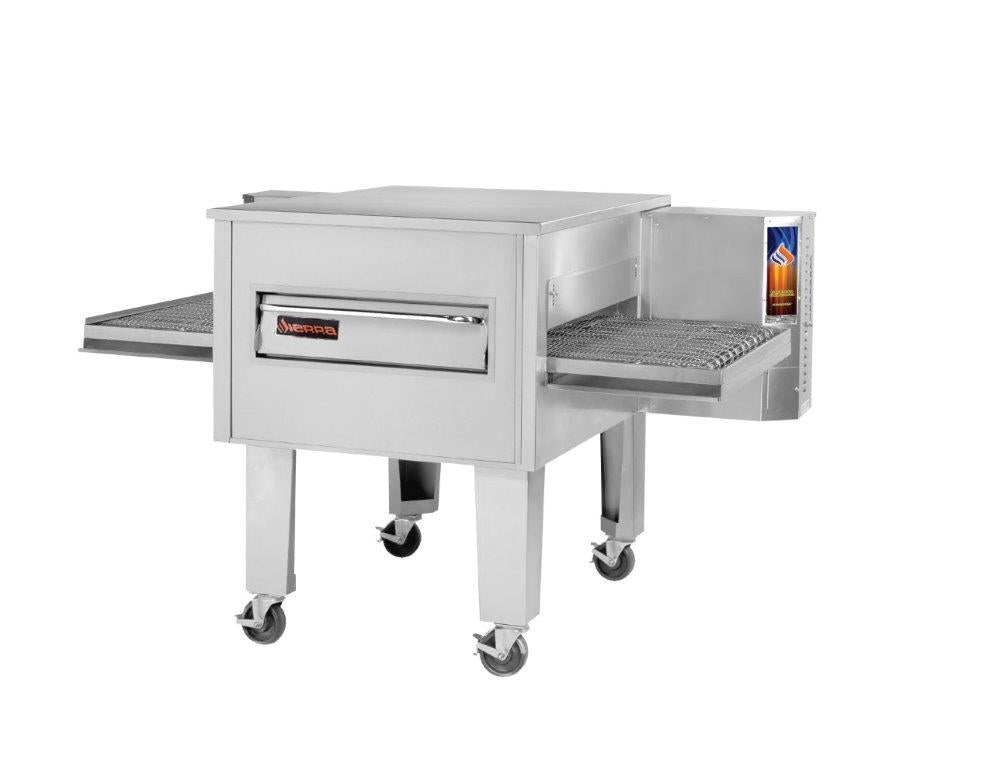
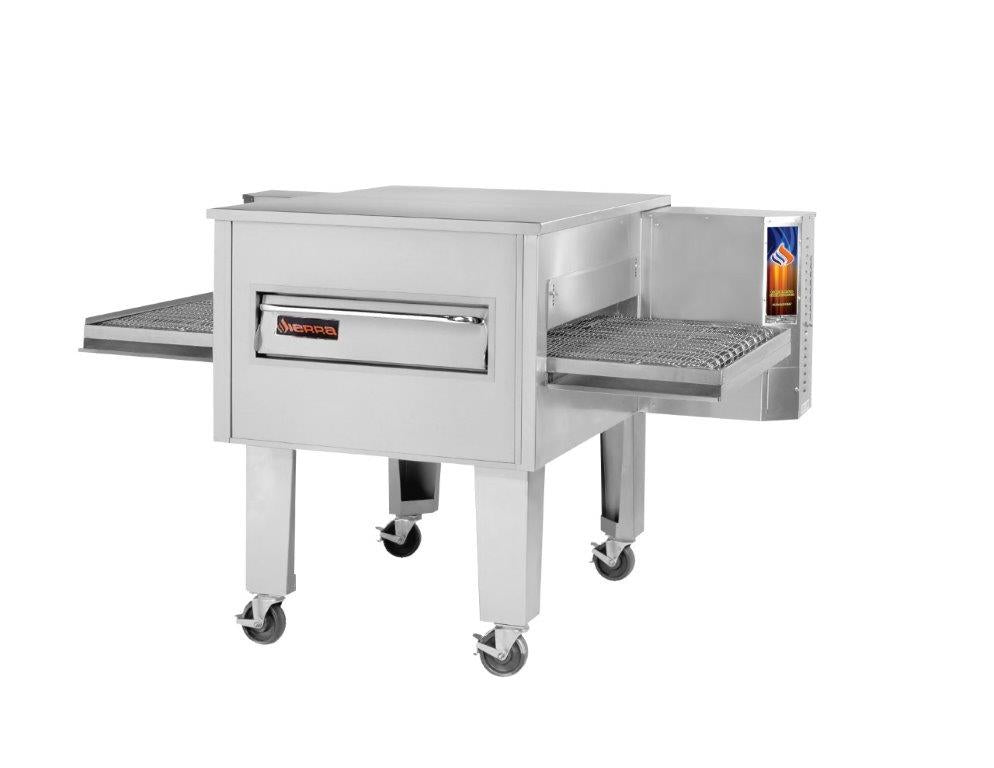
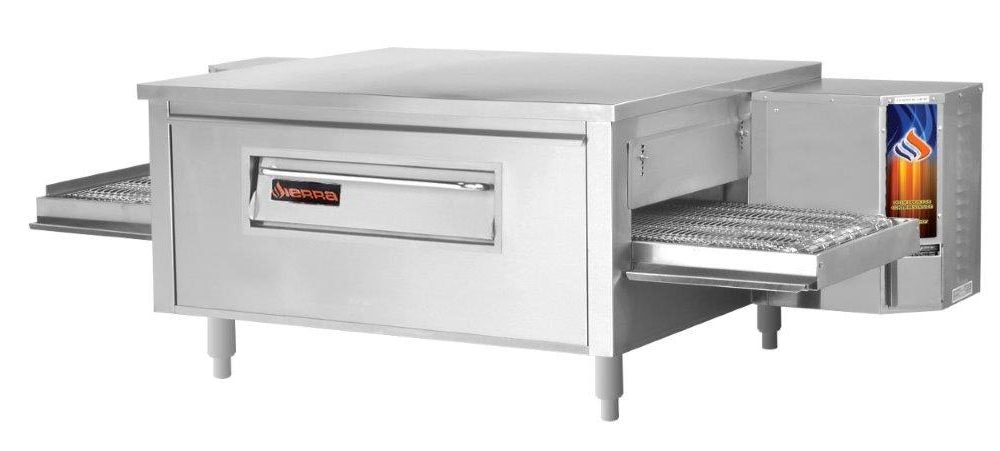
Sierra Range SRPO-72G-NG 72" Natural Gas Pizza Deck Oven
Sale price$12,525.75
/ Ea. Free Shipping
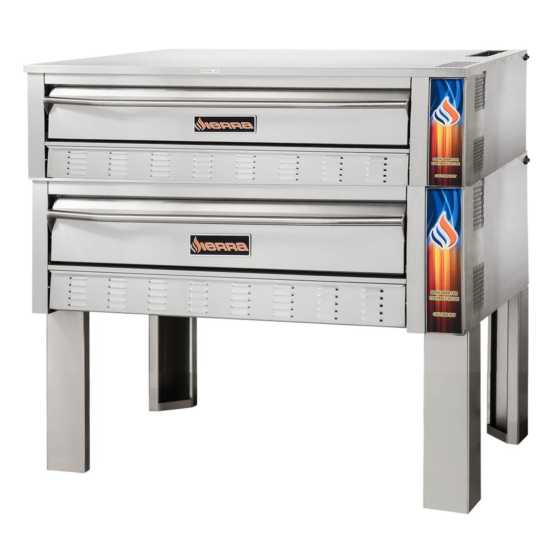
Sierra
Sierra Range SRPO-72G-2-NG 72" Natural Gas Pizza Deck Oven
Sale price$25,051.50
/ Ea. Free Shipping
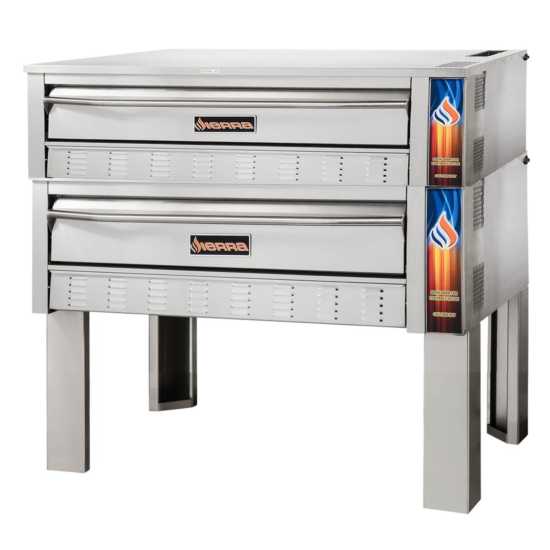
Sierra
Sierra Range SRPO-60G-2-NG 60" Double Deck Natural Gas Pizza Oven
Sale price$22,753.69
/ Ea. Free Shipping
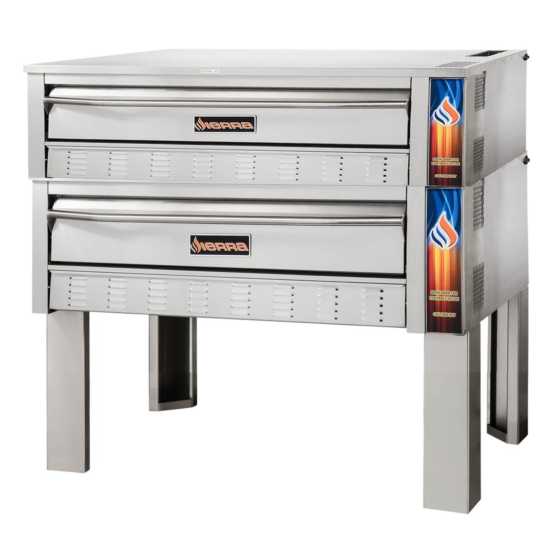
Sierra
Sierra Range SRPO-48G-2-NG 48" Double Deck Natural Gas Pizza Oven
Sale price$19,964.25
/ Ea. Free Shipping
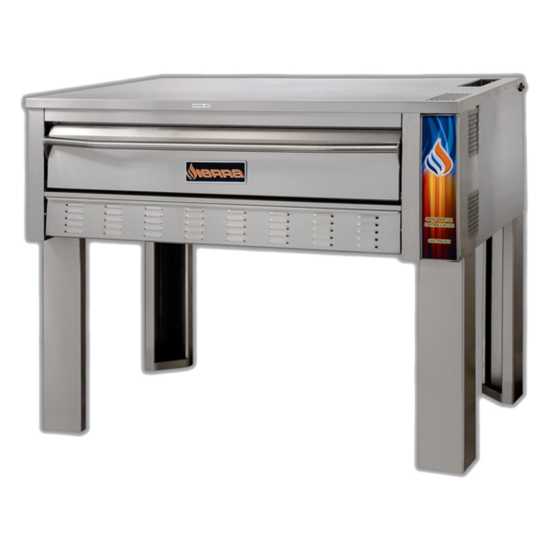
Sierra
Sierra Range SRPO-60G-NG 60" Natural Gas Pizza Deck Oven
Sale price$11,376.84
/ Ea. Free Shipping
Sierra
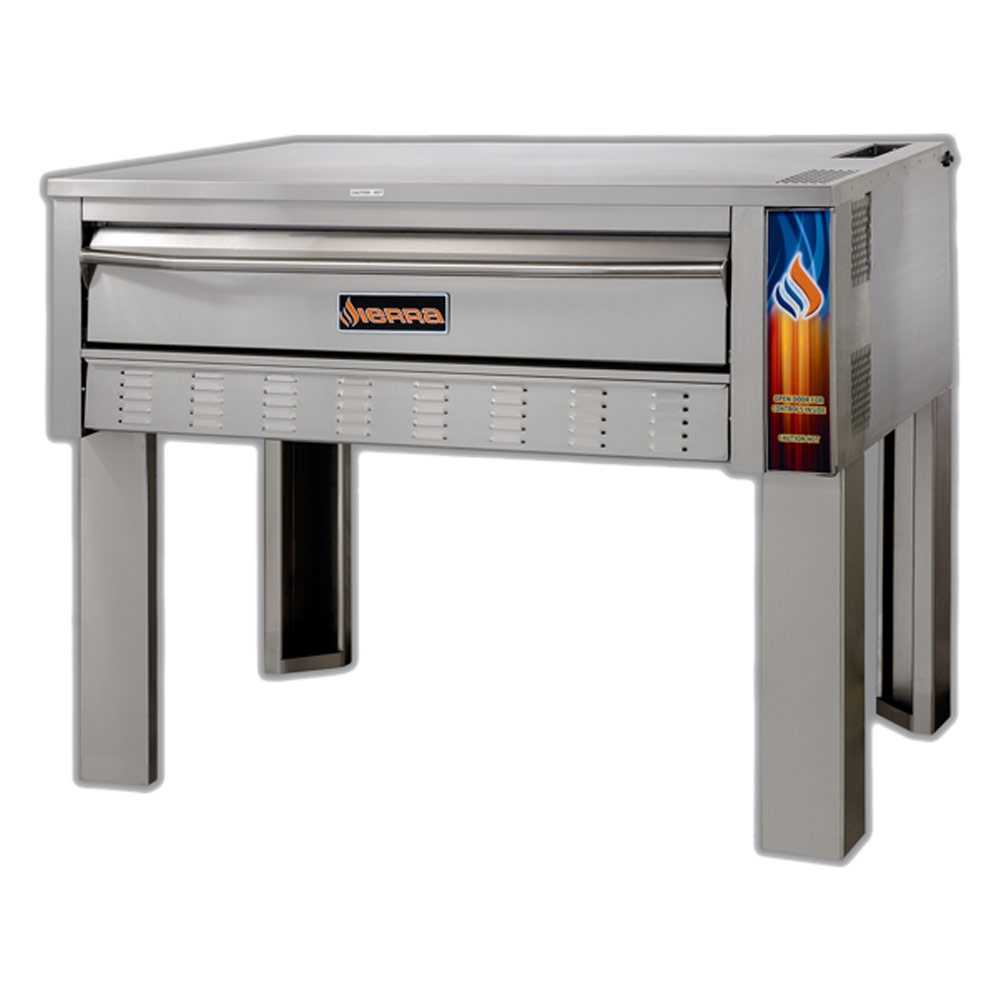
Sierra Range SRPO-48G-NG 48" Natural Gas Pizza Deck Oven
Sale price$9,982.13
/ Ea. Free Shipping
Pegasus
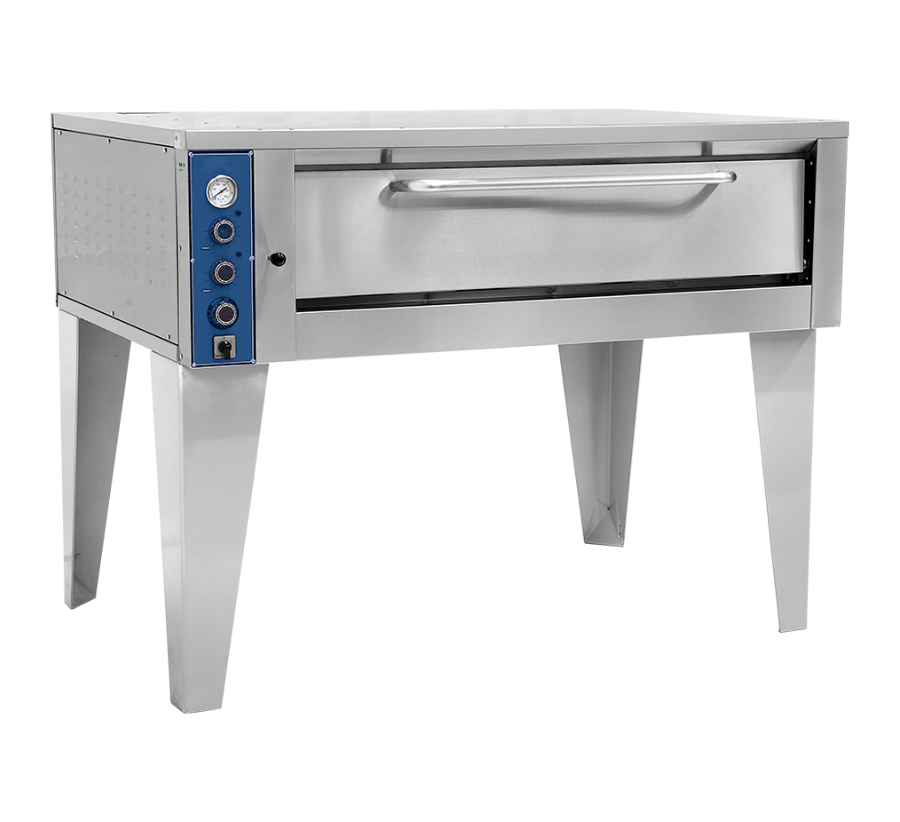
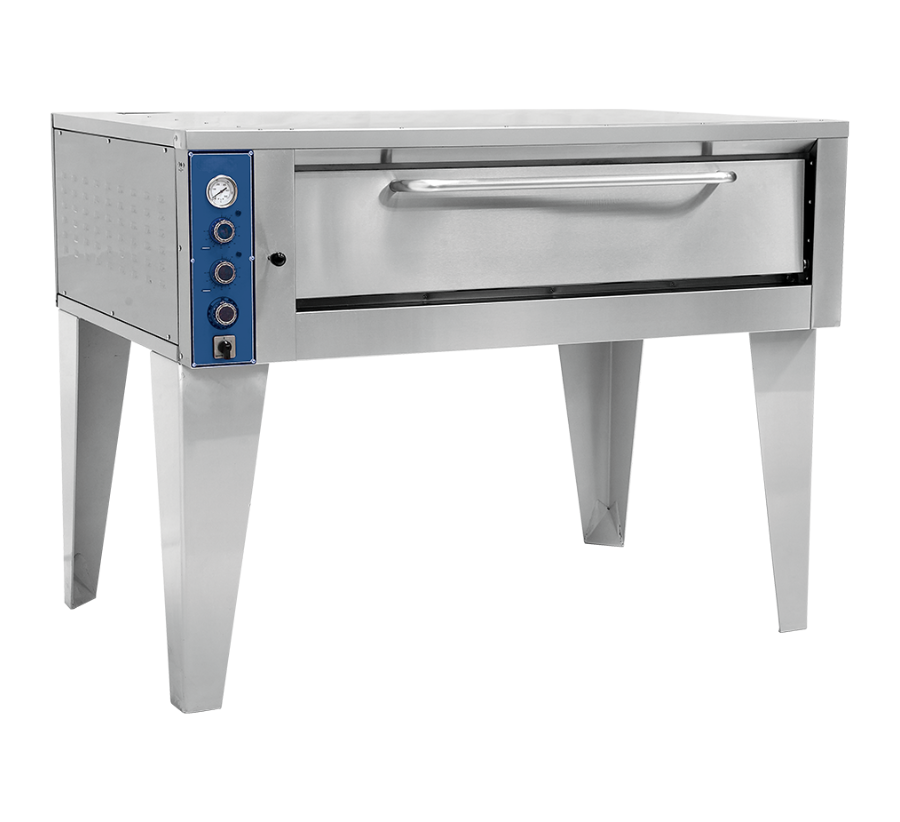
Pegasus FS66E-1 Firestone Single Deck Electric Pizza Oven
Sale price$5,788.00
/ Ea. Free Shipping
Pegasus
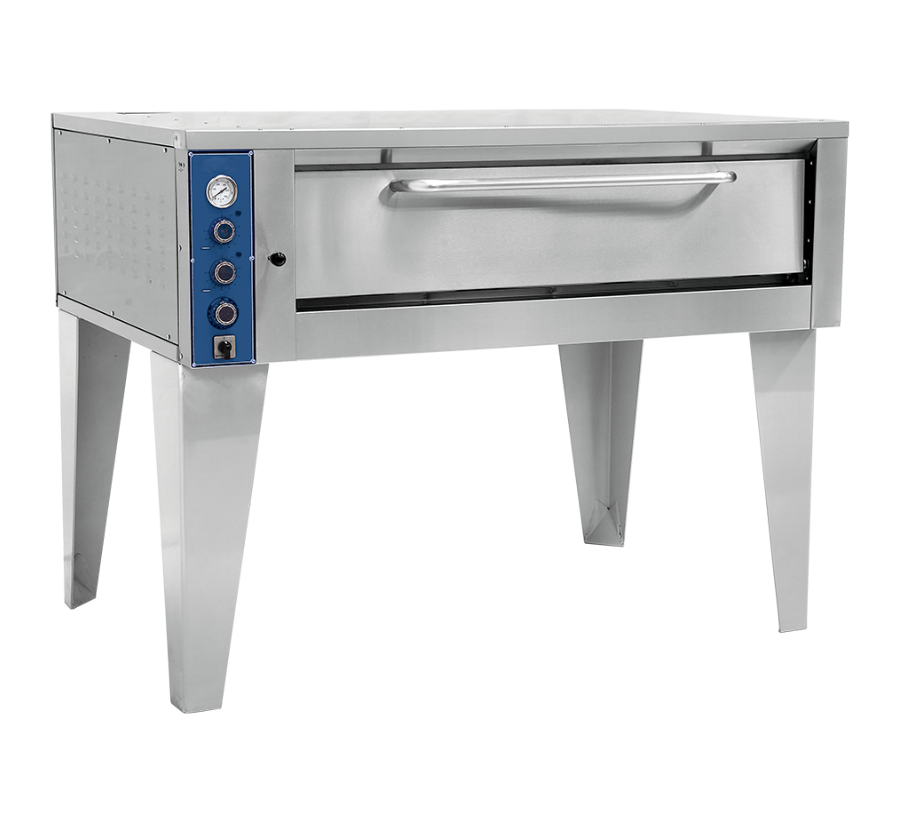
Pegasus FS55E-1 Firestone Single Deck Electric Pizza Oven
Sale price$5,051.00
/ Ea. Free Shipping
Pegasus
Pegasus FS78G-2 FS Firestone Pizza Oven Double Deck - NG
Sale price$14,110.00
/ Ea. Free Shipping
Pegasus
Pegasus FS66G-2 FS Firestone Pizza Oven Double Deck - NG
Sale price$13,057.00
/ Ea. Free Shipping
Pegasus
Pegasus FS55G-2 Firestone Pizza Oven Double Deck - NG
Sale price$11,577.00
/ Ea. Free Shipping
Pegasus
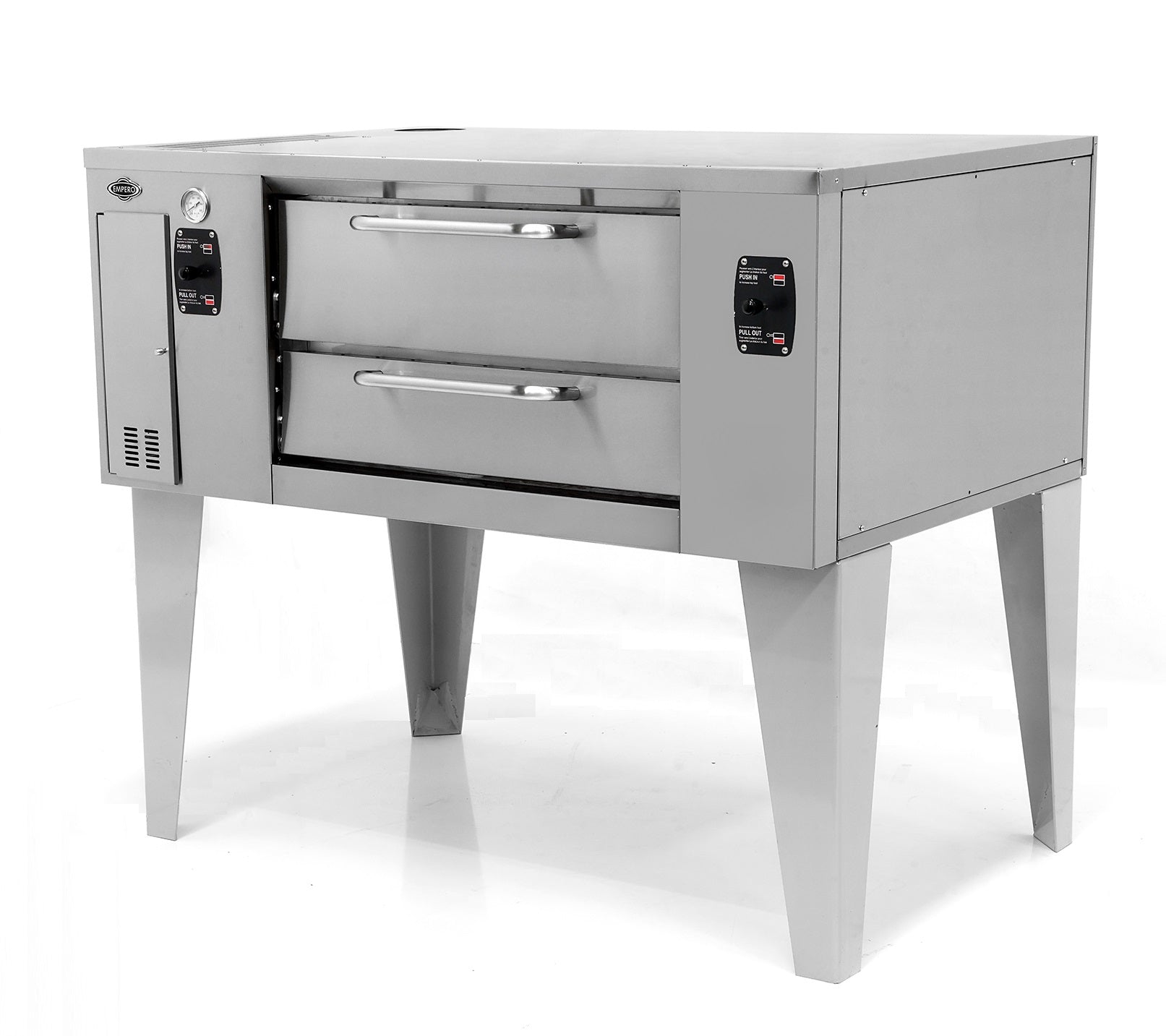
Pegasus FS78G-1 FS Firestone Pizza Oven, Single Deck, Dual Burner - NG
Sale price$7,055.00
/ Ea. Free Shipping
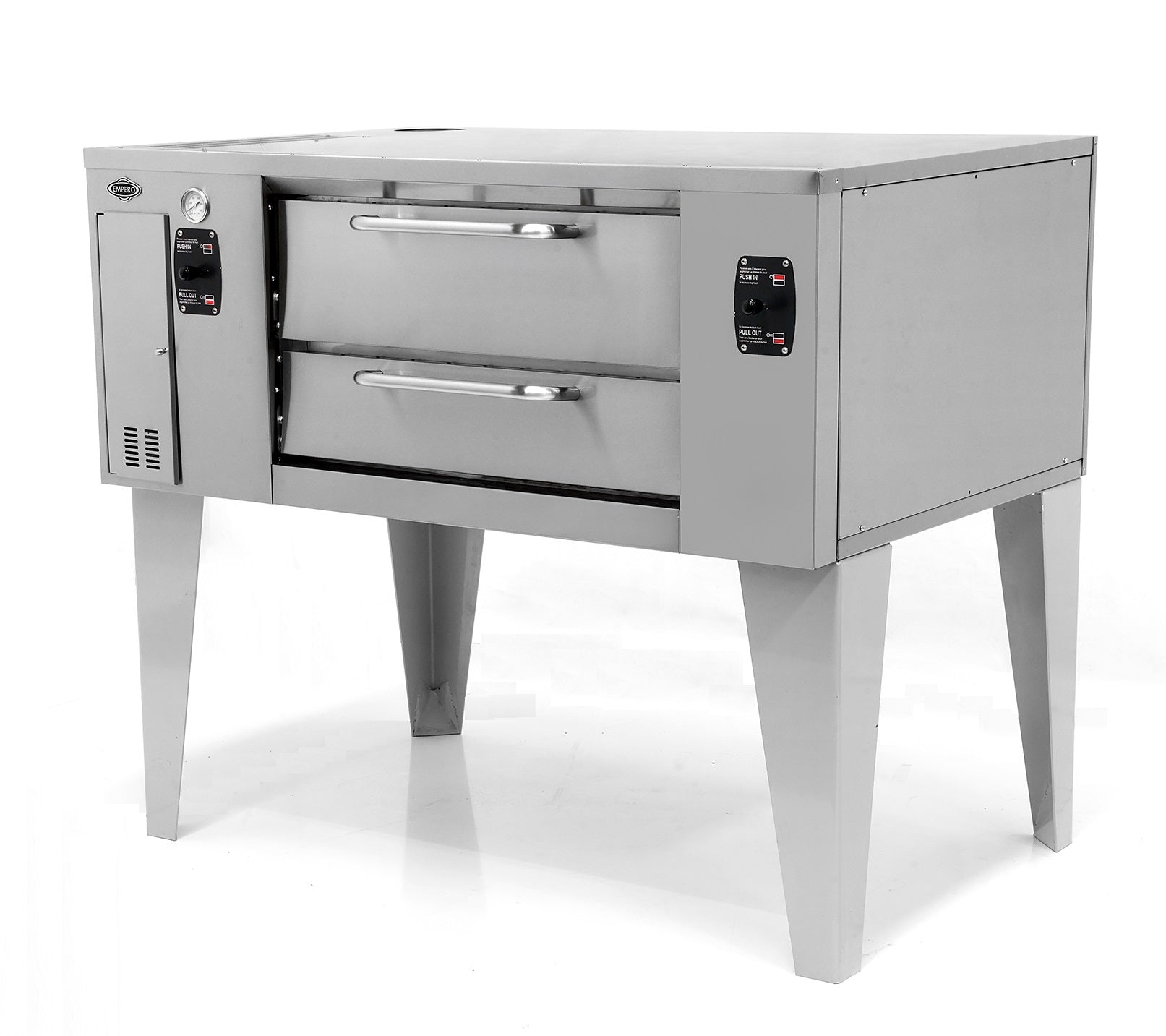
Pegasus
Pegasus FS66G-1 FS Firestone Single Deck Pizza Oven - NG
Sale price$6,529.00
/ Ea. Free Shipping
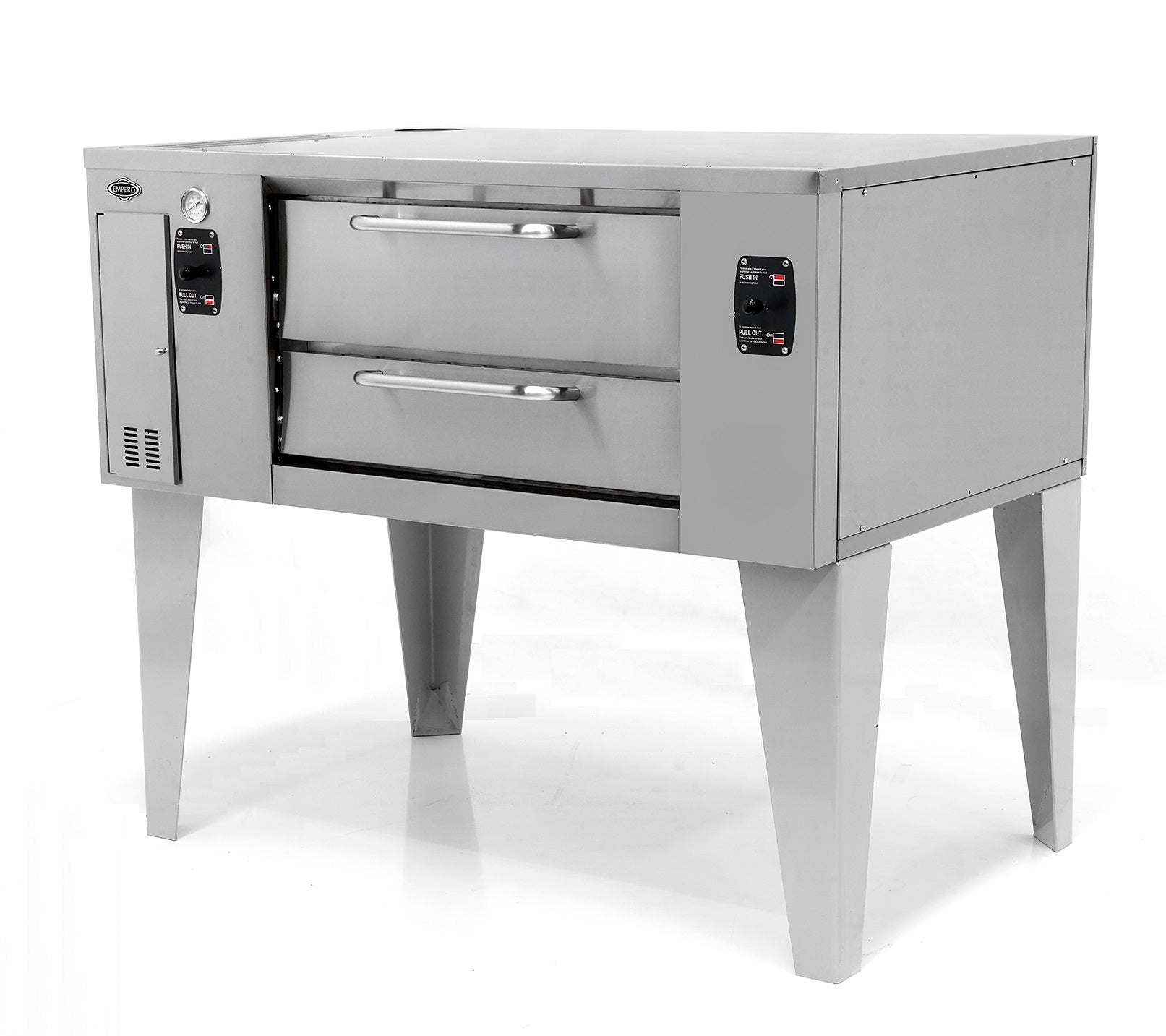
Pegasus
Pegasus FS55G-1 Firestone Pizza Oven, Single Deck - NG
Sale price$5,788.00
/ Ea. Free Shipping
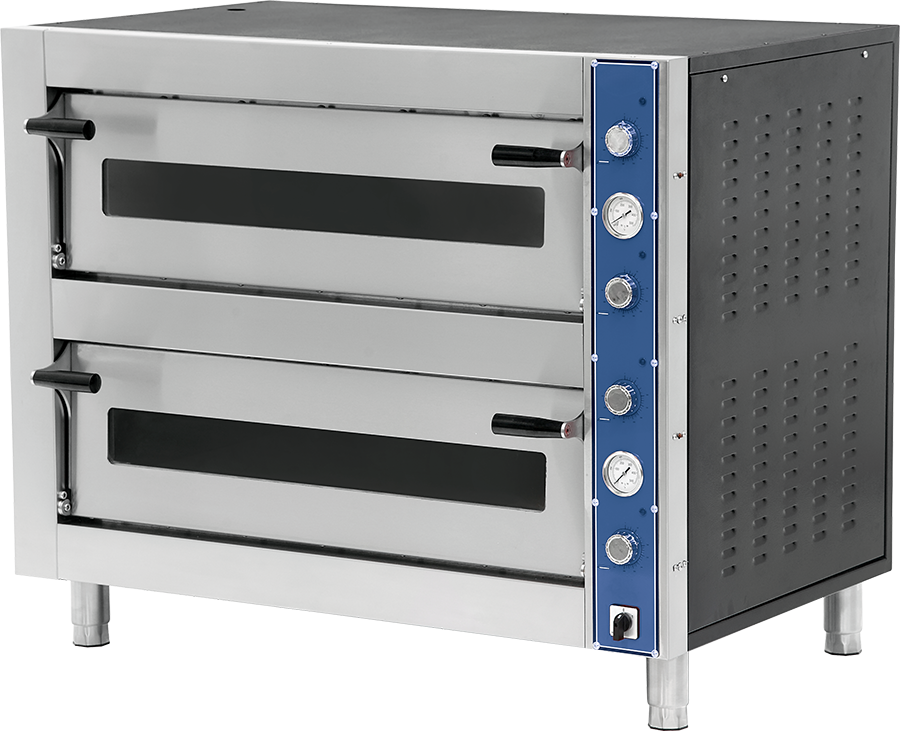
Pegasus
Pegasus MS47DE-2 Melstone Electrical Double Deck Pizza Oven
Sale price$6,011.00
/ Ea. Free Shipping
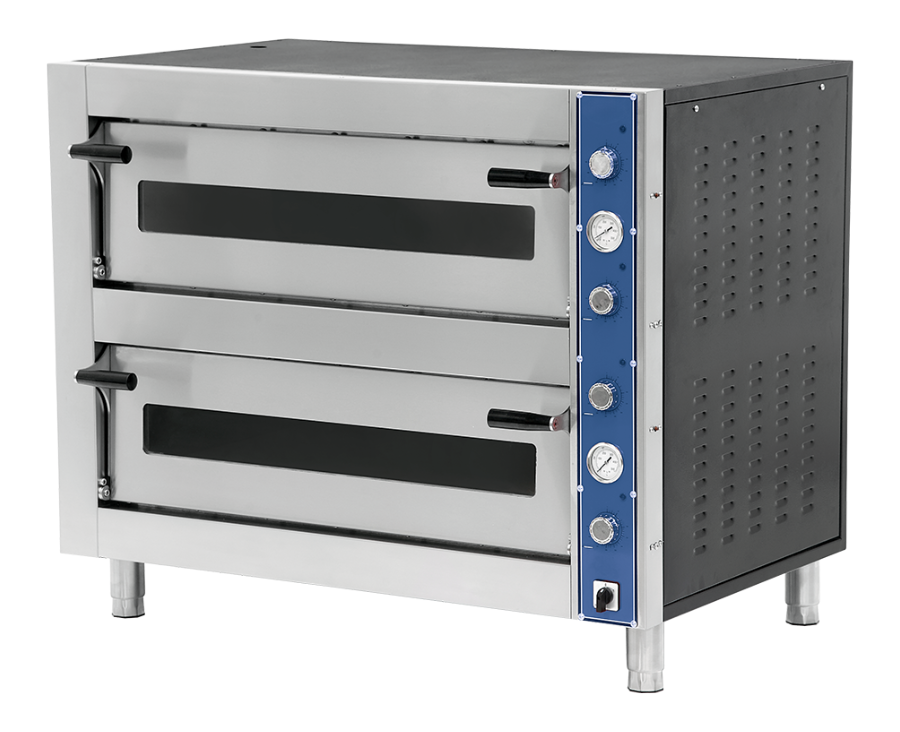
Pegasus
Pegasus MS38E-2 Melstone Electrical Two Layer Pizza Oven
Sale price$4,158.00
/ Ea. Free Shipping
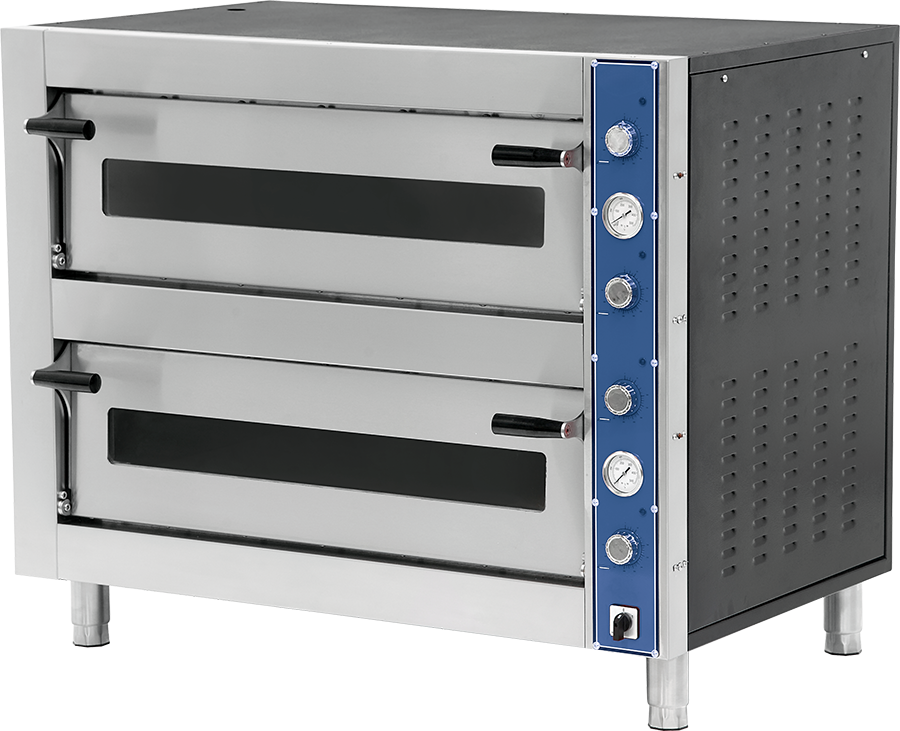
Pegasus
Pegasus MS47RE-2 Melstone Electrical Double Deck Pizza Oven
Sale price$4,103.00
/ Ea. Free Shipping
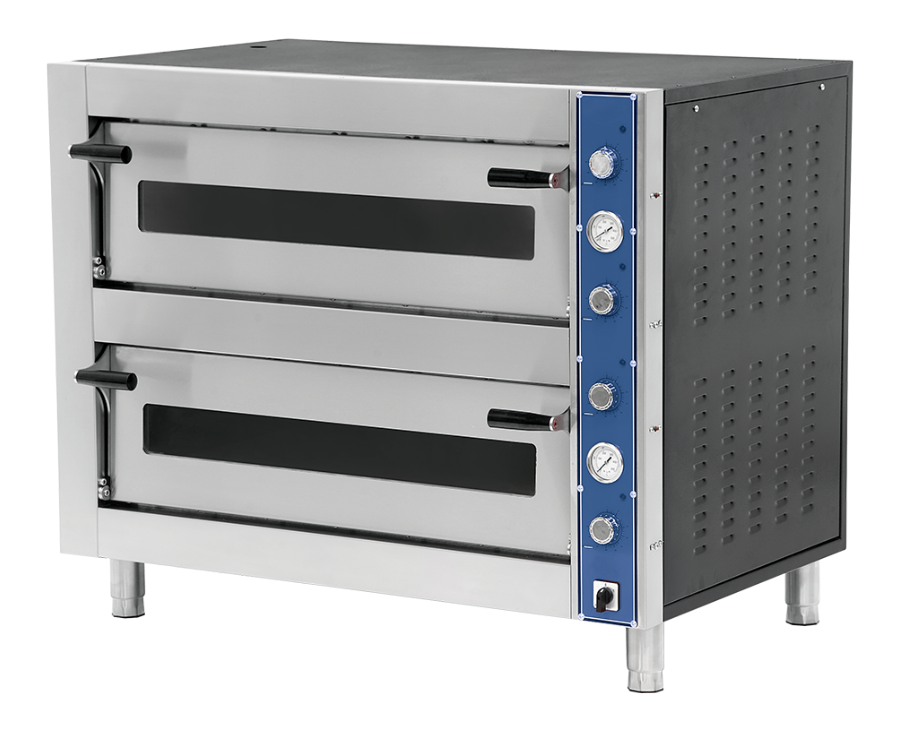
Pegasus
Pegasus MS35E-2 Melstone Electrical Double Deck Pizza Oven
Sale price$3,718.00
/ Ea. Free Shipping
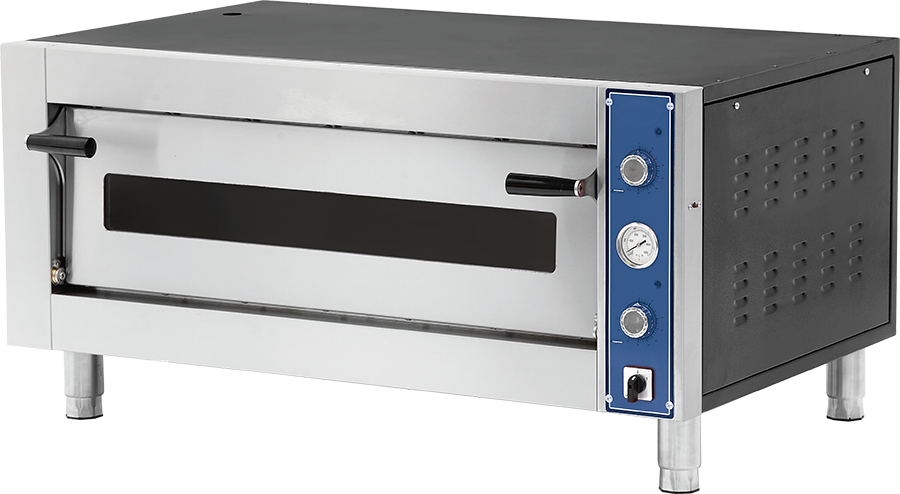
Pegasus
Pegasus MS47DE-1 Melstone Electrical Single Deck Pizza Oven
Sale price$3,346.00
/ Ea. Free Shipping
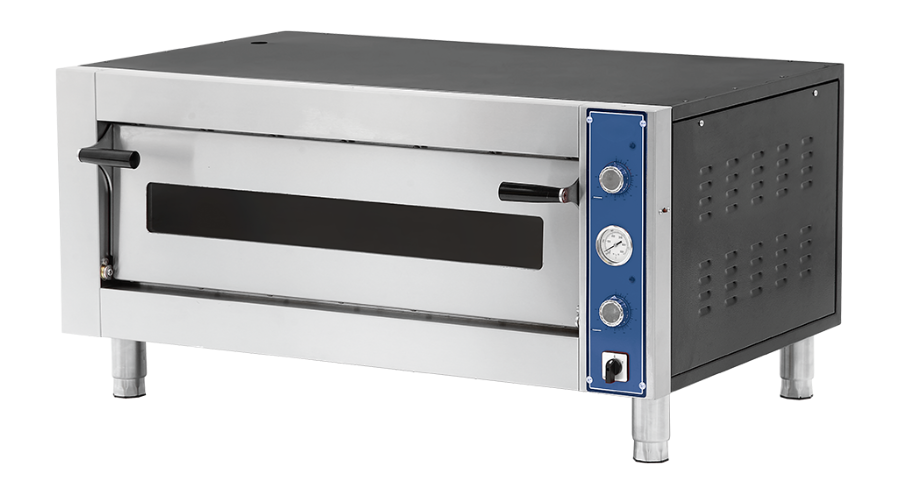
Pegasus
Pegasus MS38E-1 Melstone Electrical Single Layer Pizza Oven
Sale price$2,410.00
/ Ea. Free Shipping
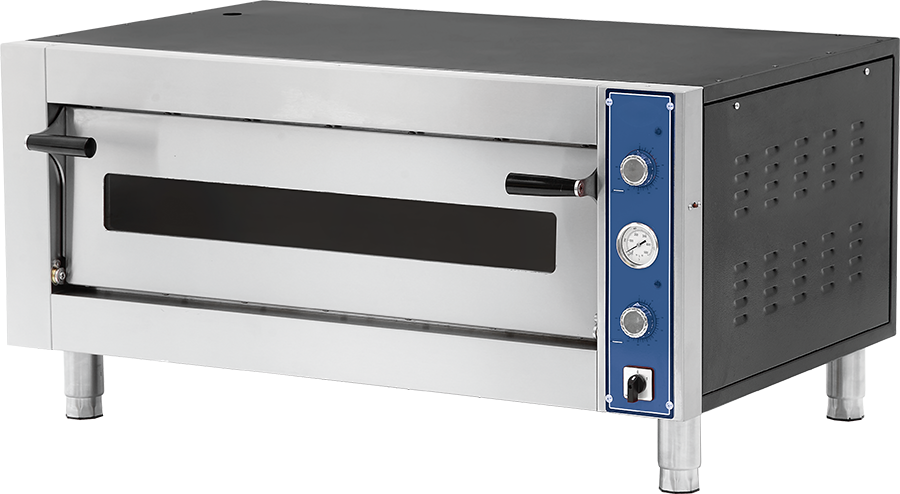
Pegasus
Pegasus MS47RE-1 Melstone Electrical Single Deck Pizza Oven
Sale price$2,690.00
/ Ea. Free Shipping
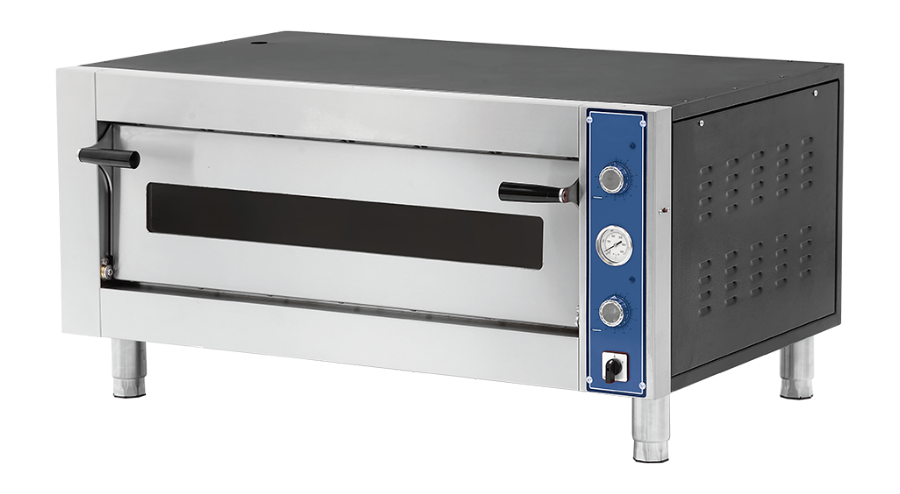
Pegasus
Pegasus MS35E-1 Melstone Electrical Single Deck Pizza Oven
Sale price$2,342.00
/ Ea. Free Shipping
Pegasus
Pegasus MS56RG-2 Melstone Gas Double Deck Pizza Oven - NG
Sale price$6,317.00
/ Ea. Free Shipping
Pegasus
Pegasus MS56DG-2 Melstone Gas Double Deck Pizza Oven - NG
Sale price$7,648.00
/ Ea. Free Shipping
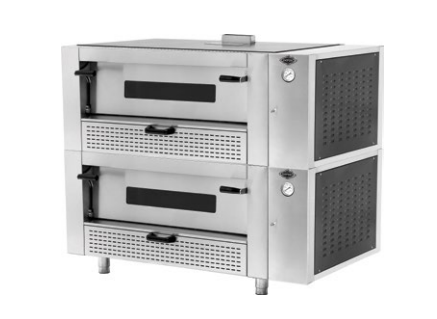
Pegasus
Pegasus MS45G-2 Melstone Gas Double Deck Pizza Oven - NG
Sale price$5,540.00
/ Ea. Free Shipping
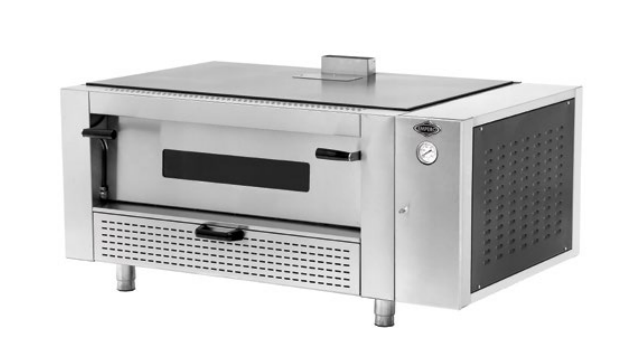
Pegasus
Pegasus MS56DG-1 Melstone Gas Single Deck Pizza Oven - NG
Sale price$3,819.00
/ Ea. Free Shipping
Recently viewed
Before buying a commercial oven
Before buying a commercial oven, the most important step is defining exactly what the oven will need to do every day in your operation. A bakery producing bread, pastries, and laminated dough has very different needs than a restaurant roasting meats, heating casseroles, or finishing plated dishes. Even though both may be shopping for a commercial oven, the best choice often depends on production style, menu focus, batch size, and kitchen workflow.Start with application. If your business is bakery-focused, then terms like commercial bakery oven, commercial bread oven, and commercial baking oven are especially relevant because they point to performance priorities such as heat consistency, baking results, and repeatable output. If you run a restaurant or broader foodservice operation, a...
Before buying a commercial oven, the most important step is defining exactly what the oven will need to do every day in your operation. A bakery producing bread, pastries, and laminated dough has very different needs than a restaurant roasting meats, heating casseroles, or finishing plated dishes. Even though both may be shopping for a commercial oven, the best choice often depends on production style, menu focus, batch size, and kitchen workflow.
Start with application. If your business is bakery-focused, then terms like commercial bakery oven, commercial bread oven, and commercial baking oven are especially relevant because they point to performance priorities such as heat consistency, baking results, and repeatable output. If you run a restaurant or broader foodservice operation, a restaurant oven or commercial convection oven may offer the versatility you need across multiple menu items.
Capacity is another major consideration. Some businesses underestimate how much oven space they need, especially during peak hours. A unit that works on paper may become a bottleneck when the kitchen is under pressure. Think about how many trays, pans, or products you need to cook at once, how quickly the oven needs to recover between cycles, and whether your production may increase over time. In some environments, a larger or more heavy-duty industrial baking oven can be a smarter long-term investment than a smaller unit chosen only for initial budget reasons.
Footprint and kitchen layout matter just as much as cooking performance. Your oven should fit the workflow of the space, not just the available square footage. Consider door clearance, ventilation requirements, surrounding equipment, service access, and how the oven will interact with prep tables, racks, holding equipment, and the rest of the line. A poorly placed commercial kitchen oven can create inefficiencies that affect the entire operation.
You should also think carefully about versatility versus specialization. A commercial convection oven may be an excellent fit for kitchens that need flexibility across many menu categories, while a bakery may benefit more from a unit chosen specifically for bread or pastry production. The best buying decision is rarely about choosing the biggest or most expensive oven. It is about choosing the oven that most closely matches your daily use case, output expectations, and kitchen realities.
Finally, prioritize build quality and long-term value. A commercial oven is a core piece of equipment, not a short-term accessory. Reliability, consistency, ease of cleaning, and suitability for your operation matter far more than surface-level specs alone. Choosing carefully from the start can save time, money, and operational headaches later.
Common questions
What is a commercial oven used for?
A commercial oven is used in restaurants, bakeries, cafés, and foodservice kitchens for baking, roasting, reheating, and high-volume cooking. Unlike residential ovens, commercial models are built for heavier use, faster production, and more consistent performance.
What is the difference between a commercial oven and a bakery oven?
A commercial oven is a broad category that includes ovens used across foodservice operations, while a bakery oven is typically selected for baking-focused applications such as bread, pastries, cakes, and other baked goods. Bakery operations often prioritize heat consistency, batch output, and product-specific baking performance.
Is a commercial convection oven a good choice for restaurants?
Yes, a commercial convection oven is a strong choice for many restaurants because it offers versatility, efficient heat circulation, and reliable performance across a wide range of menu items. It is often a practical option for kitchens that need one oven to handle multiple cooking tasks.
How do I choose the right commercial oven size?
Choose the size of your restaurant oven or commercial kitchen oven based on production volume, available space, menu requirements, and expected peak demand. It is important to think beyond current needs and consider whether your kitchen may require more capacity as the business grows.
What should bakeries look for when buying a commercial oven?
When buying a commercial oven for bakery use, bakeries should focus on baking consistency, capacity, heat recovery, oven type, and how well the unit supports their specific products. A commercial bakery oven should match the business’s daily batch volume and product mix, not just its available space.