


A commercial pizza oven is one of the most critical investments for any pizzeria, restaurant, food truck, or ghost kitchen. Unlike residential units, commercial pizza ovens are engineered for continuous operation, high heat output, and consistent bake performance under heavy service conditions. Whether you operate a high-volume slice shop or an upscale Neapolitan concept, selecting the right oven directly impacts cooking time, energy costs, product consistency, and overall profitability.
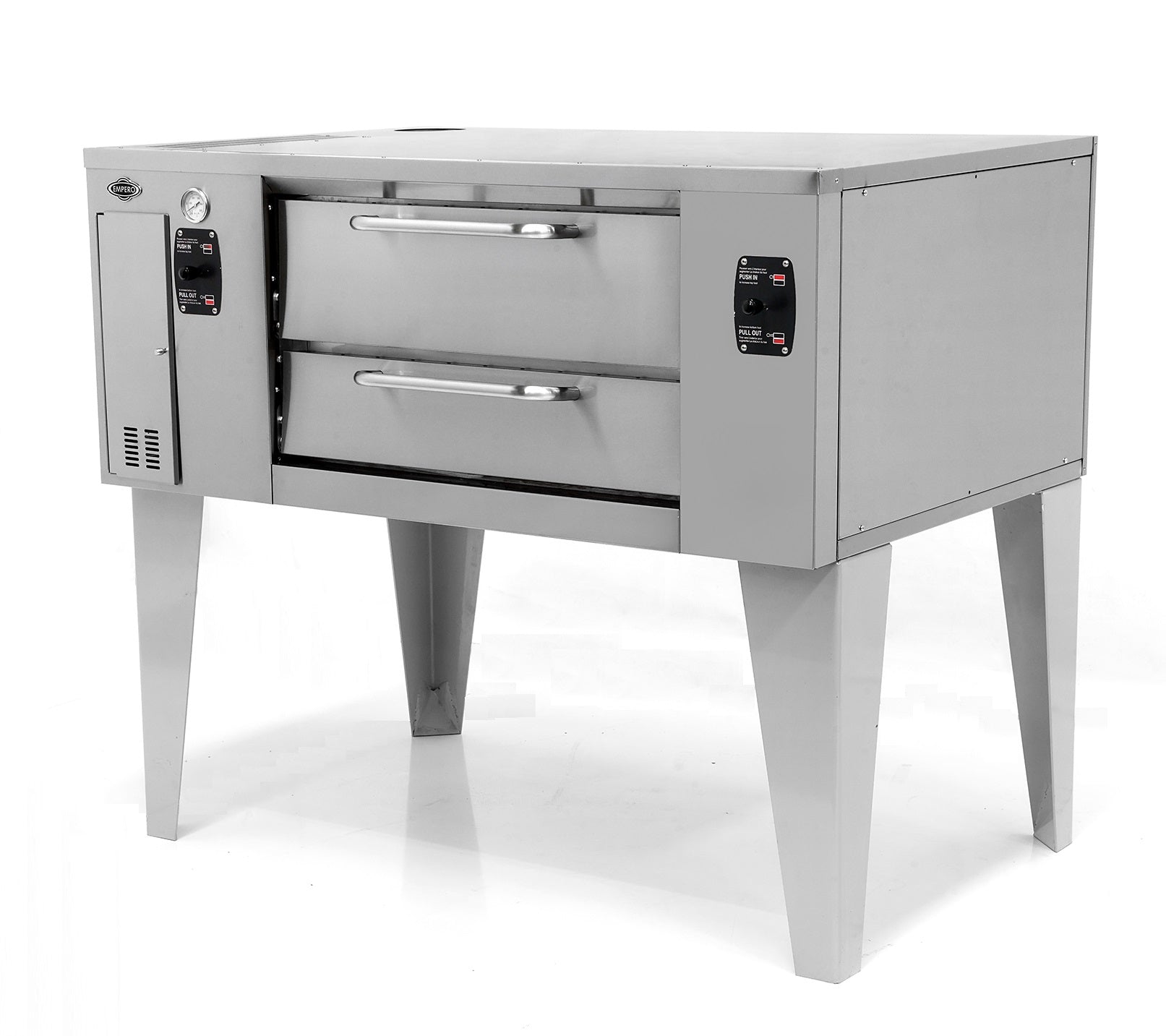
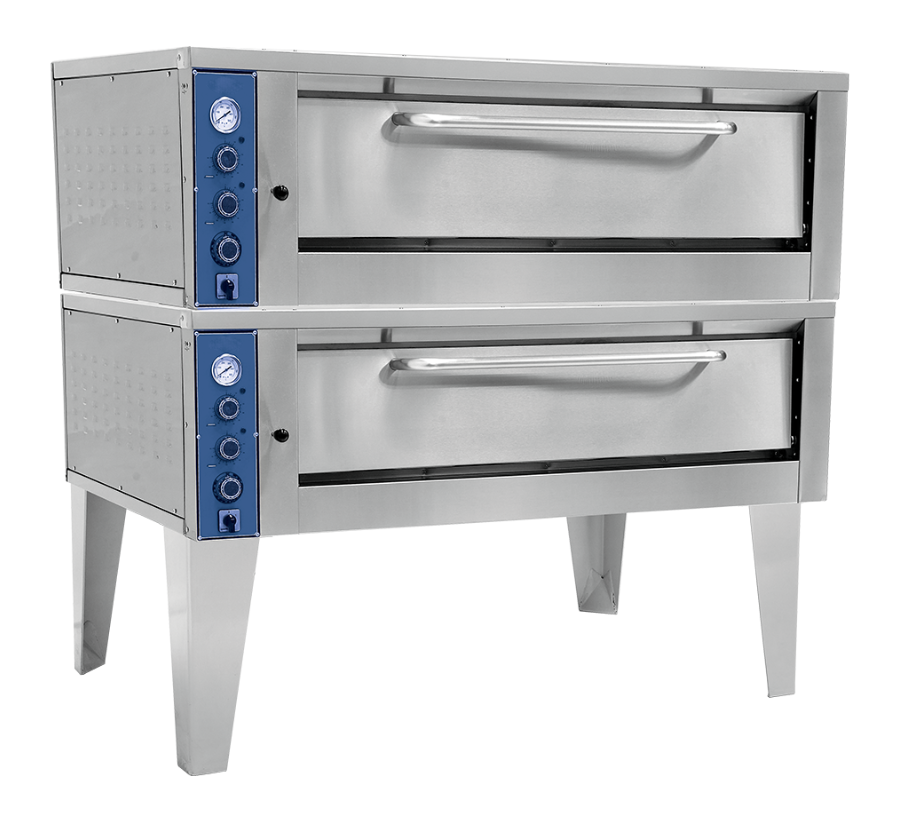
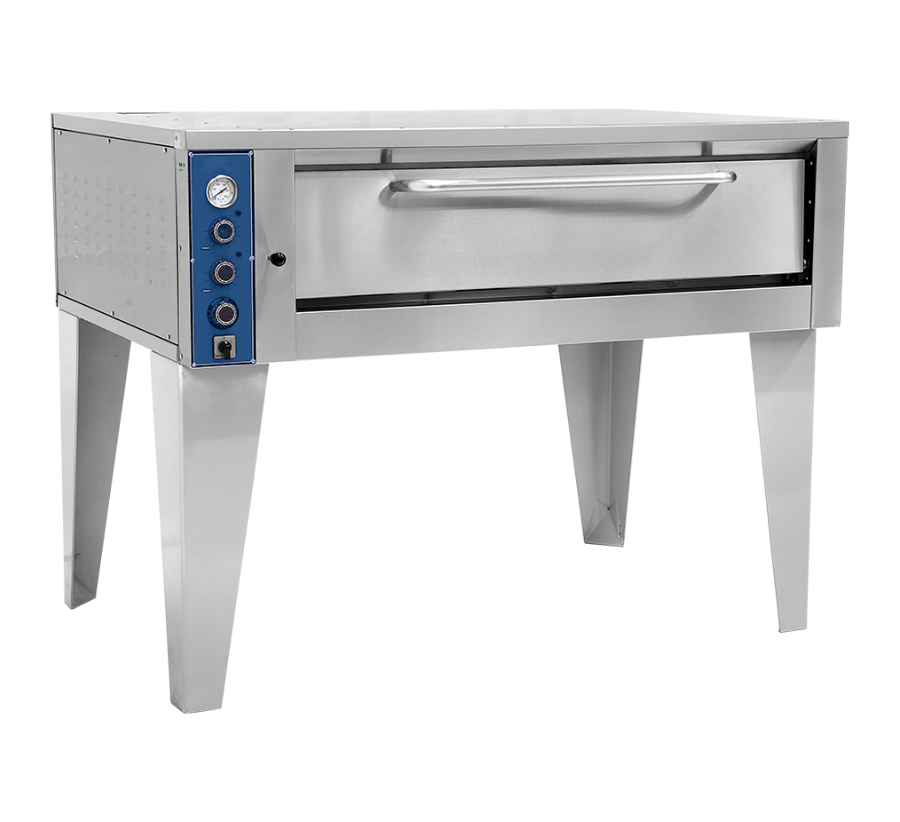
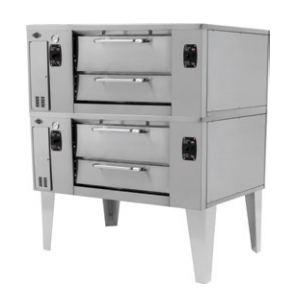
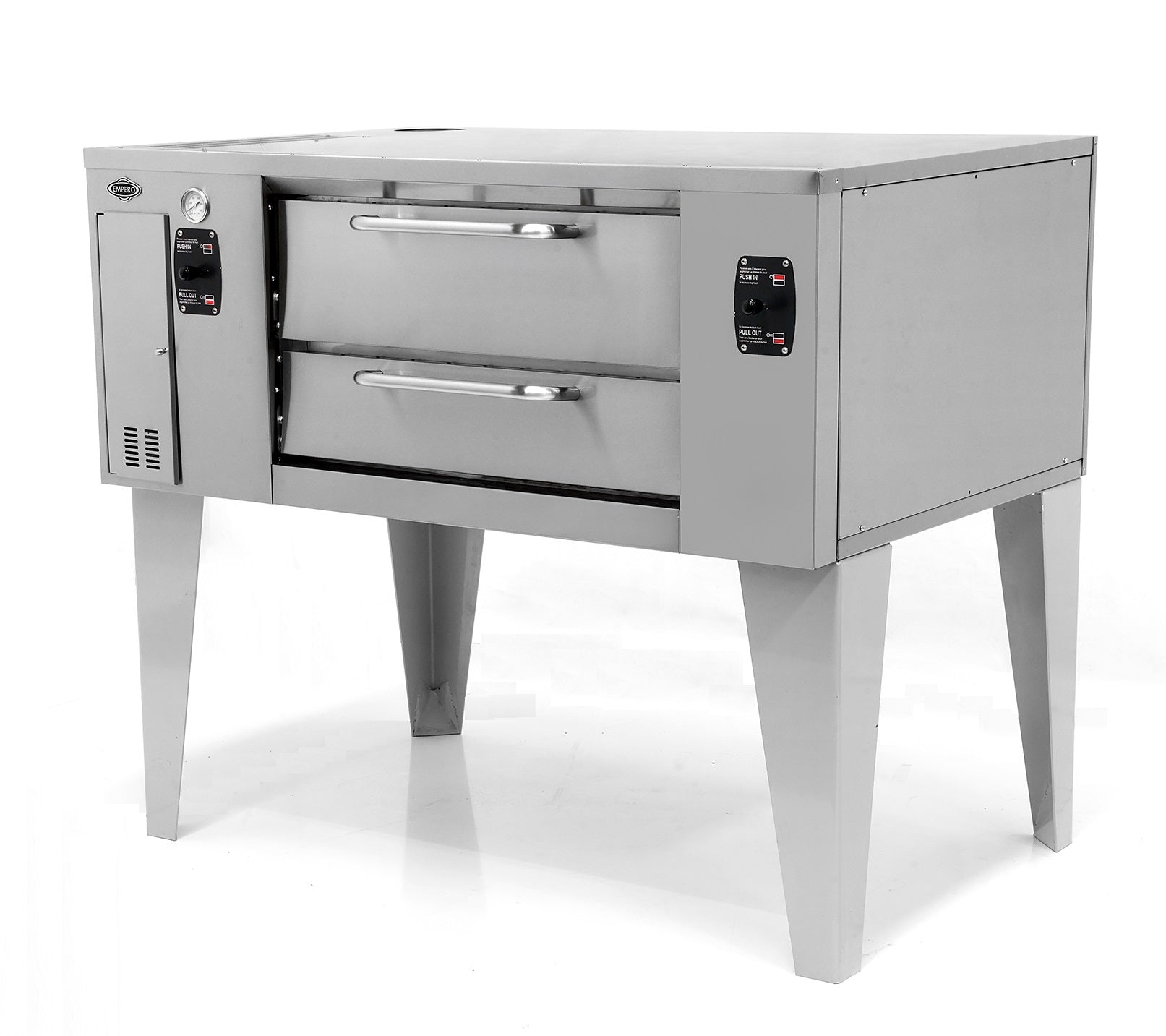
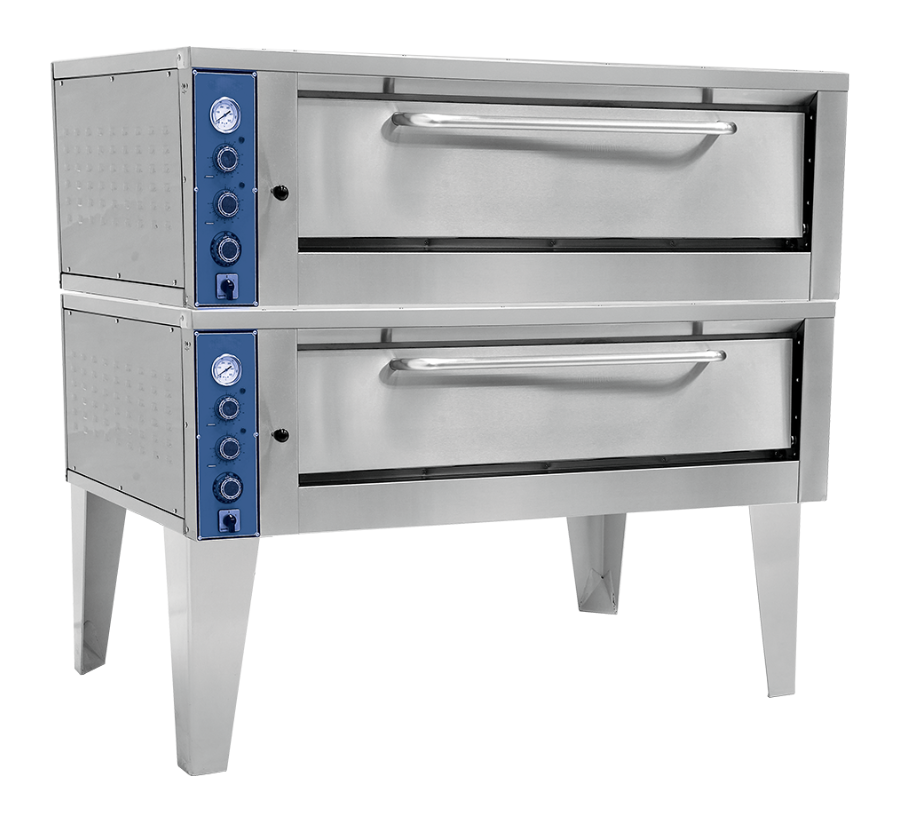
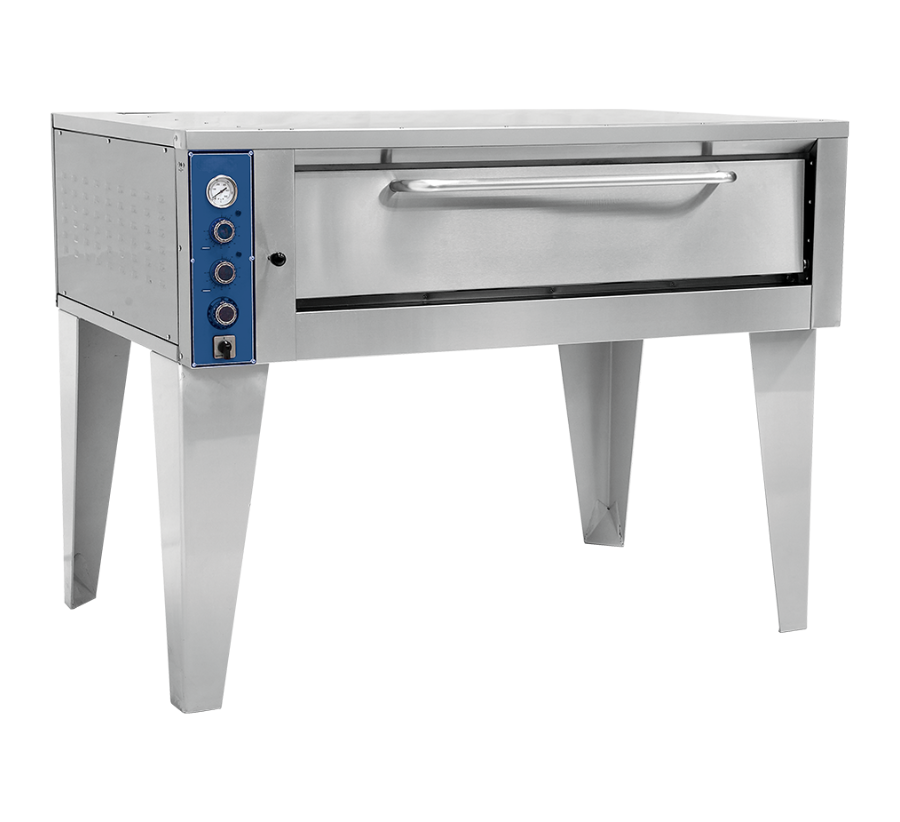
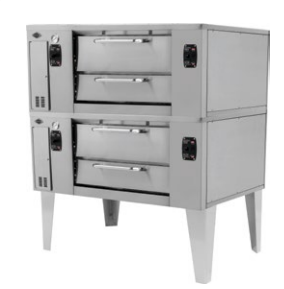
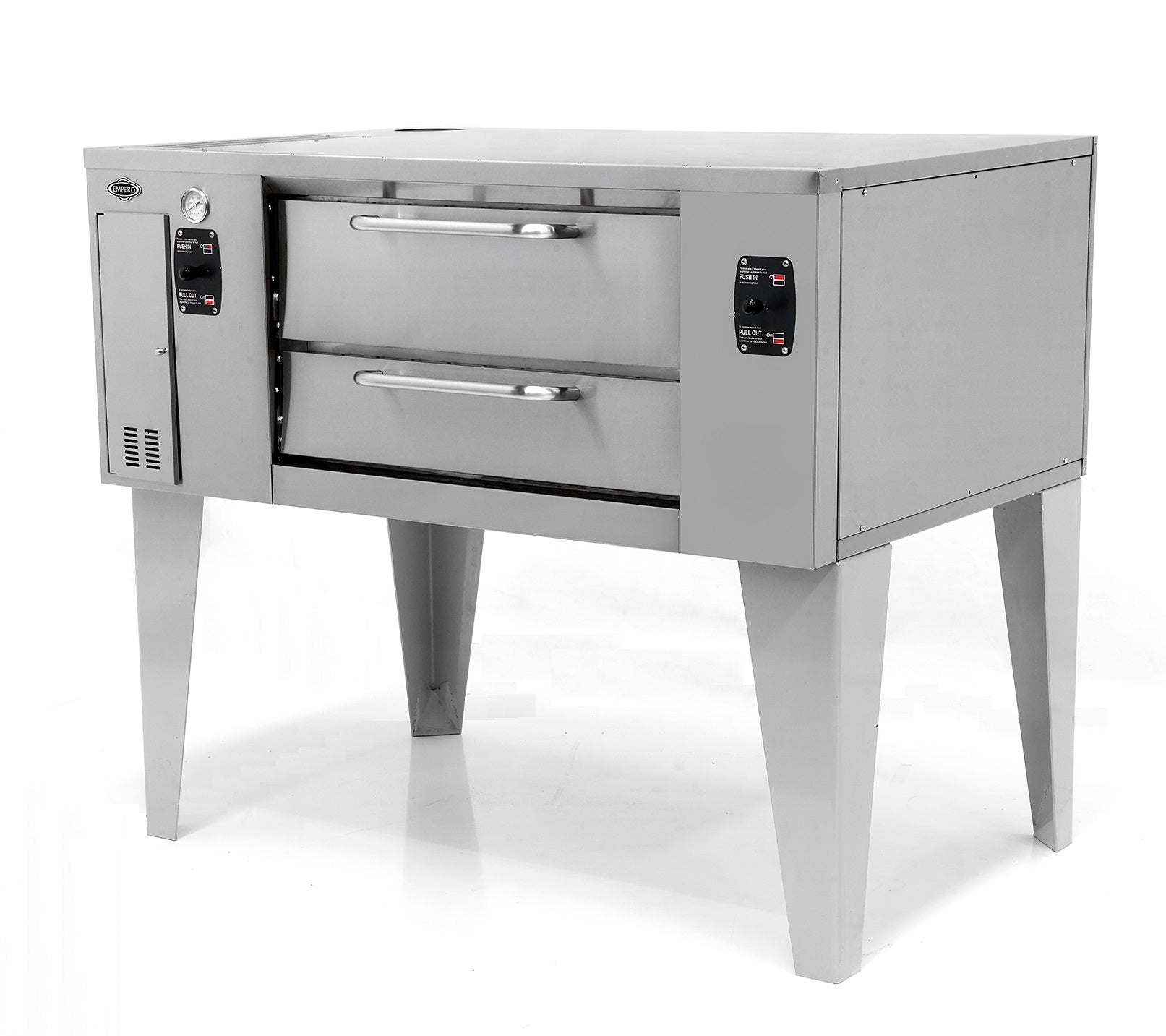
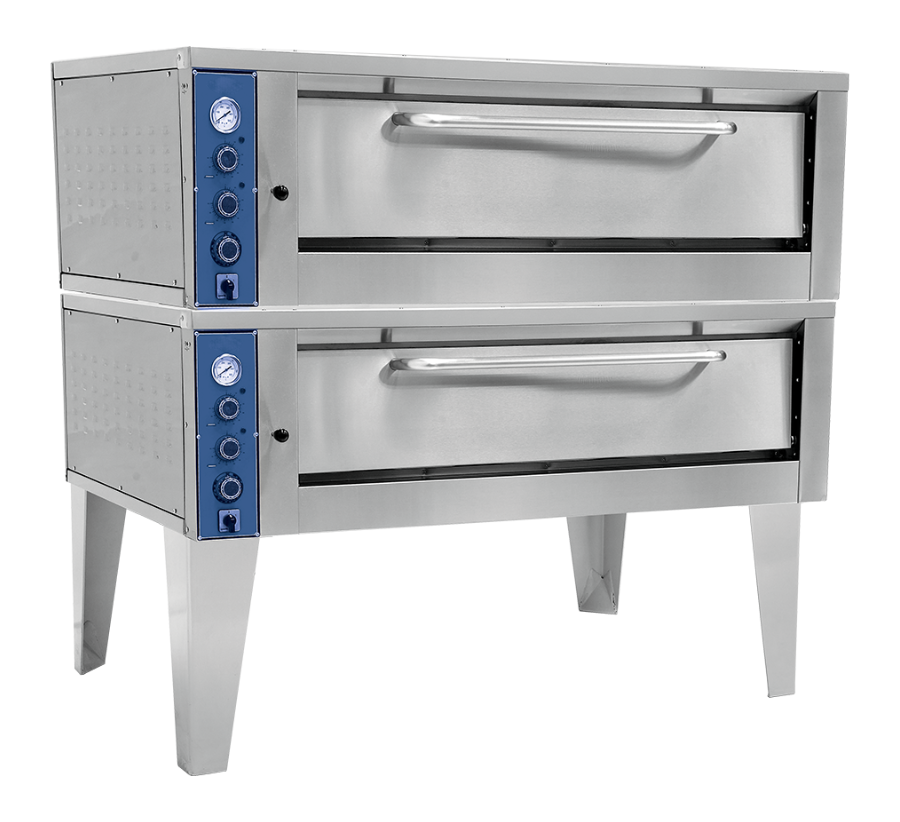
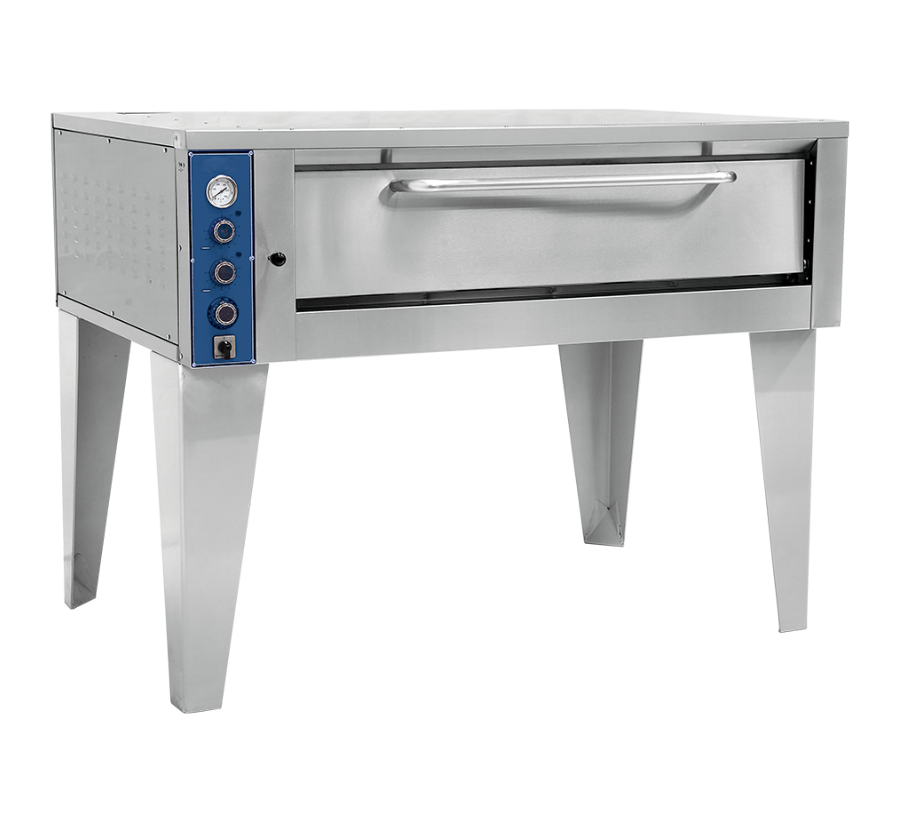
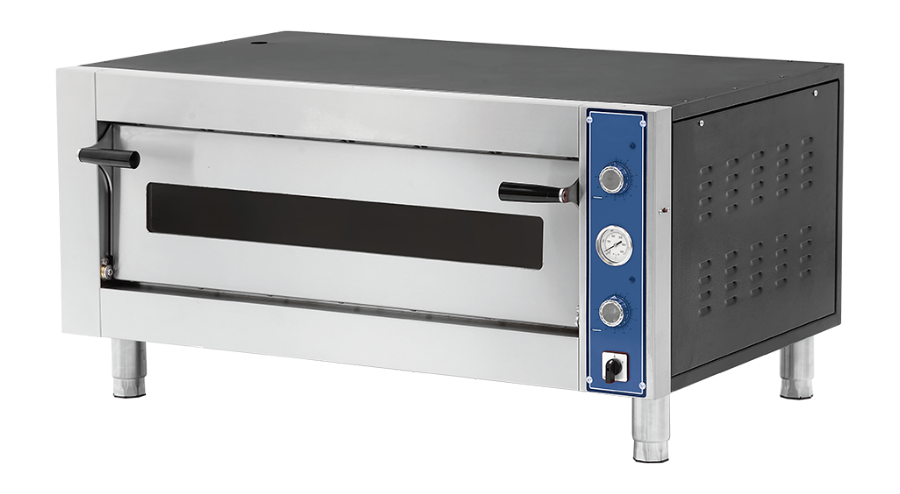
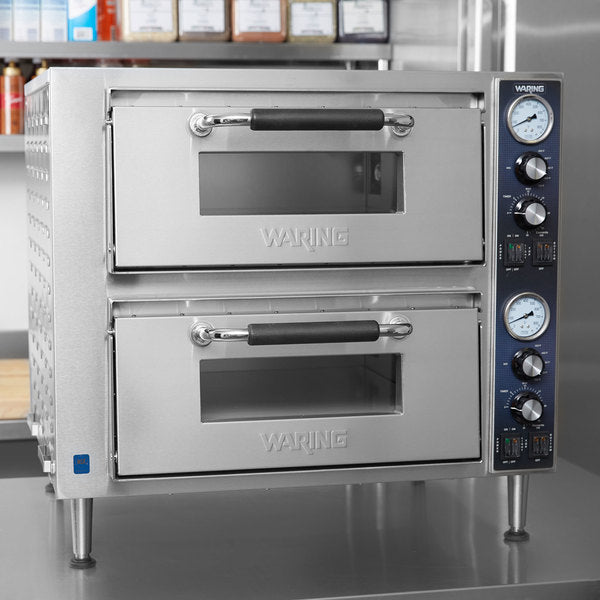
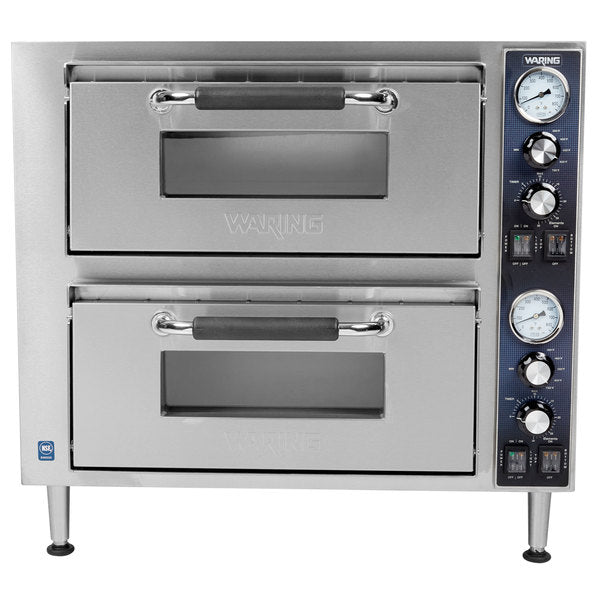
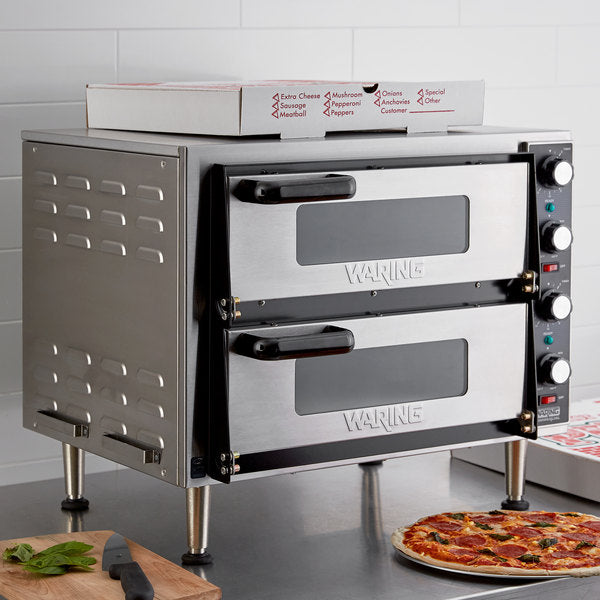
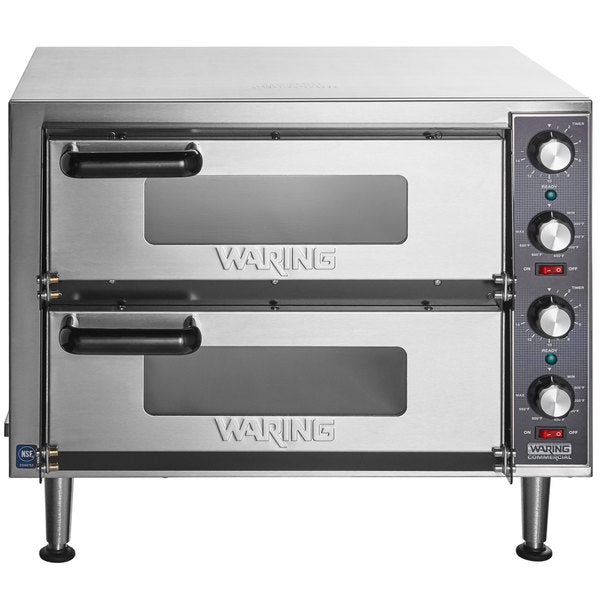
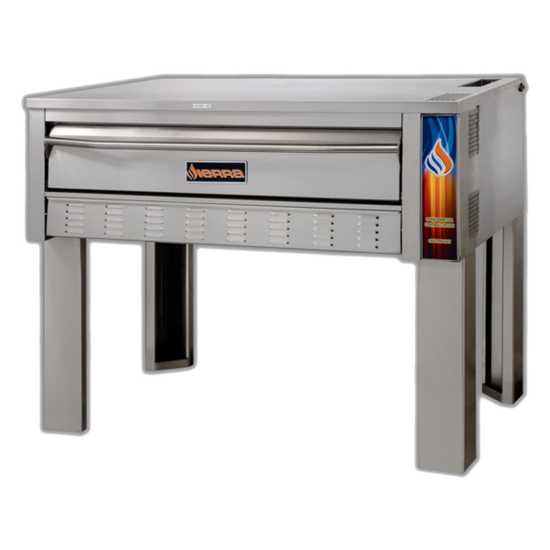
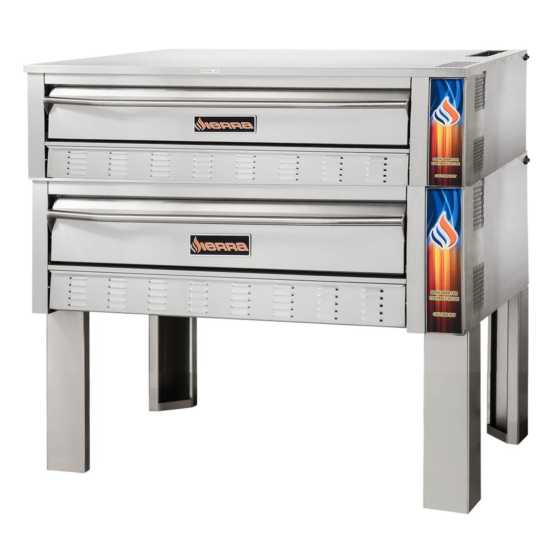
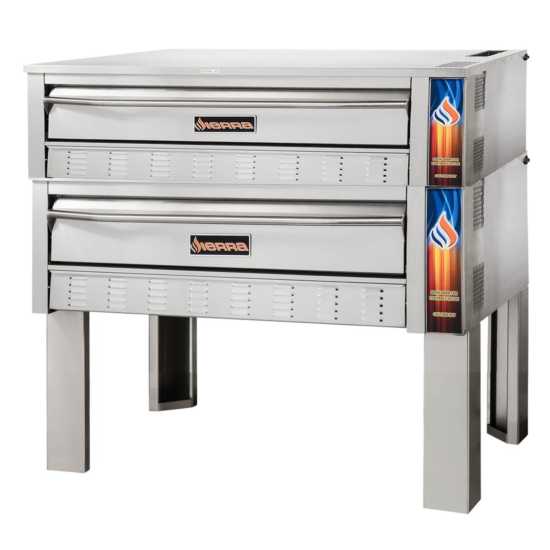
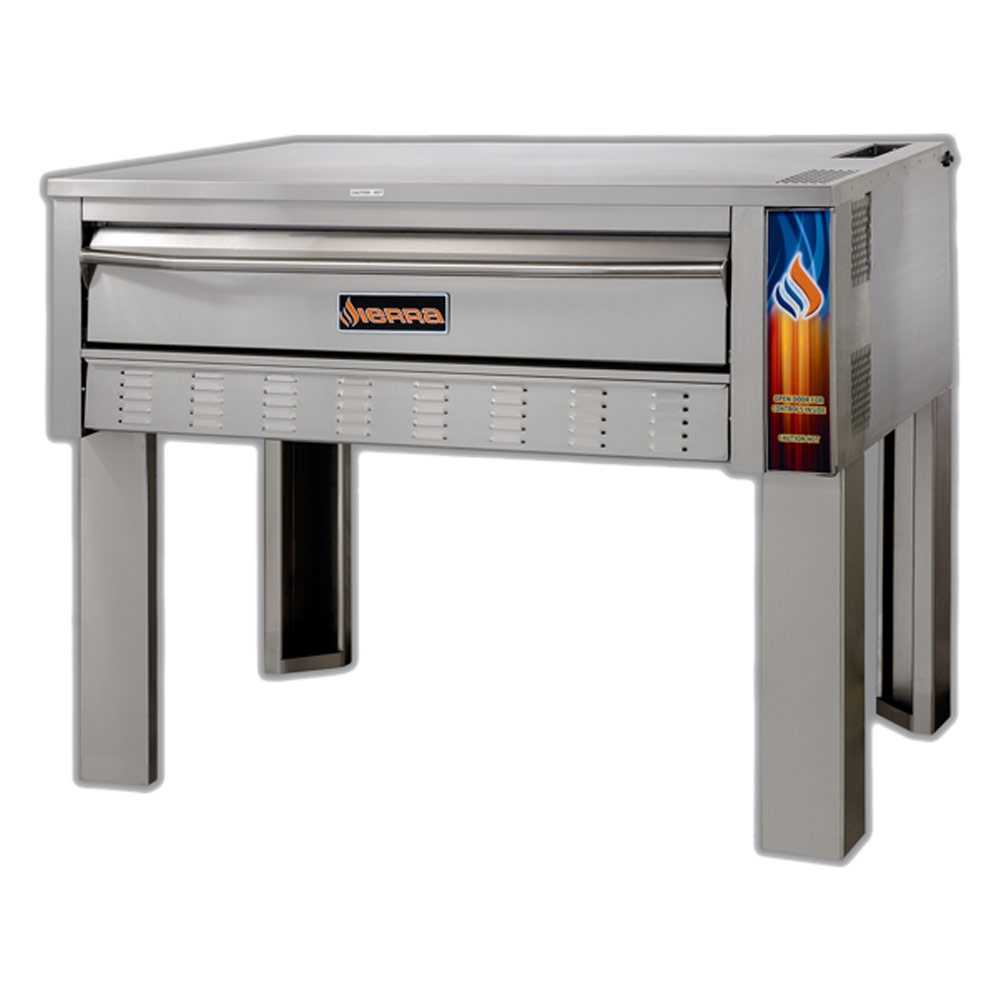
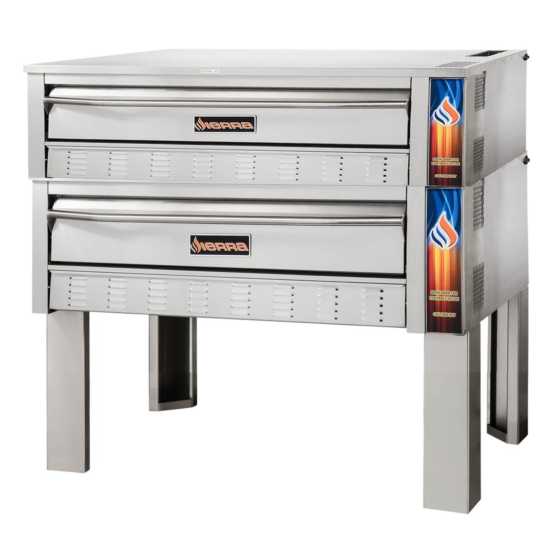
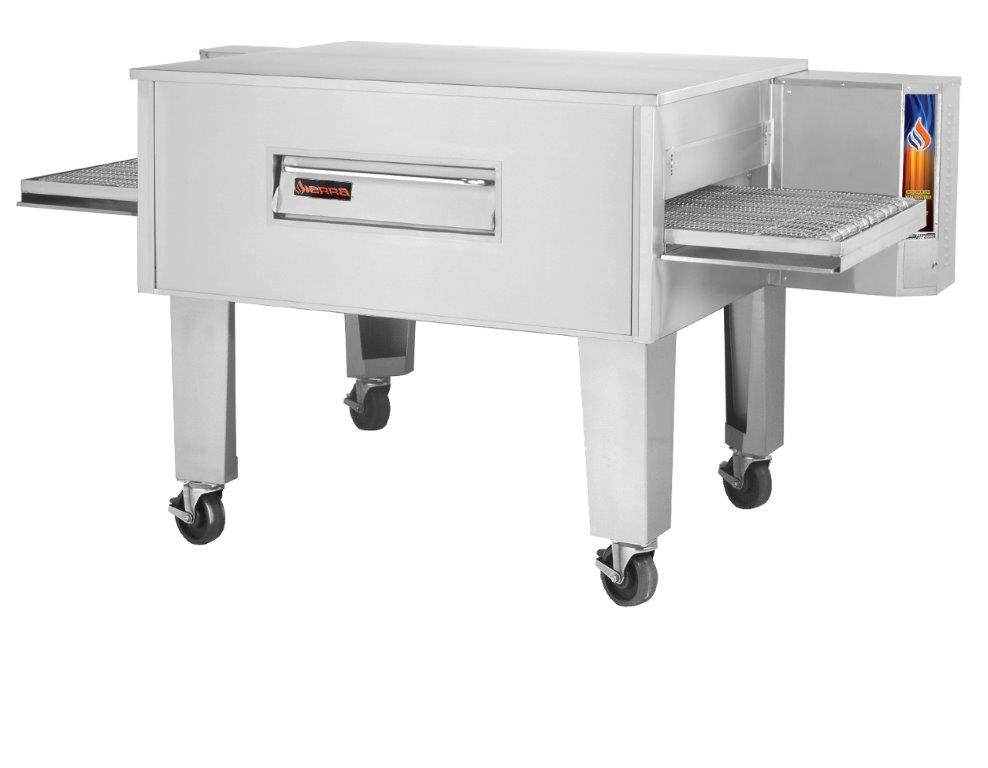
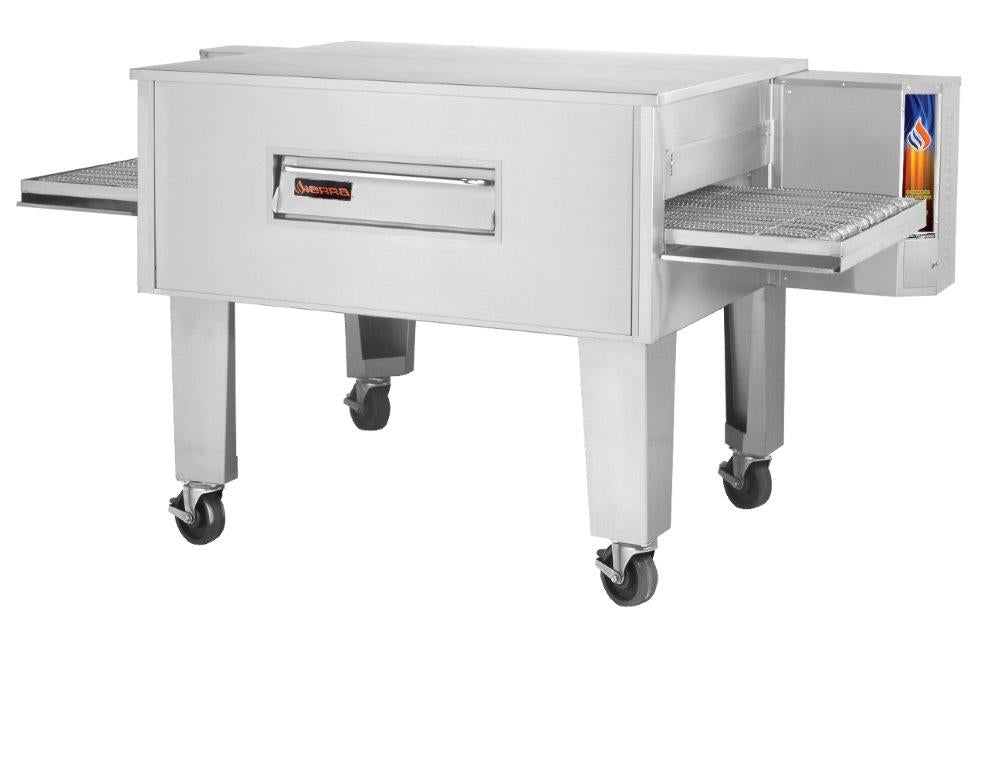
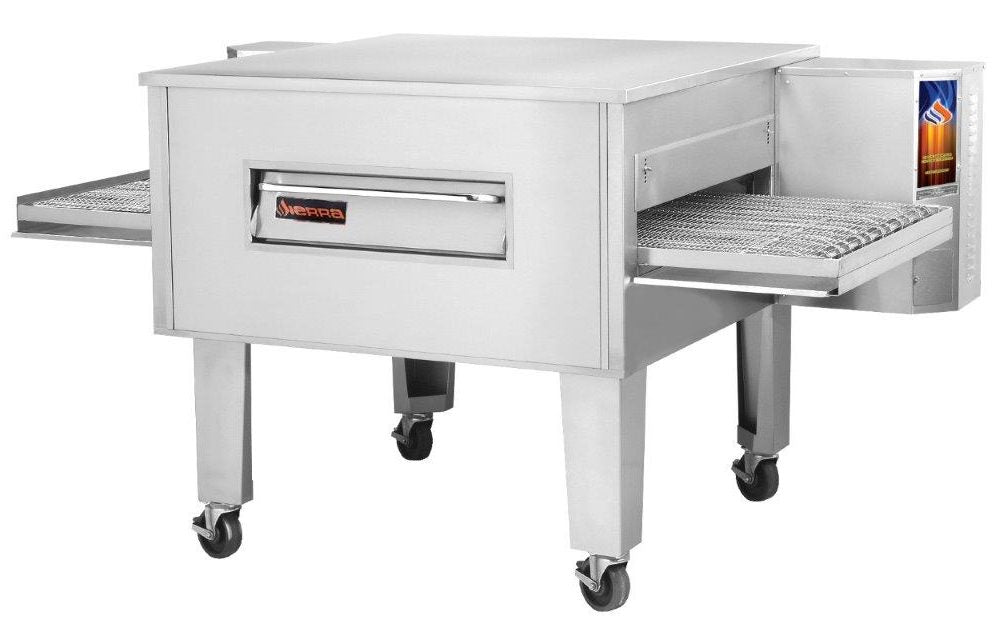
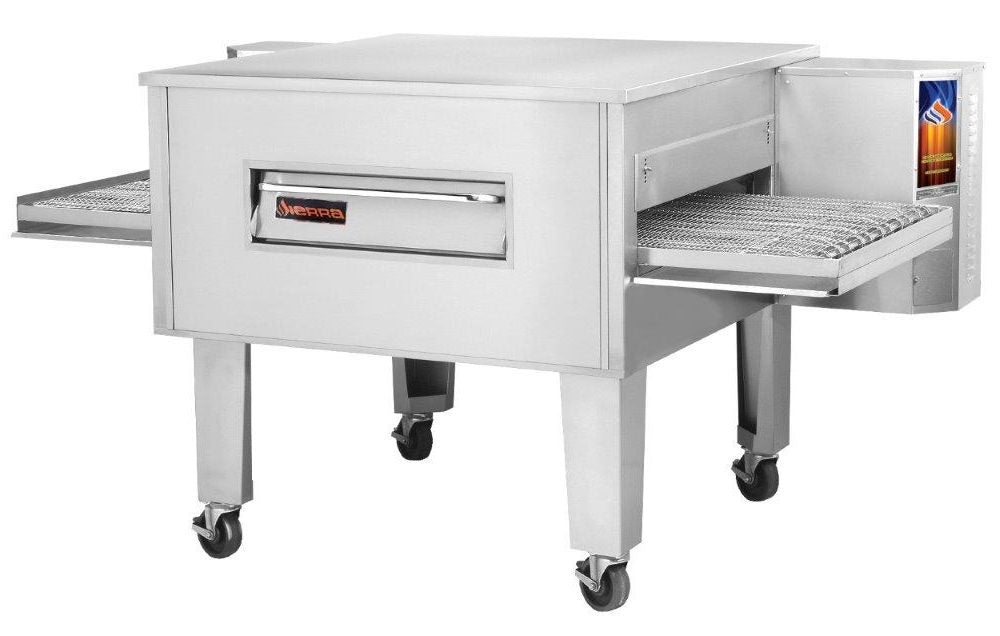
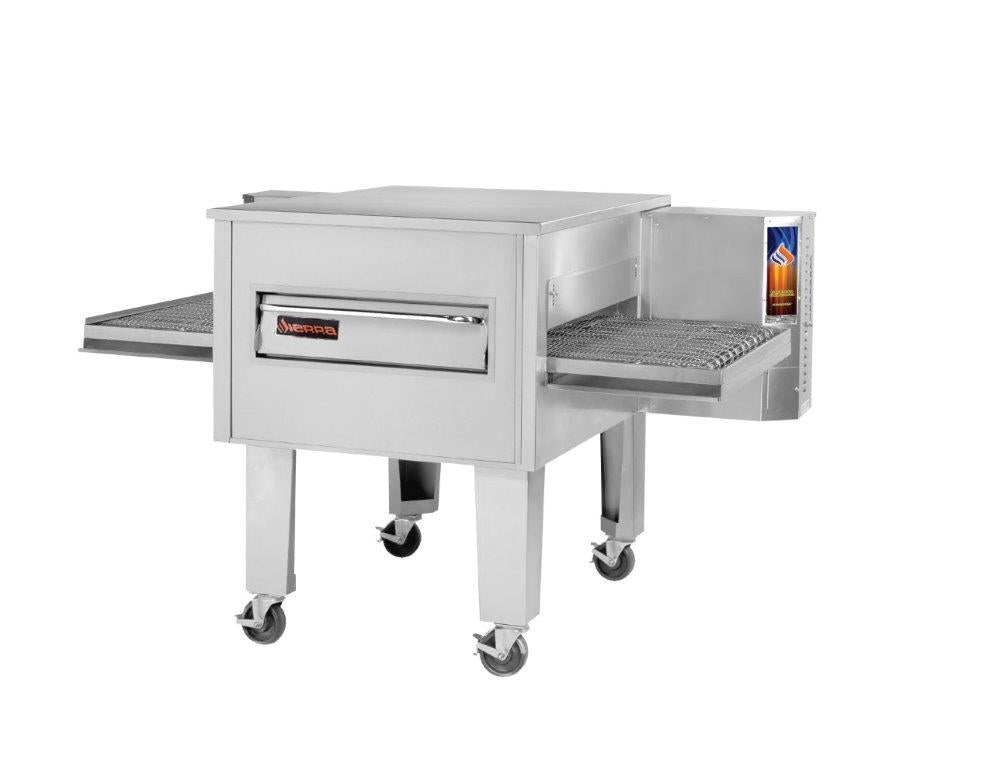
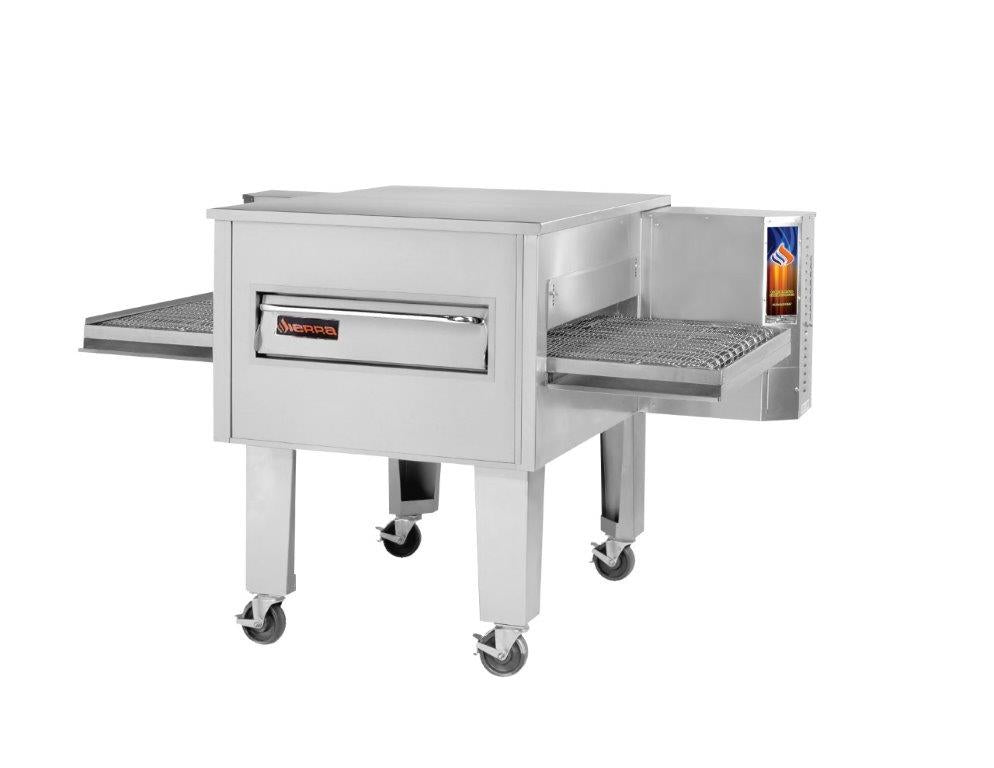
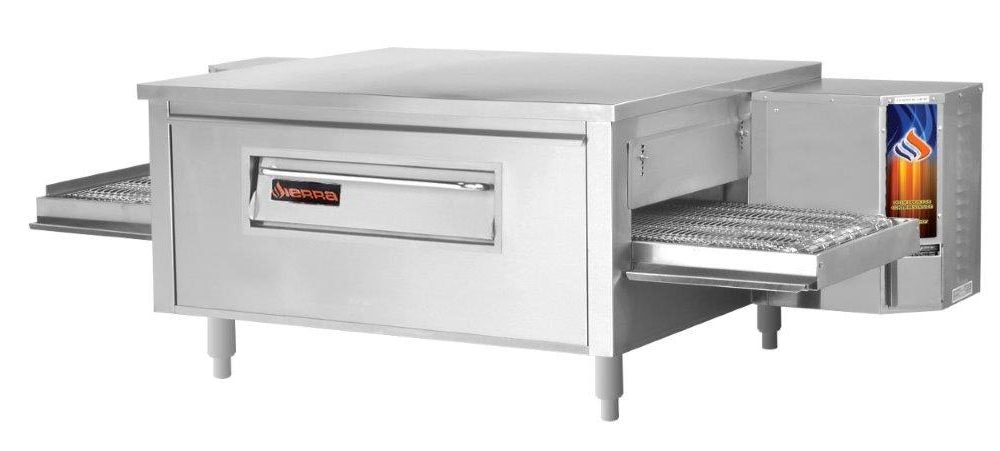
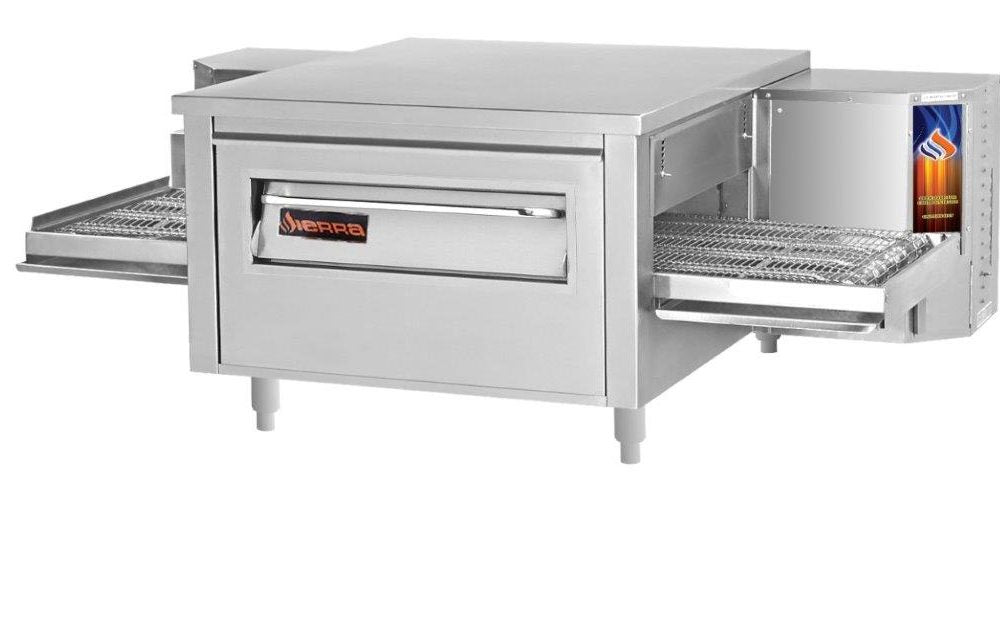
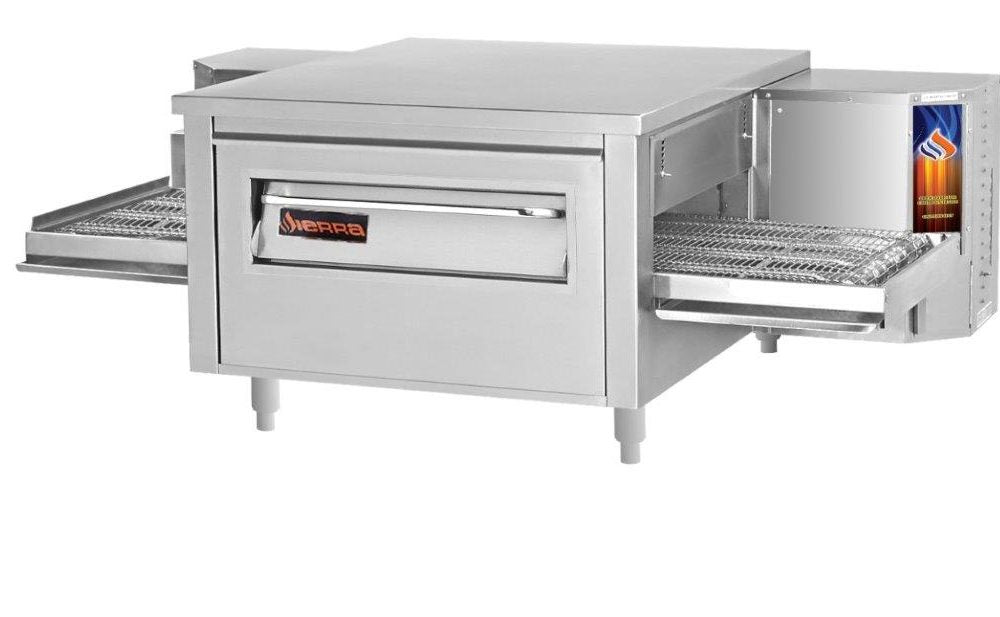
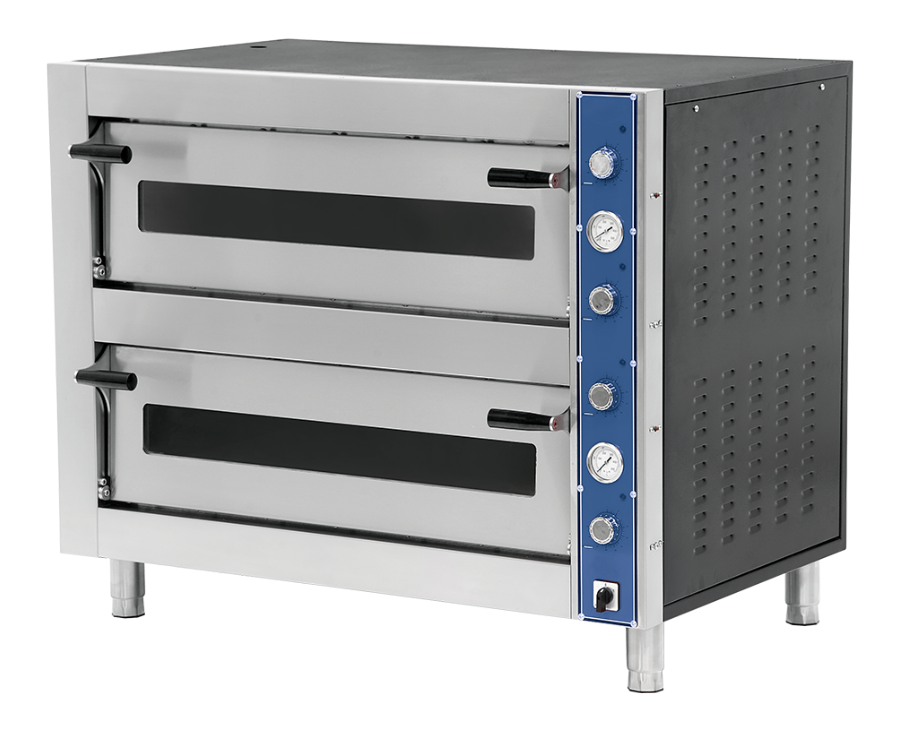
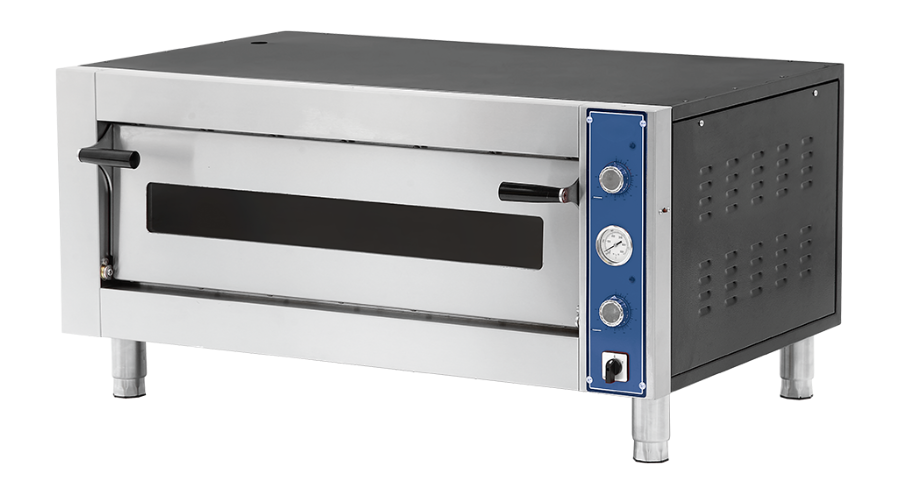
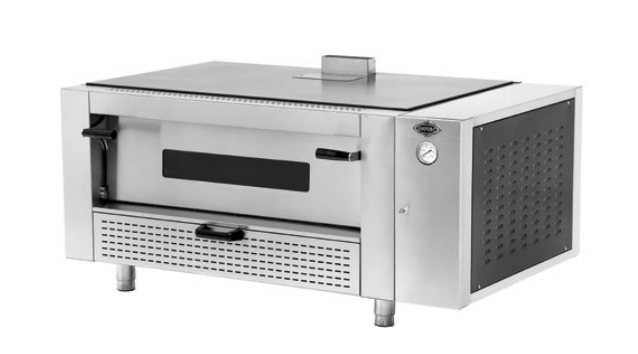
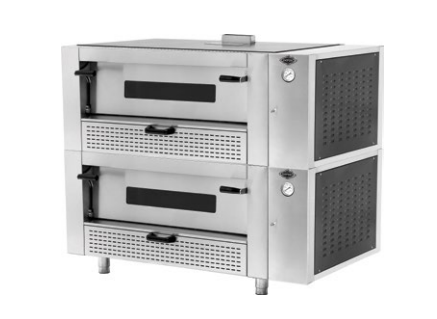
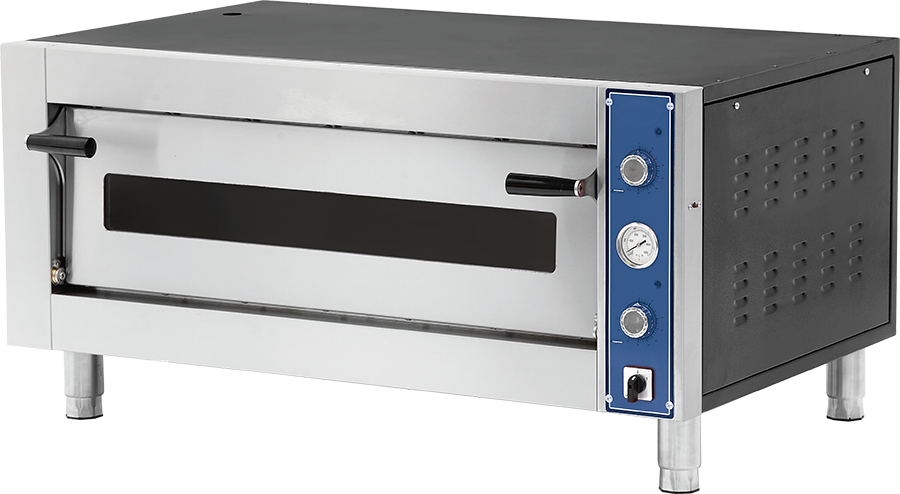
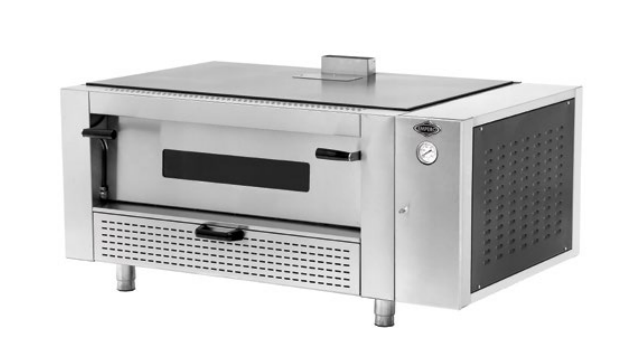
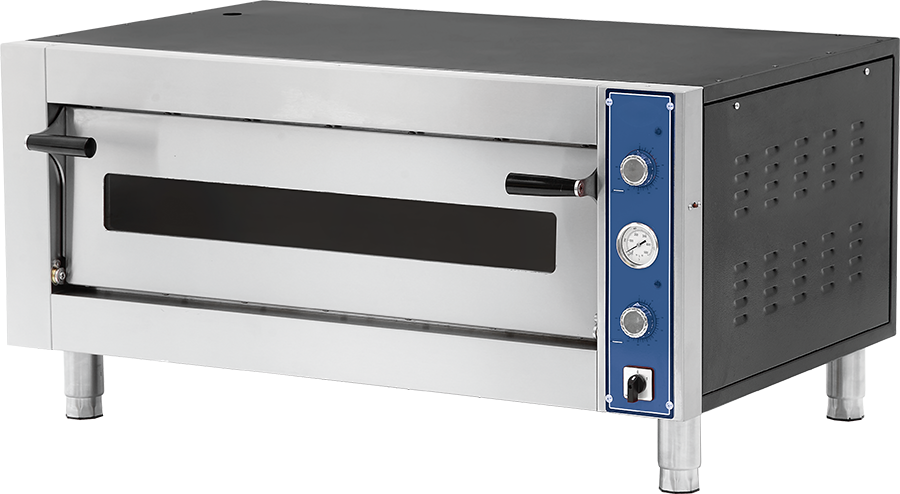
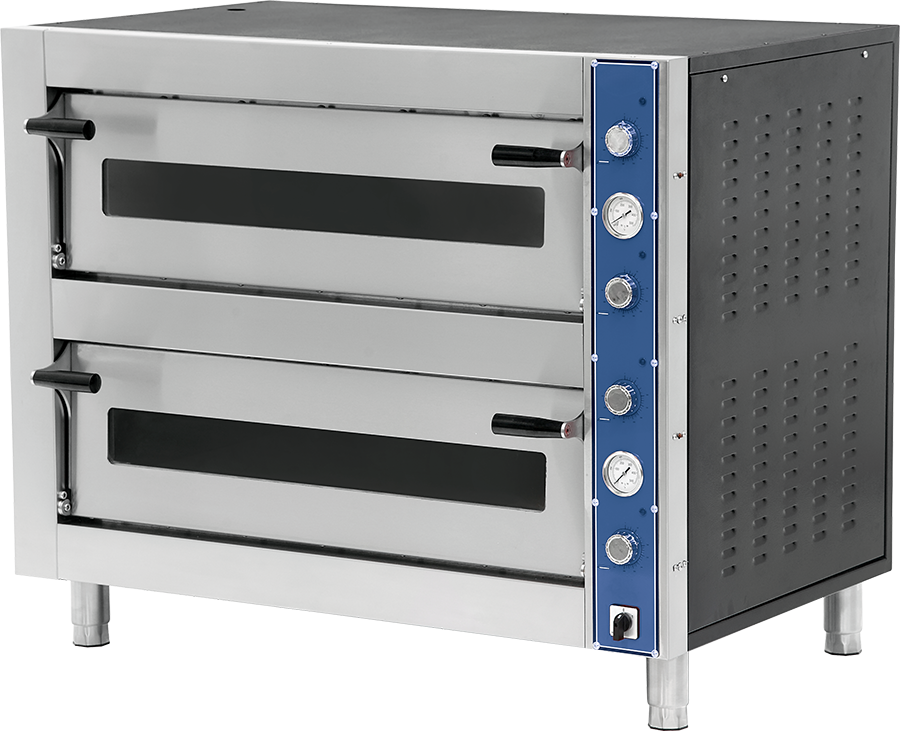
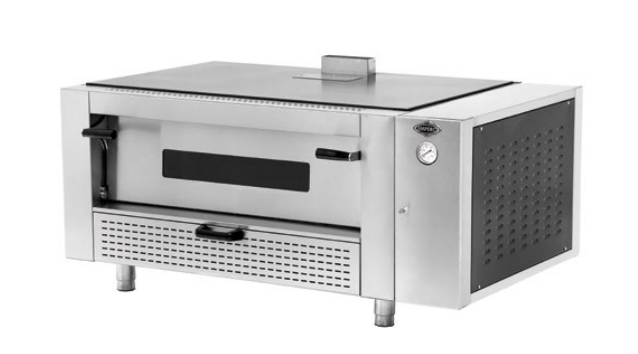
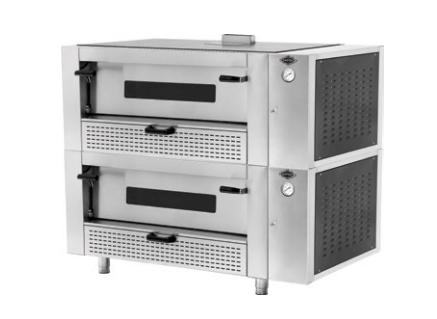
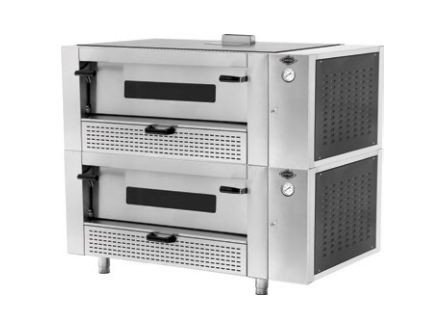
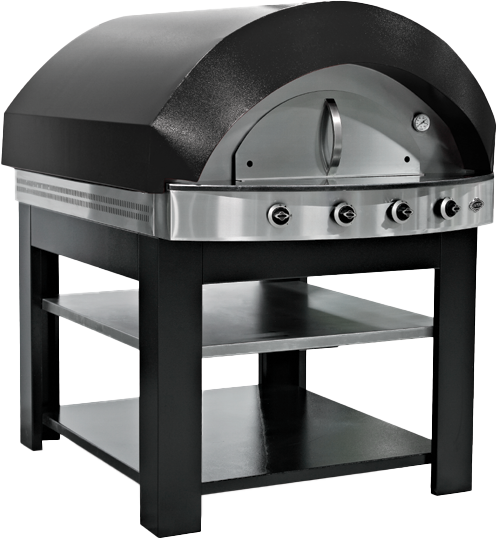
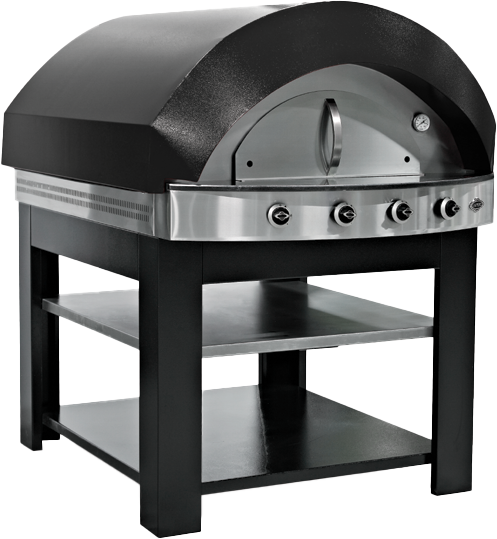
Commercial pizza ovens are available in several configurations, including deck ovens, conveyor ovens, and countertop models. Deck ovens provide traditional stone baking with exceptional crust texture, while conveyor ovens offer speed and production efficiency for high-output environments. Countertop and compact models are ideal for smaller kitchens with limited space. Gas and electric options are available depending on your building’s infrastructure and operational preferences.
When choosing a commercial pizza oven, it’s important to consider not only the purchase price but also long-term operating costs, ventilation requirements, recovery time, and production capacity. The right oven should match your peak service demand, available footprint, and menu style while delivering consistent results every time.
Show less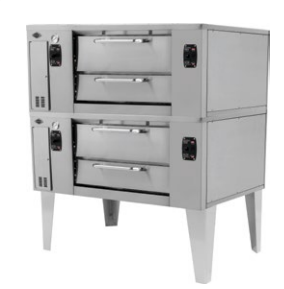
Free Shipping
Free Shipping
Free Shipping
Free Shipping
Free Shipping
Free Shipping
Free Shipping
Free Shipping
Free Shipping
Free Shipping
Free Shipping
Free Shipping
Free Shipping
Free Shipping
Free Shipping
Free Shipping
Free Shipping
Free Shipping
Free Shipping
Free Shipping
Free Shipping
Free Shipping
Free Shipping
Free Shipping
Free Shipping
Free Shipping
Free Shipping
Free Shipping
Free Shipping
Free Shipping
Free Shipping
Free Shipping
Recently viewed
F.A.Q. About Commercial Pizza Ovens
The cost of a commercial pizza oven depends on the type, size, fuel source, and production capacity.
Typical price ranges:
- Countertop pizza ovens: $1,000 – $4,000
- Single or double deck ovens: $5,000 – $15,000
- Conveyor pizza ovens: $10,000 – $30,000+
- Wood-fired specialty ovens: $15,000 – $50,000+
Installation, ventilation systems, gas lines, electrical upgrades, and hood systems can significantly increase the total investment. It’s important to evaluate total cost of ownership rather than just the upfront equipment price.
Proper cleaning ensures food safety, consistent heat distribution, and longer equipment lifespan.
General cleaning steps include:
- Turn off and allow the oven to cool completely.
- Remove food debris using a pizza brush or scraper.
- Clean baking stones with a dry brush (avoid soap on stones).
- Wipe interior stainless surfaces with a food-safe cleaner.
- Clean crumb trays and grease collection areas daily.
- Inspect burners or heating elements periodically.
For gas ovens, routine inspection of burners and gas connections is recommended. Conveyor ovens require regular belt cleaning to prevent residue buildup.
Daily light cleaning and weekly deep cleaning are best practice in high-volume operations.
Commercial pizza ovens are designed to operate at significantly higher temperatures than residential units.
Typical temperature ranges:
- Standard deck ovens: 500°F – 700°F
- Conveyor ovens: 450°F – 600°F
- High-heat stone ovens (Neapolitan style): 700°F – 900°F
- Wood-fired ovens: Up to 900°F or higher
Higher temperatures allow faster bake times, improved crust development, and better moisture control. Authentic Neapolitan pizzas often require temperatures above 800°F for a 60–90 second bake time.
Electric consumption varies by oven size, wattage, and daily usage hours.
Typical power requirements:
- Small countertop units: 3–6 kW
- Full-size deck ovens: 8–20 kW
- Large electric conveyor ovens: 15–30 kW or more
Most commercial electric pizza ovens operate on 208V or 240V, single or three-phase power.
Energy usage depends on:
- Operating temperature
- Recovery time
- Insulation quality
- Daily production volume
Energy-efficient models with superior insulation reduce heat loss and lower long-term operating costs.