
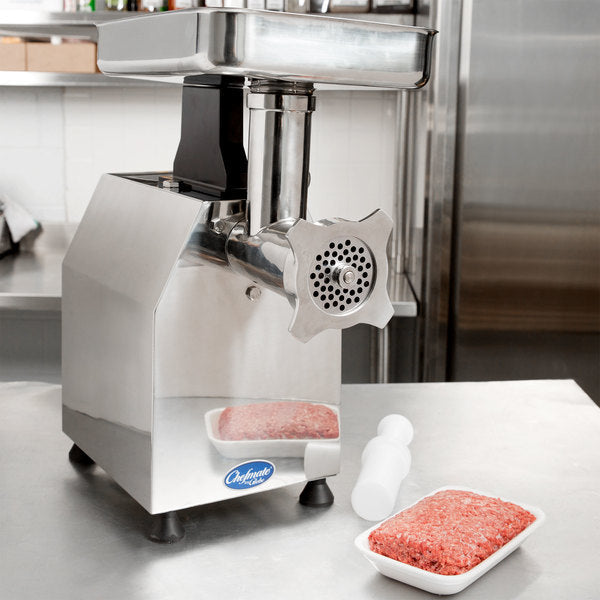
Commercial meat grinders are essential for kitchens that prioritize freshness, consistency, and control. Grinding meat in-house allows you to manage fat ratios, texture, and quality across every batch—something pre-ground products simply can’t deliver. Whether you're preparing burger blends, sausages, or specialty recipes, a reliable meat grinder helps you maintain product standards while improving overall efficiency.
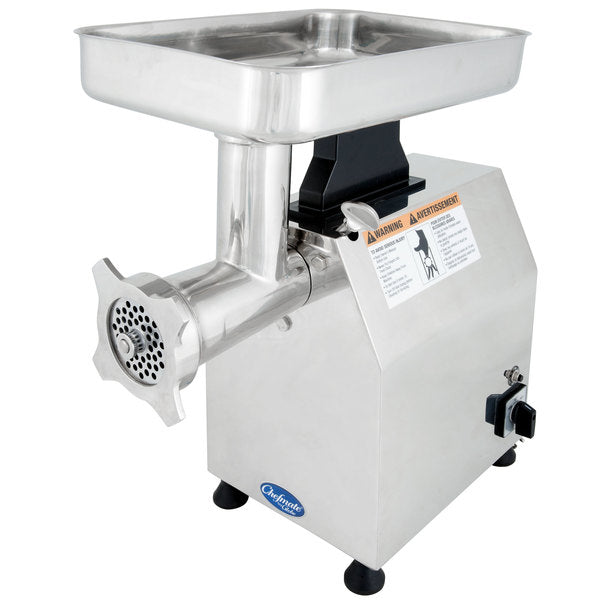
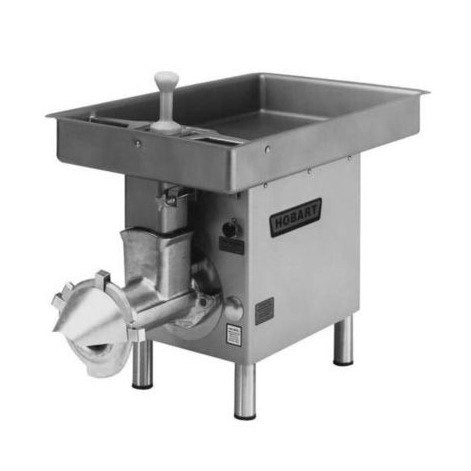
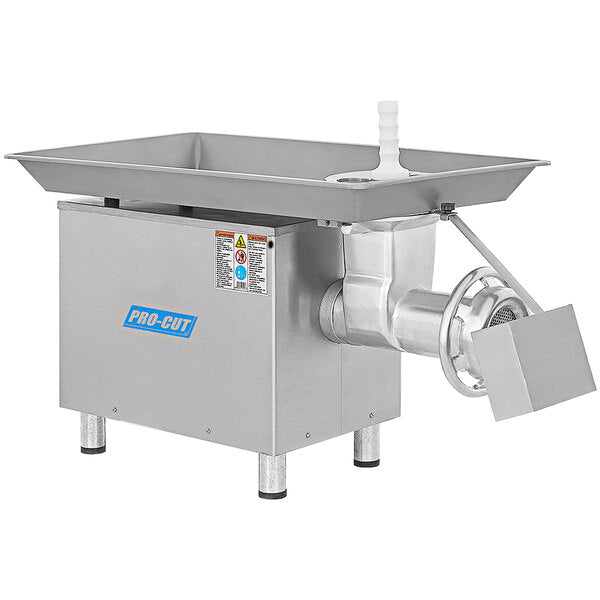
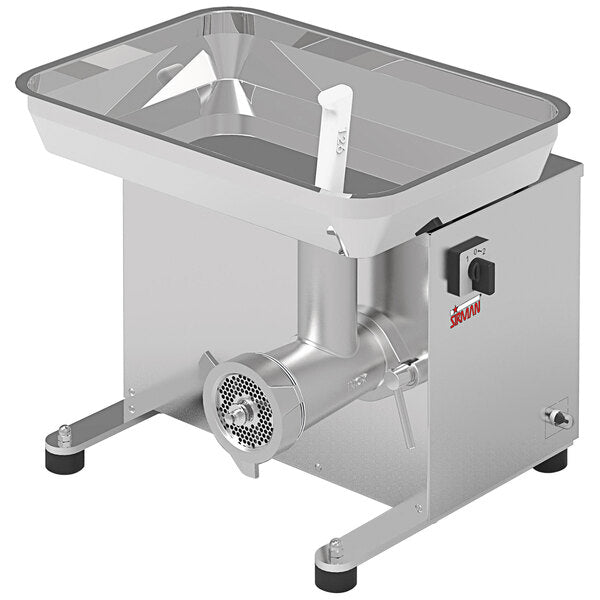
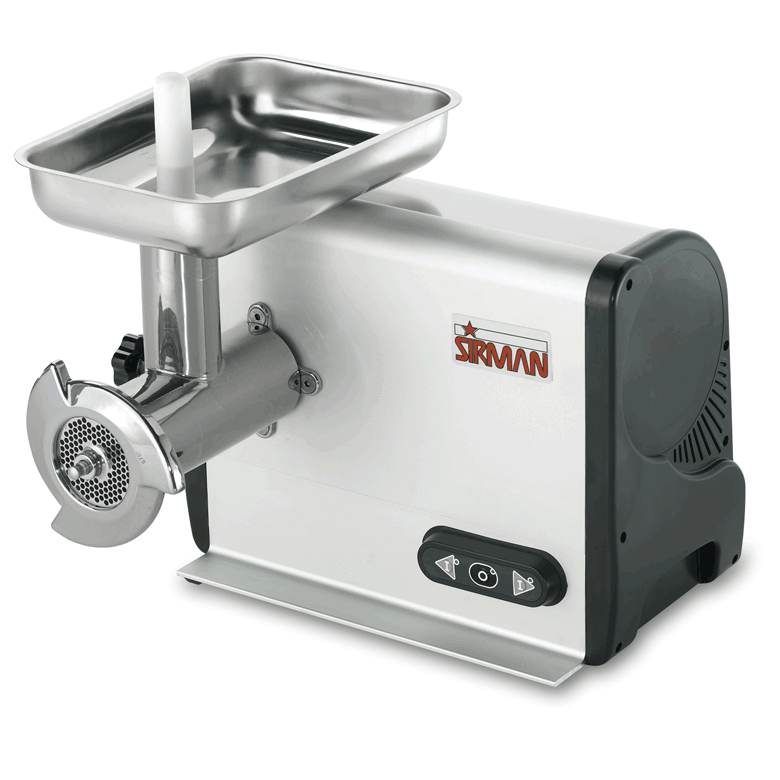
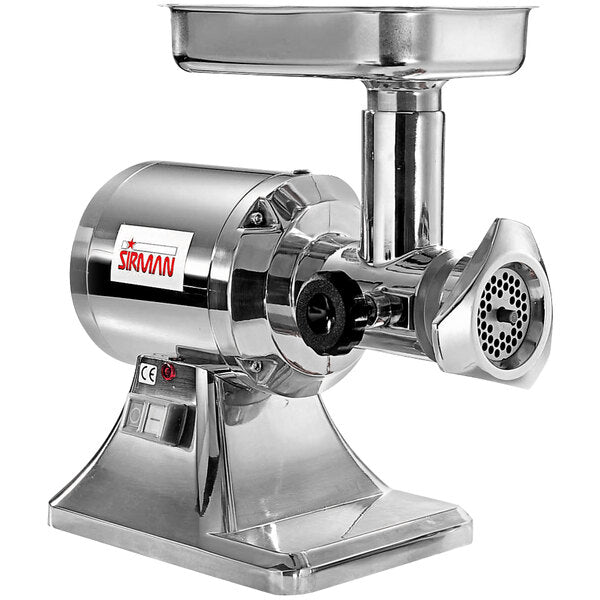
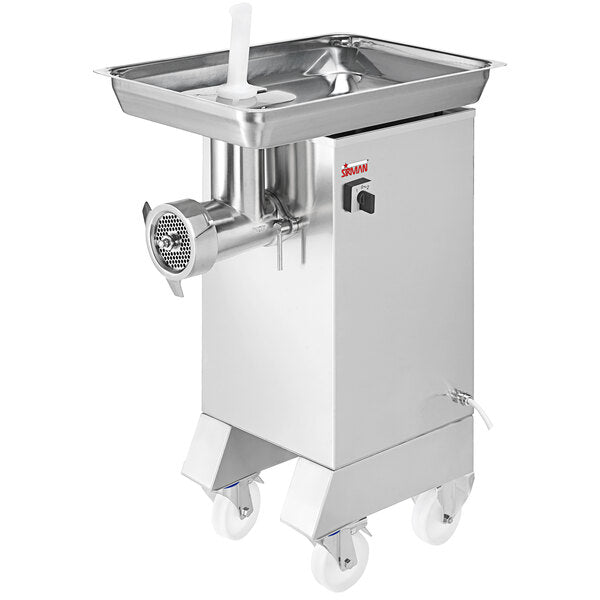
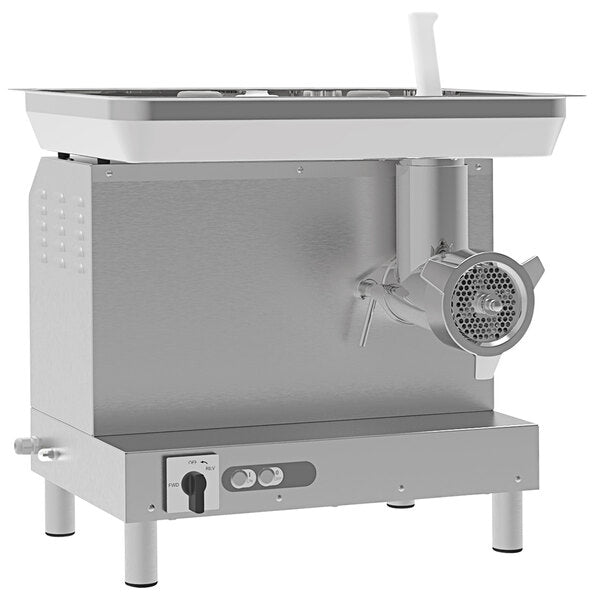
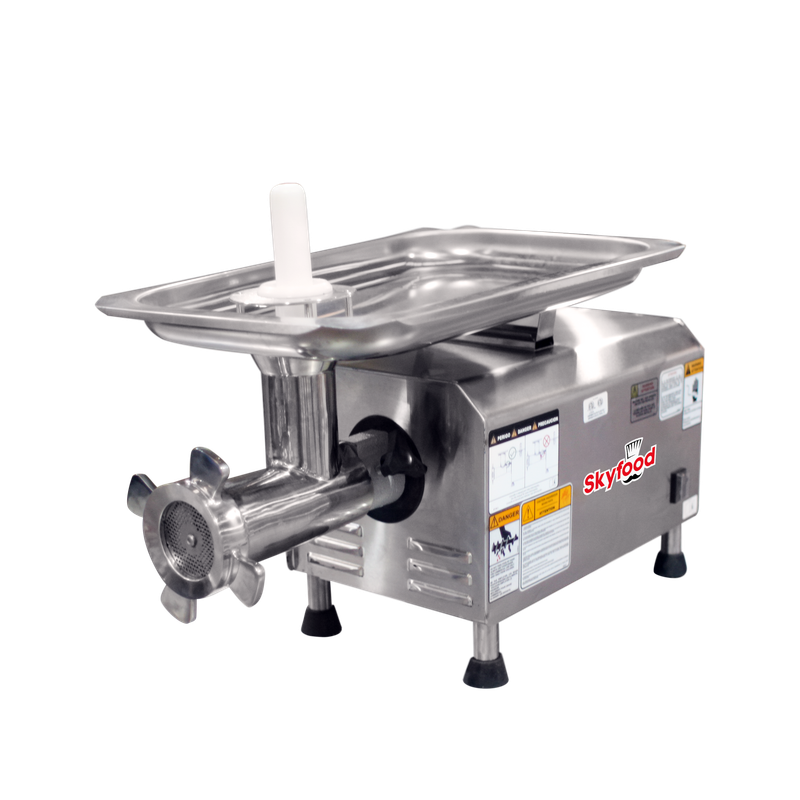
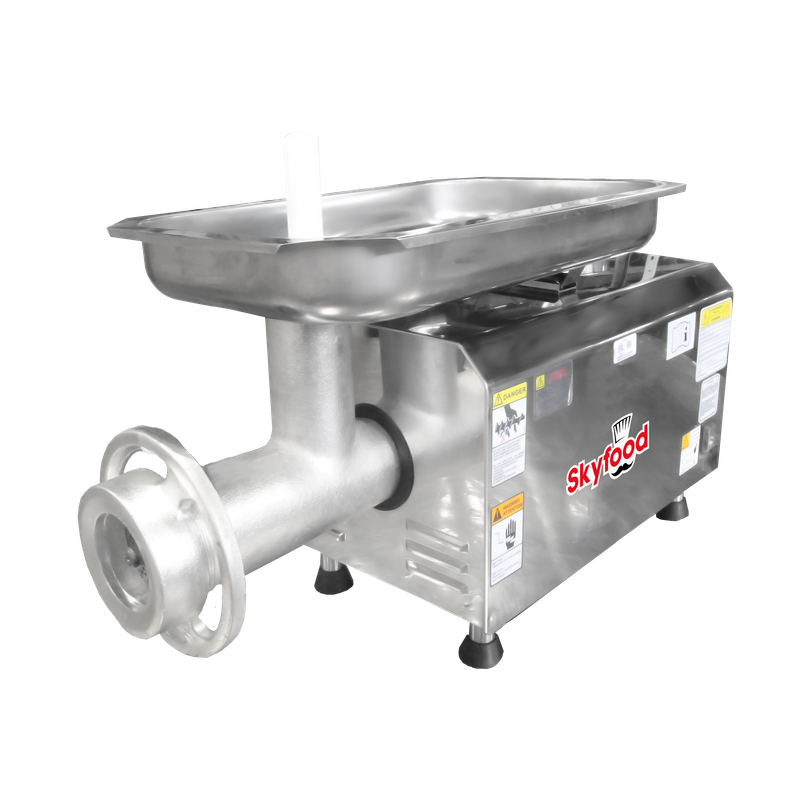
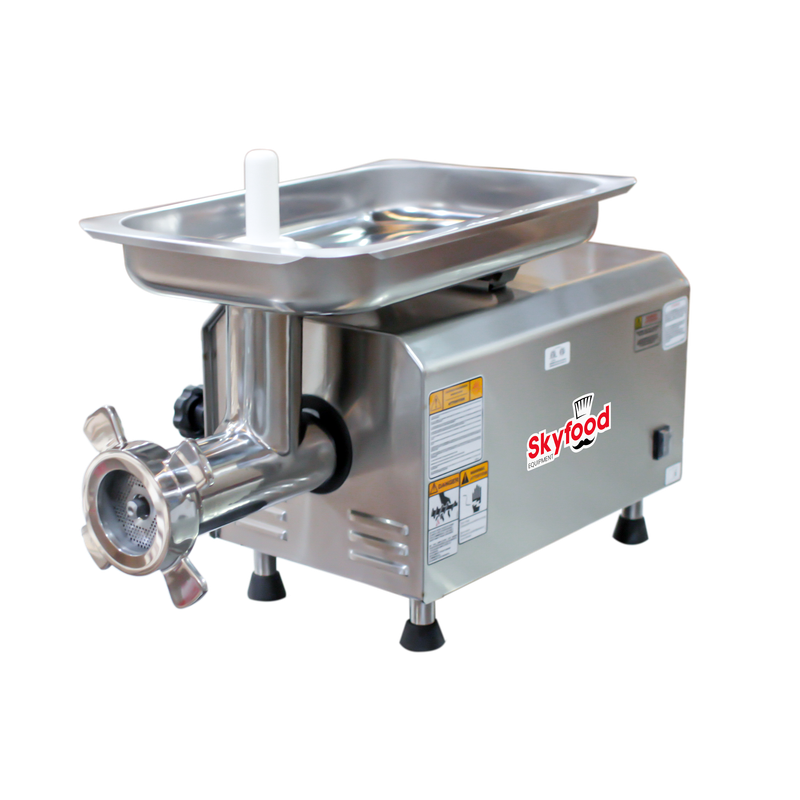
Designed for restaurants, butcher shops, and high-volume foodservice environments, commercial meat grinders are built to handle continuous use without compromising performance. From compact countertop models to heavy-duty floor units, these machines offer the power and durability needed to process meat quickly and consistently. Features like stainless steel construction, high-torque motors, and easy-to-clean components ensure long-term reliability in demanding kitchens.
Choosing the right commercial meat grinder depends on your daily output, menu requirements, and workflow. With the right equipment, you can reduce waste, streamline prep time, and deliver better-tasting products to your customers. Investing in a quality meat grinder isn’t just about efficiency, it’s about elevating the overall quality of your food.
Show less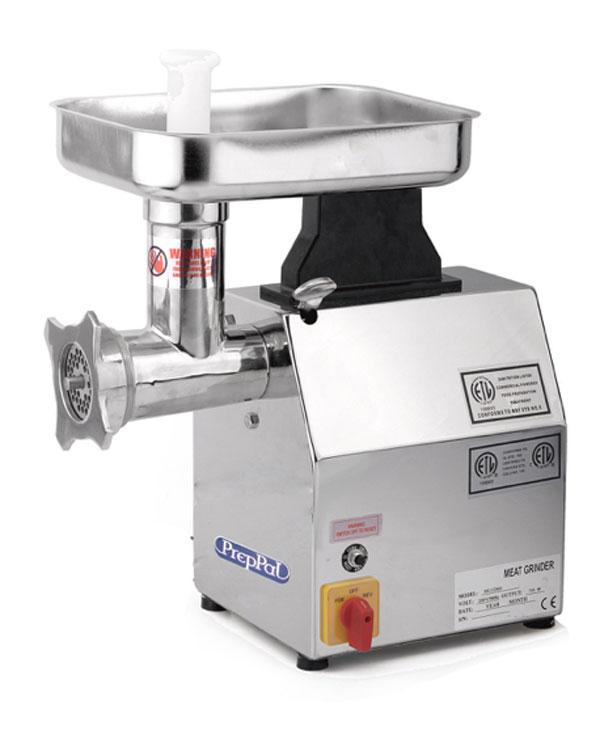
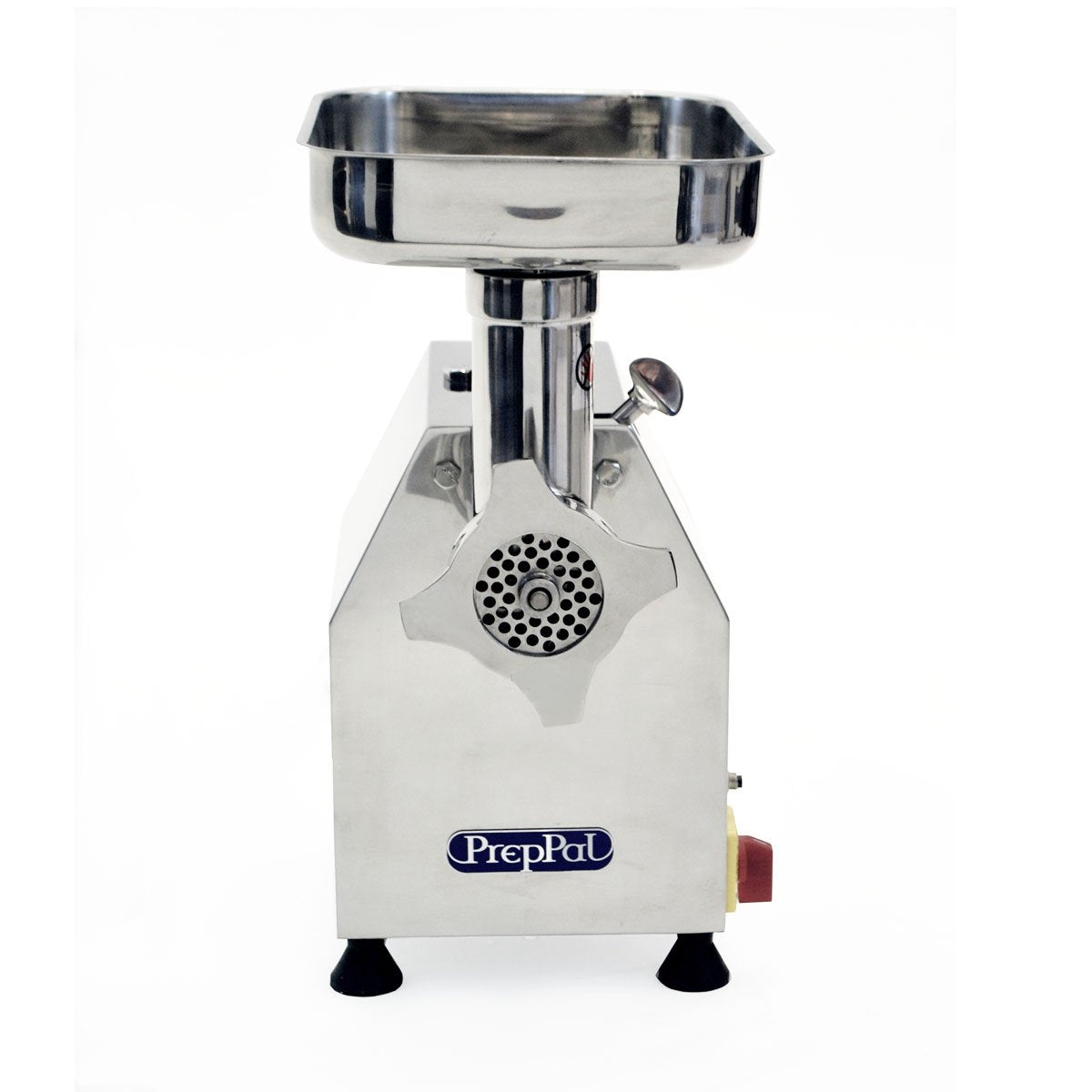
Free Shipping
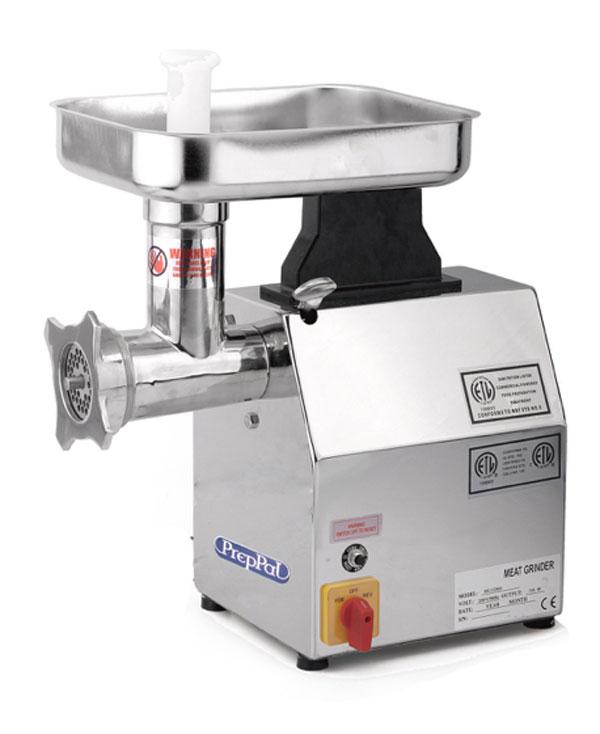
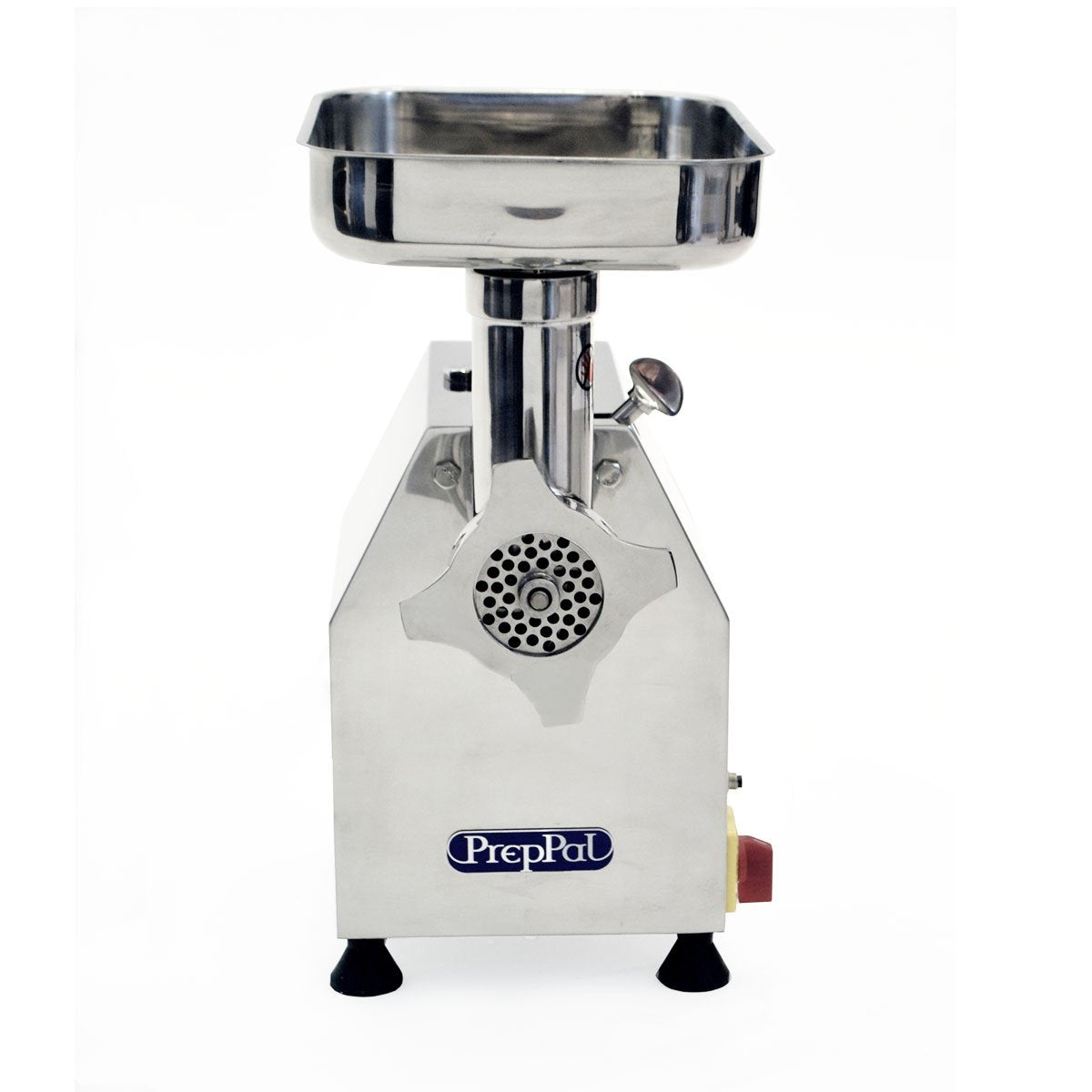
Free Shipping
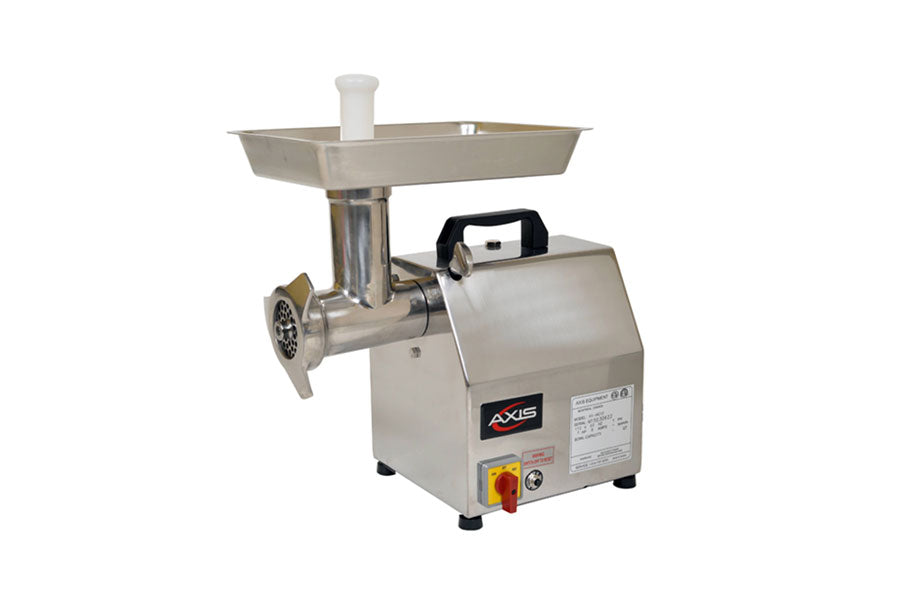
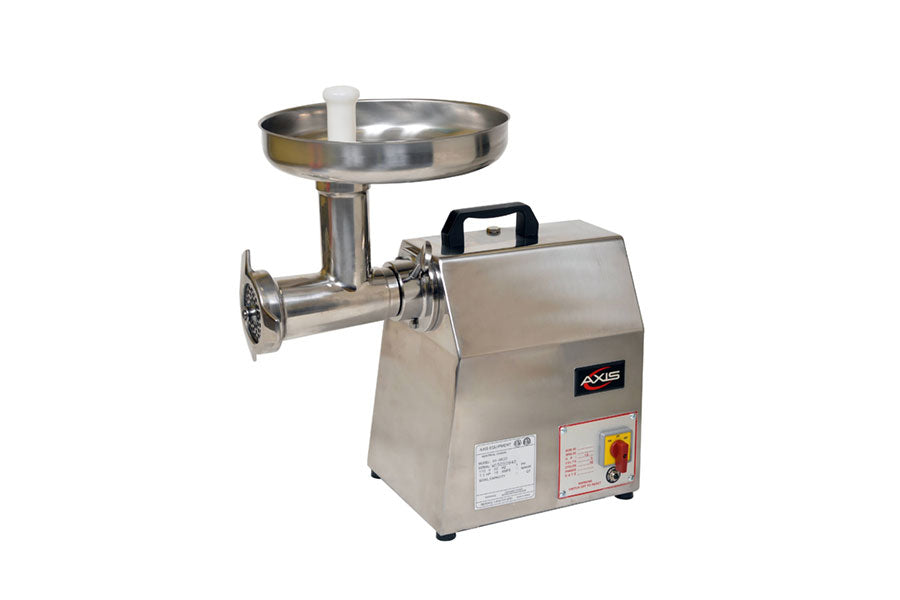
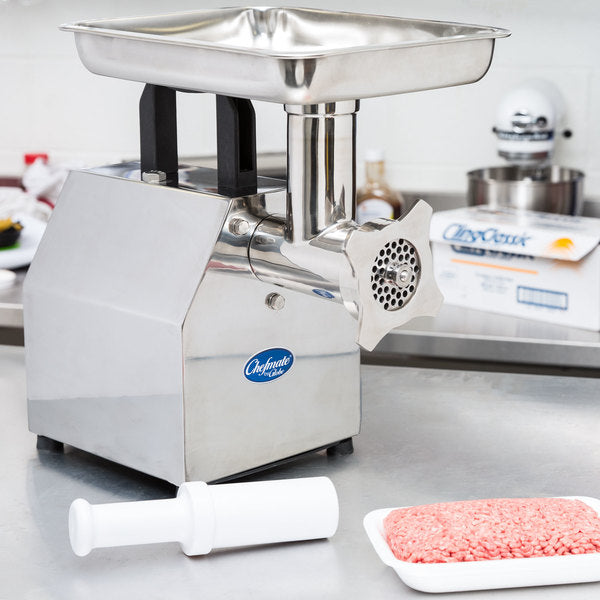
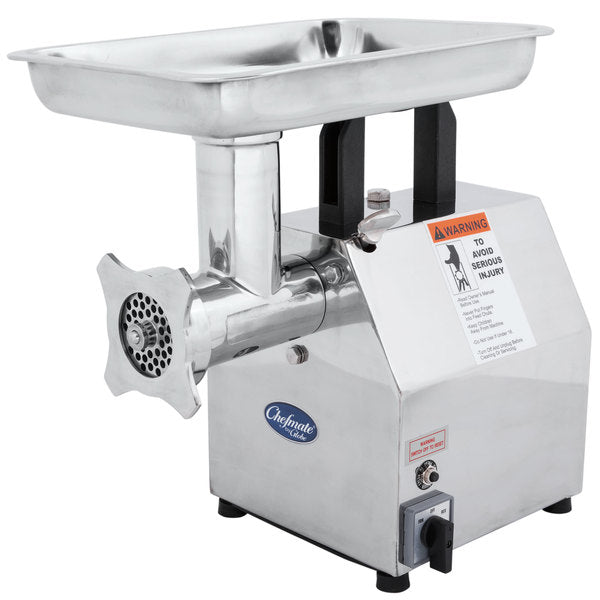

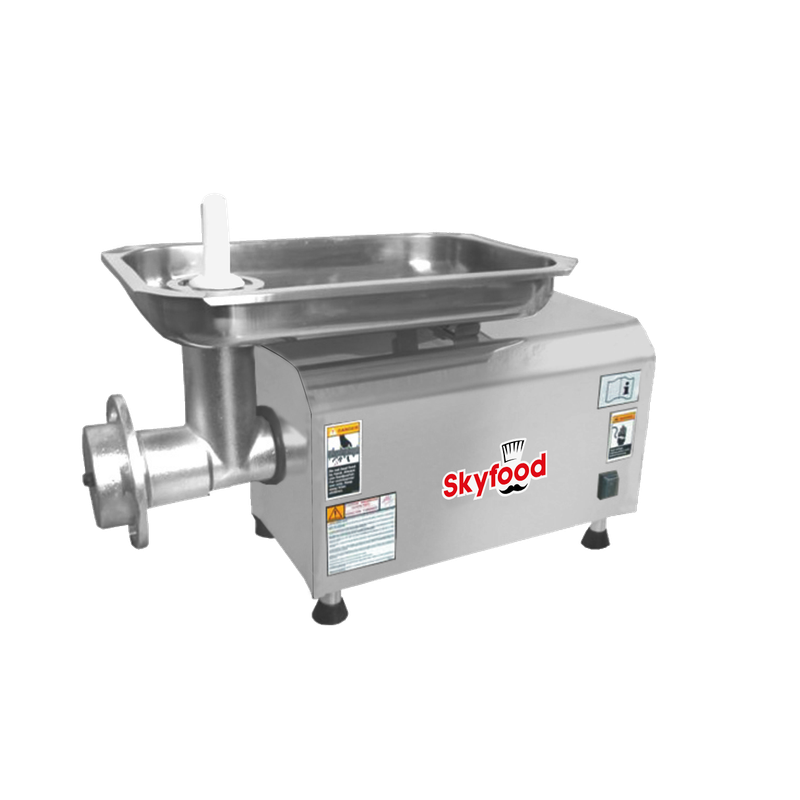
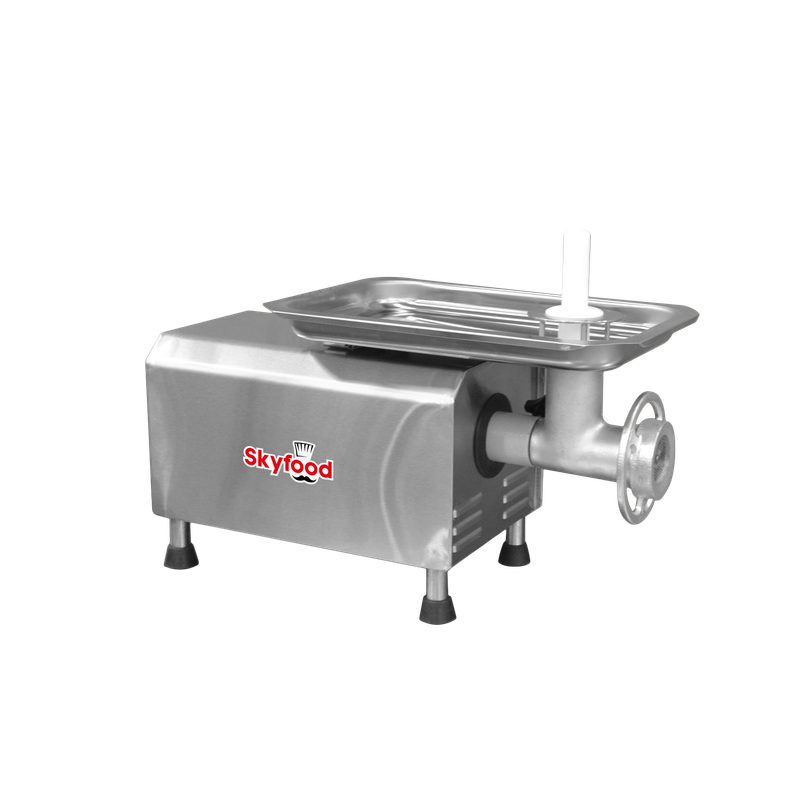
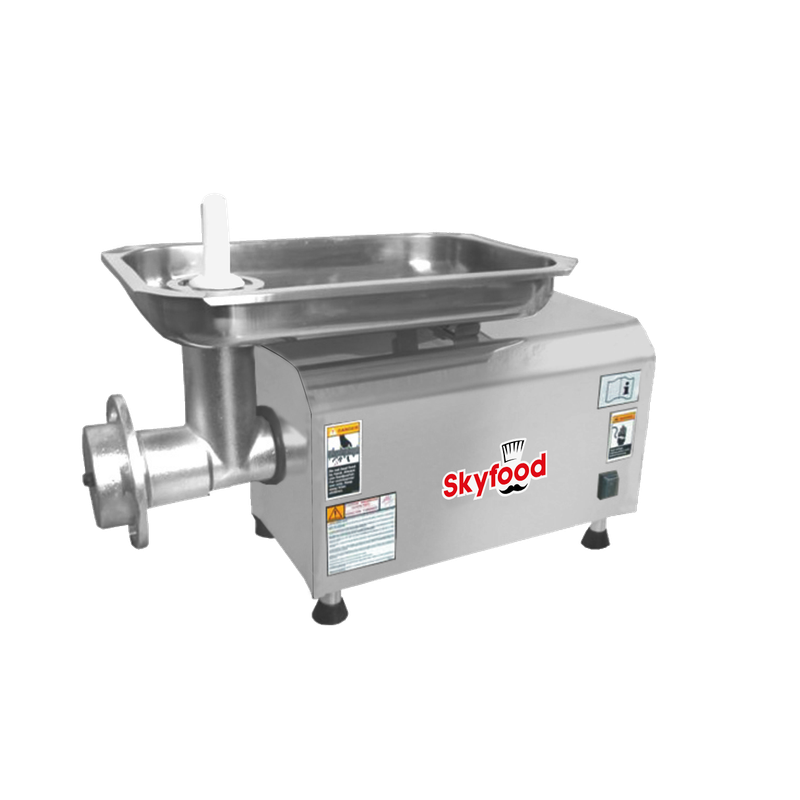
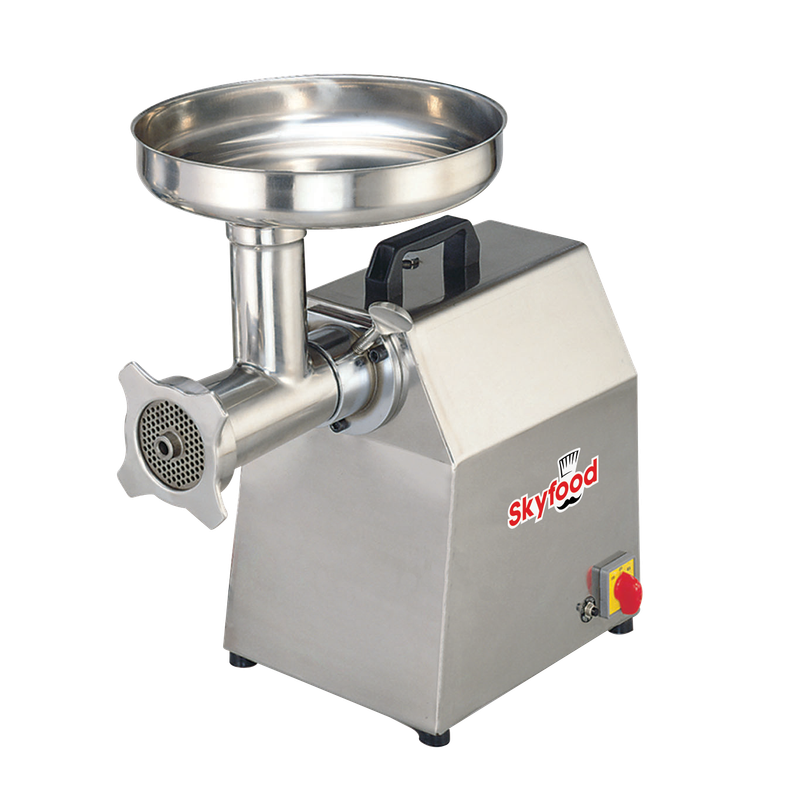

Recently viewed
What to know before you buy
Choosing the right commercial meat grinder isn’t just about power—it’s about matching the machine to your daily operation. The most important factor is output capacity. A small countertop grinder may work for occasional prep, but high-volume kitchens and butcher shops need heavy-duty models that can handle continuous grinding without slowing down or overheating.
Motor strength and build quality also play a major role in long-term performance. Higher horsepower grinders process tougher cuts more efficiently and maintain consistent texture across batches. Stainless steel construction is critical for durability, food safety, and easy cleaning—especially in busy kitchens where sanitation and speed matter.
Finally, consider workflow and maintenance. A good meat grinder should be easy to disassemble, clean, and reassemble. Features like multiple grinding plates, reverse functions, and safety controls can significantly improve efficiency. The right grinder doesn’t just process meat—it becomes a reliable part of your kitchen system.
Helpful guides
F.A.Q. About Meat Grinders
What size meat grinder do I need for my restaurant?
The right size depends on your daily volume. Small kitchens may use countertop models, while high-volume operations typically require heavy-duty floor grinders with higher output capacity.
How much meat can a commercial grinder process per hour?
Depending on the model, commercial meat grinders can process anywhere from 5 to over 60 pounds per minute, making them suitable for both small and large-scale operations.
What horsepower is best for a meat grinder?
Lower horsepower (0.5–1 HP) works for light use, while heavy-duty applications typically require 1.5 HP or higher to handle tougher cuts and continuous operation.
Can you grind bones in a commercial meat grinder?
Most standard commercial grinders are not designed for bones. Grinding bones requires specialized equipment specifically built for that purpose.
What is the difference between a commercial and a home meat grinder?
Commercial meat grinders are built for continuous use, offering more power, durability, and higher output. Home grinders are designed for occasional use and lower volumes.
How do you clean a commercial meat grinder?
Disassemble all removable parts, wash them thoroughly with warm water and food-safe detergent, and dry completely before reassembly. Regular cleaning prevents contamination and extends equipment life.
What are the benefits of grinding meat in-house?
Grinding meat in-house improves freshness, allows full control over fat ratios and texture, reduces waste, and enhances overall product quality.