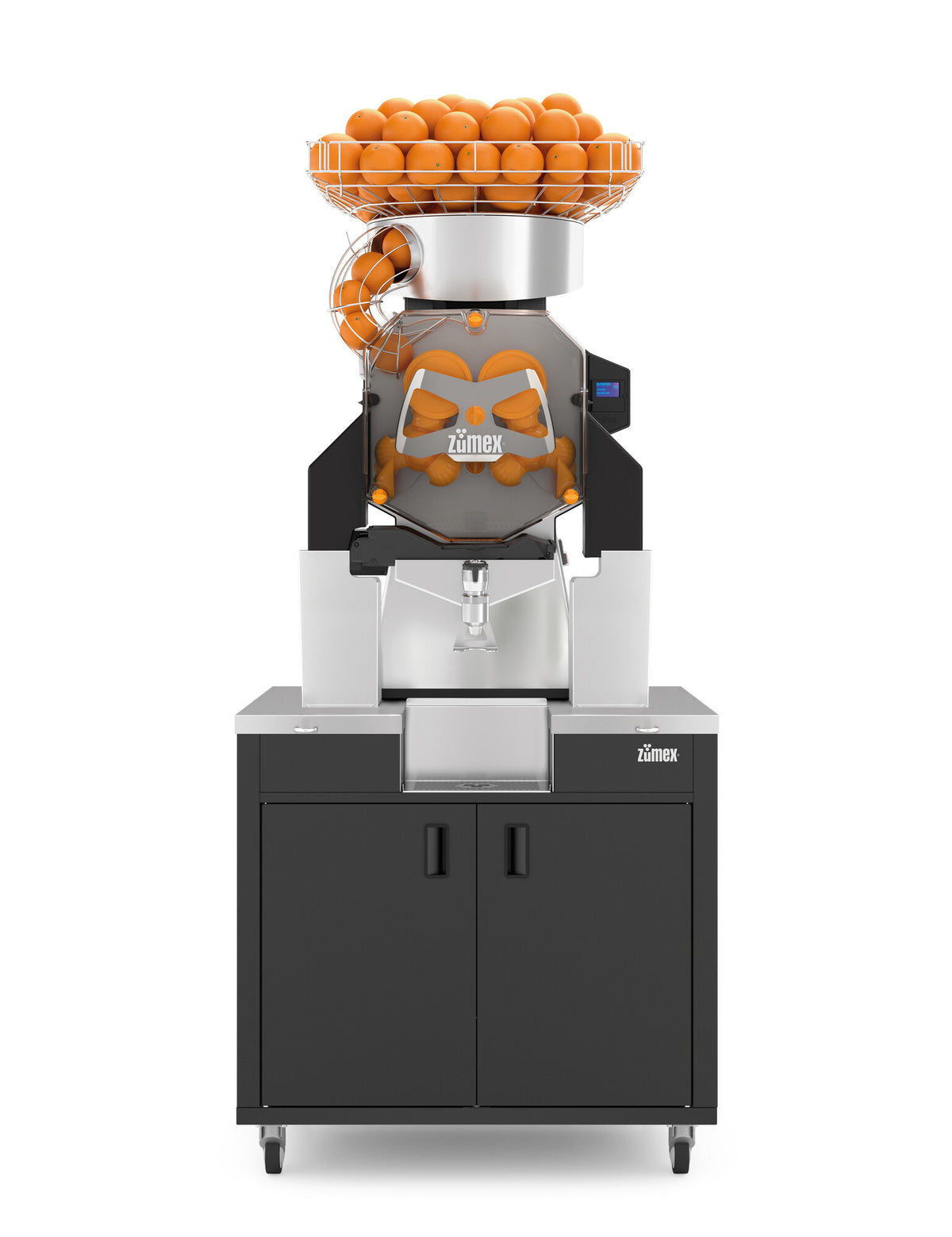
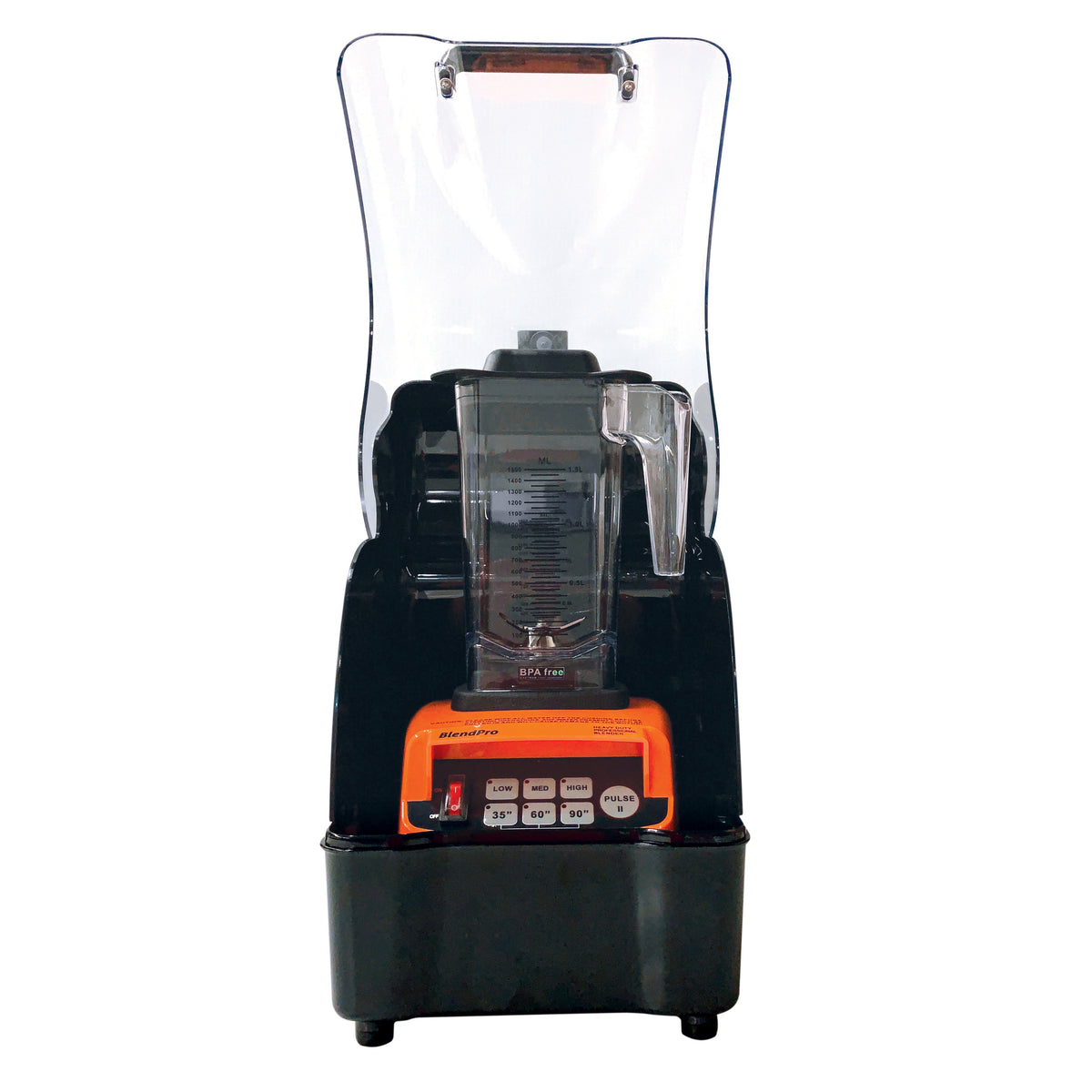
Choose commercial blenders and juicers for the beverages your customers order and the ingredients your team handles every day. A blender combines ingredients into a drink, while a juicer extracts juice using a process suited to its design. For a smoothie bar, café, restaurant, or fresh-juice counter, compare the type of preparation first, then capacity, controls, cleanup, and workspace.
Choose equipment for your beverage menu
| Equipment type | Service role | What to compare |
|---|---|---|
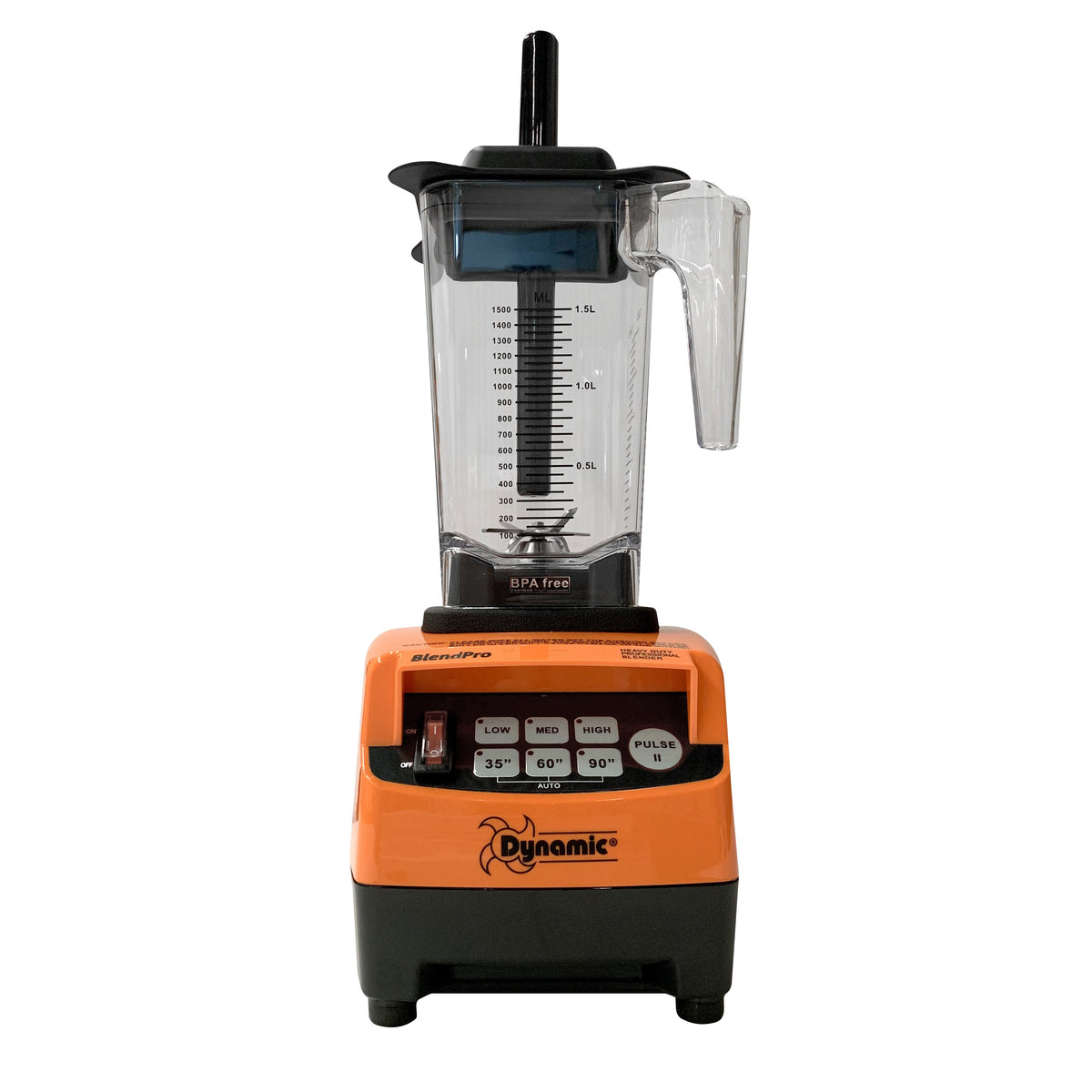
| Beverage blender | Combining ingredients for blended drinks | Approved recipes, jar capacity, speed controls, sound options |
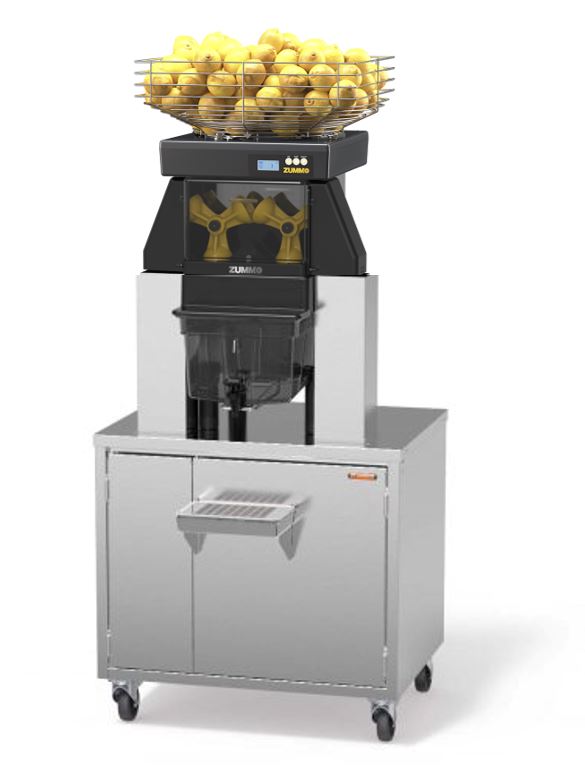
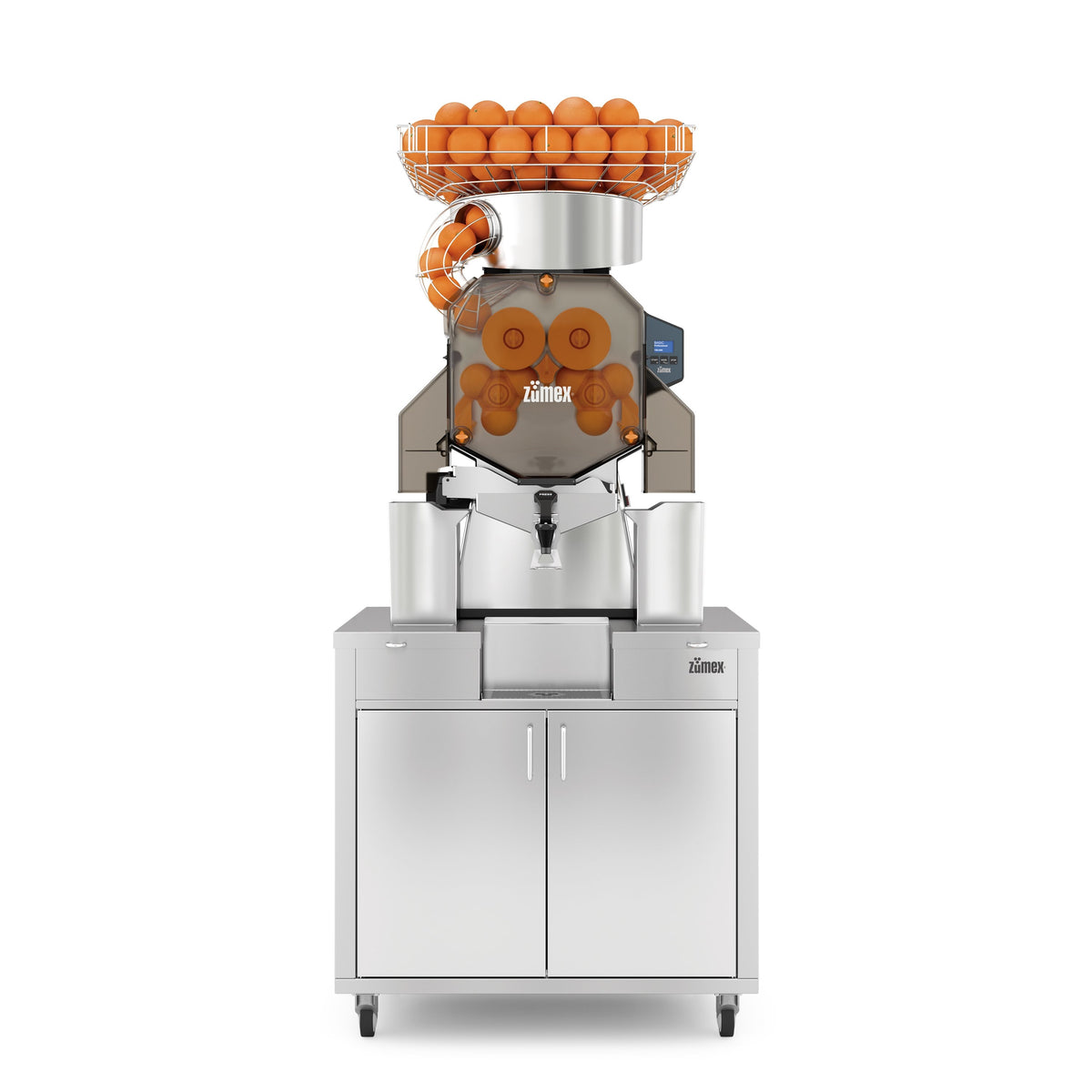
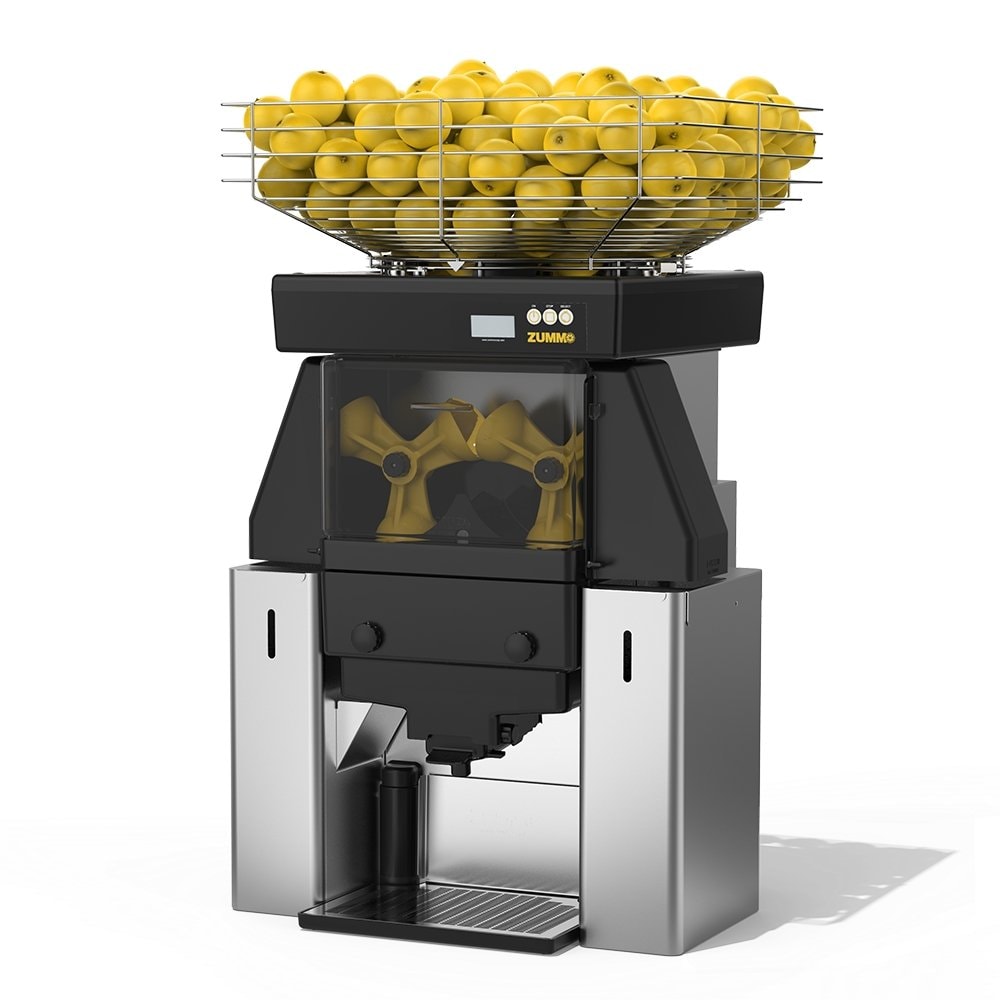
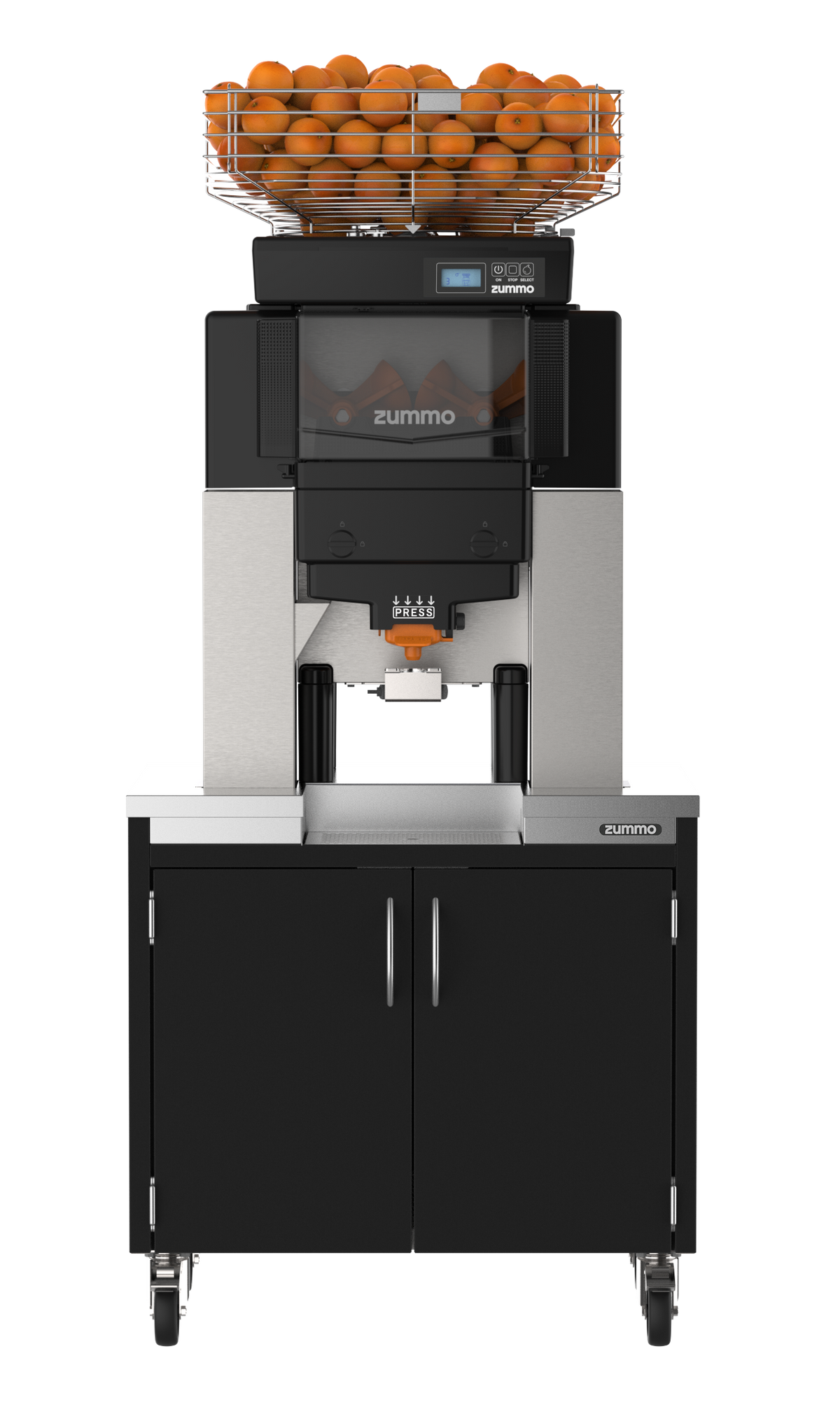
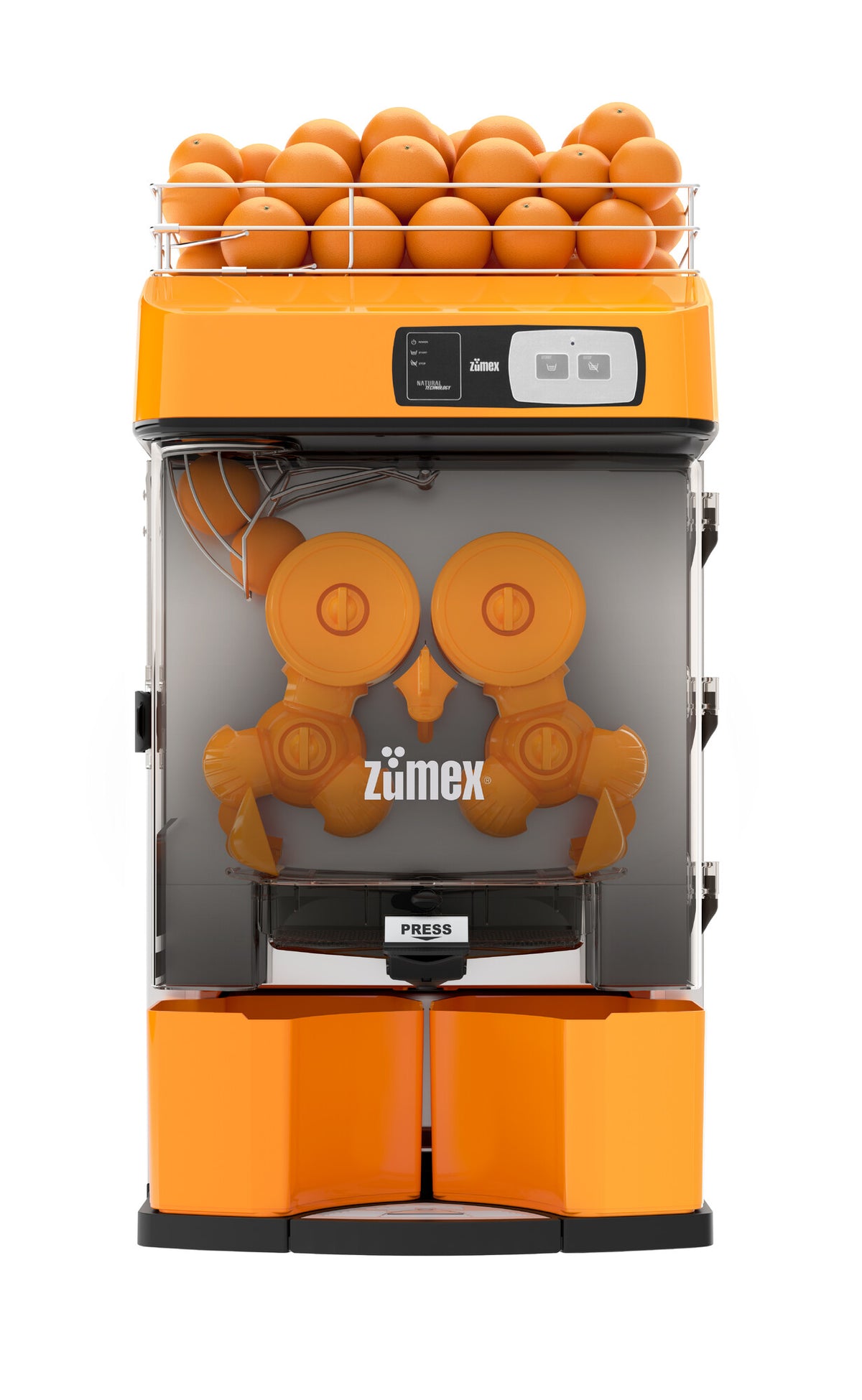
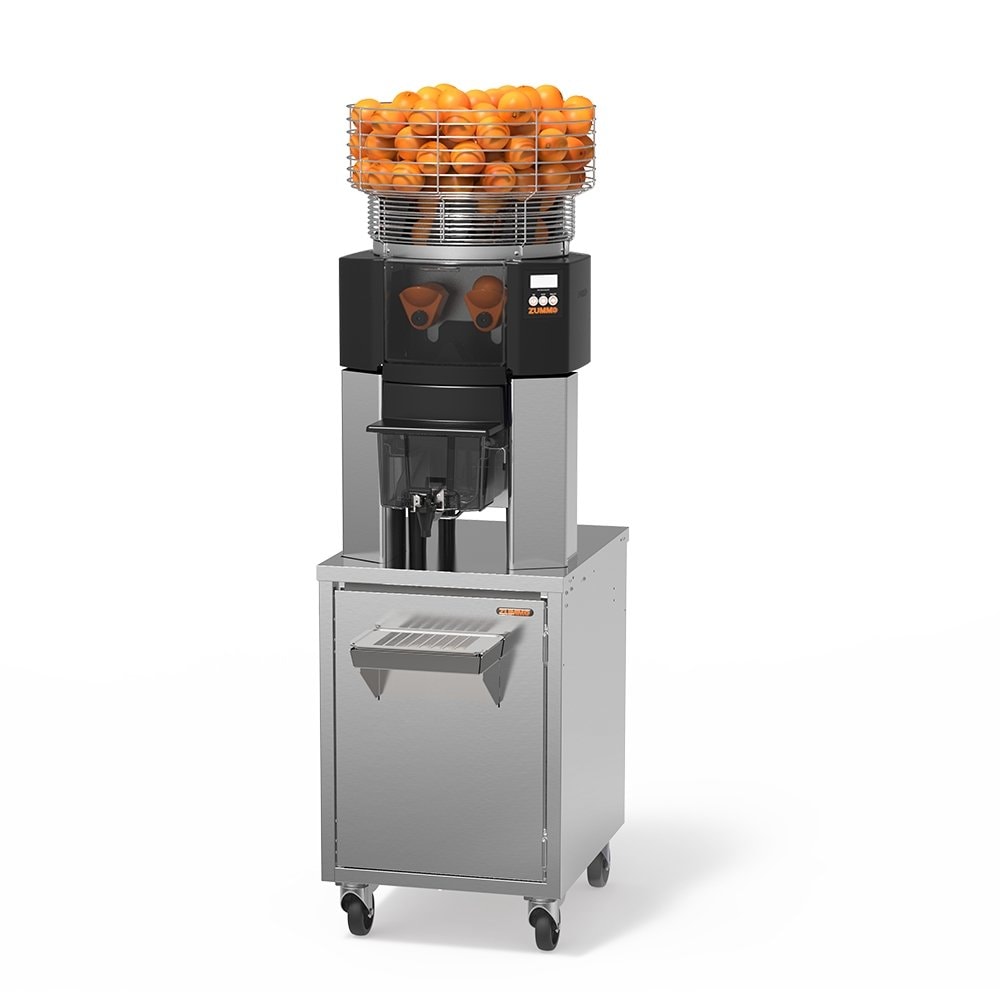
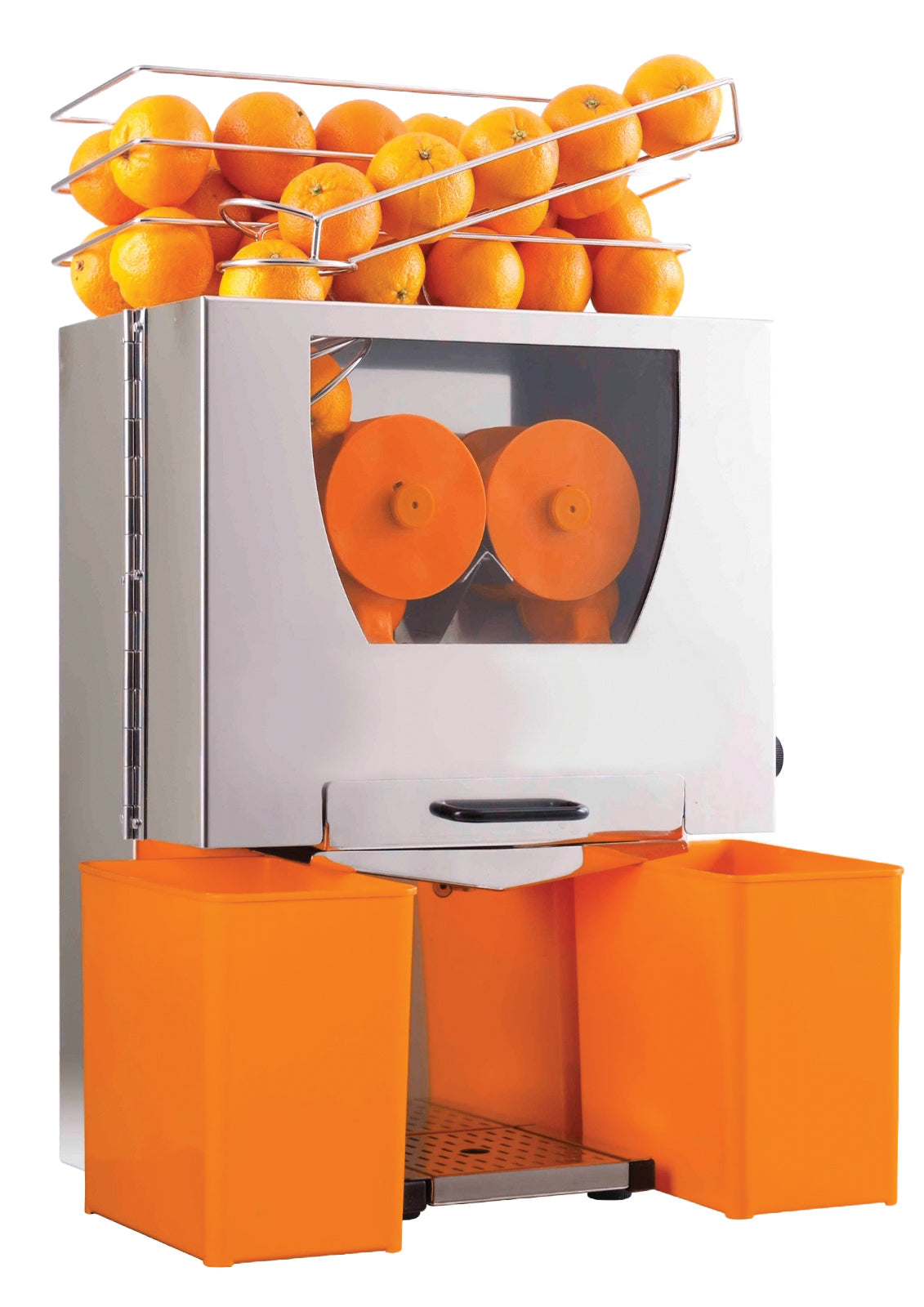
| Citrus juicer | Extracting juice from compatible citrus fruit | Fruit sizes, loading method, squeezing kit, waste handling |
| Fruit & vegetable extractor | Extracting juice from approved produce | Produce compatibility, preparation, pulp handling, cleaning |
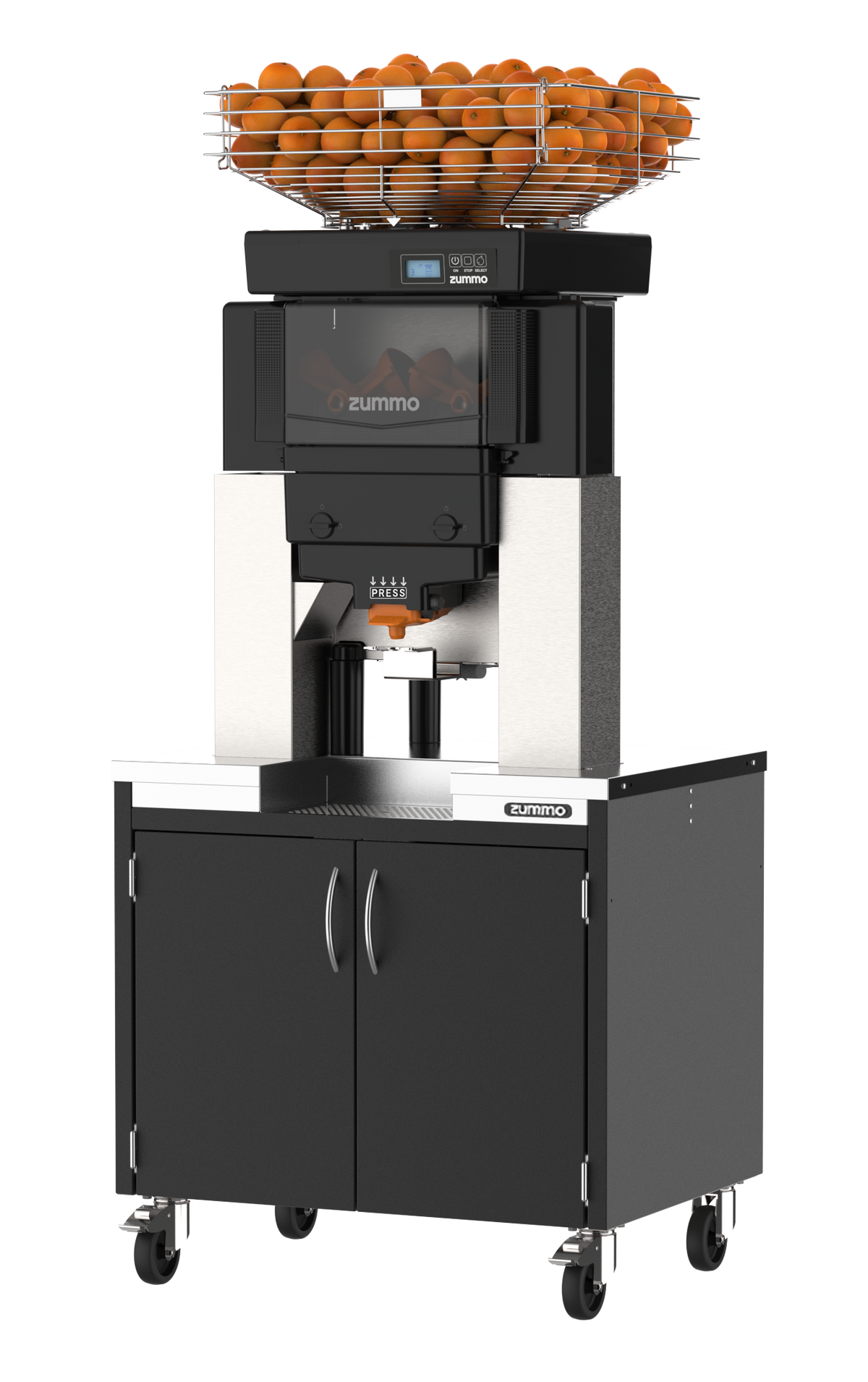
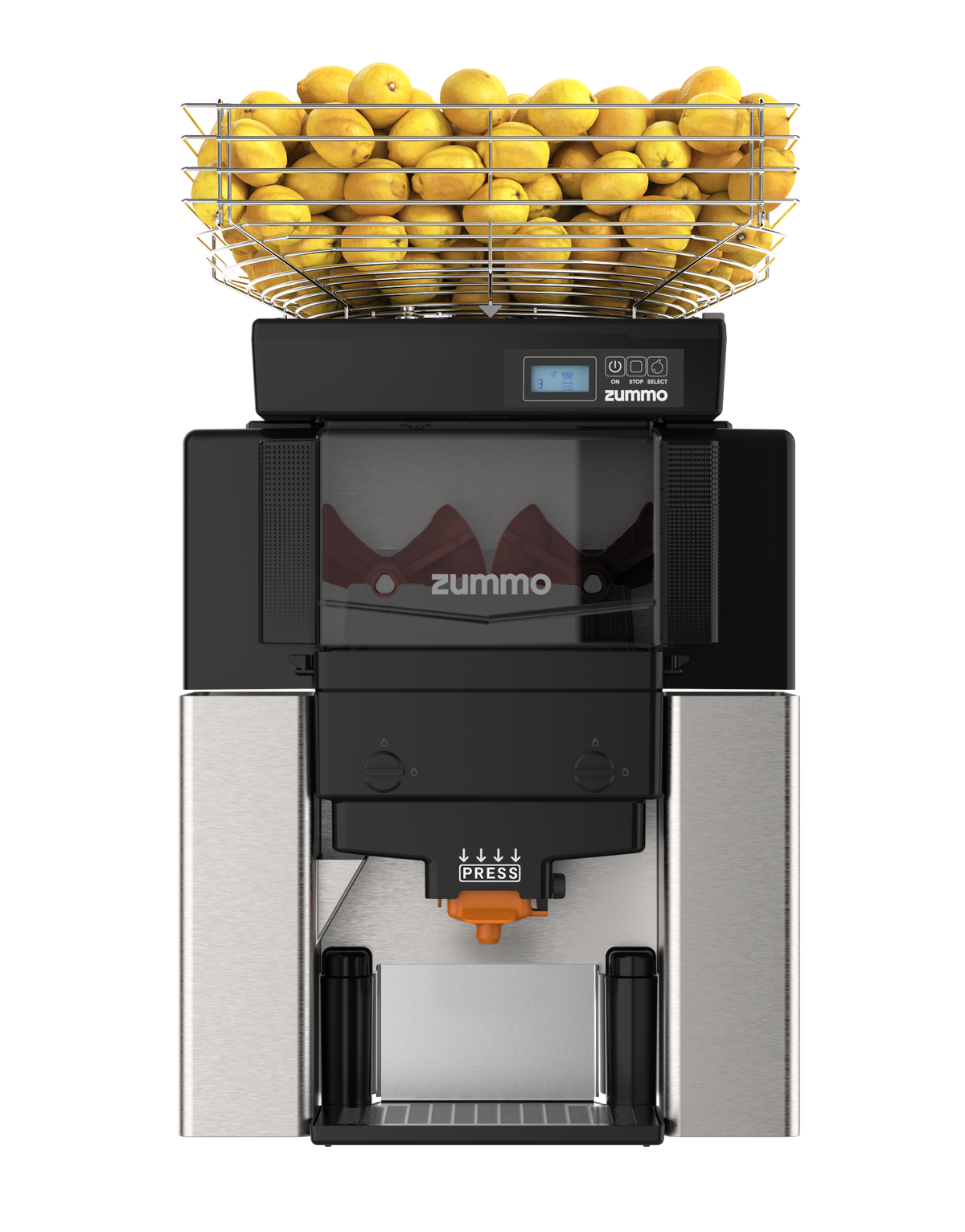
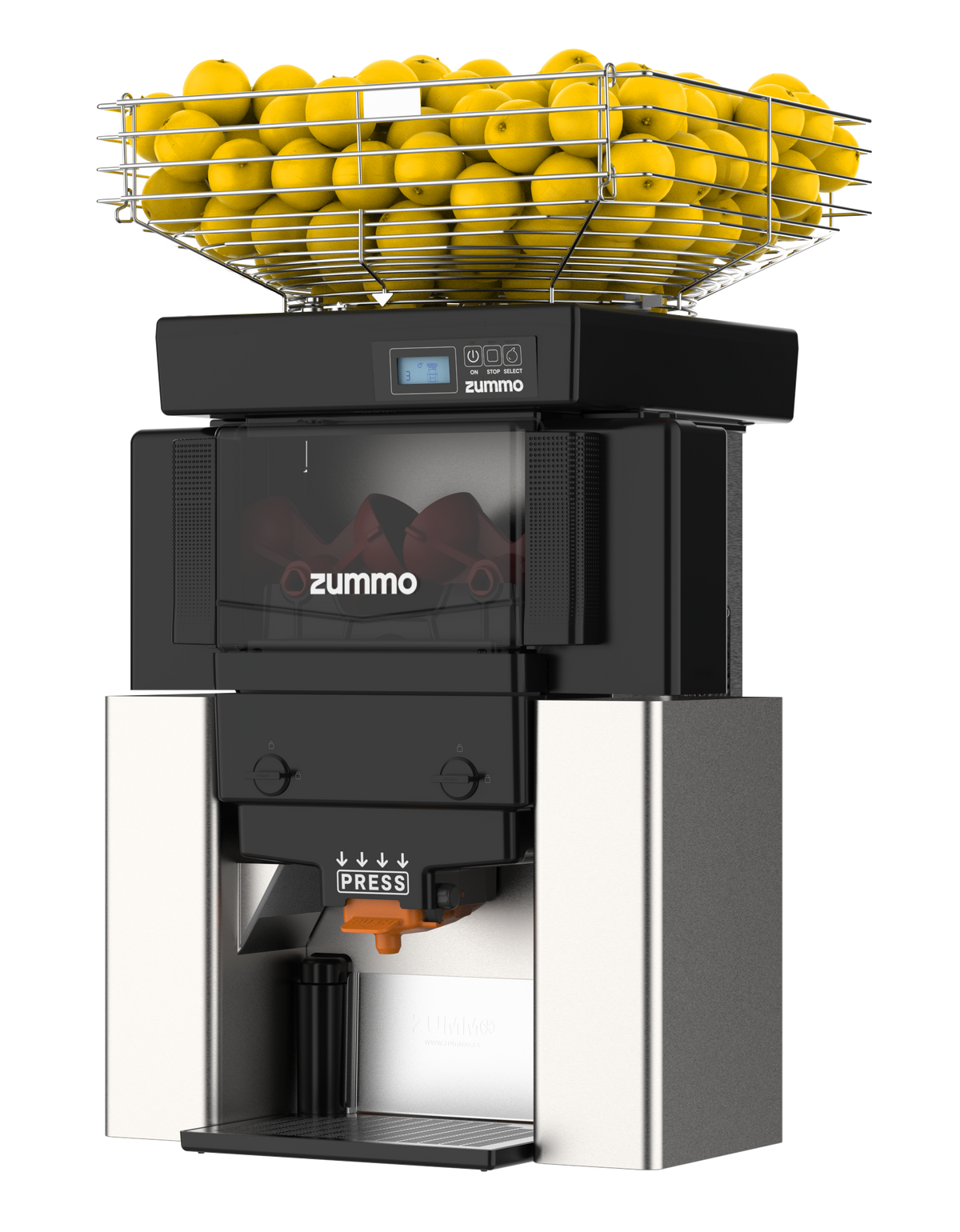
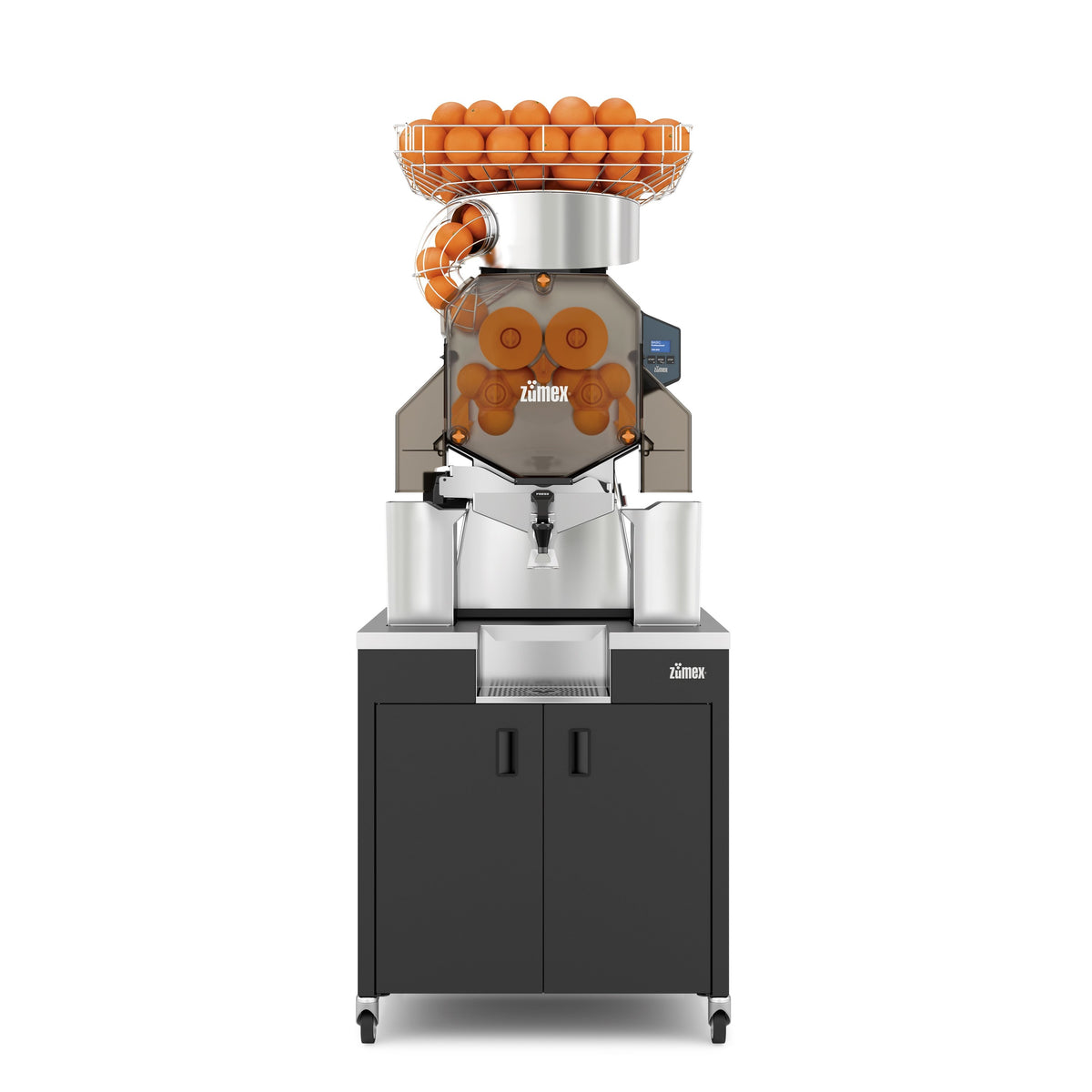
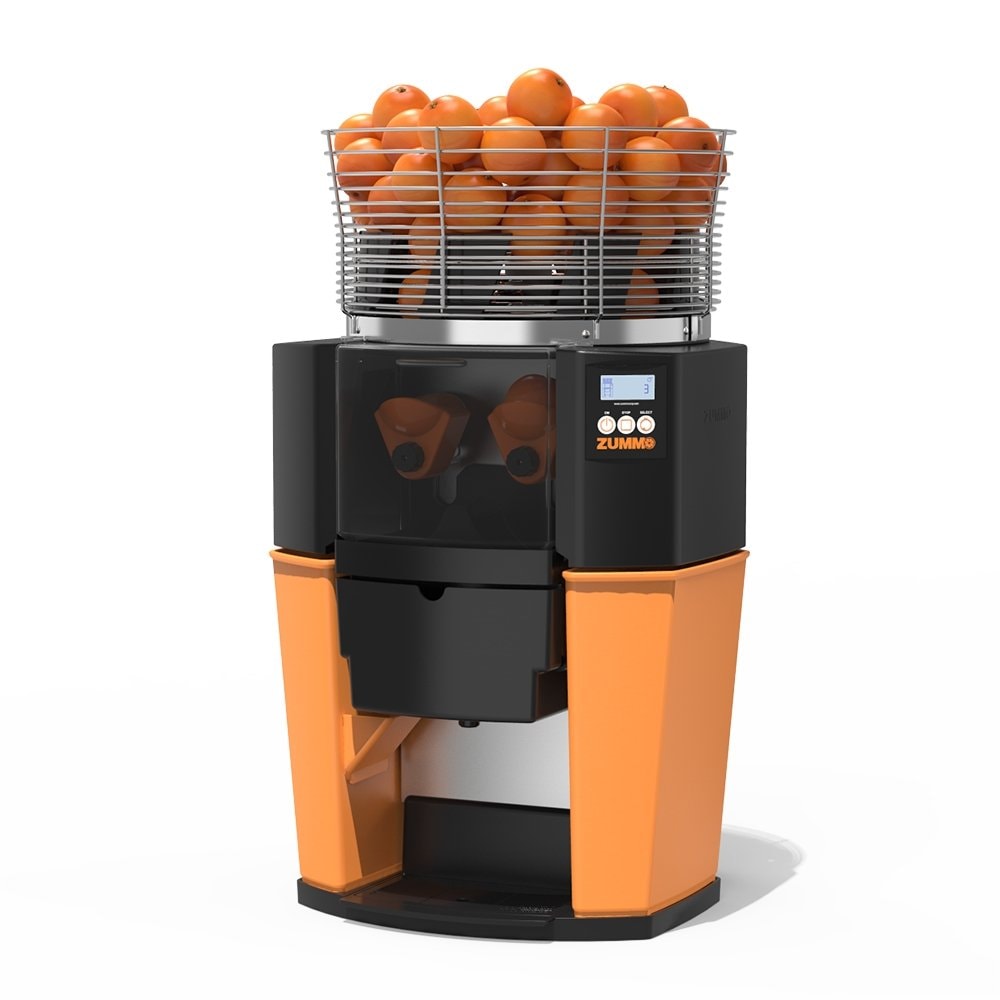
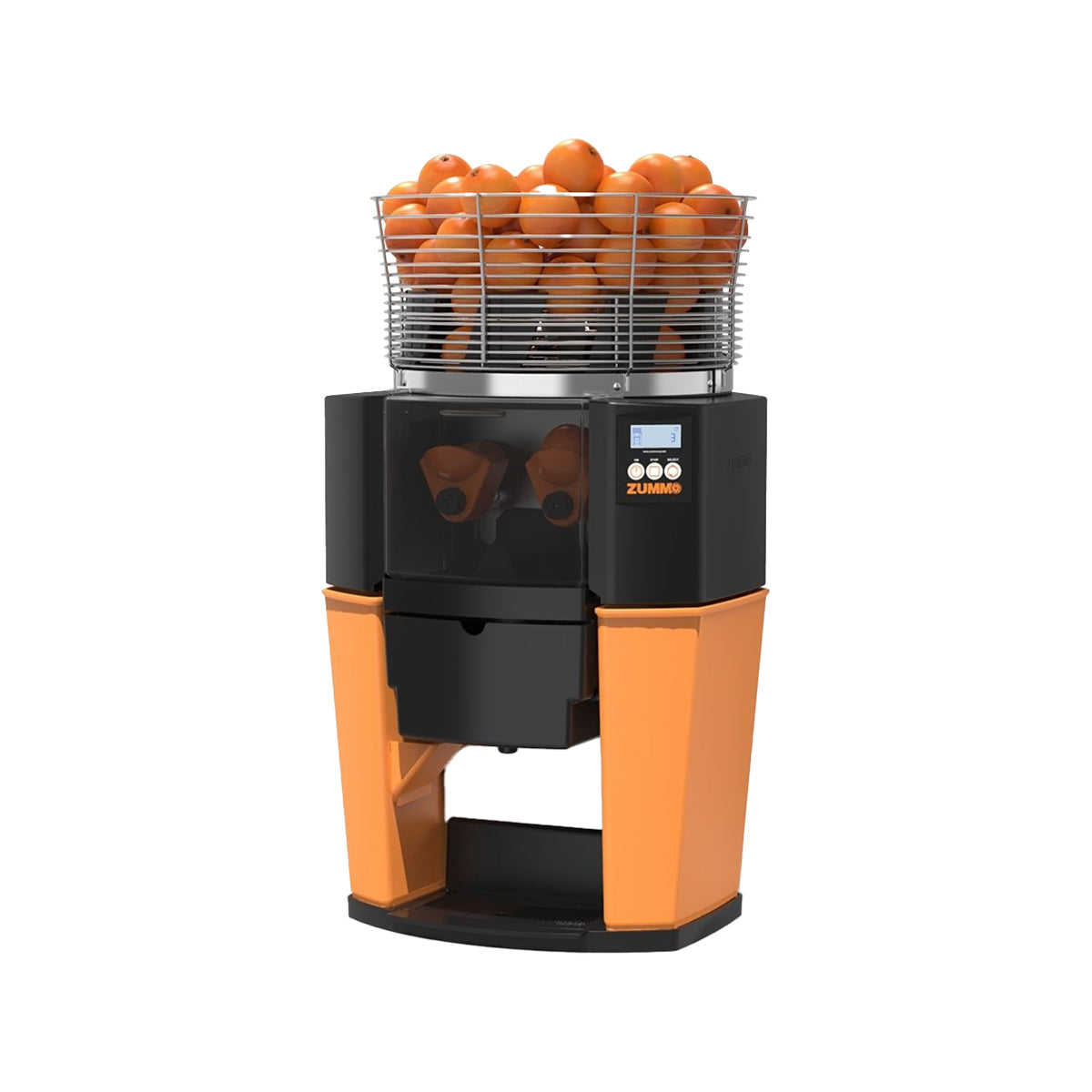
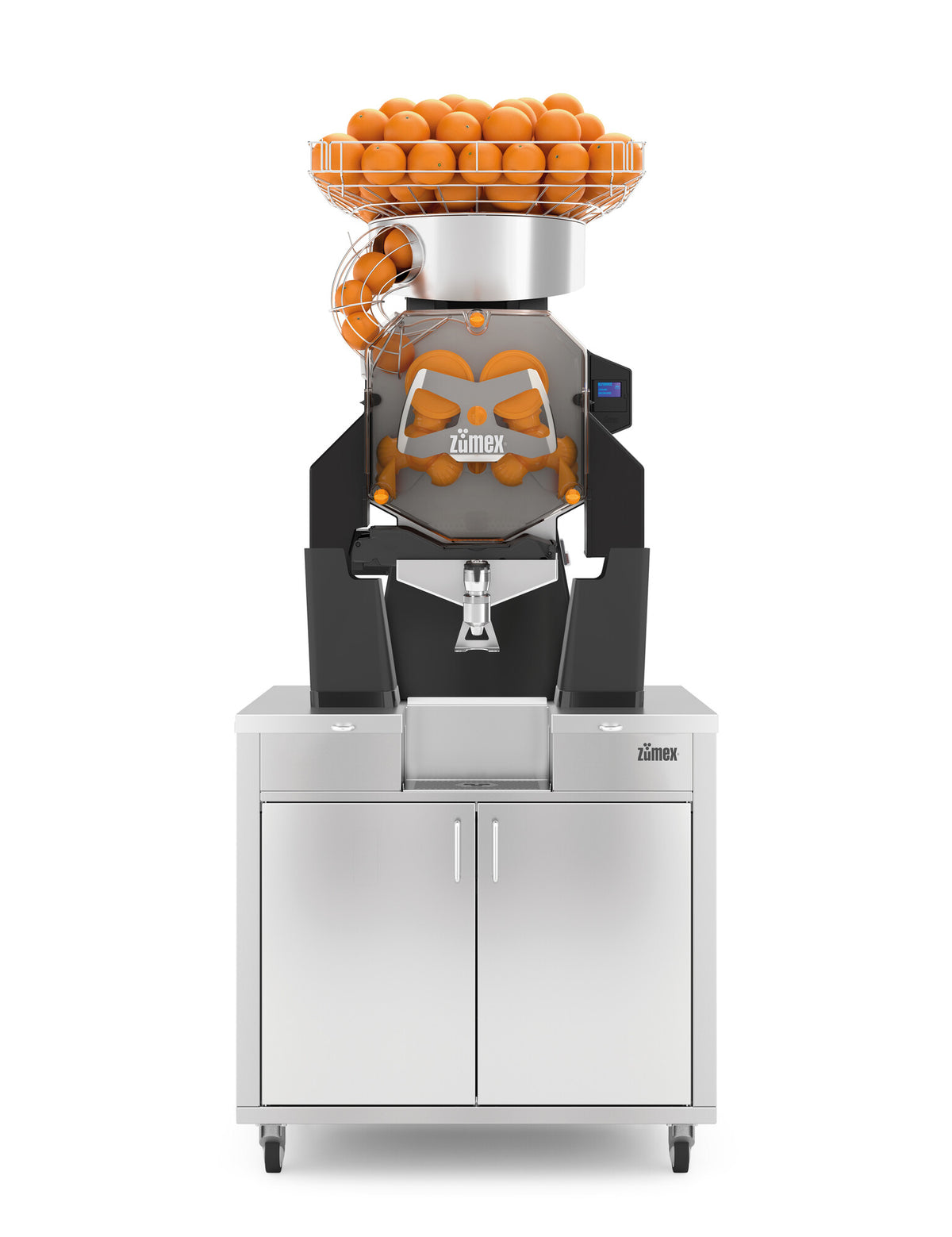
| Automatic citrus juicing system | A repeated fresh-citrus service workflow | Rated throughput, feeding and waste access, operating footprint |
Use a beverage blender for the recipes you actually make
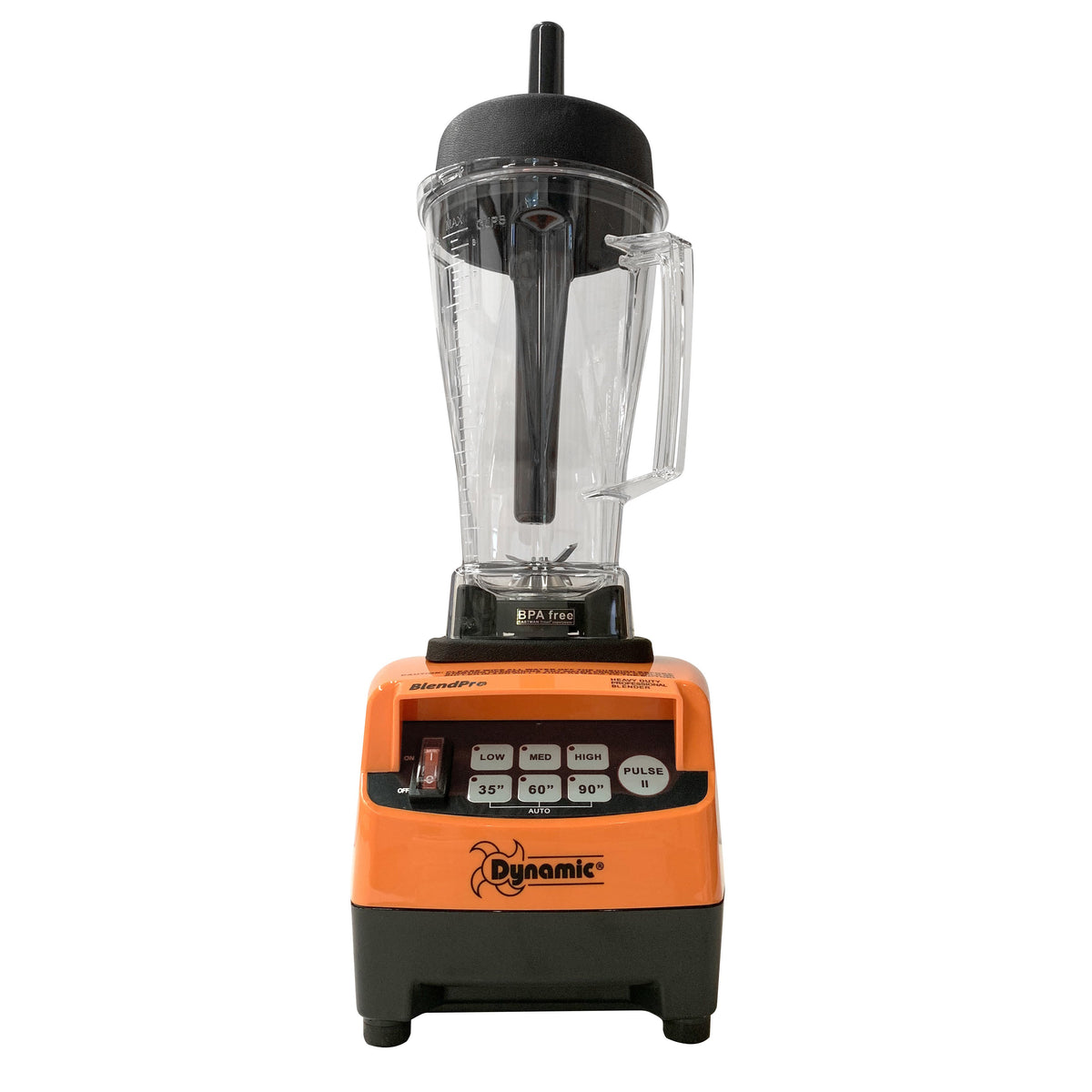
Smoothies, blended coffee drinks, and frozen cocktails place different demands on a blender. Review the manufacturer’s approved applications, jar capacity, blade assembly, and controls against your recipes. Do not assume every commercial food blender is approved for ice or frequent frozen-drink service.
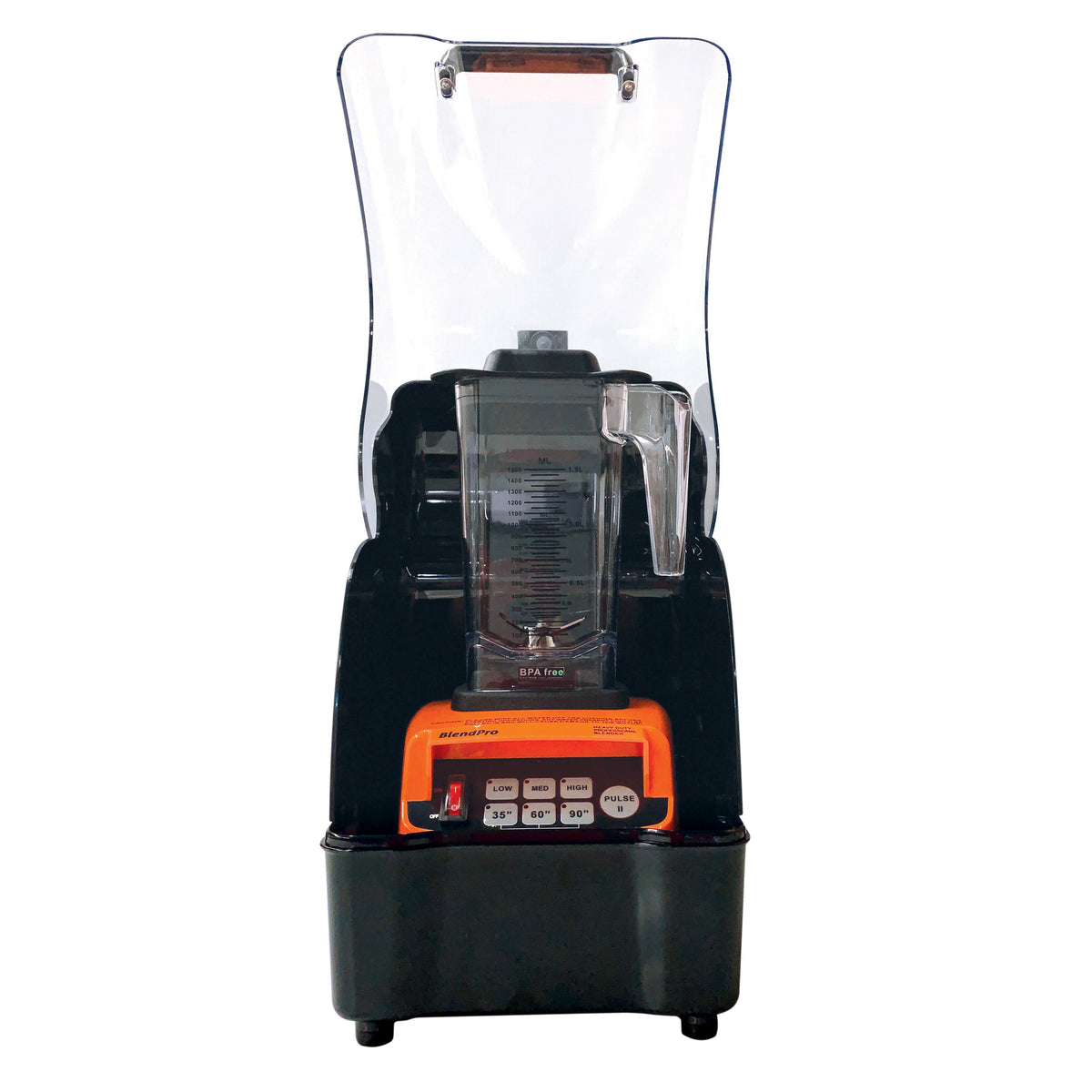
Variable-speed controls, programmed cycles, and sound-management options are features to compare when the selected model offers them. A sound enclosure may be useful at a customer-facing counter, but it changes the space needed for loading and service. Compare the complete jar-and-base package, and check whether an enclosure or extra container is included or optional.
Choose a juicer around your produce
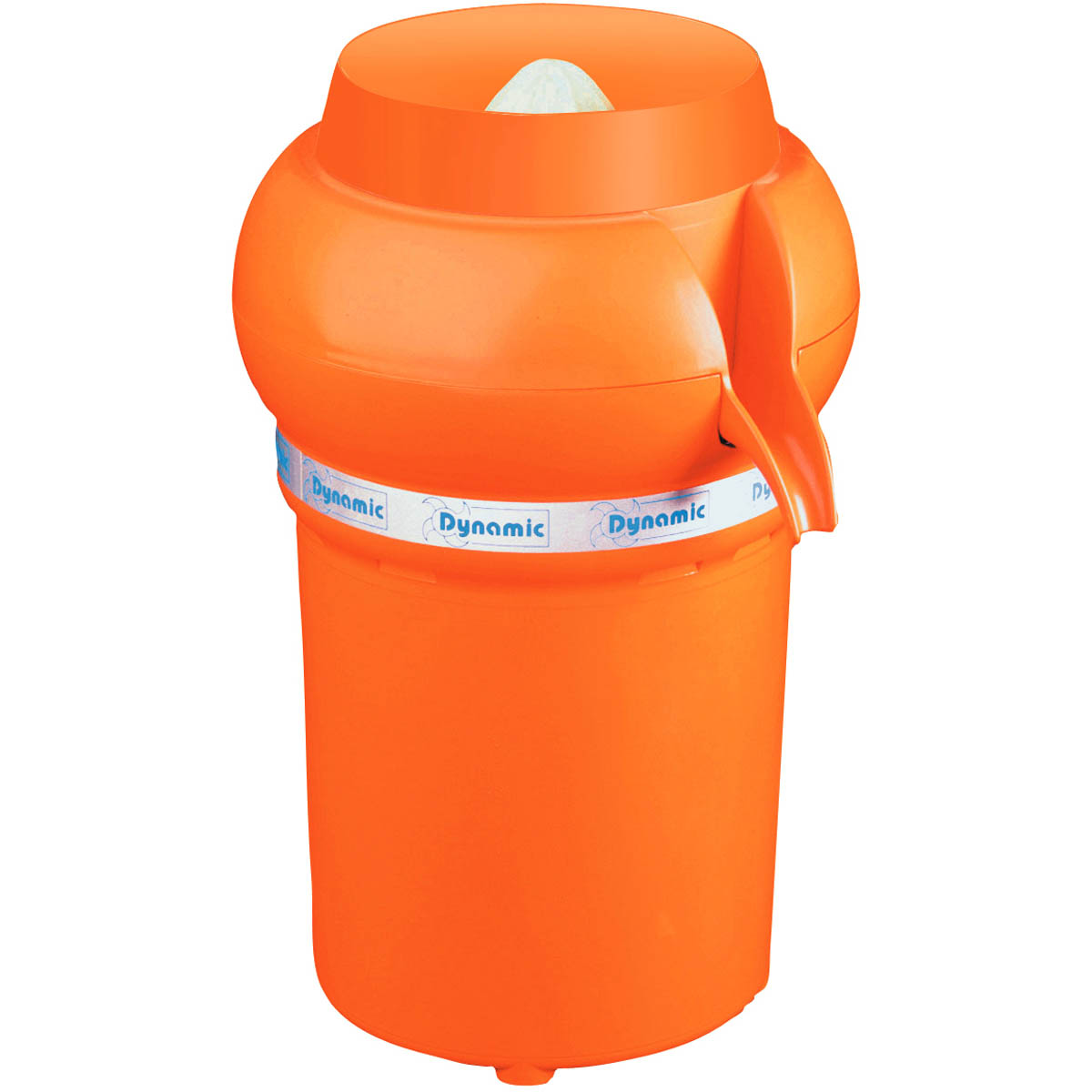
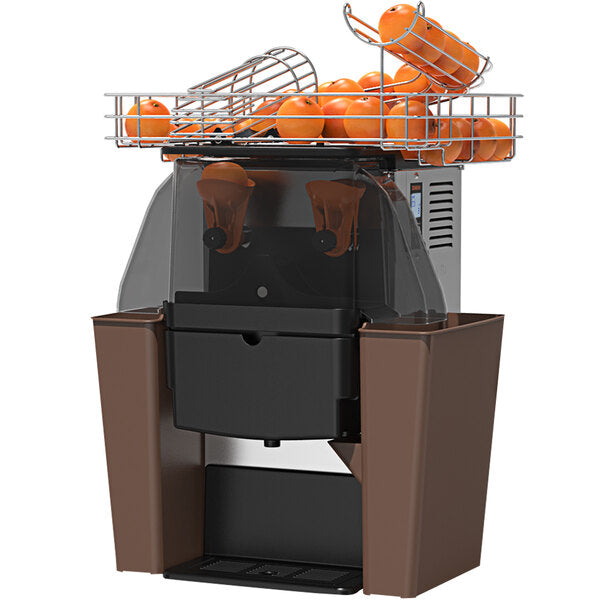
A citrus juicer and a fruit-and-vegetable extractor perform different tasks. For an orange-juice program, compare manual or powered citrus operation, fruit-size compatibility, feeding method, and waste handling. Automatic whole-fruit machines may have model-specific squeezing kits or permitted fruit sizes.
For a broader juice menu, check which produce the extractor is designed to process and how pulp is separated. Identify the fruit, vegetable, and ingredient preparation required before loading. The phrase “commercial juicer” does not mean one machine can process every fruit, leafy ingredient, or frozen product.
Plan for peak service and cleanup together
Estimate how many drinks must be prepared during the busiest period, then compare the manufacturer’s rated output and recommended operating conditions. Blender jar size measures container volume, not guaranteed drinks per hour. Likewise, a juicer’s hopper size or fruit-processing rate does not directly establish the number of finished servings without considering your recipe and portion size.
Allow time and space for ingredient loading, pouring, waste removal, and cleaning. Check how the jar, lid, juicing components, strainers, and waste bins are removed. Review the manufacturer’s cleaning instructions before deciding whether components can be placed in a dishwasher or require another method.
Check power, counter space, and the supplied package
Confirm the exact voltage, electrical connection, dimensions, and operating-clearance requirements for the model and regional version you are purchasing. Similar model names may identify different power configurations. Include the space needed to lift a lid, open a sound cover, load fruit, and remove a container.
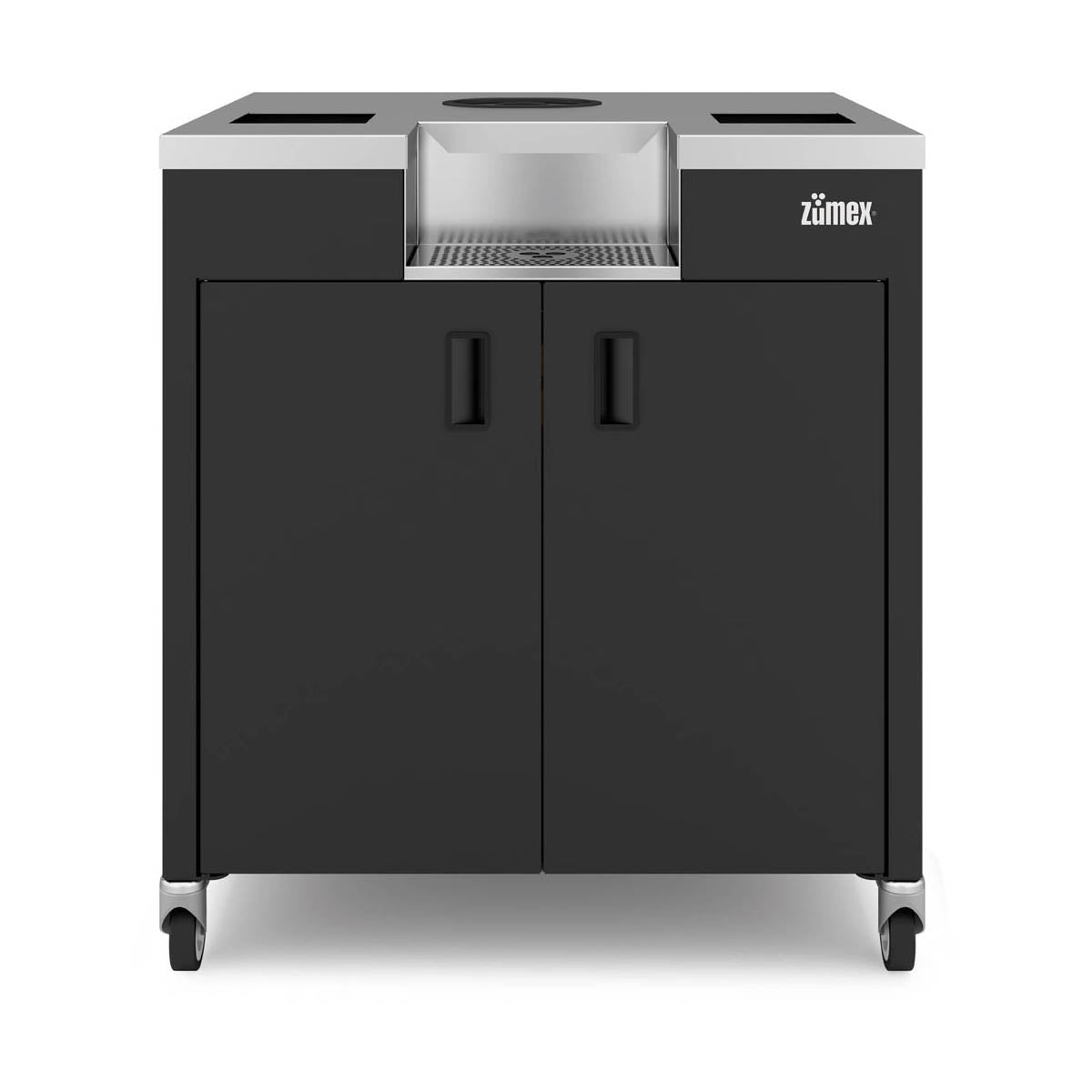
Check whether your quote includes a complete working machine, a base only, a container, or a compatible accessory. Extra jars, blades, squeezing kits, and juice stands must match the exact model; appearance or nominal capacity is not enough to establish compatibility.
Explore Atlantic’s existing blender and juicer collections
Browse the current Commercial Blenders and Juice Extractors collections for individual equipment specifications. This category brings beverage preparation choices together; select the machine’s intended function from the product page rather than treating every accessory or kitchen blender as a complete beverage unit.
Building a larger drink menu? Compare Coffee, Espresso & Tea Equipment for brewed beverages and Cold & Frozen Beverage Dispensers for prepared drinks served from a dispenser.
Frequently asked questions
Do I need a blender or a juicer for smoothies?
A blender combines ingredients into a finished blended drink. A juicer extracts juice and separates material according to its design. Choose the appliance that matches your recipe.
Can every commercial blender crush ice?
Do not assume so. Confirm ice-processing and frozen-drink suitability in the documentation for the exact model and container assembly.
Will any commercial juicer handle citrus and vegetables?
No. Citrus squeezing and broader produce extraction use different equipment designs. Check approved produce and any required kits for the selected machine.
Is horsepower enough to compare two blenders?
No. Compare approved applications, jar-and-blade design, controls, electrical requirements, and the manufacturer’s operating guidance as well as motor specifications.
Plan your equipment with Atlantic
Atlantic Restaurant & Supermarket Equipment has served commercial kitchens since 1998, with a showroom and warehouse in Kearny, New Jersey. Share your menu, peak service demand, counter measurements, and available utilities so we can discuss the equipment you are considering. Request a quote or call 201-467-8222.
Show less