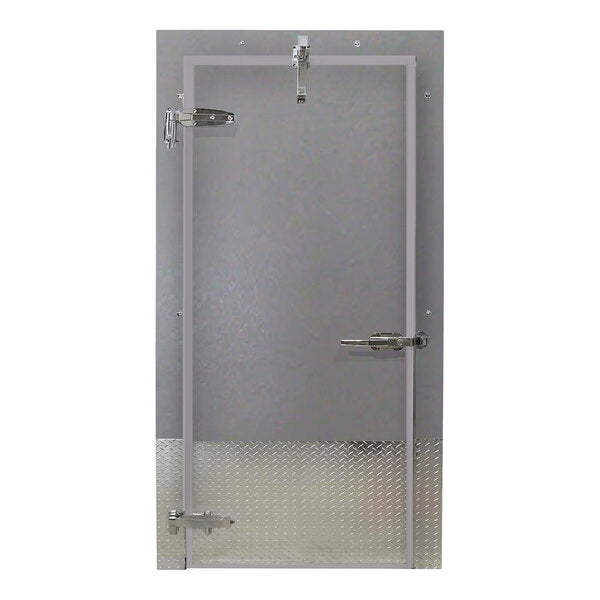
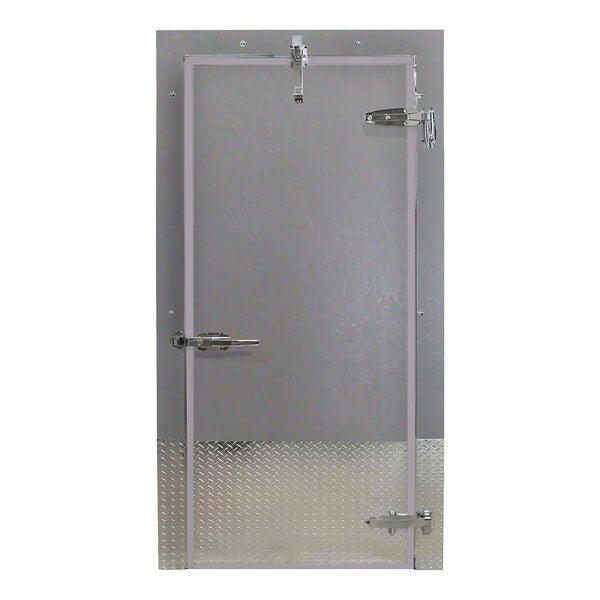
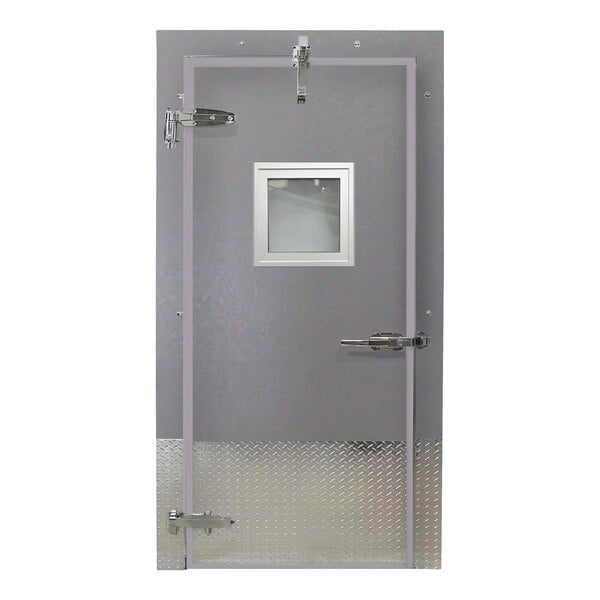
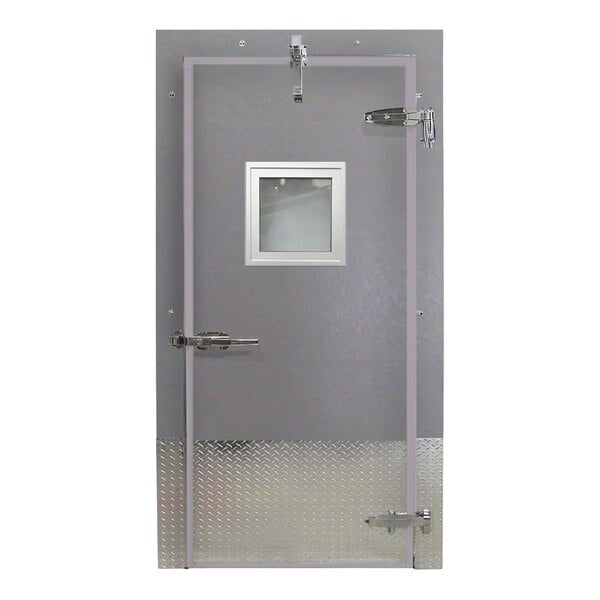
Shop commercial walk-in cooler and freezer doors for replacement, retrofit and new cold-storage projects. Choose from standard and custom sizes, swing or sliding configurations, multiple finishes and cooler- or freezer-rated assemblies. Need help confirming the opening, frame type or hinge direction? Atlantic’s walk-in specialists can help verify your specifications before ordering.
Shop commercial walk-in cooler and freezer doors for replacement, retrofit and new cold-storage projects. Choose from standard and custom sizes, swing or sliding configurations, multiple finishes and cooler- or freezer-rated assemblies. Need help confirming the opening, frame type or hinge direction? Atlantic’s walk-in specialists can help verify your specifications before ordering.
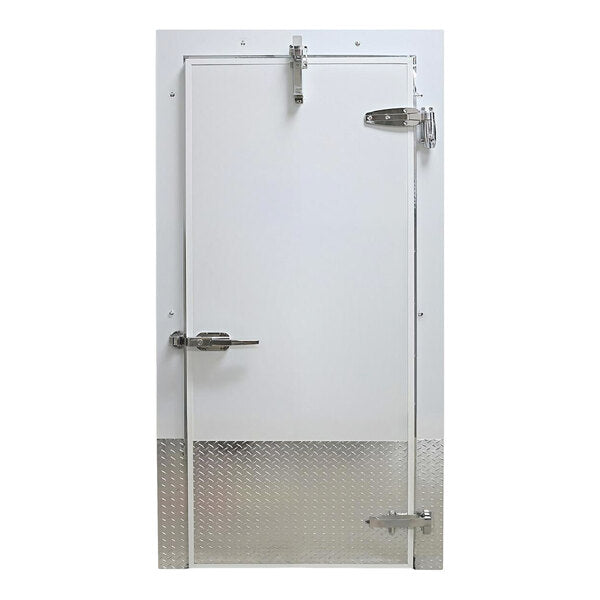
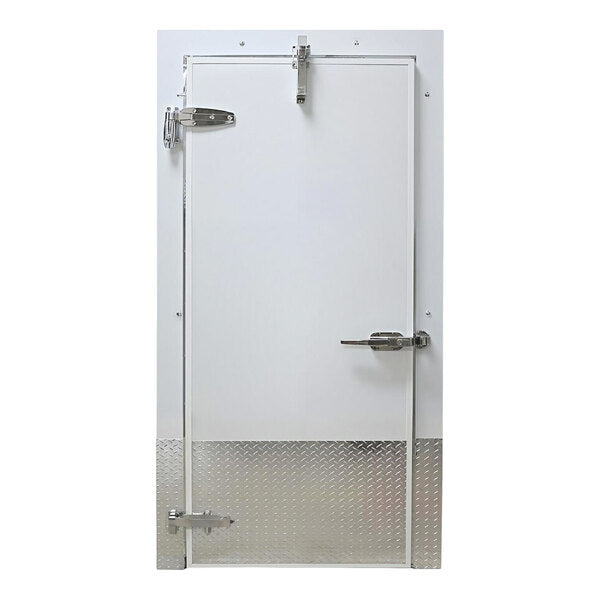
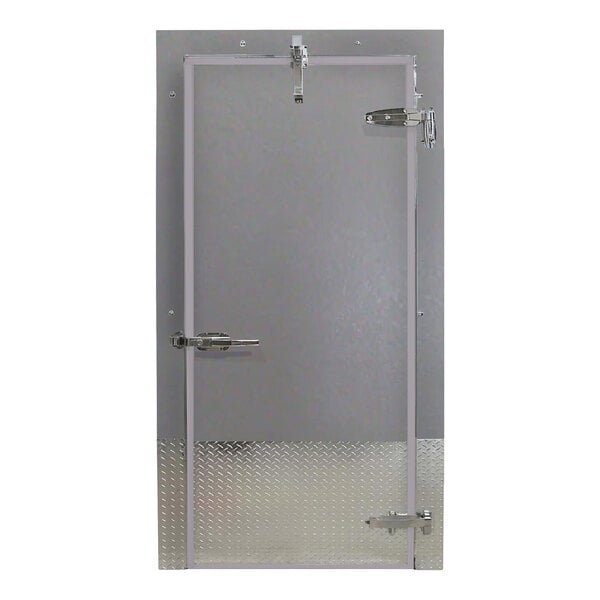
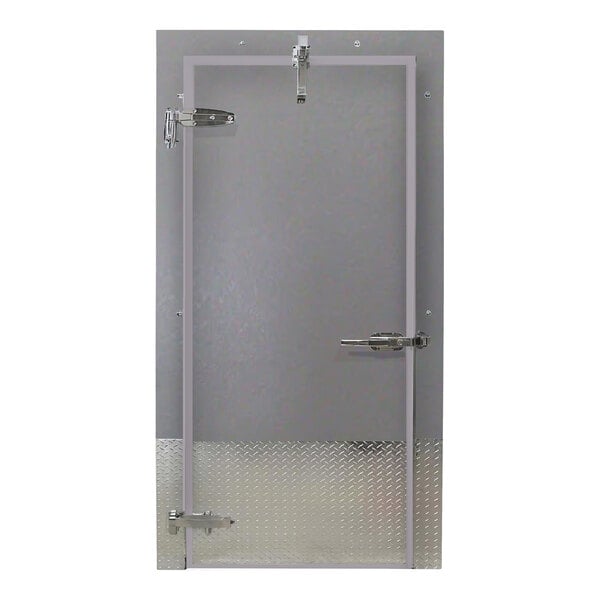
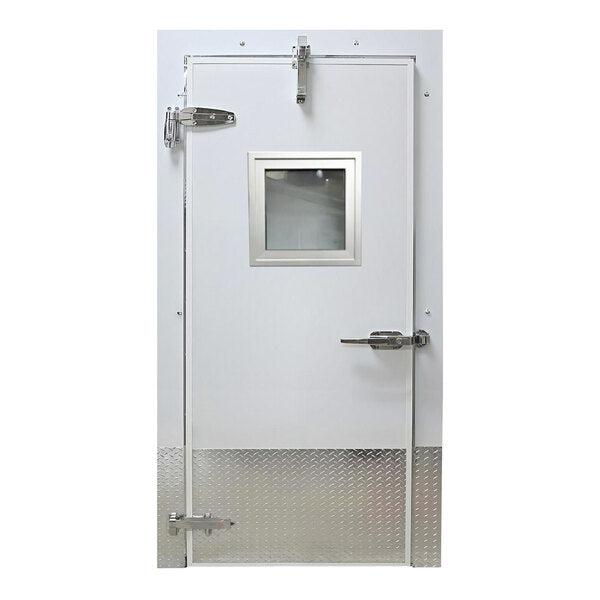
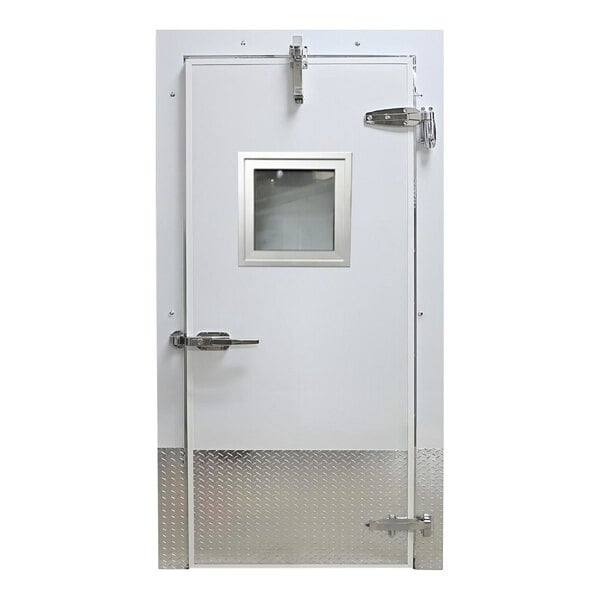
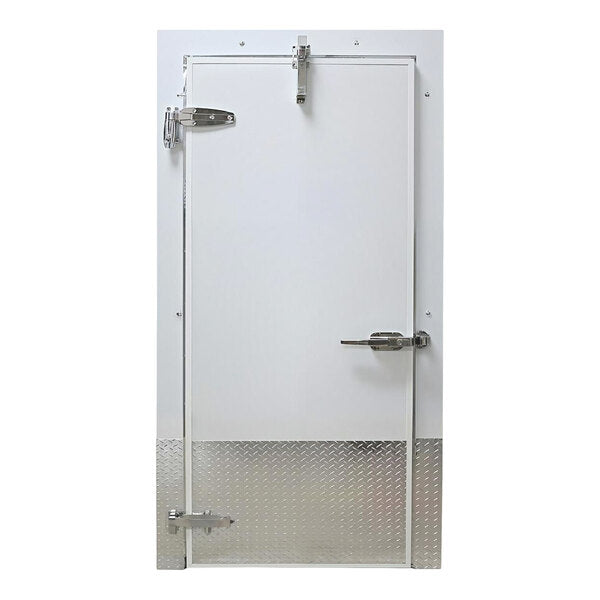
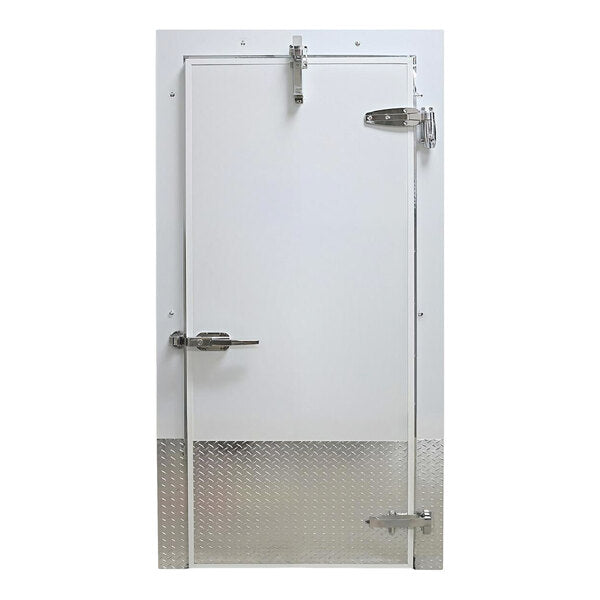
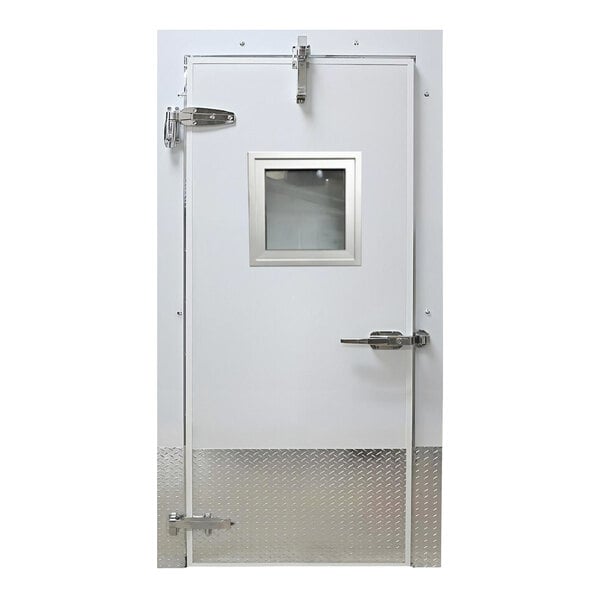
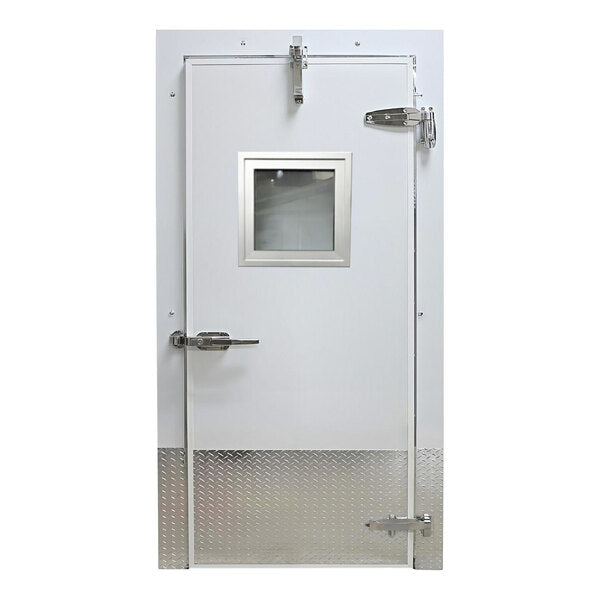
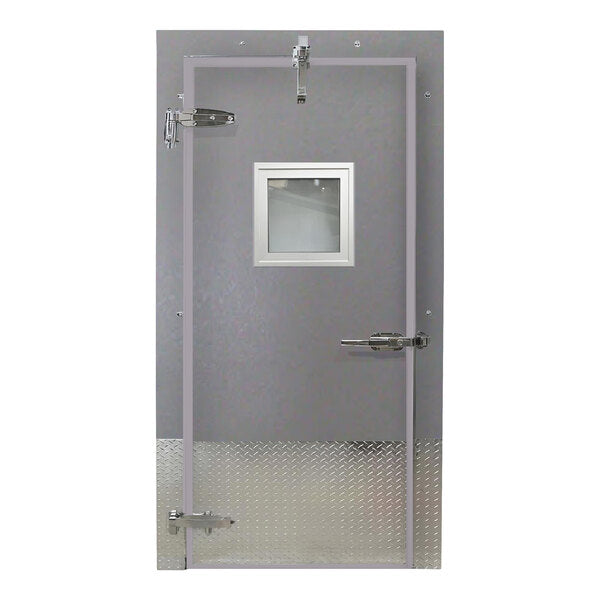
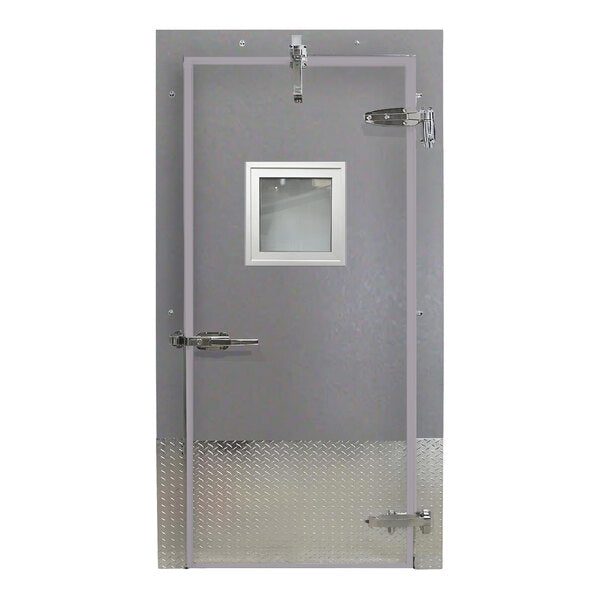
A damaged, poorly aligned or worn walk-in door can allow warm, humid air into your cold-storage space. This may cause temperature fluctuations, condensation, frost buildup and longer refrigeration system run times. In many cases, you can restore the performance of an existing walk-in by replacing the door assembly instead of replacing the entire cooler or freezer. Atlantic offers commercial walk-in cooler doors and walk-in freezer doors for replacement, retrofit and new-opening applications. Available configurations may include standard and custom sizes, prehung swing doors, sliding doors, multiple frame styles and different interior or exterior finishes. Because every opening and application can be different, the door size, frame type, panel thickness, hinge direction and operating temperature should be confirmed before an order is placed. Whether you are replacing a damaged restaurant walk-in cooler door, upgrading an older freezer door or planning a new cold-storage opening, our team can help you identify the specifications required for a proper fit. When Should a Walk-In Door Be Replaced?Not every door problem requires a complete replacement. A torn gasket, worn sweep, loose hinge or defective closer may be repairable when the insulated door panel and frame remain structurally sound. Replacing individual hardware can often extend the life of an otherwise serviceable door. A complete replacement walk-in cooler door should be considered when: The insulated door panel is bent, cracked, swollen or separatingThe frame is damaged, corroded or no longer squareThe door sags even after its hinges have been adjusted or replacedThe gasket cannot maintain an even seal around the openingWarm air, condensation or frost repeatedly appears around the doorwayThe door is unusually difficult to open or closeThe threshold or lower part of the door has significant impact damageThe existing assembly is no longer suitable for the applicationRepeated repairs are no longer cost-effectiveReplacing the complete prehung door and frame can correct several problems at once, including poor alignment, damaged insulation, worn hardware and an uneven seal. The surrounding walk-in panels and opening should still be inspected before the replacement is selected. Walk-In Cooler Door vs. Walk-In Freezer DoorWalk-in cooler doors and walk-in freezer doors may look similar, but they are designed for different operating conditions and should not be treated as interchangeable products. A walk-in cooler normally operates above freezing and uses an insulated door, gasket and sweep to limit air infiltration. A walk-in freezer operates at a lower temperature and typically requires additional protection against condensation, frost and ice around the door opening. Depending on the design and application, a replacement walk-in freezer door may require: Higher insulation performanceA heated door frame and thresholdA heated pressure-relief portLow-temperature gaskets and sweepsElectrical connections for heater componentsA threshold designed for the freezer floor transitionThe frame heater helps prevent moisture from freezing around the perimeter of the door. A pressure-relief port helps equalize the air pressure inside and outside the freezer. Without adequate pressure equalization, a freezer door can become difficult to reopen shortly after it has been closed. Always specify whether the door will be used on a cooler or freezer, along with the intended operating temperature. Ordering a cooler-rated door for a low-temperature freezer may result in icing, sealing and operational problems. Replacement Door and Frame OptionsThe correct replacement method depends on the condition and construction of the existing opening. Common configurations include plug-frame, overlap or surface-mounted, and jamb-frame assemblies. Plug-Frame DoorsA plug frame is designed to fit into a prepared wall opening. This type of prehung assembly is commonly used when replacing an existing walk-in door and frame. Accurate opening and wall-thickness measurements are essential because the frame must match the existing panel construction. Overlap or Surface-Mounted DoorsAn overlap frame mounts over the face of the existing walk-in wall or opening. It can be a practical retrofit solution when removing the original frame is difficult or when the existing opening requires additional coverage. Compatibility still depends on the opening condition, panel structure and manufacturer’s installation requirements. Jamb-Frame DoorsA jamb frame wraps the edges of an opening and is frequently used for a new opening or a specially prepared wall section. The opening must be properly reinforced, level and capable of supporting the door assembly. Hinged and Sliding DoorsHinged walk-in doors are the most common choice for personnel access and routine product movement. They are generally straightforward to operate but require enough clear space for the door swing. Sliding doors travel along a track instead of swinging outward. They may be preferred for large openings, pallet traffic or areas where swing clearance is limited. Sliding-door projects require additional measurements for the track, surrounding wall space and operating clearance. How to Measure for a Replacement Walk-In DoorA walk-in door should never be ordered from a single measurement or from an estimate based only on the old door panel. The manufacturer or supplier’s measurement instructions should always control the final order. For many replacement assemblies, the following information will be required: Opening width: Measure across the opening at the top, middle and bottom.Opening height: Measure both the left and right sides.Diagonal measurements: Measure both diagonals to determine whether the opening is square.Panel thickness: Measure the walk-in wall at the opening without including unrelated trim.Overall frame dimensions: Record the exterior width and height of the existing frame when requested.Threshold and floor condition: Note whether the walk-in has an insulated floor, recessed floor, ramp, step or raised threshold.Hinge direction: Stand outside the walk-in and face the closed door. Record whether the hinges are on the left or right.Operating temperature: Identify whether the application is a cooler or freezer and provide the target temperature.Existing manufacturer: Photograph the data plate or label if it is available.Available clearance: Check for shelving, walls, equipment, ramps or other obstructions near the opening.Use the smallest width and height measurements when an opening is not perfectly uniform, but do not make final sizing assumptions without reviewing the selected door manufacturer’s requirements. Photos of the doorway from both inside and outside can help identify the frame type, floor transition, hinge side and possible installation obstacles. Choosing the Right Door SizeThere is no single door size that fits every walk-in cooler or freezer. Common personnel-door openings include approximately 34 or 36 inches wide by 78 inches high. Wider options such as 42, 48 and 60 inches may be used for carts, racks, larger products or higher-volume operations. Custom heights and widths may also be available. Before choosing a size, consider: The dimensions of carts, racks and products moving through the doorwayRequired personnel and equipment clearanceDoor-swing spaceFloor and threshold transitionsAvailable wall spaceThe condition of the existing openingLocal building, safety and accessibility requirementsThe advertised size may refer to the clear opening, rough opening, door panel or complete frame dimensions. These measurements are not interchangeable. Confirm exactly which dimension is being shown on the product page or quotation. Important Walk-In Door ComponentsA dependable walk-in door is a complete system in which every component supports sealing, safety and daily operation. Insulated Door PanelThe insulated panel separates the refrigerated interior from the surrounding environment. Damage, moisture intrusion or separation within the panel can reduce performance and make full replacement more practical than repeated hardware repairs. Gasket and Door SweepThe perimeter gasket seals the sides and top of the door, while the sweep helps seal the gap near the threshold. Tears, hardened material, missing sections or uneven contact can allow warm air and moisture to enter the walk-in. HingesHeavy-duty hinges support the weight of the insulated door and maintain its alignment. Cam-rise hinges may lift the door slightly as it opens, reducing sweep drag and assisting the closing action. Latch and Inside Safety ReleaseThe latch helps pull the door against its gasket to form a consistent seal. A properly operating inside safety release is essential so the door can be opened from inside even when the exterior latch is locked. Automatic Door CloserThe closer helps bring the door firmly into its sealed position when employees do not close it completely. Correct operation depends on the door and frame being properly aligned. Kick PlatesDiamond-plate or stainless-steel kick plates protect high-impact areas from carts, racks, foot traffic and daily commercial use. Freezer Heater and Pressure ReliefFreezer-rated assemblies may include frame or threshold heater cables and a heated pressure-relief port. Electrical components should be connected by a qualified professional in accordance with the manufacturer’s instructions and applicable codes. Installation and Fit VerificationEven a correctly manufactured door may not seal properly if its frame is installed out of level, out of plumb or on an uneven floor. The frame must be square, securely fastened and sealed to the surrounding walk-in wall. The gasket should contact the frame evenly, and the bottom sweep should make consistent contact with the threshold without excessive dragging. Some prehung replacement doors are designed to simplify installation, but these assemblies can still be heavy and may include electrical work. Freezer heater wiring, pressure-relief components and alterations to insulated panels should be handled by qualified professionals. Before ordering, verify: Cooler or freezer applicationOpening and frame measurementsPanel thicknessFrame styleHinge directionFloor and threshold configurationRequired finishIncluded hardwareElectrical requirementsShipping dimensions and installation accessDo not cut, drill or modify a manufactured replacement assembly unless the manufacturer specifically authorizes the change. Unauthorized modifications can affect the seal, structural performance and warranty. Find the Right Replacement Walk-In DoorThe most reliable replacement begins with accurate measurements and a clear understanding of the existing opening. Browse our walk-in cooler doors and walk-in freezer doors by application, size and configuration. For a custom opening or uncertain fit, contact Atlantic with your measurements, existing brand information and photos of the doorway. Our team can help review the project specifications and identify the appropriate replacement-door configuration before you order.
Helpful guides
Common questions
What is the difference between a walk-in cooler door and a walk-in freezer door?
A walk-in cooler door is designed for a medium-temperature space that normally remains above freezing. A walk-in freezer door is intended for a low-temperature application and typically requires additional insulation and anti-condensation features, such as a heated frame or threshold. Freezer installations may also use a heated pressure-relief port to reduce frost formation and help equalize pressure. A cooler-rated door should not be substituted for a freezer door without written confirmation from the manufacturer.
What is the standard size of a walk-in cooler door?
There is no universal size, but 34″ × 78″ and 36″ × 78″ are common personnel-door openings. Wider doors such as 42″, 48″ and 60″ may be used for carts, racks and larger product movement. Custom sizes are also common in replacement projects. Always determine whether a listed size represents the clear opening, rough opening, door panel or overall frame before ordering.
How do I measure for a replacement walk-in cooler or freezer door?
Measure the opening width at the top, middle and bottom, then measure the height on both sides. Record both diagonal measurements to check whether the opening is square. You should also provide the wall thickness, floor and threshold configuration, hinge direction, operating temperature and photos from inside and outside. Do not assume that measuring only the old door panel will provide the dimensions required for a new prehung assembly; follow the selected manufacturer’s measurement instructions.
Will a replacement door fit any brand of walk-in cooler?
Many prehung overlap and custom replacement doors can be configured for walk-ins made by different manufacturers, including older units. However, no door should be assumed to be universally compatible. Fit depends on the opening dimensions, wall thickness, panel construction, frame condition, floor transition and available mounting surface. Providing the existing brand, model information, measurements and photos allows compatibility to be reviewed before production.
Can I replace only the door instead of the entire walk-in cooler?
Yes. If the wall and ceiling panels, floor and refrigeration system remain serviceable, replacing the door assembly can restore sealing and usability without replacing the entire walk-in. A replacement may include a new door and frame that attaches to or fits within the existing opening. The surrounding panels should be inspected for corrosion, moisture damage and structural problems before proceeding.
What is normally included with a replacement walk-in door?
A complete prehung replacement assembly commonly includes the insulated door panel, matching frame, hinges, latch, gasket, sweep and door closer. Depending on the model, options may include an inside safety release, lock, kick plates, thermometer, light switch, window or additional protective hardware. Freezer assemblies may also include frame or threshold heaters and pressure-relief components. Included items vary by manufacturer and product, so review the product specifications or quotation before ordering.