
Commercial Freezers
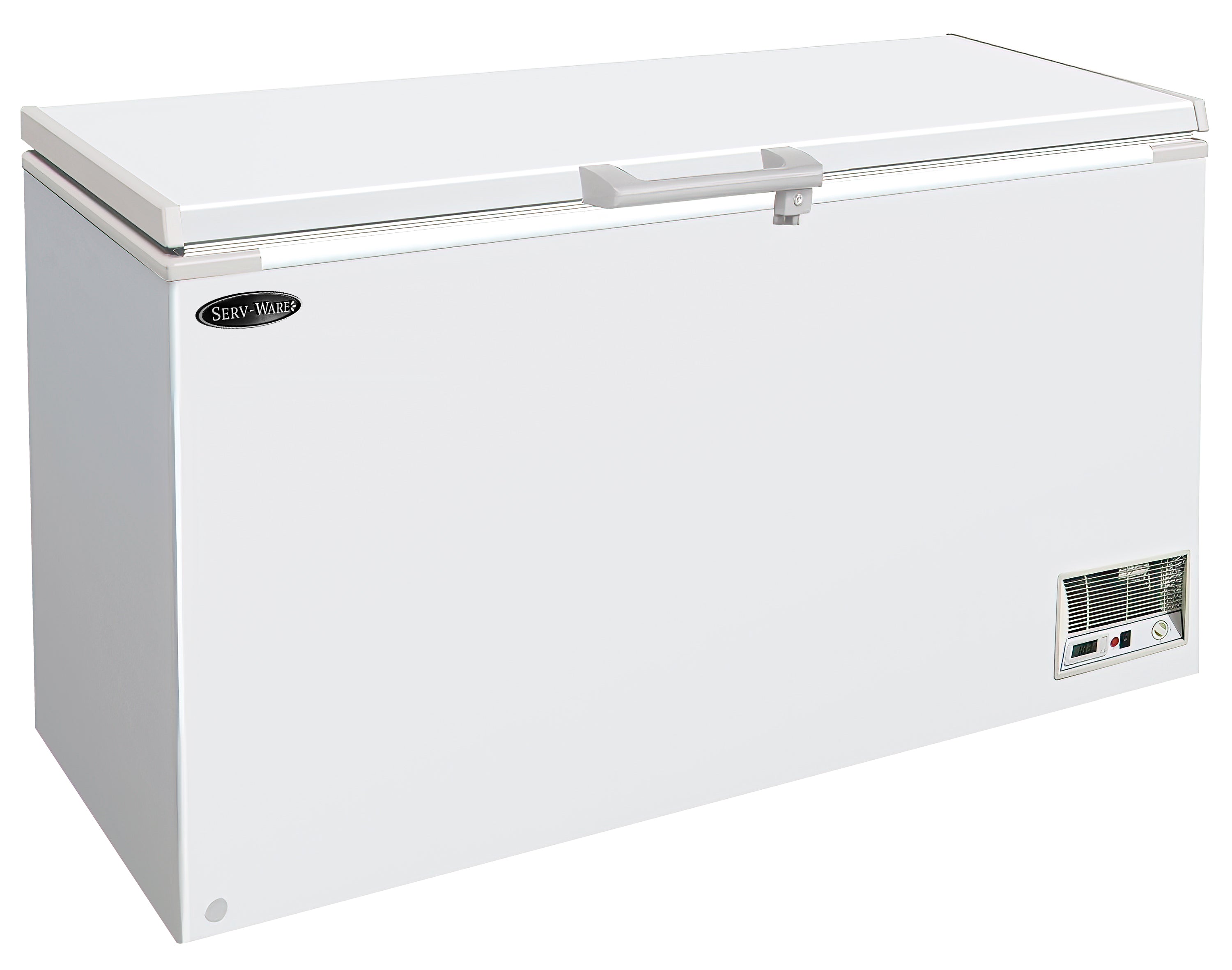
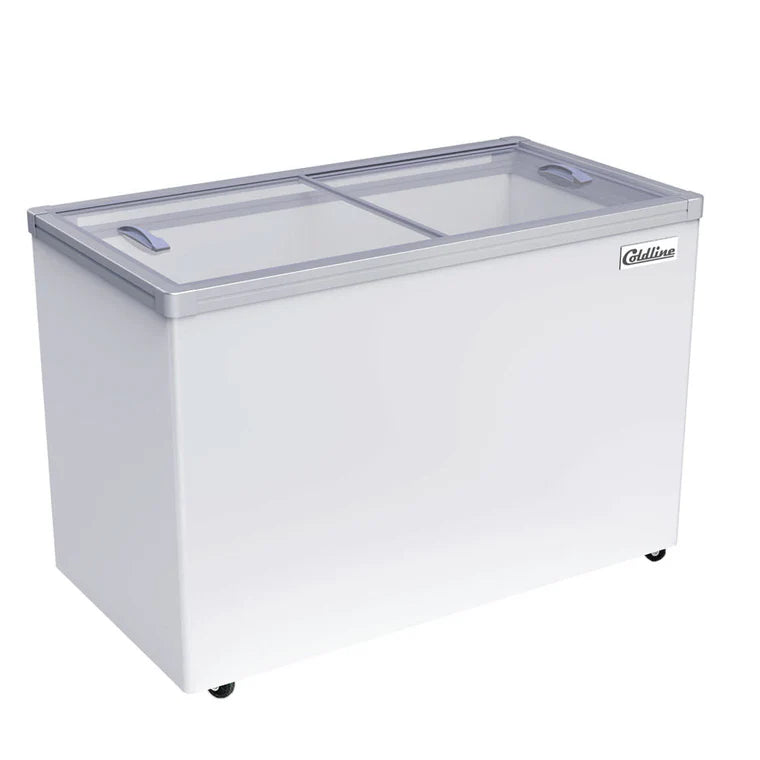
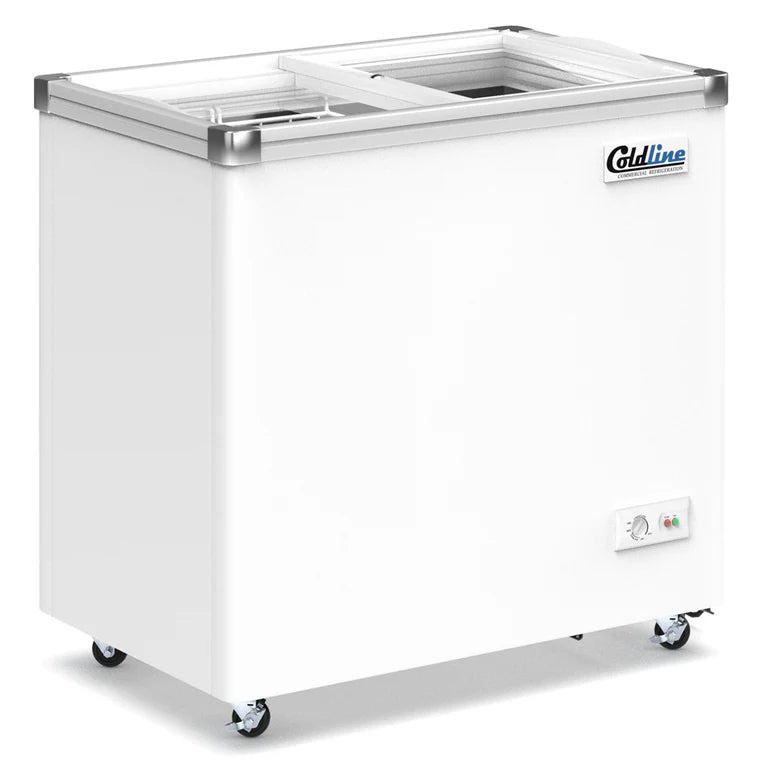
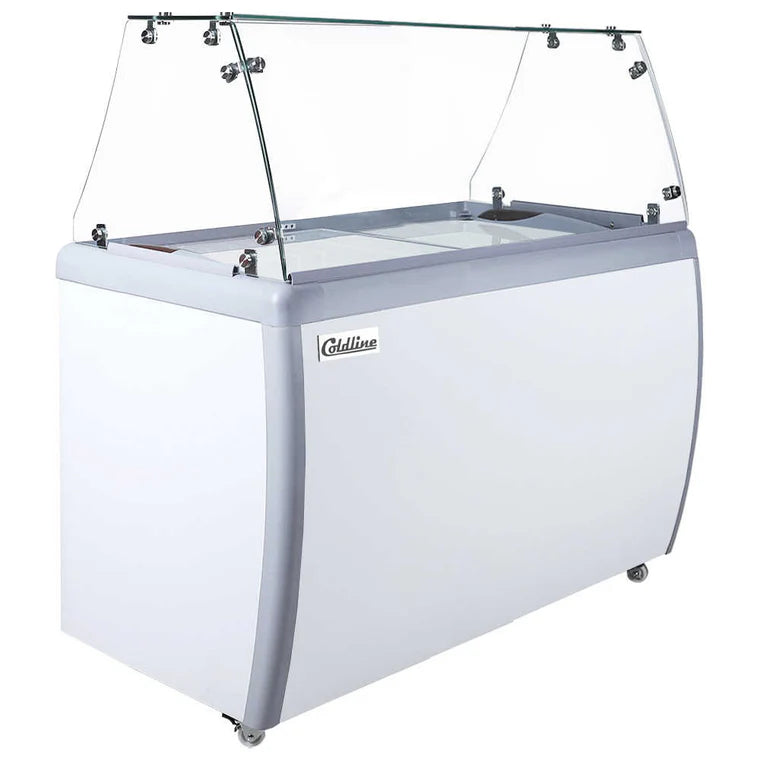
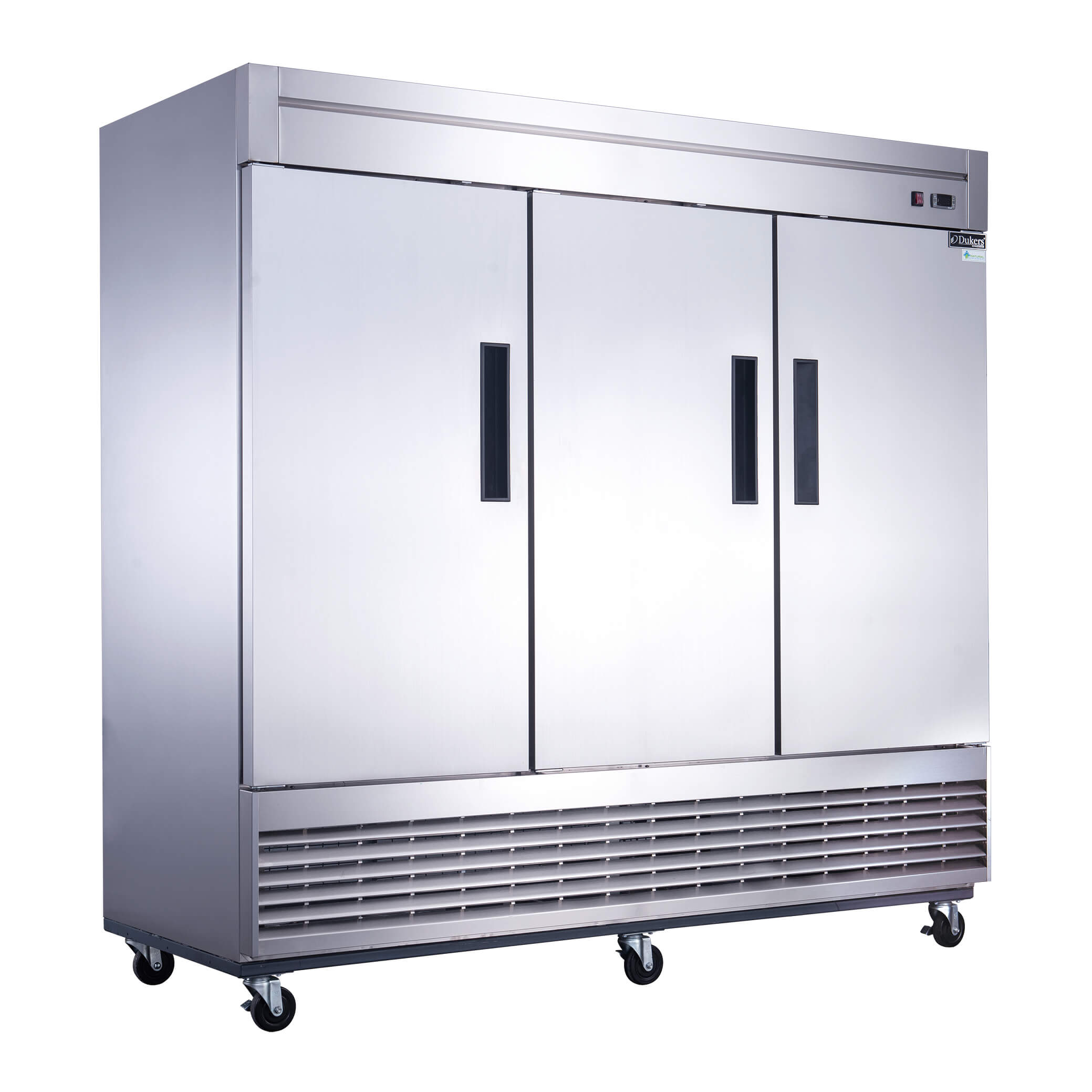
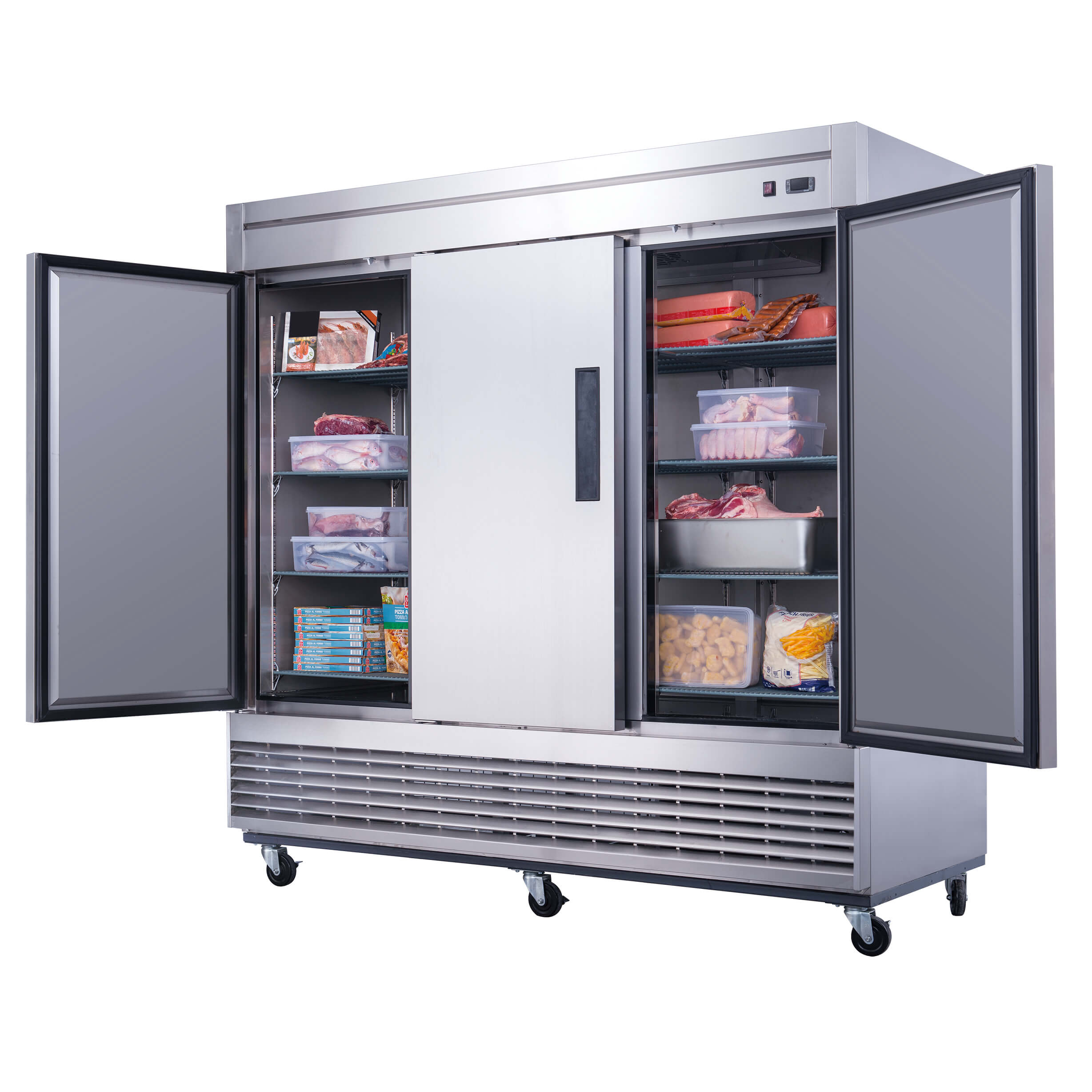
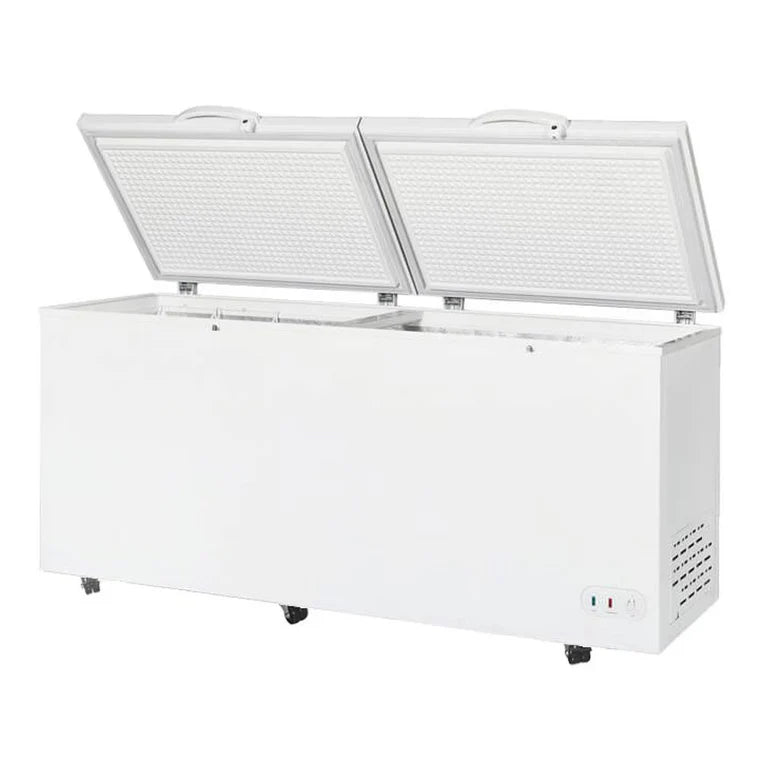
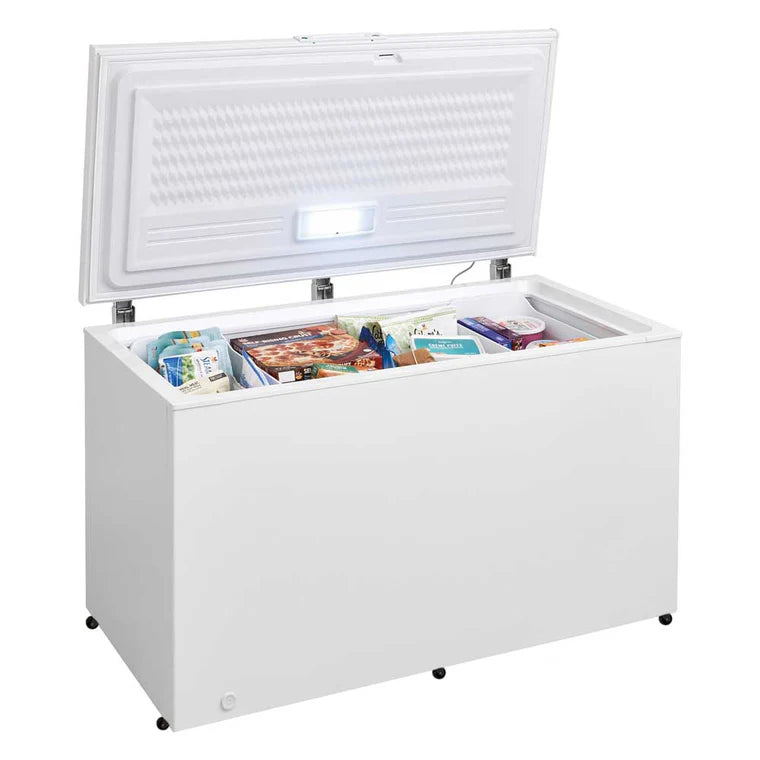
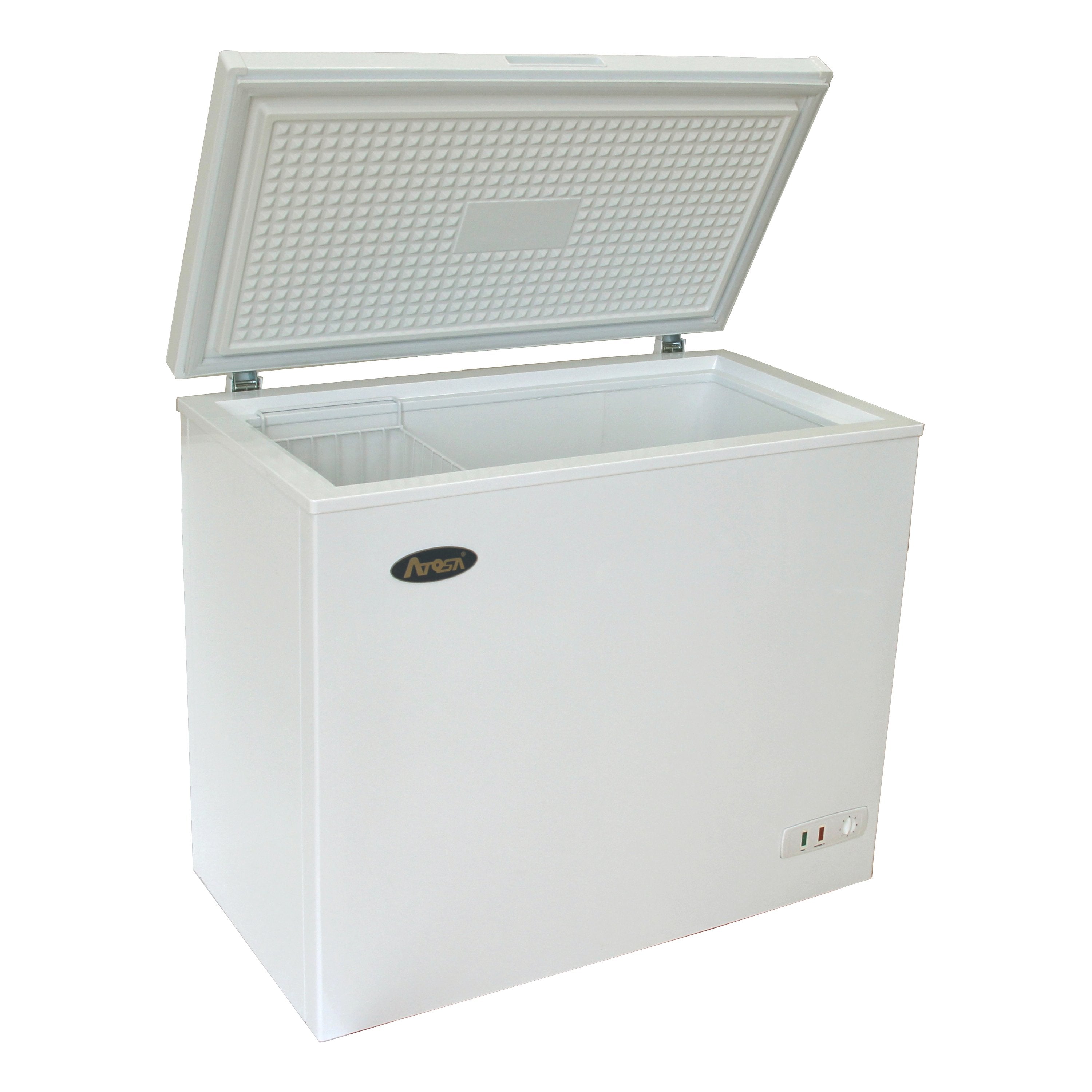
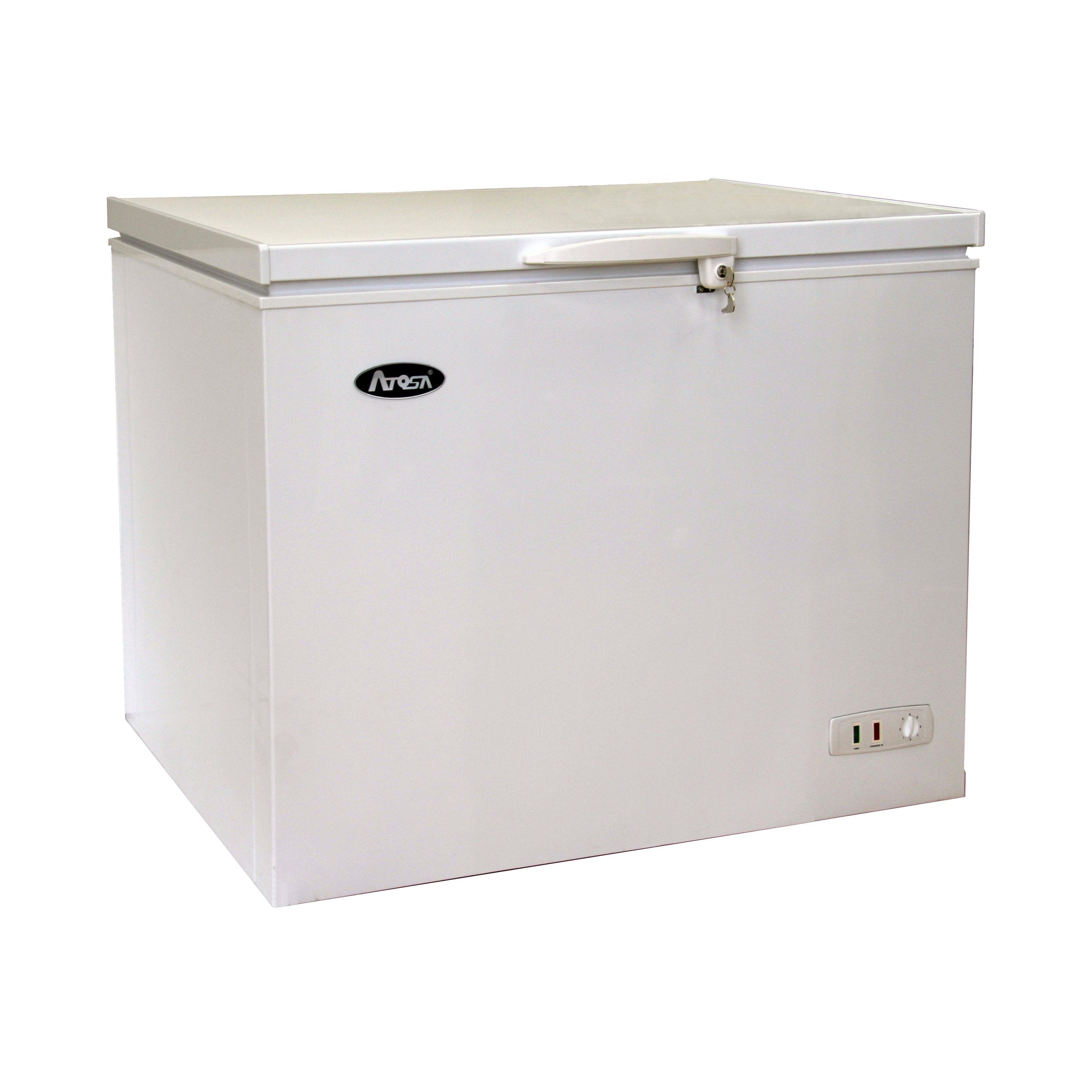
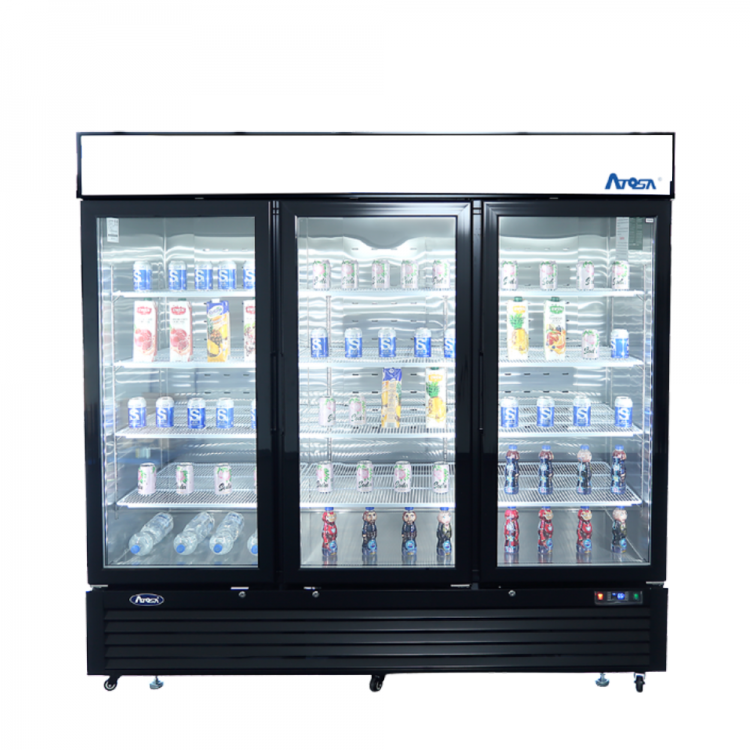
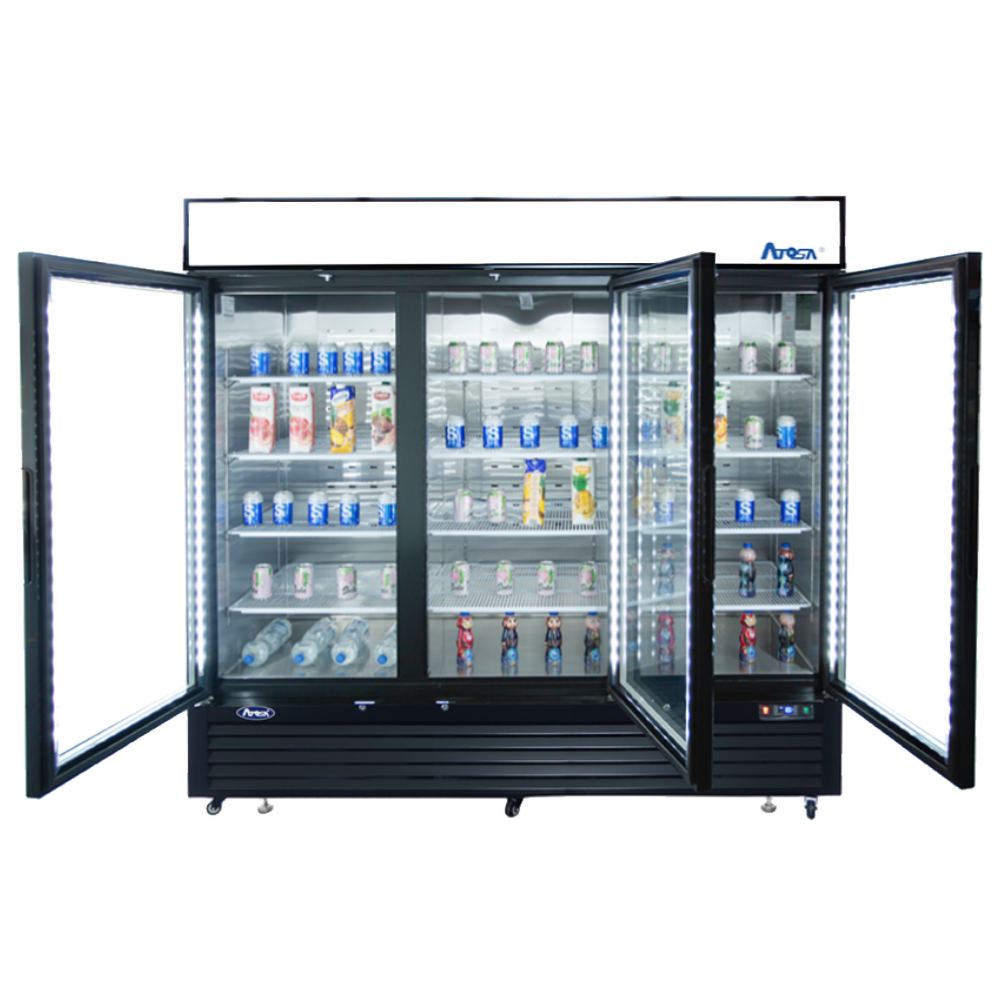
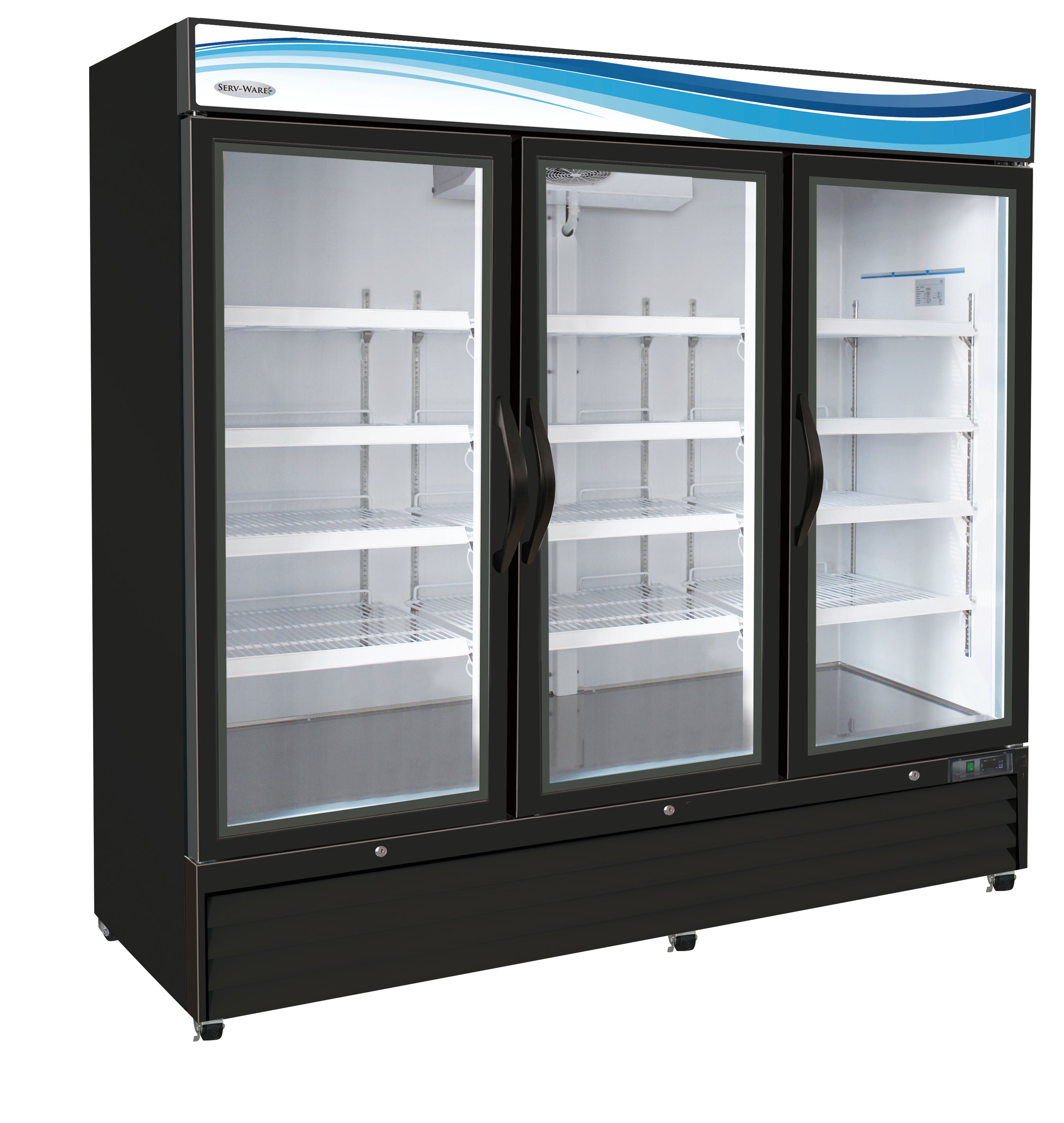
Shop commercial freezers designed for restaurants, bakeries, cafés, delis, supermarkets, convenience stores, and high-volume foodservice operations. Atlantic offers commercial reach-in freezers, undercounter freezers, worktop freezers, glass door display freezers, chest freezers, and walk-in freezer solutions from trusted commercial refrigeration brands.
Use the filters to compare freezer type, width, storage capacity, number of doors or drawers, compressor location, voltage, temperature range, brand, and price. Whether you need a compact freezer for a tight cook line or a high-capacity model for bulk frozen inventory, our equipment specialists can help you select the right freezer for your space, electrical connection, workflow, and storage requirements.


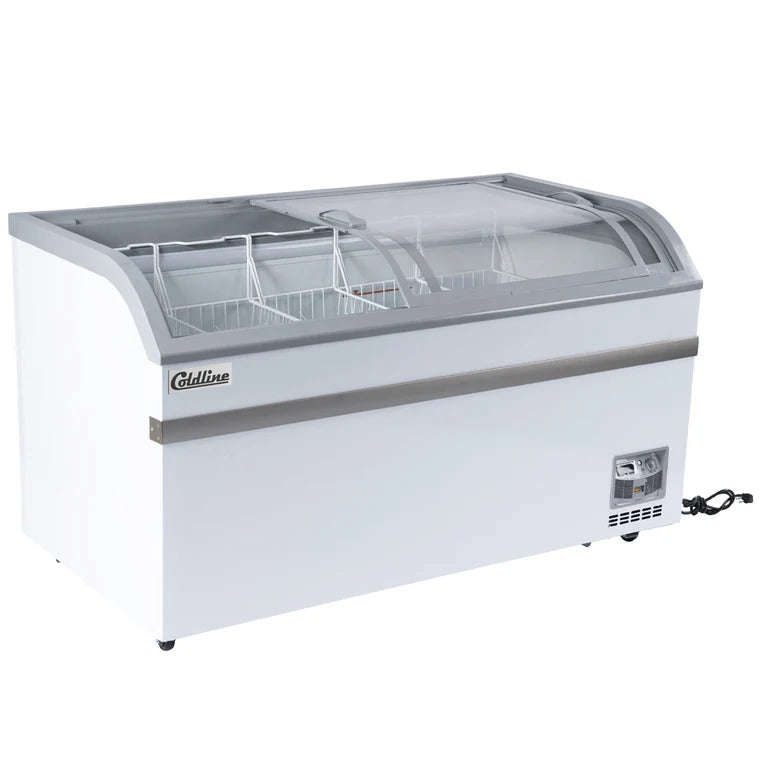
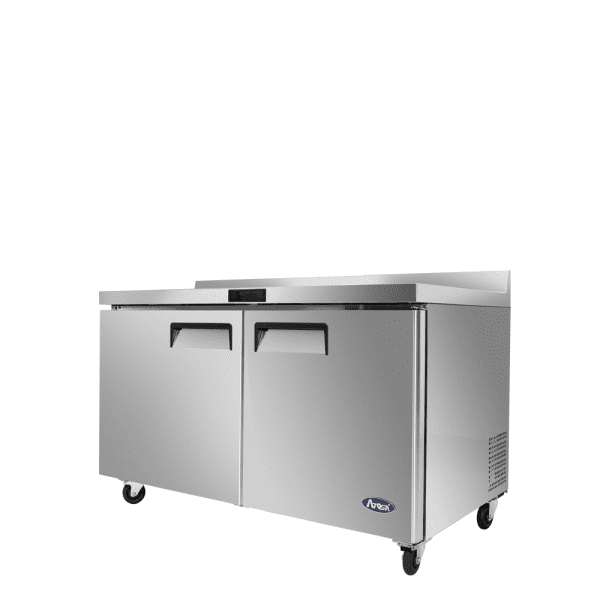
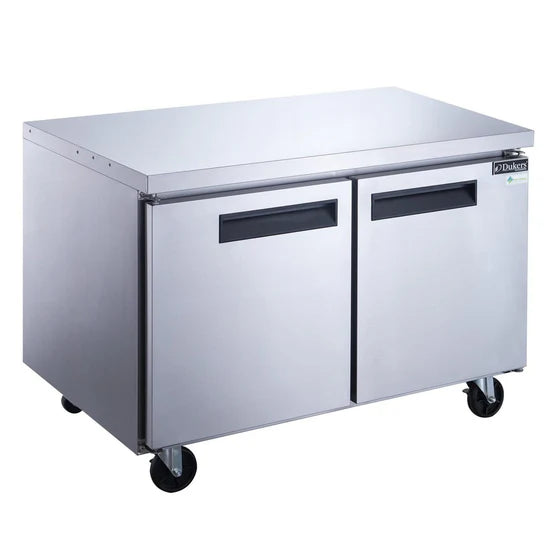



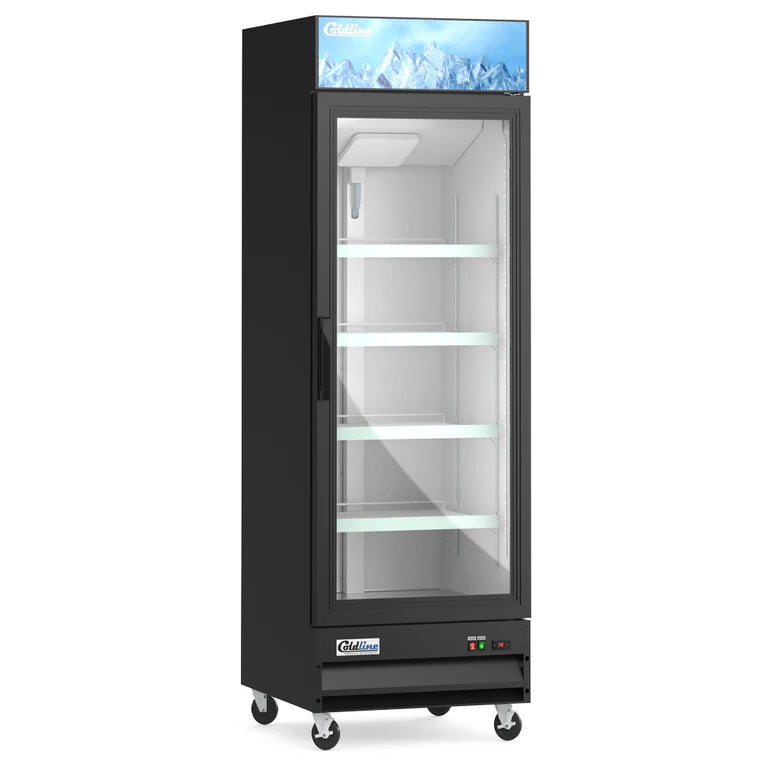
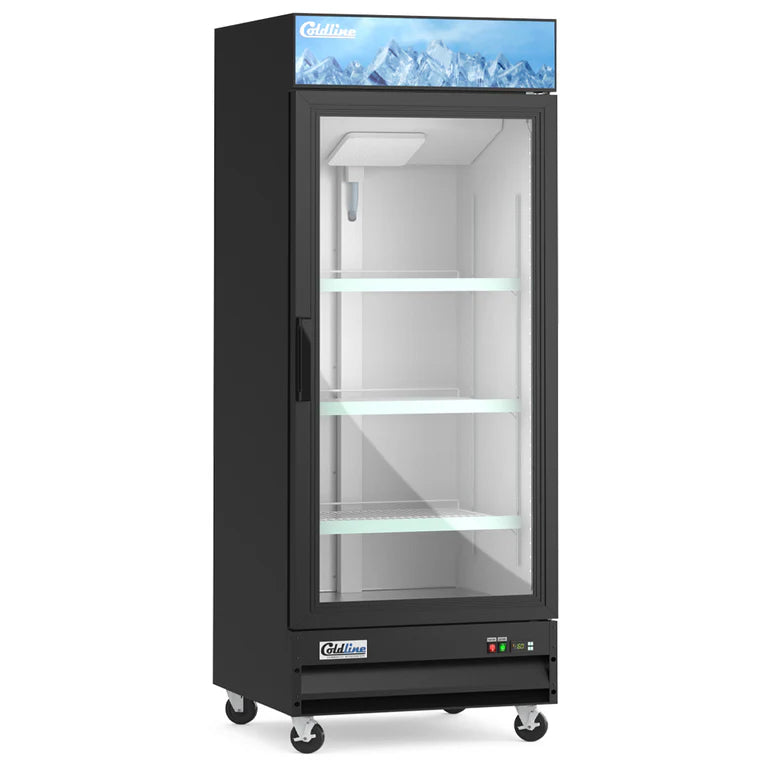
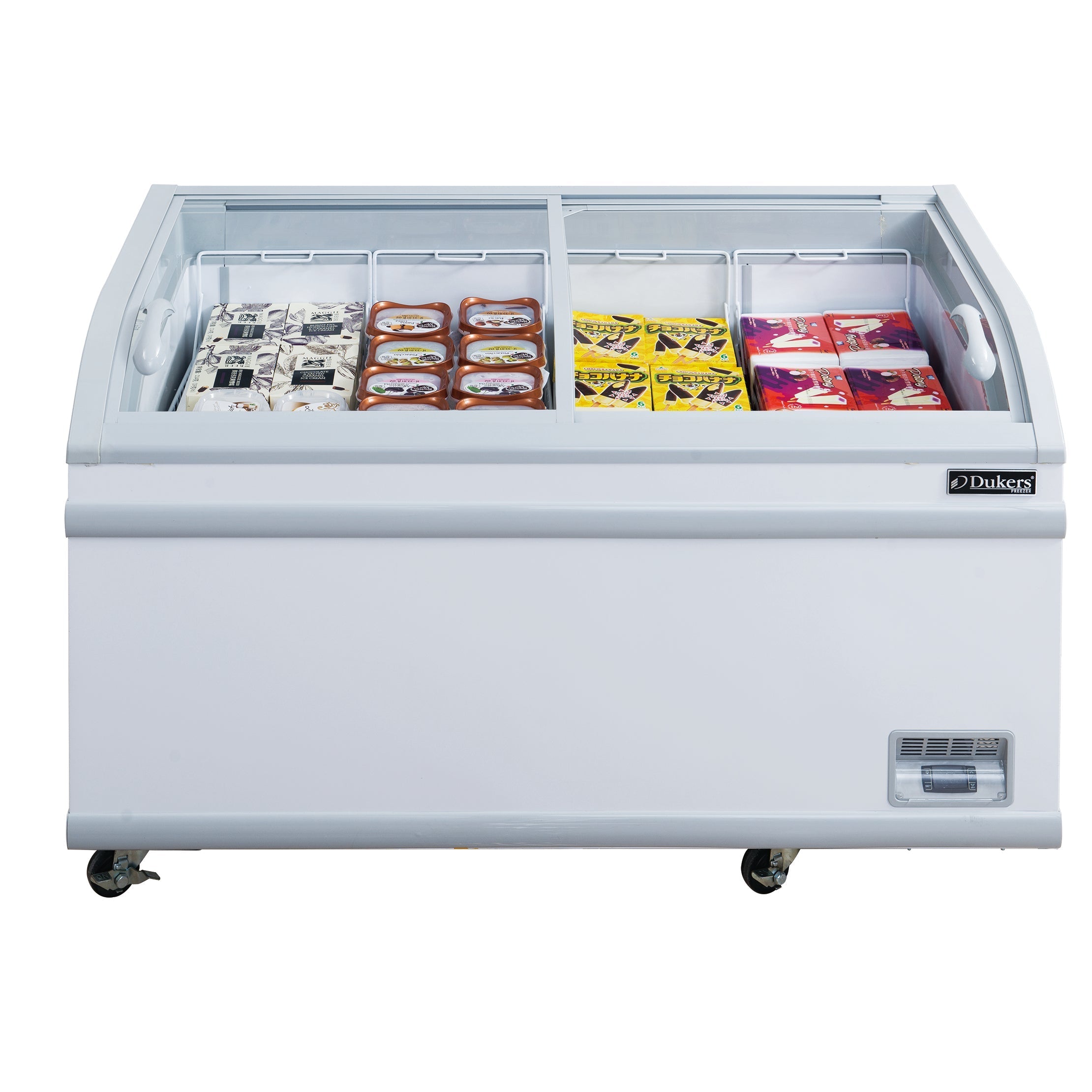
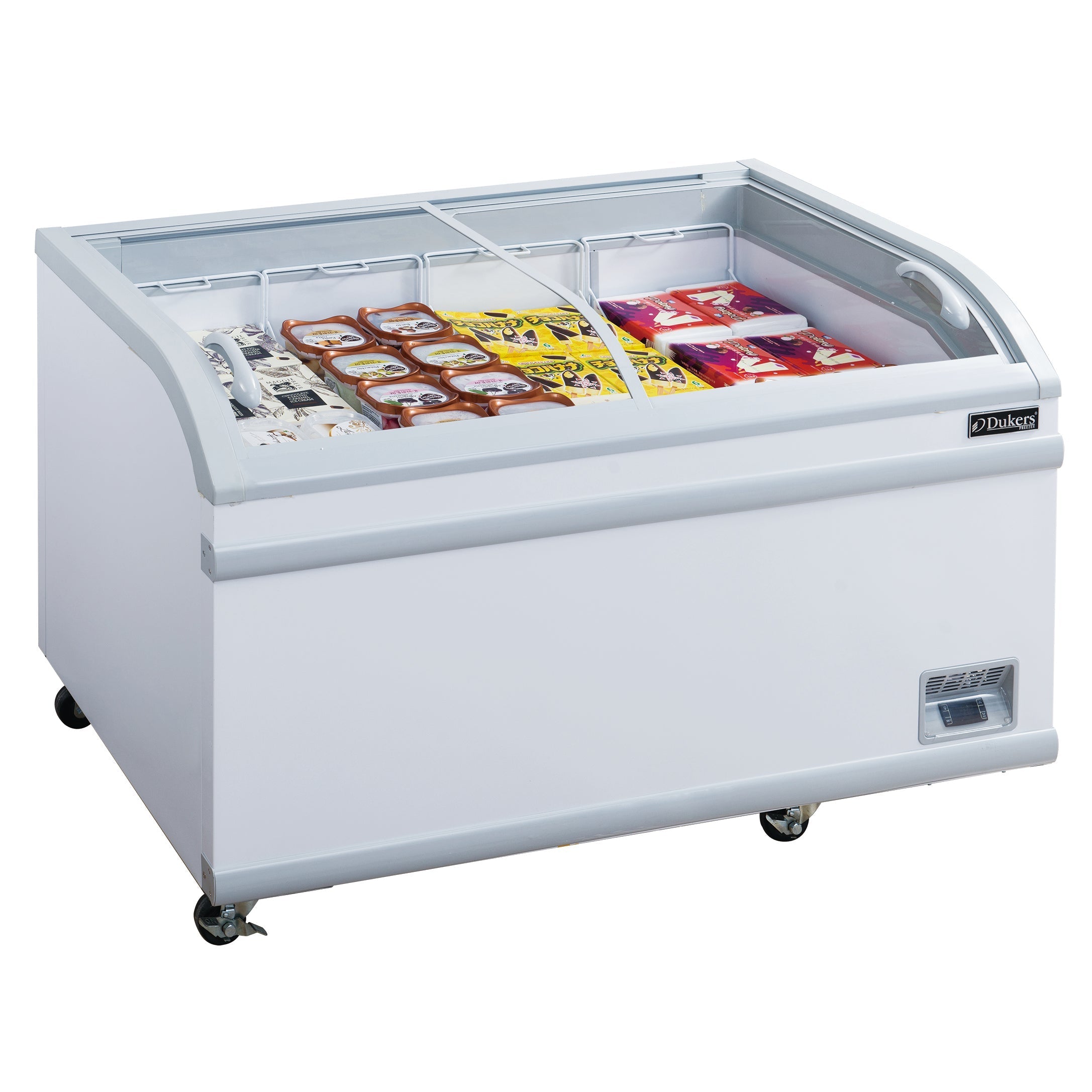


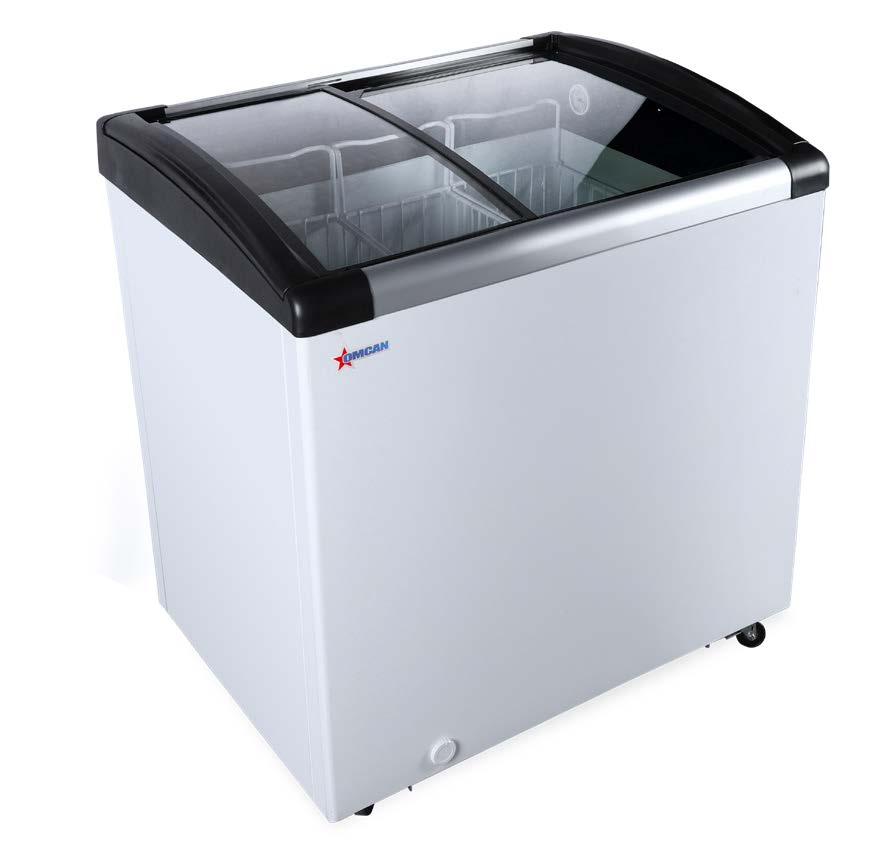

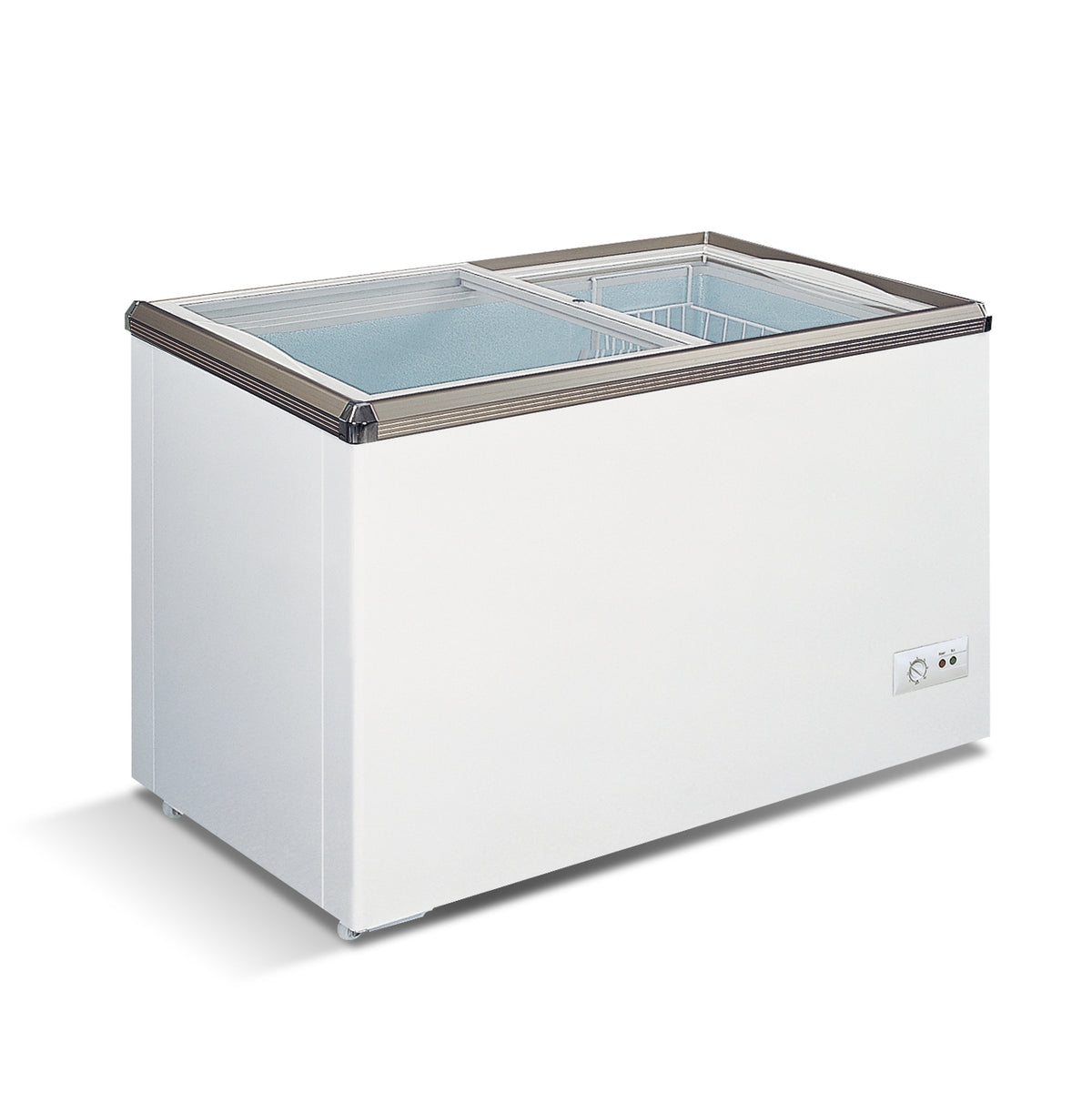


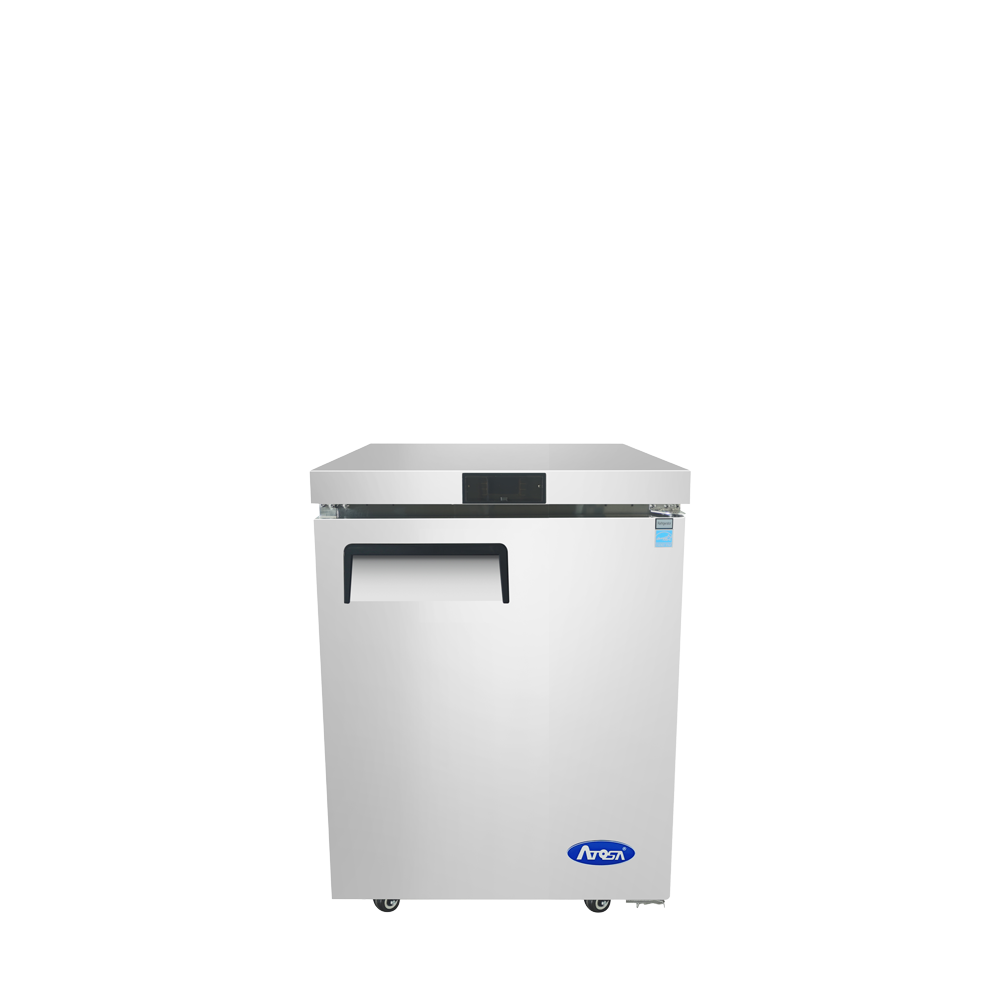
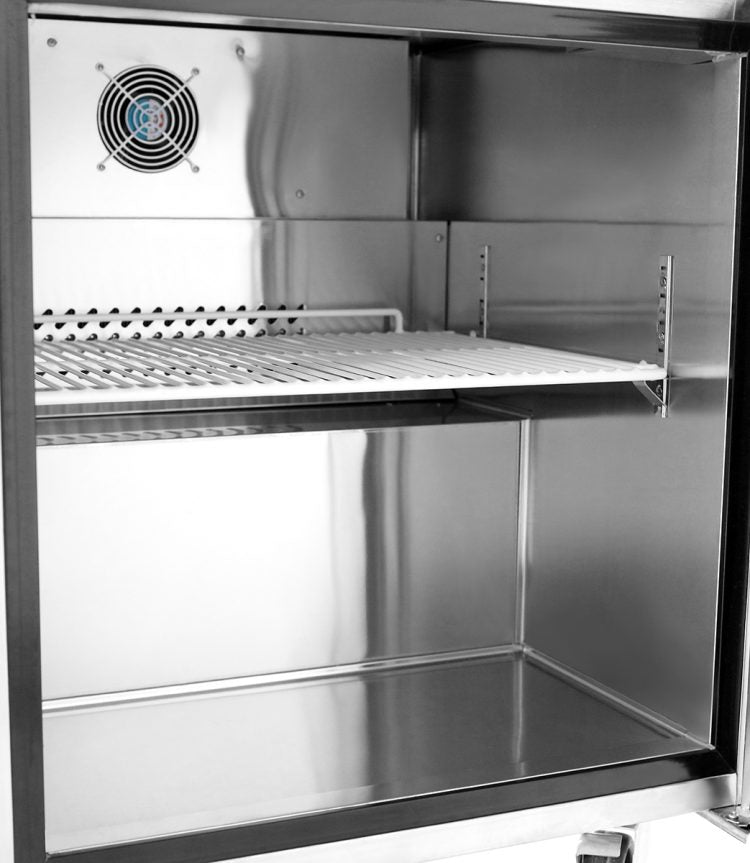


Recently viewed
What to Know Before Buying a Commercial Freezer
Helpful guides
FAQs About Commercial Freezers
What temperature should a commercial freezer maintain?
A commercial freezer used for food storage should generally maintain 0°F or below. Many restaurant freezers operate between approximately -10°F and 0°F. Always follow the equipment manufacturer’s operating range and the storage requirements of the products placed inside.
What is the difference between a commercial freezer and a residential freezer?
Commercial freezers are designed for demanding environments, frequent door openings, continuous operation, heavier product loads, and commercial sanitation requirements. Residential appliances may not be approved for use in a licensed commercial foodservice operation and their warranties may not cover commercial use.
What type of commercial freezer is best for a restaurant?
Reach-in freezers are a common choice for daily kitchen use because they keep frozen ingredients organized and accessible. Undercounter and worktop freezers are useful near individual stations, while chest and walk-in freezers are better suited to bulk storage. Many restaurants use more than one freezer type.
How do I determine what size commercial freezer I need?
Calculate the frozen inventory needed between deliveries, allow room for peak demand, and consider future growth. Then compare the freezer’s usable interior dimensions and shelving configuration, not only its advertised cubic-foot capacity. The unit should not need to be packed so tightly that airflow or organization is restricted.
Should I choose a top-mount or bottom-mount compressor?
Top-mounted systems can be beneficial in hot kitchens because they are positioned farther from floor-level dust and debris. Bottom-mounted systems are usually easier to reach for service and may make lower shelves easier to load. The best choice depends on the kitchen environment, available clearance, equipment design, and service requirements.
Are solid door commercial freezers more efficient than glass door models?
Solid doors generally provide stronger insulation. Glass doors improve visibility and can reduce unnecessary door openings, but transparent-door models may consume more energy. ENERGY STAR reports particularly meaningful potential savings for certified commercial glass-door freezers compared with standard models. ENERGY STAR commercial freezers
Does a commercial freezer require a drain?
Many self-contained reach-in and undercounter freezers use automatic condensate evaporation and may not require a floor drain. Other models, including certain defrost systems, remote units, blast chillers, or walk-in systems, may have different requirements. Always check the model’s installation manual before ordering.
What electrical connection does a commercial freezer require?
Electrical requirements vary by model. Some compact units use 115V service, while larger freezers may require 208–230V, a dedicated circuit, a specific NEMA receptacle, or hardwiring. Verify voltage, phase, amperage, and plug type before purchasing.
What certifications should a commercial freezer have?
Look for sanitation and electrical safety listings appropriate to your location and application. NSF/ANSI 7 establishes food protection and sanitation requirements for many commercial refrigerators and freezers, including reach-in, undercounter, walk-in and display equipment. NSF food equipment standards
Can a commercial freezer be used to rapidly freeze warm food?
A standard commercial holding freezer is primarily intended to maintain products that are already frozen. It may not remove heat from large quantities of warm food quickly enough. Businesses that regularly cool or freeze freshly prepared products should evaluate a blast chiller or blast freezer.
How often should a commercial freezer be cleaned and maintained?
Clean spills promptly, inspect door gaskets regularly, keep the condenser area clear, and follow the manufacturer’s cleaning schedule. Condenser cleaning frequency depends on kitchen conditions; locations with grease, flour or dust may require more frequent service. Temperature should be monitored daily.
How much does a commercial freezer cost?
Pricing depends on freezer type, capacity, brand, door configuration, construction, voltage, energy efficiency and warranty. Compact undercounter and entry-level single-door models usually cost less than multi-door reach-ins, glass merchandisers, premium chef bases and walk-in systems. Use the current product prices on the page or contact Atlantic for a detailed quote.