

7 Best Commercial Fryer Brands for Restaurants
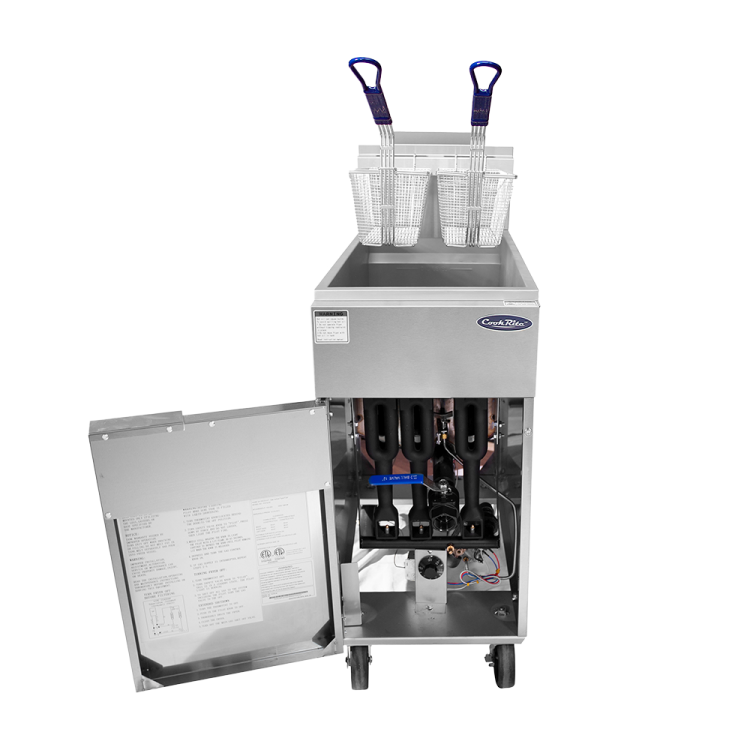
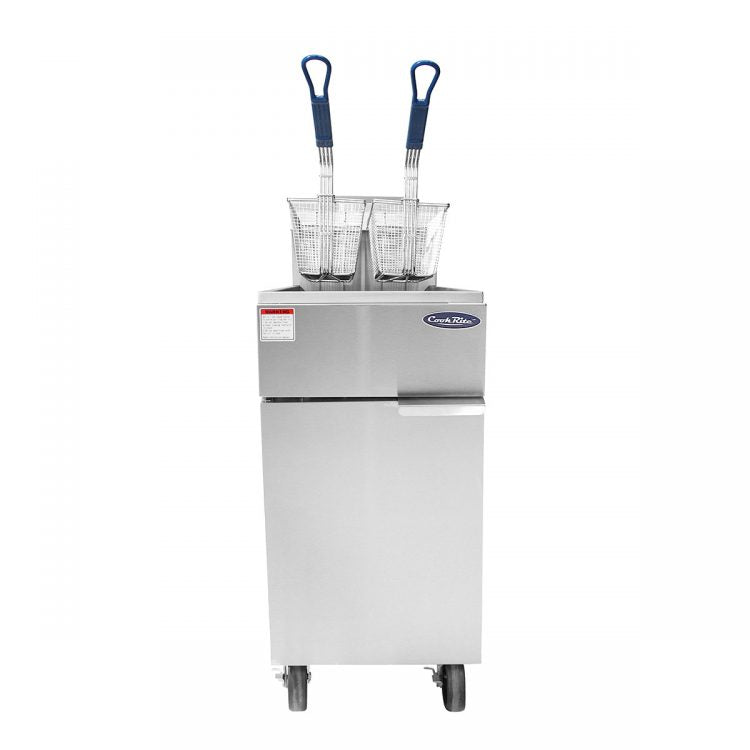
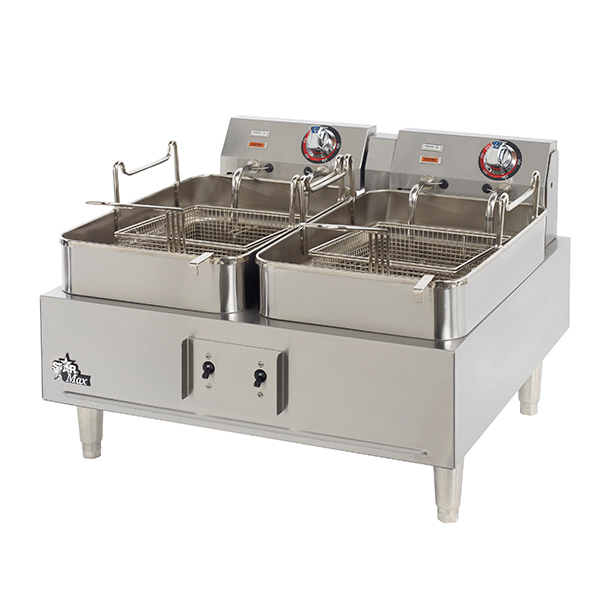
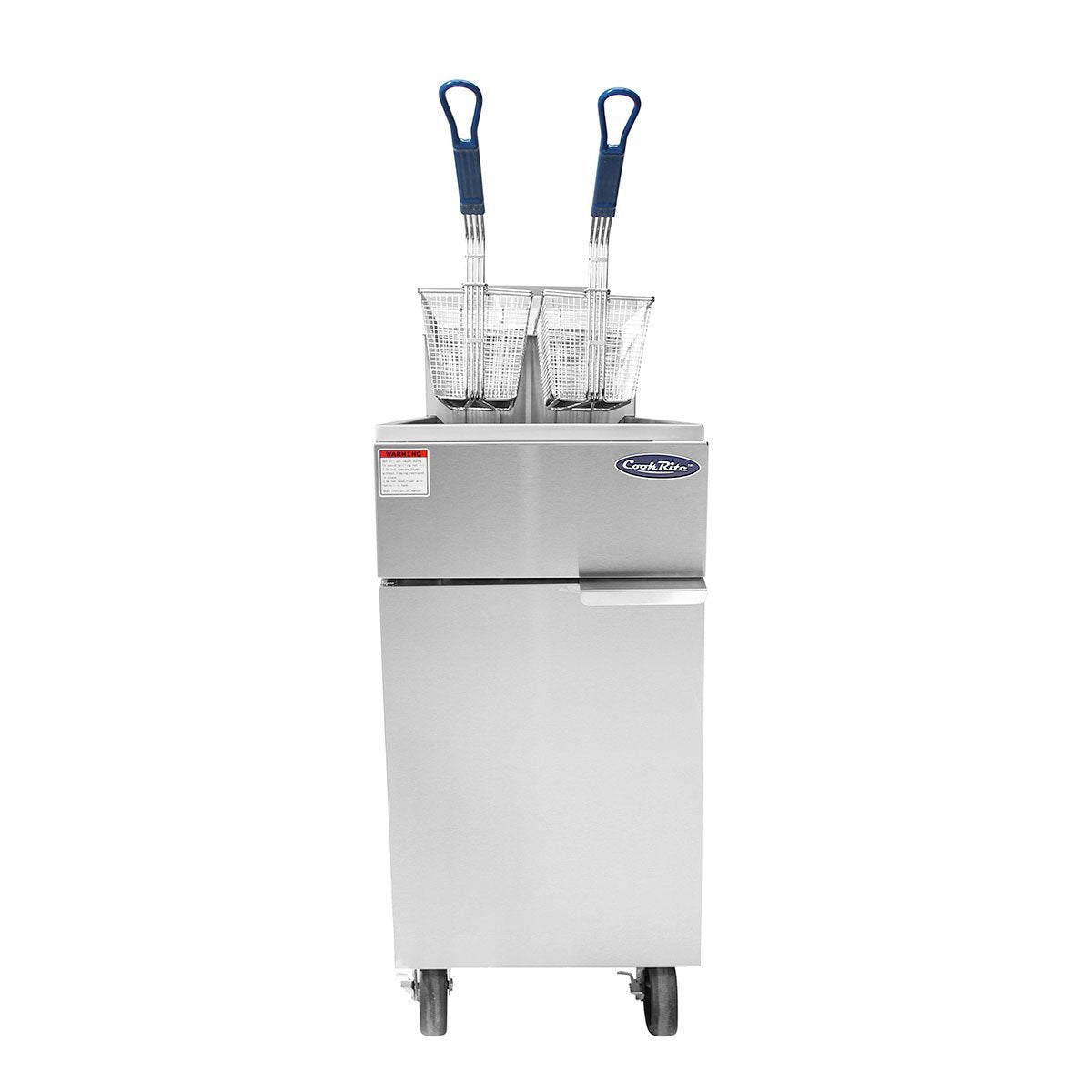
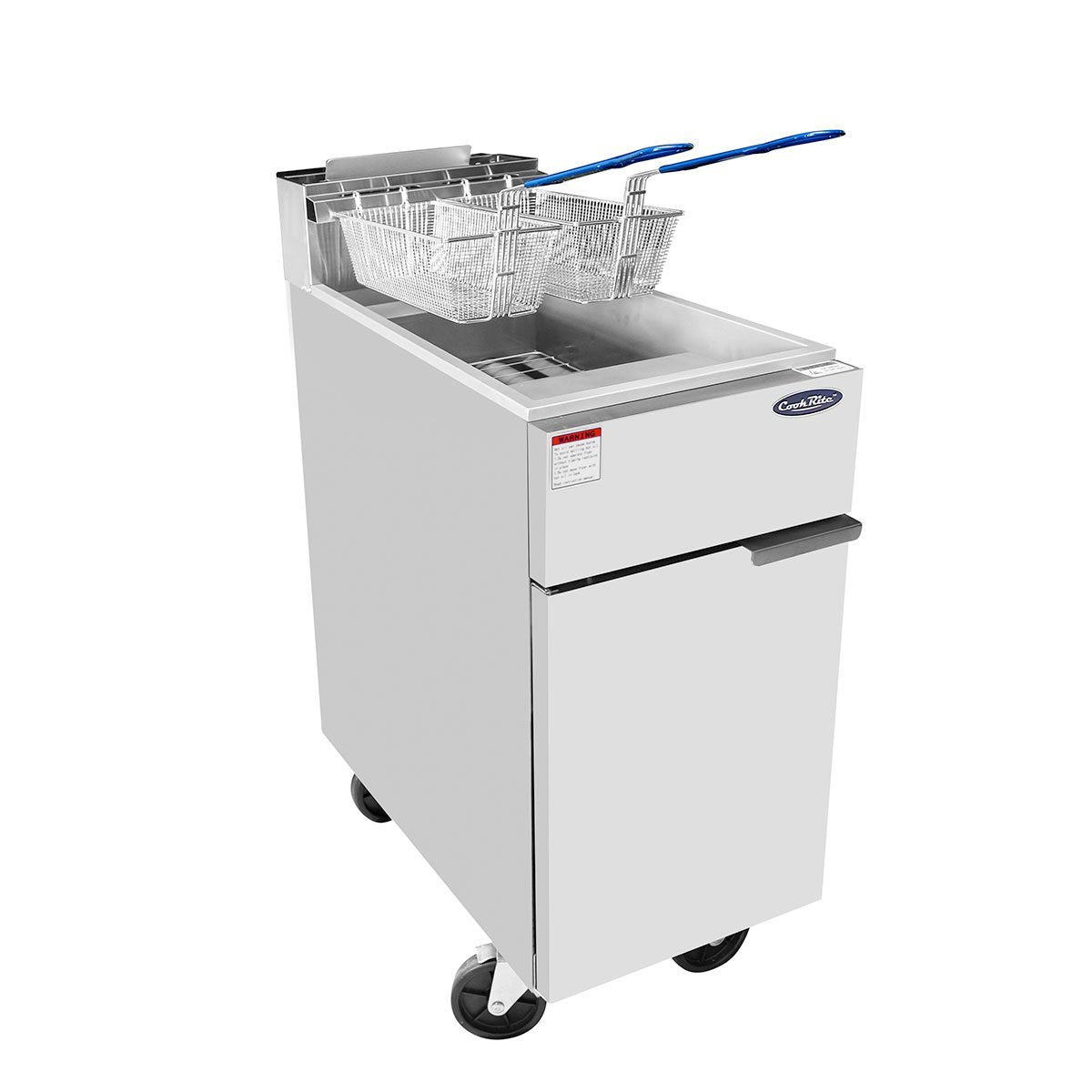
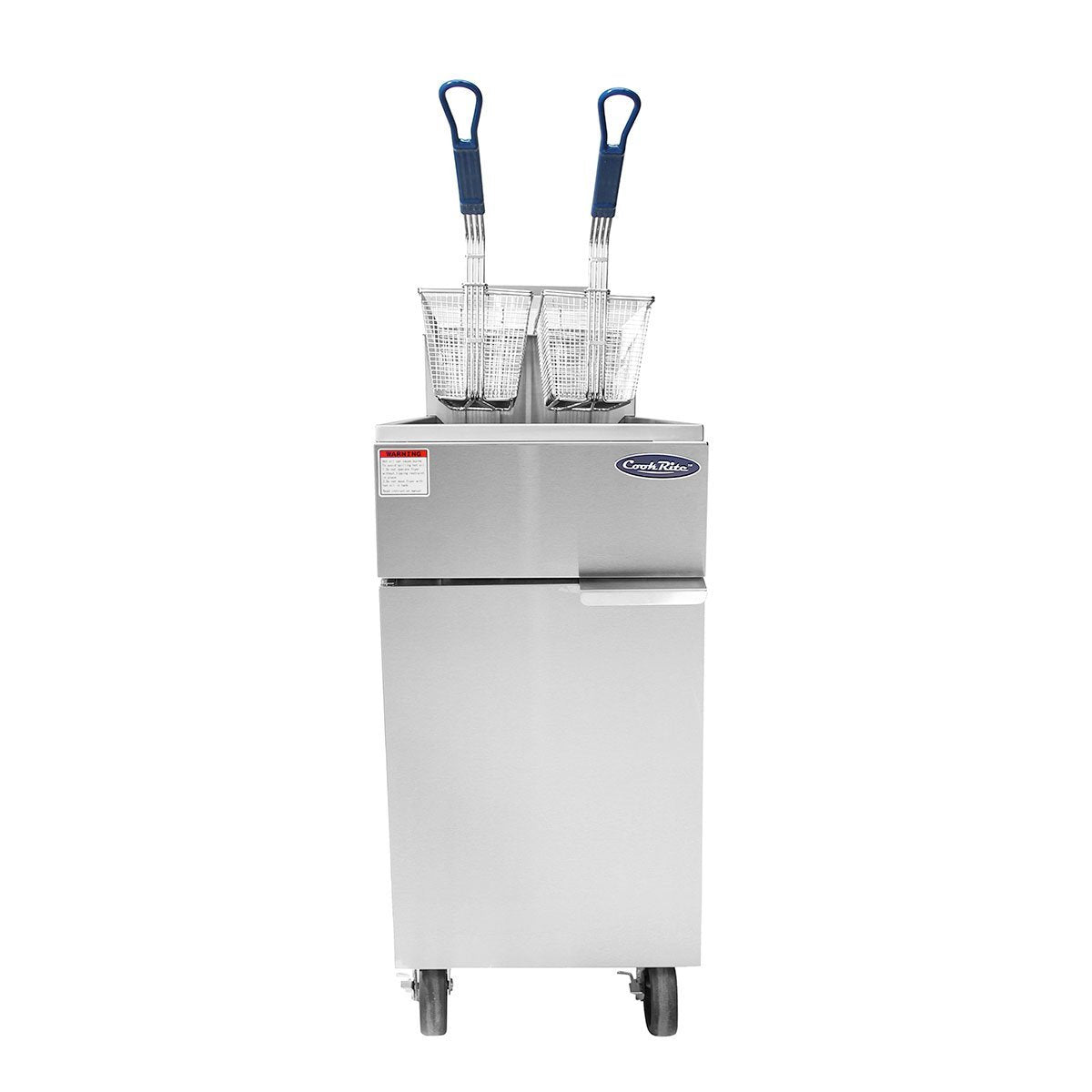
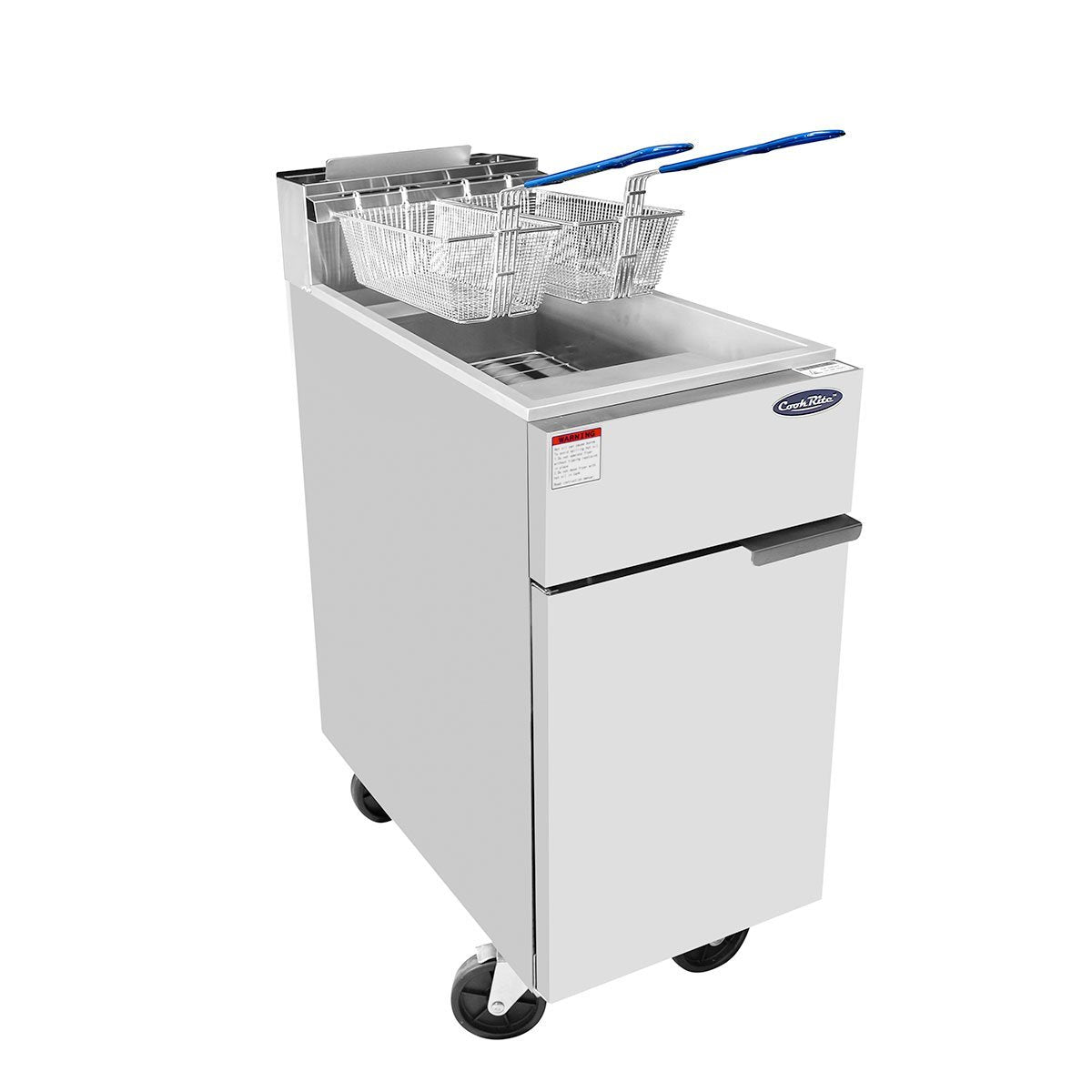
A commercial deep fryer is one of the most essential pieces of equipment in any high-volume kitchen. Whether you run a restaurant, deli, concession stand, food truck, or catering operation, the right fryer can help you maintain speed, consistency, and product quality throughout service. At Atlantic, we offer a wide selection of commercial fryers designed for real foodservice environments, including gas fryers, electric fryers, countertop fryers, and floor models for different kitchen sizes and production needs. Choosing the right fryer depends on your menu, available space, utility setup, and daily output. Countertop fryers are a practical option for smaller kitchens, light-volume applications, and food trucks, while floor fryers are better suited for restaurants and operations that need higher oil capacity and faster recovery times. If you are comparing gas and electric models, it is important to consider not only performance, but also installation requirements, ventilation, energy availability, and long-term workflow efficiency. Our fryer collection includes equipment built for demanding commercial use, with options for a variety of capacities, basket configurations, and kitchen layouts. Whether you need a compact fryer for limited-space service or a heavy-duty model for continuous production, Atlantic helps you find equipment that matches your business. Explore our commercial fryer selection to find reliable solutions for restaurants, delis, supermarkets, and professional kitchens.Read more
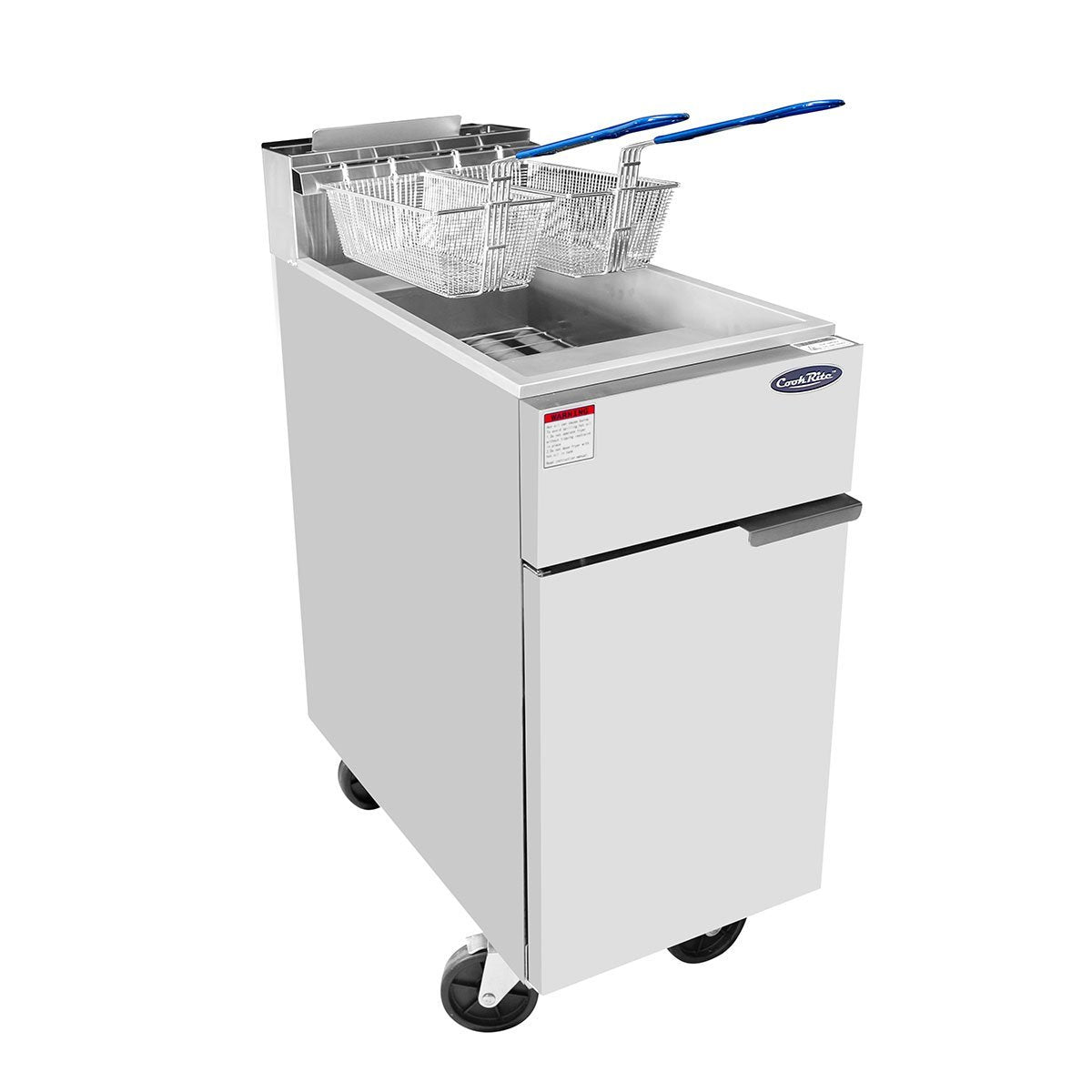
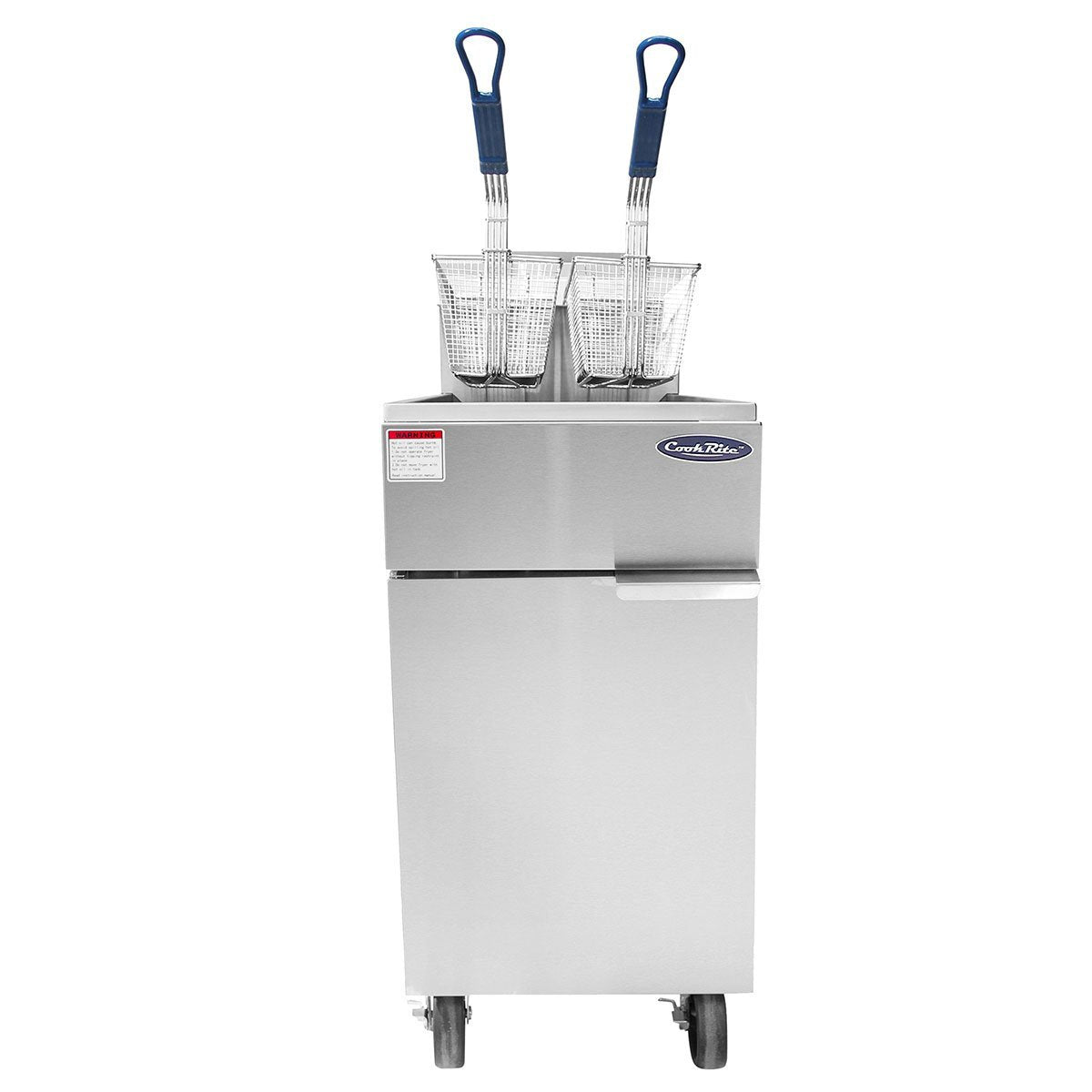
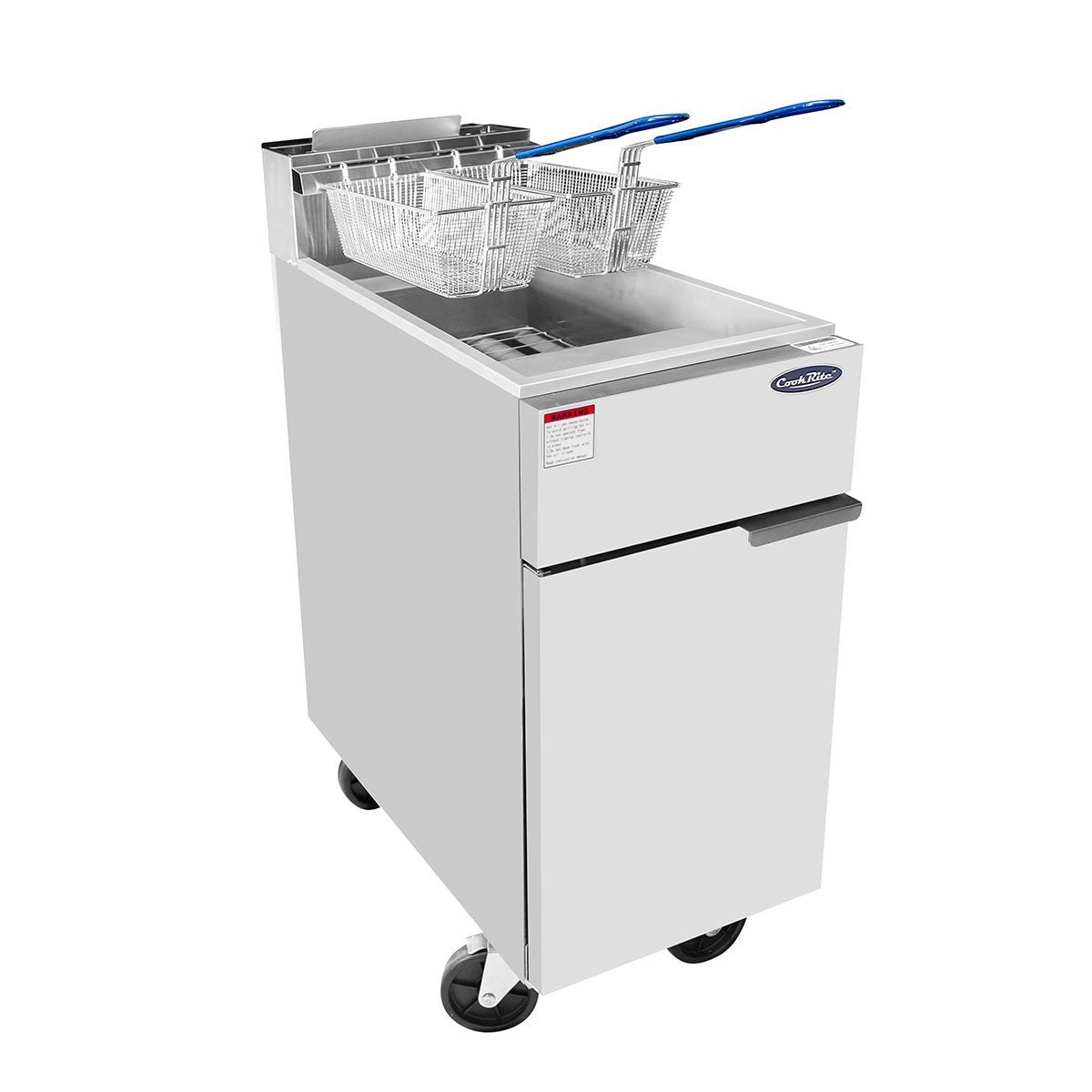
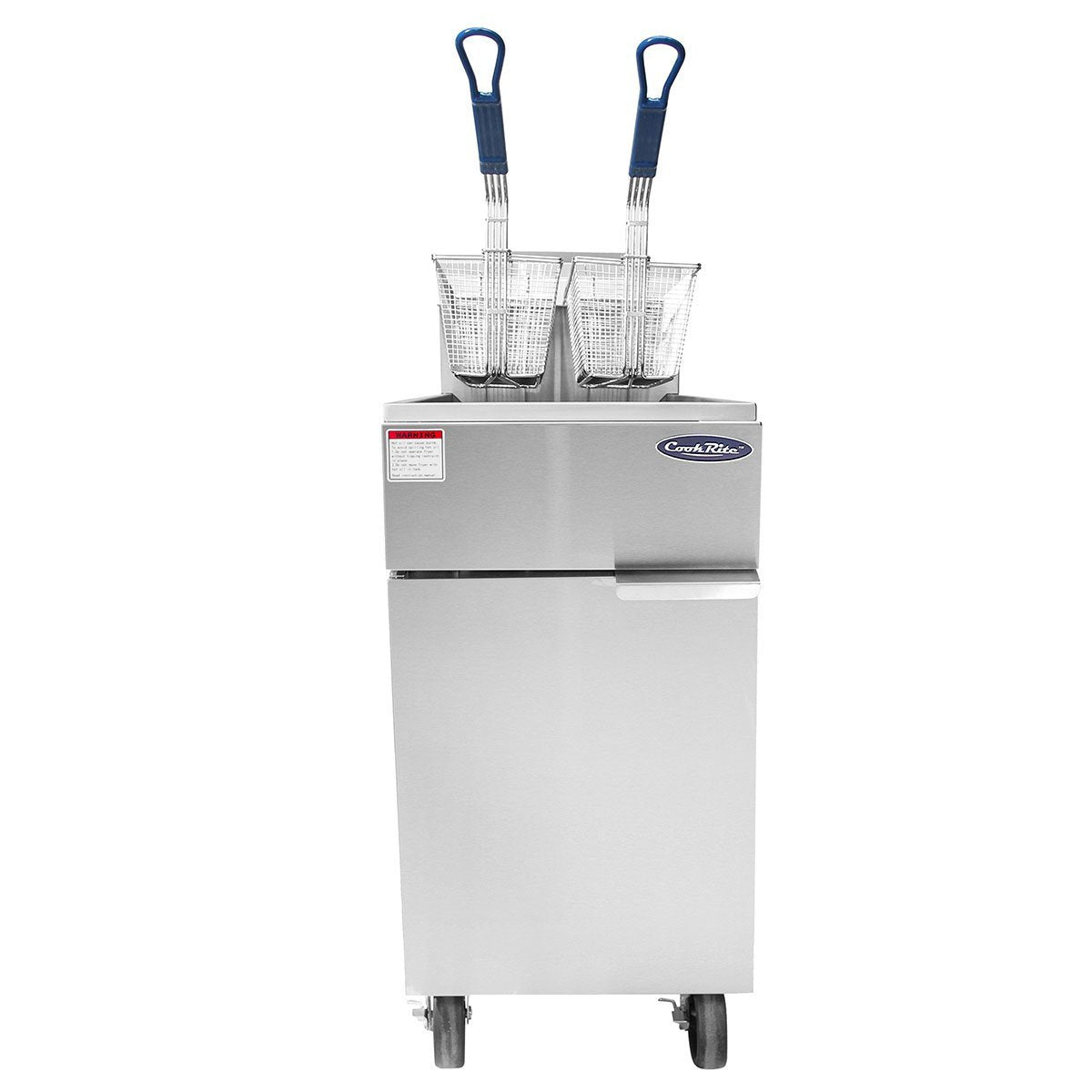
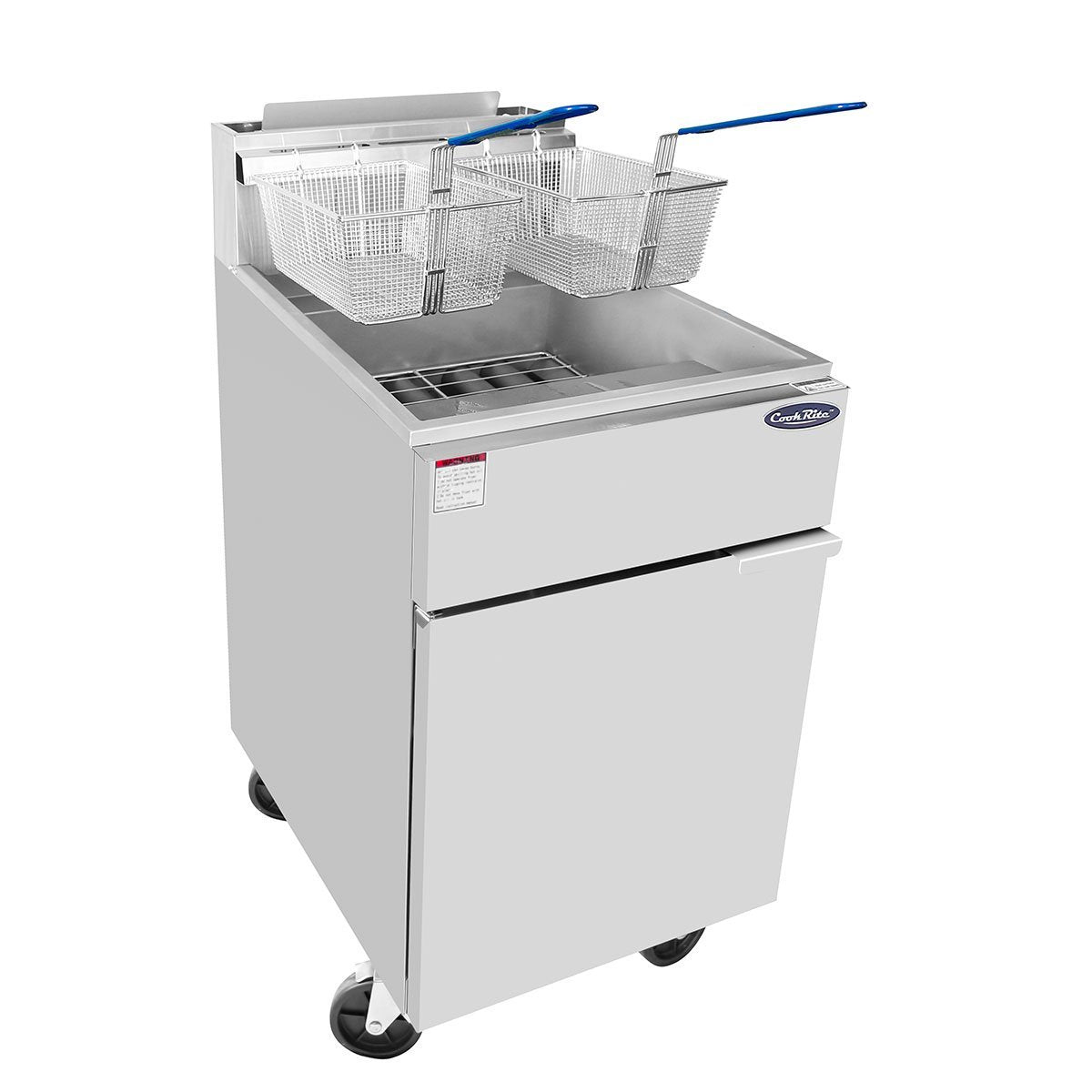
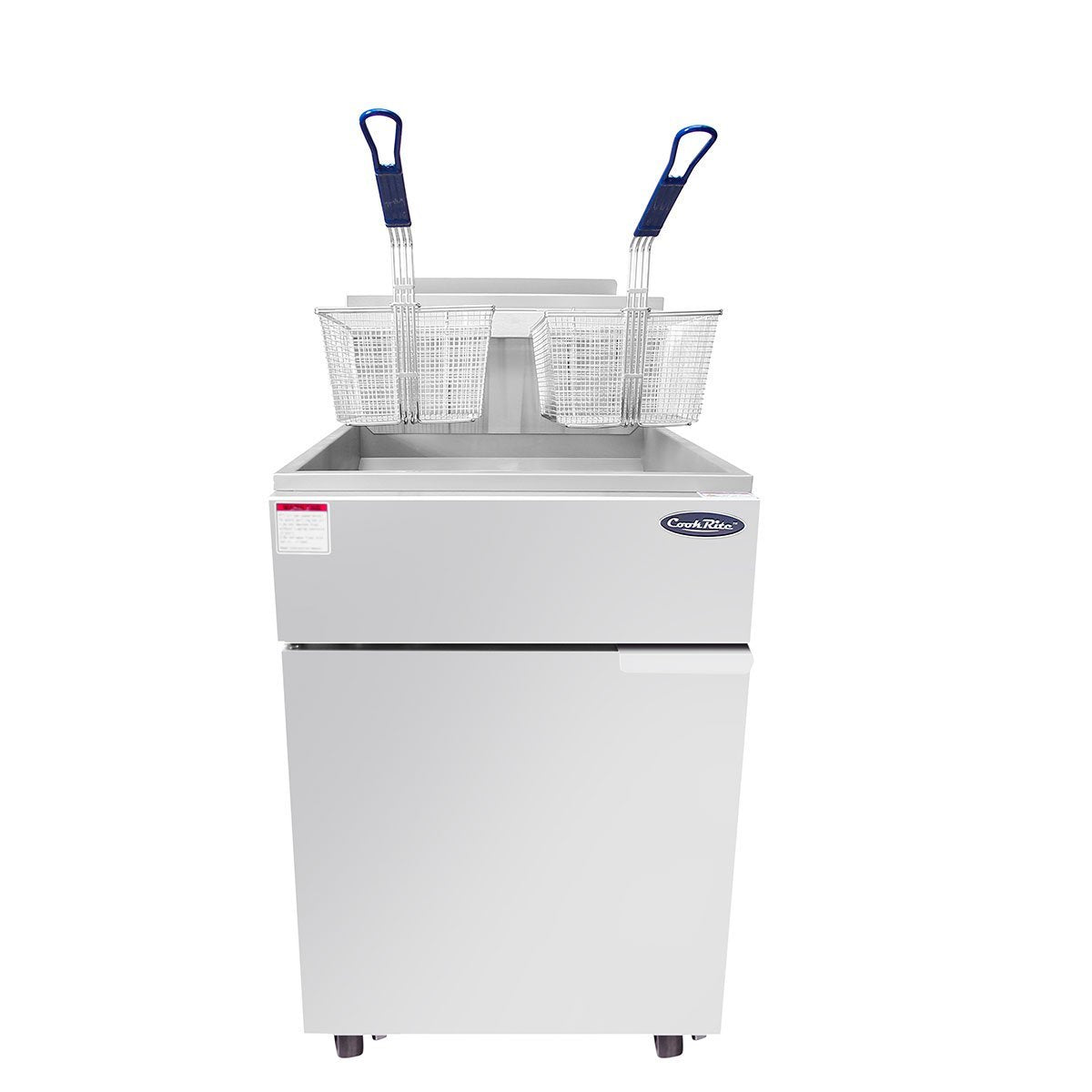
A commercial deep fryer is one of the most essential pieces of equipment in any high-volume kitchen. Whether you run a restaurant, deli, concession stand, food truck, or catering operation, the right fryer can help you maintain speed, consistency, and product quality throughout service. At Atlantic, we offer a wide selection of commercial fryers designed for real foodservice environments, including gas fryers, electric fryers, countertop fryers, and floor models for different kitchen sizes and production needs.
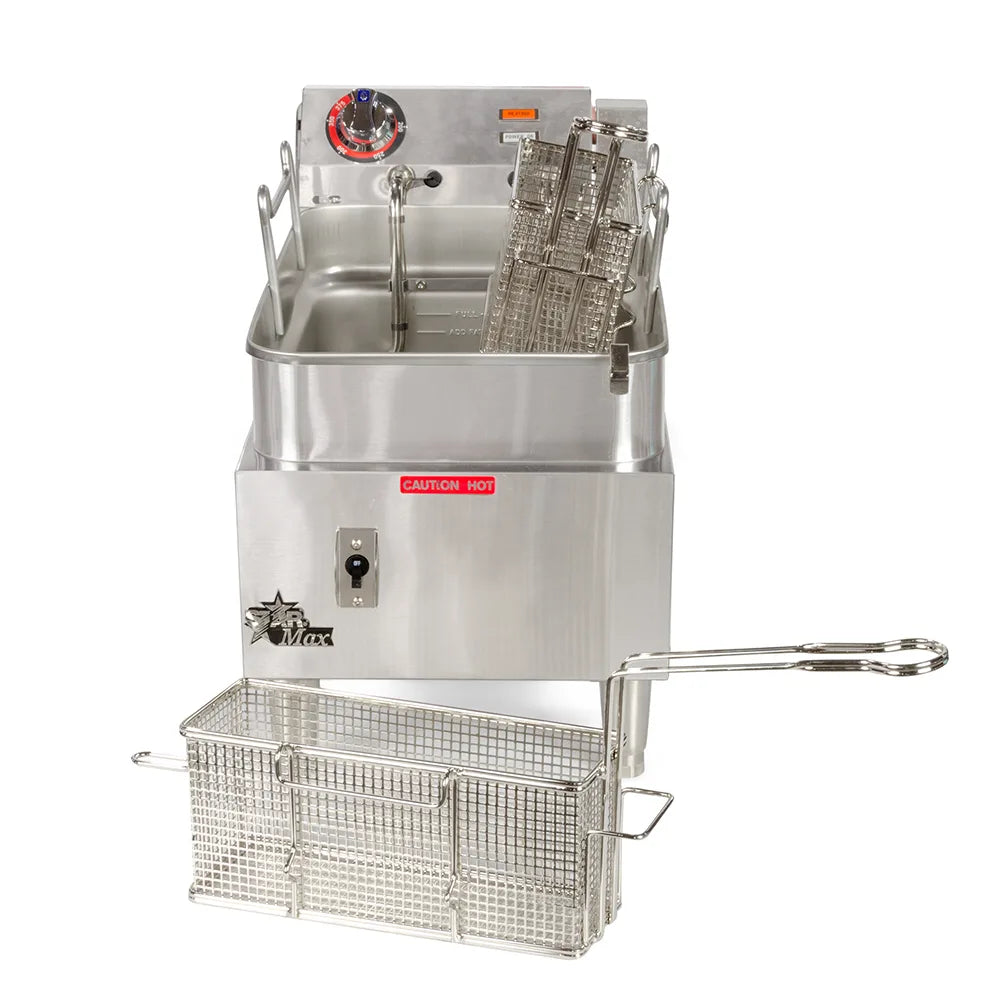
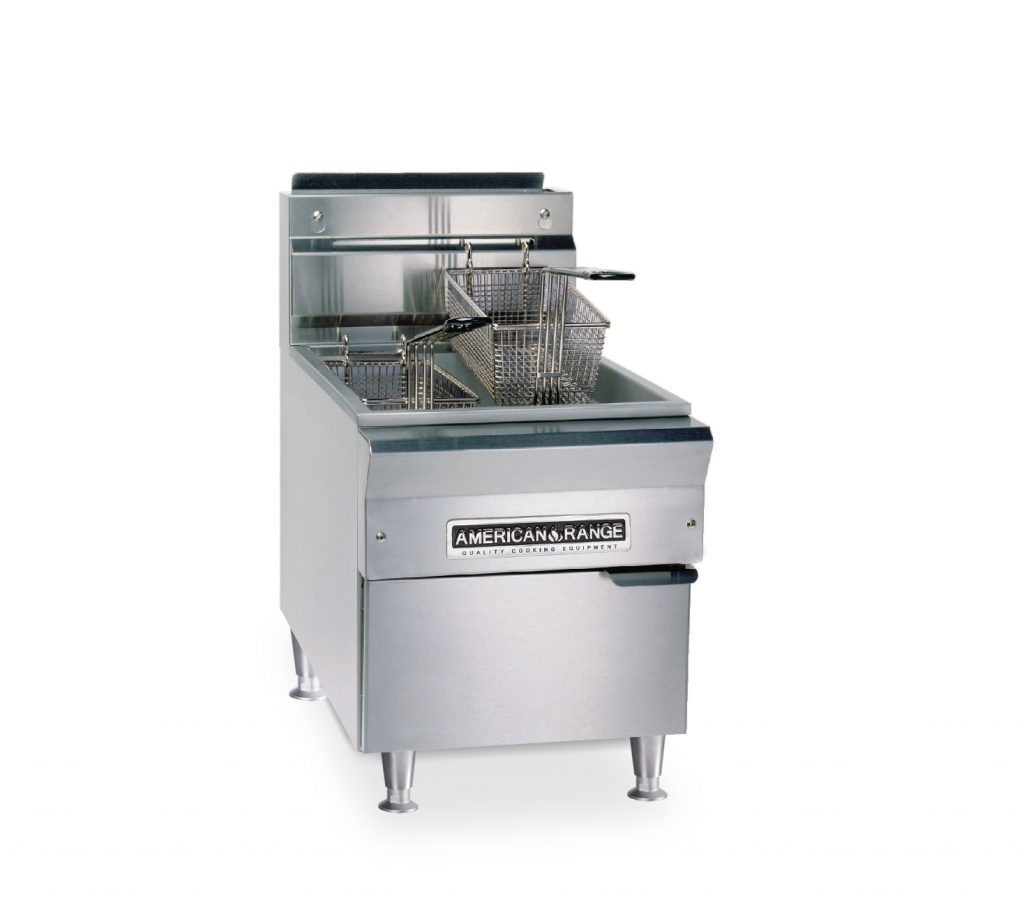
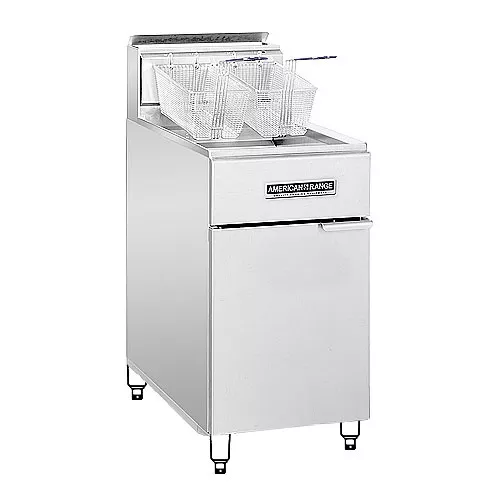
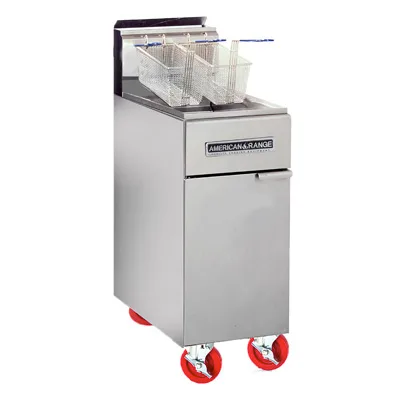
Choosing the right fryer depends on your menu, available space, utility setup, and daily output. Countertop fryers are a practical option for smaller kitchens, light-volume applications, and food trucks, while floor fryers are better suited for restaurants and operations that need higher oil capacity and faster recovery times. If you are comparing gas and electric models, it is important to consider not only performance, but also installation requirements, ventilation, energy availability, and long-term workflow efficiency.
Our fryer collection includes equipment built for demanding commercial use, with options for a variety of capacities, basket configurations, and kitchen layouts. Whether you need a compact fryer for limited-space service or a heavy-duty model for continuous production, Atlantic helps you find equipment that matches your business. Explore our commercial fryer selection to find reliable solutions for restaurants, delis, supermarkets, and professional kitchens.
Show less
Choose Fryer Type:
Choose Power Type:
Free ShippingQuick Shipping

Free ShippingQuick Shipping
Free Shipping
Free Shipping
Free Shipping
Free ShippingQuick Shipping
Free ShippingQuick Shipping
Free ShippingQuick Shipping
Free ShippingQuick Shipping
Free ShippingQuick Shipping
Free ShippingQuick Shipping
Recently viewed
What to know before you buy
Buying the right commercial fryer starts with understanding how it will be used in your kitchen. A small deli, food truck, or concession setup may do well with a compact countertop fryer, while a high-volume restaurant usually needs a floor model with greater oil capacity and faster recovery times. Your menu matters too. If you are frying large quantities throughout the day, consistency, output, and recovery speed become much more important than just upfront price. You should also decide between gas and electric fryers early in the process. Gas fryers are often preferred in high-volume operations for their strong heat recovery and frying performance, while electric fryers can be a practical choice for locations where gas service is limited or where electrical equipment better fits the kitchen setup. Beyond power source, pay close attention to fryer size, oil capacity, basket configuration, ventilation requirements, and available floor space. Choosing a fryer that matches your kitchen’s workflow can improve speed, reduce oil waste, and help maintain product quality during busy service hours. Whether you operate a restaurant, deli, supermarket kitchen, food truck, or concession business, the best fryer is not simply the biggest or most expensive one. It is the one that fits your production needs, utility access, menu type, and kitchen layout. Taking the time to compare fryer types before you buy can help you avoid costly mistakes and choose equipment that performs reliably over the long term.
F.A.Q.
What is the difference between a commercial deep fryer and a residential fryer?
Commercial deep fryers are built for continuous, high-volume use and feature larger oil capacities, faster heat recovery, and reinforced stainless steel construction. Residential fryers are designed for occasional use and cannot maintain consistent temperatures during busy service periods.
Should I choose a gas or electric commercial deep fryer?
Gas deep fryers heat up faster and are often more cost-effective for high-volume kitchens, while electric deep fryers offer precise temperature control and easier installation. The right choice depends on your kitchen setup, energy availability, and production needs.
How much oil capacity do commercial deep fryers typically have?
Commercial deep fryers usually range from 30 to 80 pounds of oil capacity per fryer, depending on whether they are countertop or floor models. Higher oil capacity allows for larger batch frying and better temperature stability during peak hours.
What features help extend oil life in a commercial deep fryer?
Cold zone technology, efficient burners or heating elements, and proper temperature control help prevent food particles from burning. These features extend oil life, reduce waste, and improve the overall quality of fried food.
Are commercial deep fryers required to meet safety and sanitation standards?
Yes, commercial deep fryers are typically ETL and sanitation certified and include safety features such as high-limit thermostats and automatic shut-off systems. These features help ensure compliance with local health and fire codes while protecting kitchen staff.