
Commercial Ice Machines

Shop commercial ice machines for restaurants, bars, cafés, hotels, convenience stores, supermarkets, and other foodservice operations. Compare undercounter ice makers, modular ice machine heads, ice machines with bins, dispensers, and storage bins from trusted brands such as Hoshizaki, Manitowoc, Atosa, Serv-Ware, and Coldline.Use the filters to compare daily ice production, ice type, voltage, machine design, condenser type, and price. From compact undercounter units to high-capacity modular ice makers, Atlantic can help you choose the right model for your space, plumbing and electrical requirements, and peak ice demand. Nationwide shipping is available.
Showing 145 - 149 of 149 products
View
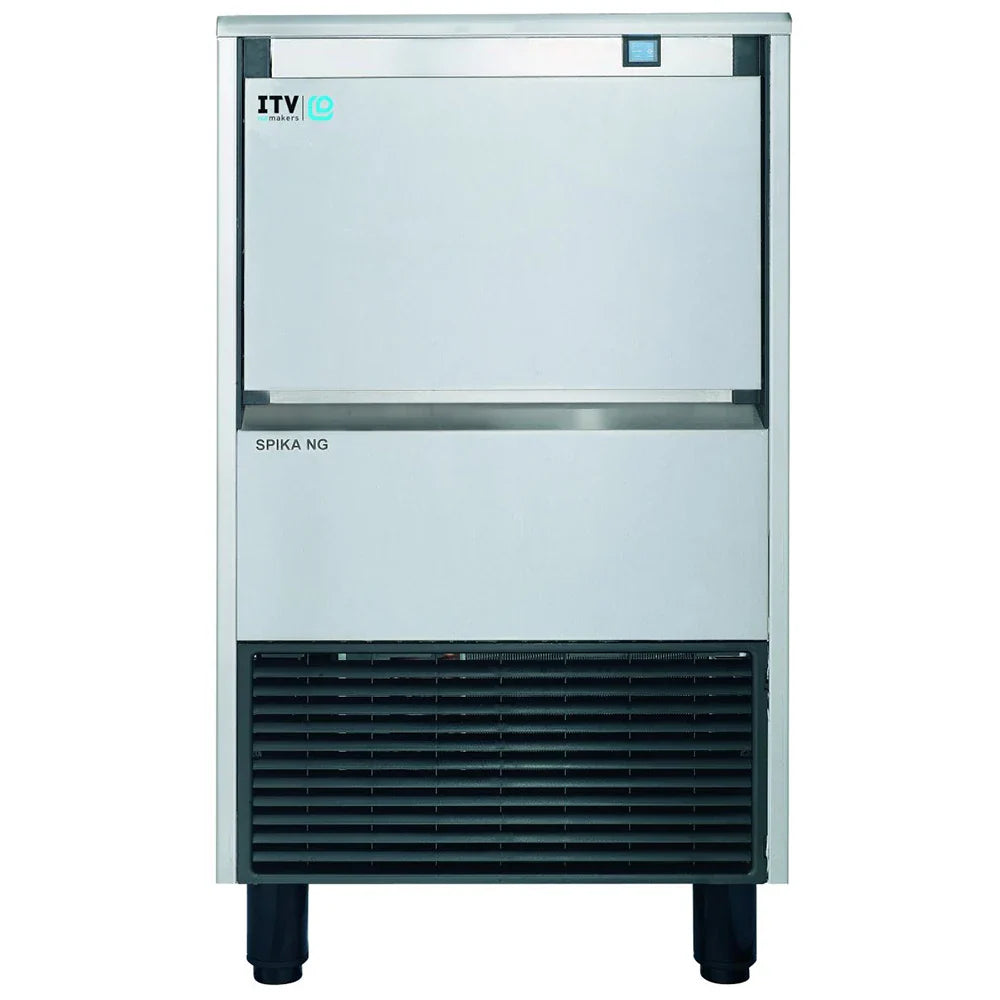
Itv  SPIKA NG 130 A1F 21"W Full Cube Undercounter Ice Maker - 134 lbs
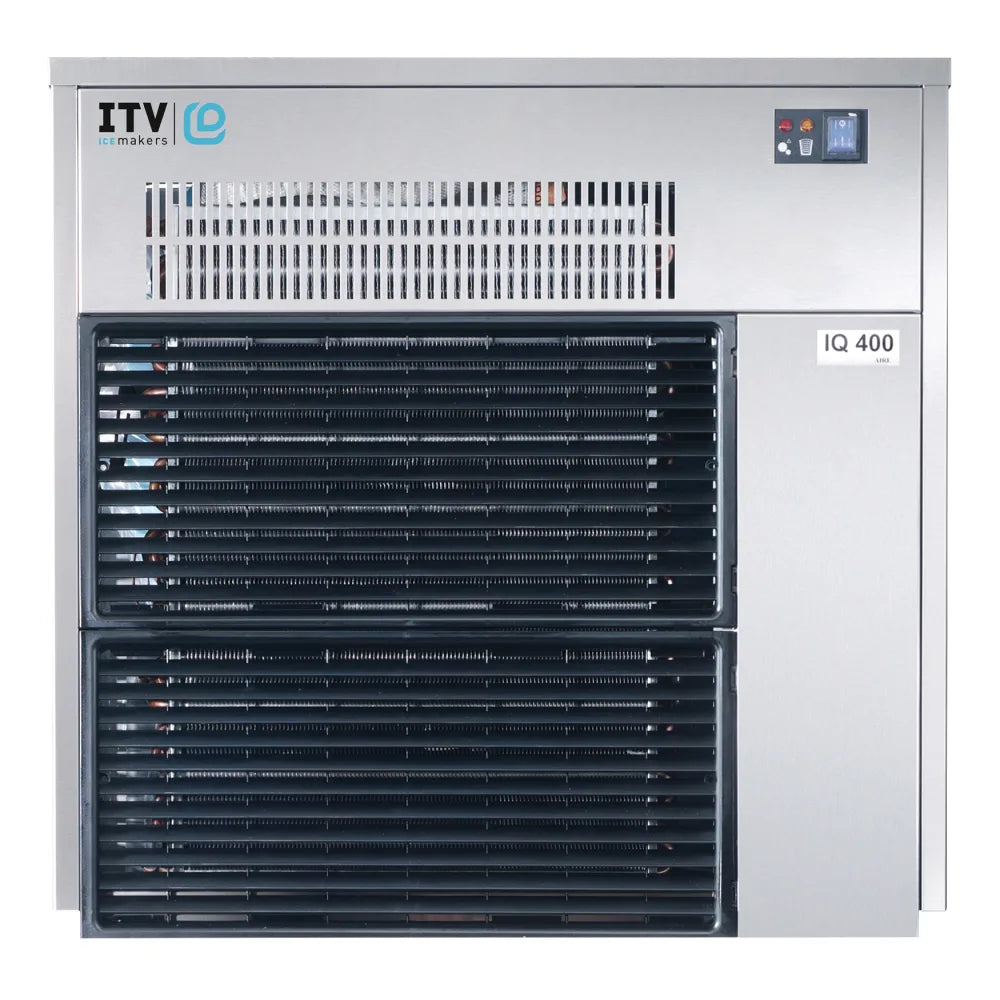
Itv  IQ900 5/8" Ice Queen Flake Ice Machine Head - 980 lb/24 hr, Air Cooled
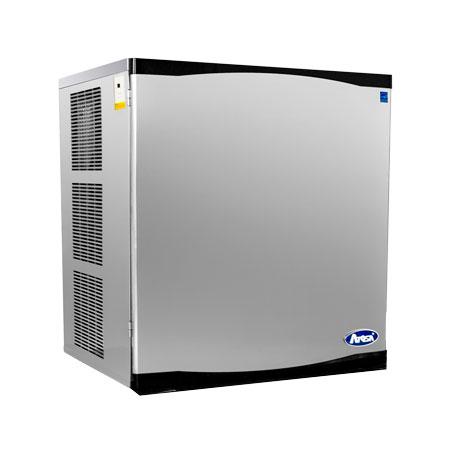
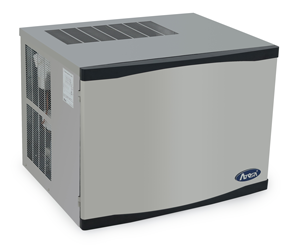
Atosa YR800-AP-261 (No Ice Bin) 800 lb/24hr Modular Ice MakerAtosa YR800-AP-261 (No Ice Bin) 800 lb/24hr Modular Ice Maker
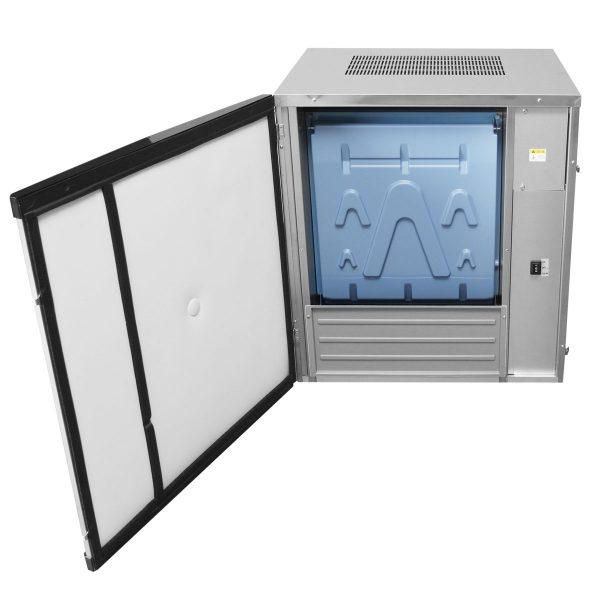
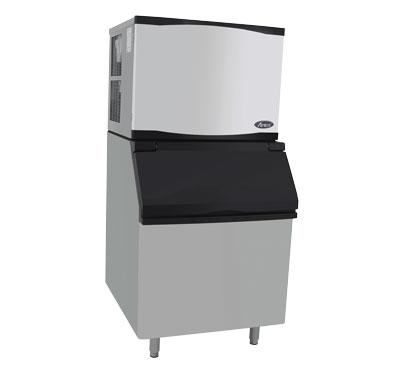
Atosa YR450-AP-161 (No Ice Bin) 460 lb/24hr Modular Ice MakerAtosa YR450-AP-161 (No Ice Bin) 460 lb/24hr Modular Ice Maker
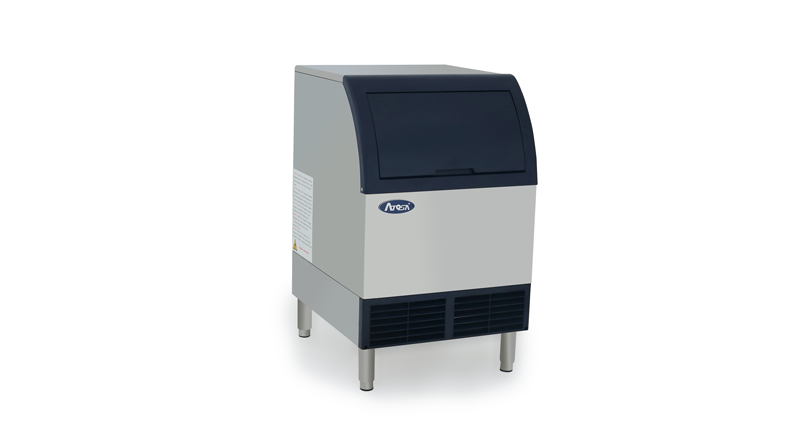
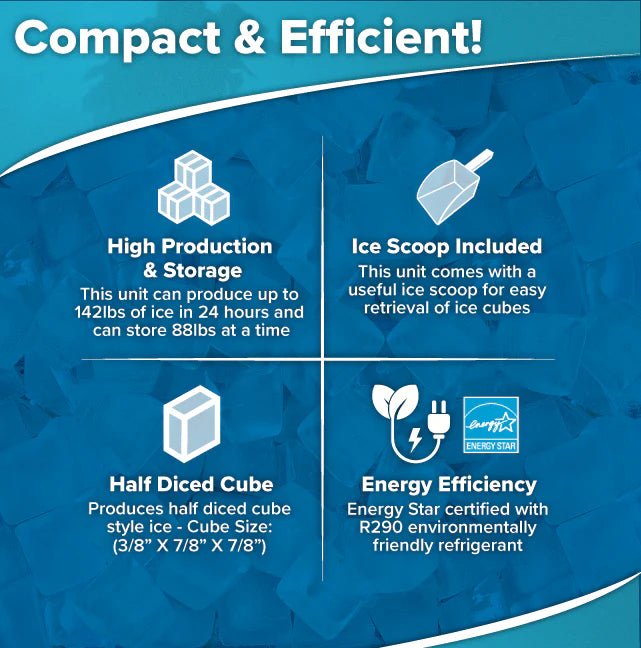
Atosa YR140-AP-161 142 lb/24hr Undercounter Ice MakerAtosa YR140-AP-161 142 lb/24hr Undercounter Ice Maker
Atosa Atosa YR140-AP-161 142 lb/24hr Undercounter Ice Maker
Sale price$1,850.00
/ Ea.

Free Shipping

Commercial Ice Machine Buying Guides

The right ice machine keeps your business running without costly shortages.
Talk to our specialists and choose the best model for your daily ice demand.
Call an Expert

Recently viewed

What to Know Before Buying a Commercial Ice Machine

Common questions

How much ice does a commercial ice machine produce per day?

Commercial ice machines can produce anywhere from about 50 lb to over 1,000 lb of ice per day, depending on the model, size, and operating conditions. Smaller undercounter ice machines are often used for cafés, offices, small bars, and breakrooms, while larger modular ice machines are designed for restaurants, hotels, supermarkets, convenience stores, and other high-volume foodservice operations. Always compare the machine’s daily ice production rating with your peak demand, not just your average daily use.

What size commercial ice machine do I need for my business?

The right commercial ice machine size depends on your business type, beverage volume, seating capacity, peak hours, and whether you use ice for drinks, food display, seafood, catering, or back-of-house prep. Small cafés and offices may only need 80–150 lb of ice per day, while bars, restaurants, hotels, and convenience stores may need 250–500 lb or more. If your business has lunch or dinner rushes, outdoor seating, catering, or high drink volume, it is usually better to choose extra production capacity so you do not run out of ice during busy periods.

What is the difference between undercounter and modular ice machines?

Undercounter ice machines are compact, self-contained units that usually include built-in ice storage. They are a good choice for cafés, bars, offices, small restaurants, and locations with limited space. Modular ice machines, sometimes called ice machine heads, are designed for higher daily ice production and usually require a separate ice storage bin or dispenser. Modular models are commonly used in restaurants, hotels, supermarkets, convenience stores, and other high-volume commercial kitchens.

Do I need a separate ice storage bin?

It depends on the type of commercial ice machine you choose. Many undercounter ice machines include built-in storage, so a separate bin is usually not required. Modular ice machine heads typically do not include storage and must be paired with a compatible ice storage bin or dispenser. If a product is listed as “head only,” “modular,” or “no bin,” you will need to select the correct bin separately. Always check the product specifications before purchasing.

What is the difference between air-cooled and water-cooled ice machines?

Air-cooled ice machines use surrounding air to help remove heat from the refrigeration system. They are the most common choice for commercial kitchens because they are generally more efficient with water usage and easier to install in many locations. Water-cooled ice machines use water to help cool the system and may perform better in very hot rooms or areas with limited airflow. However, they typically use more water. For most restaurants, bars, cafés, and foodservice businesses, an air-cooled commercial ice machine is the standard choice.

What type of ice is best for restaurants and bars?

The best ice type depends on how your business serves drinks or displays food. Half-cube ice is one of the most popular choices for restaurants, bars, fountain drinks, iced coffee, and general beverage service because it chills drinks quickly and works well in many dispensers. Full-cube ice melts more slowly and is often preferred for cocktails and premium beverages. Nugget ice is soft and chewable, making it popular for soft drinks, healthcare, and convenience stores. Flake ice is commonly used for seafood, produce, and food display.

Do commercial ice machines need a floor drain?

Most commercial ice machines need a drain for melted ice, cleaning cycles, and normal operation. Larger modular ice machines usually require a nearby floor drain. Some undercounter ice machines may use a gravity drain, while others may need a drain pump depending on the installation location. Before ordering, check the product specifications and confirm that your space has the proper drainage setup. If you are unsure, consult a licensed plumber or qualified installer.

Can I install a commercial ice machine myself?

Some small undercounter ice machines may be simple to place in position, but most commercial ice machines require proper water, drain, electrical, and ventilation connections. Modular ice machines may also require a compatible ice bin, correct clearance, and professional setup. For safety, performance, and warranty protection, installation should usually be handled by a qualified technician, plumber, electrician, or refrigeration professional. Always follow the manufacturer’s installation instructions.

Should I use a water filter with my commercial ice machine?

Yes, a water filter is strongly recommended for most commercial ice machines. Proper water filtration can improve ice taste and clarity, reduce scale buildup, and help protect internal components. Water quality can also affect ice production, machine performance, and cleaning frequency. The right filter depends on your local water conditions and the manufacturer’s requirements. For best results, replace filters on schedule and follow the maintenance instructions for your machine.

How often should a commercial ice machine be cleaned?

Cleaning frequency depends on usage, water quality, environment, and manufacturer recommendations. Many commercial ice machines require deep cleaning and sanitizing every 3 to 6 months, but high-volume businesses may need more frequent maintenance. You should also inspect the machine regularly for scale buildup, slime, mineral deposits, clogged filters, and reduced ice quality. If the machine produces cloudy ice, unusual odors, or less ice than normal, it may need cleaning sooner.

Why is my ice machine not producing enough ice?

A commercial ice machine may produce less ice because of dirty condenser coils, poor airflow, clogged water filters, low water pressure, scale buildup, high room temperature, improper clearance, or a problem with the refrigeration system. Ice production can also drop if the machine is installed in a hot kitchen or if maintenance has been delayed. Start by checking the filter, airflow, water supply, and cleaning schedule. If the issue continues, contact a qualified service technician.

Where should I install a commercial ice machine?

A commercial ice machine should be installed in a clean, well-ventilated area with access to the correct electrical connection, water supply, and drain. Avoid placing the machine near high-heat equipment such as ovens, ranges, fryers, or dish machines, because excessive heat can reduce ice production. Make sure there is enough clearance around the unit for airflow, cleaning, and service access. The installation location should also be convenient for staff during daily operations.