
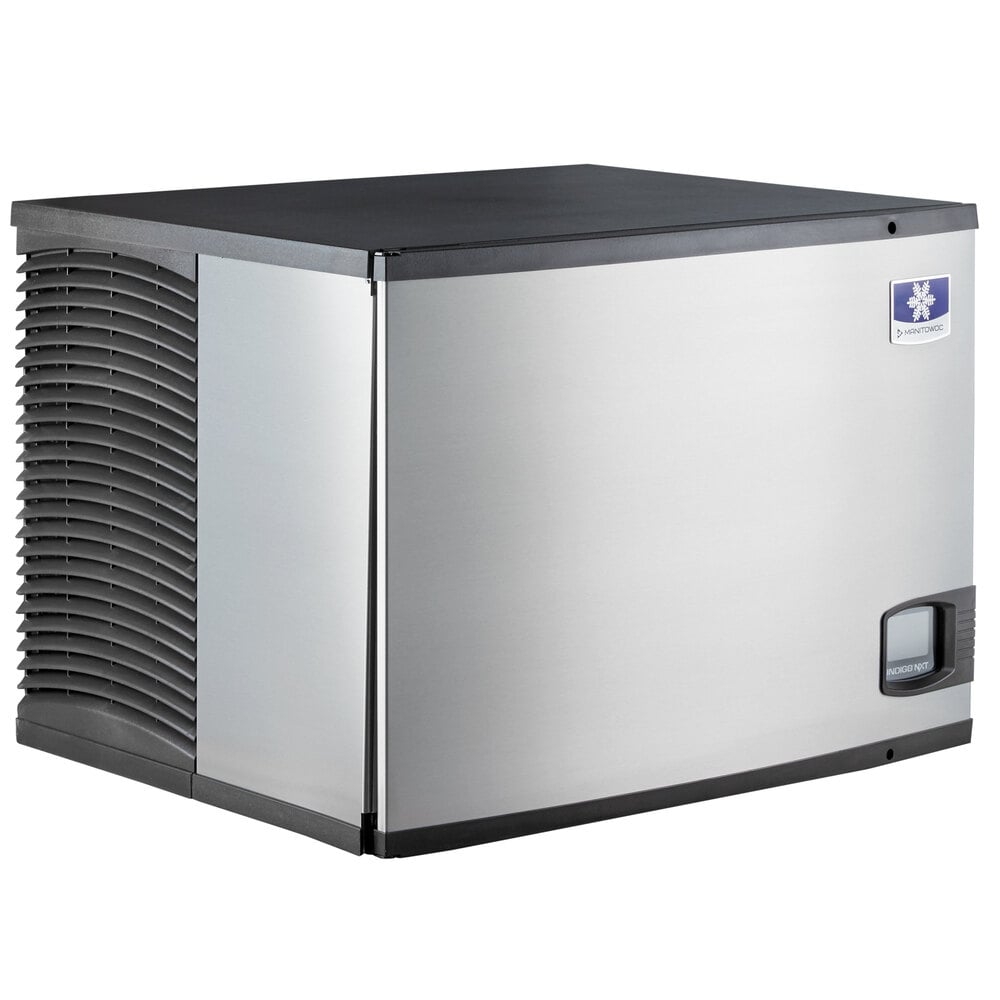
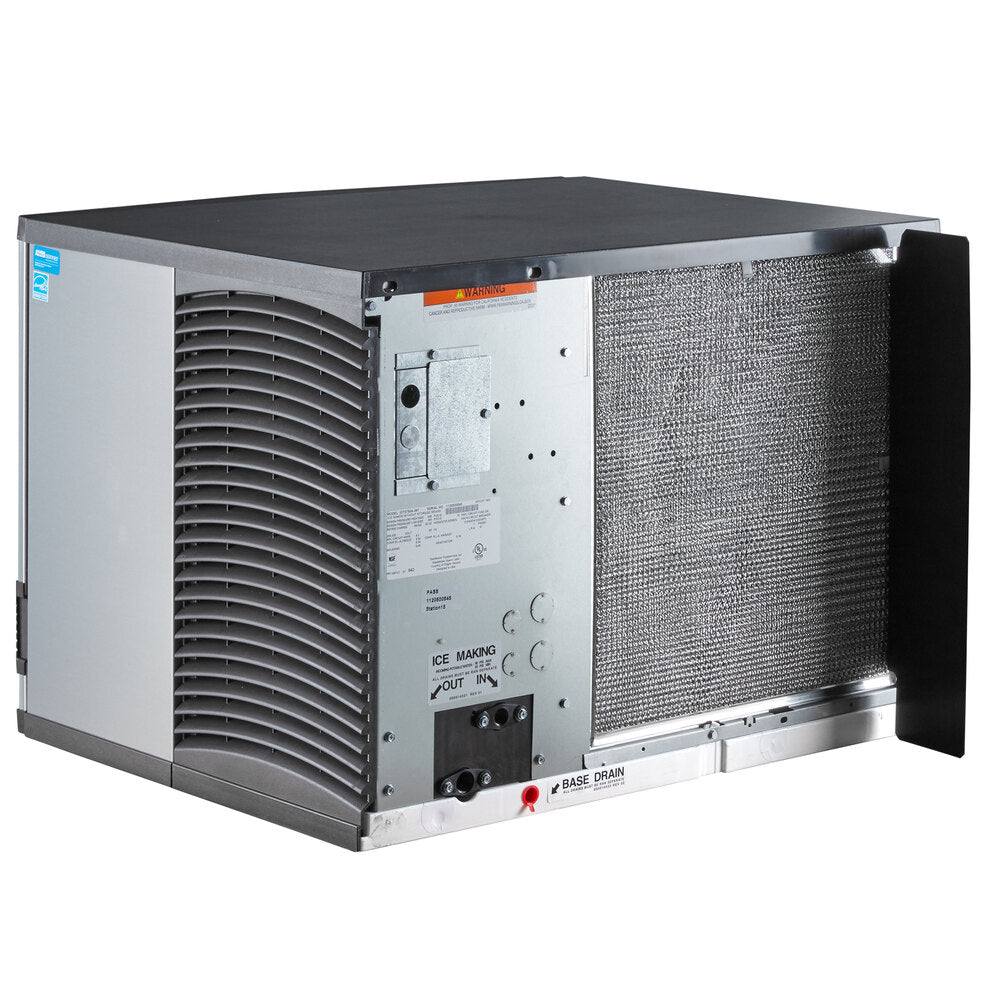
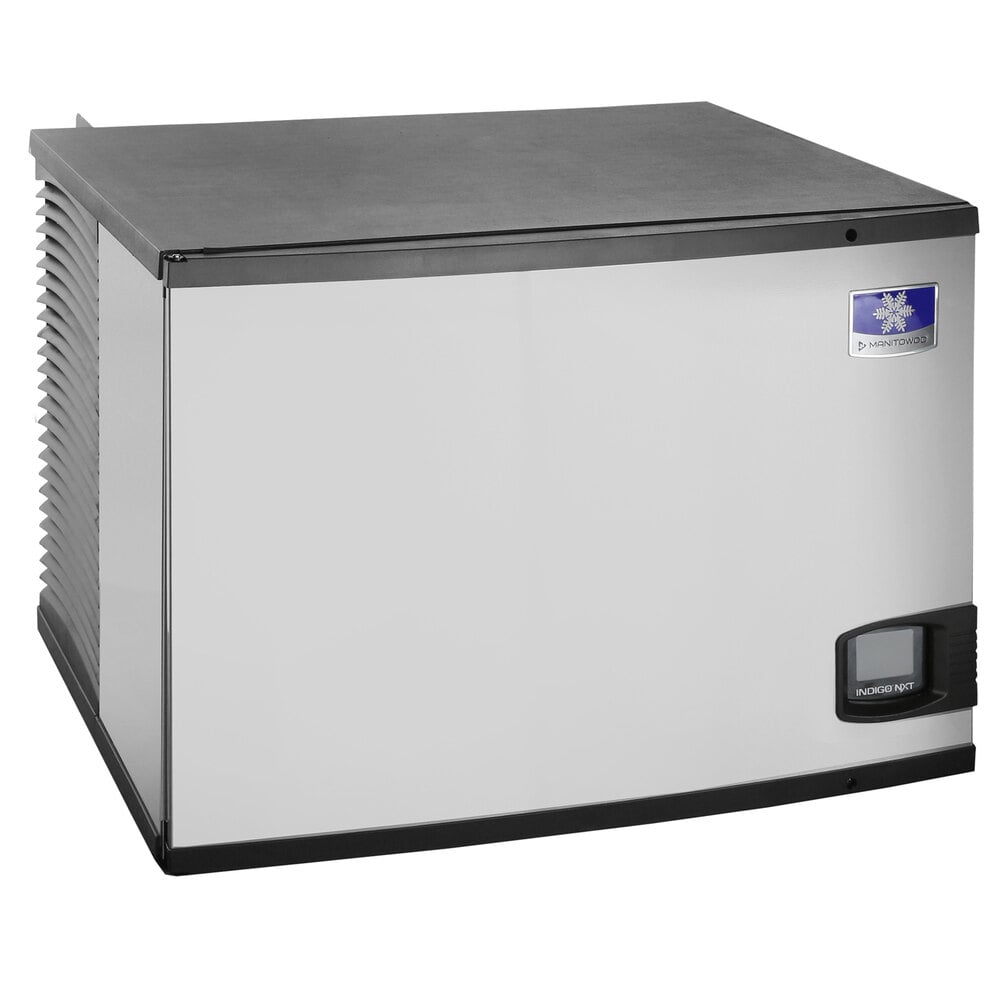
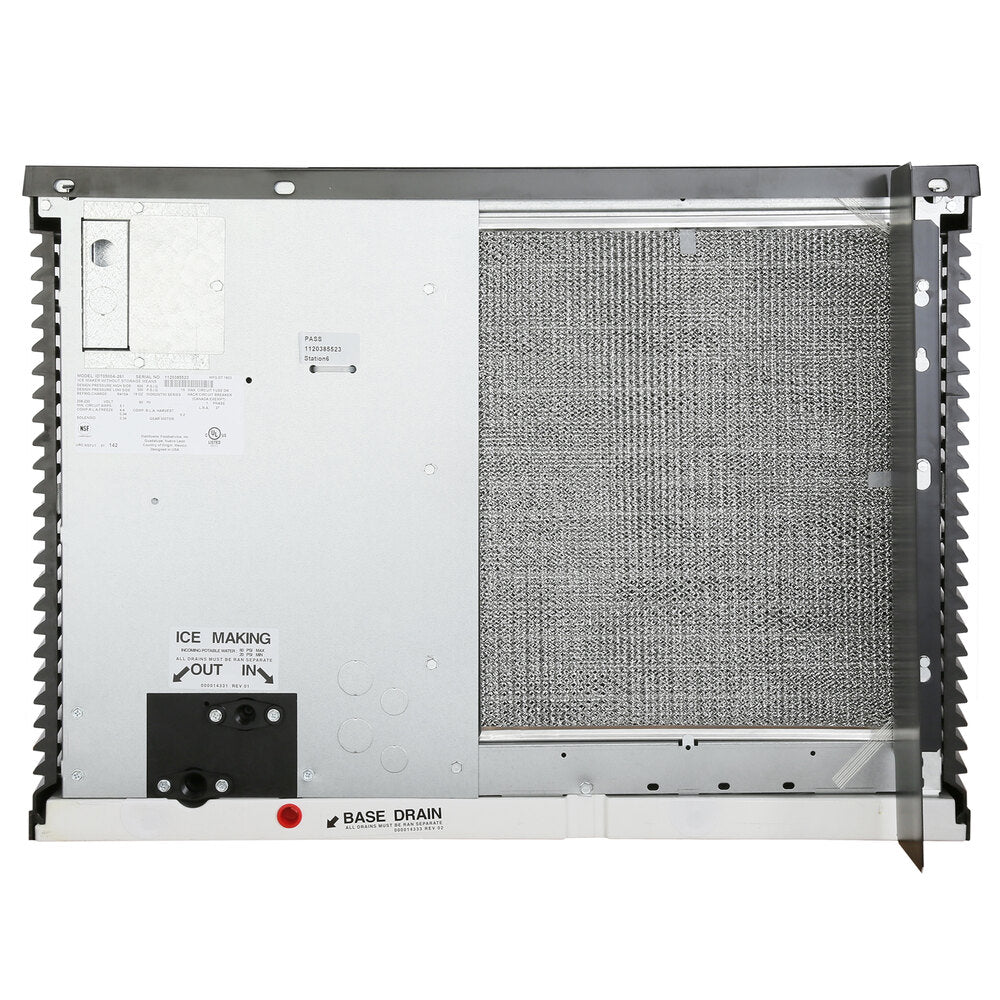
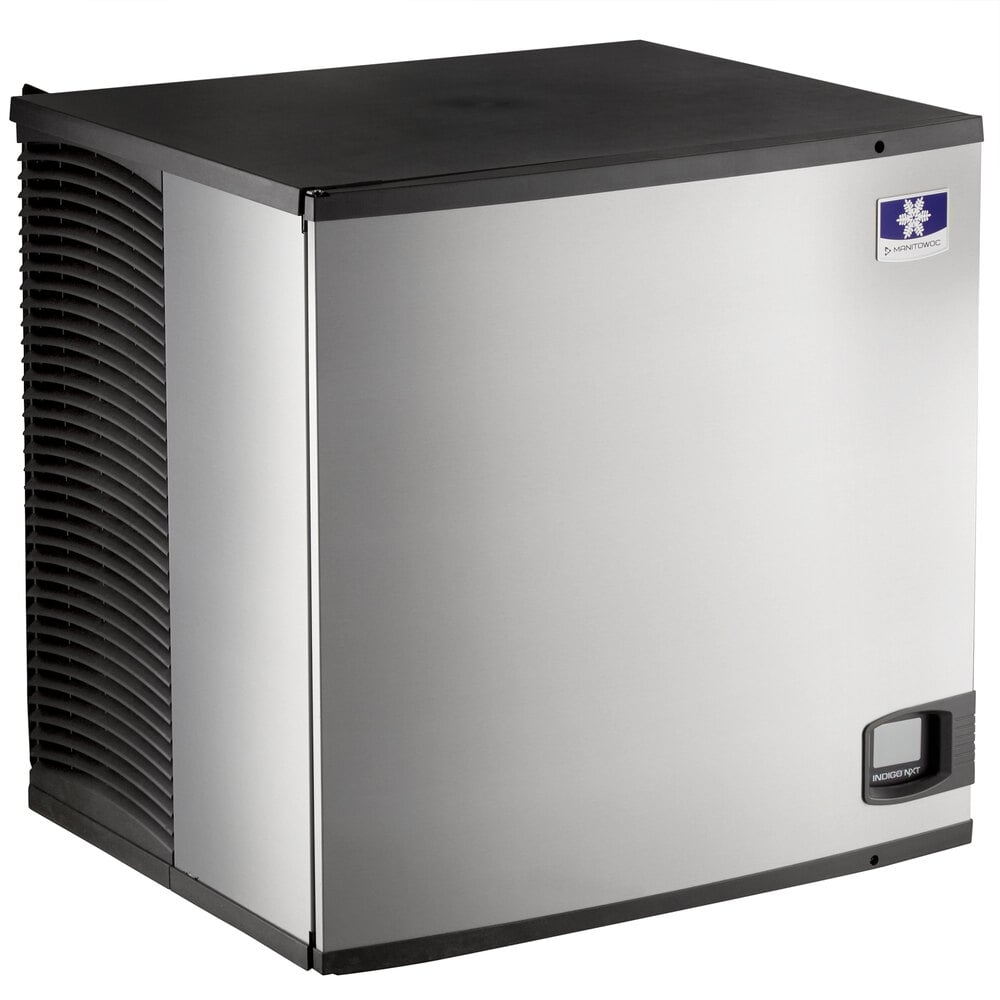
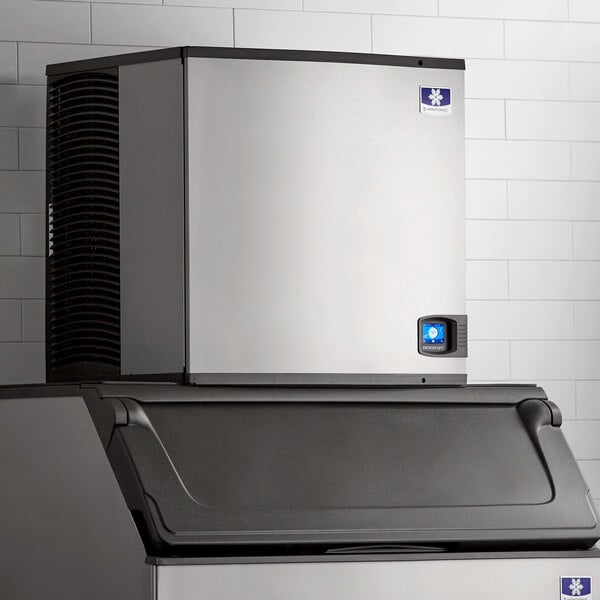
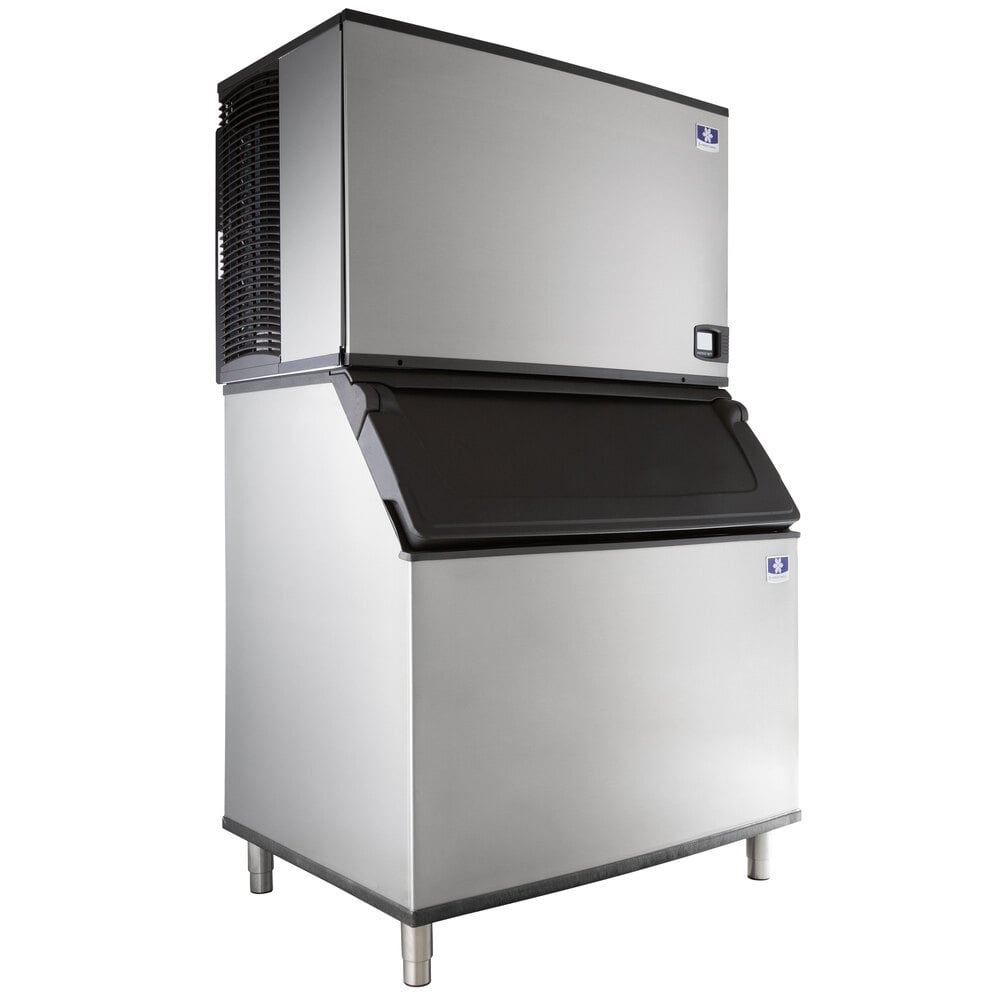
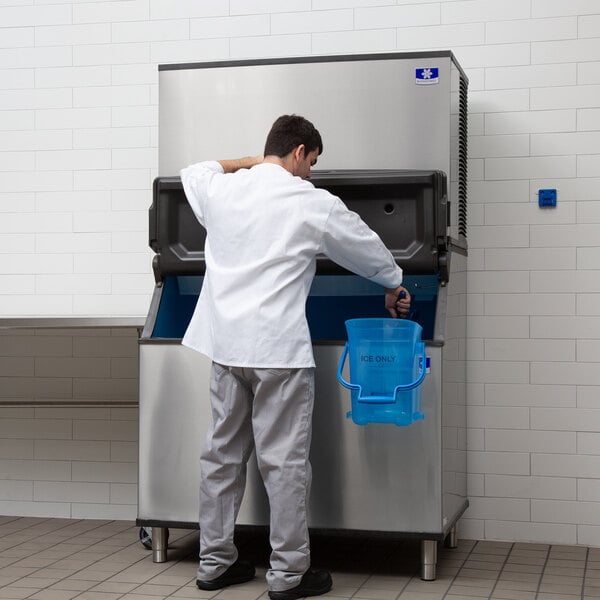
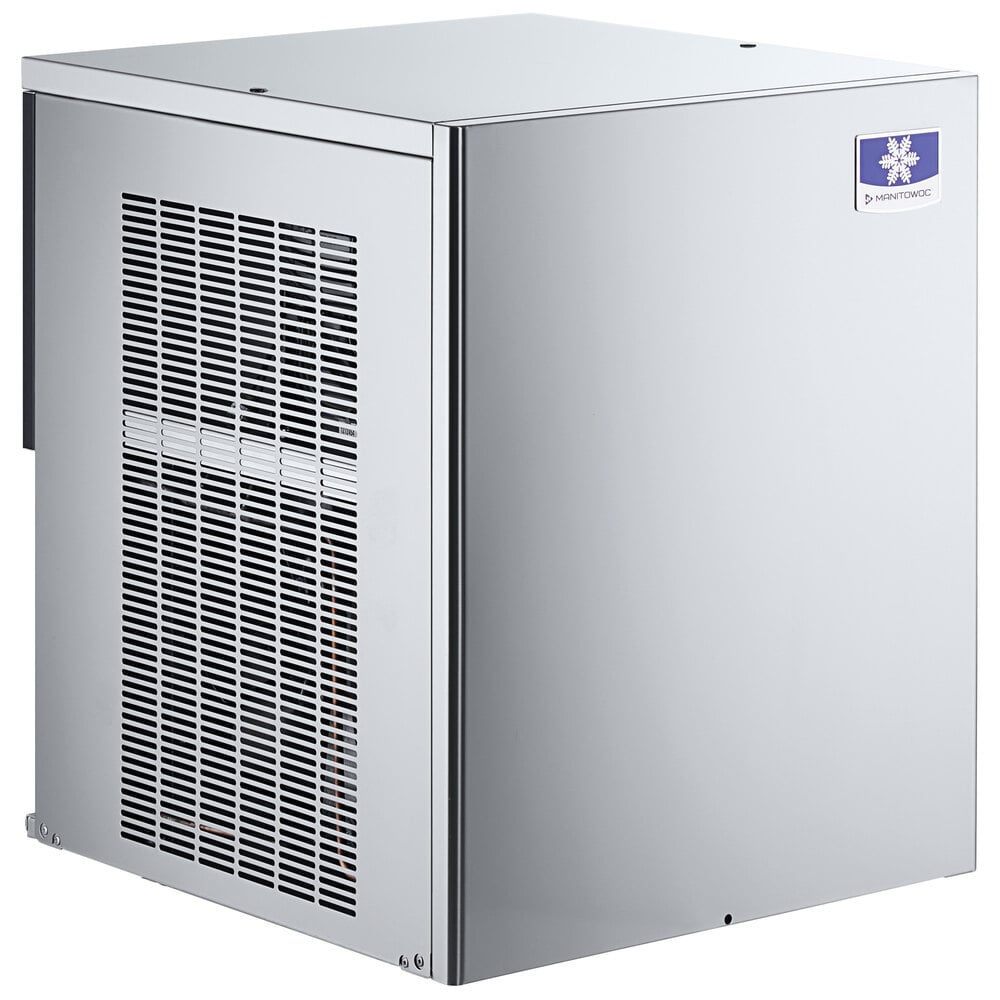
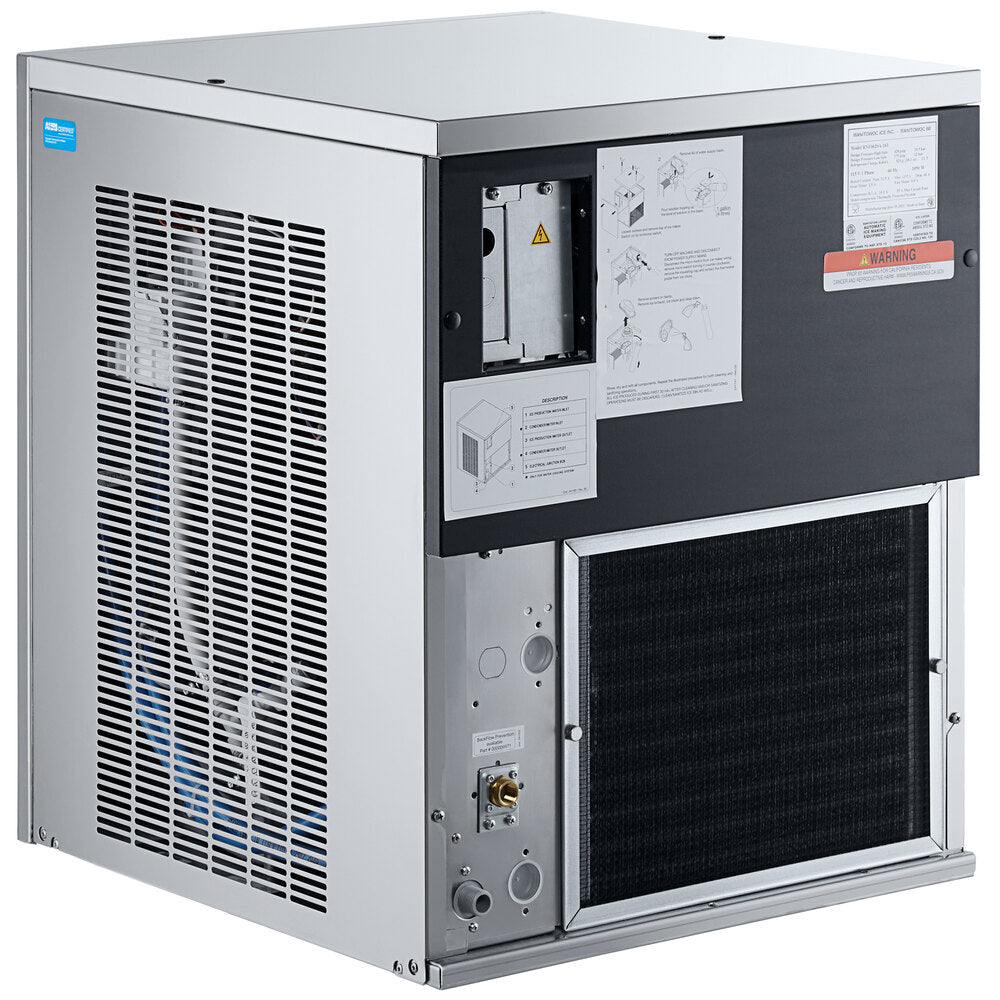
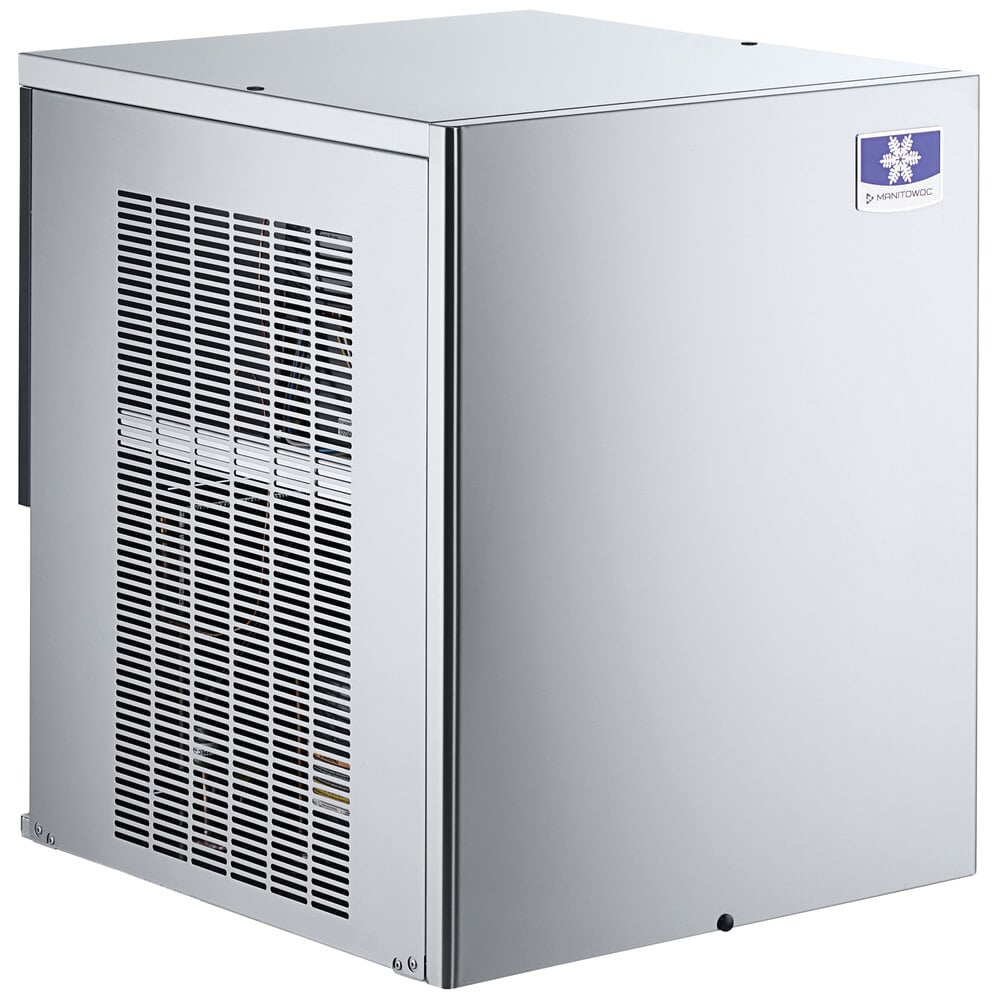
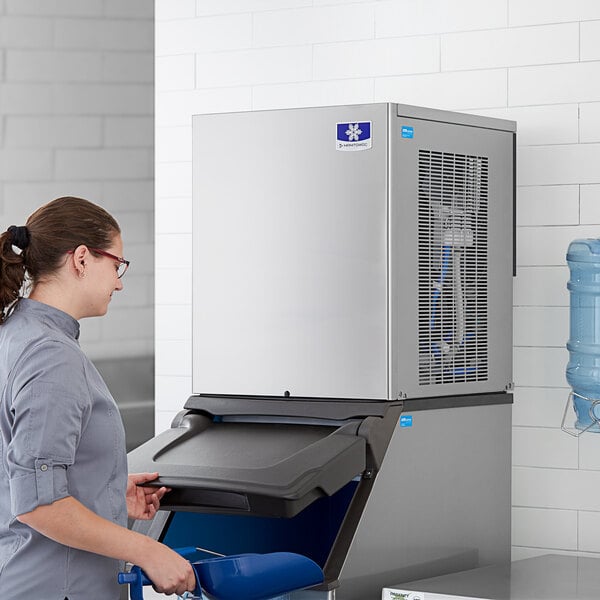
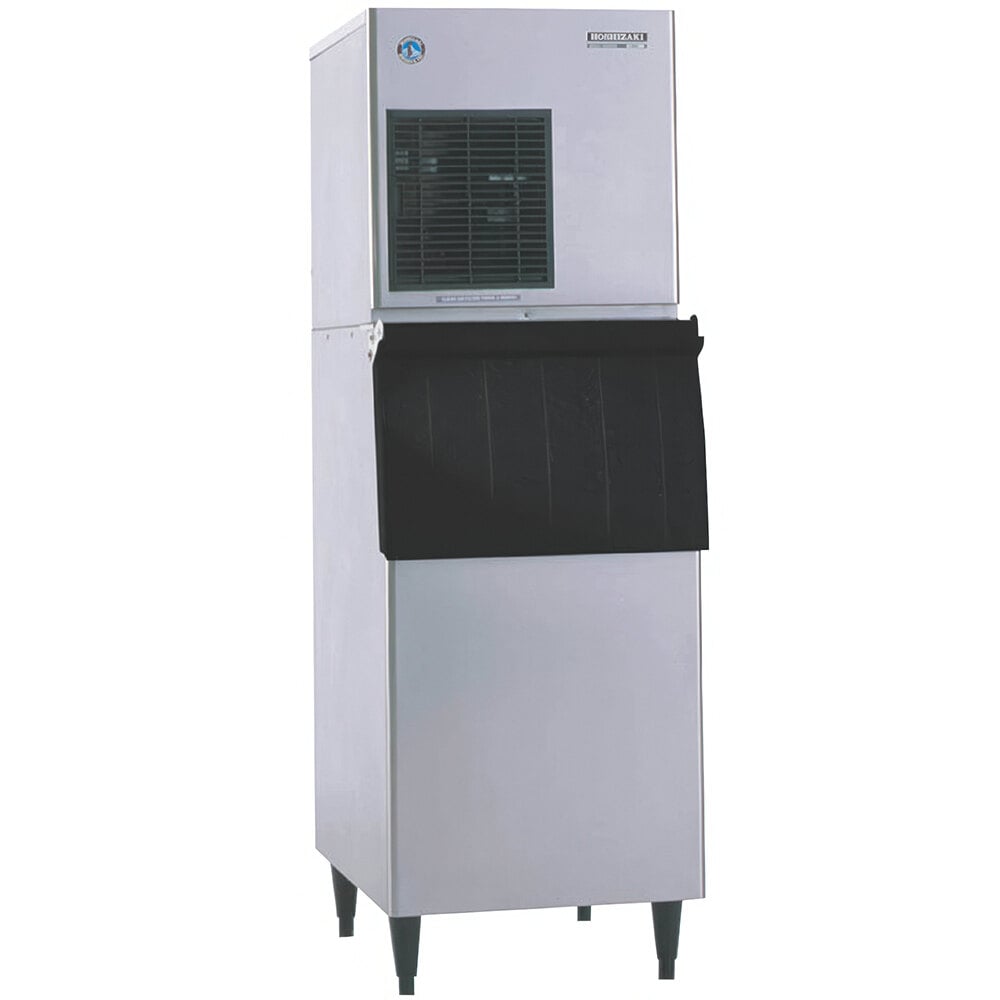
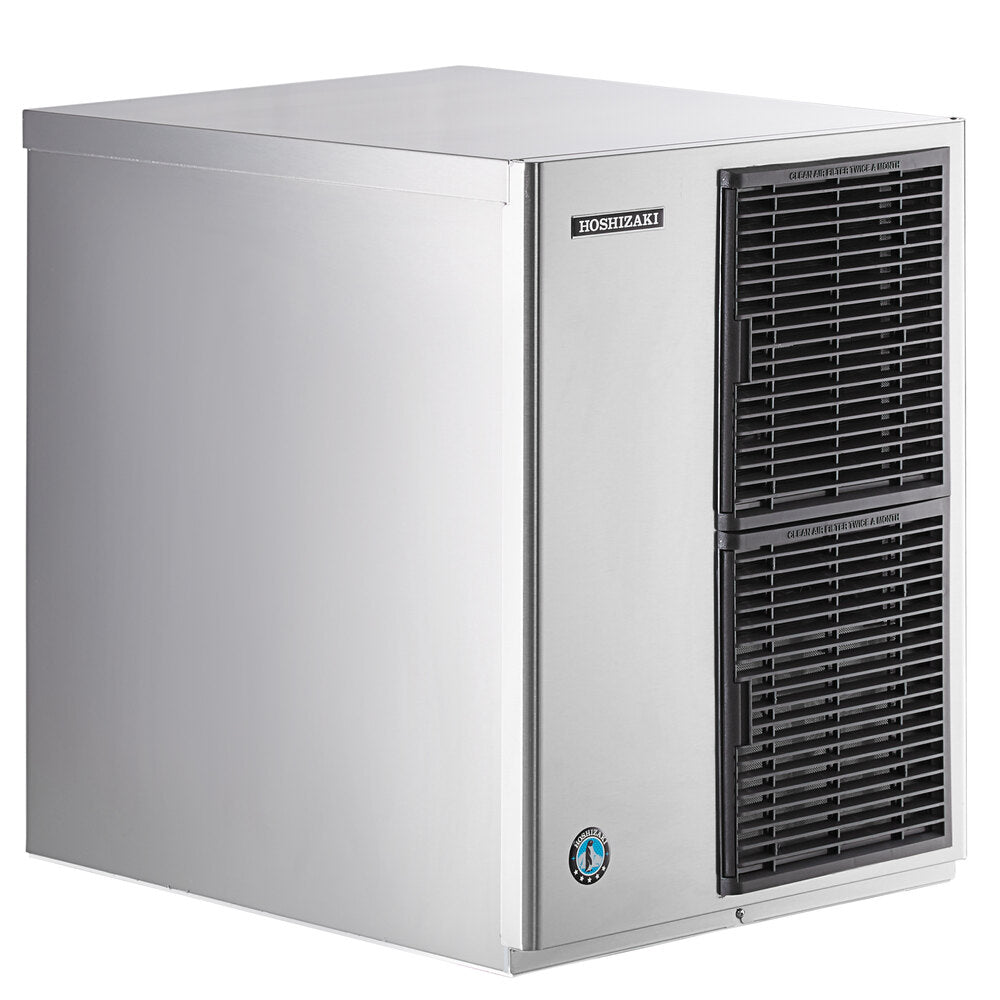
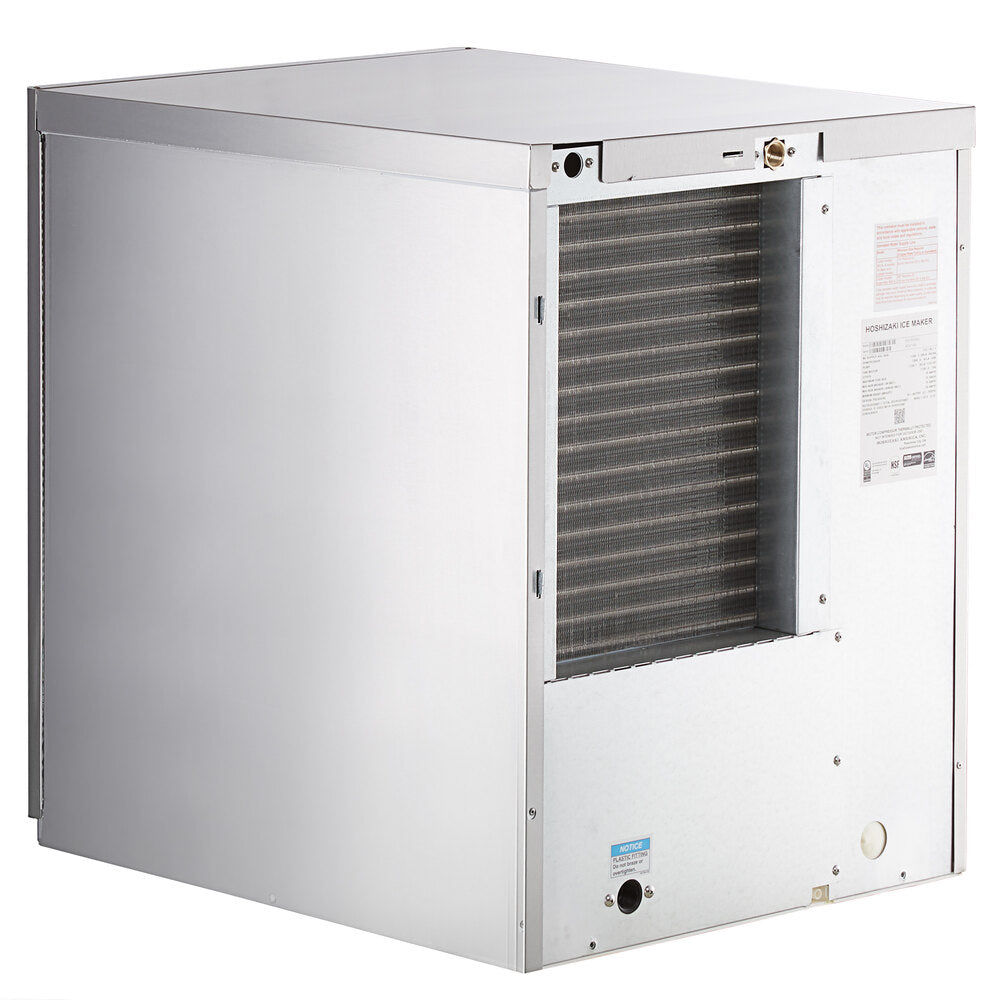
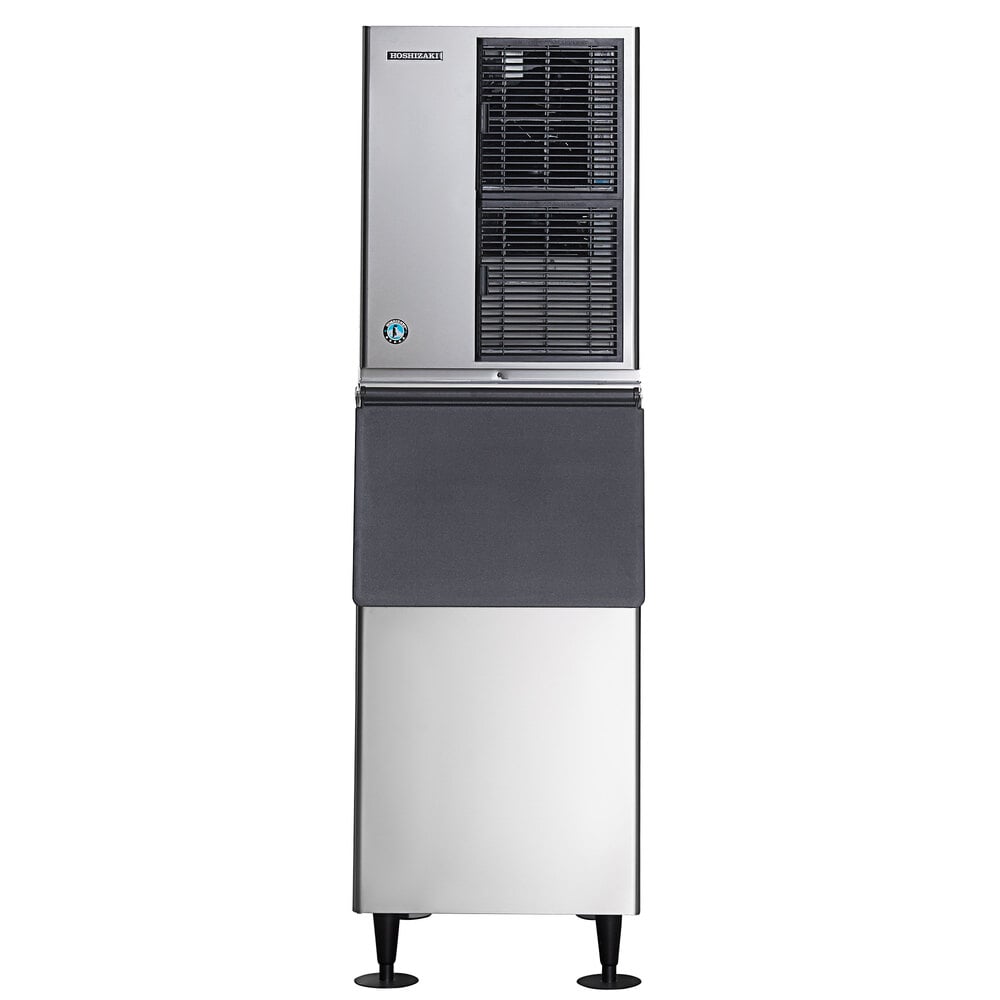
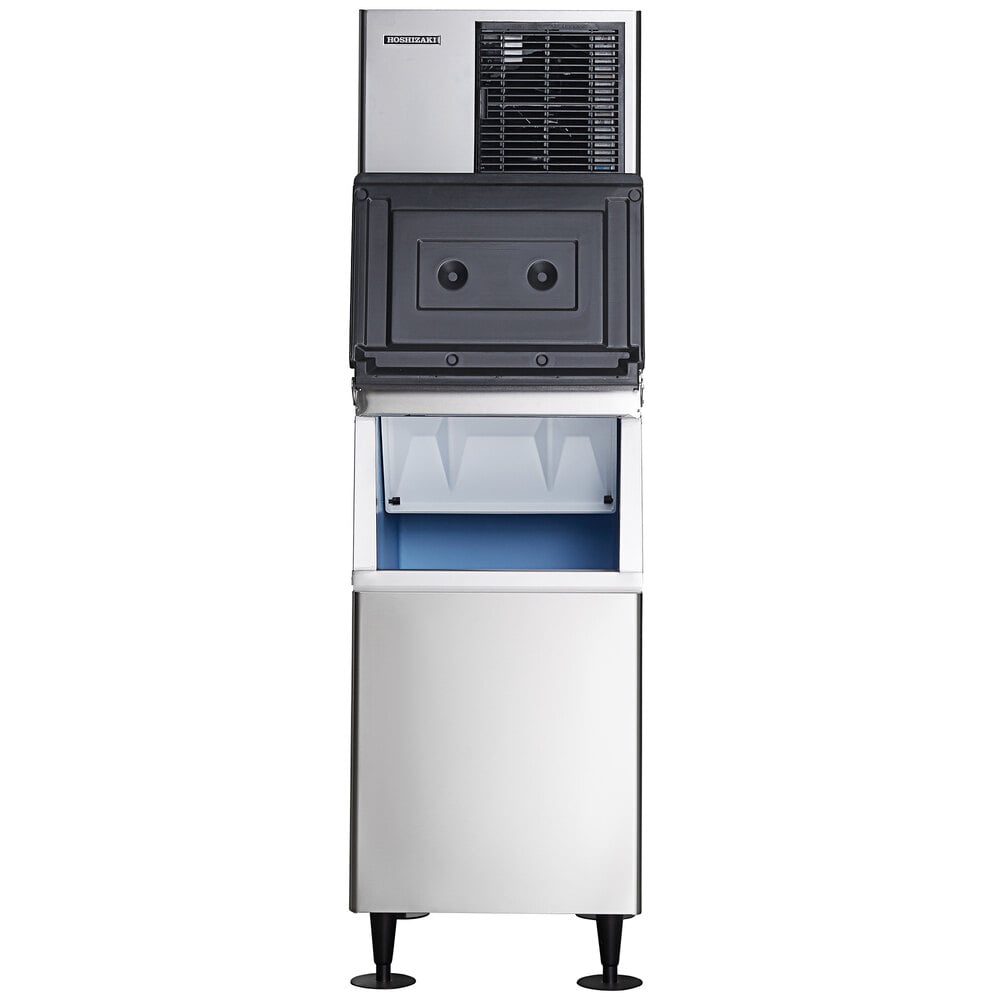

Commercial Ice Machines

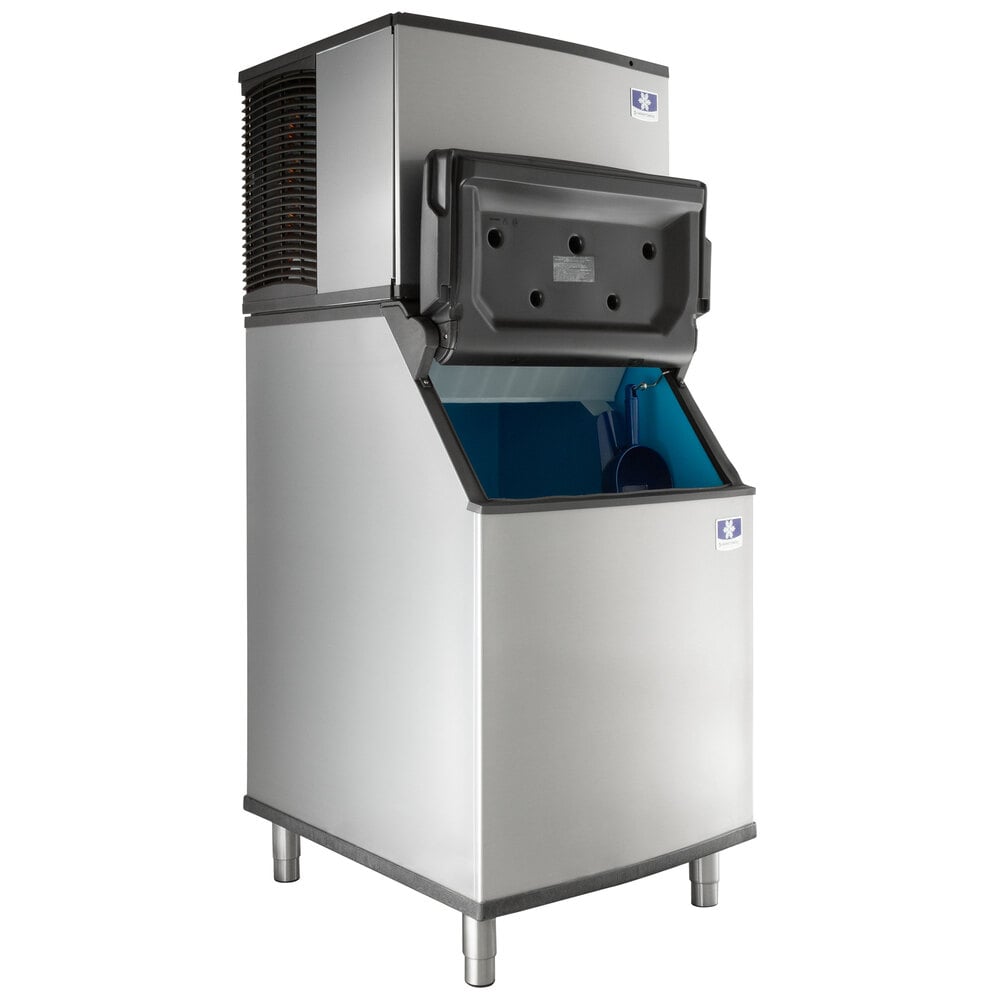
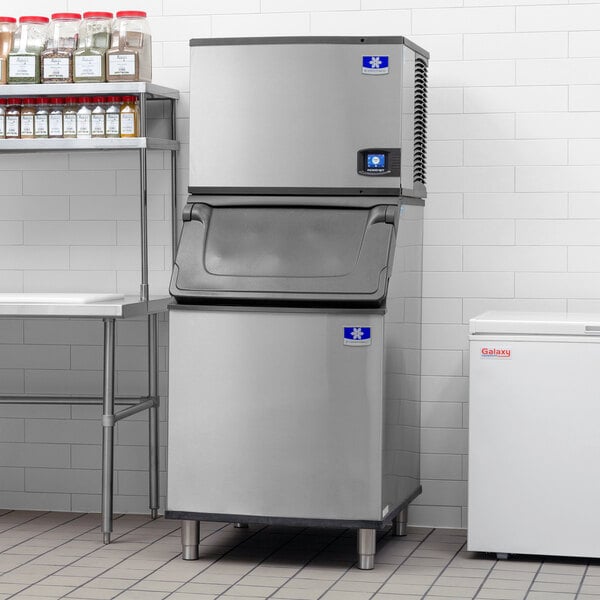
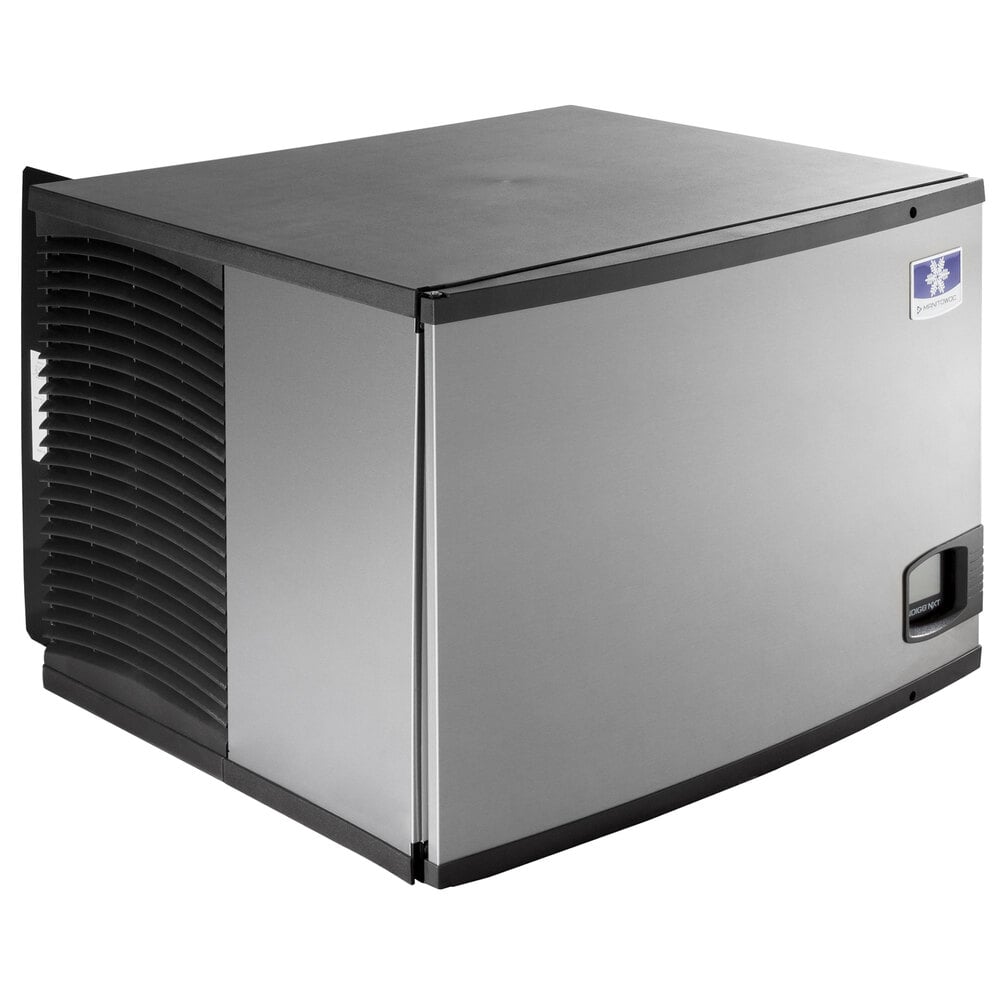
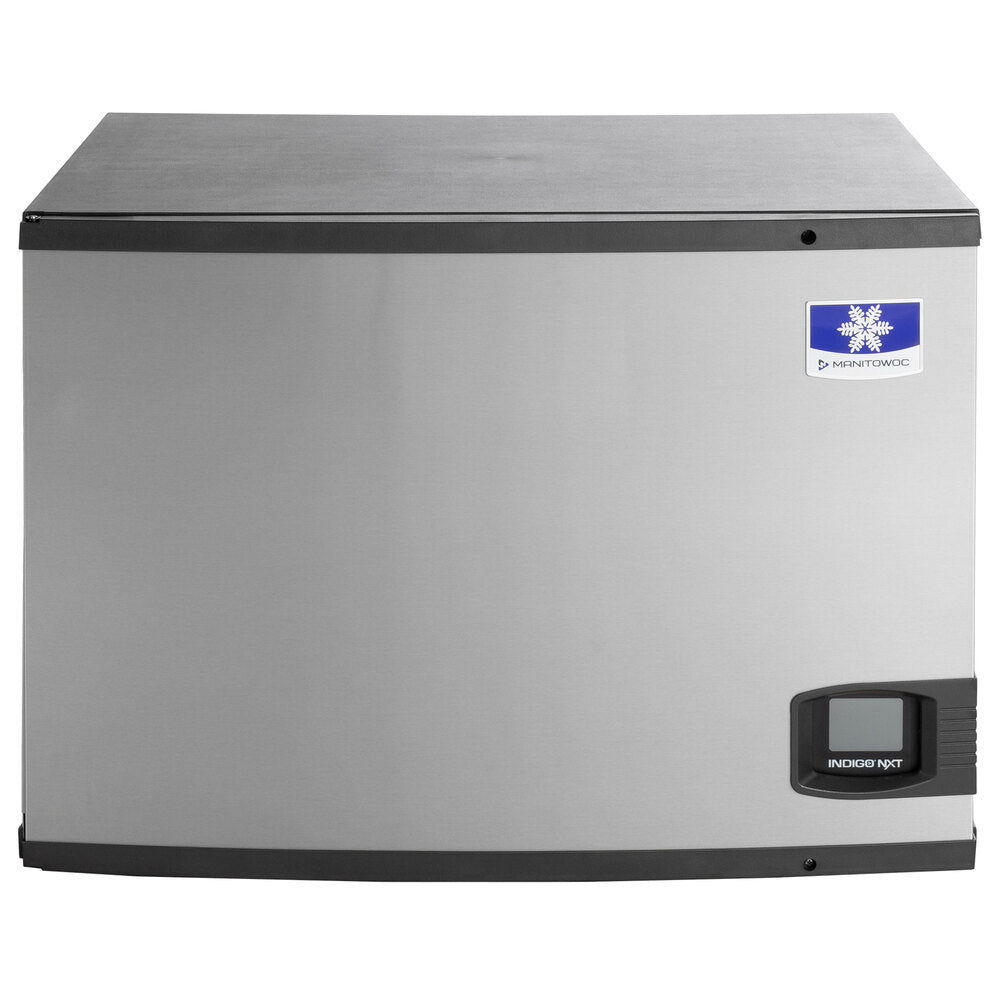
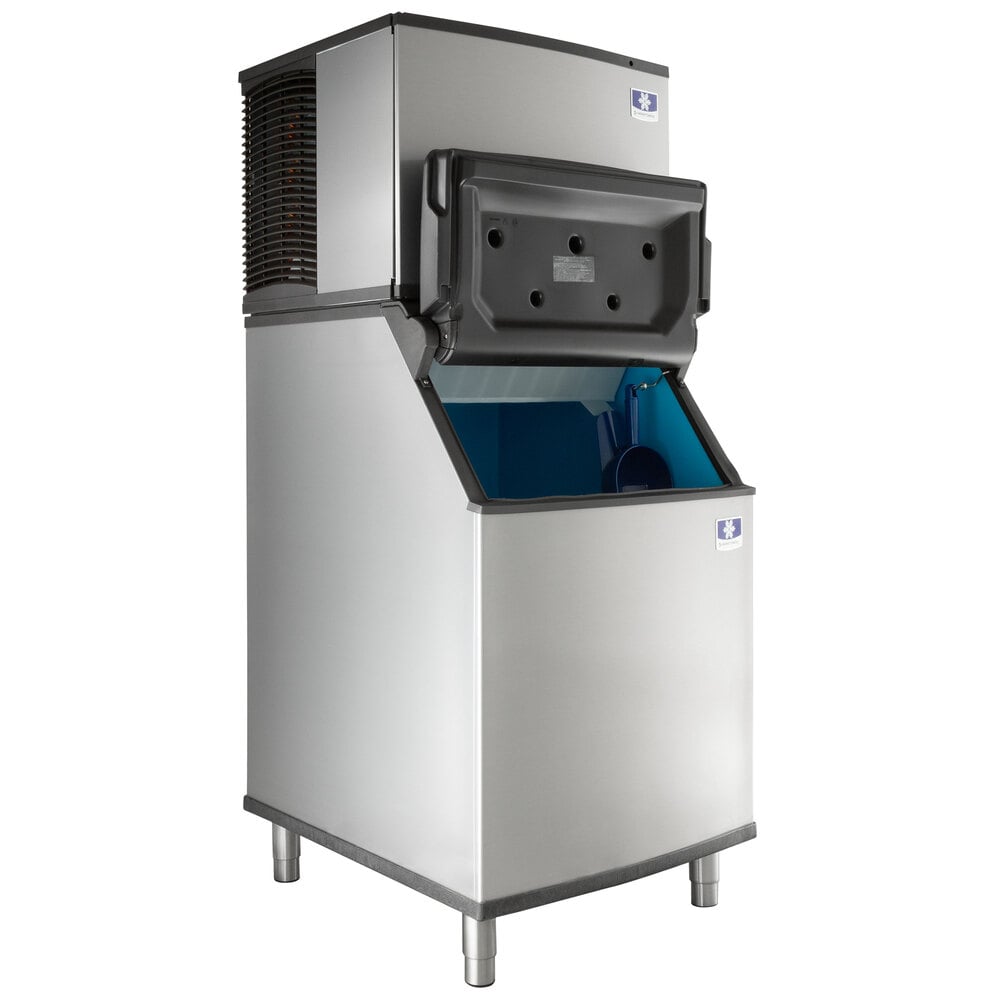
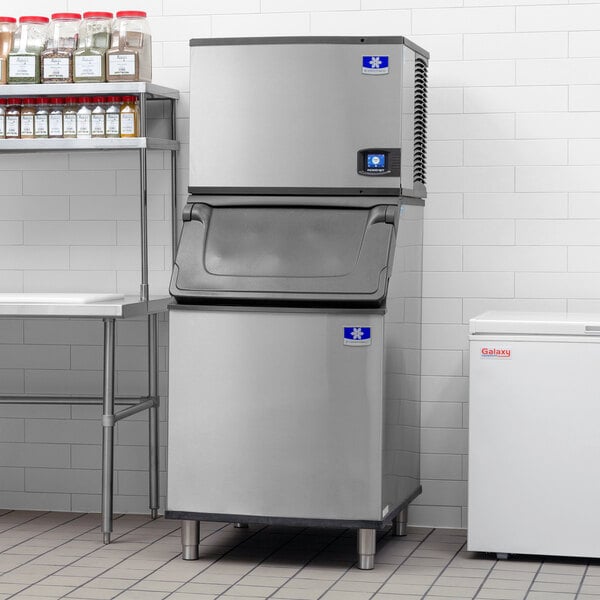
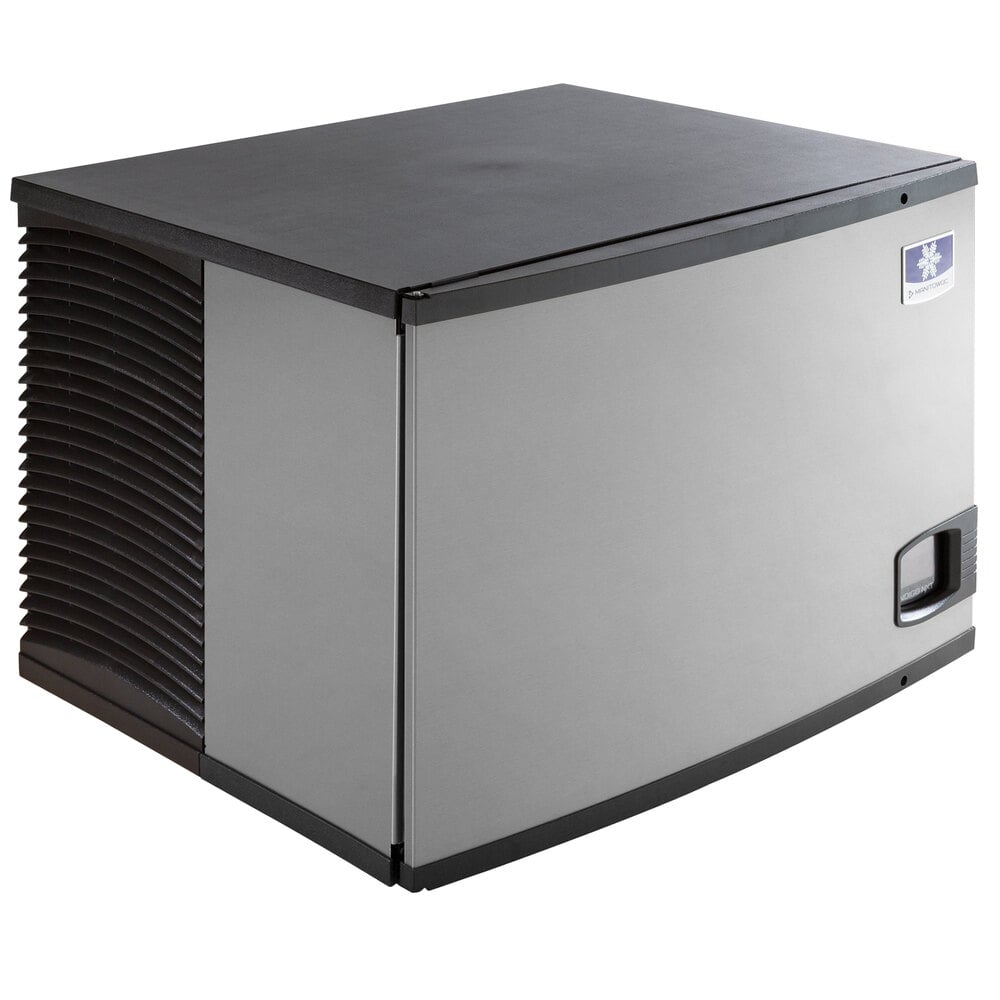
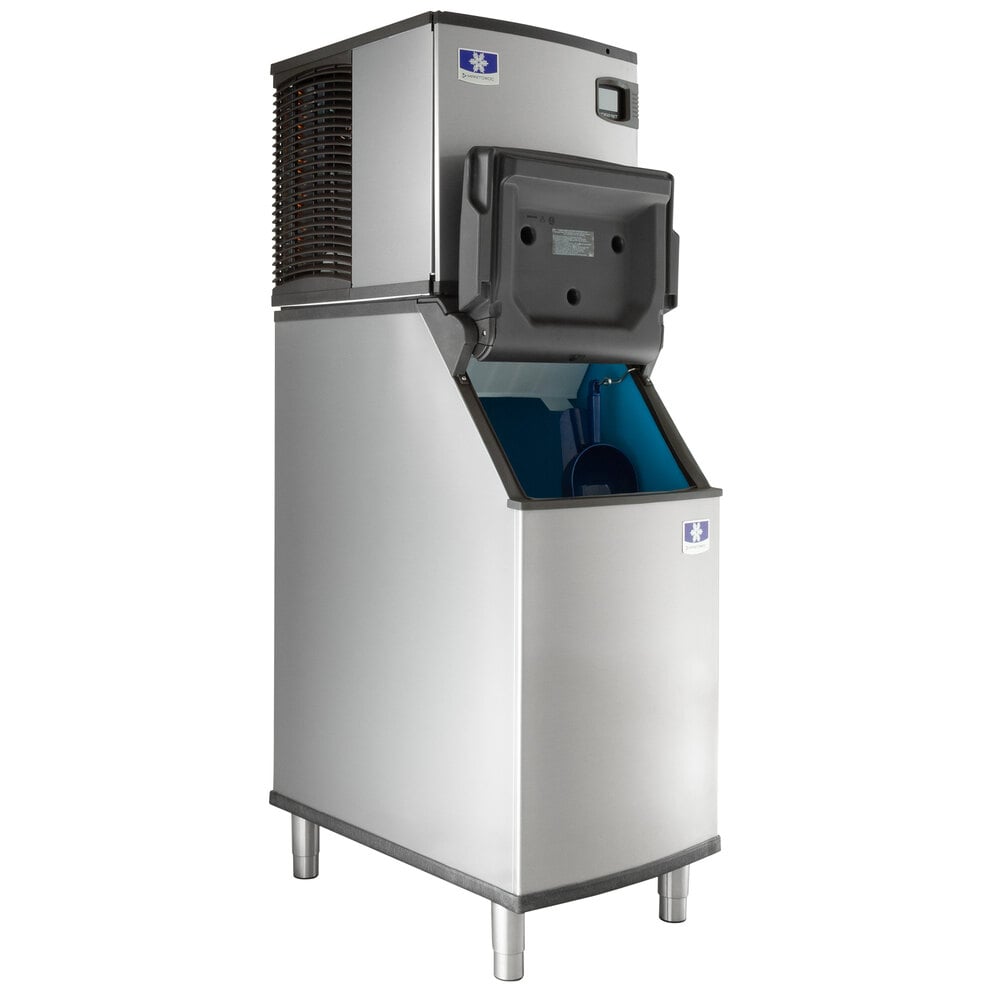
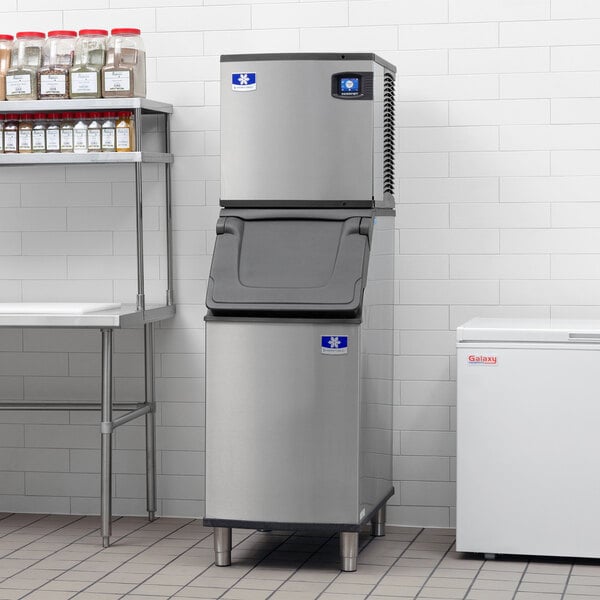
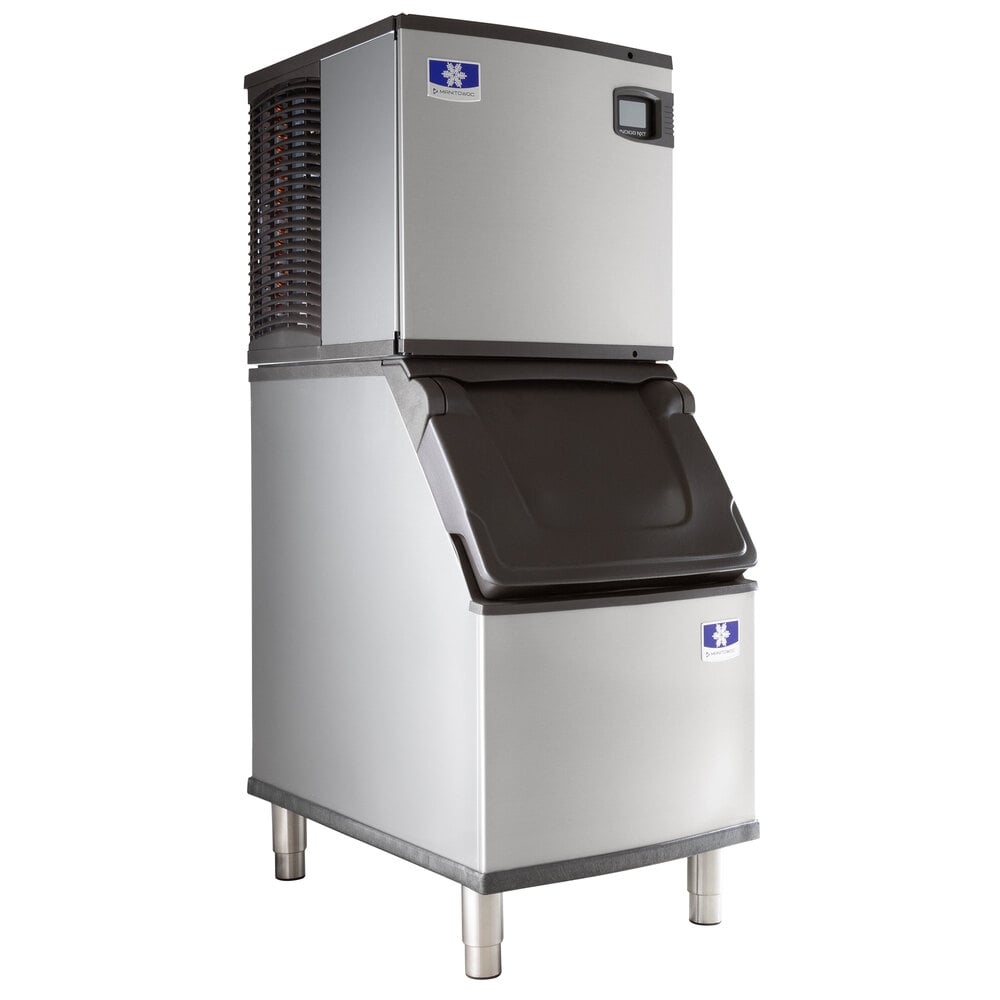
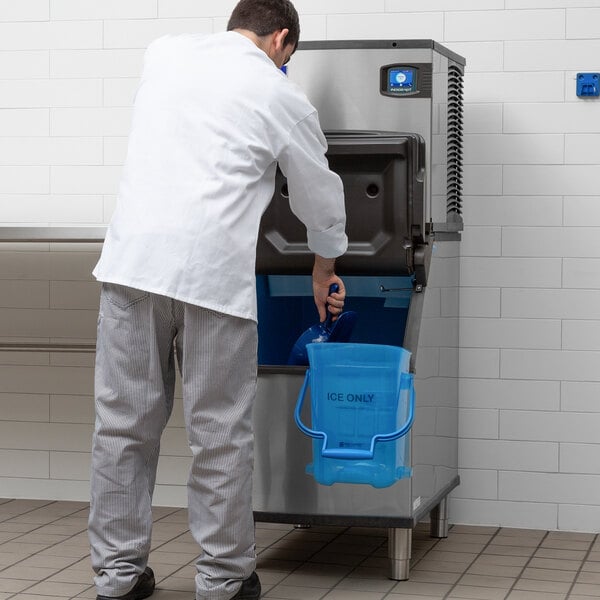
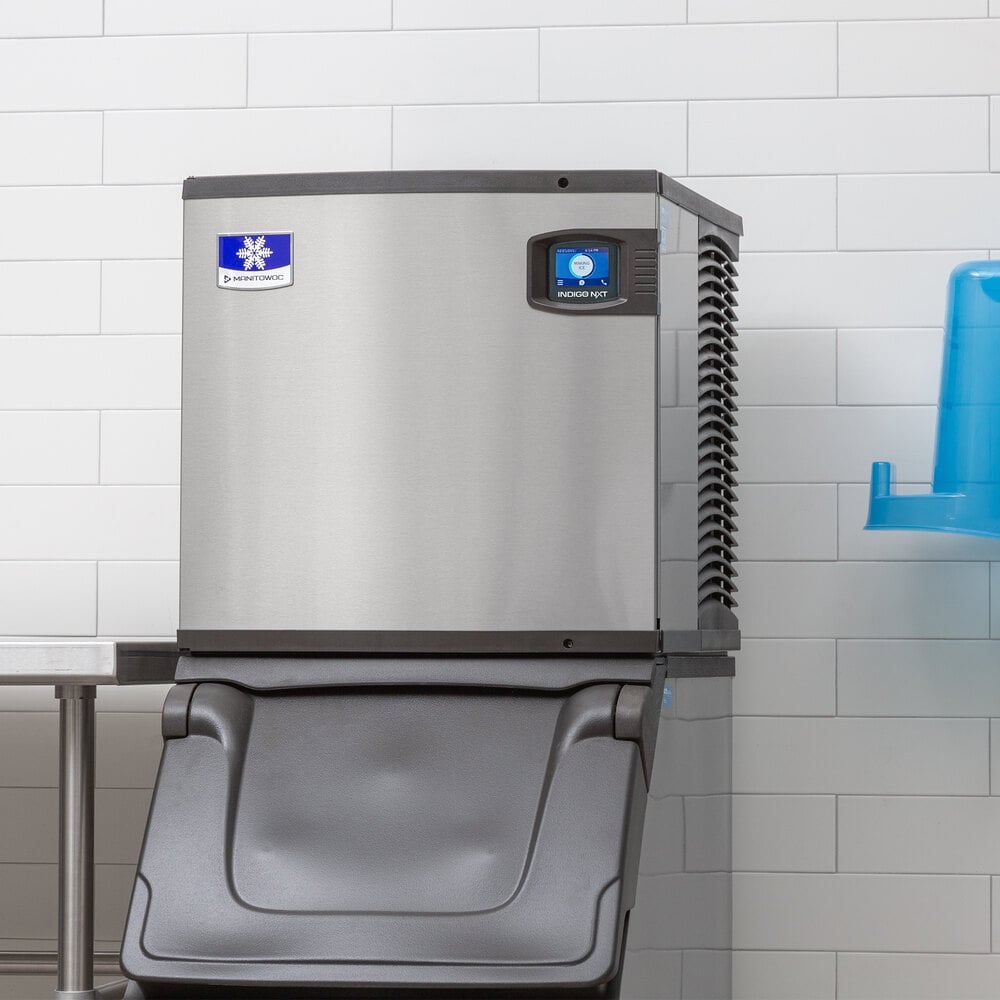
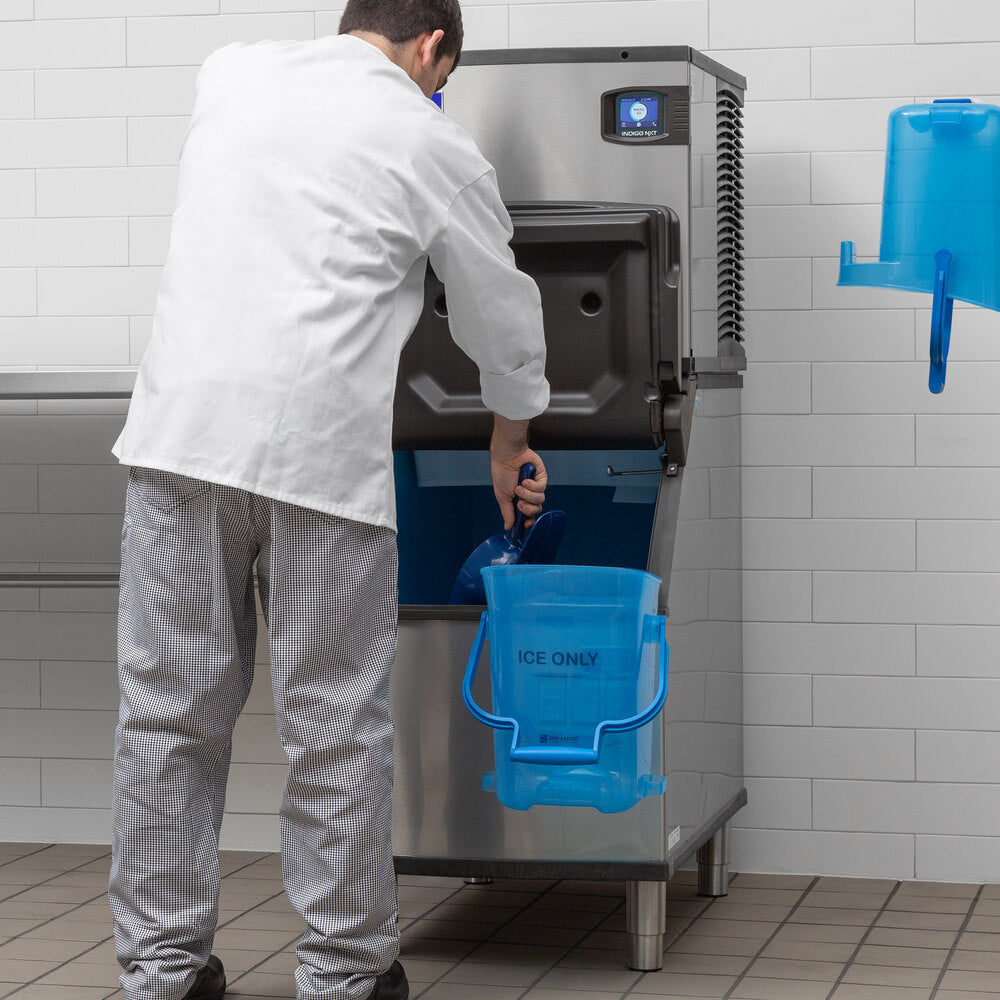
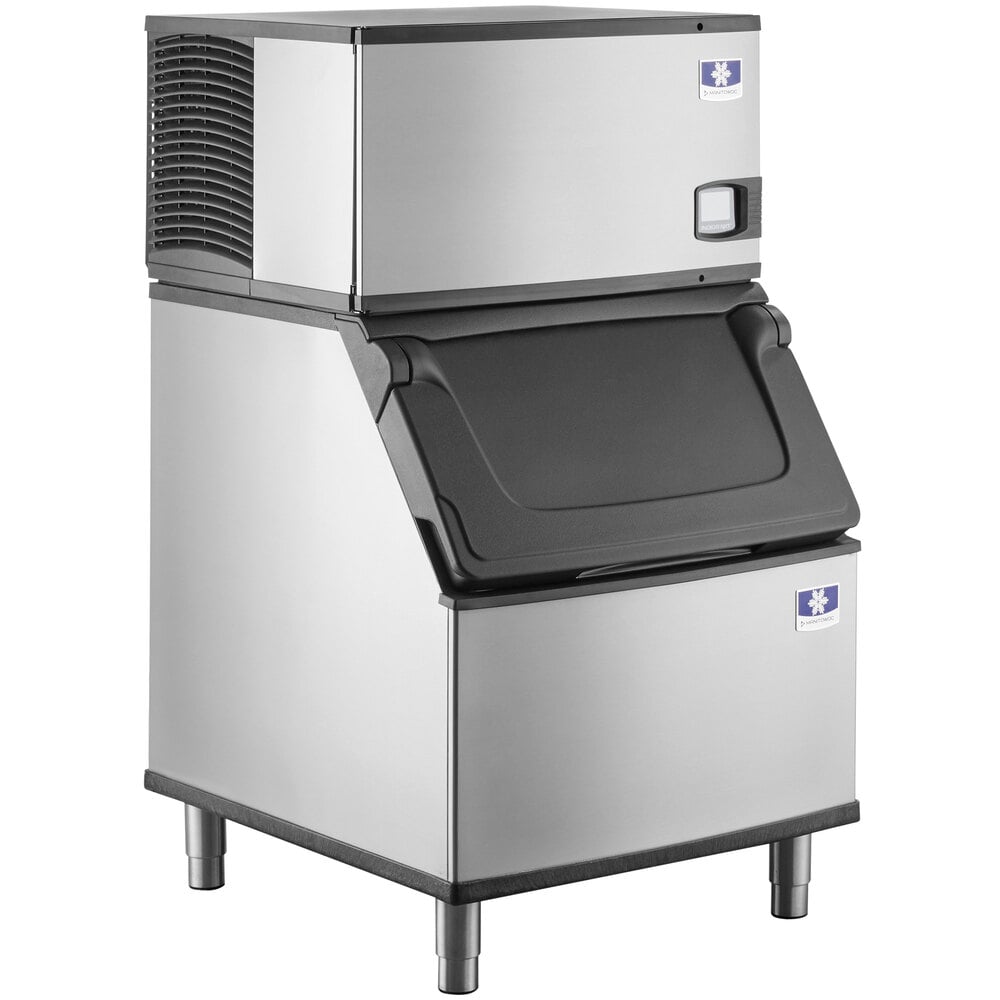
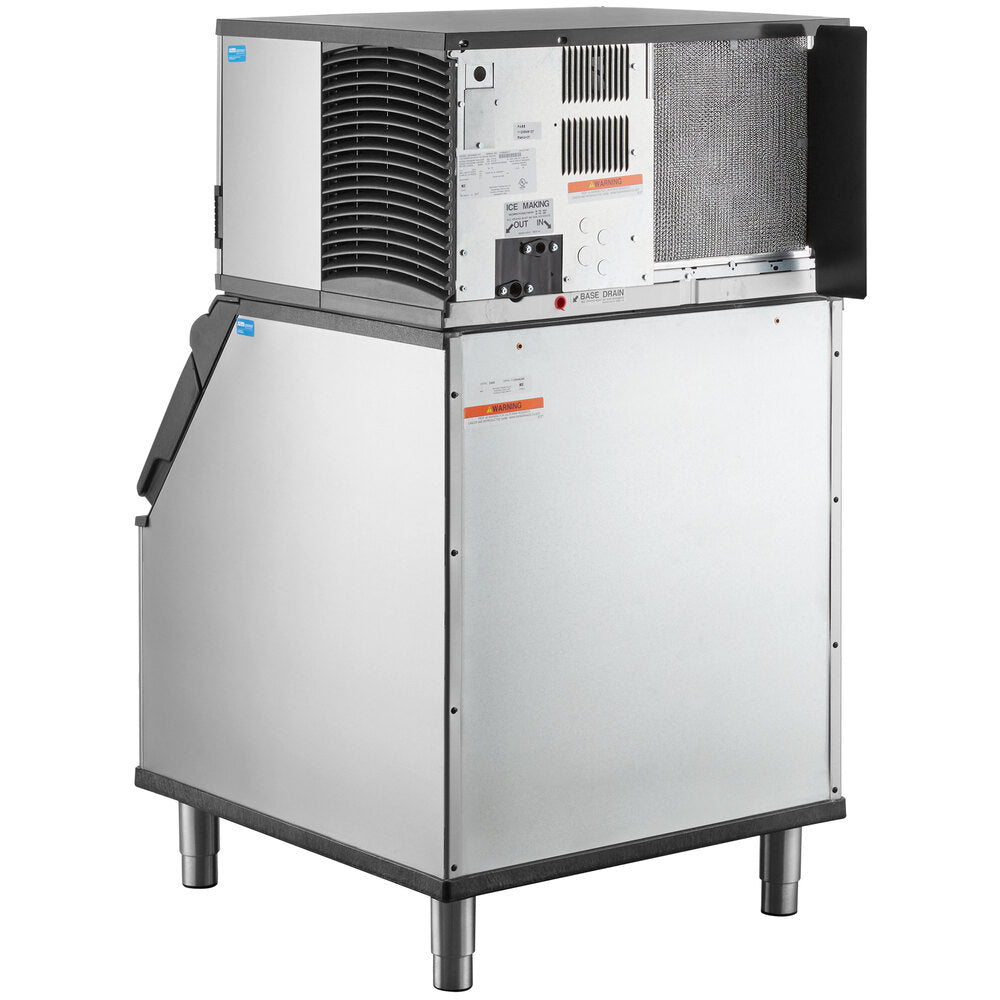
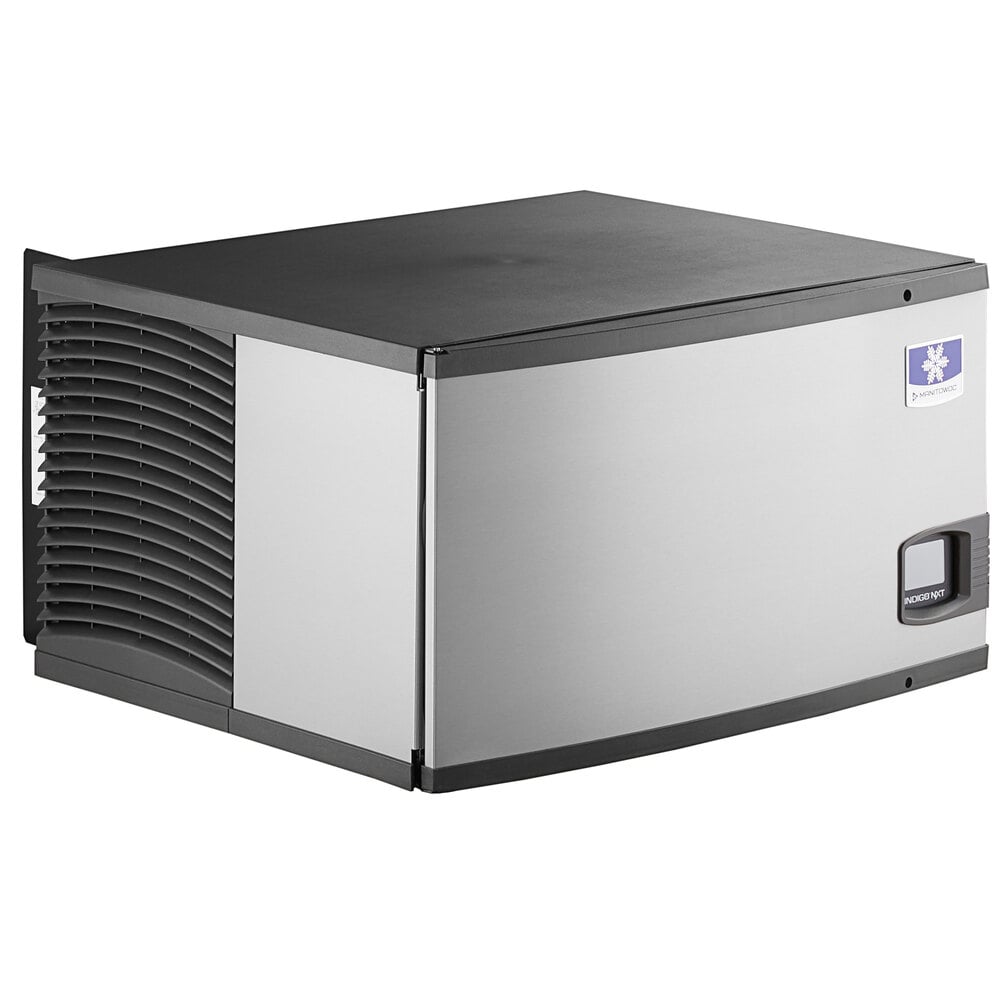
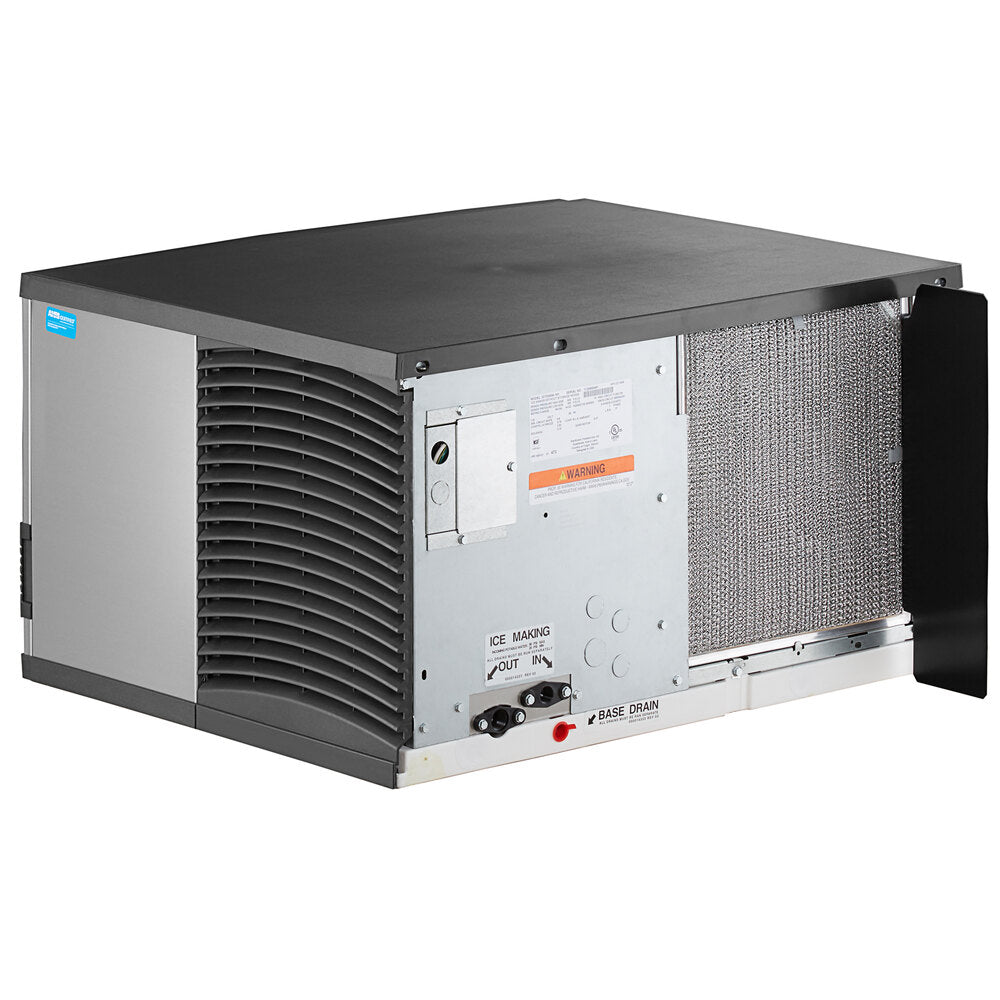
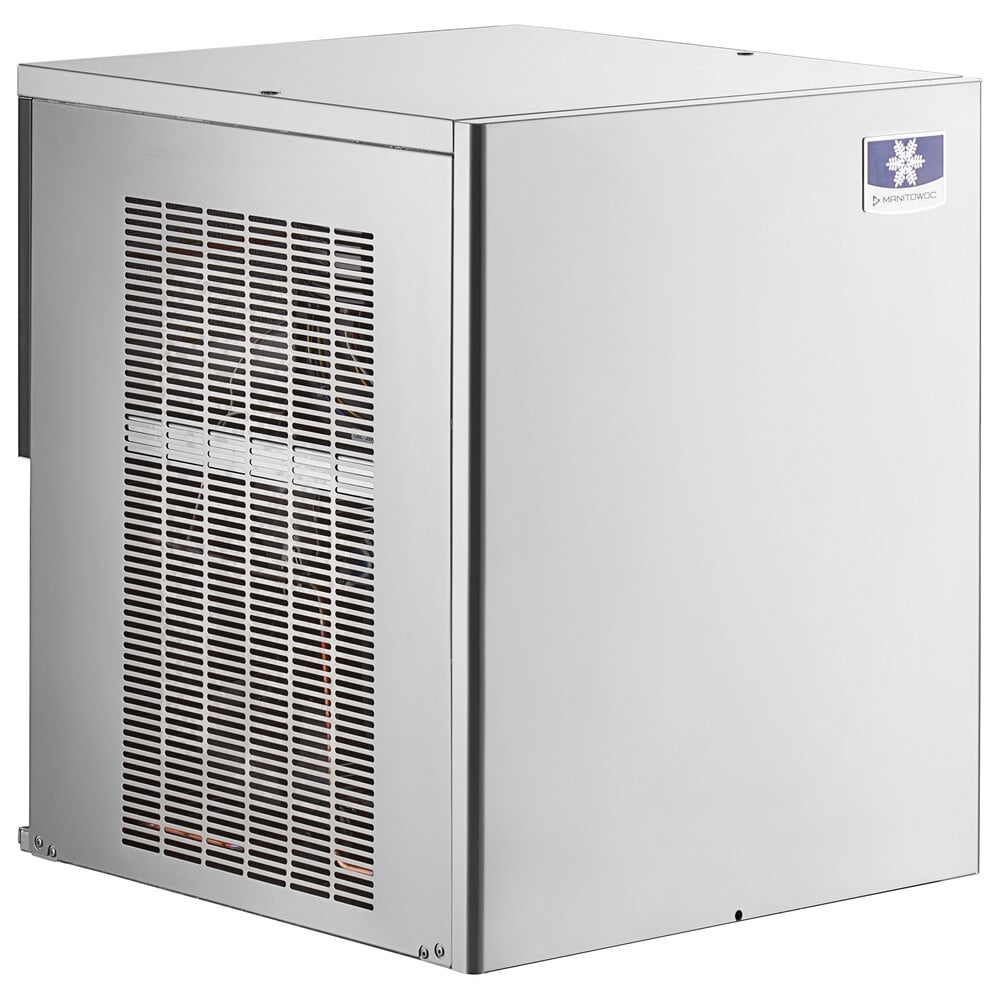
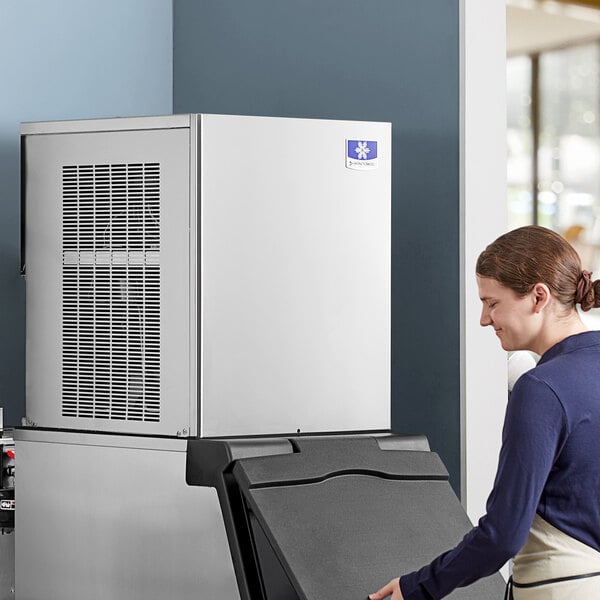
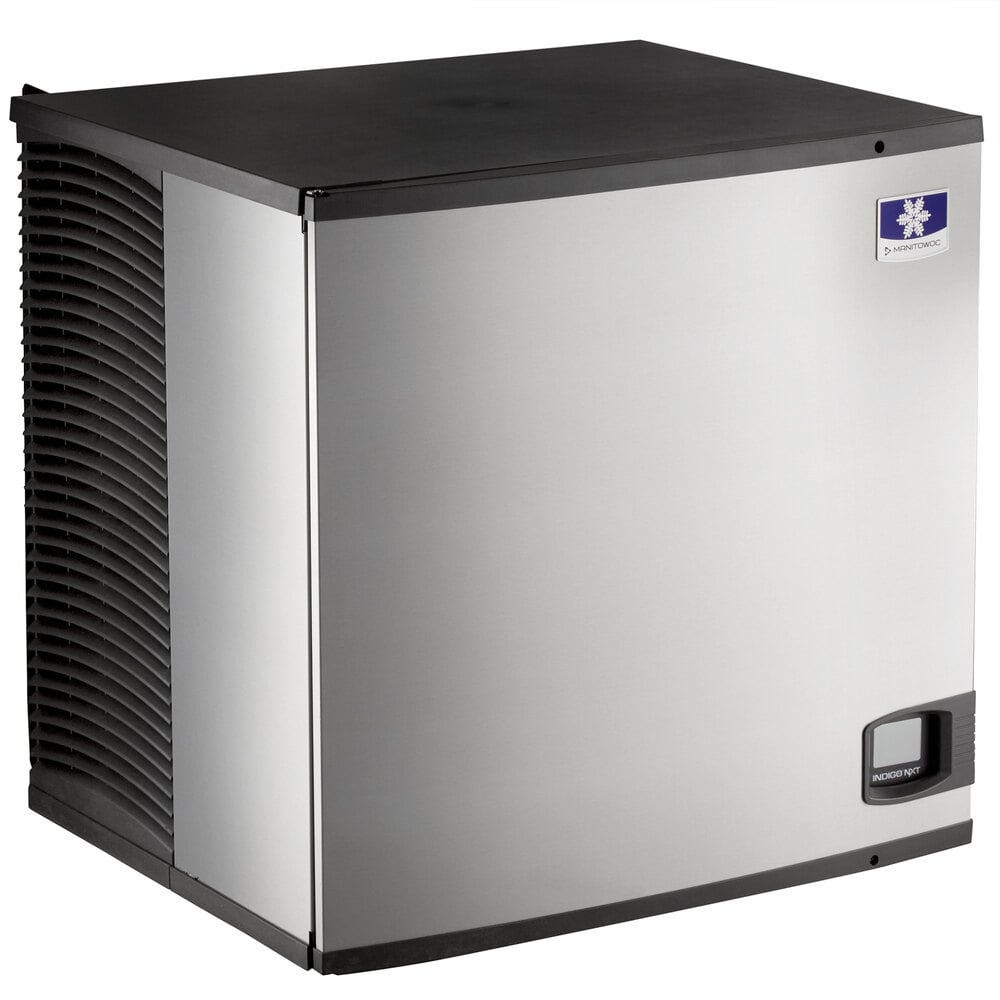
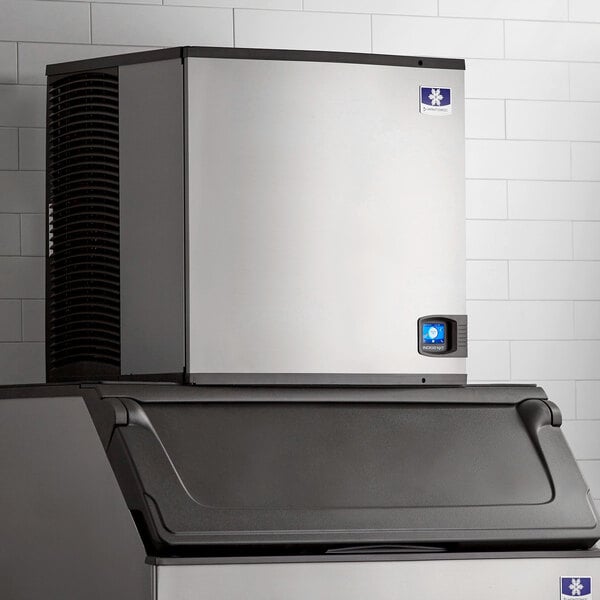
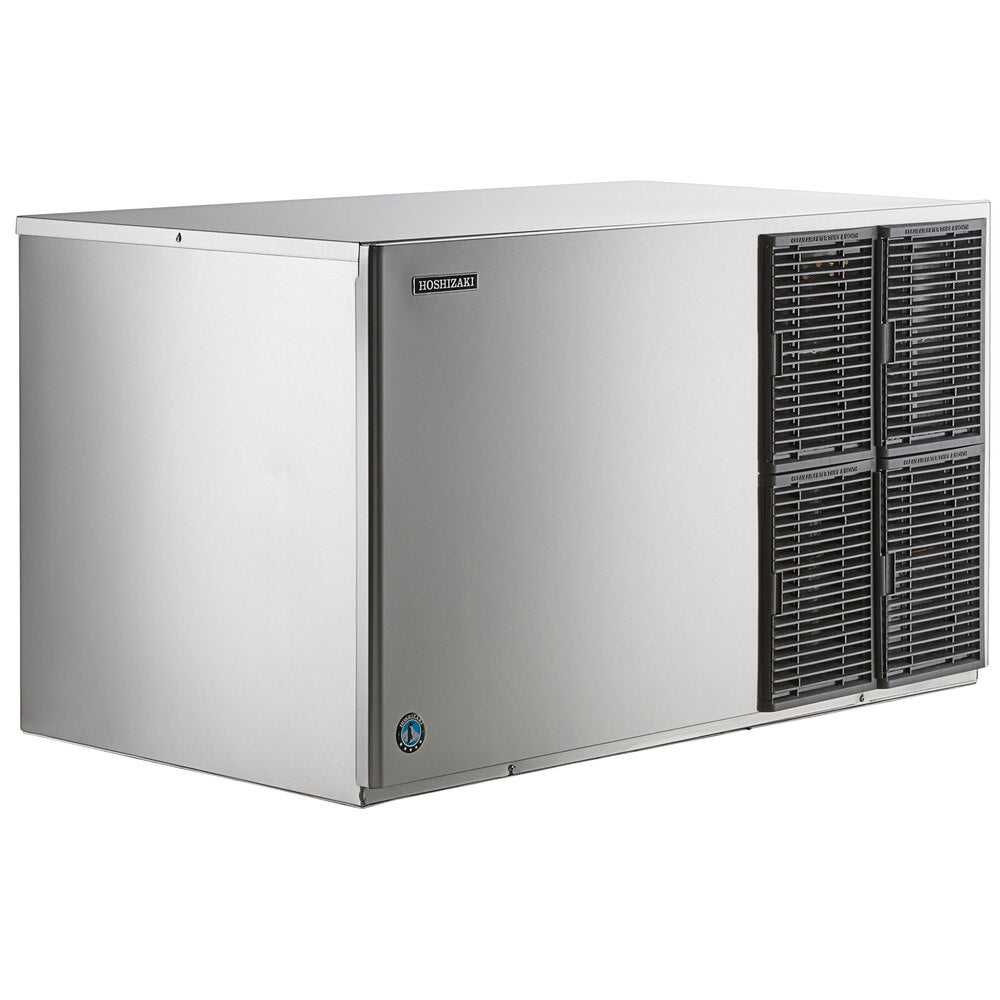
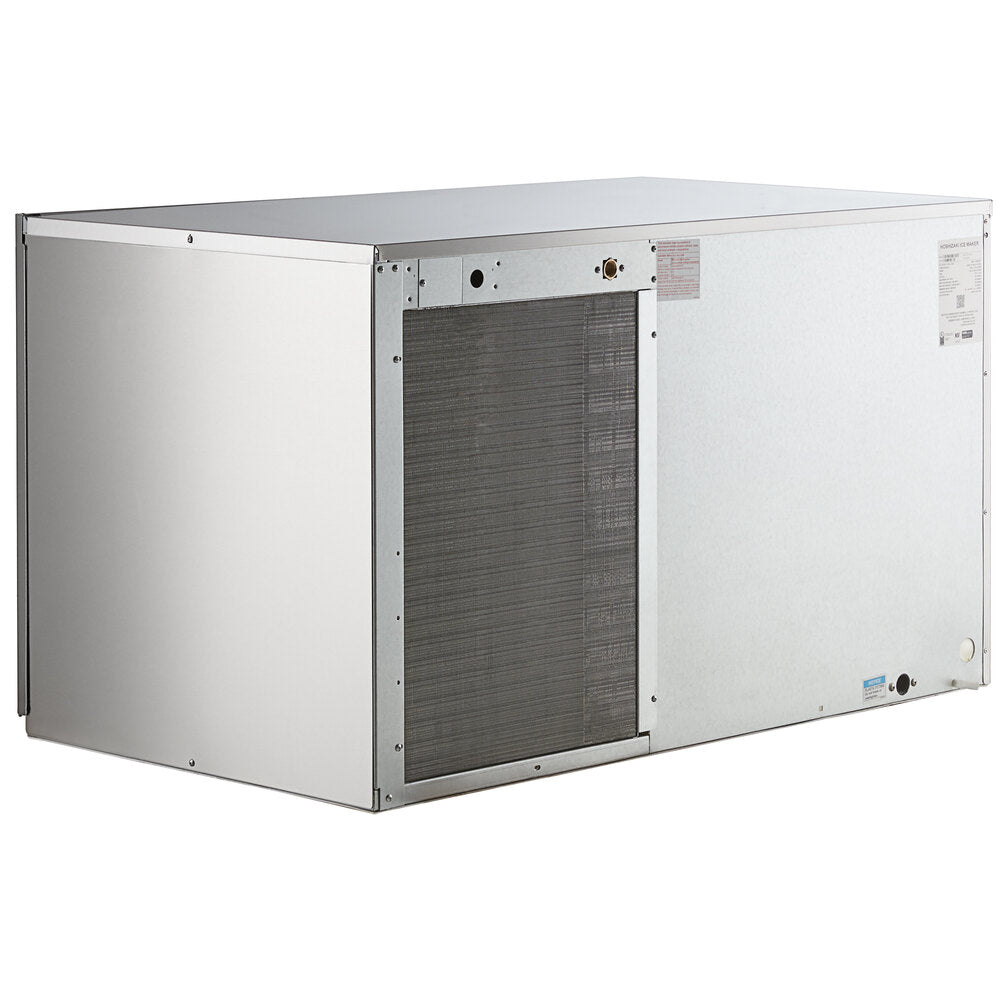
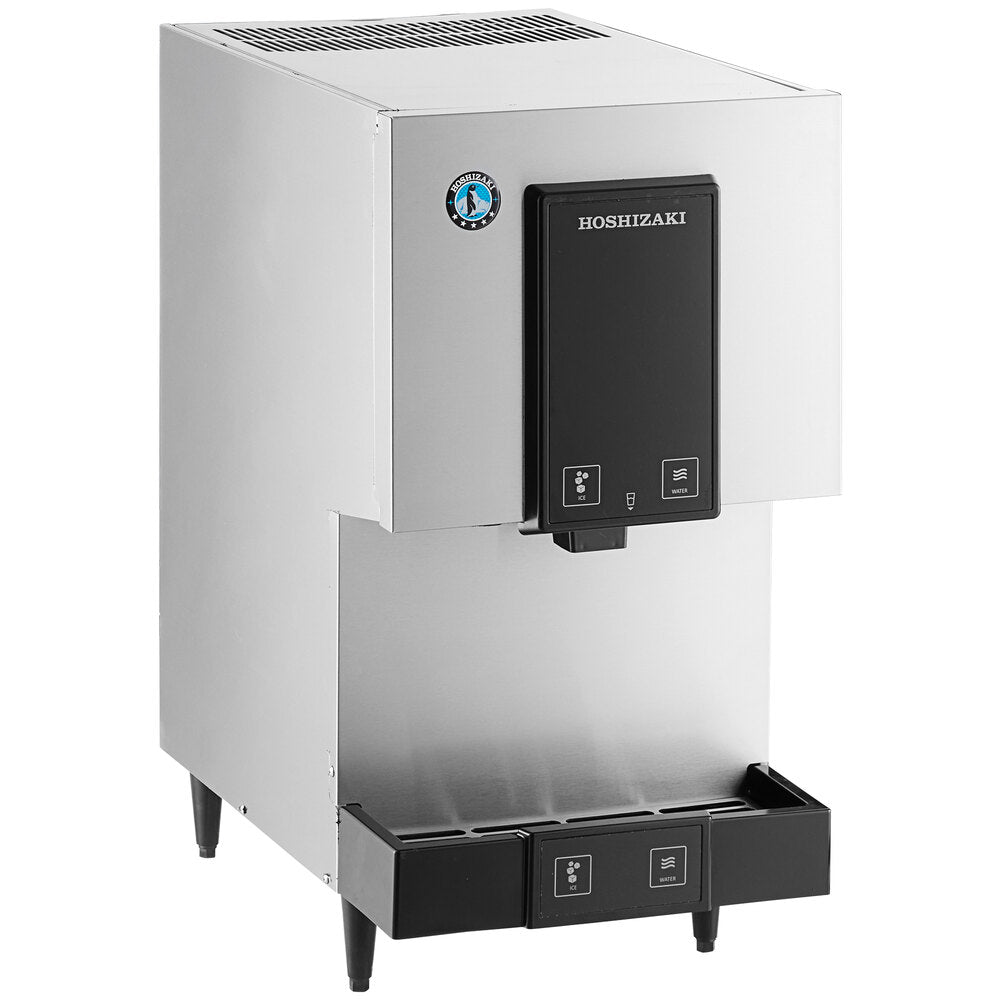
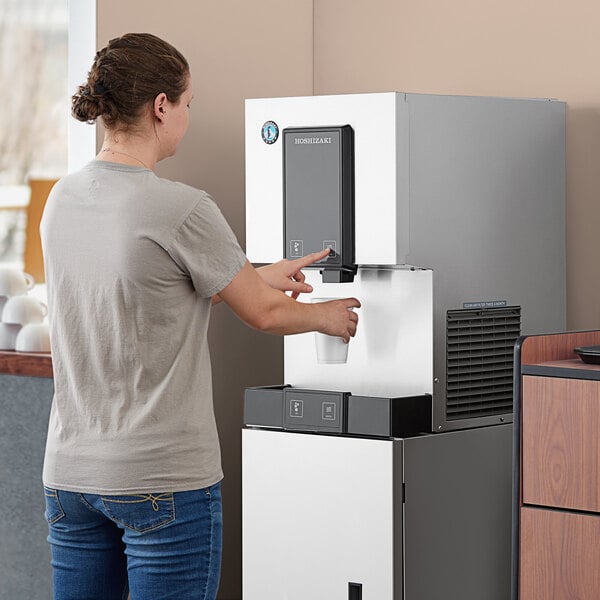
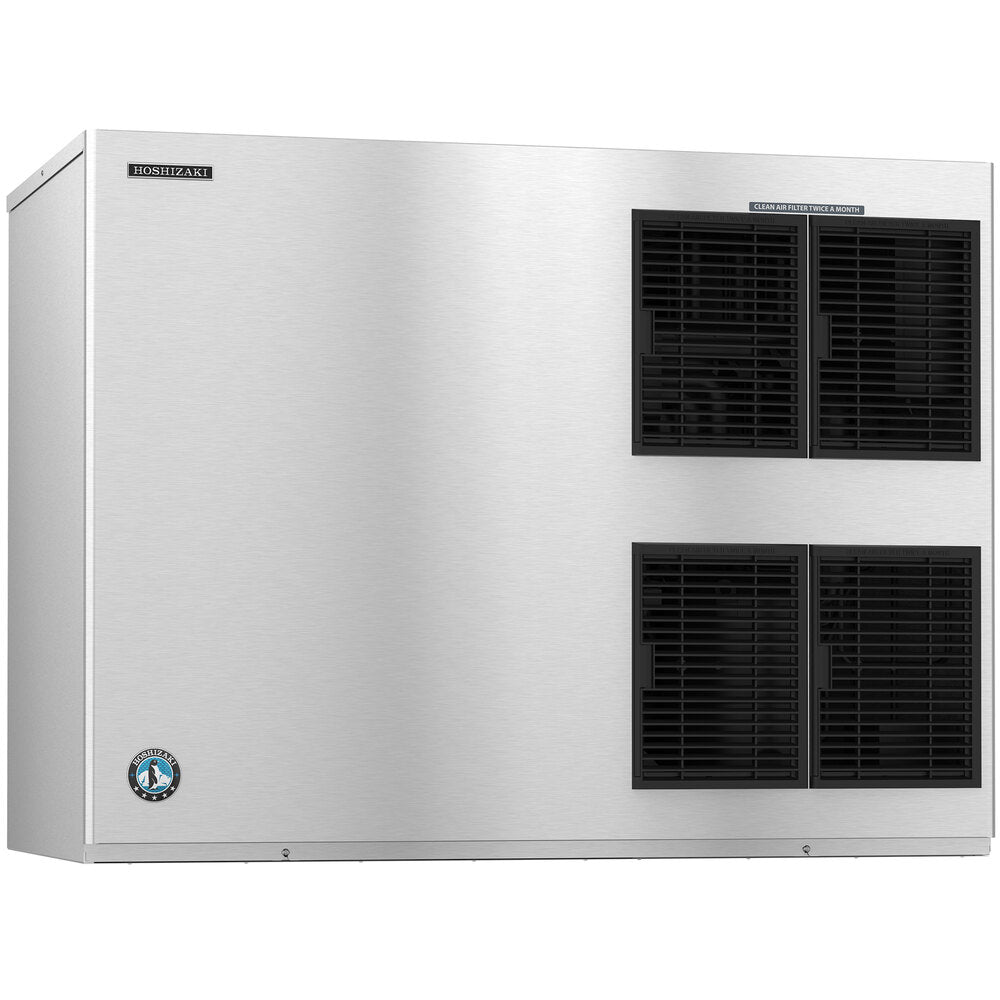
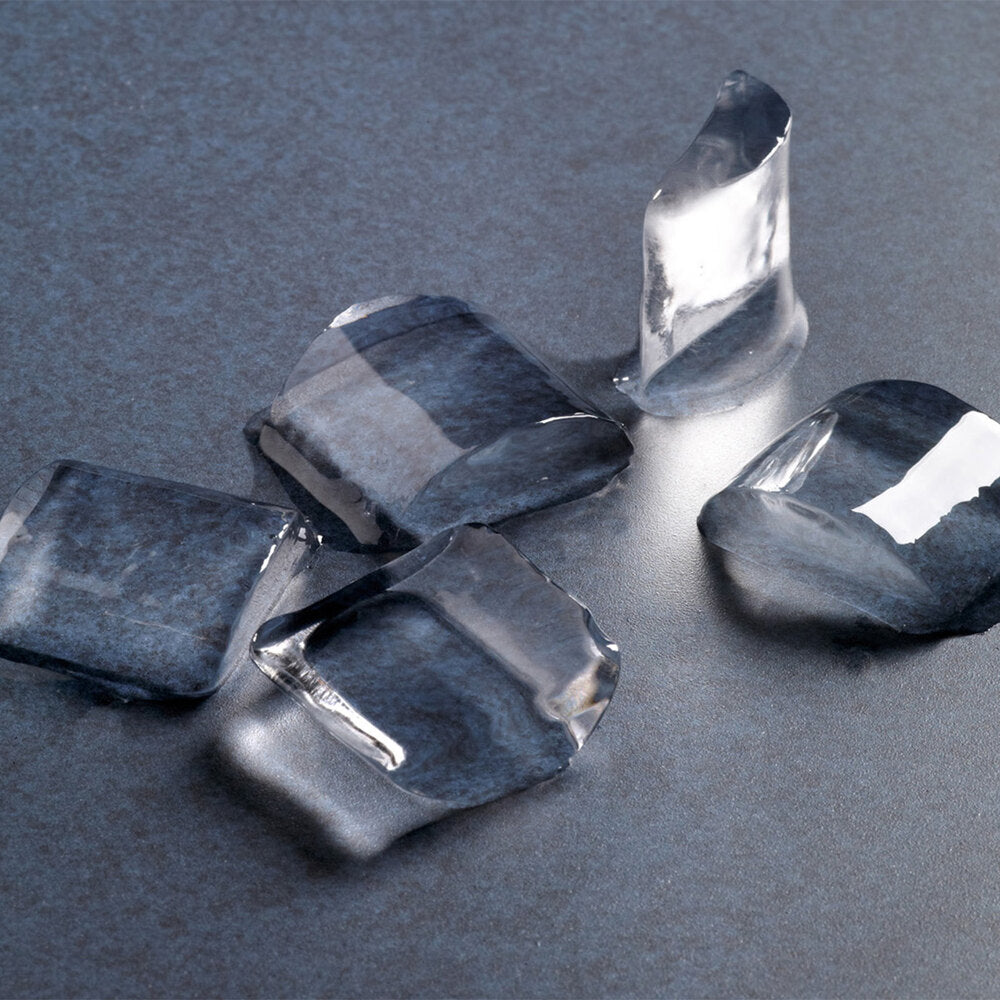
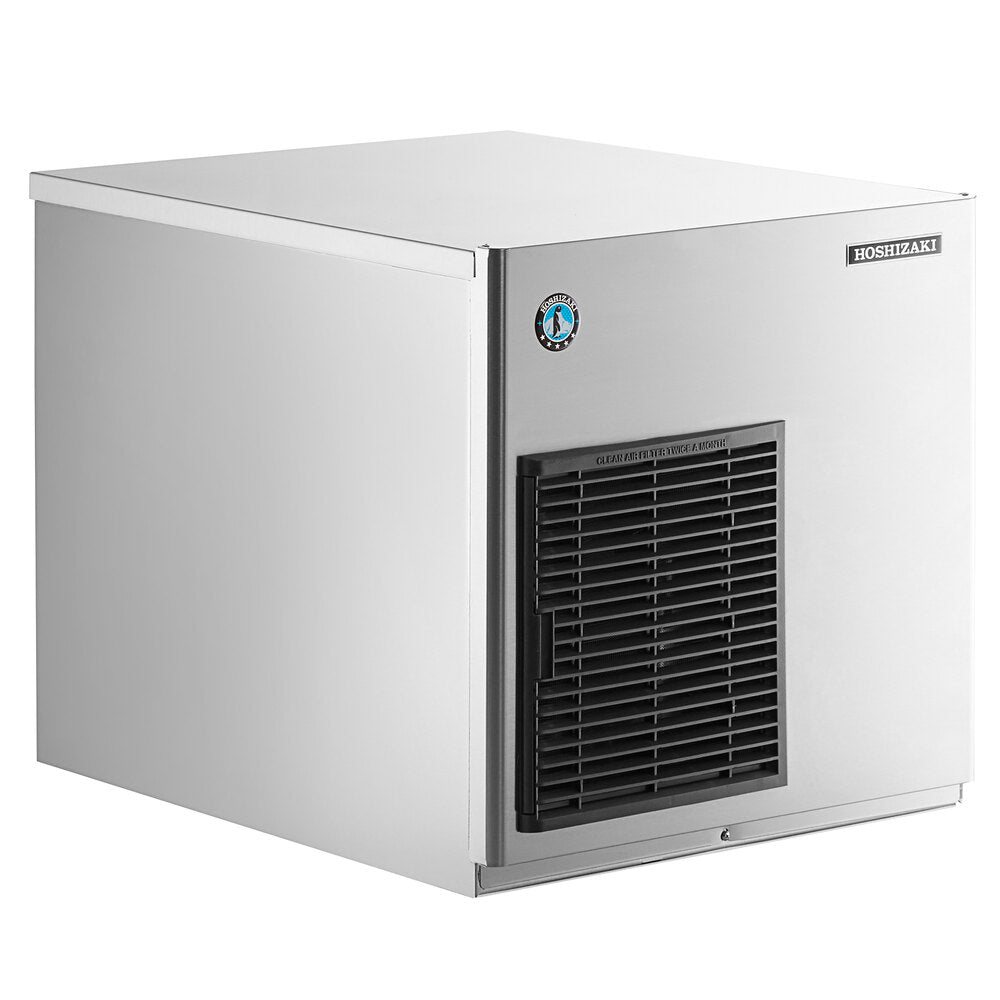
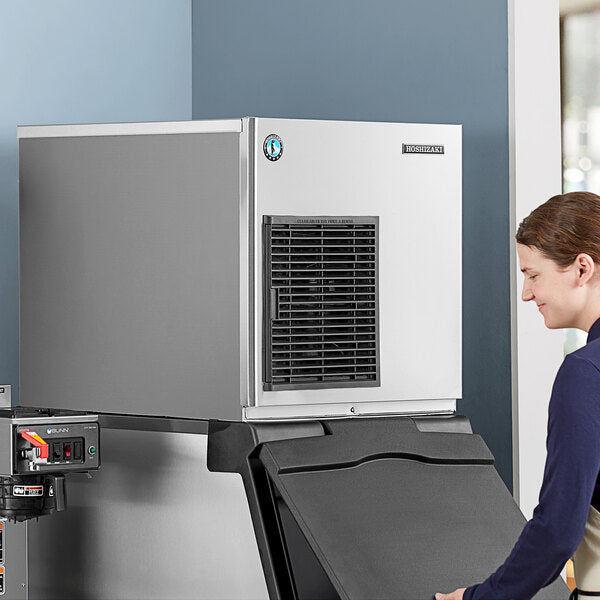
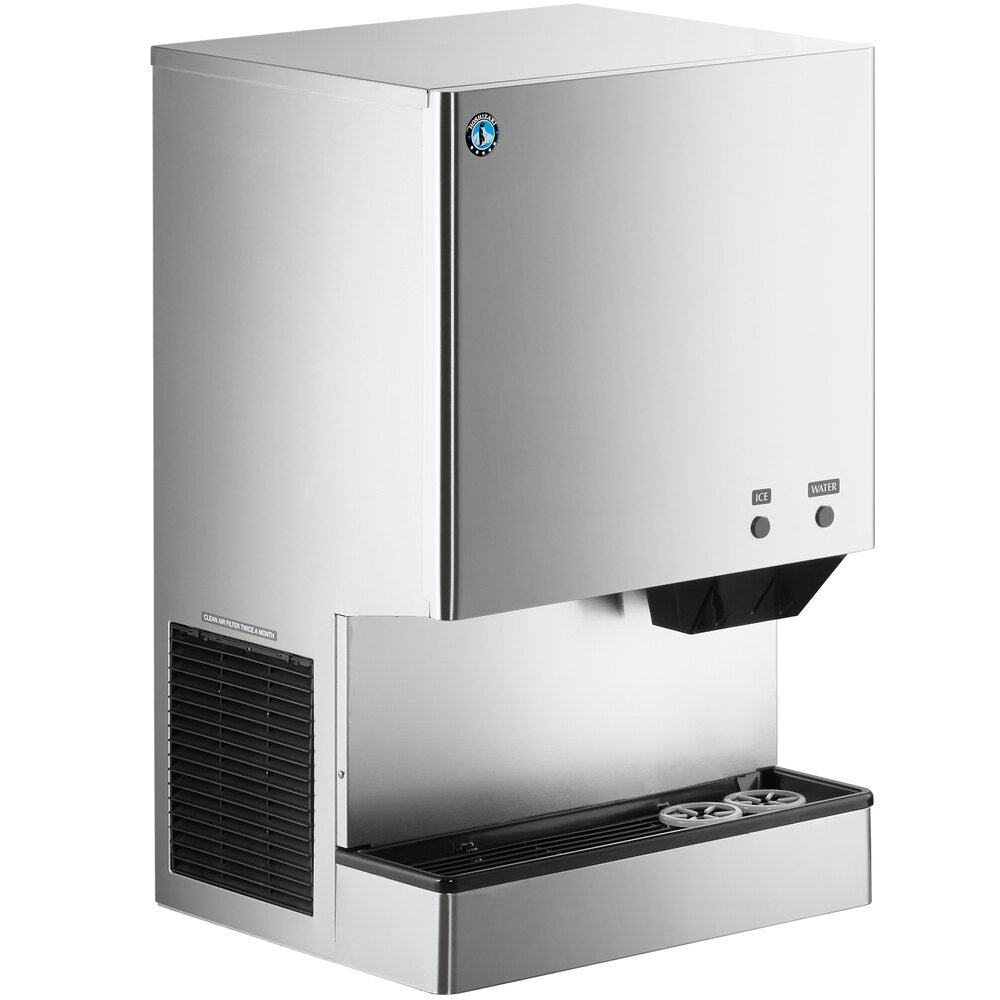
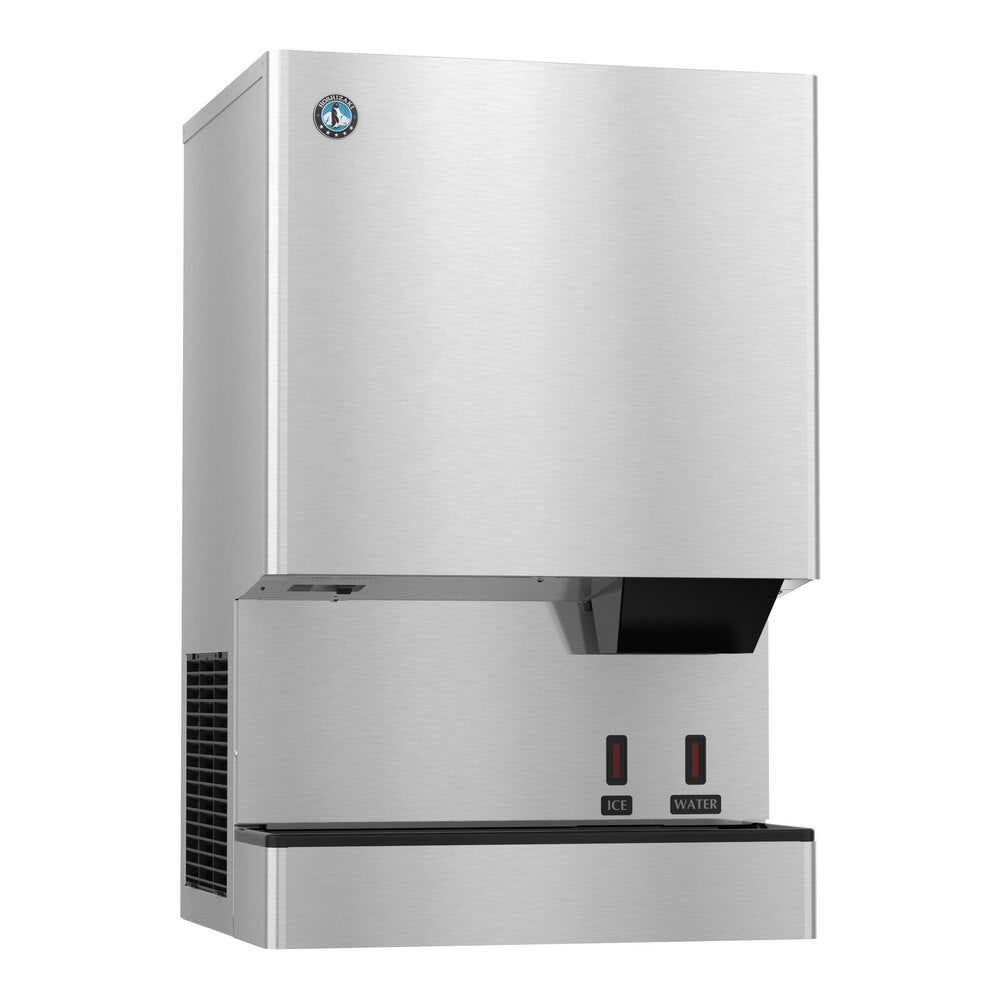
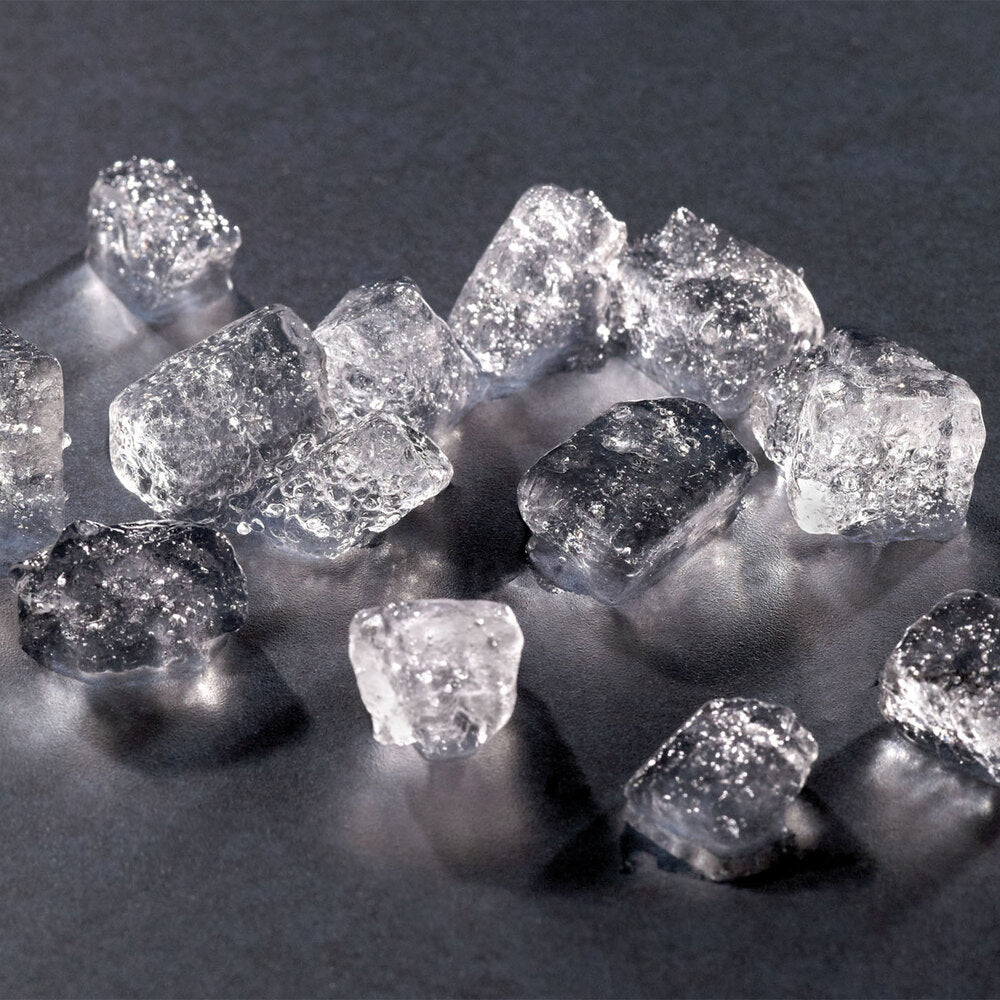
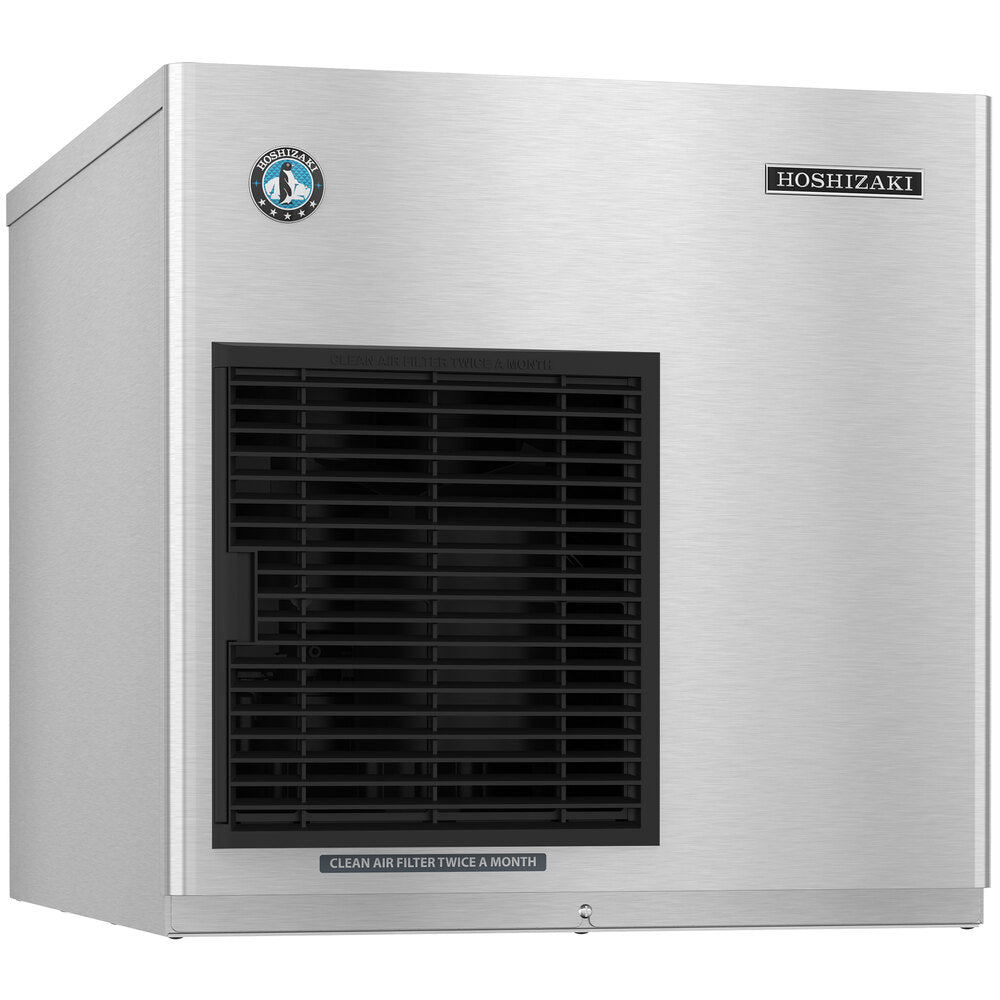
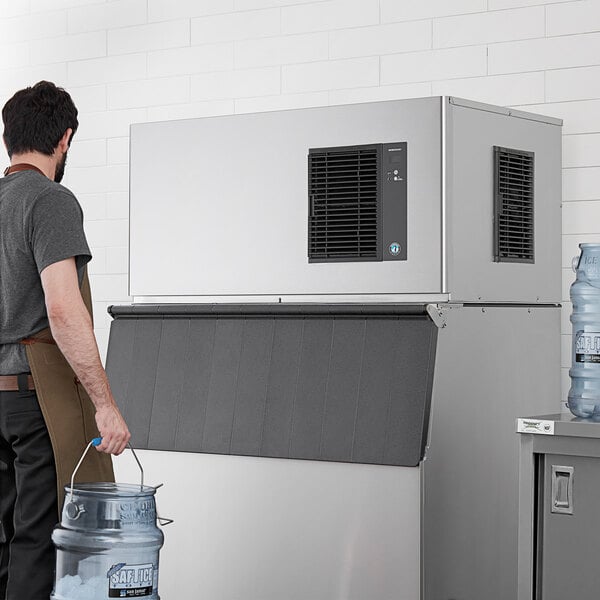
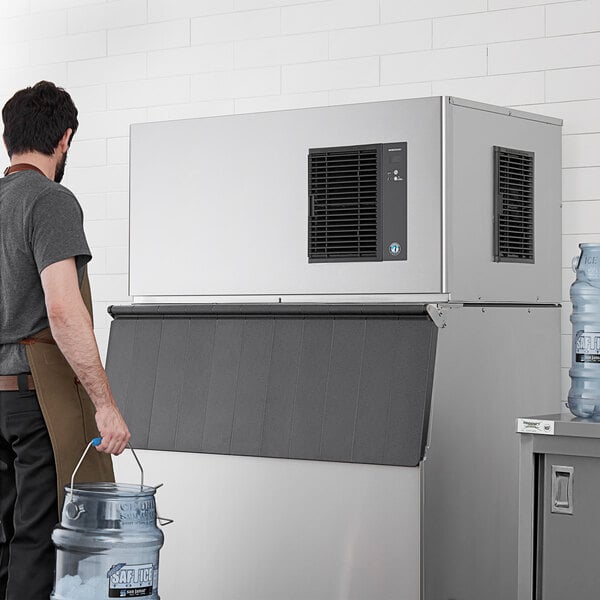
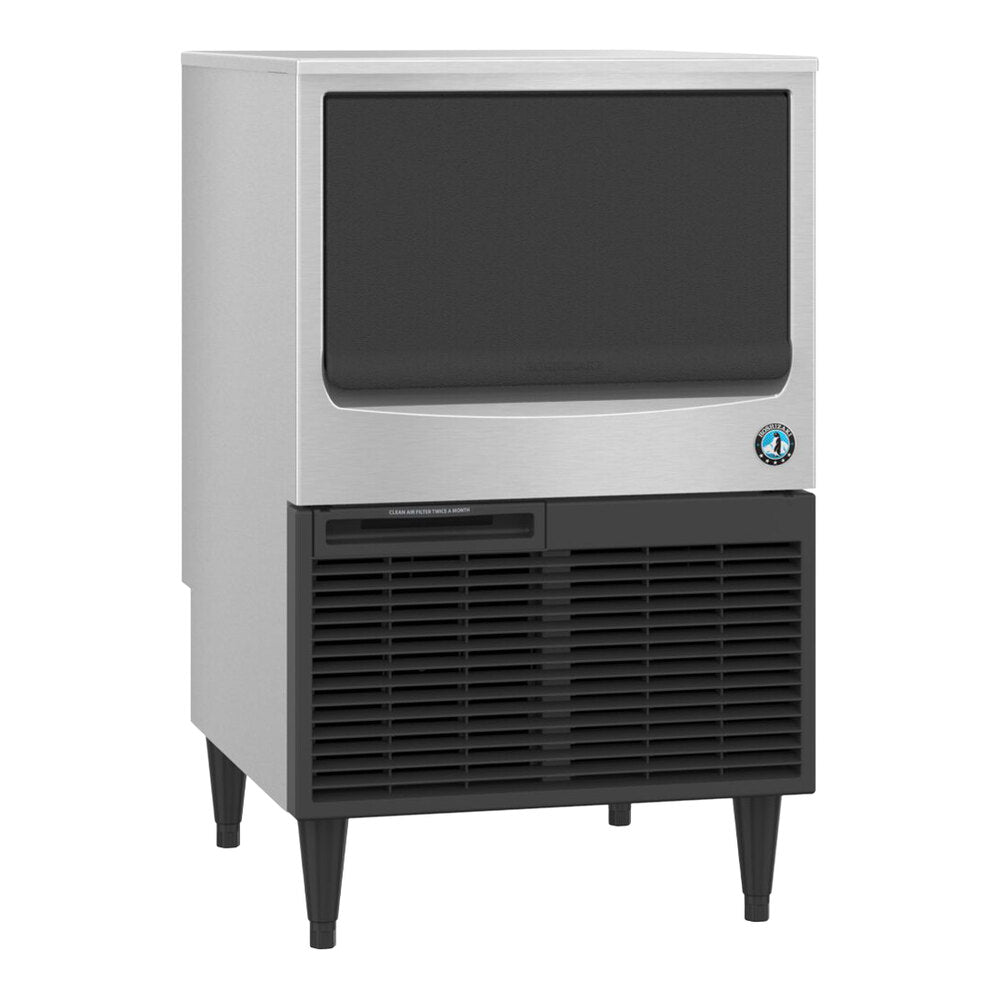
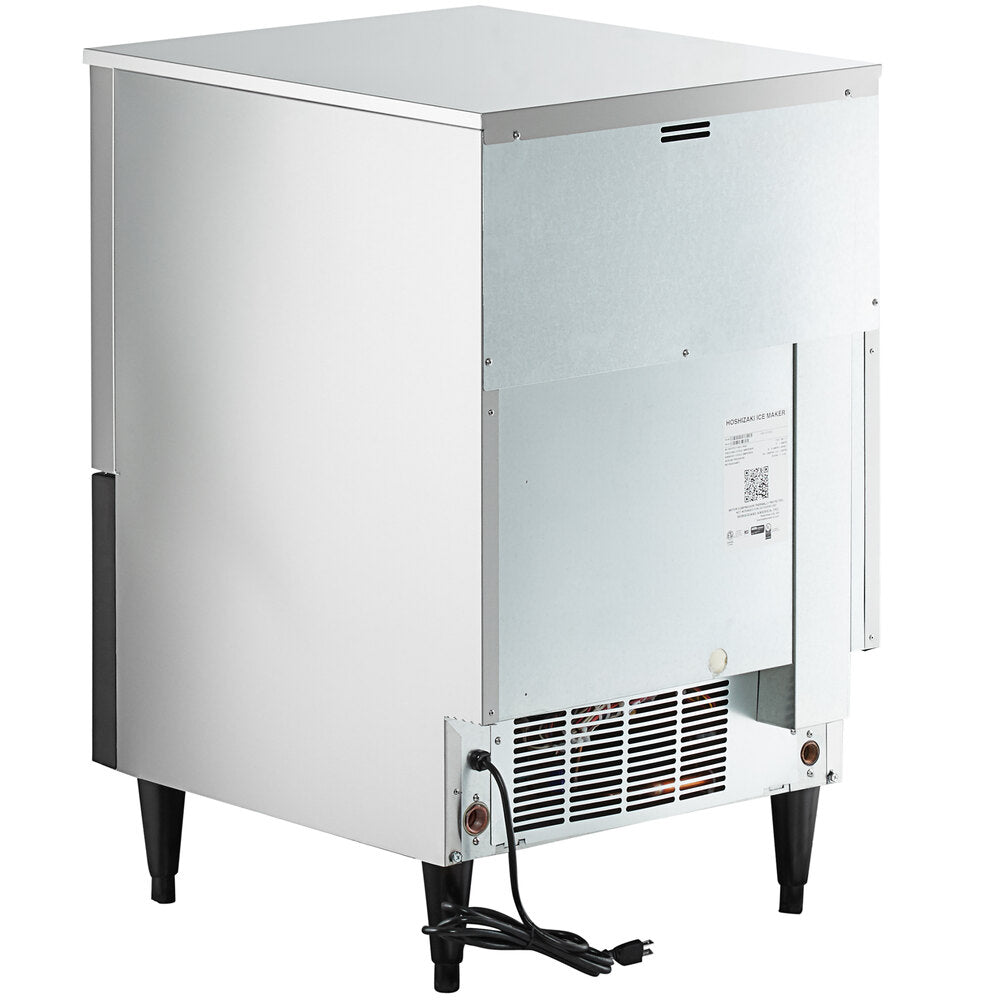
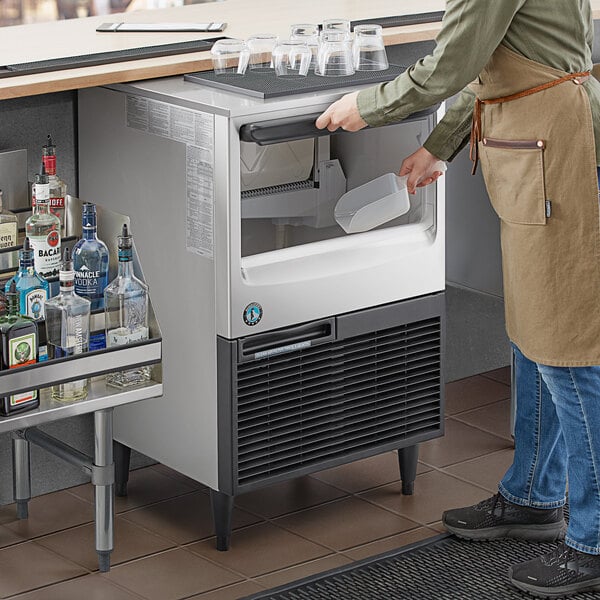
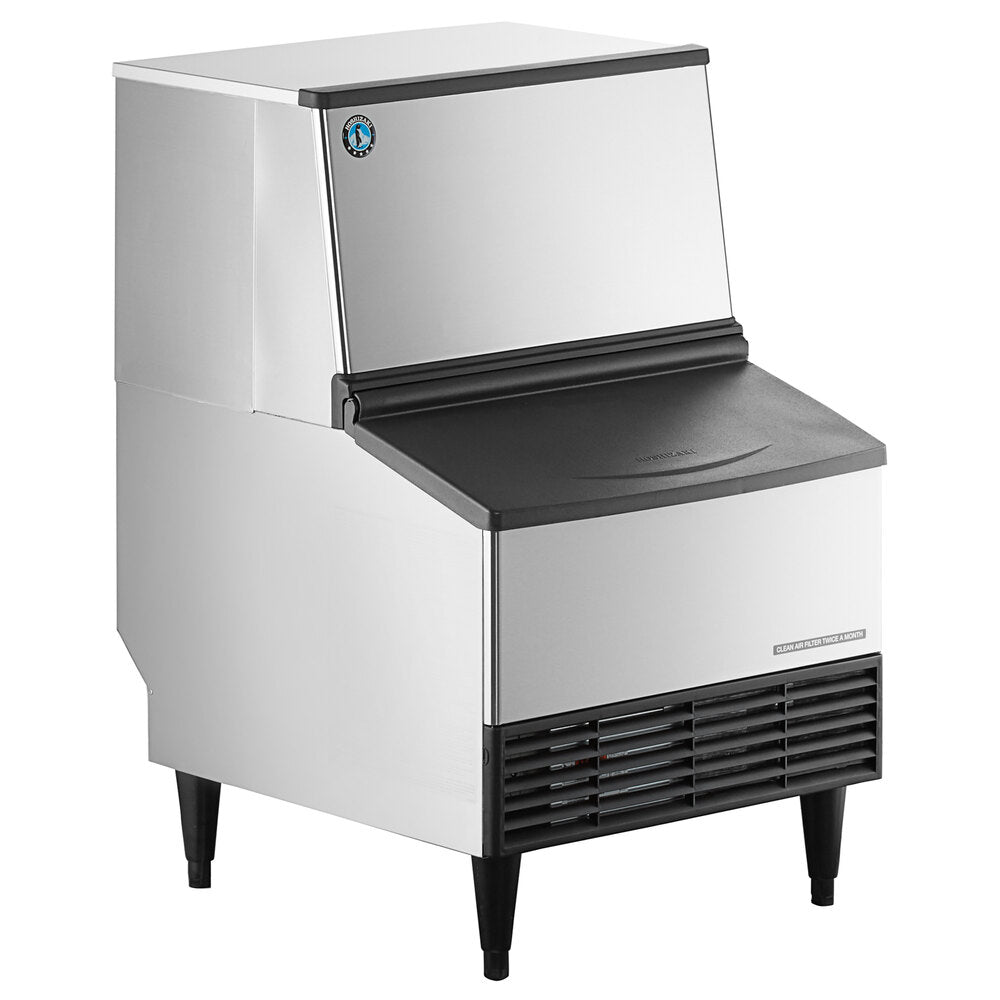
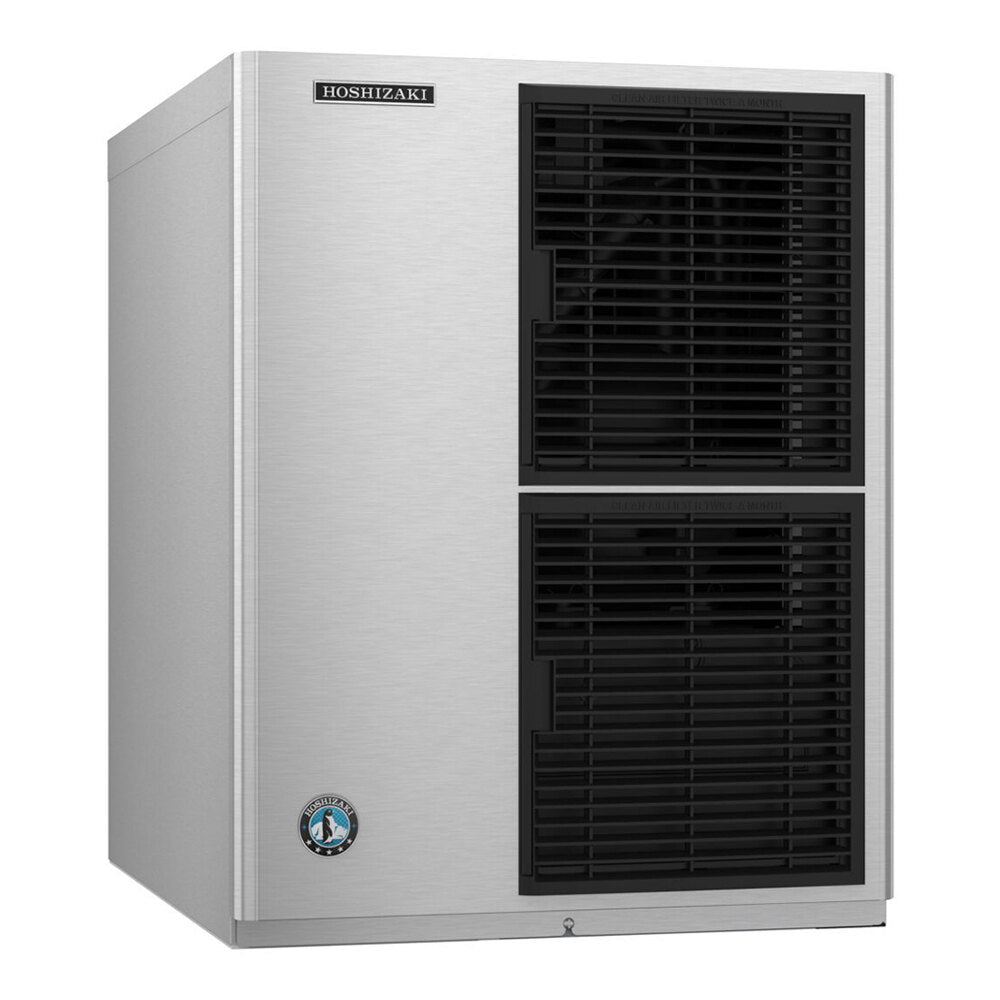
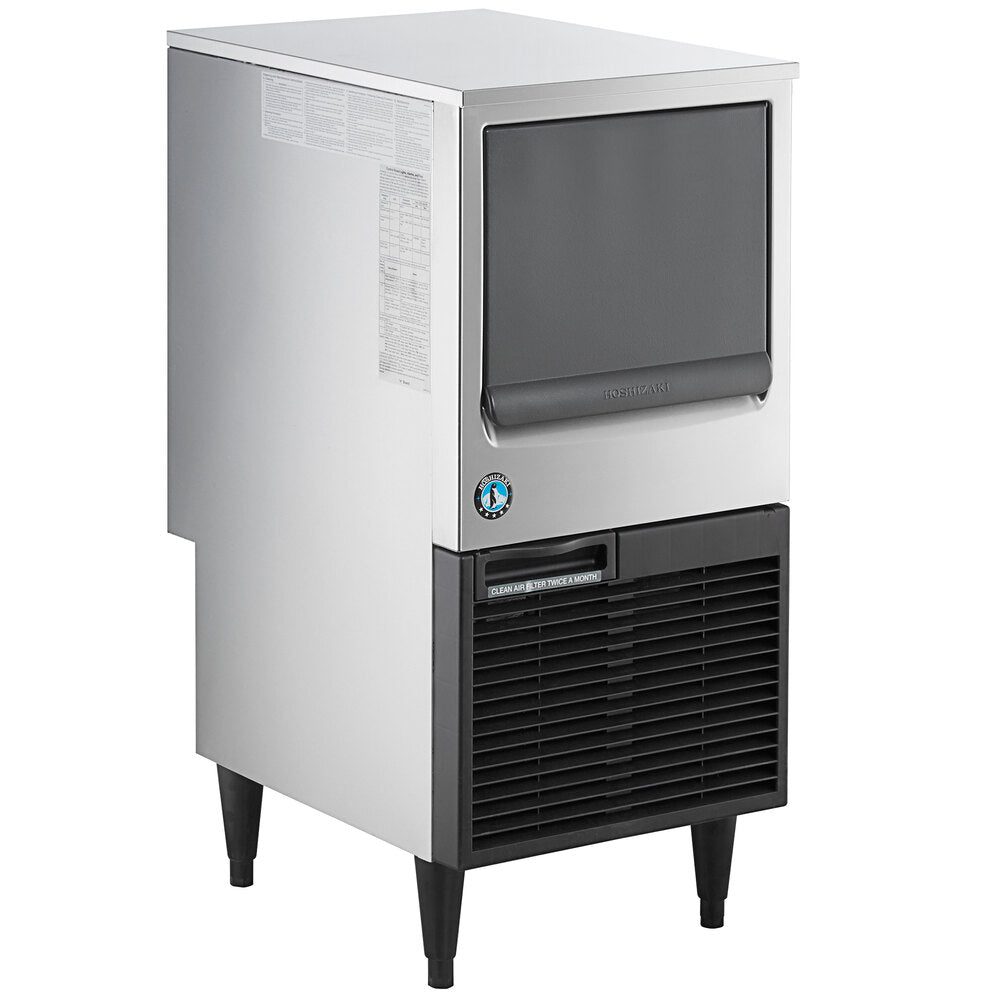
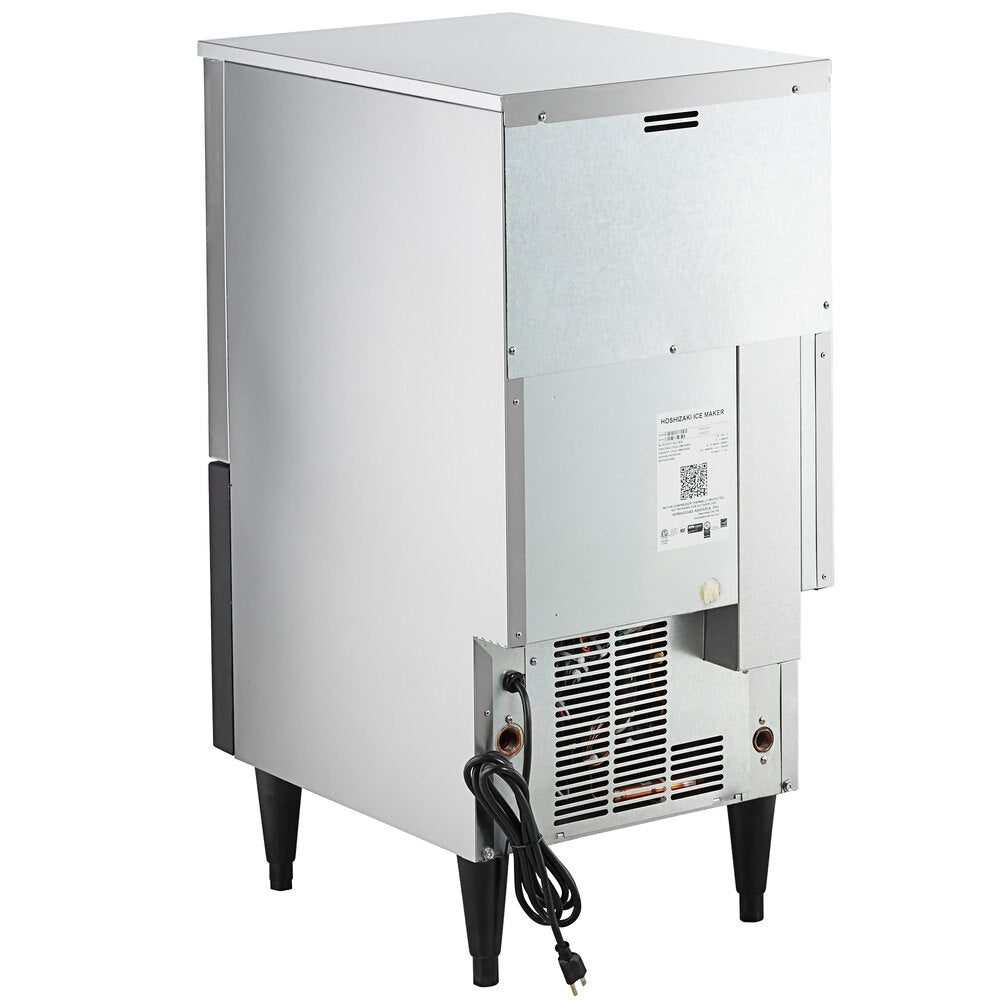
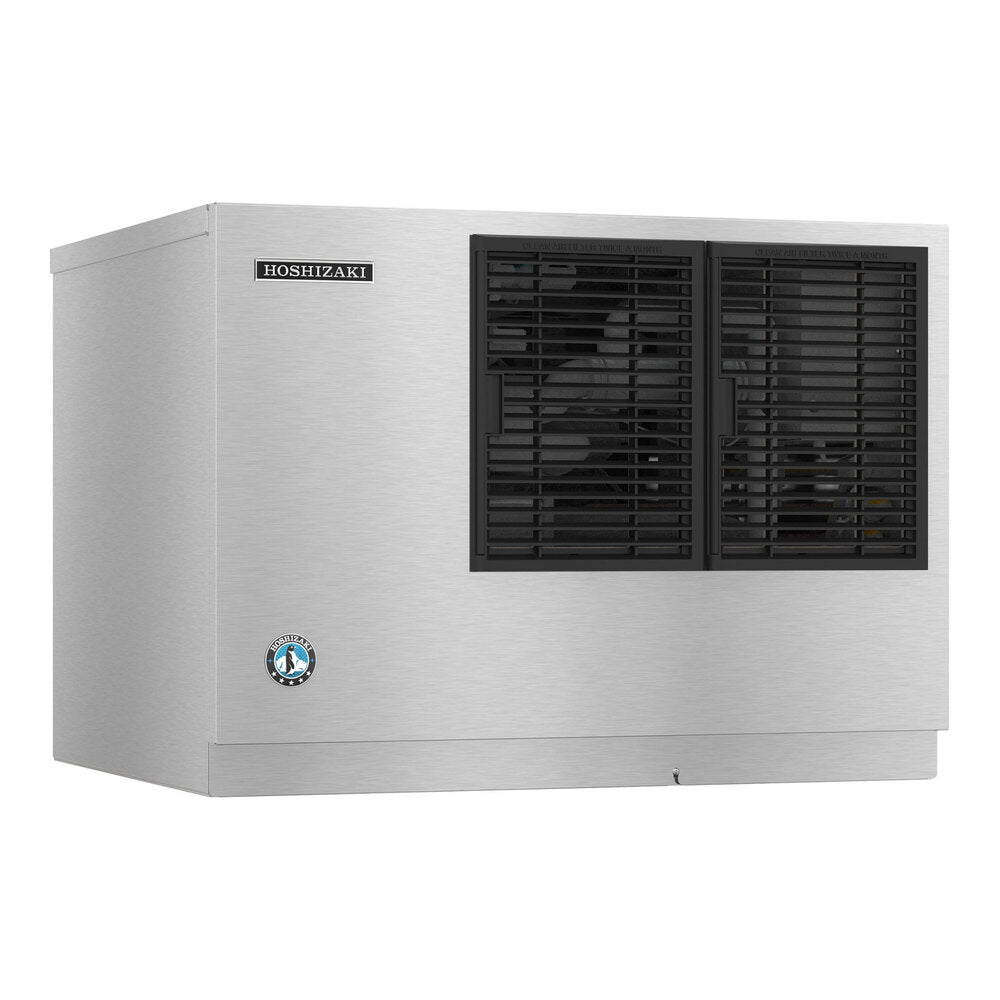
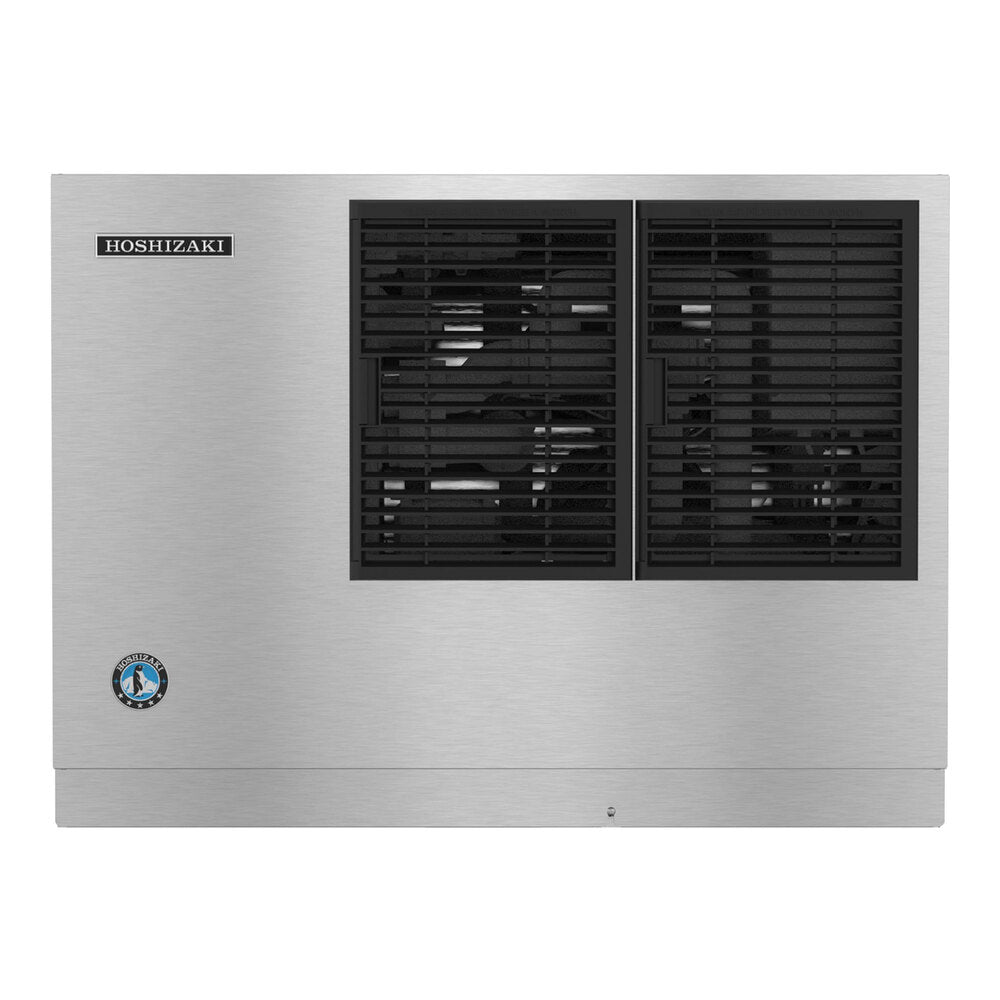
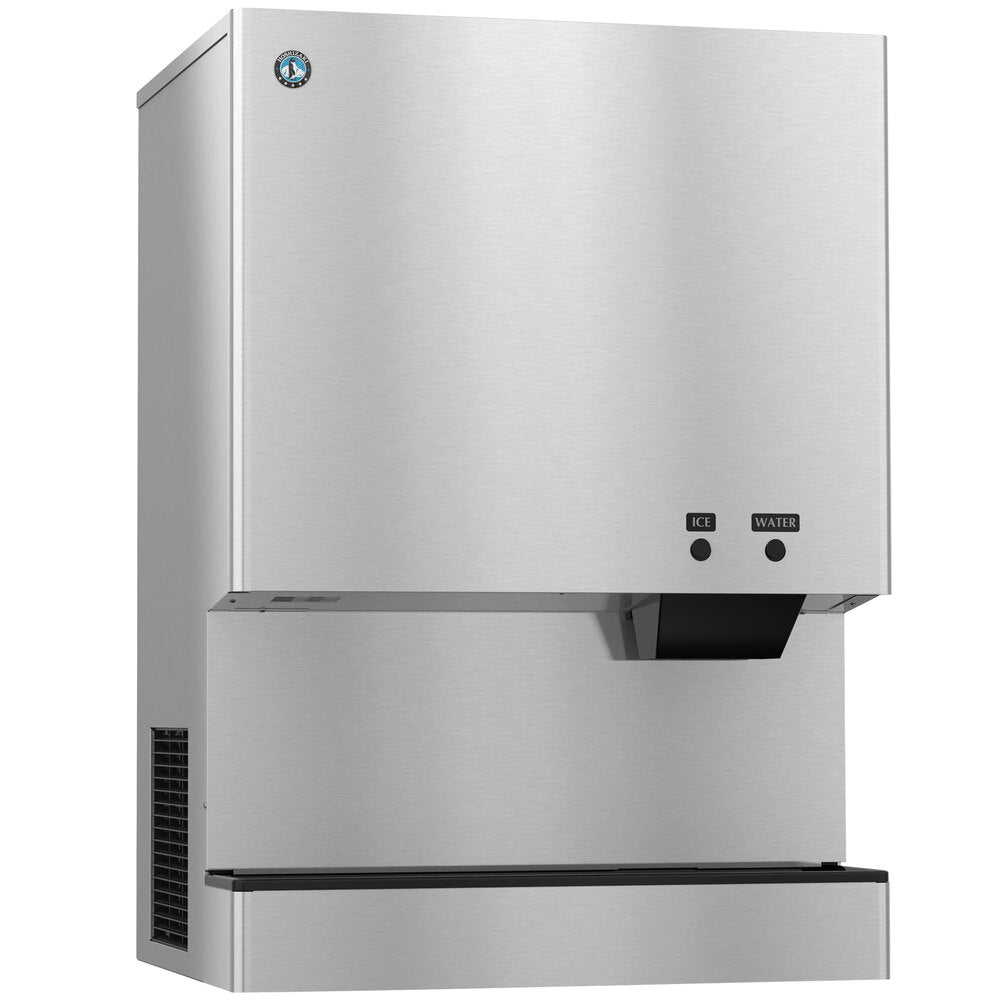
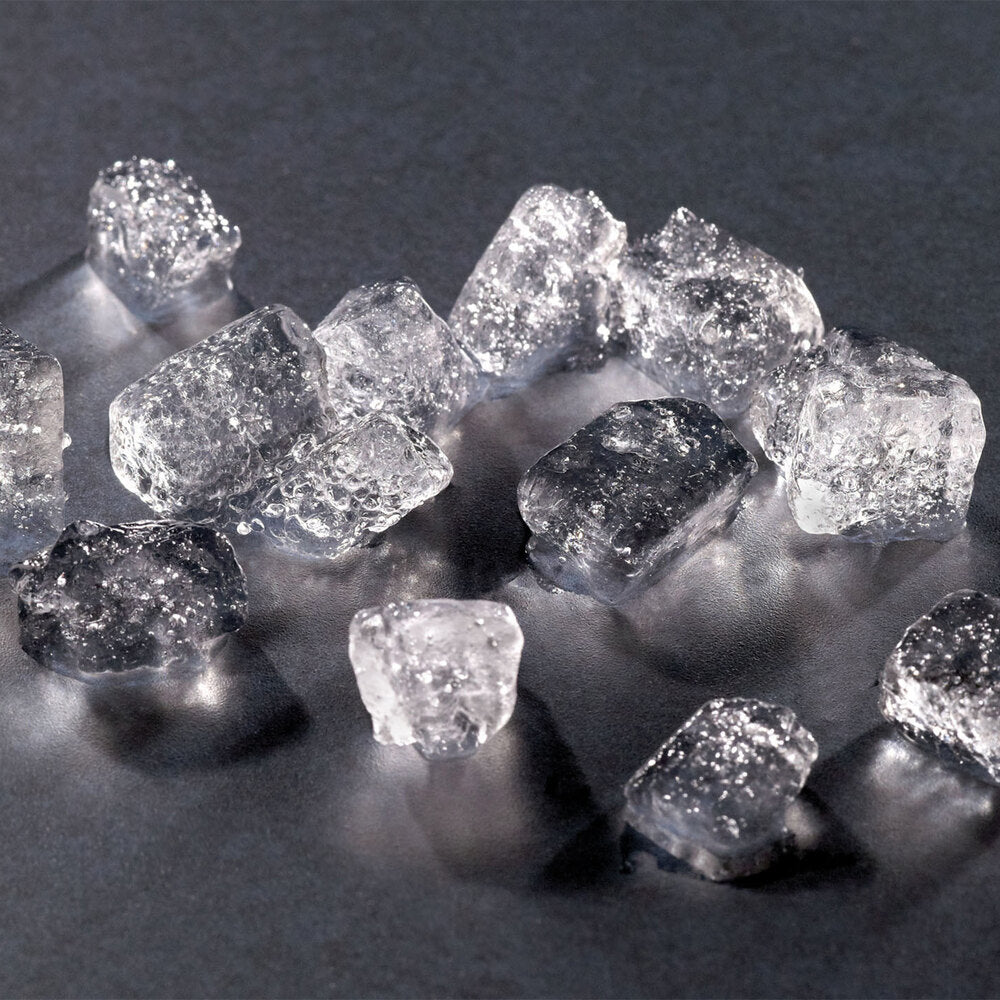
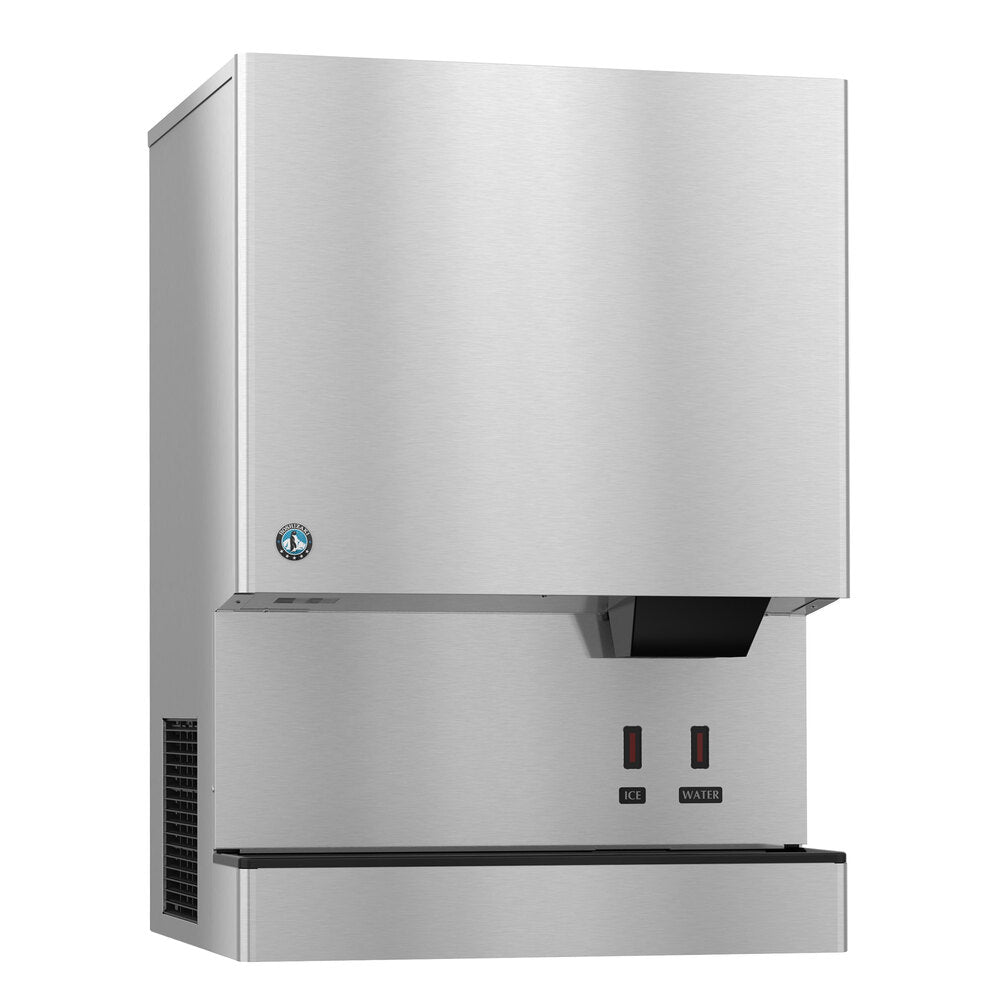
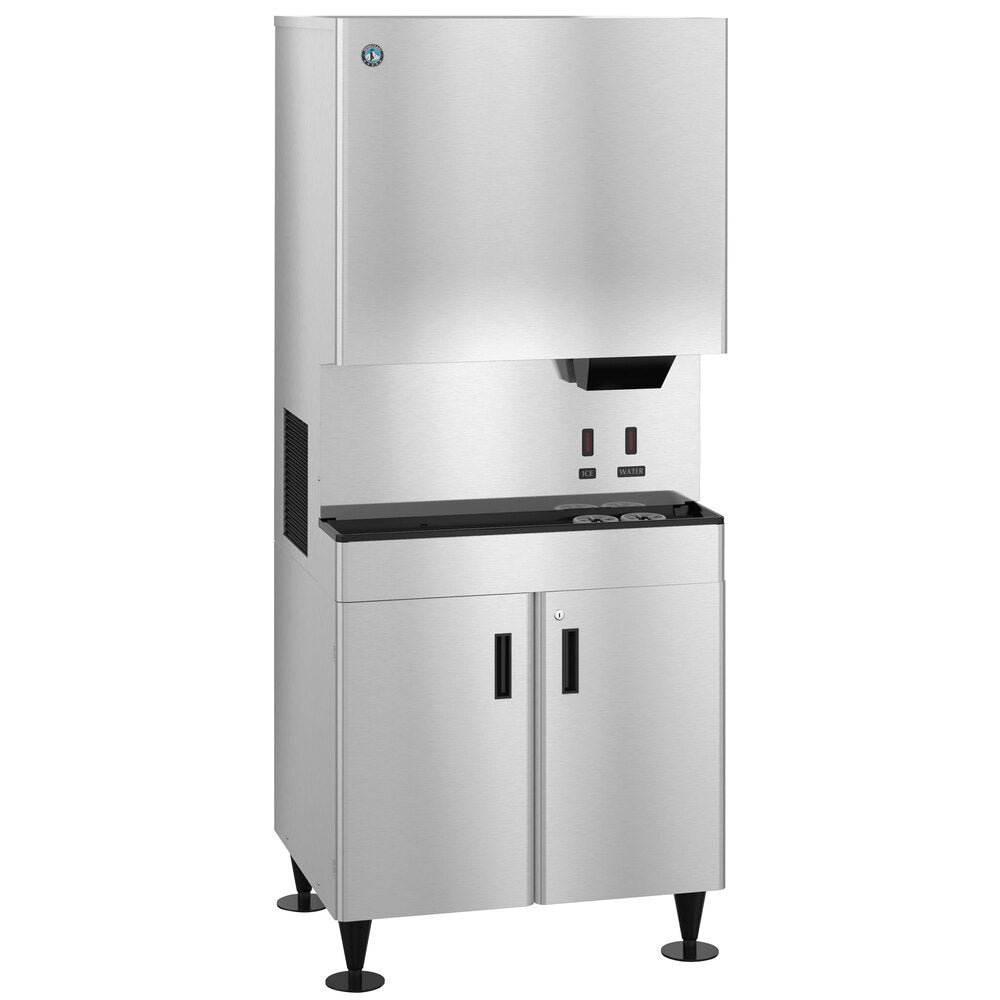
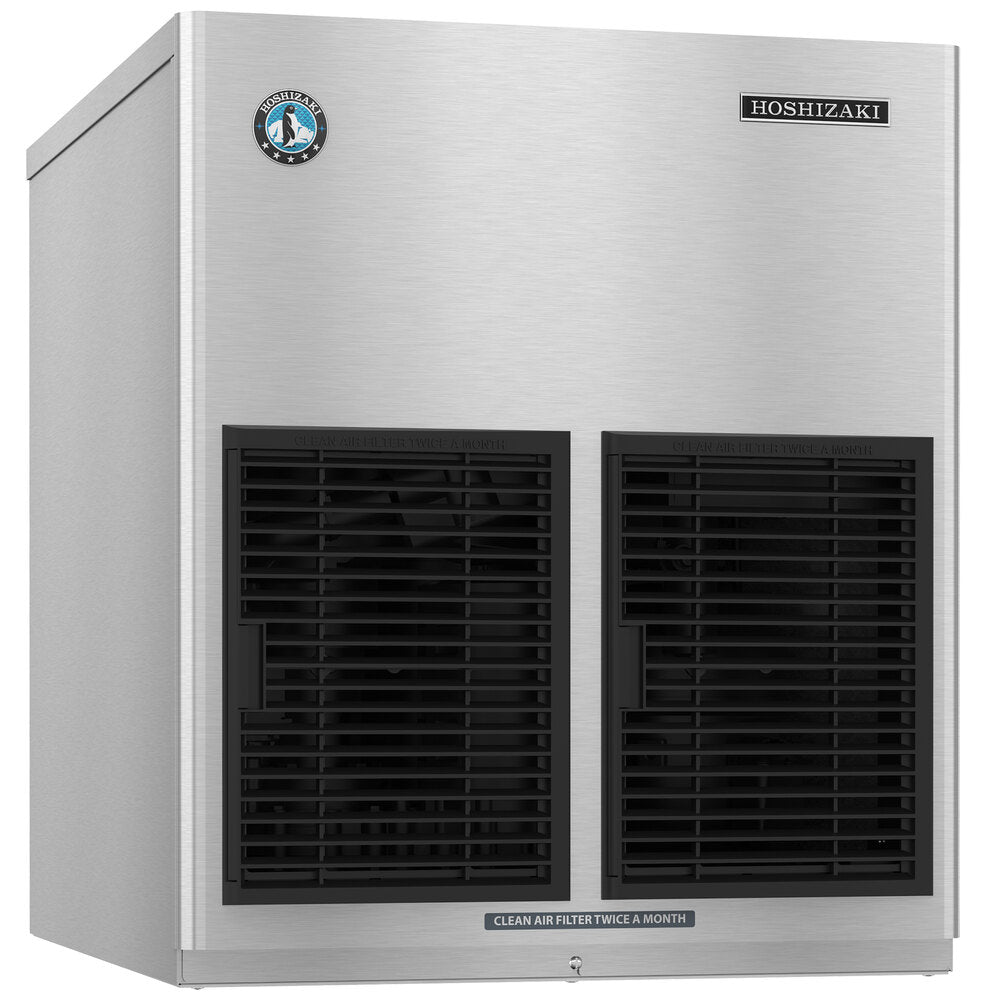
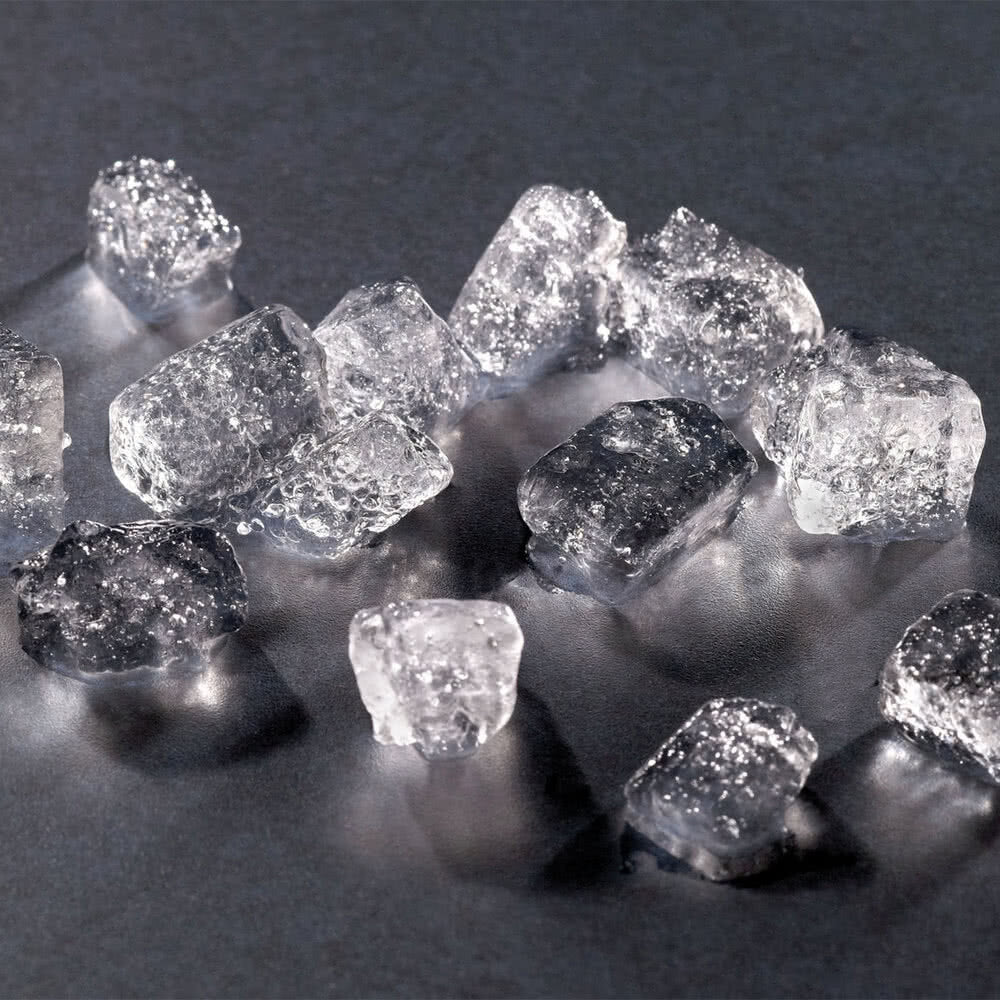
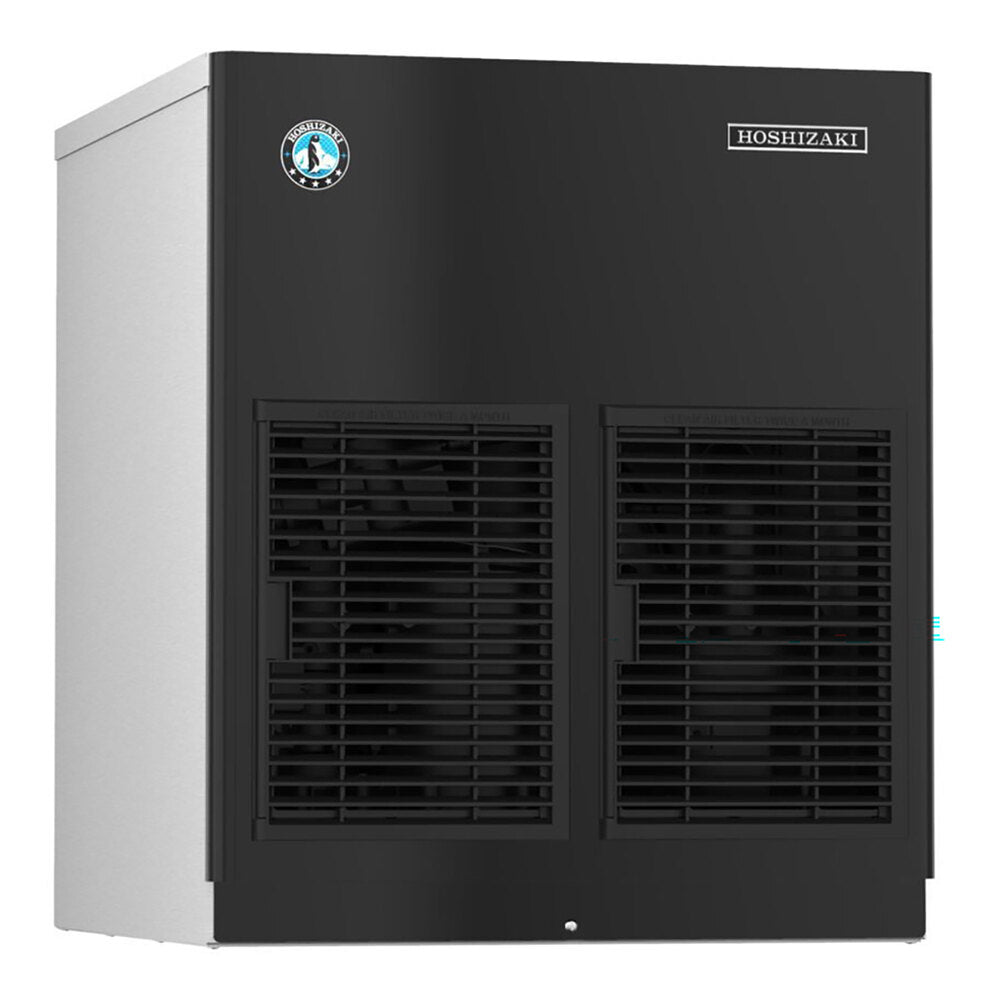
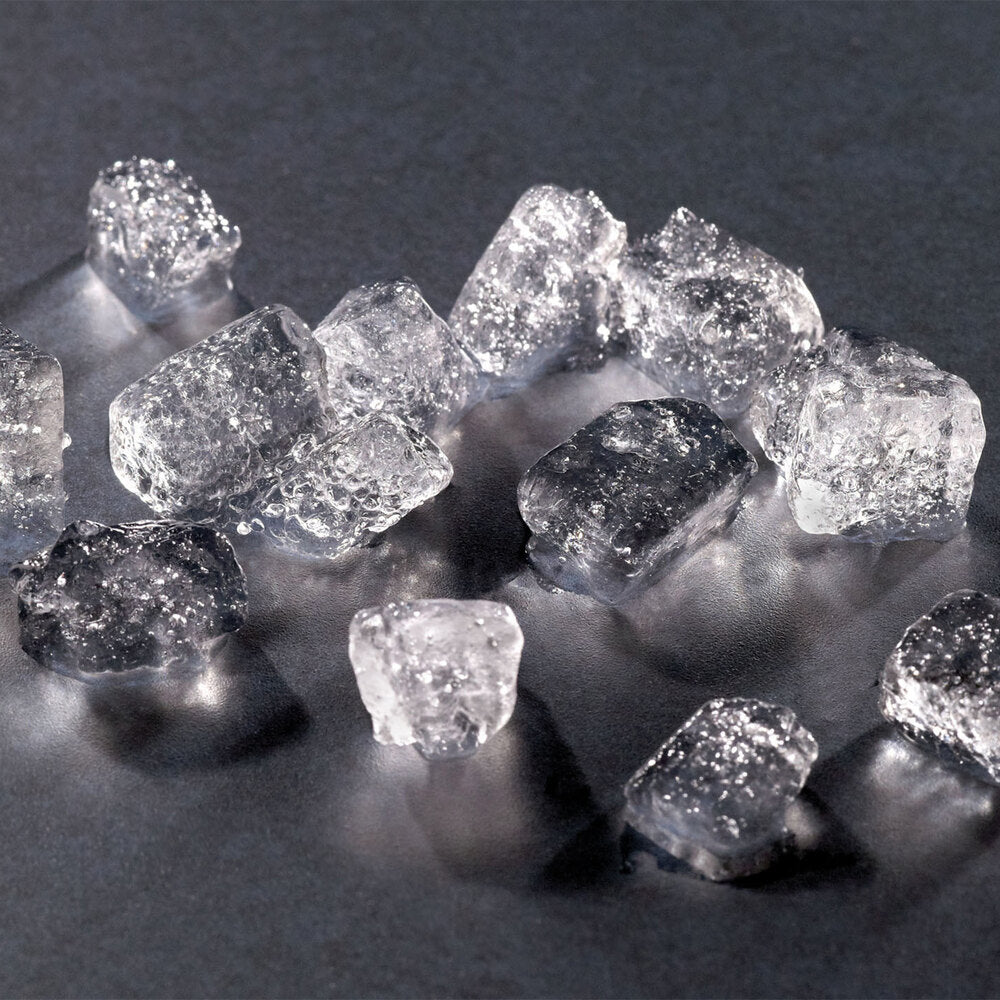
Commercial ice machines are a critical part of any operation that serves beverages, preserves food, or relies on consistent ice production throughout the day. From restaurants and bars to hotels, cafés, and convenience stores, having a reliable ice supply directly impacts service speed, product quality, and overall customer experience. Unlike residential units, commercial ice machines are built for continuous use, higher production capacity, and long-term durability in demanding environments.Choosing the right ice machine starts with understanding your daily usage and peak demand. Compact undercounter units are ideal for smaller spaces or low-volume applications, while modular ice makers are designed for high-output environments such as busy kitchens, bars, and large-scale operations. Many businesses also rely on combination units with built-in storage bins to streamline workflow and reduce the need for additional equipment.Ice type is another key factor that directly affects both presentation and functionality. Full-cube and half-cube ice are commonly used in beverages, while nugget ice is popular for soft drinks and healthcare settings due to its chewable texture. Flake ice is often preferred for food display and preservation. Selecting the right ice type not only improves efficiency but also enhances the overall customer experience.Performance and efficiency should be top priorities when evaluating your options. Modern commercial ice machines are designed with advanced cooling systems, energy-efficient components, and fast recovery rates to keep up with high-demand service. Features like stainless steel construction, removable filters, and easy-access components help simplify cleaning and maintenance while ensuring long-term reliability.To maintain food safety standards, many units are built with sanitation features and certified for commercial use. Investing in the right ice machine is not just about production capacity, it is about creating a system that supports your operation, reduces downtime, and keeps your business running smoothly during peak hours.
Showing 49 - 66 of 66 products
View
Serv-Ware SWUC-160F Undercounter Ice Machine - Full Cube, 160 lbs/ 24 hrs, 80 lb Bin
Serv-Ware SWUC-160H Undercounter Ice Machine - Half Cube, 160 lbs/ 24 hrs, 80 lb Bin
Serv-Ware SWUC-210F Undercounter Ice Machine - Full Cube, 210 lbs/ 24 hrs, 80 lb Bin
Serv-Ware SWUC- 210H Undercounter Ice Machine - Half Cube, 210 lbs/ 24 hrs, 80 lb Bin
Serv-Ware SWUC-280F Undercounter Ice Machine - Full Cube, 280 lbs/ 24 hrs w/ 80 lb Bin
Serv-Ware SWUC-280H Undercounter Ice Machine - Half Cube, 280 lbs/ 24 hrs w/ 80 lb Bin
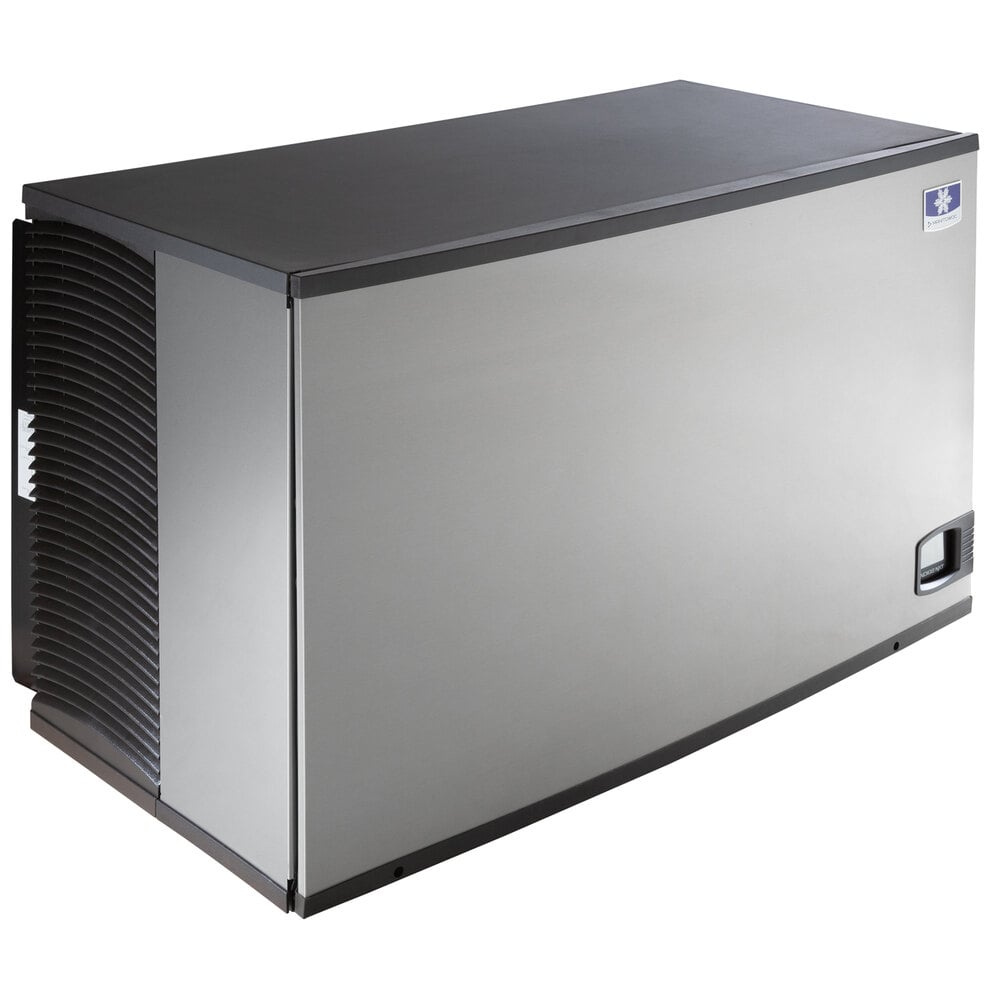
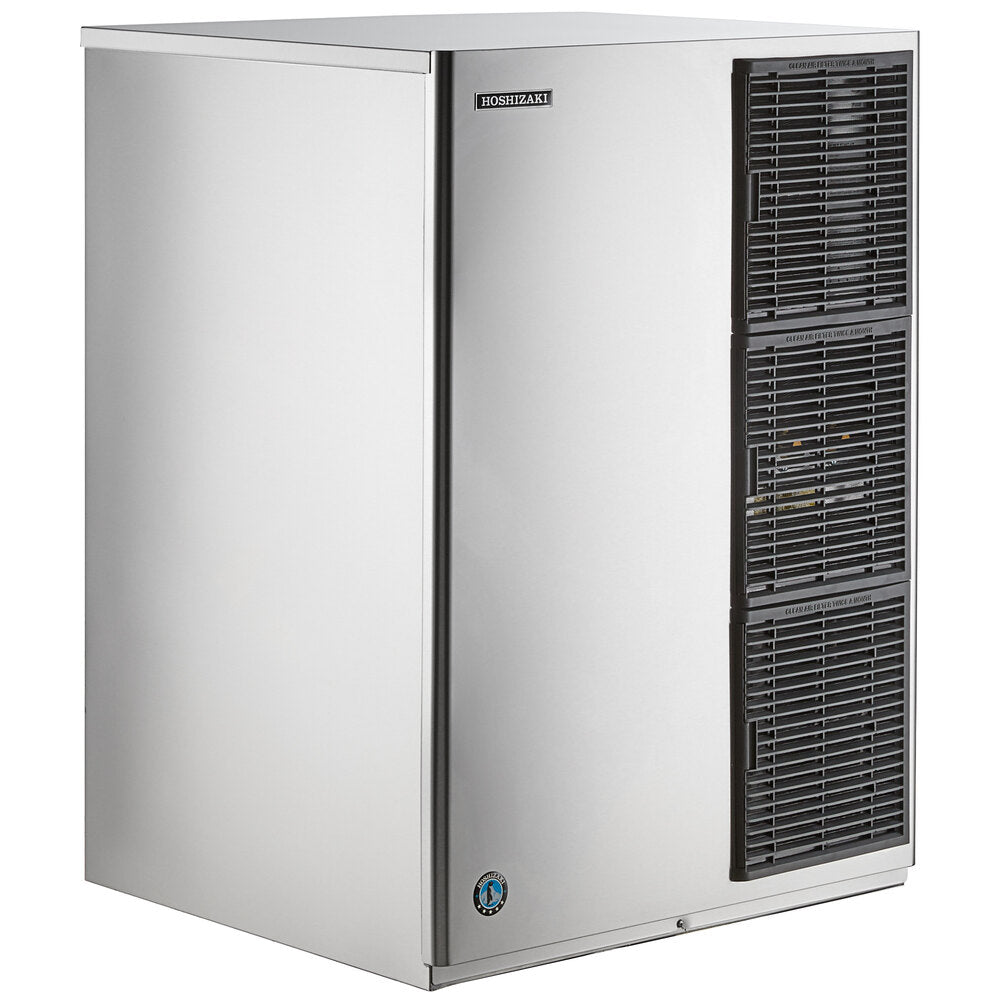
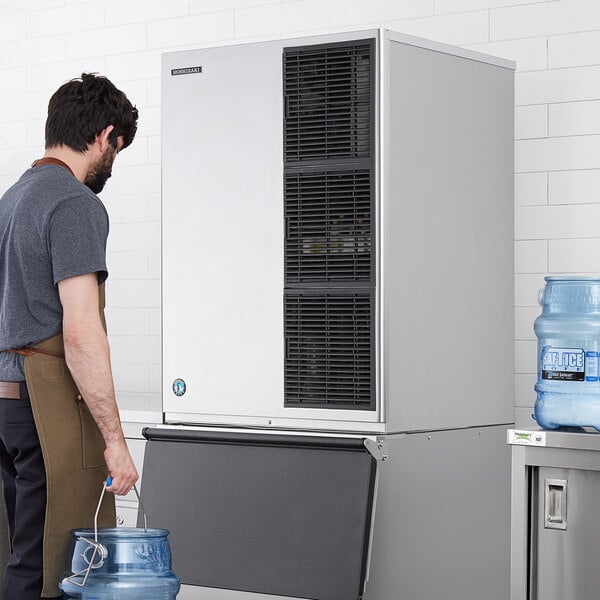
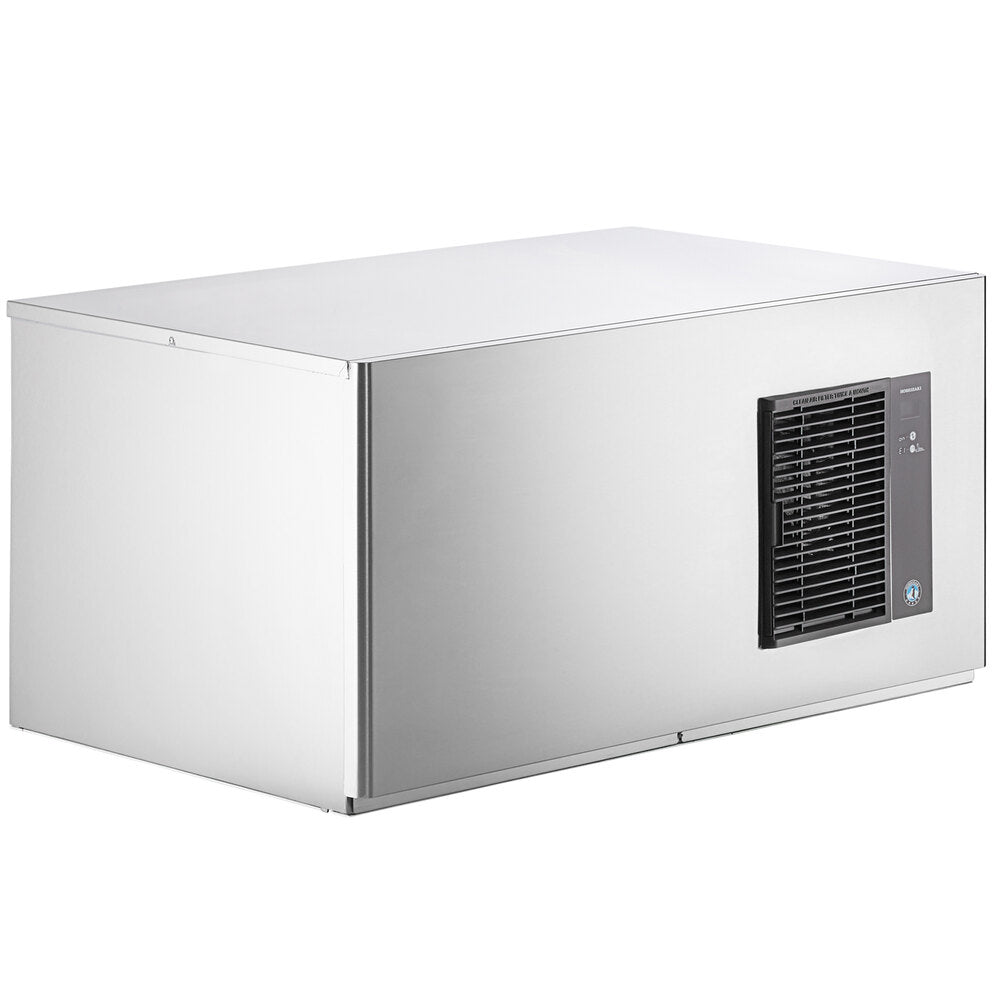
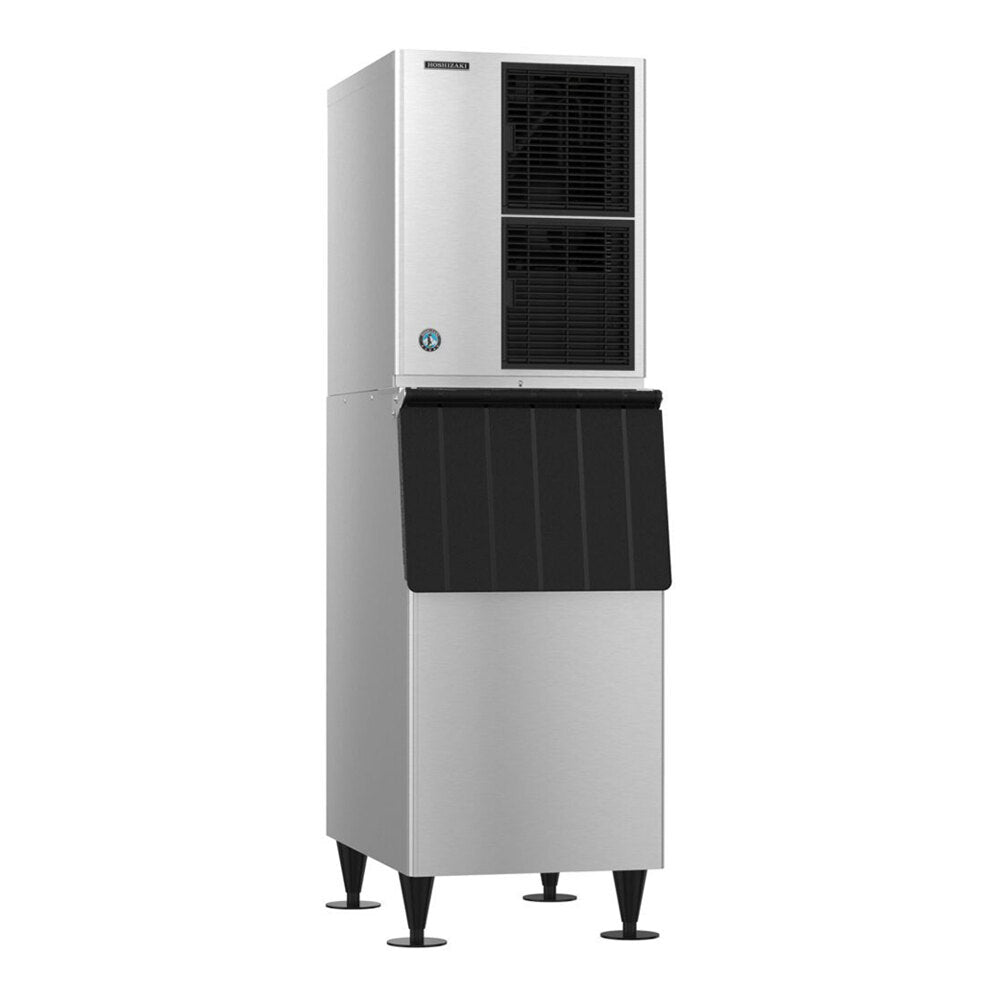
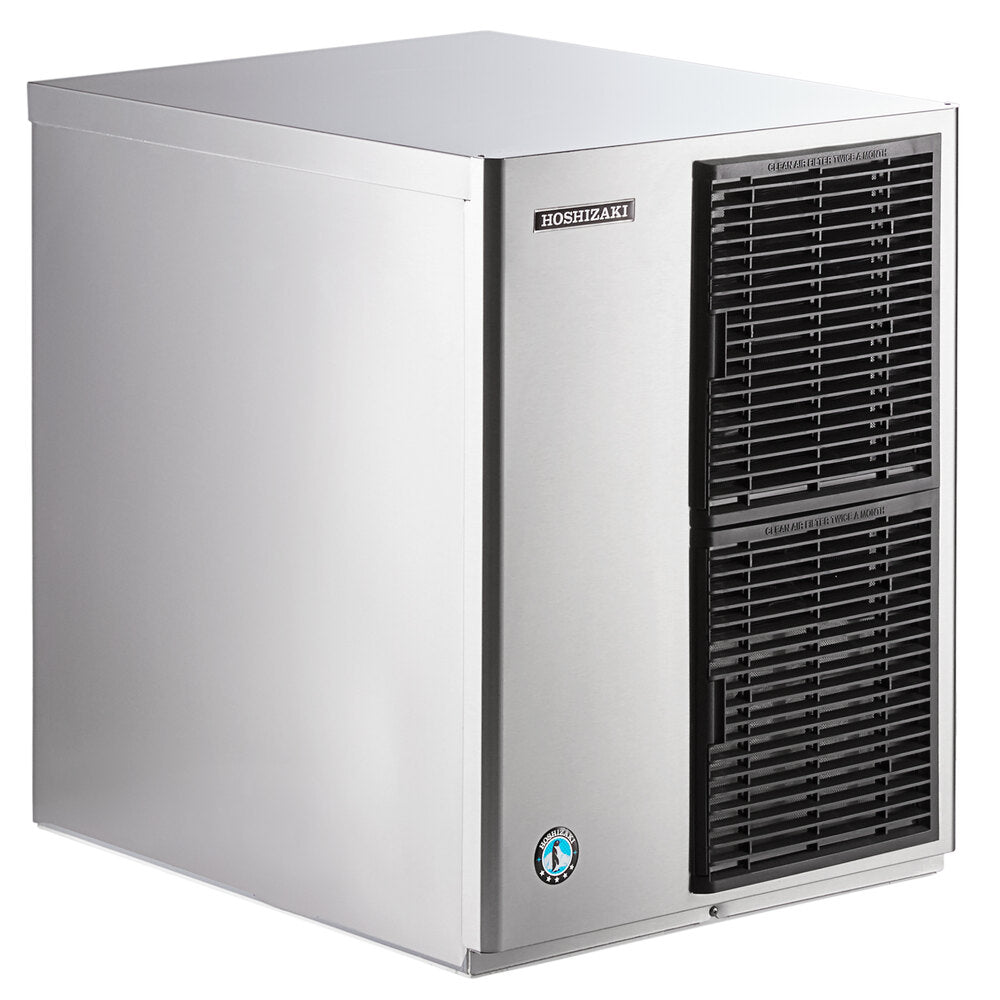
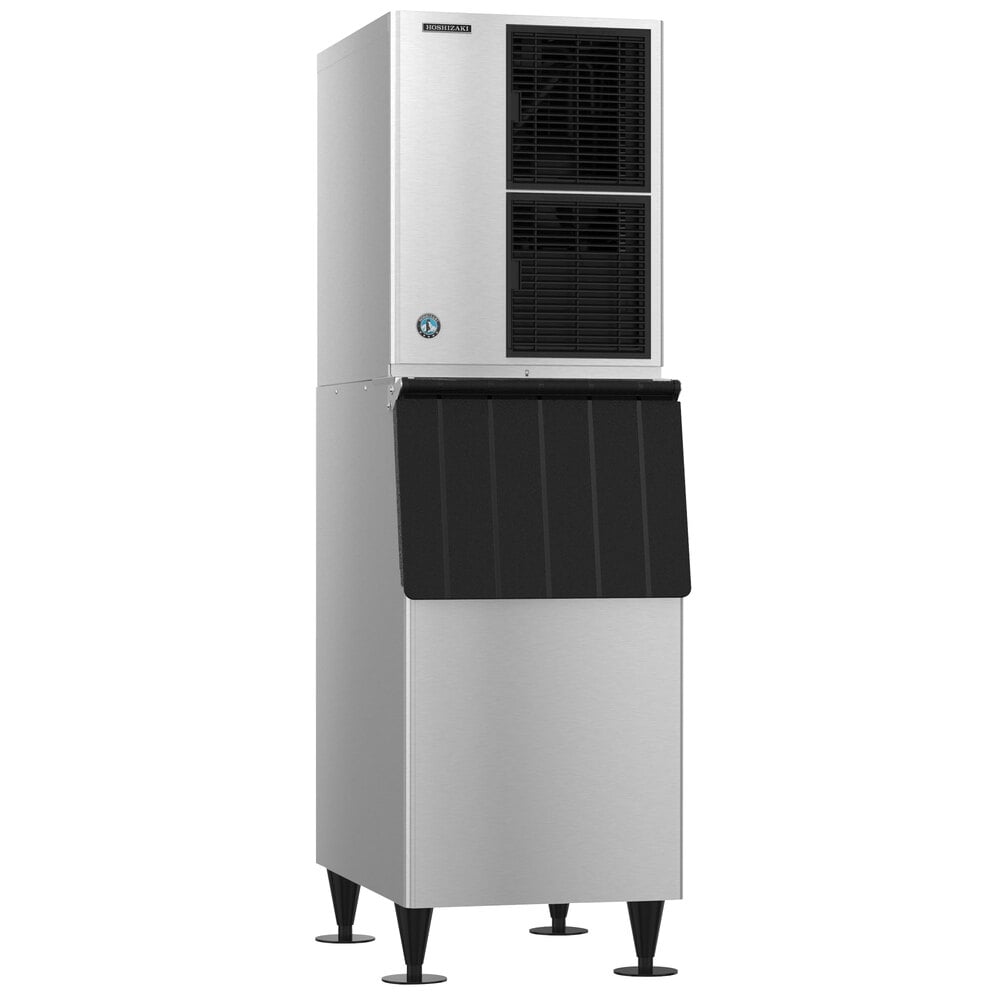
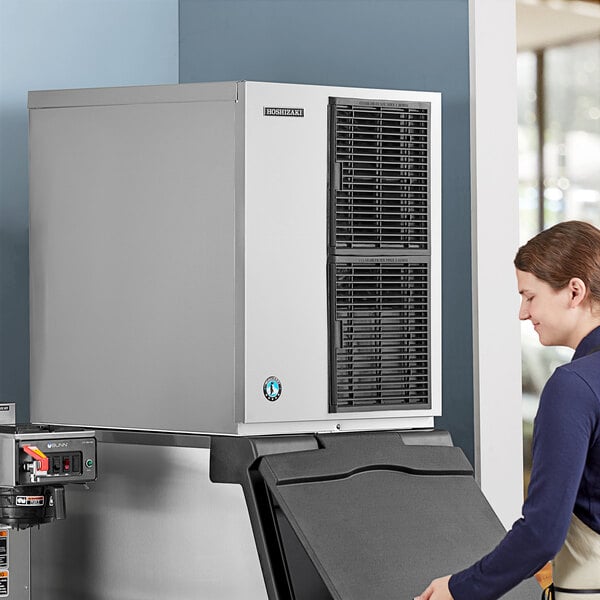
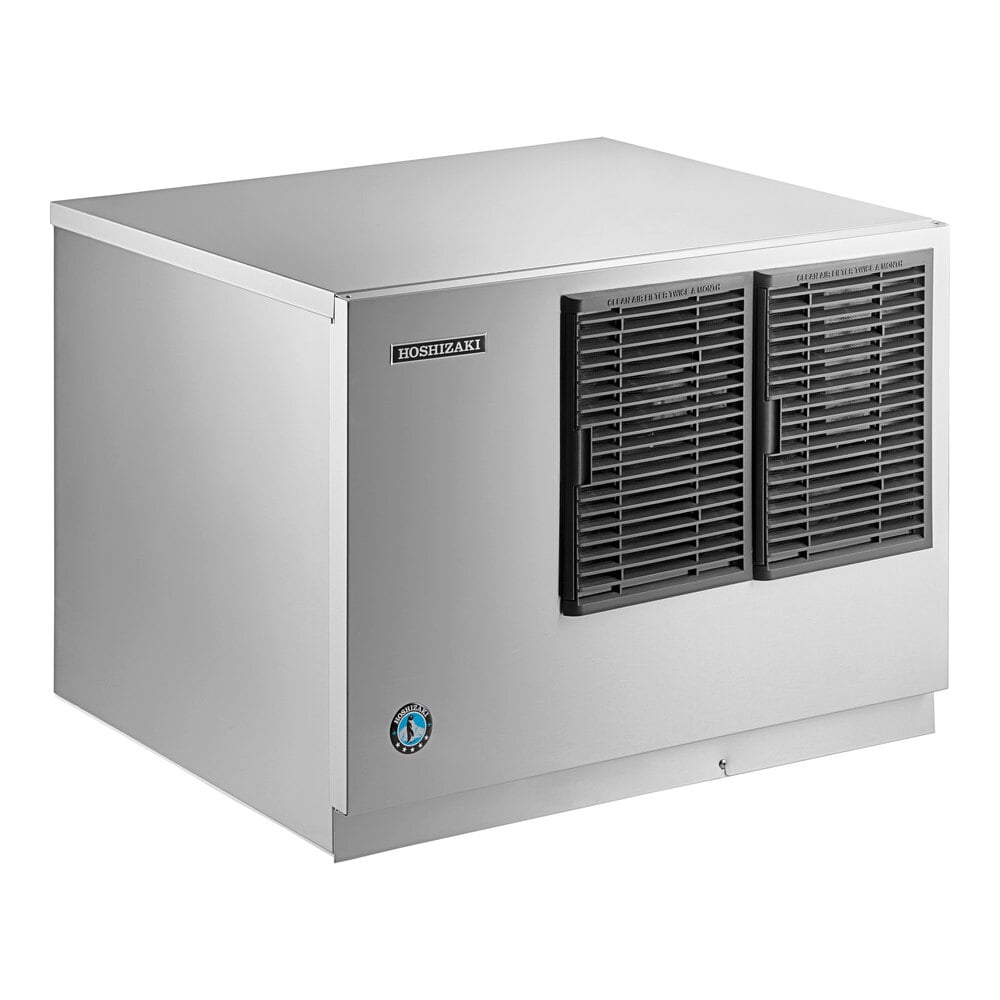
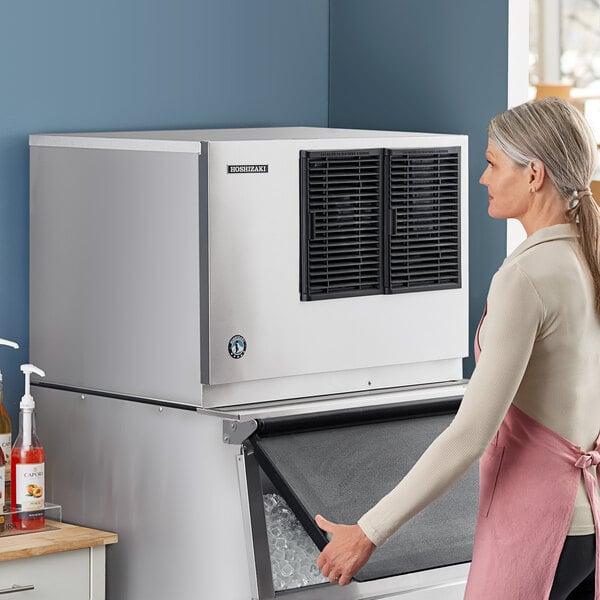
Serv-Ware SWM22-350F Wide Head Ice Machine - Full Cube, 350 lbs/24 hrs, 300 lb Bin
Serv-Ware SWM22-350H Wide Head Ice Machine - Half Cube, 350 lbs/24 hrs, 300 lb Bin
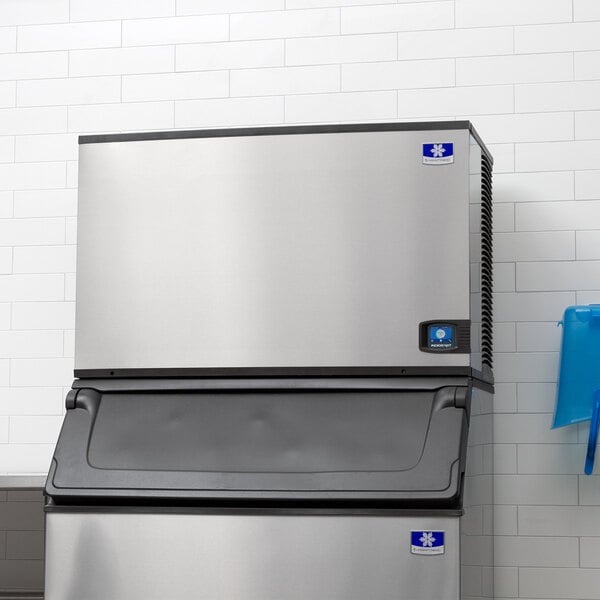
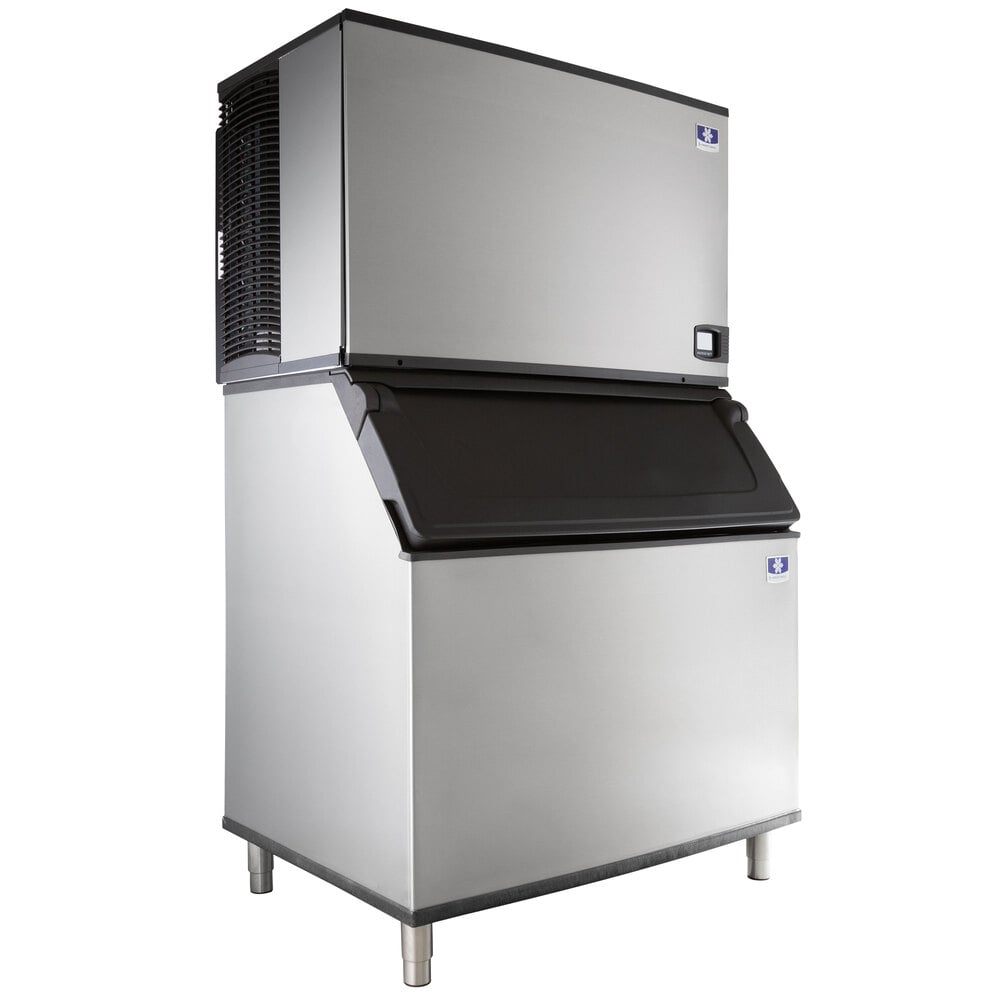
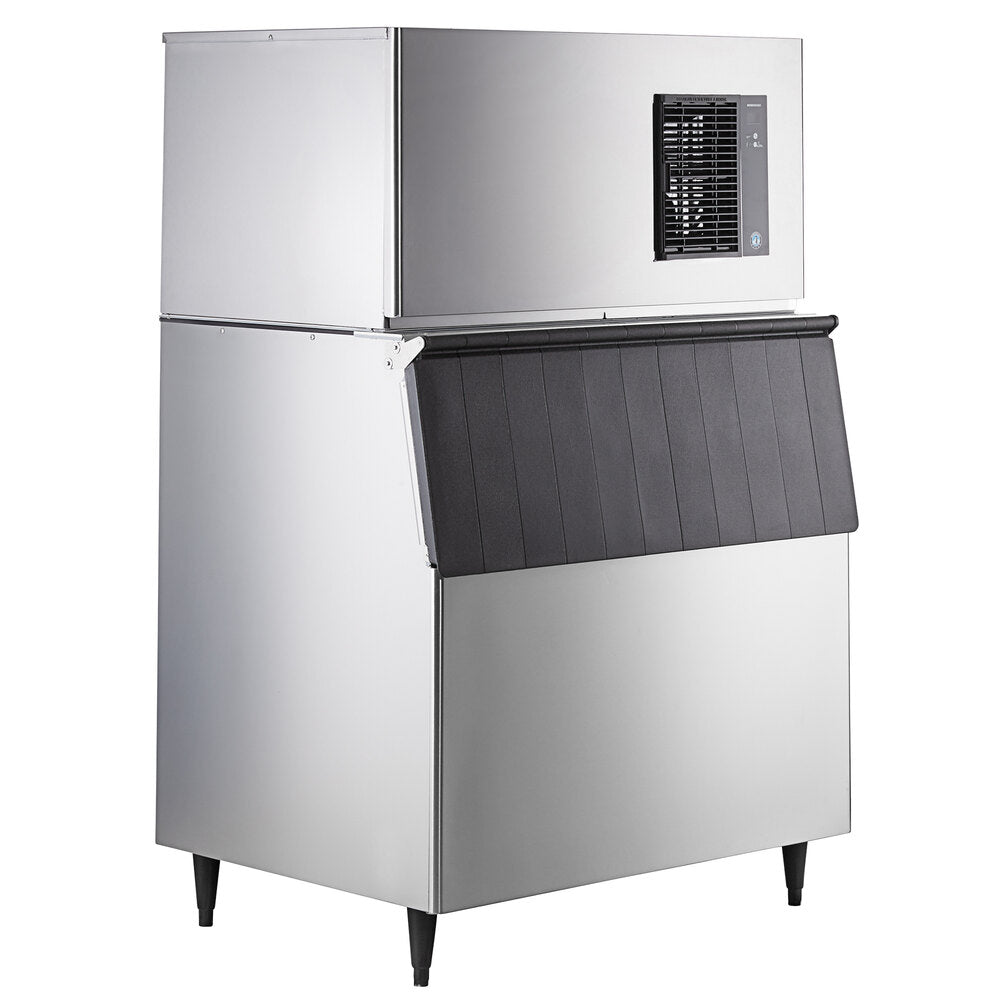
Serv-Ware SWM30-500F Wide Head Ice Machine - Full Cube, 500 lbs/24 hrs, 440 lb Bin
Serv-Ware SWM22-550SF Wide Head Ice Machine - Snow Flake, 550 lbs/24 hrs, 300 lb Bin
Serv-Ware SWM22-550CN Wide Head Ice Machine - Chewable Nugget, 550 lbs/24 hrs, 300 lb Bin
Serv-Ware SWM30-700F Wide Head Ice Machine - Full Cube, 700 lbs/24 hrs, 440 lb Bin
Serv-Ware SWM30-700H Wide Head Ice Machine - Half Cube, 700 lbs/24 hrs, 440 lb Bin
Serv-Ware SWM30-1000F Wide Head Ice Machine - Full Cube, 1000 lbs/24 hrs, 440 lb Bin
Serv-Ware SWM30-1000H Wide Head Ice Machine - Half Cube, 1000 lbs/24 hrs, 440 lb Bin
Serv-Ware SWB22-305 22" Ice Bin
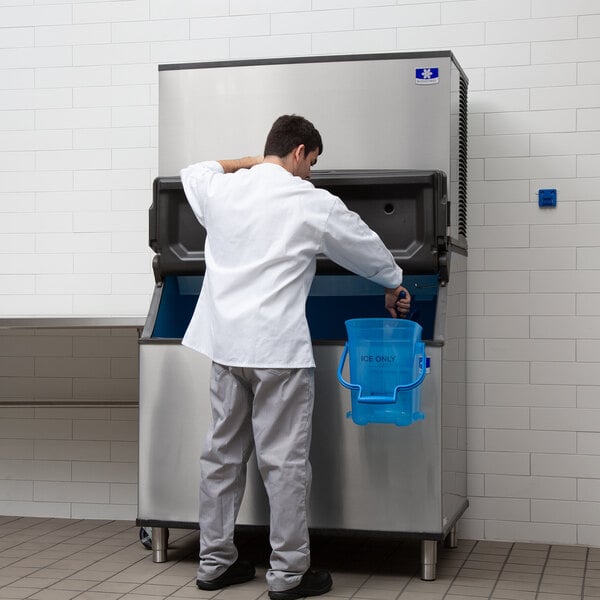
Serv-Ware SWB30-445 30" Ice Bin
Serv-Ware SWB48-705 48" Ice Bin

Recently viewed

What to Know Before Buying a Commercial Ice Machine

Choosing the right ice machine is not just about production capacity—it is about ensuring your entire operation runs smoothly during peak hours. Ice is a critical component in beverage service, food preservation, and presentation, which means your equipment must be reliable, consistent, and aligned with your daily demand. Before making a decision, it is important to evaluate how much ice your business actually uses on its busiest days, not just average usage.One of the first considerations is the type of unit that fits your space and workflow. Undercounter models are ideal for compact environments such as small cafés or bars, while modular ice makers are better suited for high-volume operations that require continuous production. These machines are often part of...

Helpful guides

Common questions

How much ice does a commercial ice machine produce per day?

Production capacity varies depending on the model, but most commercial ice machines produce anywhere from 100 lbs to over 1,000 lbs of ice per day. The right capacity depends on your business type and peak usage.

What size ice machine do I need for my business?

You should calculate your needs based on peak demand. Restaurants, bars, and hotels typically require larger units, while small cafés or offices can operate with compact undercounter machines.

What is the difference between air-cooled and water-cooled ice machines?

Air-cooled machines use surrounding air to cool the system and are more energy efficient, while water-cooled units use water for cooling and are better suited for hot environments where airflow is limited.

What type of ice is best for drinks?

Full-cube and half-cube ice are the most commonly used for beverages because they melt slowly and maintain drink quality. Nugget ice is also popular for soft drinks due to its chewable texture.

How often should a commercial ice machine be cleaned?

Most manufacturers recommend cleaning and sanitizing your ice machine at least every 3 to 6 months, depending on usage and water quality. Regular maintenance helps prevent buildup and ensures safe operation.

Why is my ice machine not producing enough ice?

Common reasons include dirty filters, poor ventilation, high ambient temperatures, or scale buildup inside the machine. Regular maintenance and proper installation can prevent most of these issues.

Where should I install a commercial ice machine?

Ice machines should be installed in well-ventilated areas with enough clearance for airflow. Avoid placing them near heat-producing equipment, as this can reduce efficiency and production capacity.