
In a commercial kitchen, toast is never just toast. It is timing, consistency, and workflow — all compressed into a few seconds during peak service.
Commercial toasters are designed for one thing: keeping your line moving. Whether you are running a breakfast-heavy café, a fast-paced sandwich shop, or a high-volume restaurant, the right toaster directly impacts ticket speed, staff efficiency, and customer experience.
Unlike residential units, commercial toasters are built to handle continuous output. They deliver consistent browning, faster recovery times, and the durability required for nonstop use. But more importantly, they integrate into your kitchen workflow in a way that either removes bottlenecks — or creates them.
Choosing the right toaster is not about features. It is about how your kitchen operates under pressure.
If your menu relies on bread, buns, or sandwiches, your toaster becomes part of your production line. A slow or undersized unit will delay orders, stack tickets, and force staff to wait. On the other hand, the right configuration allows your team to move faster, serve more customers, and maintain consistency even during peak hours.
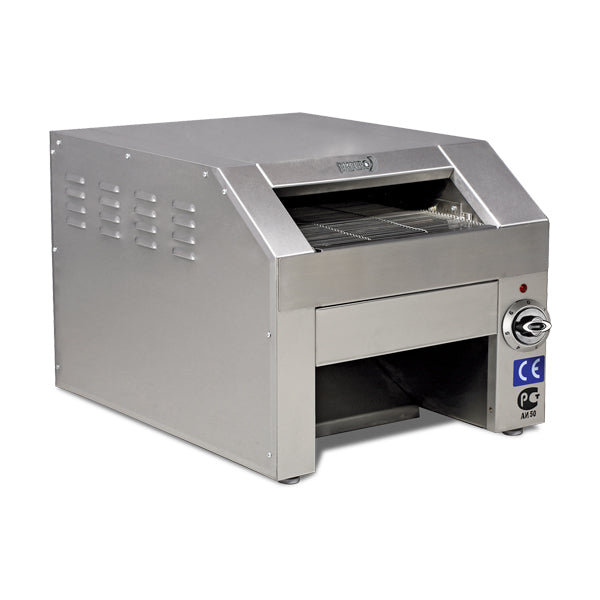
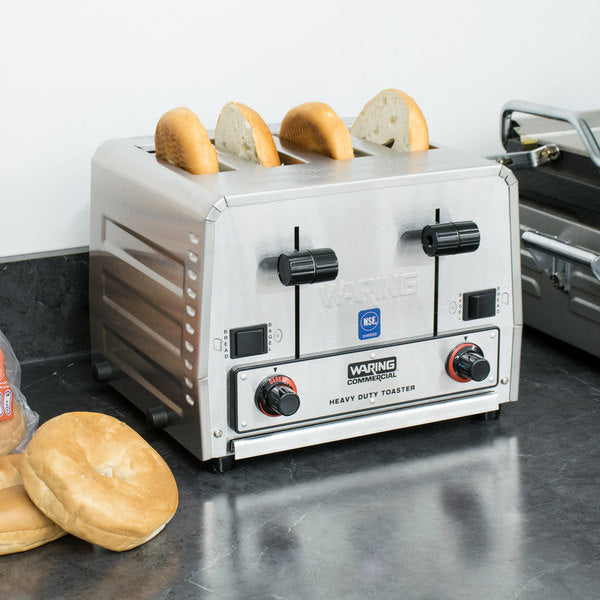
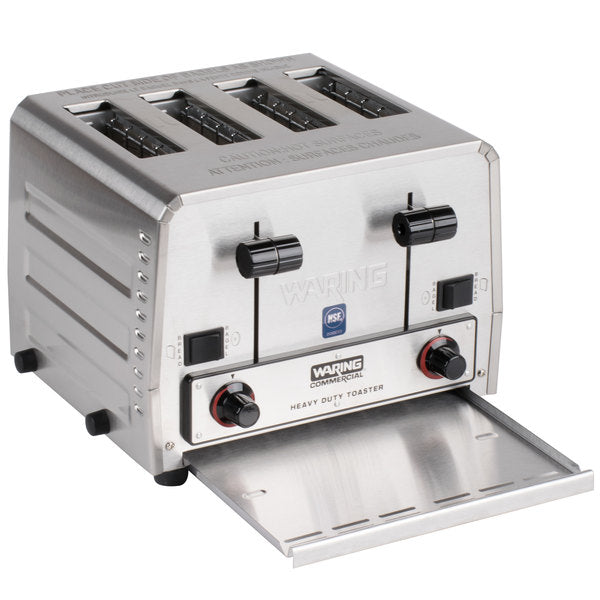
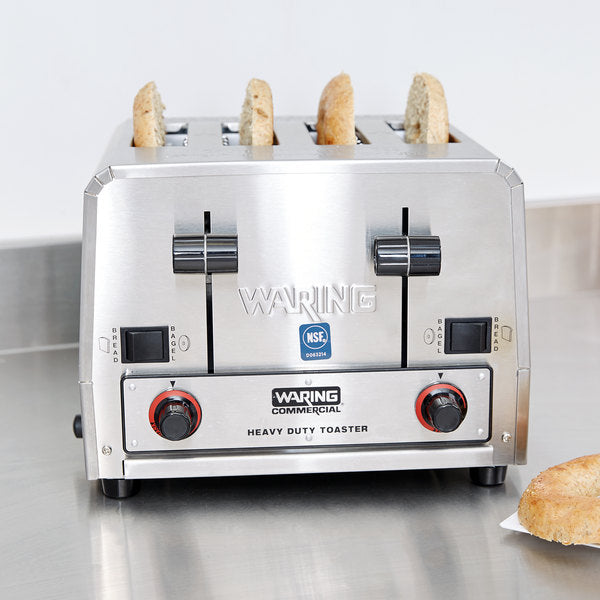
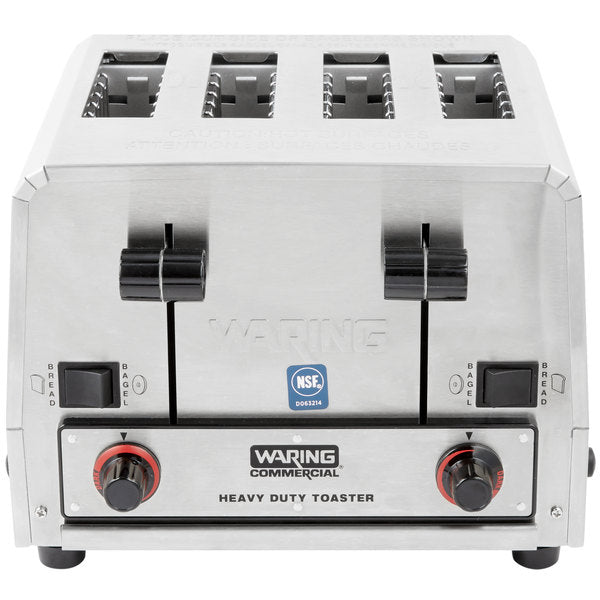
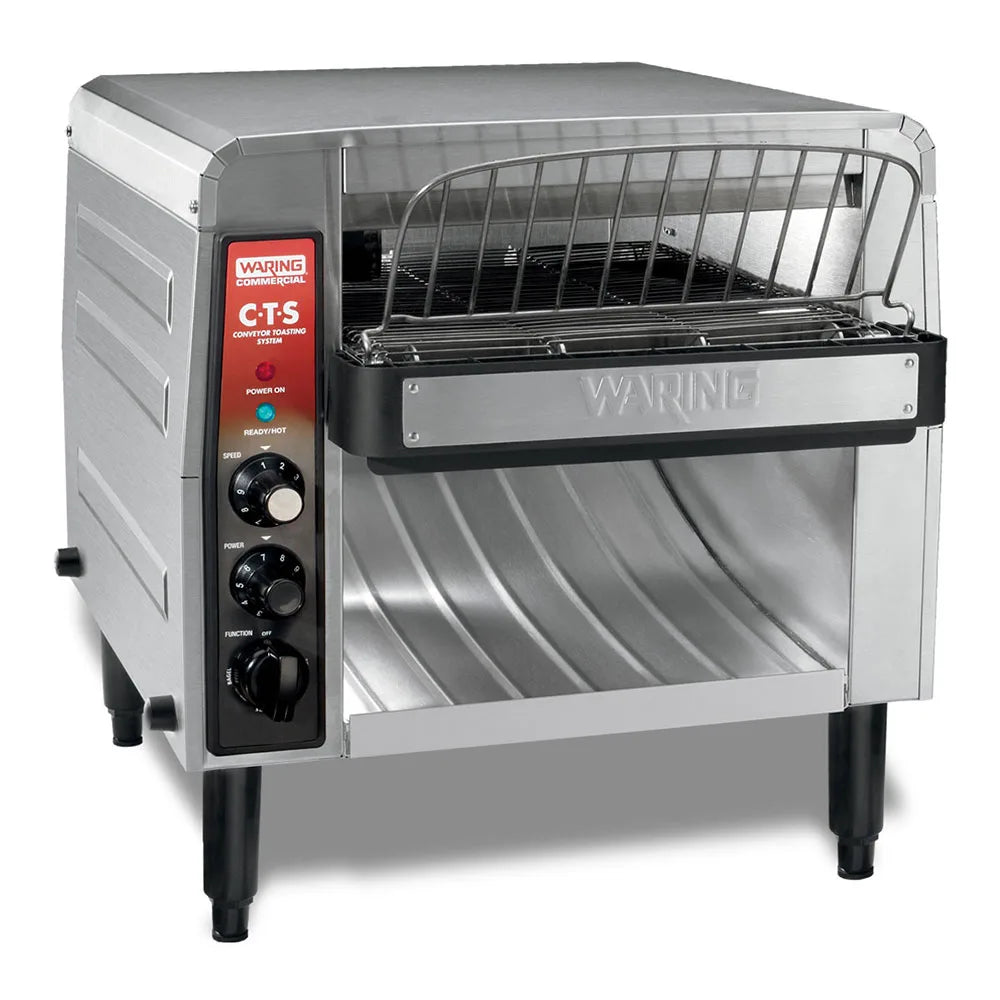
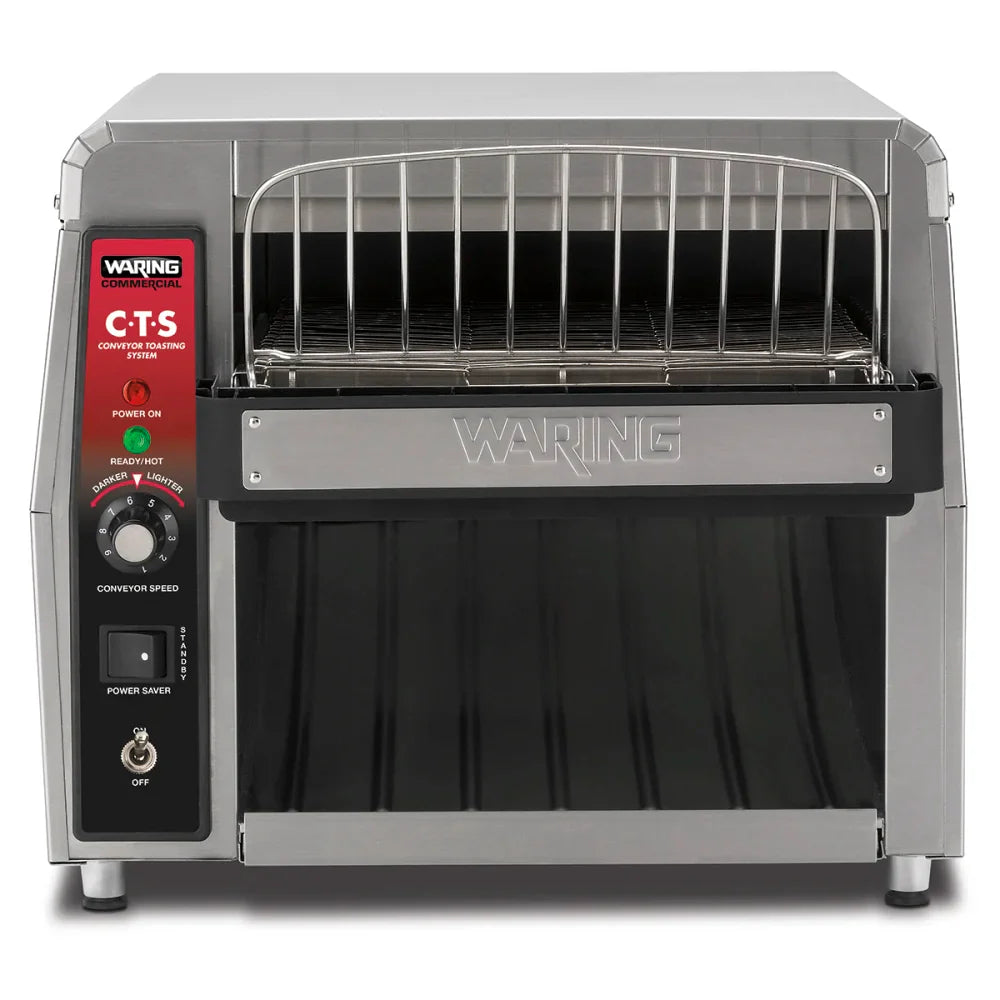
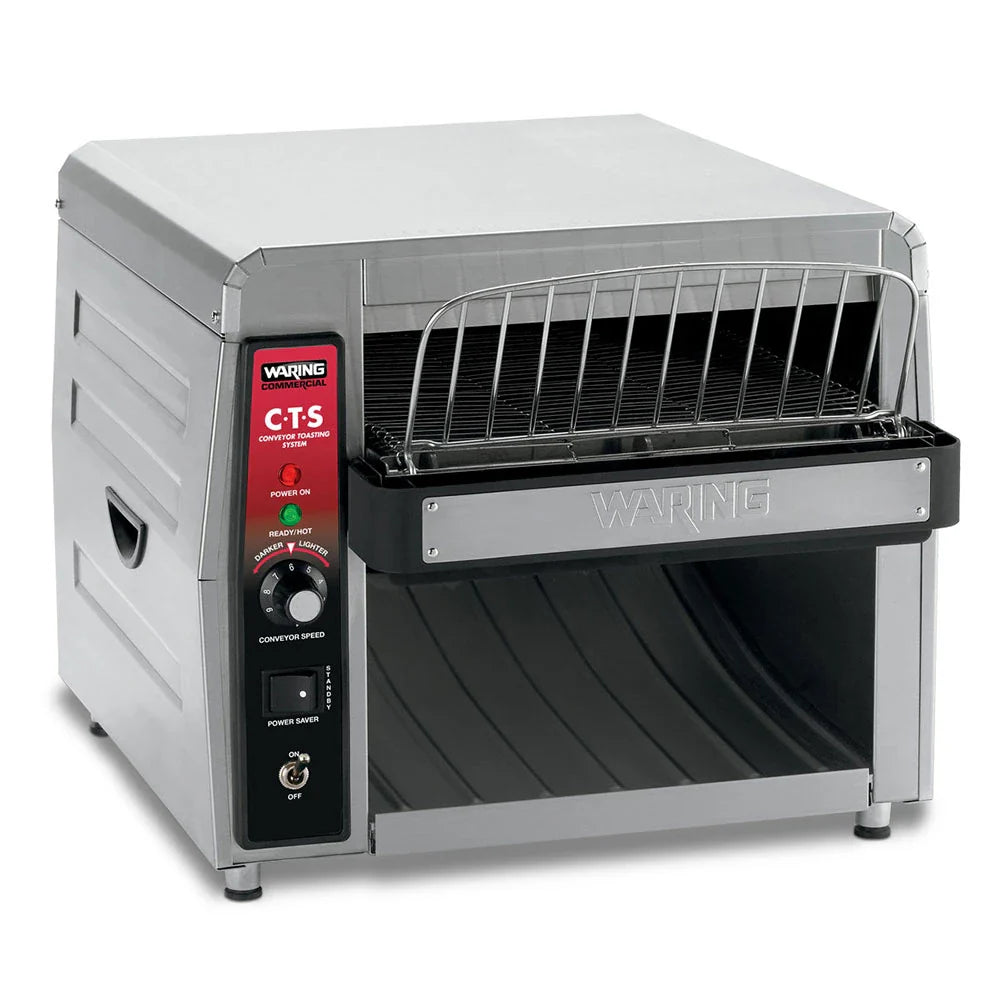
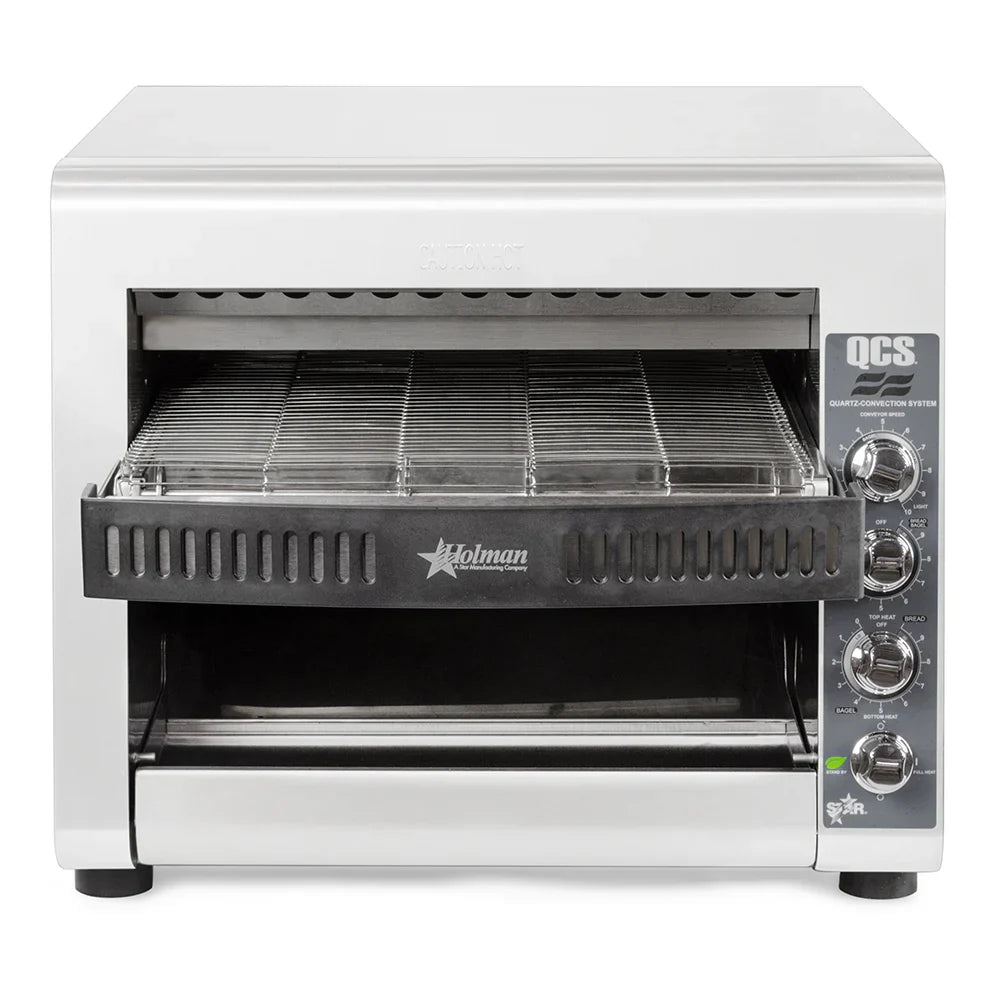
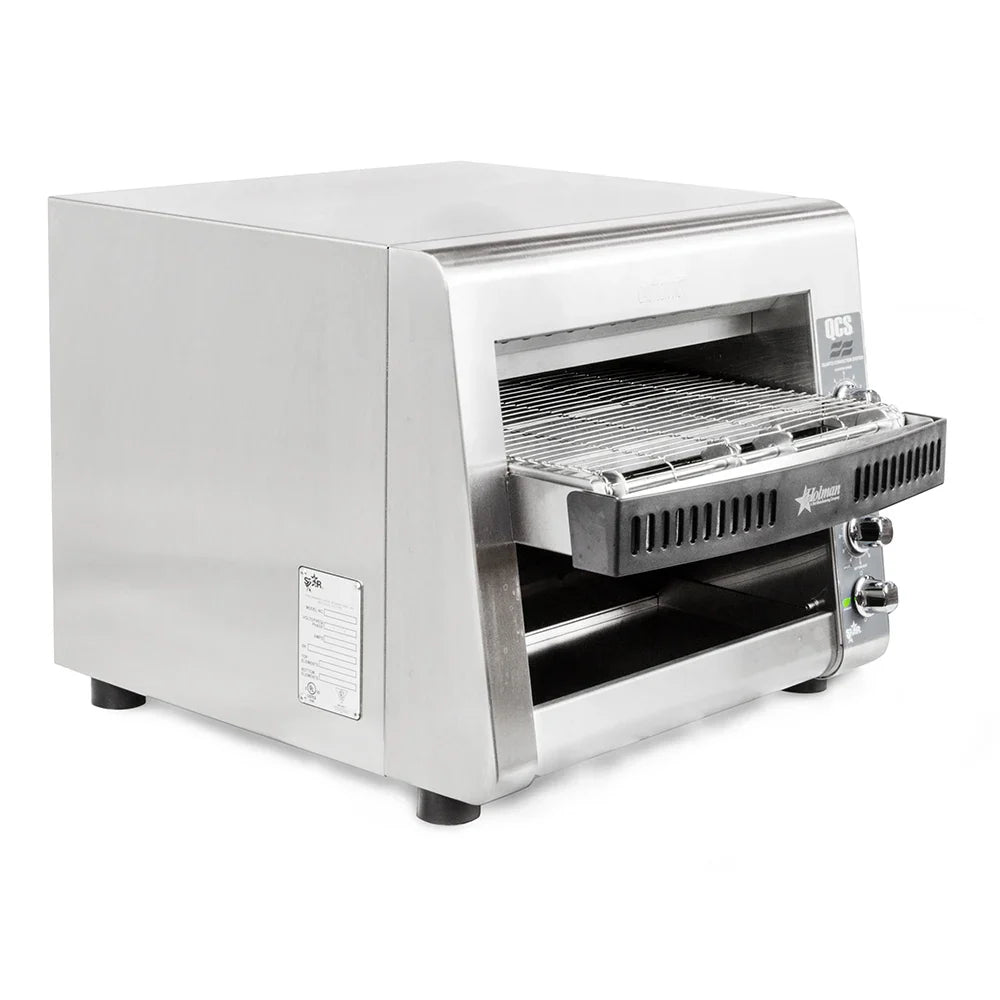
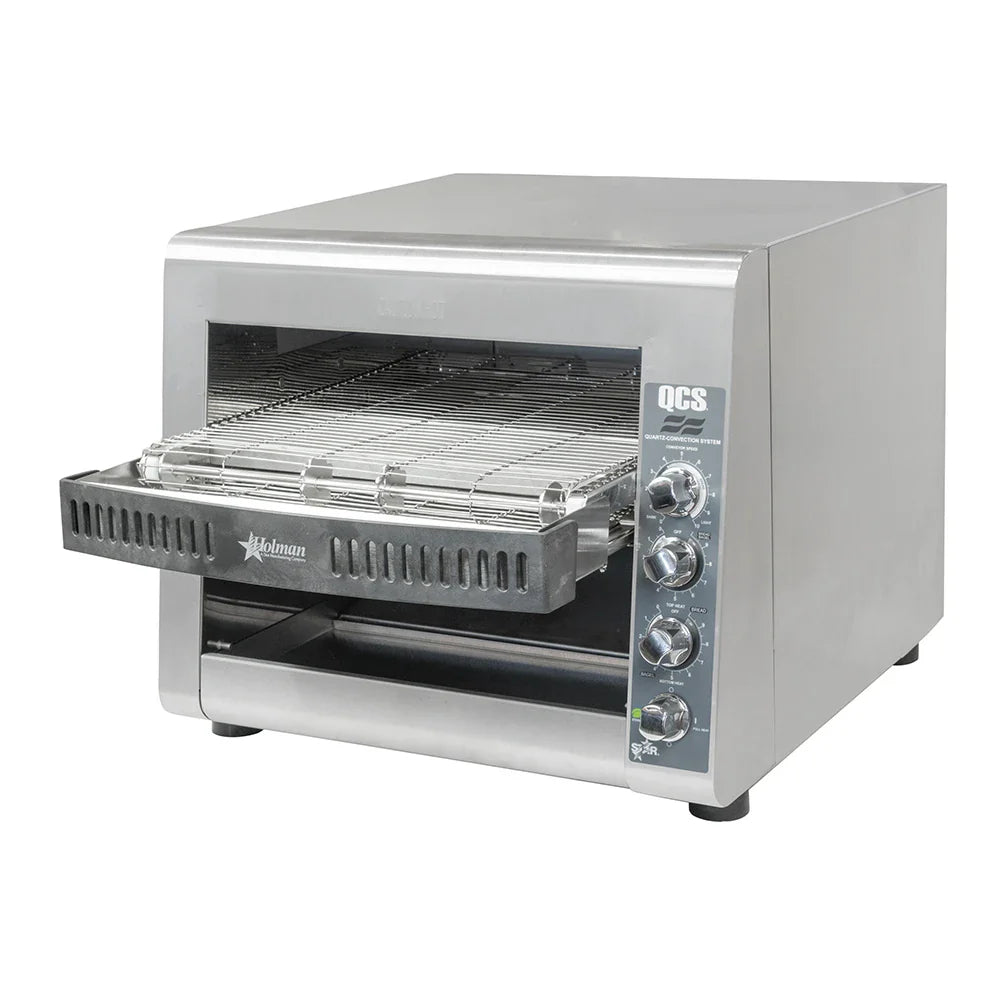
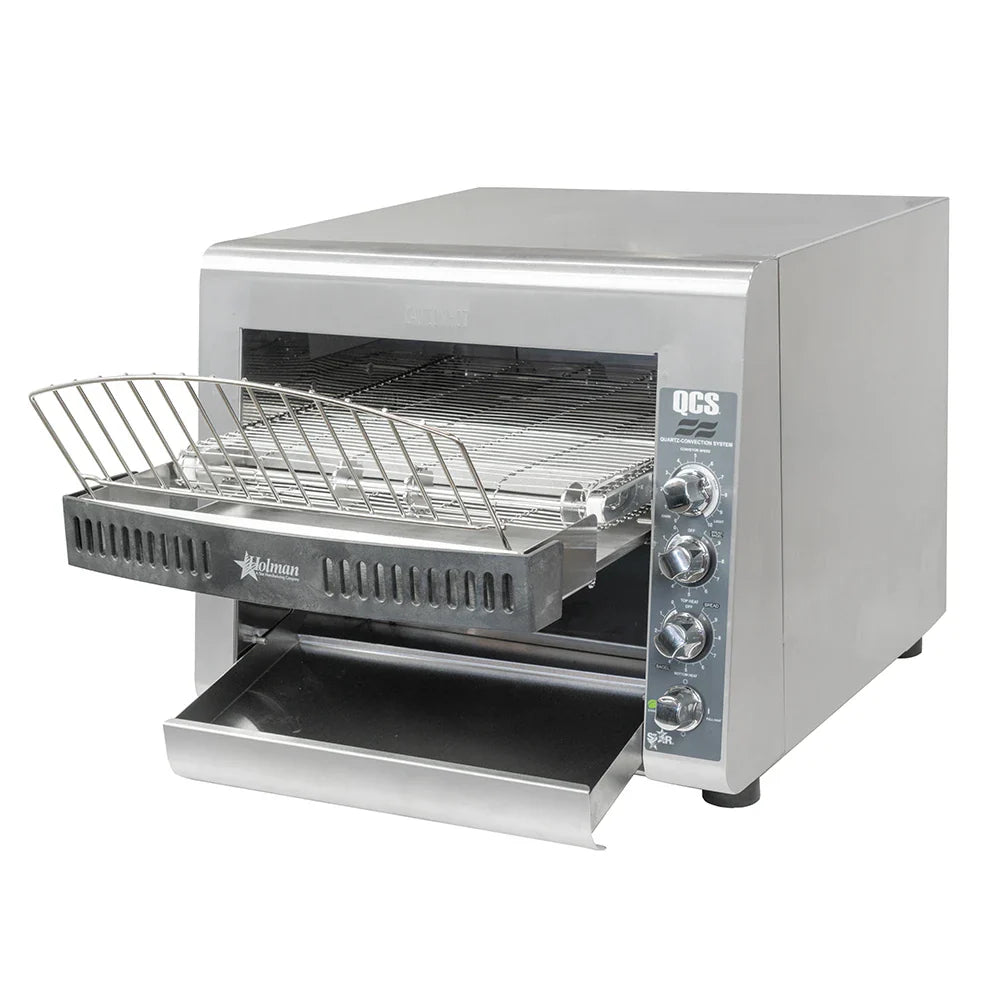
Commercial toasters generally fall into three main categories: pop-up toasters for low to medium volume, conveyor toasters for continuous high-output environments, and bun toasters designed specifically for sandwich assembly lines. Each serves a different purpose, and selecting the wrong type can limit your kitchen’s performance.
At Atlantic, we approach equipment differently. We do not just offer products — we focus on how each piece fits into a real kitchen environment. Our selection of commercial toasters is built around durability, output capacity, and operational efficiency, helping you create a kitchen that performs reliably every day.
Because in a professional kitchen, even something as simple as toast can define how smoothly your entire service runs.
Show less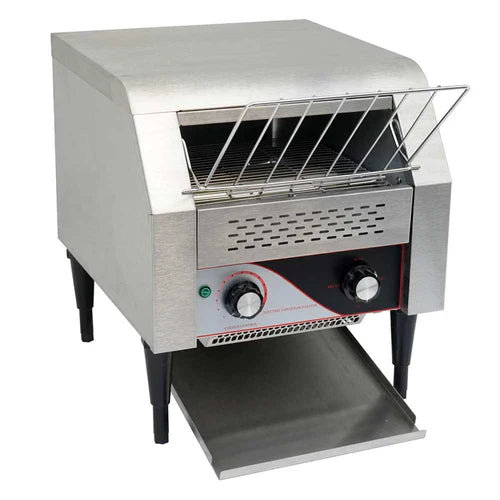
Recently viewed
What to Know Before Buying a Commercial Toaster
Helpful guides
FAQs About Commercial Toasters
What type of toaster is best for a restaurant?
The best toaster depends on your volume and menu.
Pop-up toasters work for low-volume operations, while conveyor toasters are ideal for high-output kitchens. If your menu includes burgers or sandwiches, bun toasters provide the most efficient and consistent results.
What is the difference between a conveyor toaster and a pop-up toaster?
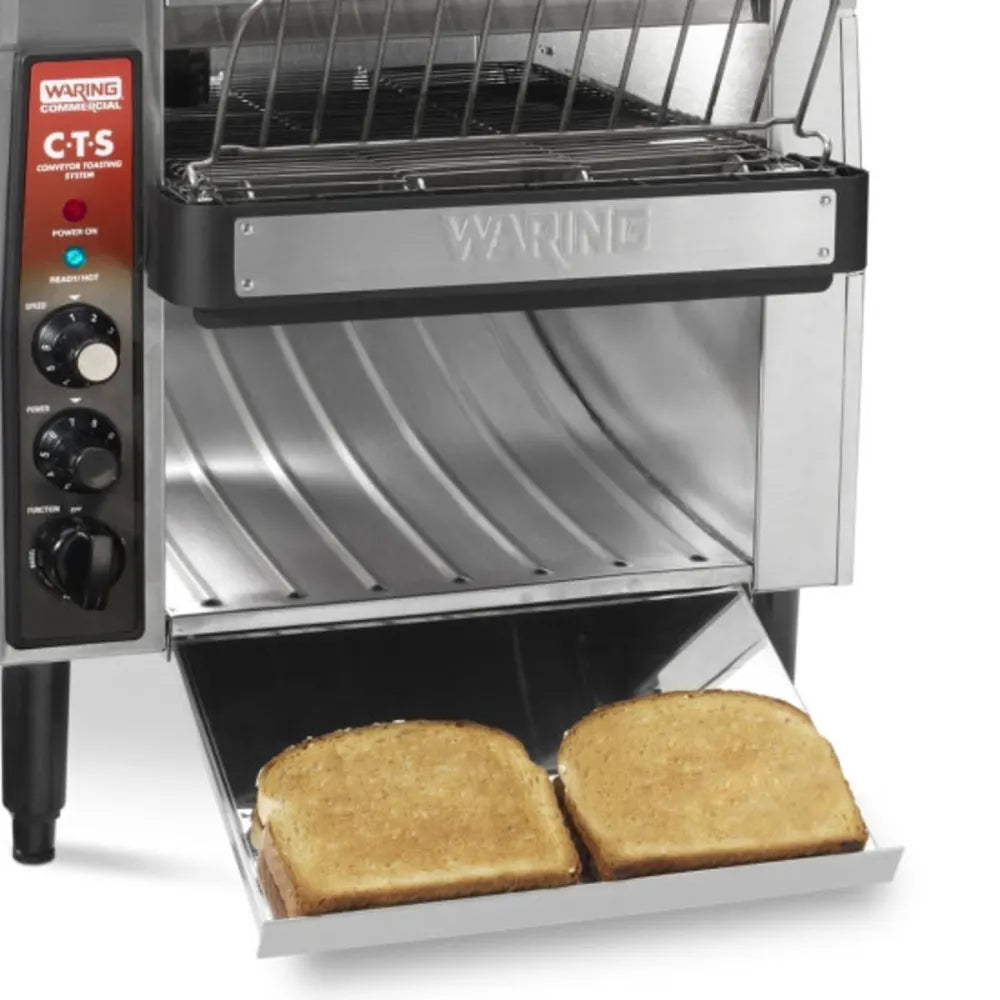
A pop-up toaster handles small batches manually, while a conveyor toaster continuously feeds bread through a heated chamber. Conveyor models are faster, more consistent, and better suited for high-volume service.
How many slices per hour should a commercial toaster handle?
This depends on your operation.
Low-volume kitchens may need under 300 slices per hour, while busy restaurants often require 800+ slices per hour. High-volume operations should always prioritize output capacity over size.
Are commercial toasters faster than regular toasters?
Yes. Commercial toasters are built for speed and continuous use. They heat faster, recover quicker between batches, and maintain consistent performance during peak hours.
Do I need a bun toaster for my restaurant?
If your menu includes burgers, sandwiches, or breakfast items with bread, a bun toaster can significantly improve speed and consistency. It is especially valuable in high-volume kitchens where assembly speed matters.
Can a toaster slow down my kitchen workflow?
Absolutely. An undersized or low-performance toaster can create bottlenecks, delay orders, and force staff to wait. In fast-paced kitchens, this directly impacts service speed and customer satisfaction.
How long do commercial toasters last?
With proper use and maintenance, commercial toasters are built to last for years. Heavy-duty models are specifically designed for continuous operation and high-volume environments.