
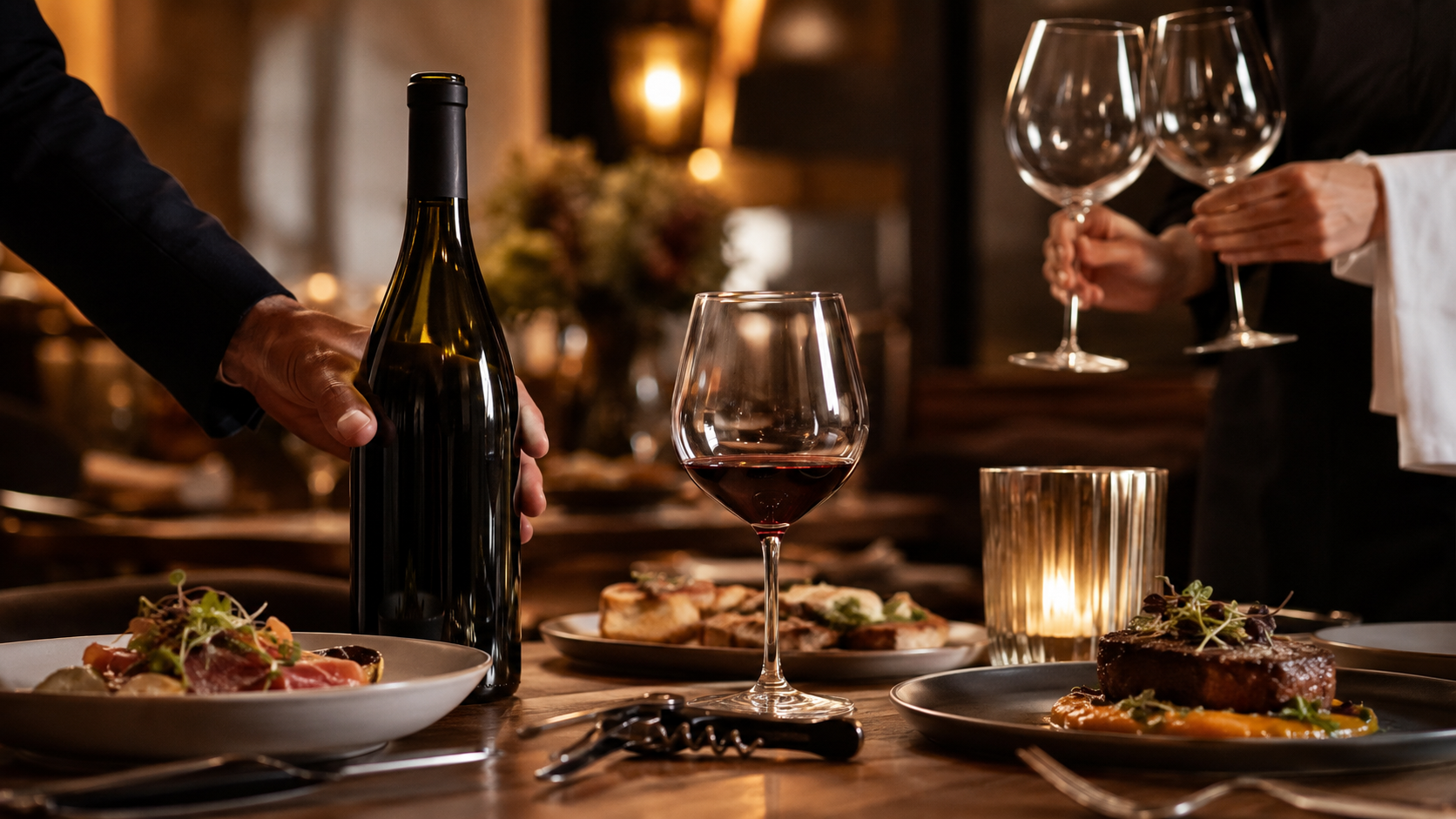
BYOB stands for “Bring Your Own Bottle,” although it can also mean “Bring Your Own Beer” or “Bring Your Own Booze” depending on the setting. In restaurants, private events, parties, and hospitality spaces, BYOB usually means guests are allowed to bring their own alcoholic beverages instead of purchasing alcohol from the establishment.
For restaurant owners, BYOB can be a useful way to offer guests a more flexible dining experience without operating a full bar program. For guests, it can make a dinner or event feel more personal because they can bring a favorite wine, craft beer, champagne, or specialty bottle to pair with the meal.
However, BYOB is not as simple as placing a sign in the window. Alcohol laws vary by state, county, and municipality. Some places allow BYOB without a liquor license, some allow it only with restrictions, and others do not allow it at all. Restaurants should always check local alcohol laws, insurance requirements, and licensing rules before offering BYOB service. Responsible alcohol service is also important because businesses may face liability in many states if alcohol is served to a minor or visibly intoxicated guest. ServSafe notes that dram shop laws are enforced in 43 states.
What Does BYOB Stand For?
BYOB most commonly means:
Bring Your Own Bottle
But depending on the restaurant or event, it may also mean:
-
Bring Your Own Beer
-
Bring Your Own Booze
-
Bring Your Own Beverage
-
Bring Your Own Wine
-
Bring Your Own Liquor
Some restaurants use the broader term BYO, which means “Bring Your Own.” This avoids specifying one type of beverage and can apply to wine, beer, liquor, champagne, or non-alcoholic drinks.
You may also see related terms such as:
| Term | Meaning |
|---|---|
| BYOB | Bring Your Own Bottle / Beer / Booze |
| BYO | Bring Your Own |
| BYOW | Bring Your Own Wine |
| BYOL | Bring Your Own Liquor |
| Corkage | A fee charged for opening or serving a guest’s bottle |
| Corkage Fee | The specific charge added for BYOB service |
| Bottle Limit | The maximum number of bottles guests may bring |
| House Rules | The restaurant’s own BYOB policies |
What Is a BYOB Restaurant?
A BYOB restaurant is a restaurant that allows guests to bring their own alcoholic beverages. In many cases, BYOB restaurants do not sell alcohol themselves. Instead, they focus on food, service, and non-alcoholic beverages while guests bring wine, beer, or other drinks from outside.
BYOB is especially common in areas where liquor licenses are expensive, limited, difficult to obtain, or not practical for smaller independent restaurants. It can also be a strategic choice for restaurants that want to avoid the complexity of managing a full alcohol program.
For full-service restaurants that do sell alcohol, beverage programs can be a major revenue driver. The National Restaurant Association reported that alcohol-based beverages represent about 21% of total sales among full-service restaurants that sell alcohol. Because of this, BYOB can affect a restaurant’s revenue model and should be planned carefully.
How Does BYOB Work?
In a typical BYOB restaurant, guests bring their own bottle and consume it with their meal. Depending on the restaurant’s policy and local law, staff may open the bottle, provide glassware, chill wine, supply ice buckets, or pour the beverage.
A simple BYOB experience may include:
-
Guests bring wine, beer, or another approved beverage.
-
The restaurant checks that the beverage follows house rules.
-
The server opens the bottle if allowed.
-
The restaurant provides glassware, ice, bottle openers, or buckets.
-
A corkage fee may be added to the bill.
-
Guests consume the beverage only at their own table.
-
The restaurant may stop service if guests appear intoxicated.
Some restaurants keep BYOB very simple and only allow wine. Others provide a more polished experience with wine glasses, champagne buckets, corkscrews, bottle openers, cocktail napkins, mixers, and ice.
Do Restaurants Need a Liquor License for BYOB?
The answer depends on local law. Some jurisdictions allow restaurants without liquor licenses to permit BYOB. Others require a license, restrict what types of alcohol guests can bring, prohibit staff from opening or pouring alcohol, or ban BYOB entirely.
This is one of the most important points for restaurant owners: BYOB rules are local. A policy that is legal in one city may not be legal in another. Some states or municipalities may also regulate corkage fees, bottle limits, permitted alcohol types, hours of consumption, age verification, and whether staff can handle the alcohol.
Industry sources consistently advise restaurants to check state and local alcohol licensing laws before allowing BYOB. Rules can govern whether BYOB is permitted, whether corkage fees are allowed, and whether servers may pour alcohol.
Before offering BYOB, restaurant owners should contact:
-
Their state alcohol control board
-
Local municipality or county licensing office
-
Business attorney
-
Insurance provider
-
Landlord or property manager, if applicable
What Is a Corkage Fee?
A corkage fee is a charge a restaurant adds when guests bring their own bottle. The fee helps cover the cost of service, including opening the bottle, providing glassware, washing glassware, chilling wine, using ice buckets, and replacing broken glasses.
Corkage fees can vary widely depending on the restaurant, location, and level of service. Some casual BYOB restaurants charge nothing. Others may charge a modest fee per bottle. Higher-end restaurants may charge more, especially if they have a serious wine program or full beverage service.
Food & Wine’s BYOB etiquette guidance emphasizes that corkage is not just about opening a bottle; it helps account for the labor, glassware, service, and lost beverage revenue involved when guests bring outside alcohol.
Common corkage fee structures include:
| Corkage Fee Type | How It Works |
|---|---|
| Flat per-bottle fee | Example: $10, $15, $20, or $25 per bottle |
| Per-person fee | A charge based on the number of guests drinking |
| No corkage fee | Common at some casual BYOB restaurants |
| Higher fee for large bottles | Magnum bottles or large-format bottles may cost more |
| Waived fee with conditions | Fee may be waived for special events or regular customers |
Why Do Restaurants Offer BYOB?
Restaurants may offer BYOB for several reasons.
1. Liquor Licenses Can Be Expensive or Limited
In some markets, liquor licenses are difficult to obtain or costly. BYOB may allow a restaurant to offer a more complete dining experience without selling alcohol directly.
2. Guests Enjoy Flexibility
Some guests prefer to bring a special bottle from home. This may be a rare wine, a sentimental bottle, a specific craft beer, or a beverage that is not available on the restaurant’s menu.
3. It Can Help Attract Diners
BYOB can make a restaurant more appealing to guests who want a full dinner experience without paying restaurant wine list prices. This can be especially useful for neighborhood restaurants, date-night spots, and small independent concepts.
4. It Keeps Operations Simpler
Operating a bar program requires purchasing, storage, inventory control, staff training, compliance, glassware, beverage costing, and responsible alcohol service procedures. BYOB may be simpler than running a full beverage program.
5. It Can Support Food Sales
Even when a restaurant does not profit directly from alcohol sales, BYOB may encourage guests to dine in, order more food, stay for dessert, or choose the restaurant for group occasions.
Potential Downsides of BYOB
BYOB is not the right choice for every restaurant. Operators should consider the drawbacks before adding it.
Lower Beverage Revenue
Restaurants with a liquor license often rely on wine, beer, cocktails, and spirits for profit. If guests bring their own alcohol, beverage sales may decline.
More Service Work
Servers may still need to open bottles, bring glasses, refill water, provide ice, chill beverages, and clean up spills or broken glass.
Legal and Liability Concerns
Alcohol service creates responsibility. Even if the restaurant does not sell the alcohol, it may still need to manage intoxication, underage drinking, and guest behavior.
Storage and Space Issues
Guests may bring multiple bottles, coolers, or large beverage containers. This can create clutter and safety concerns if not controlled.
Customer Confusion
Without clear rules, guests may assume they can bring any type of alcohol, unlimited bottles, mixers, outside cups, or cocktail kits. A written policy helps prevent misunderstandings.
Common BYOB Rules for Restaurants
A successful BYOB policy should be clear, visible, and easy for guests and staff to understand. Common restaurant BYOB rules include:
Bottle Limits
Restaurants may limit guests to one bottle per two guests, one bottle per table, or another reasonable amount.
Approved Beverage Types
Some restaurants allow only wine. Others allow beer, champagne, sake, or spirits. Some do not allow hard liquor because cocktails can be harder to monitor.
No Outside Mixers or Open Containers
Restaurants may prohibit outside mixers, homemade cocktails, open bottles, or pre-mixed drinks.
Corkage Fee
The corkage fee should be listed clearly on the restaurant website, menu, reservation page, or front-of-house signage.
Age Verification
Guests consuming alcohol should be of legal drinking age. Staff may need to check IDs depending on local rules and house policy.
Staff Handling Rules
Some restaurants allow staff to open and pour bottles. Others require guests to handle their own alcohol. This should be based on local law and insurance guidance.
No Sharing Between Tables
A BYOB bottle should typically be consumed only by the table that brought it. Sharing alcohol with other guests may create compliance and liability issues.
Right to Refuse Service
Restaurants should reserve the right to stop BYOB consumption if a guest appears intoxicated, disruptive, underage, or in violation of house policy.
Take-Home Rules
Leftover alcohol rules vary by jurisdiction. Restaurants should know whether guests may reseal and take home unfinished bottles.
BYOB Policy Example for Restaurants
Restaurants can use a written policy like this as a starting point, then customize it based on local law:
Sample BYOB Policy
Guests are welcome to bring their own wine to enjoy with dinner. A corkage fee of $___ per bottle applies. We allow up to ___ bottle(s) per table. Guests must be 21 or older to consume alcohol, and valid ID may be required. Outside spirits, open containers, and pre-mixed cocktails are not permitted. Our team reserves the right to refuse BYOB service to any guest who appears intoxicated or does not follow our house policy. Please call ahead for large parties or special occasions.
For restaurants that allow beer or spirits, the policy should specify exactly what is allowed.
BYOB Restaurant Checklist
Before launching BYOB service, restaurant owners should review this checklist:
-
Confirm BYOB is legal in your state, county, and city.
-
Check whether a liquor license is required.
-
Confirm whether staff can open, pour, or handle alcohol.
-
Ask your insurance provider about liquor liability coverage.
-
Decide what types of alcohol are allowed.
-
Set bottle limits.
-
Decide whether to charge a corkage fee.
-
Train staff on age verification and intoxication warning signs.
-
Create a written BYOB policy.
-
Add the policy to your website and reservation system.
-
Keep enough glassware, ice buckets, corkscrews, and bottle openers available.
-
Create a manager escalation process for difficult situations.
-
Review the policy periodically as local laws change.
BYOB Supplies Restaurants Should Have
Even if a restaurant does not sell alcohol, a polished BYOB experience often requires the right supplies.
Common BYOB supplies include:
-
Wine glasses
-
Champagne flutes
-
Beer glasses
-
Water glasses
-
Corkscrews
-
Bottle openers
-
Wine keys
-
Ice buckets
-
Beverage tubs
-
Cocktail napkins
-
Wine chillers
-
Bar towels
-
Ice machine
-
Glass racks
-
Dishwashing supplies
-
Non-alcoholic mixers
-
Garnish trays
-
Beverage refrigerators
Restaurants that offer BYOB wine service should have enough glassware and washing capacity to support busy shifts. For events, beverage tubs and ice bins are especially useful.
BYOB Events
BYOB is also common at private parties, community gatherings, small weddings, office events, birthdays, and casual celebrations. A BYOB event means guests bring their own drinks instead of relying on the host to provide all beverages.
However, BYOB events still require planning.
Communicate the Policy Clearly
Tell guests what they can bring, how much they can bring, and whether the event allows wine, beer, liquor, or non-alcoholic beverages only.
Provide Basic Supplies
Hosts should provide cups, ice, bottle openers, napkins, trash bins, and a place to keep drinks cold.
Consider Mixers and Garnishes
If liquor is allowed, provide common mixers such as soda, tonic water, club soda, juice, lemons, limes, and simple garnishes.
Plan for Responsible Consumption
For events with alcohol, hosts should consider transportation, designated drivers, rideshare access, age verification, and whether professional bartending staff are needed.
Check Venue Rules
Some event venues do not allow outside alcohol. Others require a licensed bartender, event permit, liquor liability insurance, or security.
BYOB Etiquette for Guests
Guests should follow good etiquette when bringing alcohol to a restaurant.
Call Ahead
Never assume BYOB is allowed. Call the restaurant or check the website before bringing a bottle.
Ask About Corkage
Respect the restaurant’s corkage fee. The fee helps cover service and glassware costs.
Bring Something Appropriate
If the restaurant has a wine list, avoid bringing a bottle that is already sold by the restaurant unless the policy allows it. Many restaurants prefer that guests bring something special, personal, or not available on the menu.
Tip Generously
Even when guests bring their own bottle, servers still provide service. They may bring glassware, open the bottle, pour, chill, clean, and manage the table. Food & Wine’s BYOB etiquette guide recommends respecting corkage fees and recognizing the extra work involved.
Do Not Overdo It
BYOB is a privilege, not permission to turn dinner into an uncontrolled drinking event. Follow bottle limits and drink responsibly.
Do Not Share With Other Tables
Your bottle is for your table unless the restaurant specifically allows otherwise.
BYOB vs Full Alcohol Service
BYOB and full alcohol service are very different business models.
| Feature | BYOB | Full Alcohol Service |
|---|---|---|
| Alcohol inventory | Guest provides alcohol | Restaurant purchases and sells alcohol |
| Liquor license | Depends on local law | Usually required |
| Revenue | Food sales + possible corkage | Food sales + alcohol sales |
| Operational complexity | Lower | Higher |
| Guest flexibility | High | Limited to restaurant menu |
| Liability | Still possible | Significant |
| Equipment needs | Glassware, ice, openers, chillers | Full bar, inventory, refrigeration, POS setup |
| Best for | Small restaurants, casual dining, local concepts | Full-service restaurants, bars, hotels, event venues |
How Restaurants Can Make BYOB Feel Professional
A BYOB restaurant does not have to feel casual or improvised. Small details can make the experience feel polished.
Use Proper Glassware
Wine tastes and presents better in the right glass. Beer, champagne, and cocktails also benefit from appropriate glassware.
Offer Ice and Chilling Service
White wine, rosé, champagne, beer, and some non-alcoholic drinks should be kept cold. Ice buckets and beverage tubs improve the guest experience.
Add Non-Alcoholic Pairings
Restaurants can still sell profitable non-alcoholic drinks, including sparkling water, mocktails, tea, coffee, lemonade, house-made sodas, and specialty juices.
Create Food Pairing Suggestions
A BYOB restaurant can recommend general pairings without selling alcohol. For example:
-
Spicy dishes pair well with crisp white wine or light beer.
-
Steak pairs well with bold red wine.
-
Seafood pairs well with sparkling wine, rosé, or citrus-forward drinks.
-
Desserts pair well with coffee, espresso, port-style wines, or sweet sparkling beverages.
Train Servers
Servers should know the restaurant’s exact BYOB rules, corkage fees, bottle limits, and escalation steps.
Frequently Asked Questions About BYOB
What does BYOB mean?
BYOB usually means “Bring Your Own Bottle,” but it can also mean “Bring Your Own Beer” or “Bring Your Own Booze.”
Is BYOB legal?
BYOB legality depends on state, county, and local laws. Some areas allow it, some restrict it, and others prohibit it.
Can a restaurant charge a corkage fee?
In many places, restaurants may charge a corkage fee, but rules vary. Restaurants should confirm local regulations before charging guests.
Does BYOB only mean wine?
No. Some restaurants allow wine only, while others allow beer, champagne, or liquor. The restaurant’s policy should state exactly what is allowed.
Can guests bring liquor to a BYOB restaurant?
Only if the restaurant’s policy and local law allow it. Many restaurants restrict BYOB to wine or beer because spirits are harder to monitor.
Do guests still need to tip on BYOB service?
Yes. Servers may still provide glassware, ice, opening service, pouring, cleanup, and table service.
Can restaurants without a liquor license allow BYOB?
Sometimes, but not always. This depends entirely on local laws. Restaurant owners should check with local alcohol authorities before allowing outside alcohol.
What is the difference between BYOB and corkage?
BYOB means guests bring their own alcohol. Corkage is the fee a restaurant may charge to open, serve, or accommodate that bottle.
Should BYOB restaurants list their policy online?
Yes. A clear online policy reduces confusion and helps guests know what to expect before arriving.