
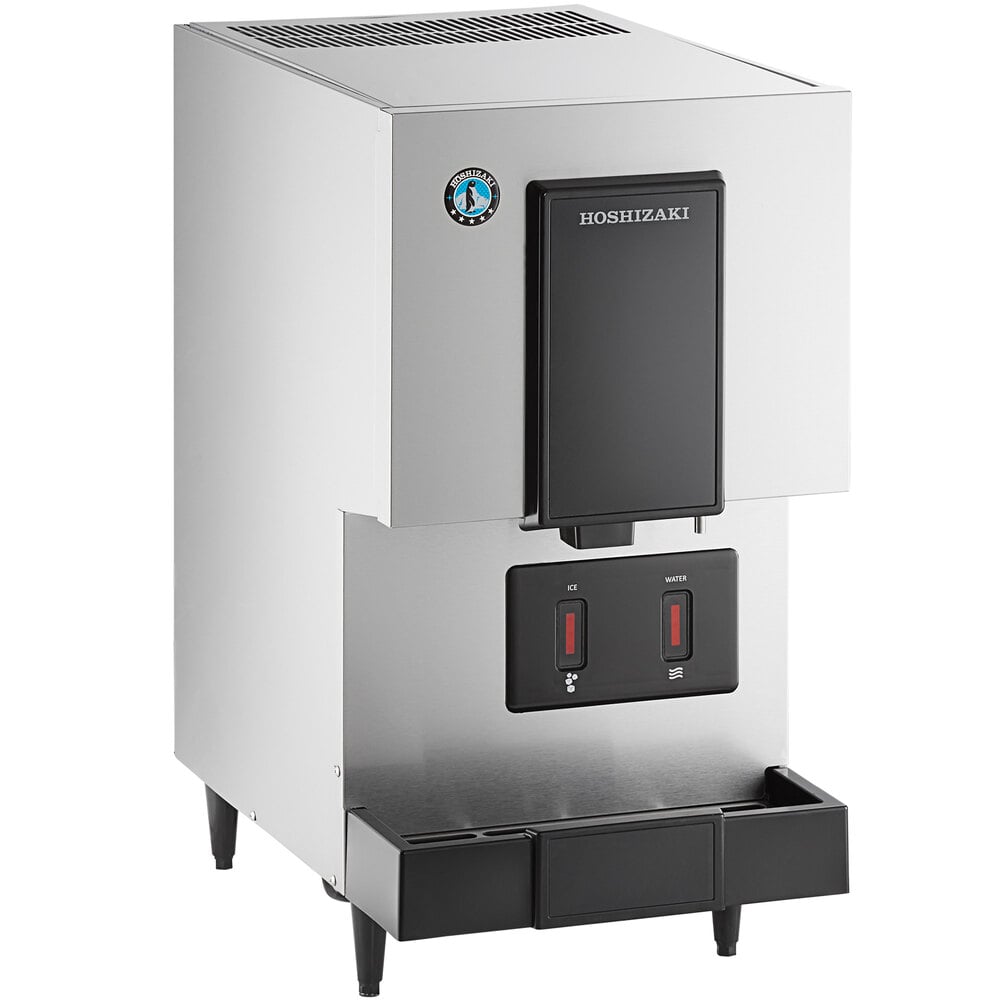
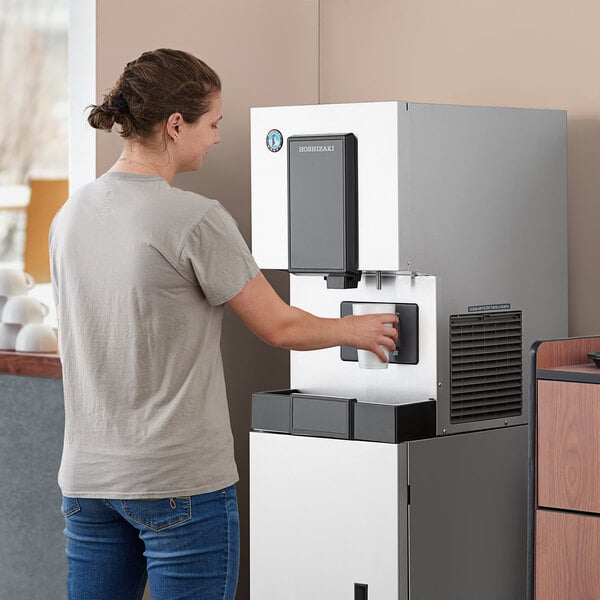
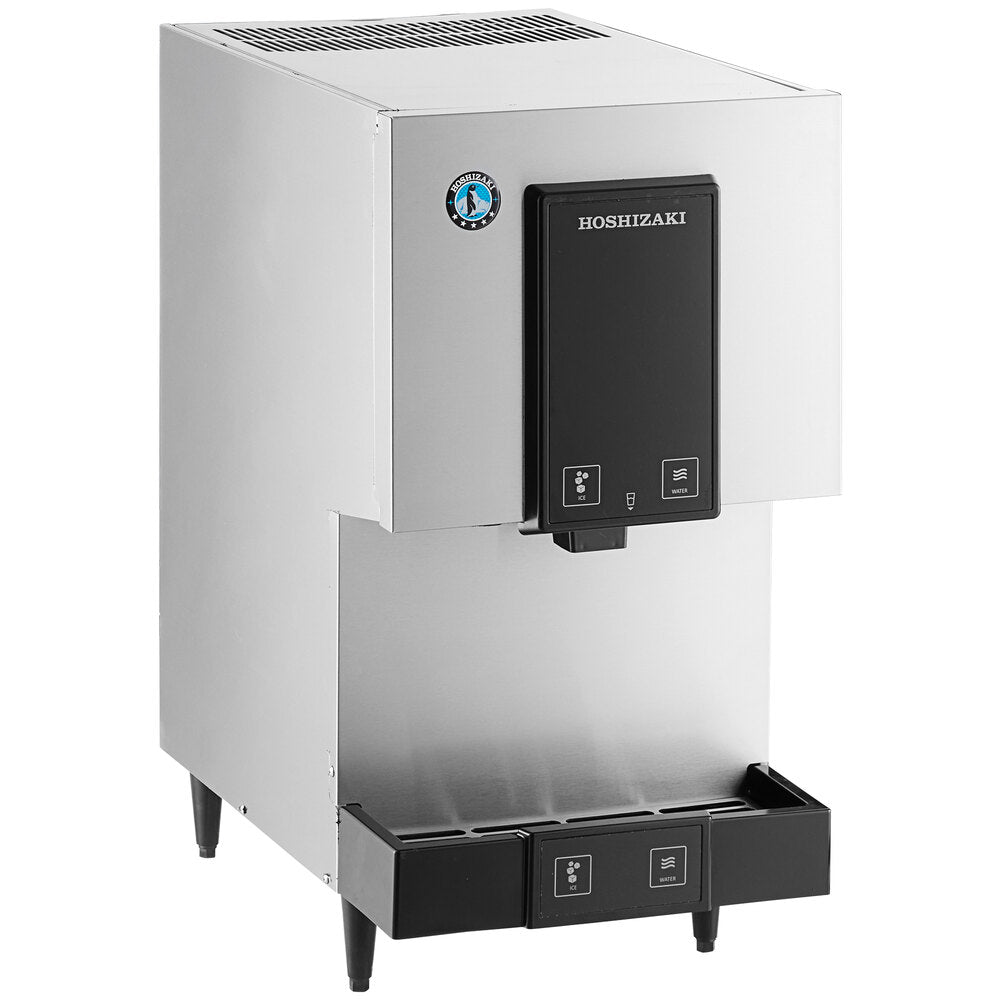
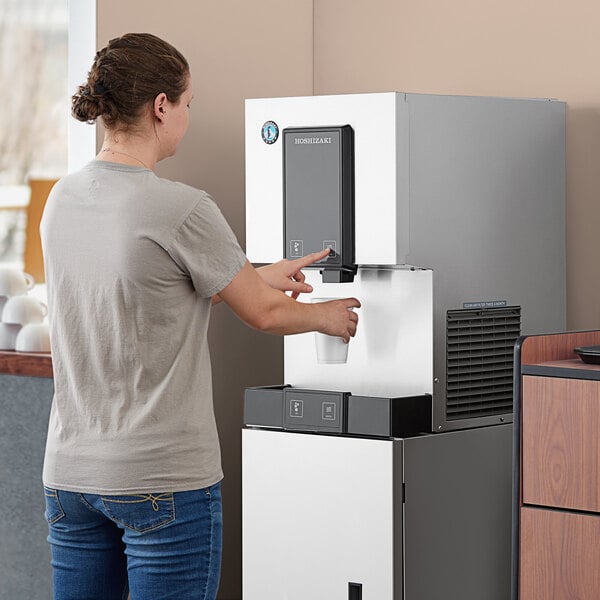
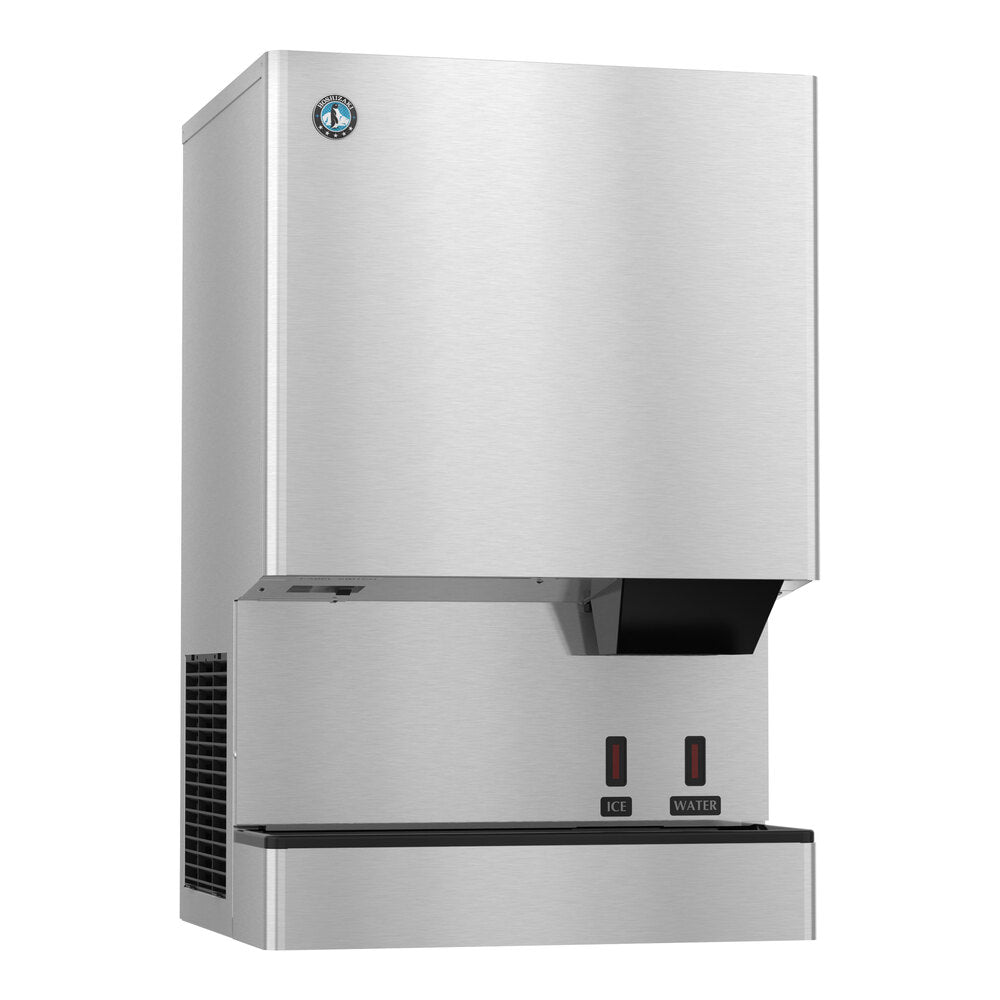
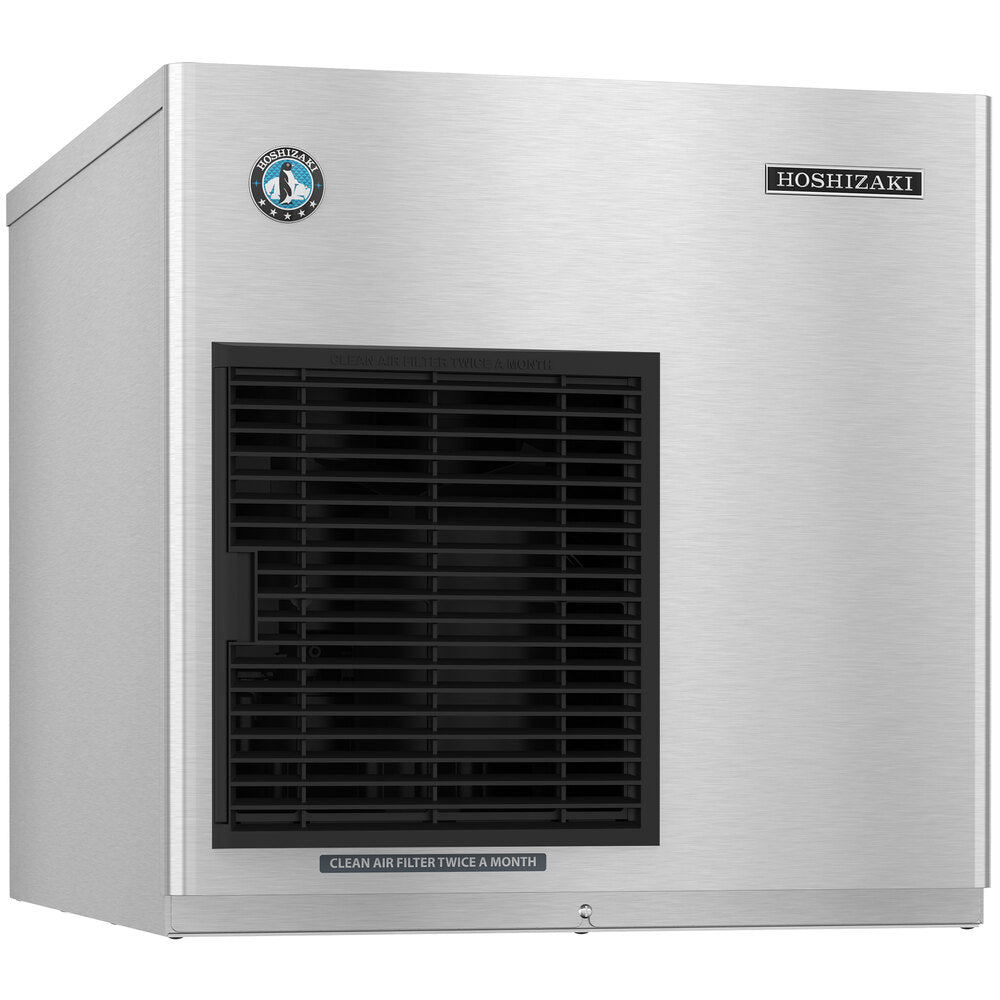
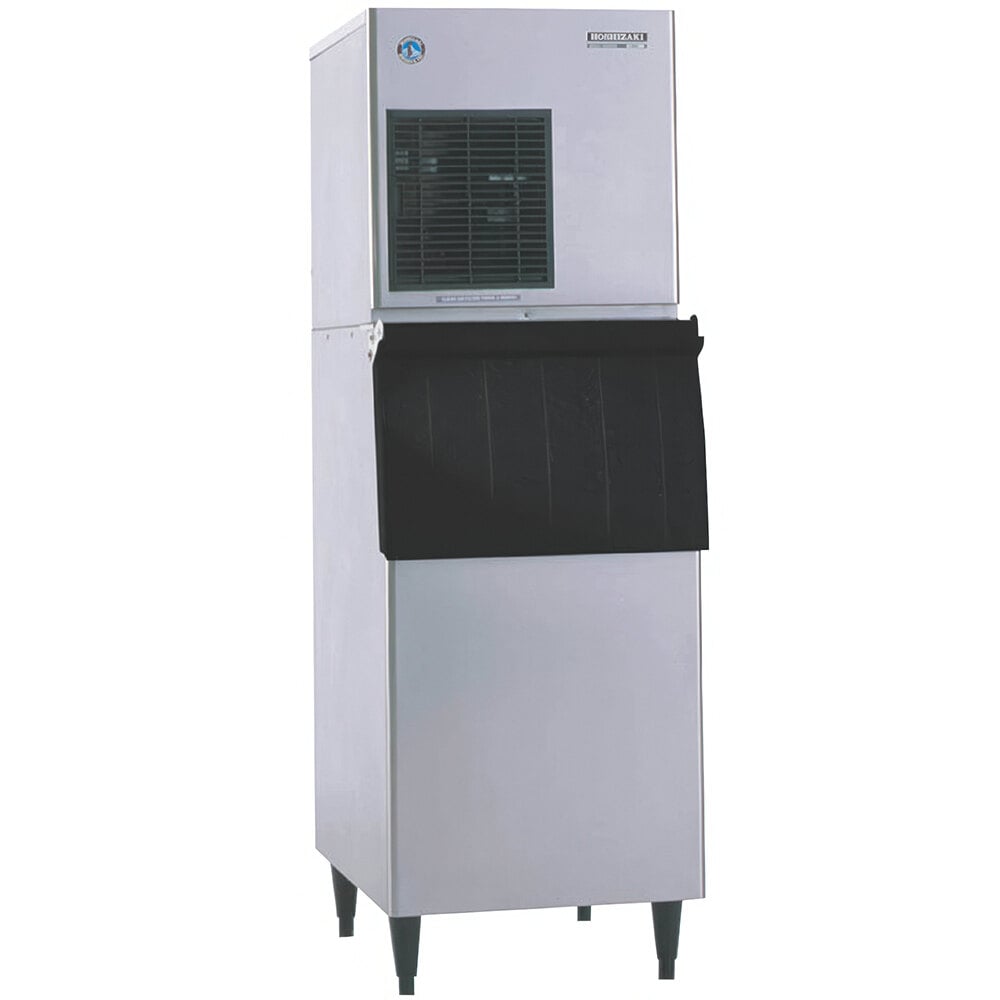
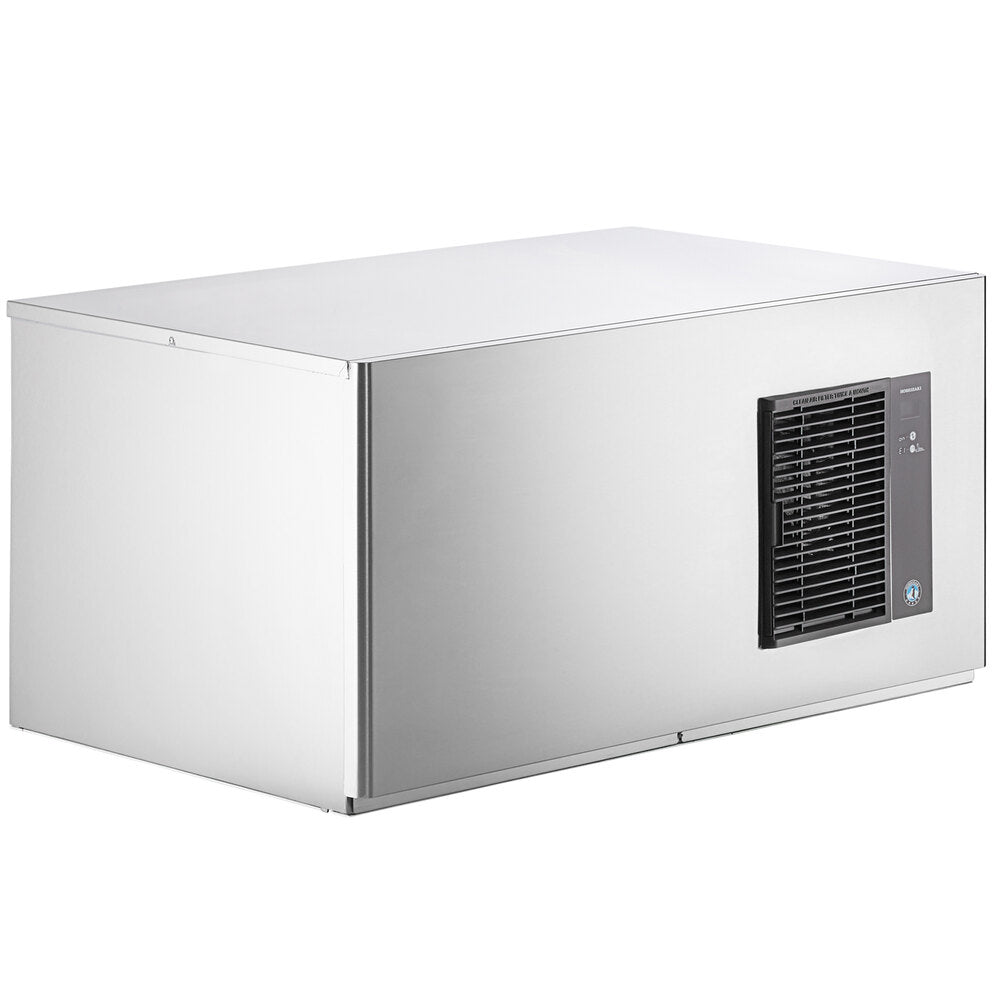
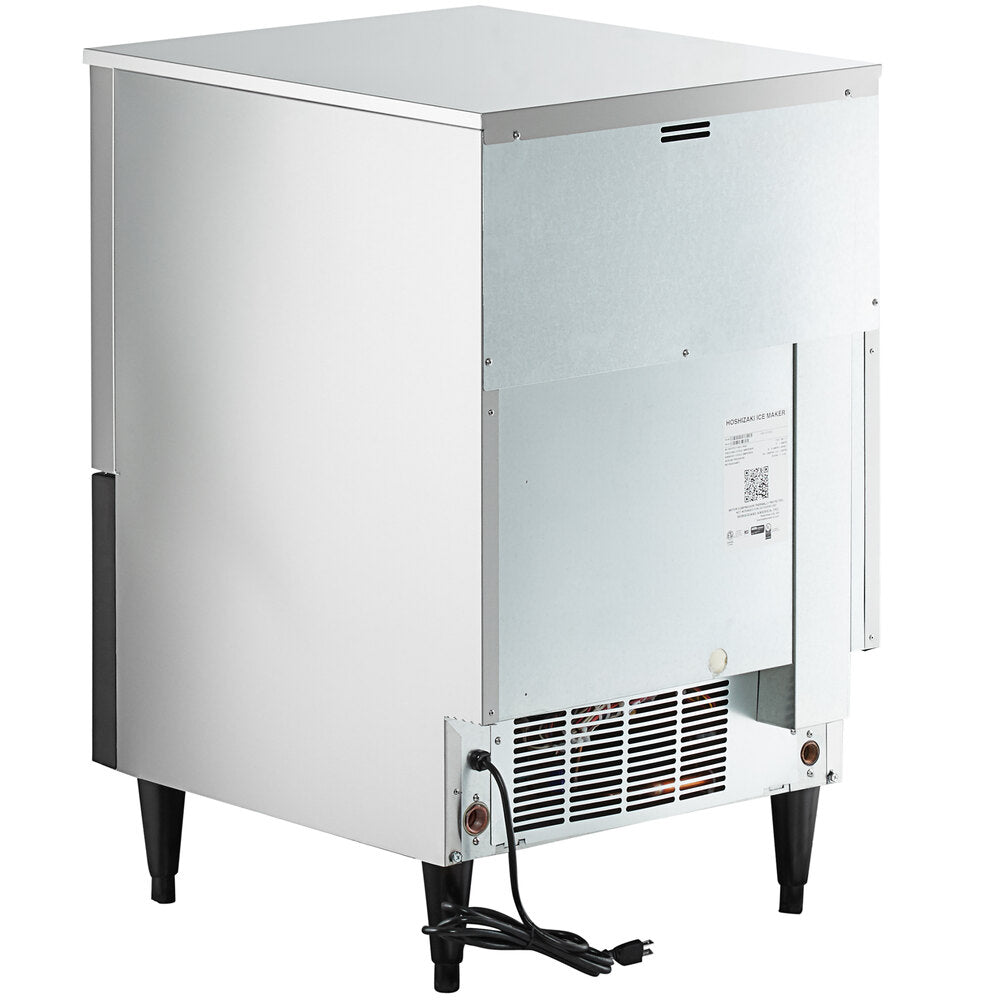
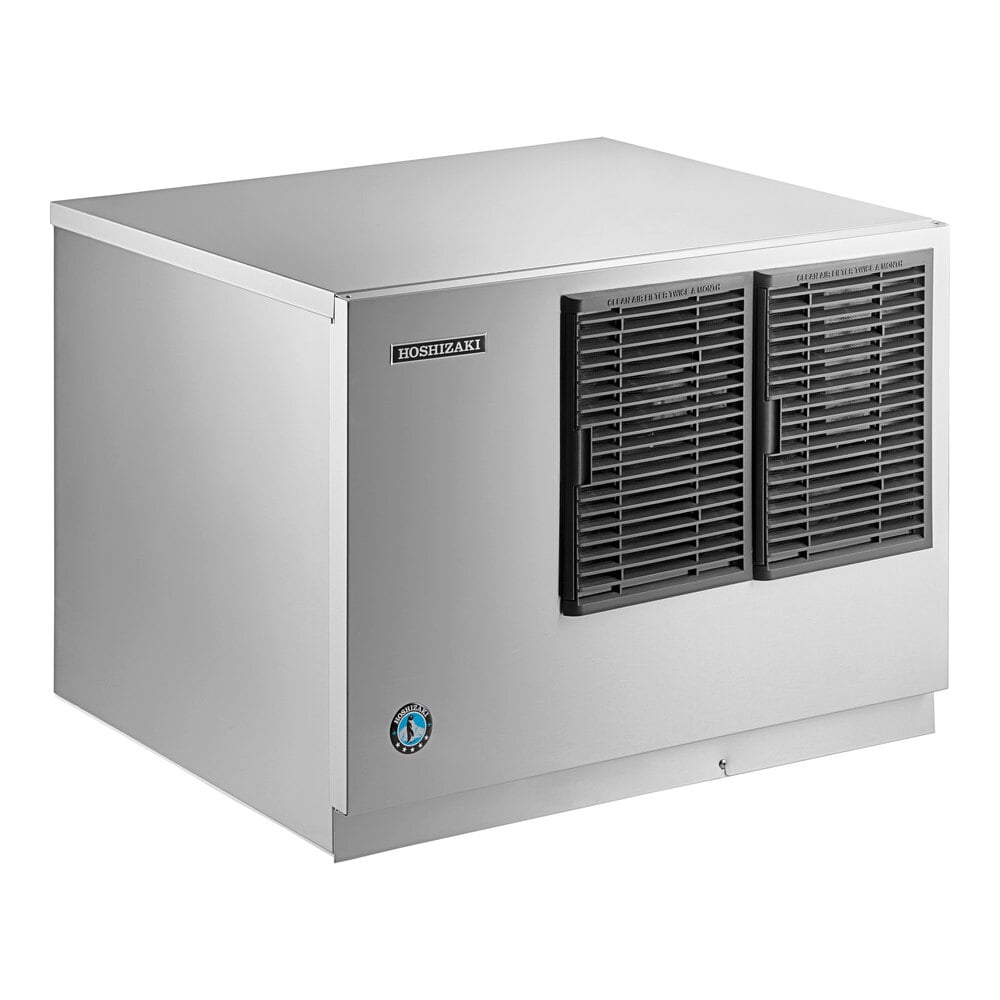
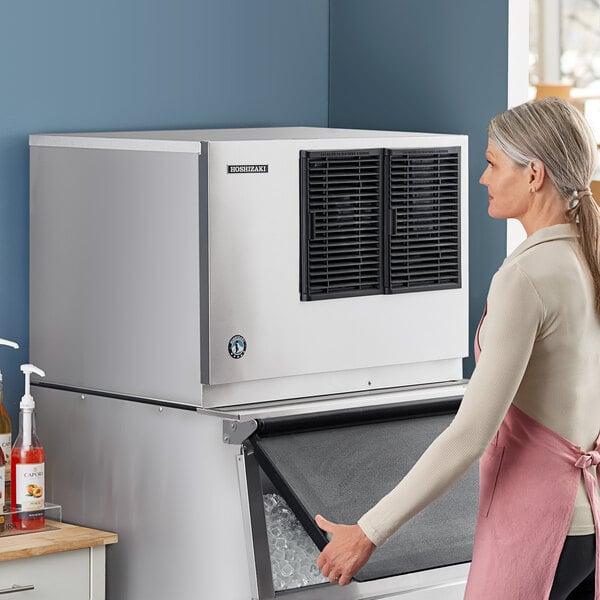
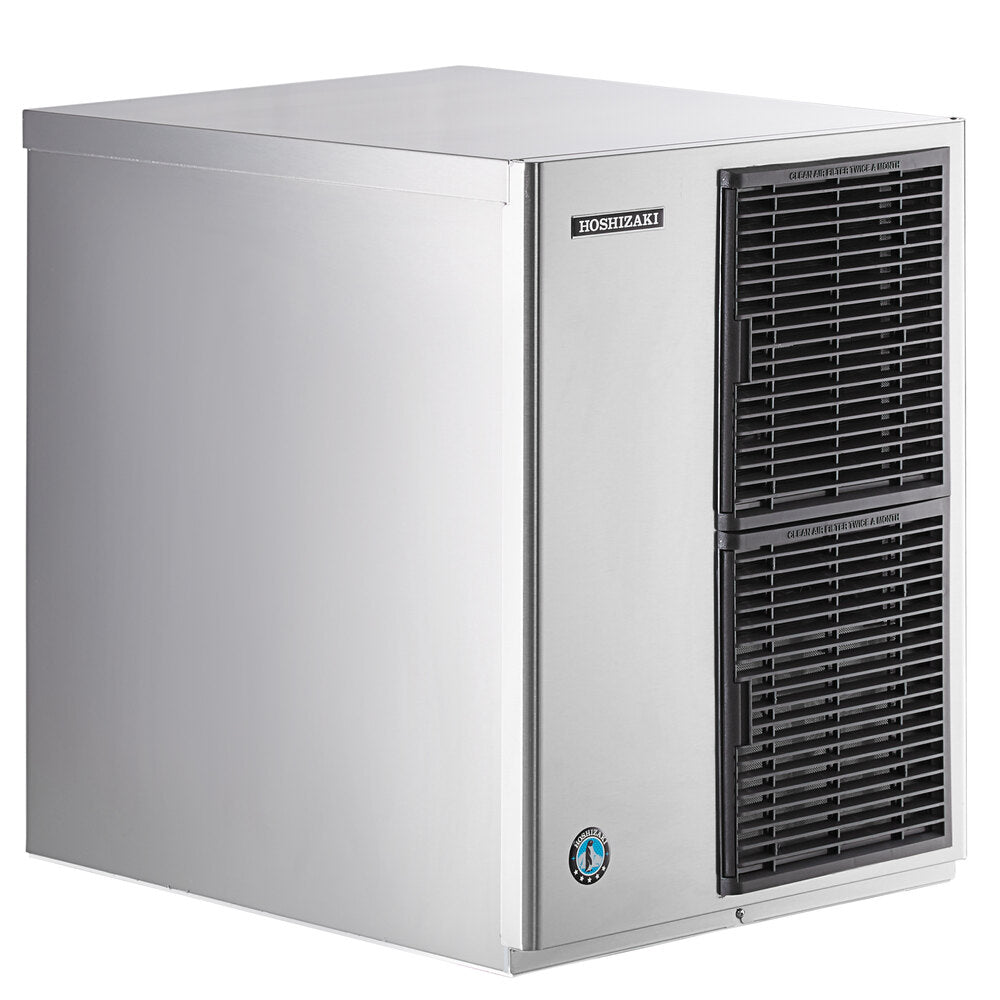
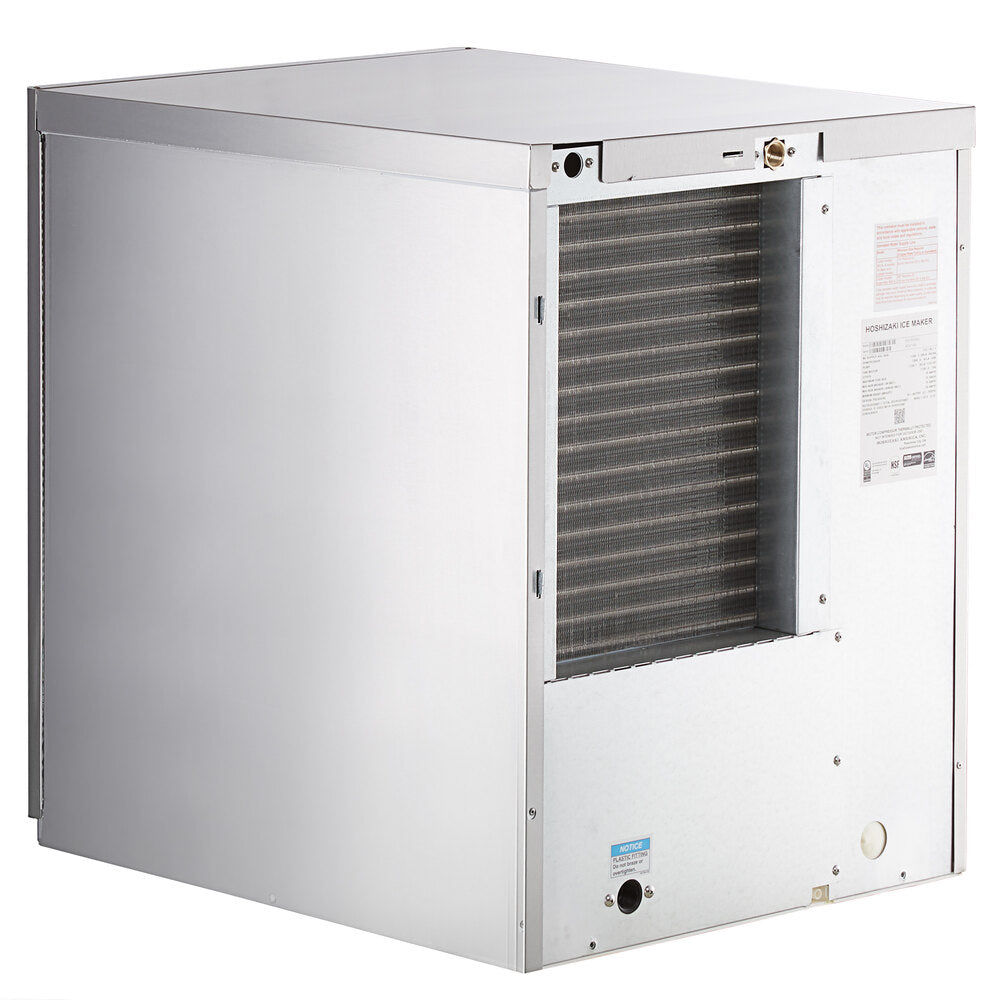
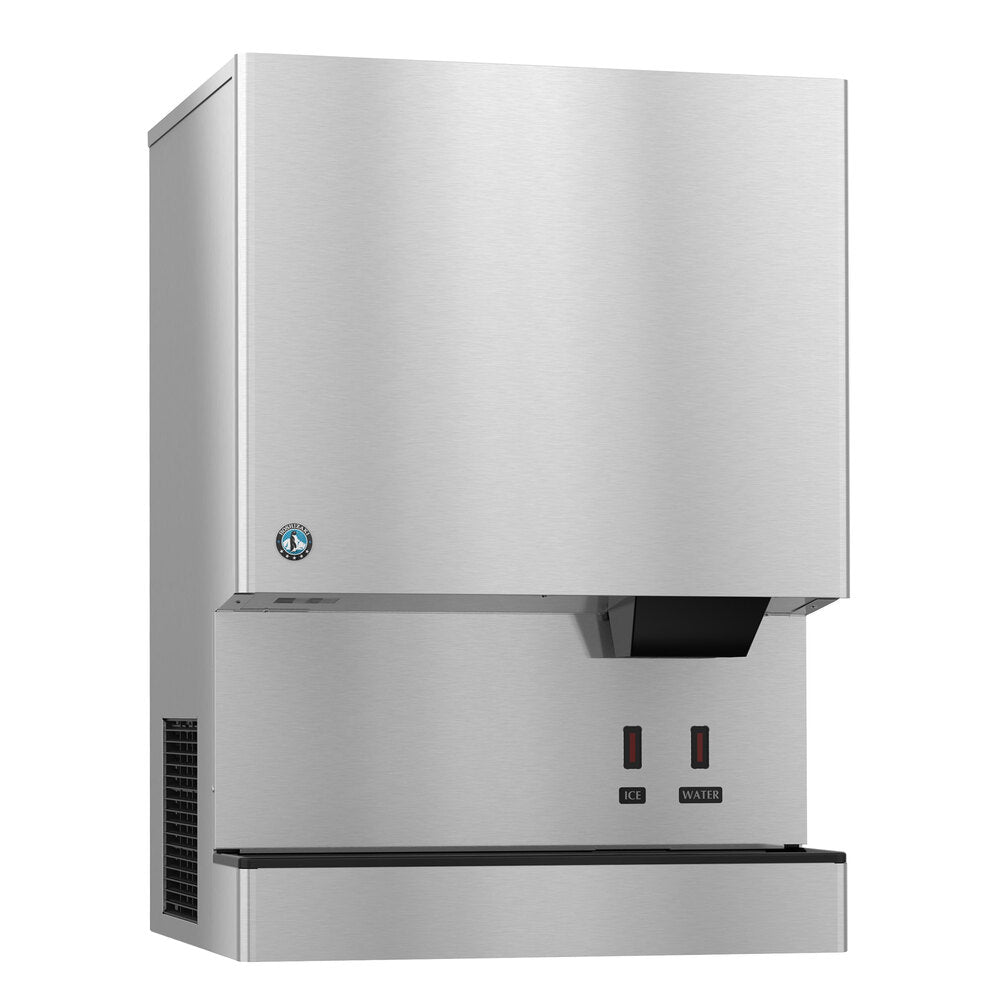
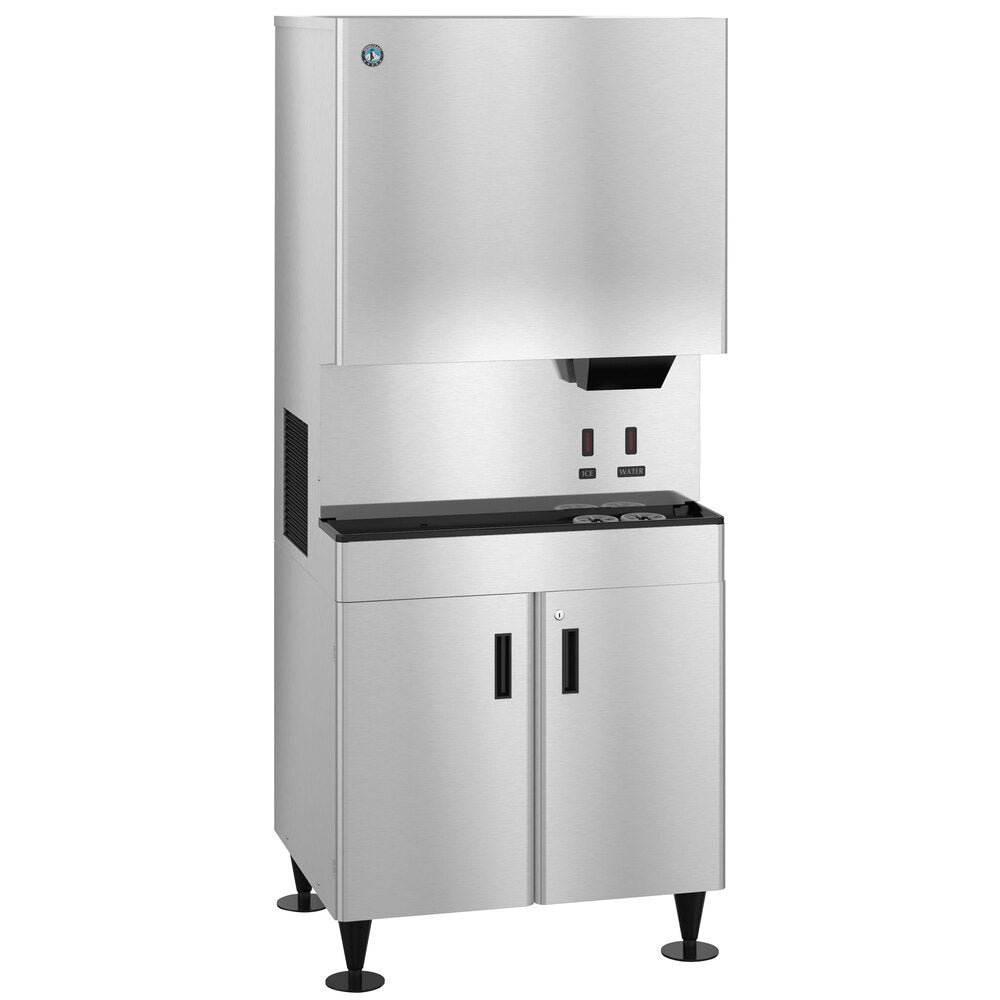
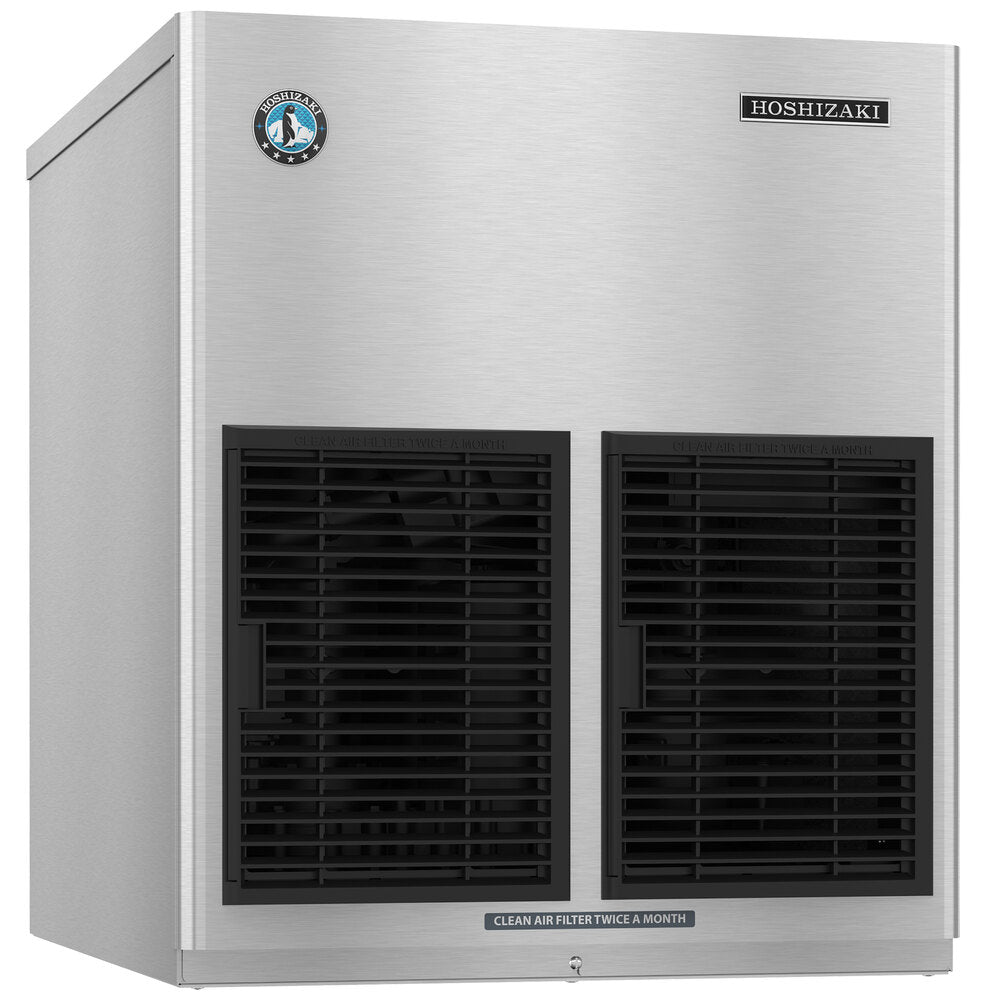

Shop commercial ice machines for restaurants, bars, cafés, hotels, convenience stores, supermarkets, and other foodservice operations. Compare undercounter ice makers, modular ice machine heads, ice machines with bins, dispensers, and storage bins from trusted brands such as Hoshizaki, Manitowoc, Atosa, Serv-Ware, and Coldline.Use the filters to compare daily ice production, ice type, voltage, machine design, condenser type, and price. From compact undercounter units to high-capacity modular ice makers, Atlantic can help you choose the right model for your space, plumbing and electrical requirements, and peak ice demand. Nationwide shipping is available.
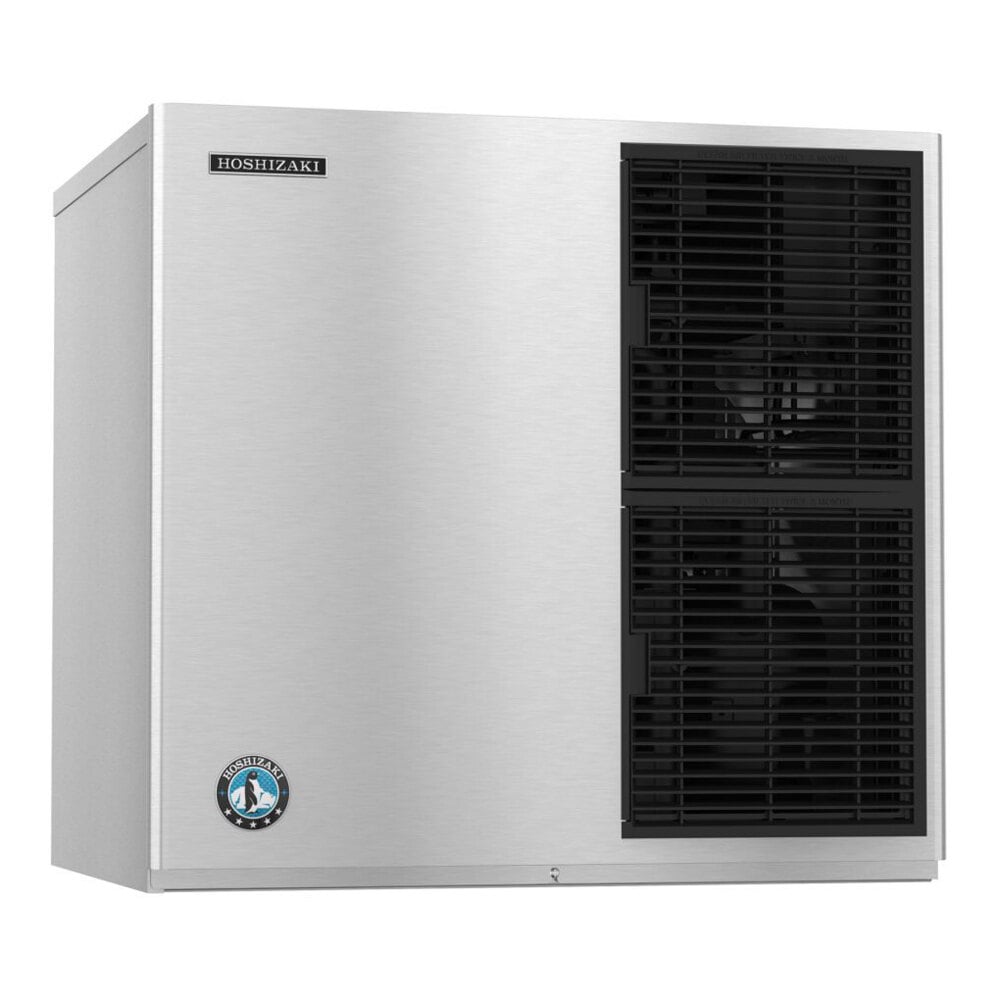
Shop commercial ice machines for restaurants, bars, cafés, hotels, convenience stores, supermarkets, and other foodservice operations. Compare undercounter ice makers, modular ice machine heads, ice machines with bins, dispensers, and storage bins from trusted brands such as Hoshizaki, Manitowoc, Atosa, Serv-Ware, and Coldline.
Use the filters to compare daily ice production, ice type, voltage, machine design, condenser type, and price. From compact undercounter units to high-capacity modular ice makers, Atlantic can help you choose the right model for your space, plumbing and electrical requirements, and peak ice demand. Nationwide shipping is available.
Choosing the right commercial ice machine starts with understanding the type of unit your business needs. The most common options are undercounter ice machines, modular ice machine heads, ice machines with bins, and ice storage bins.
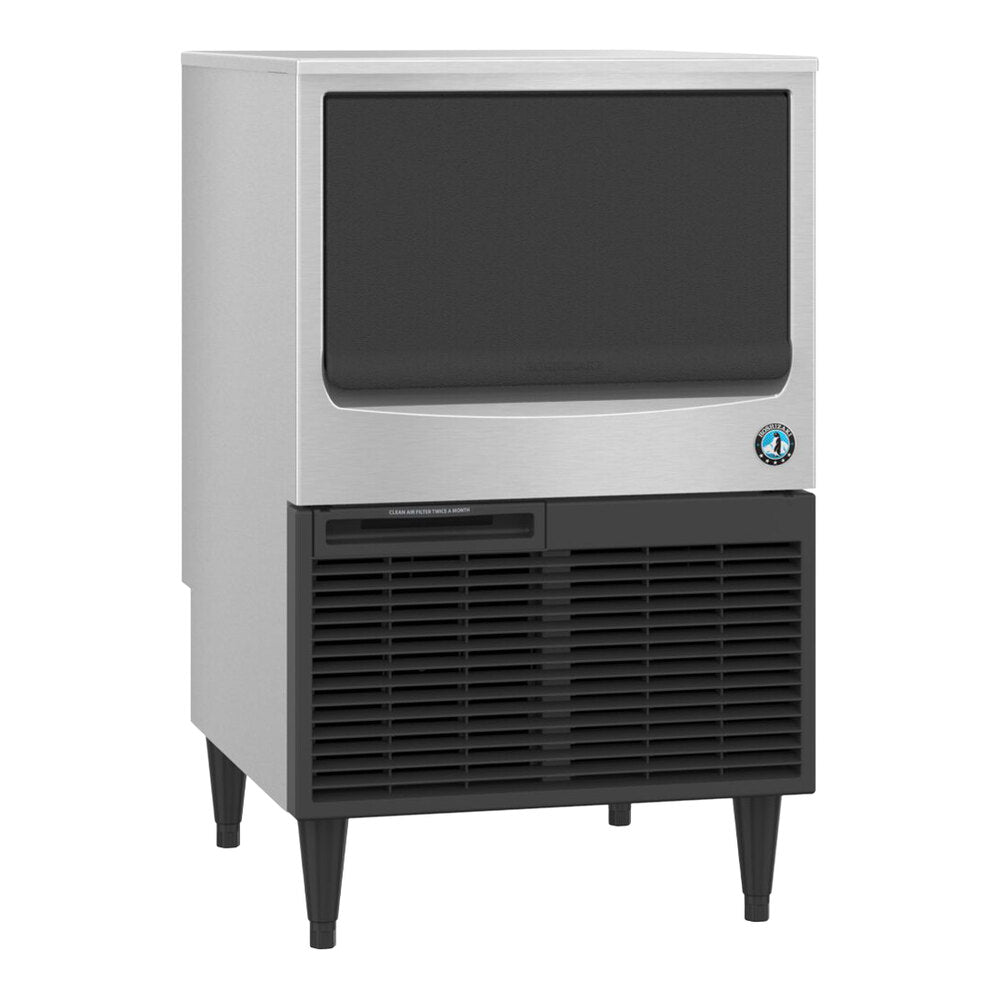
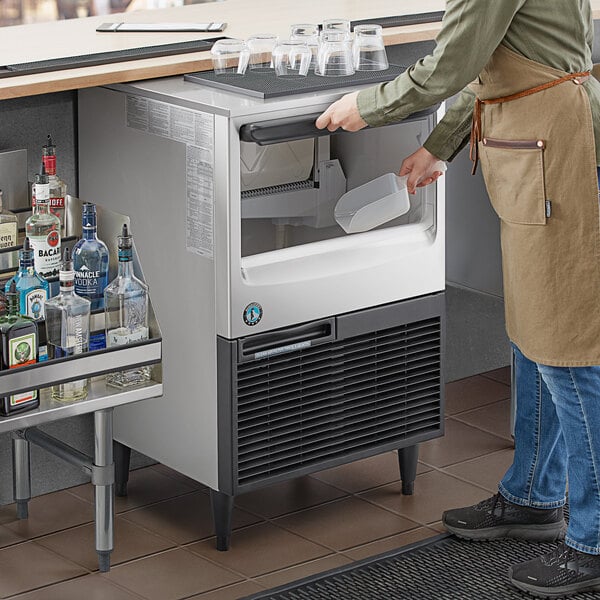
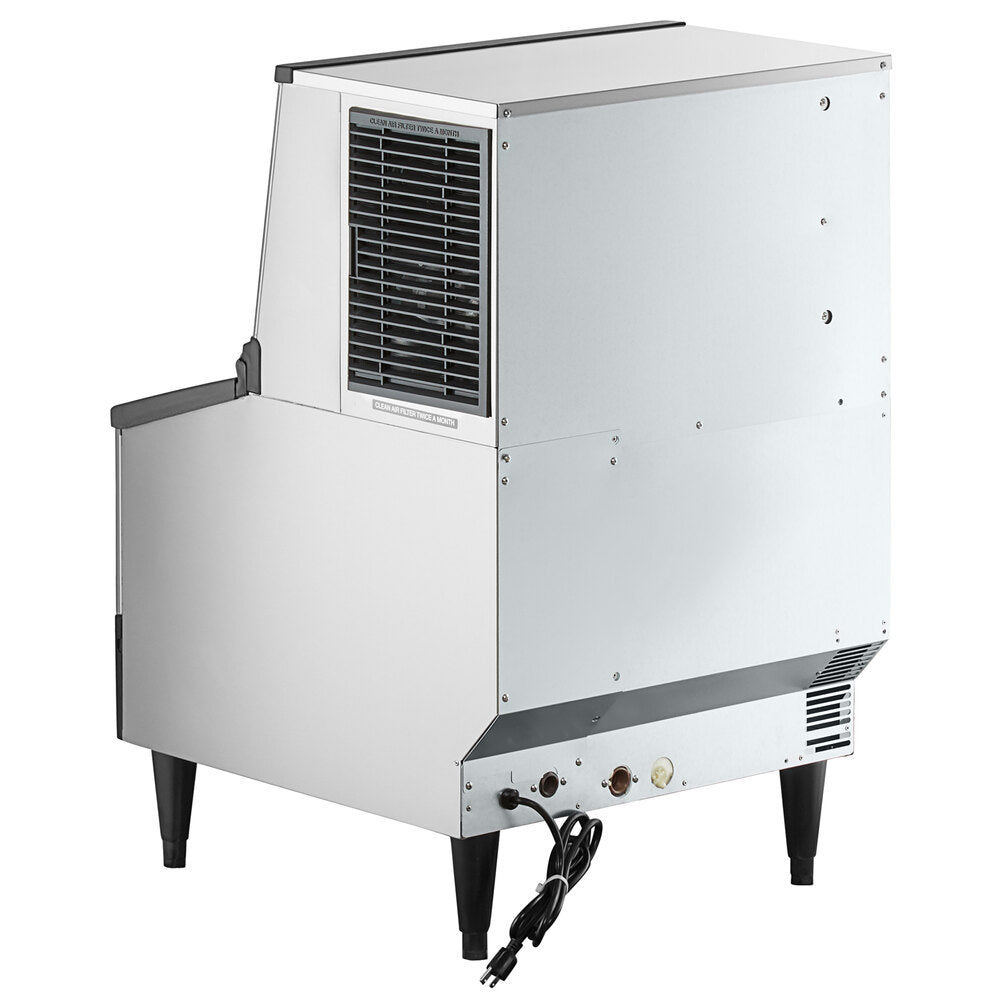
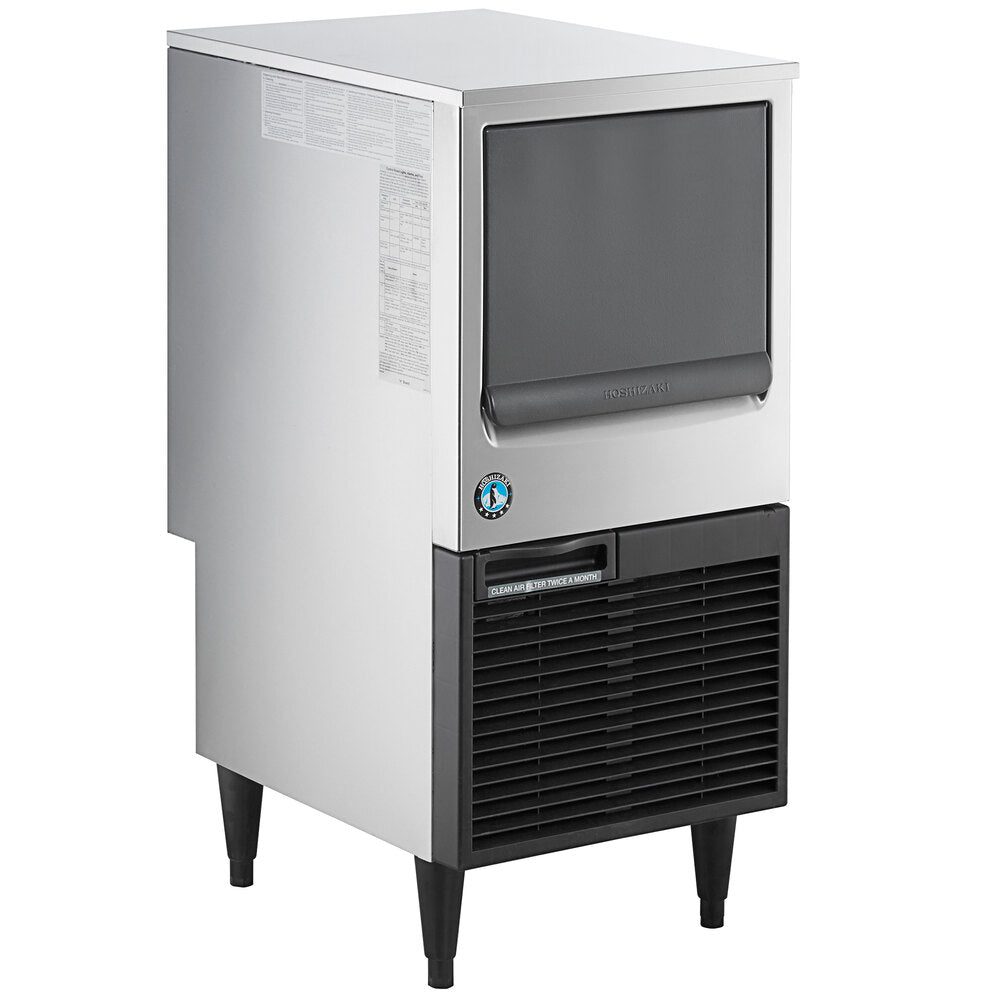
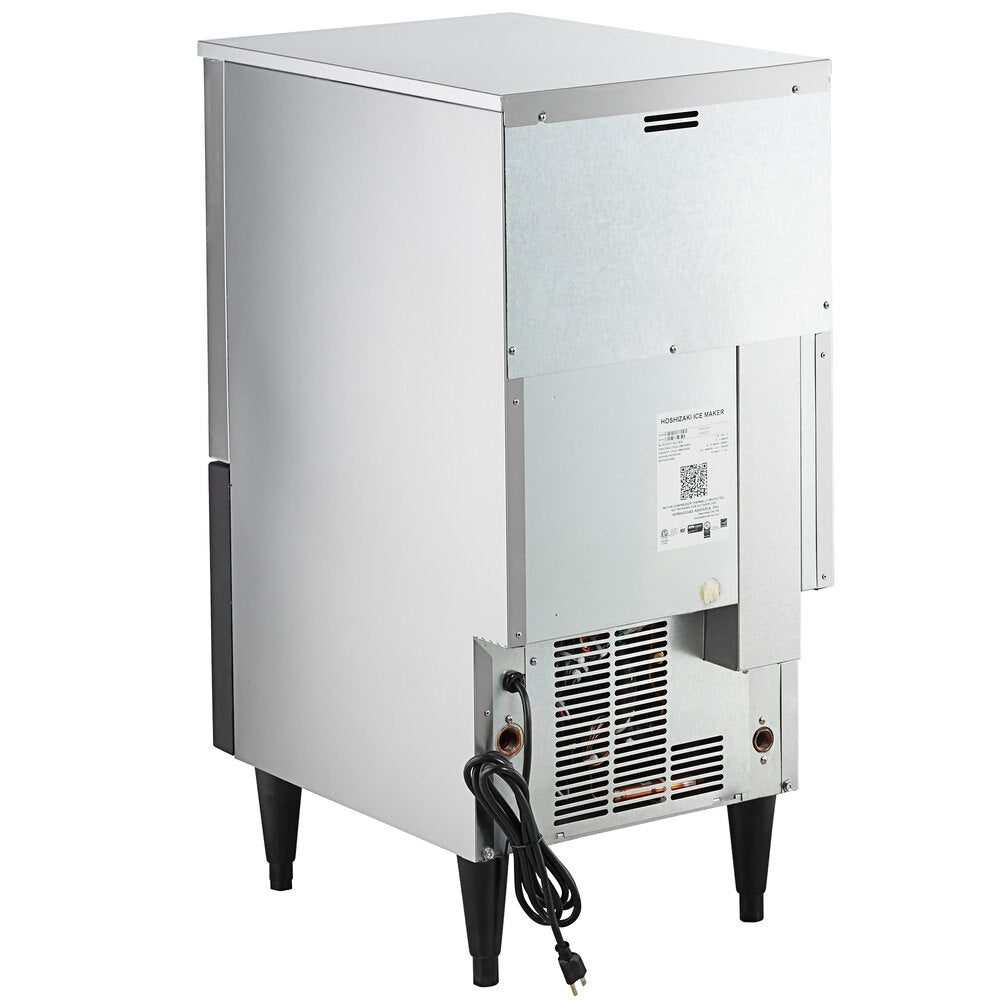
Undercounter ice machines are compact units designed for businesses with limited space or moderate ice demand. They usually include built-in ice storage and can fit under many standard counters, making them a practical choice for cafés, small bars, offices, breakrooms, and compact kitchens.
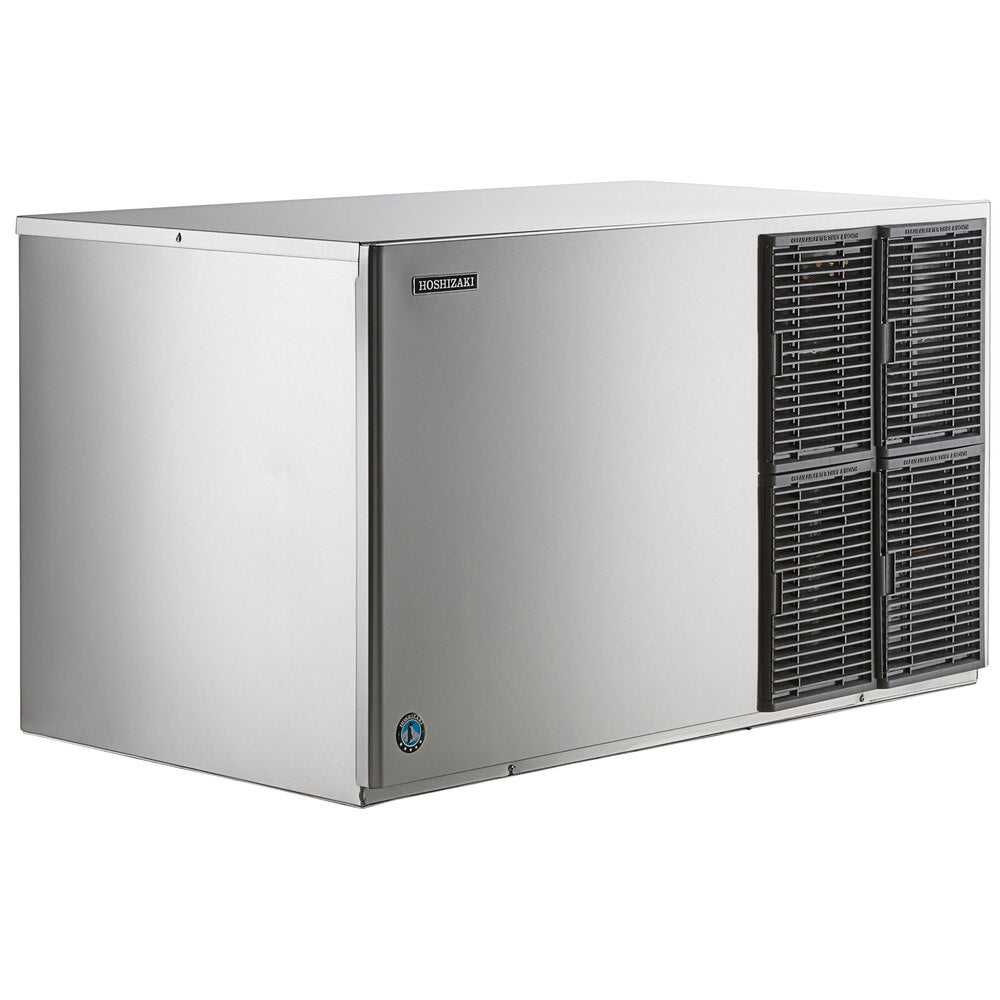
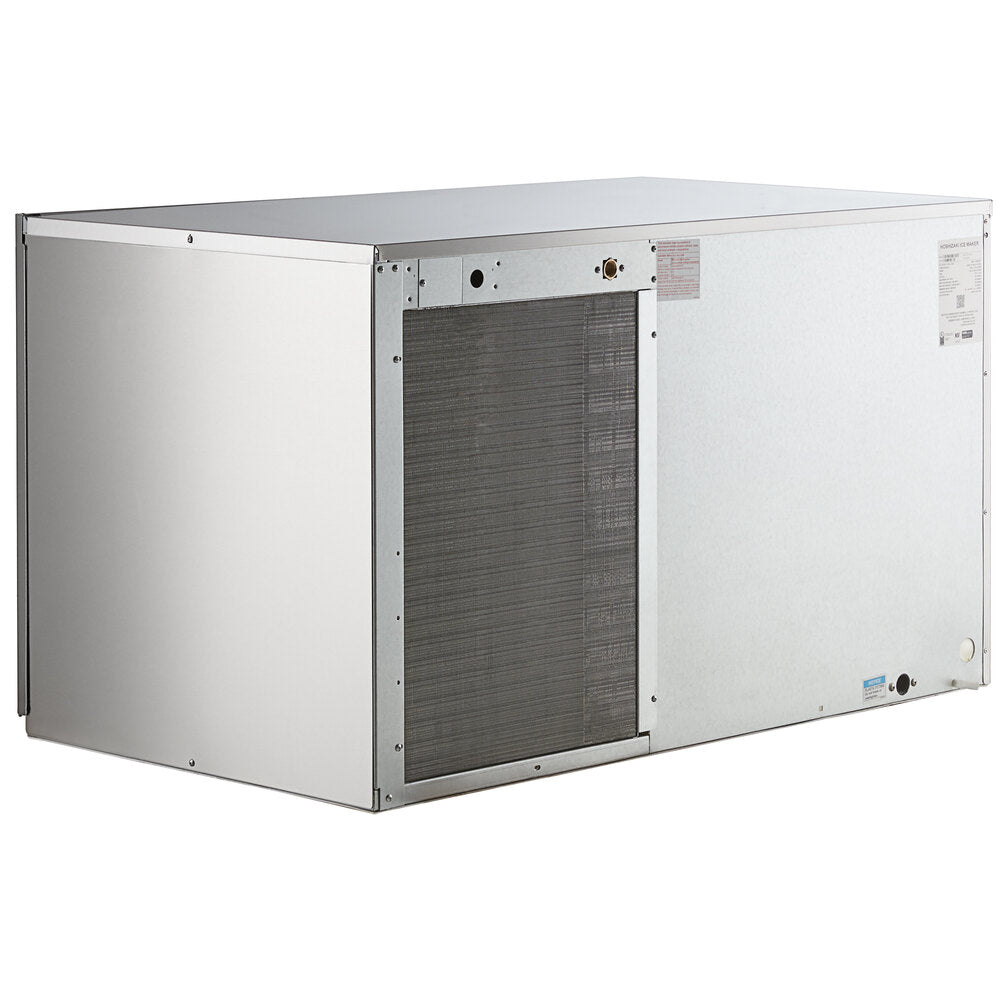
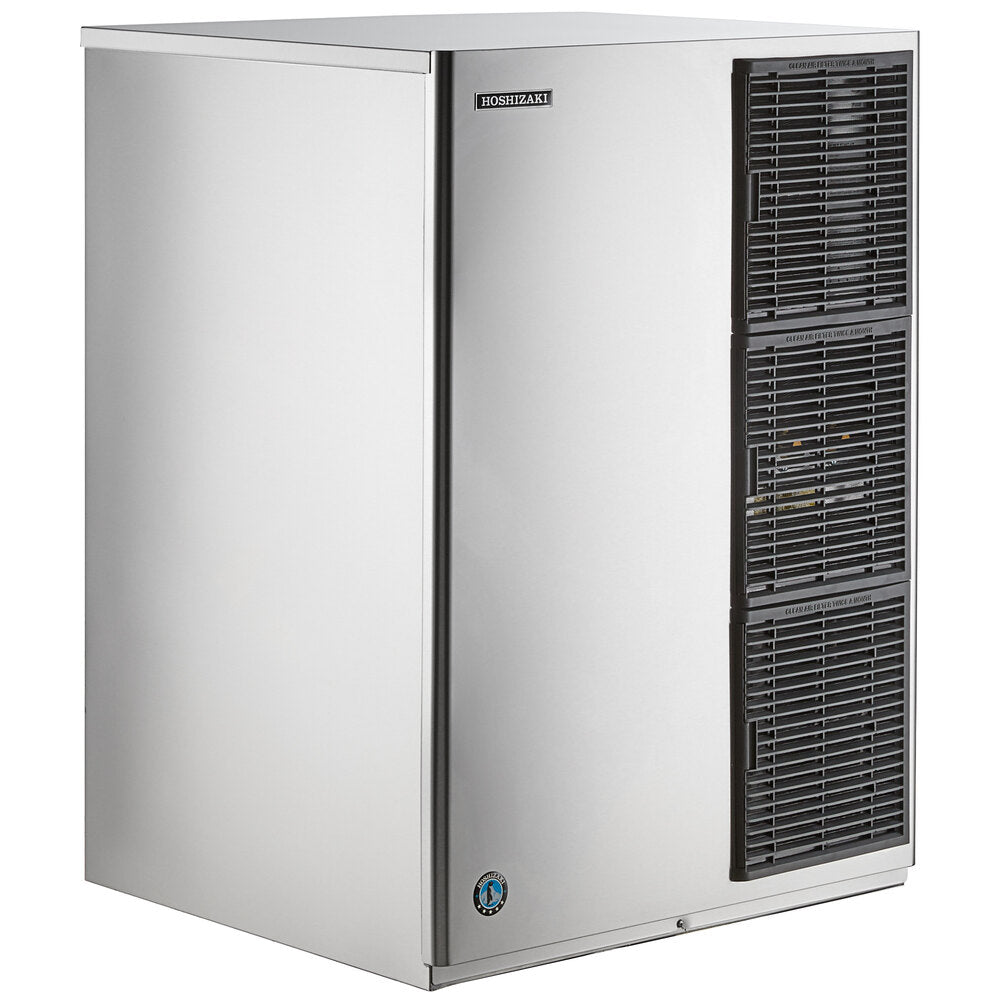
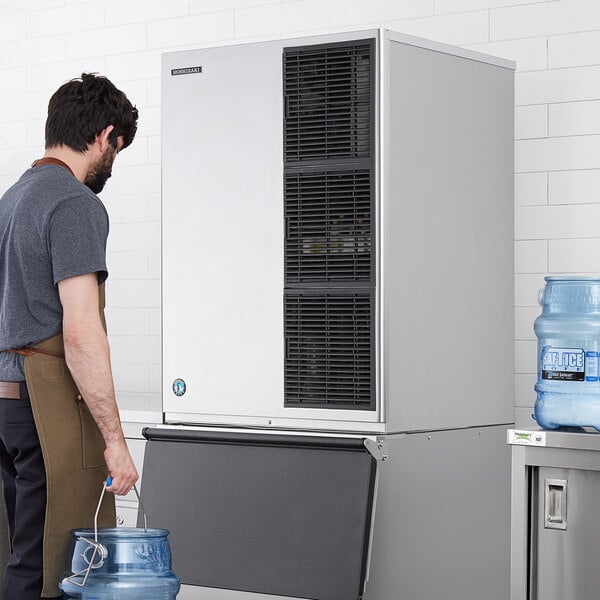
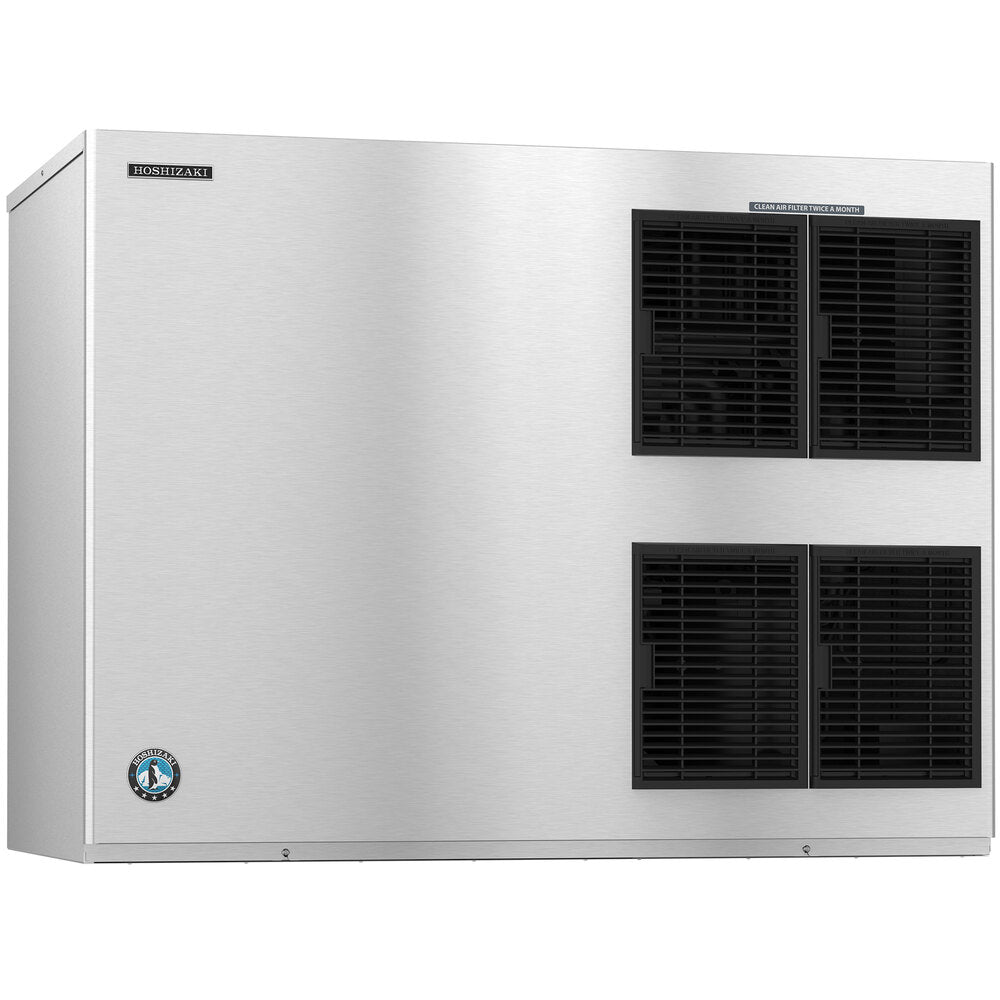
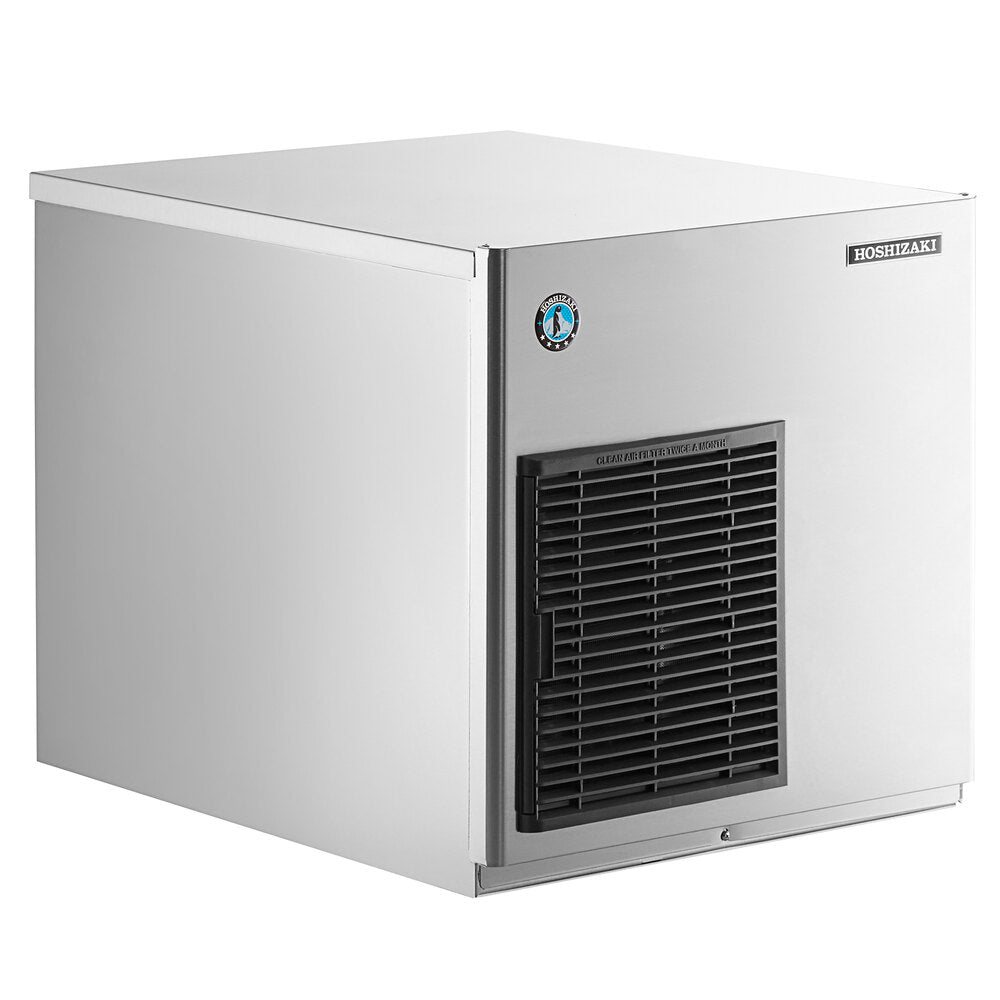
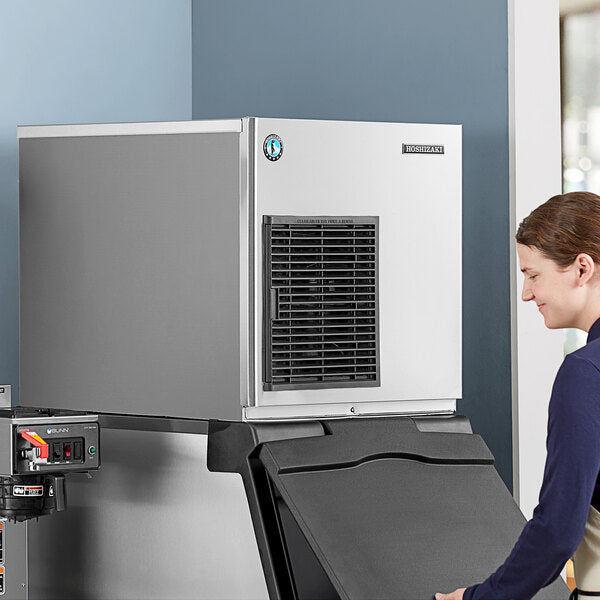
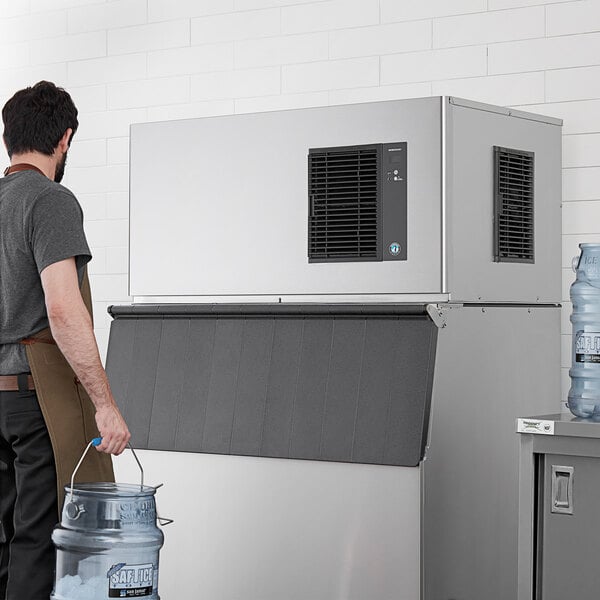
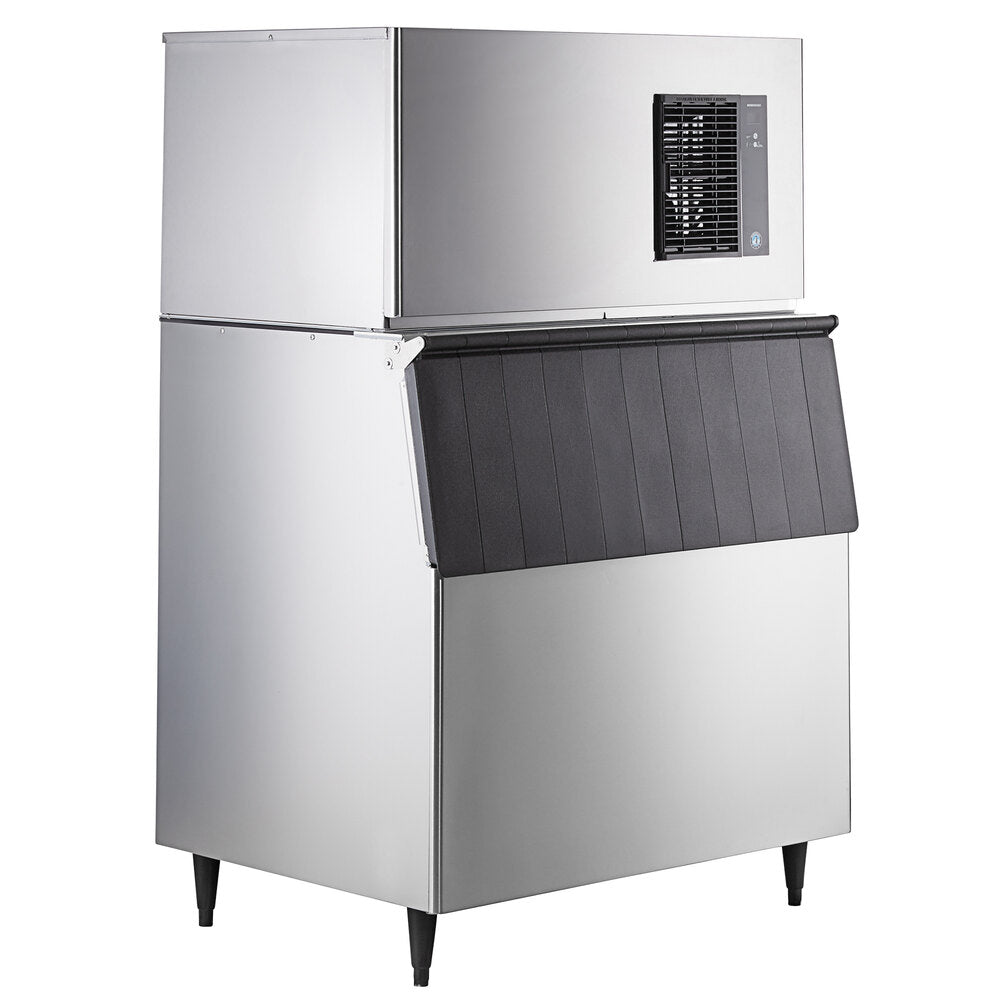
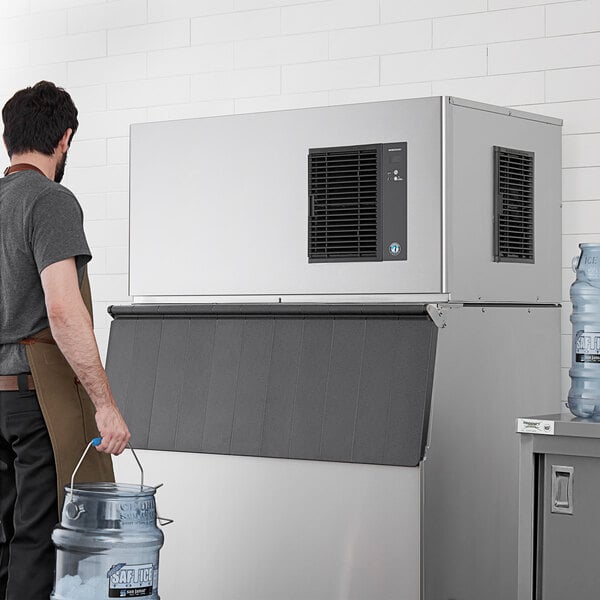
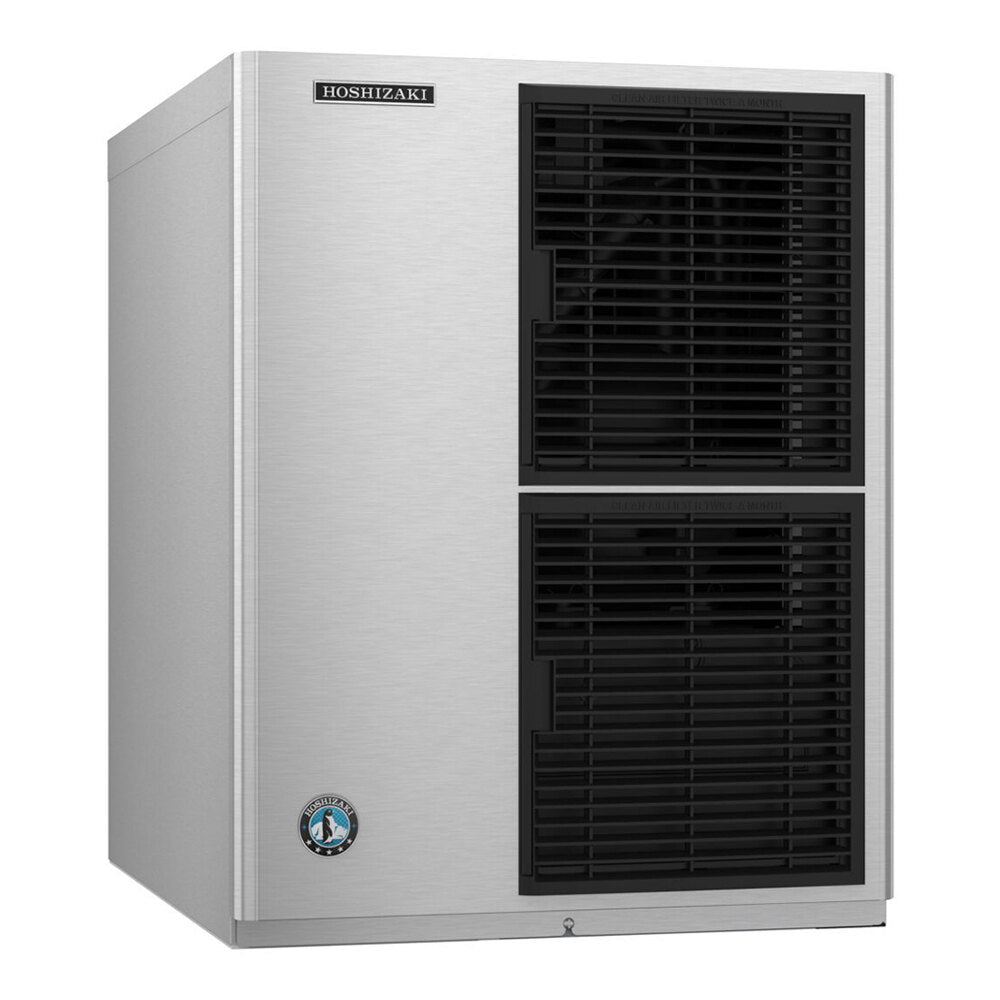
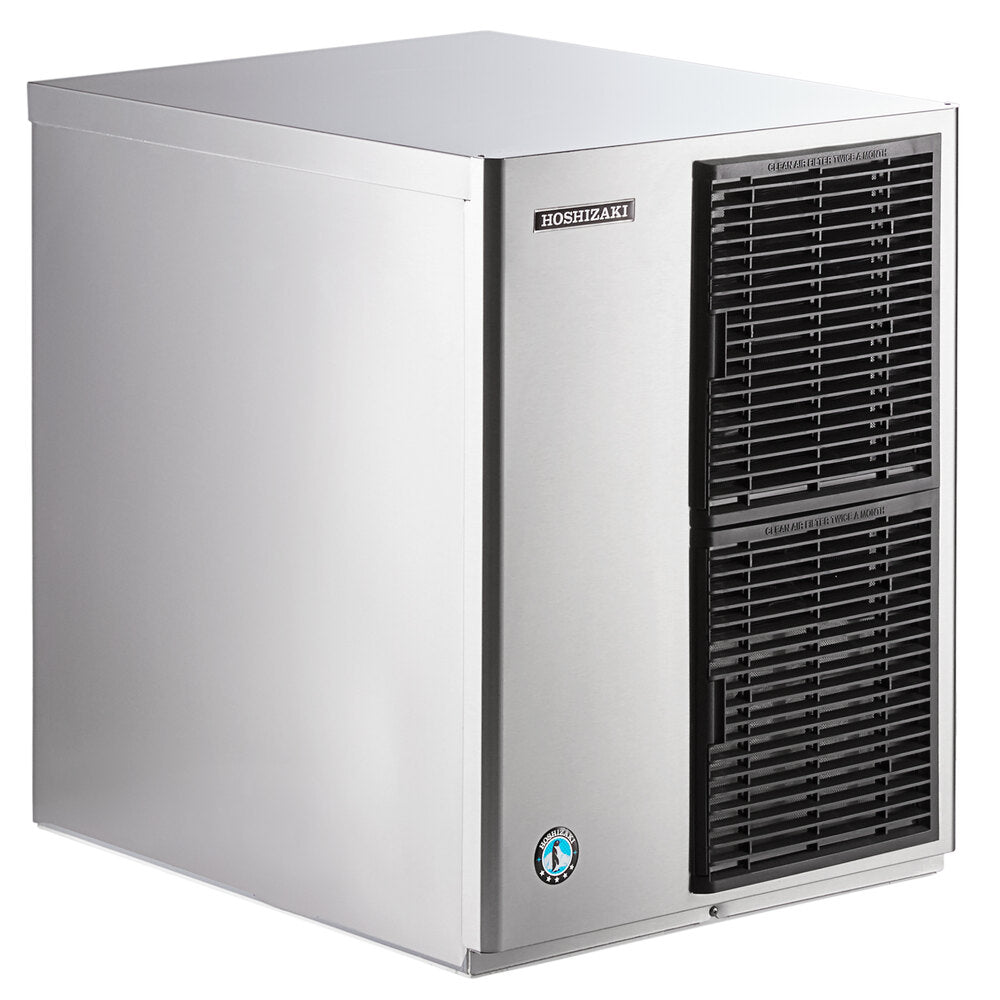
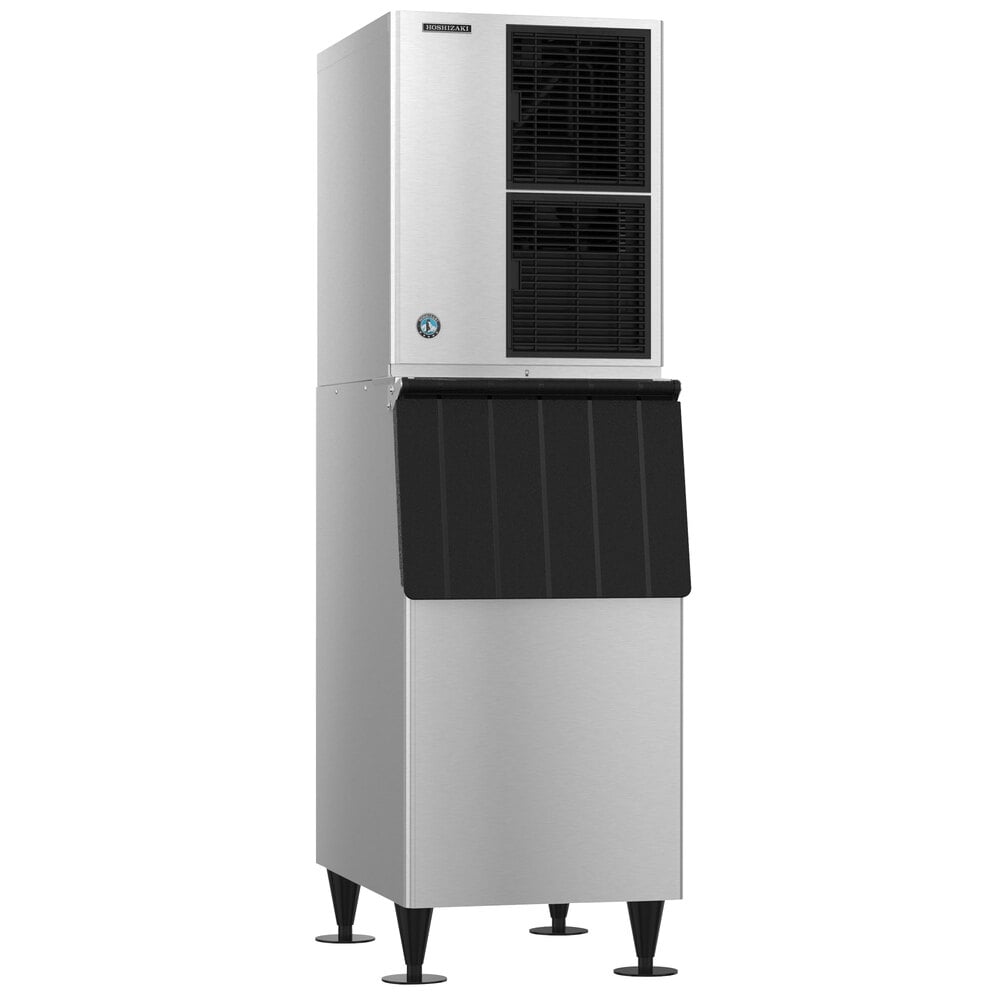
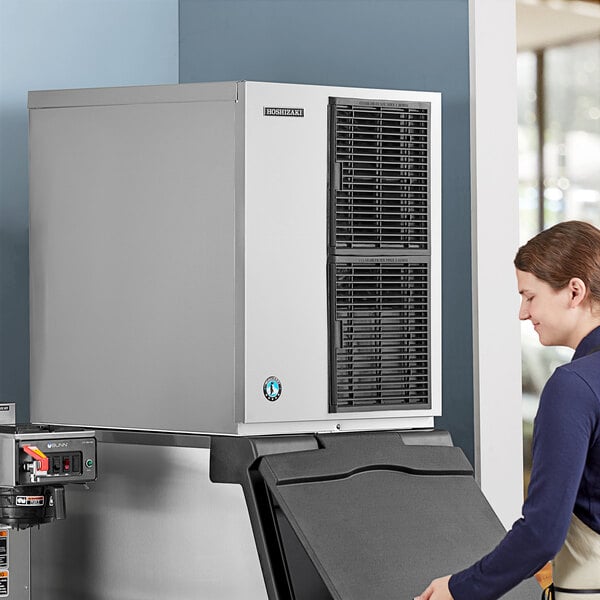
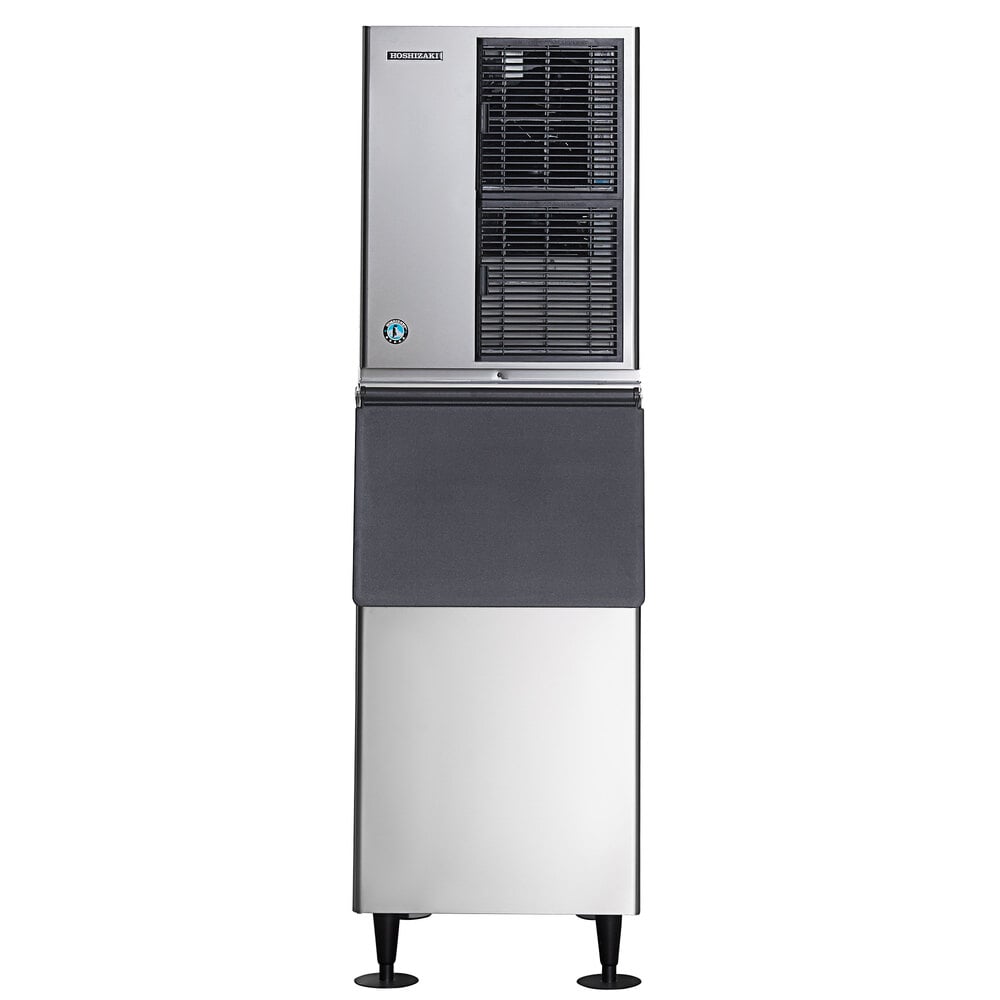
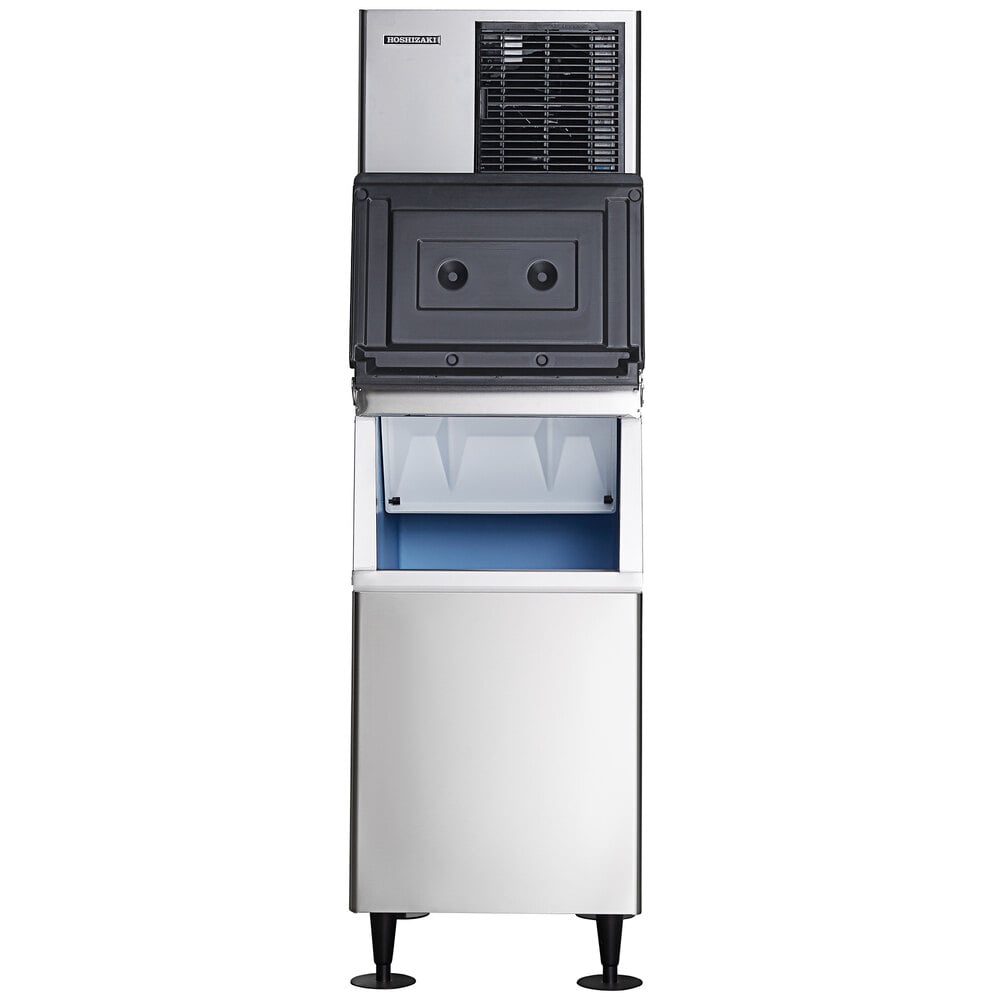
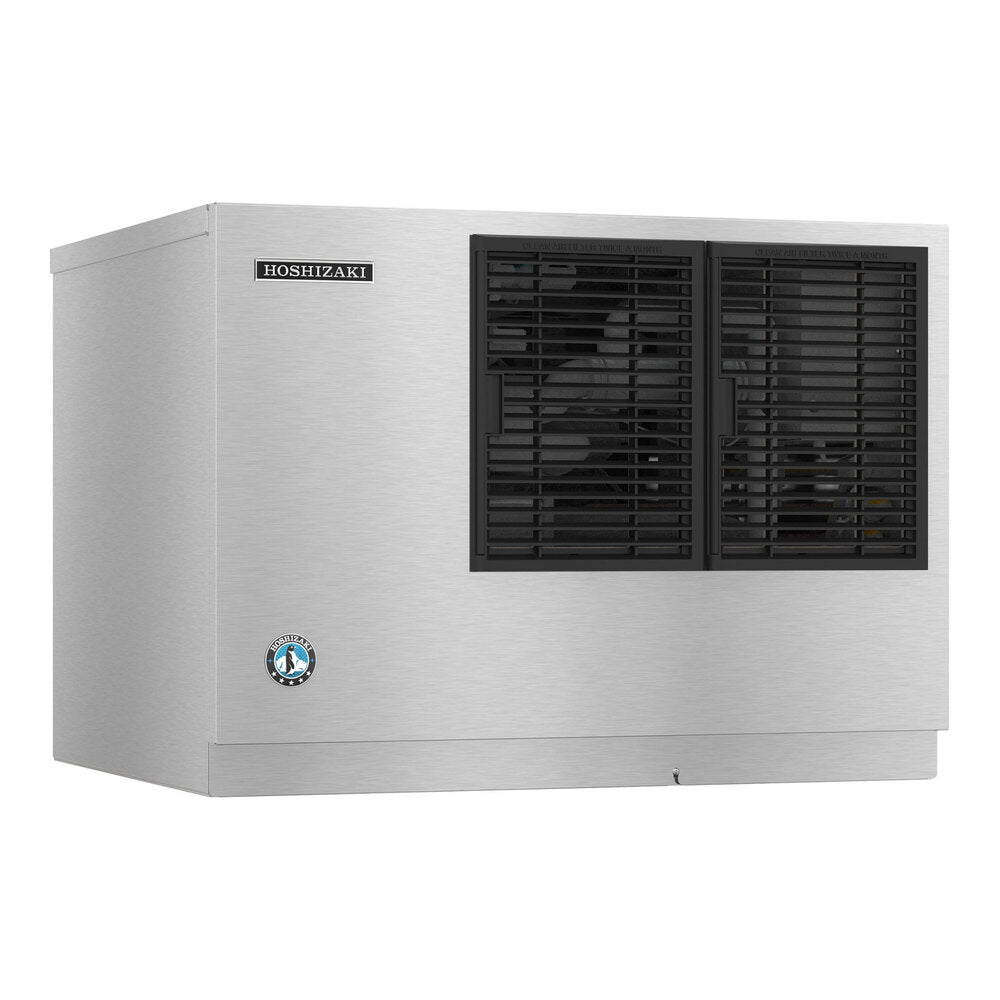
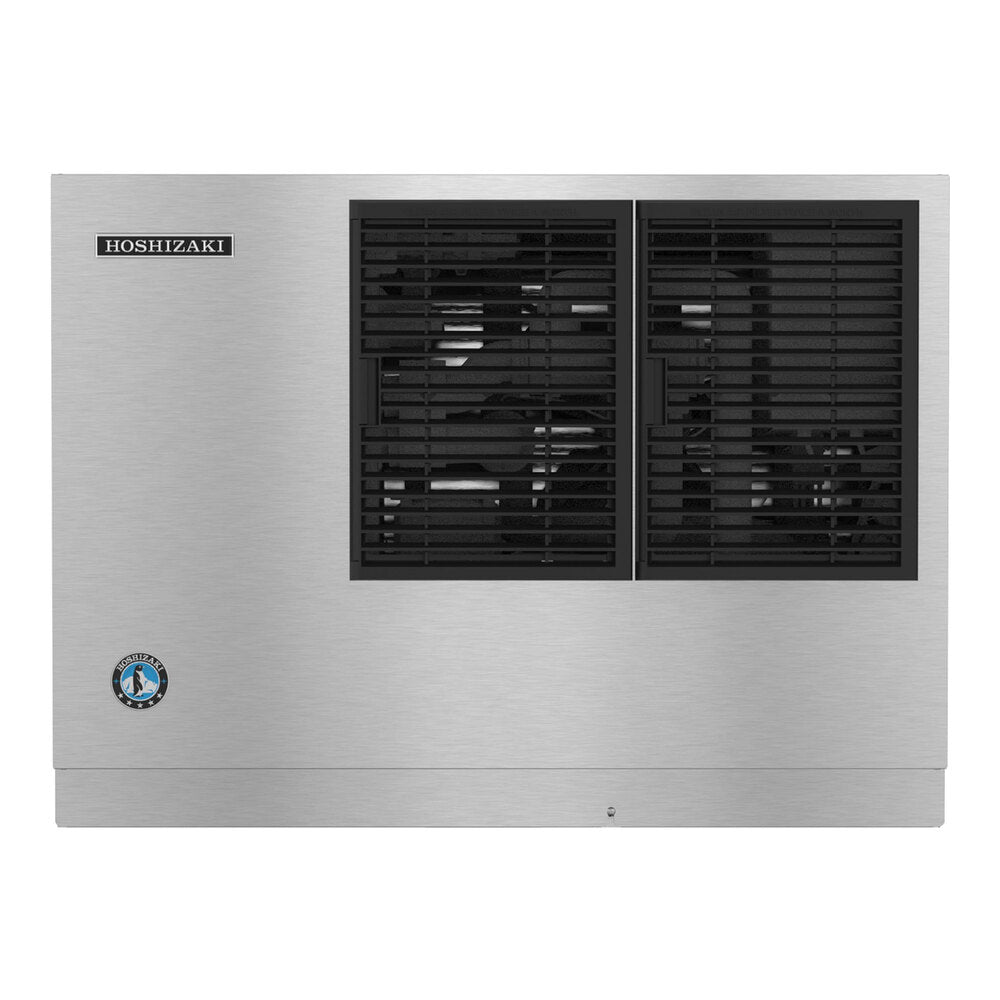
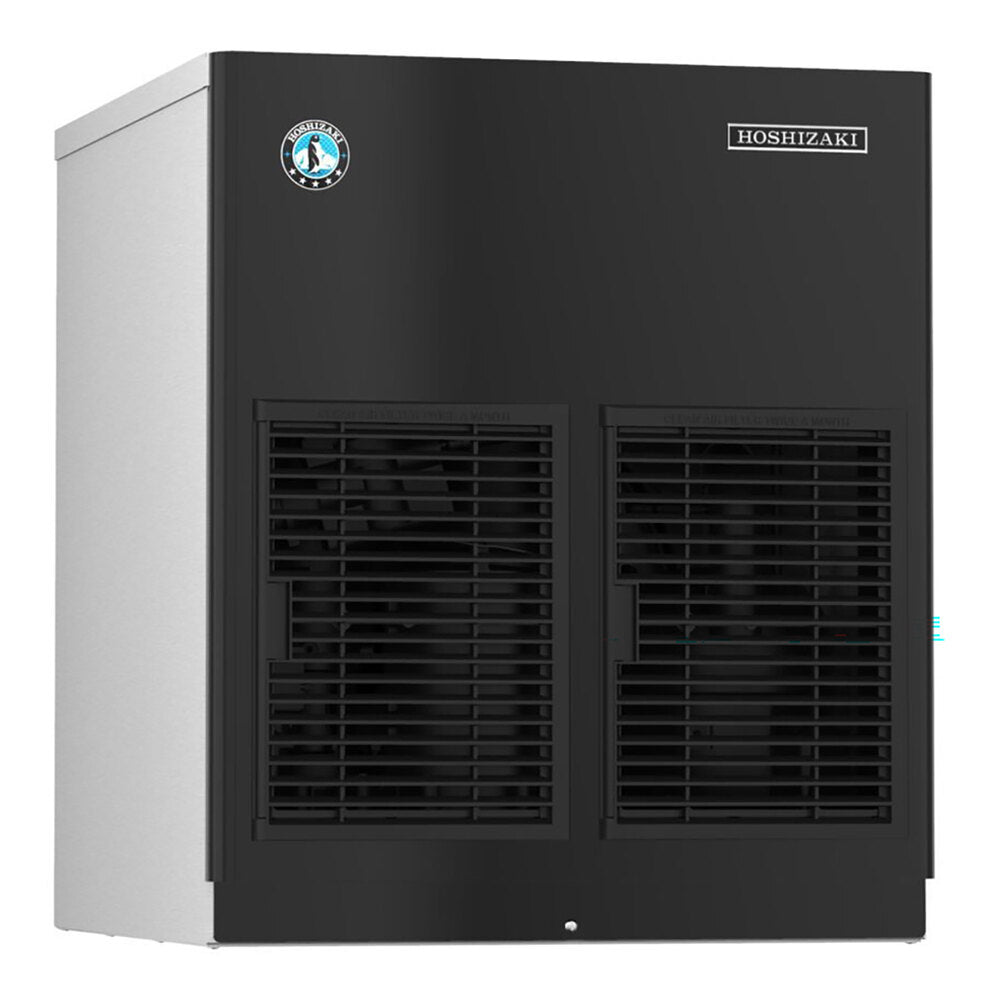
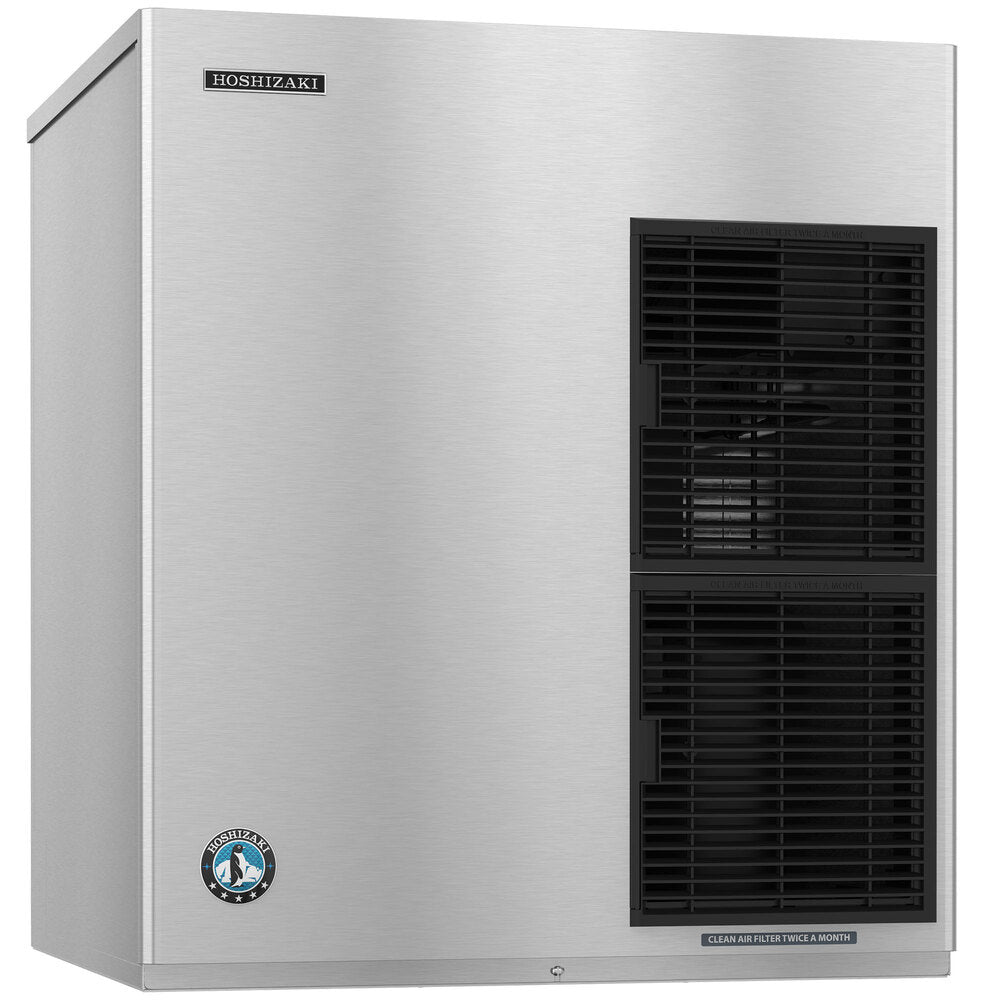
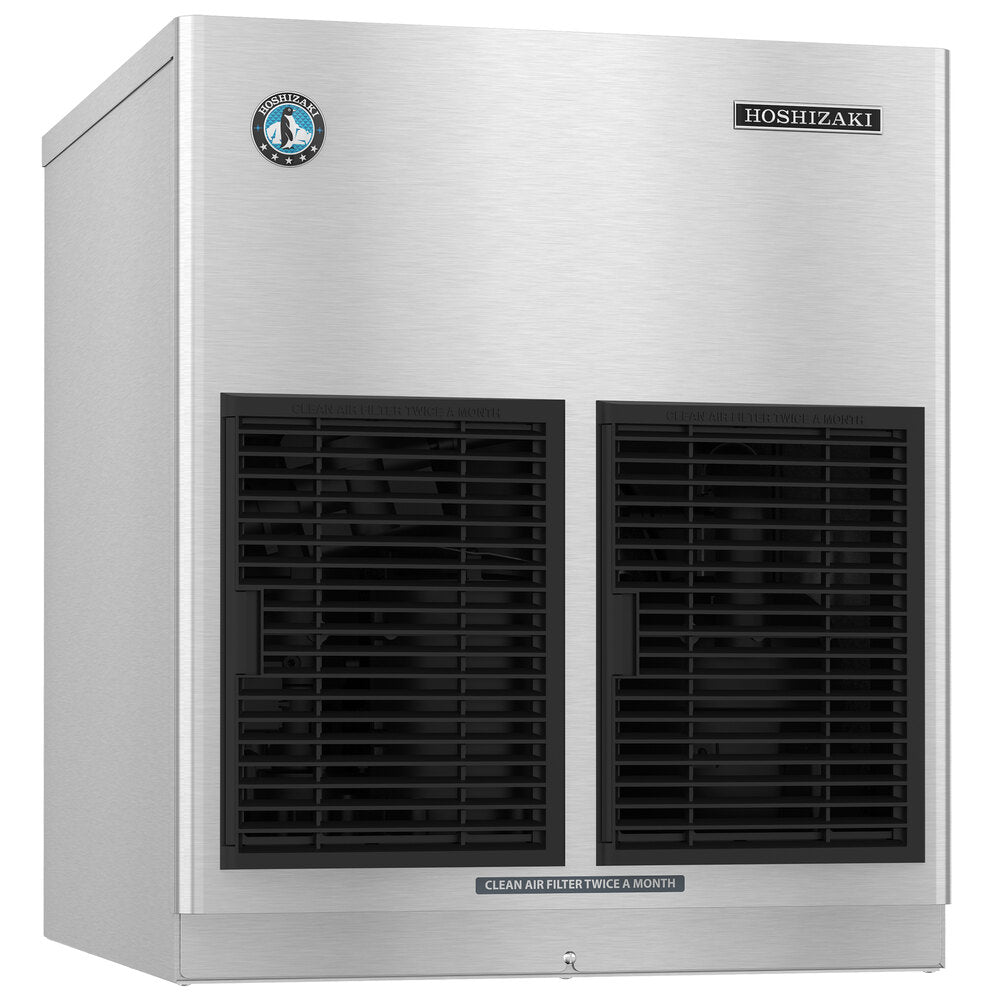
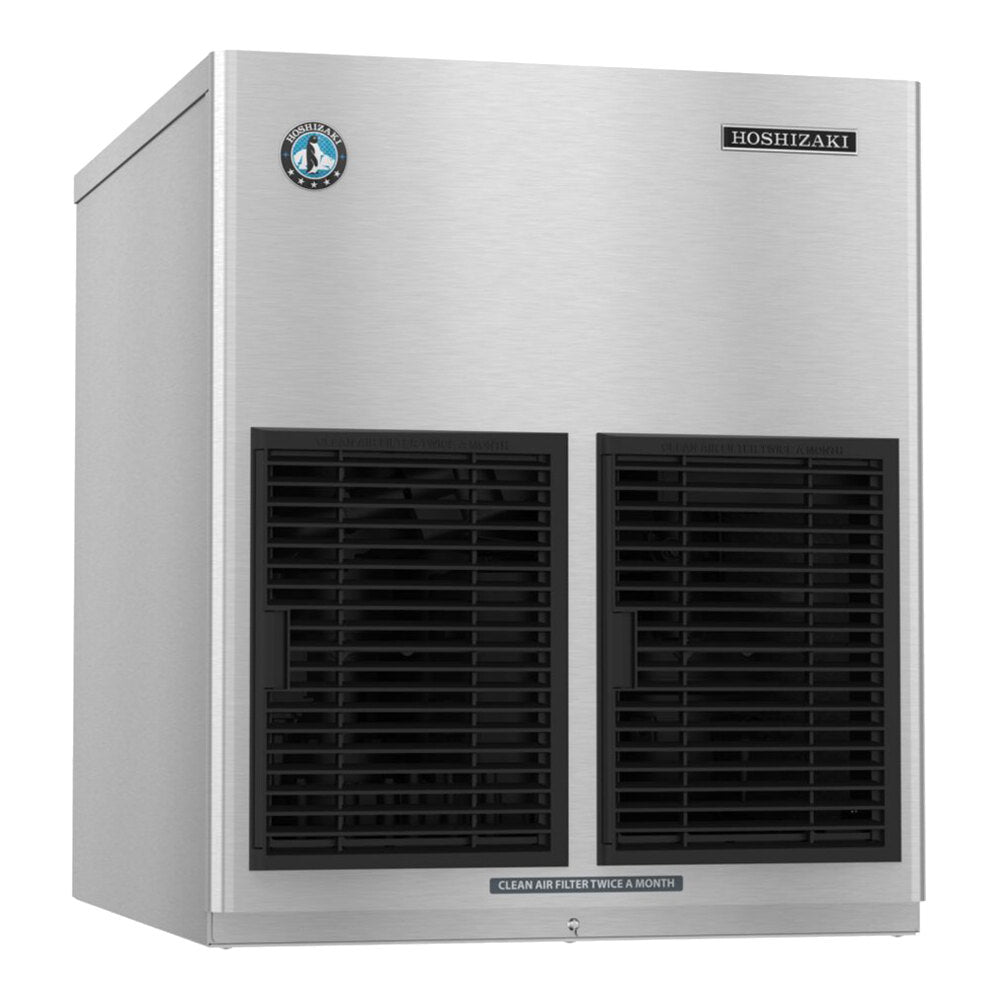
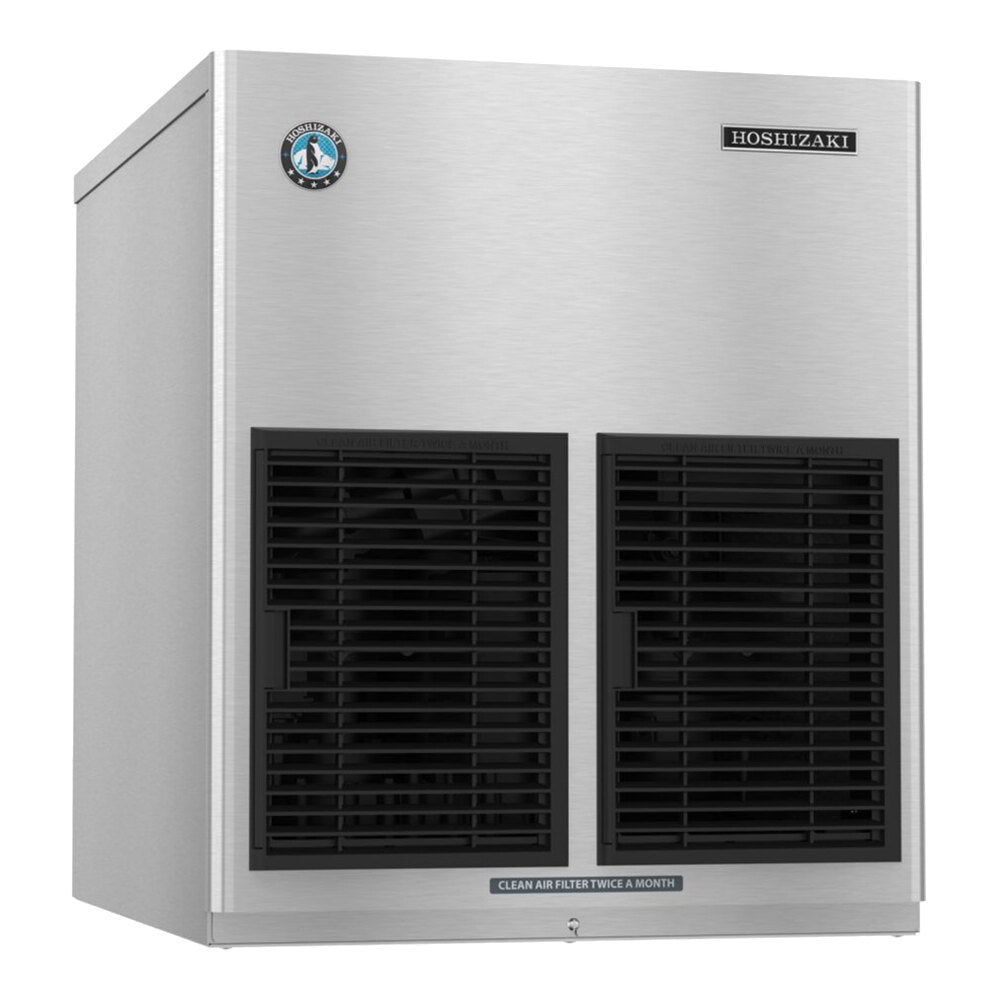
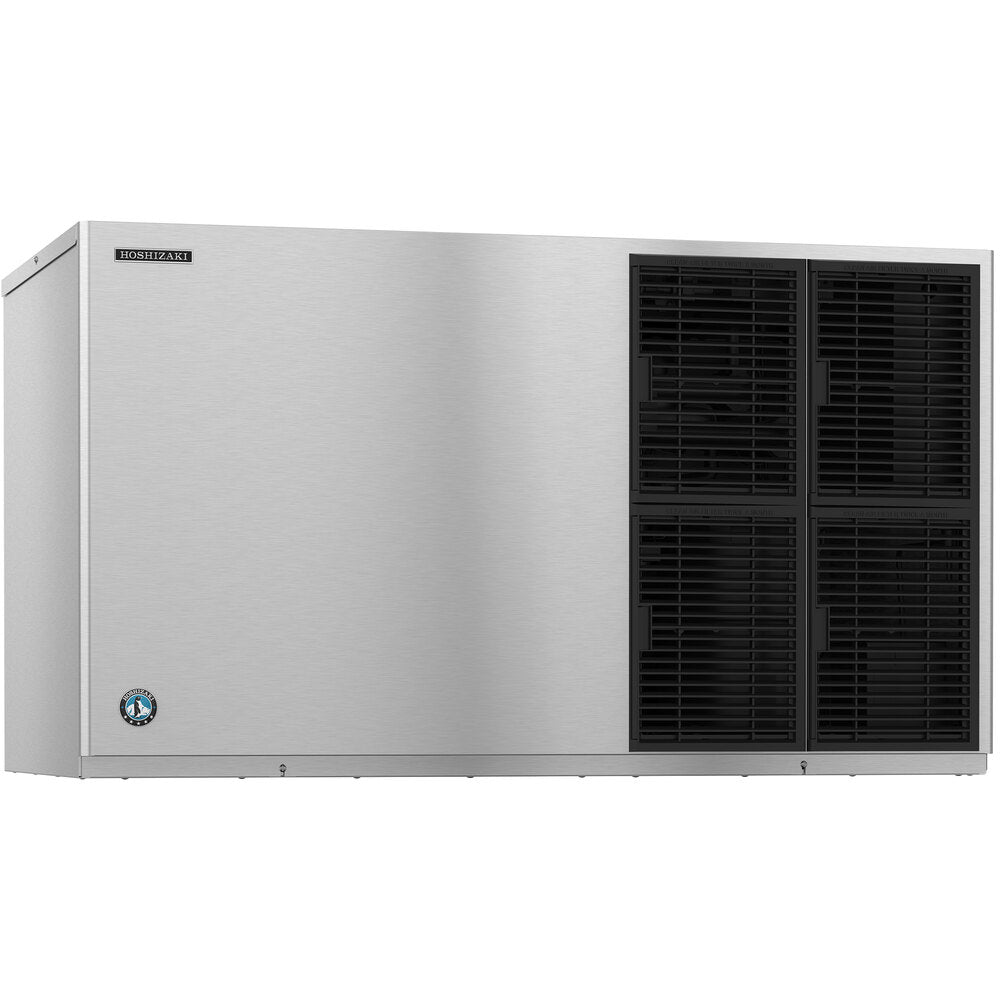
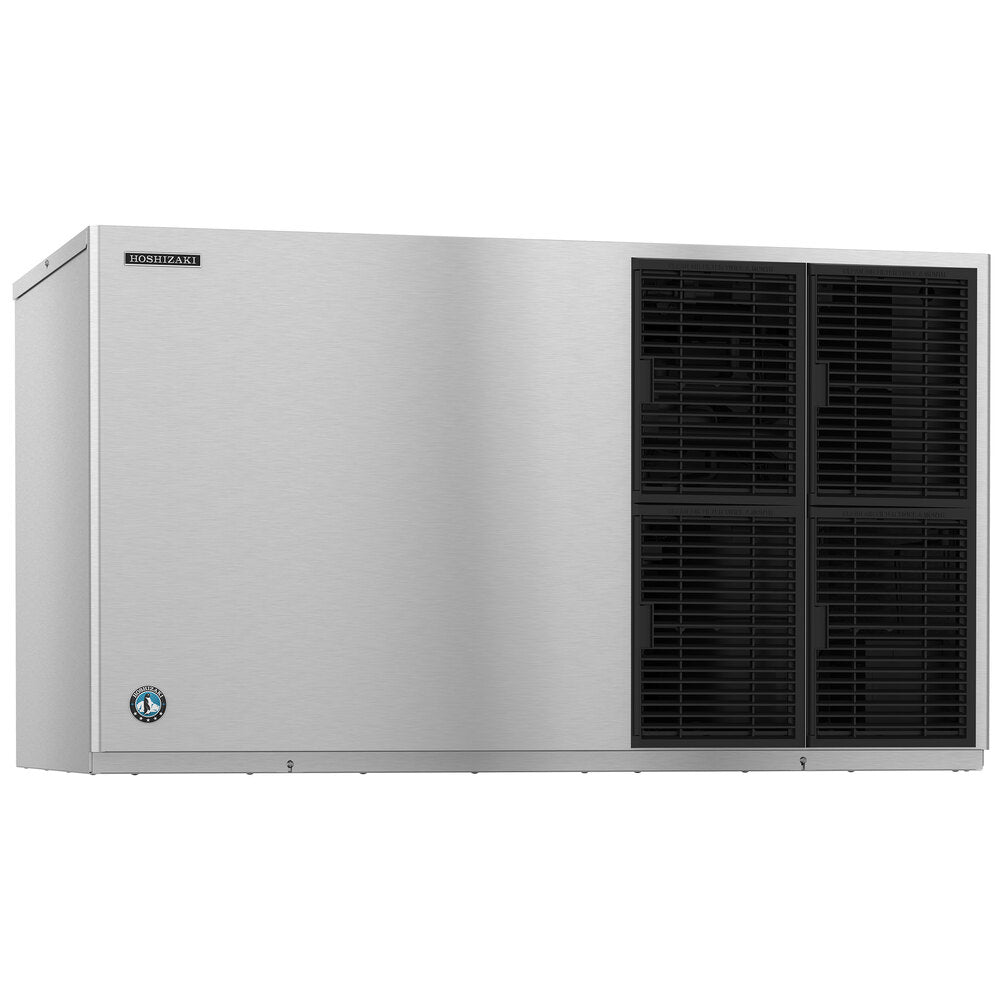
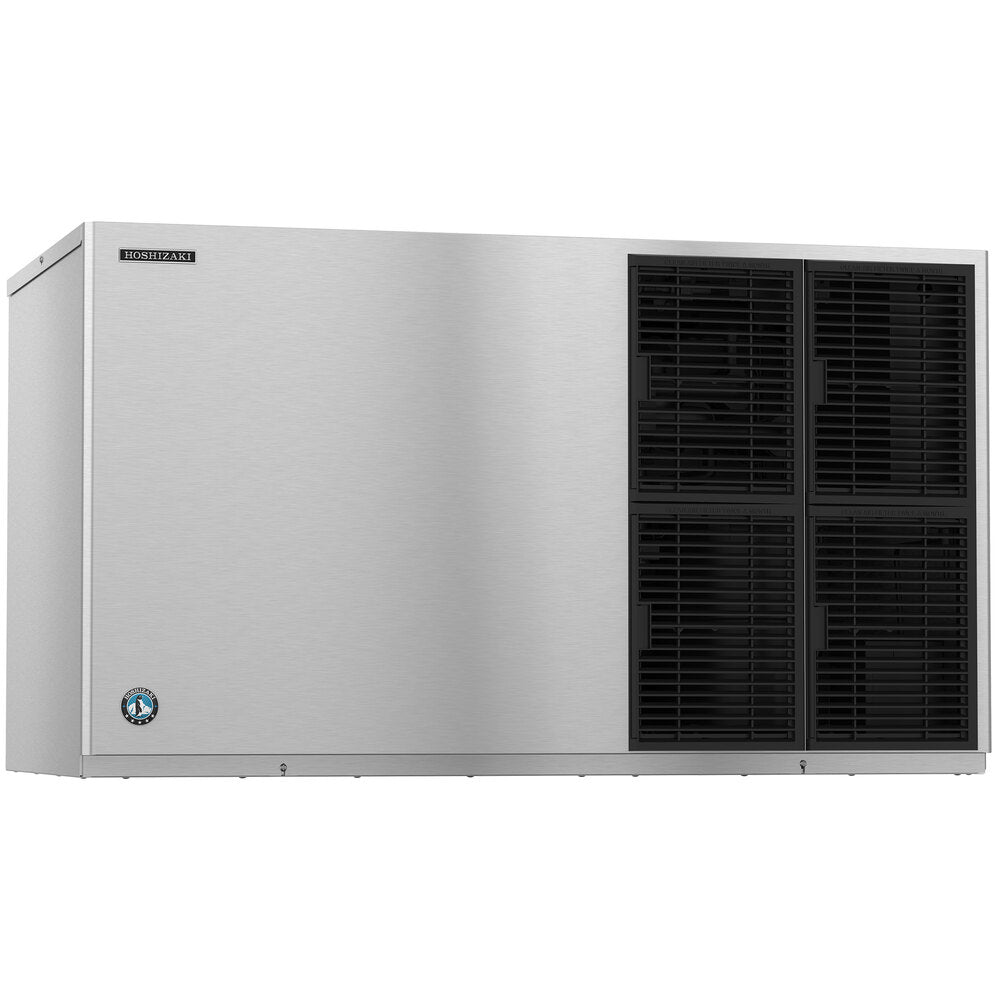
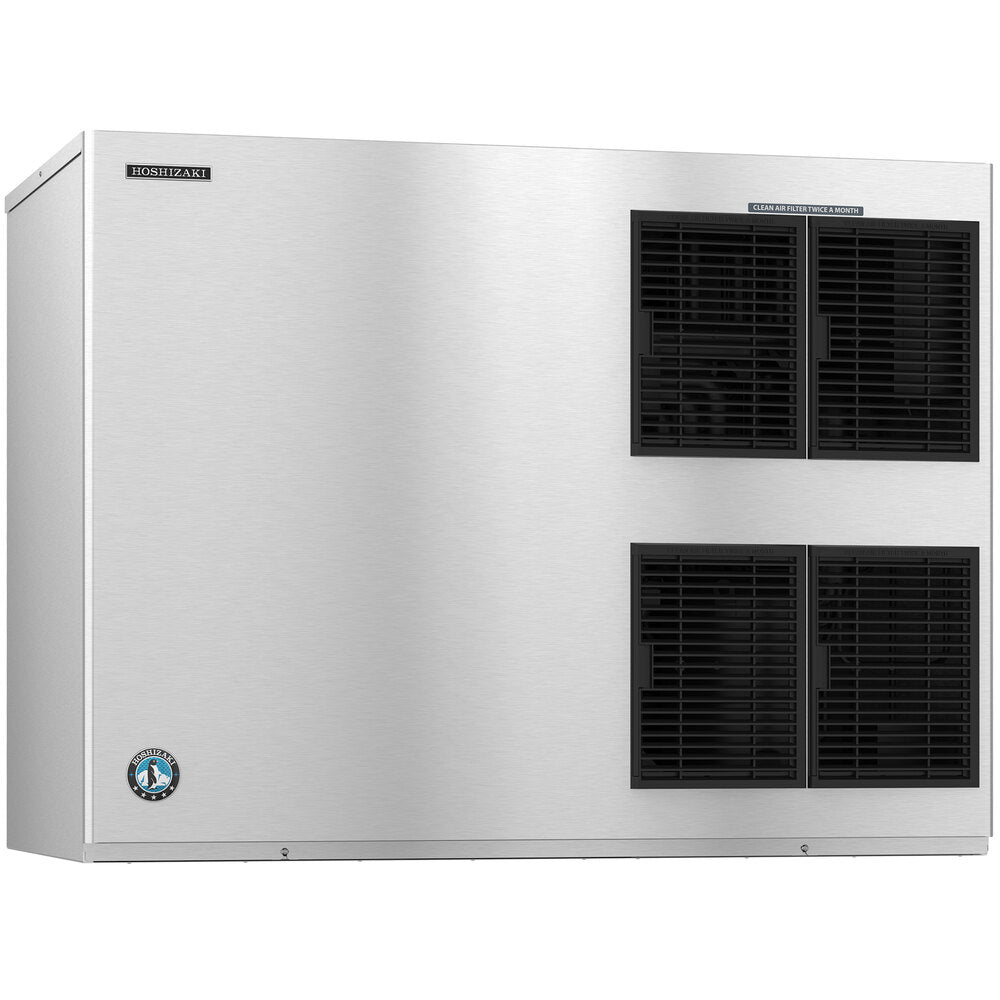
Modular ice machines are built for higher-volume ice production. These units produce ice but usually require a separate compatible storage bin or dispenser. They are commonly used in restaurants, hotels, supermarkets, convenience stores, bars, and other foodservice operations that need a larger daily ice supply.
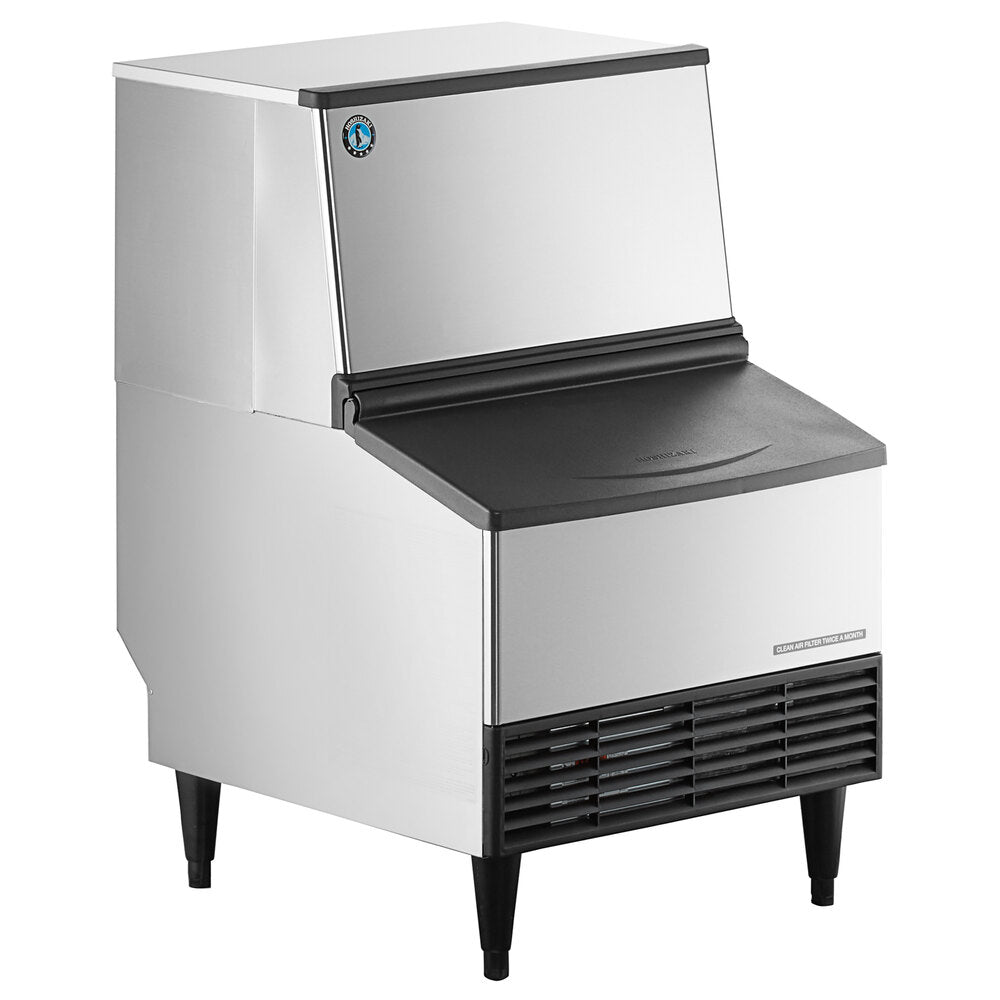
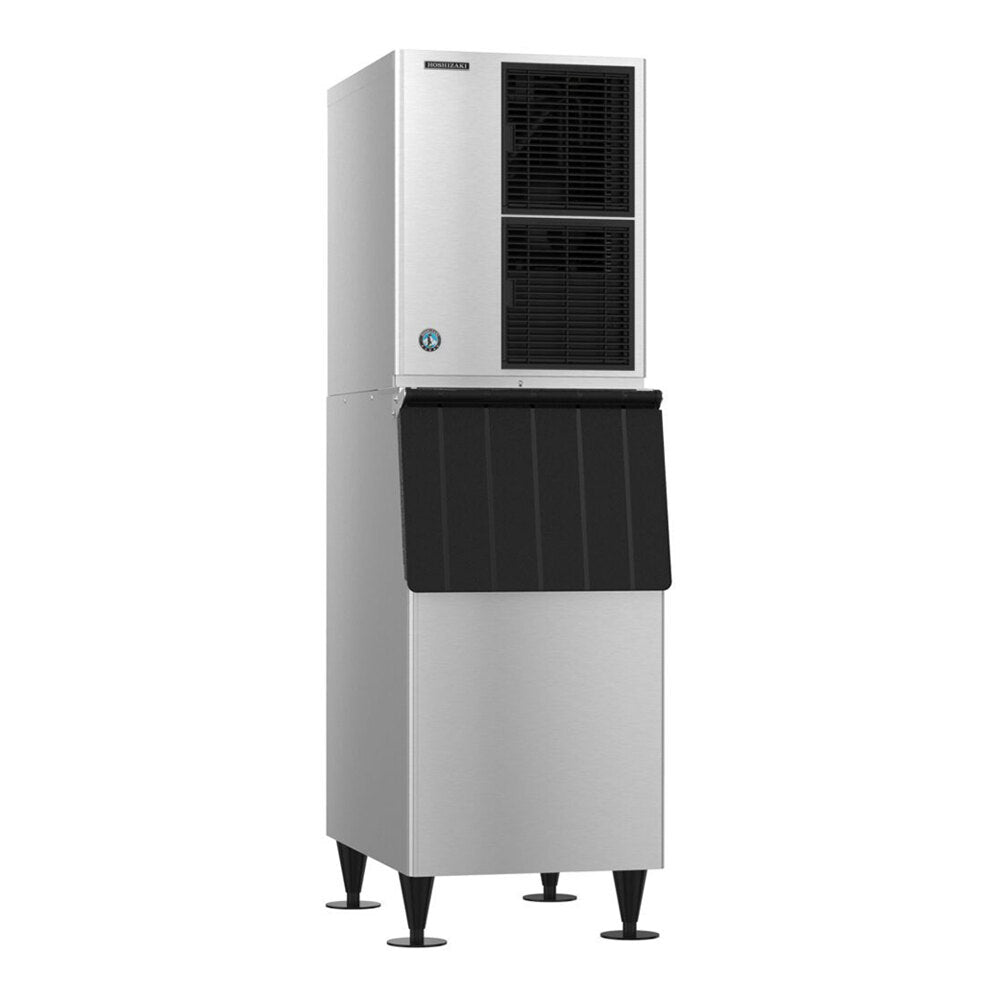
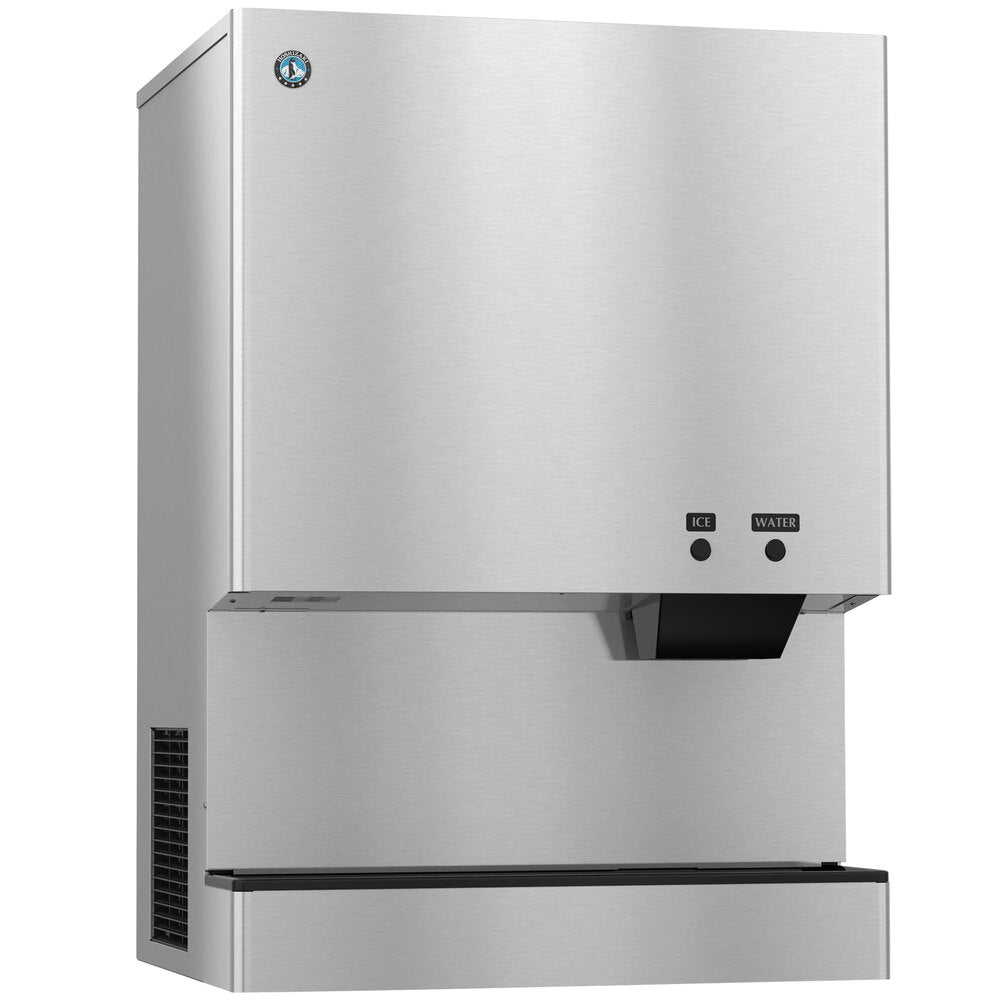
Ice machines with bins are a convenient choice when you want a complete setup in one purchase. These units pair an ice maker with a storage bin, helping businesses simplify the buying process and avoid compatibility issues.
Ice storage bins do not produce ice on their own. They are used to store ice produced by a modular ice machine. If you are buying a modular ice machine head, make sure the bin size and compatibility match the machine before placing your order.
Guide
Ice Type Guide
The type of ice you choose matters just as much as the machine size. Different ice shapes are designed for different applications, including beverages, cocktails, food displays, healthcare, self-service drinks, and general foodservice use.
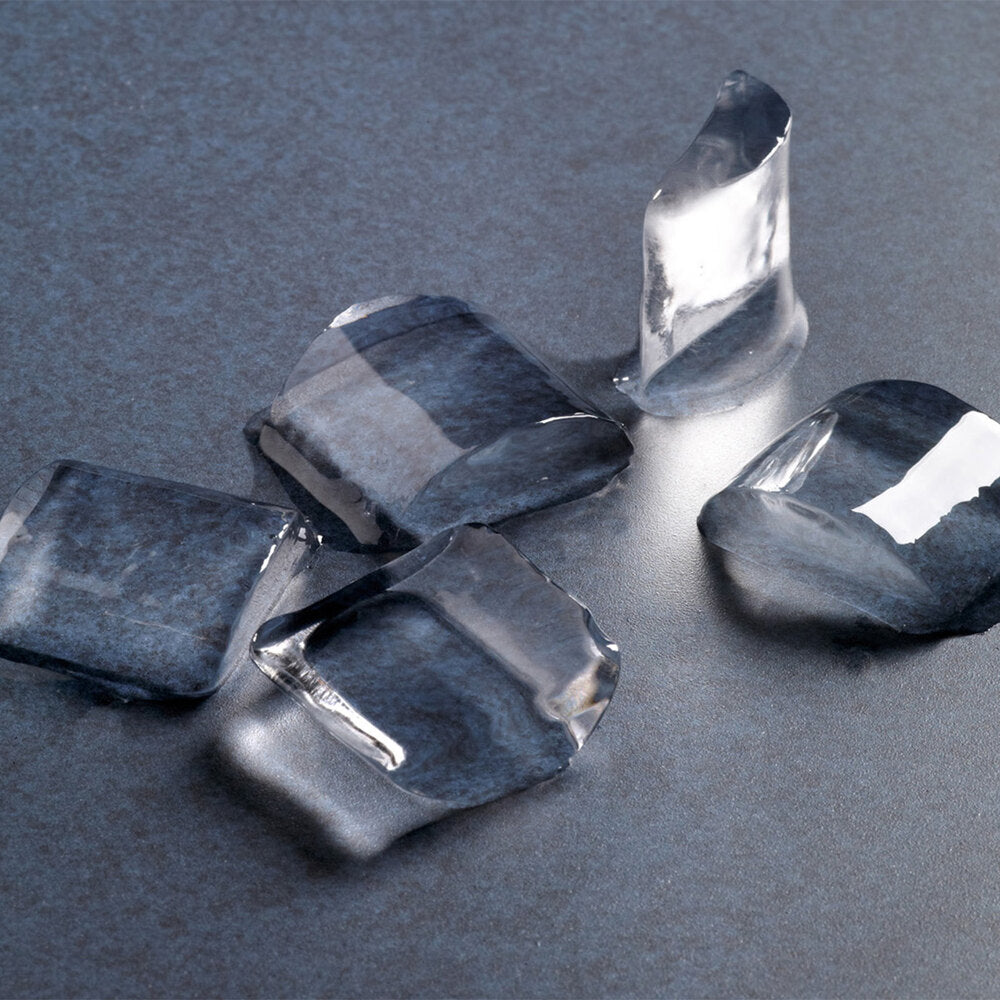
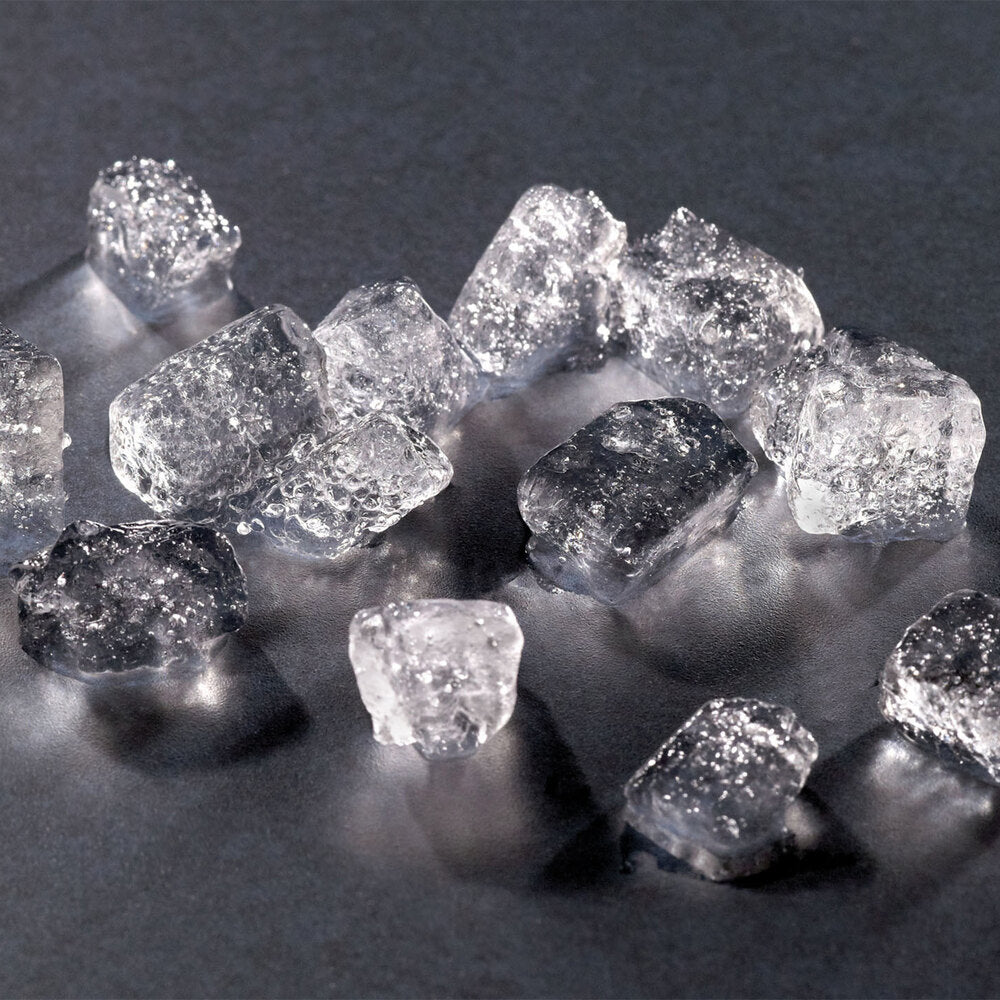
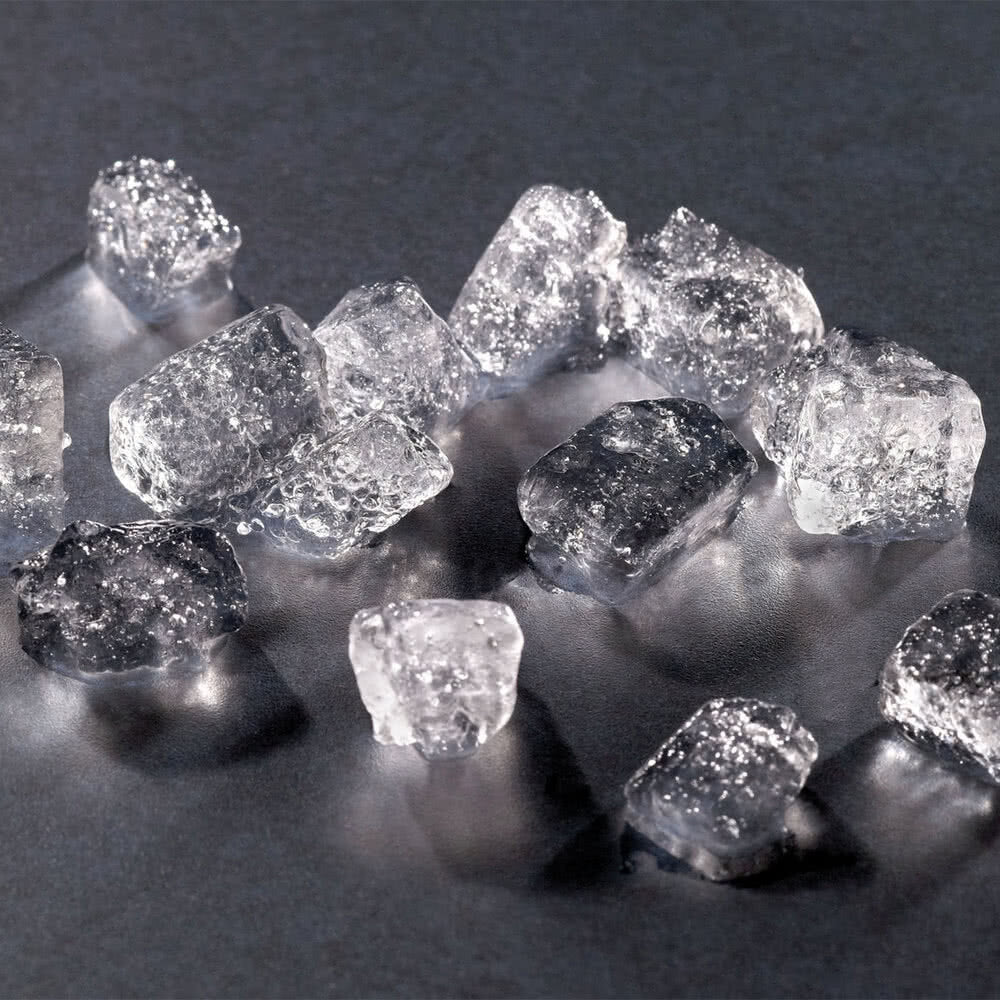
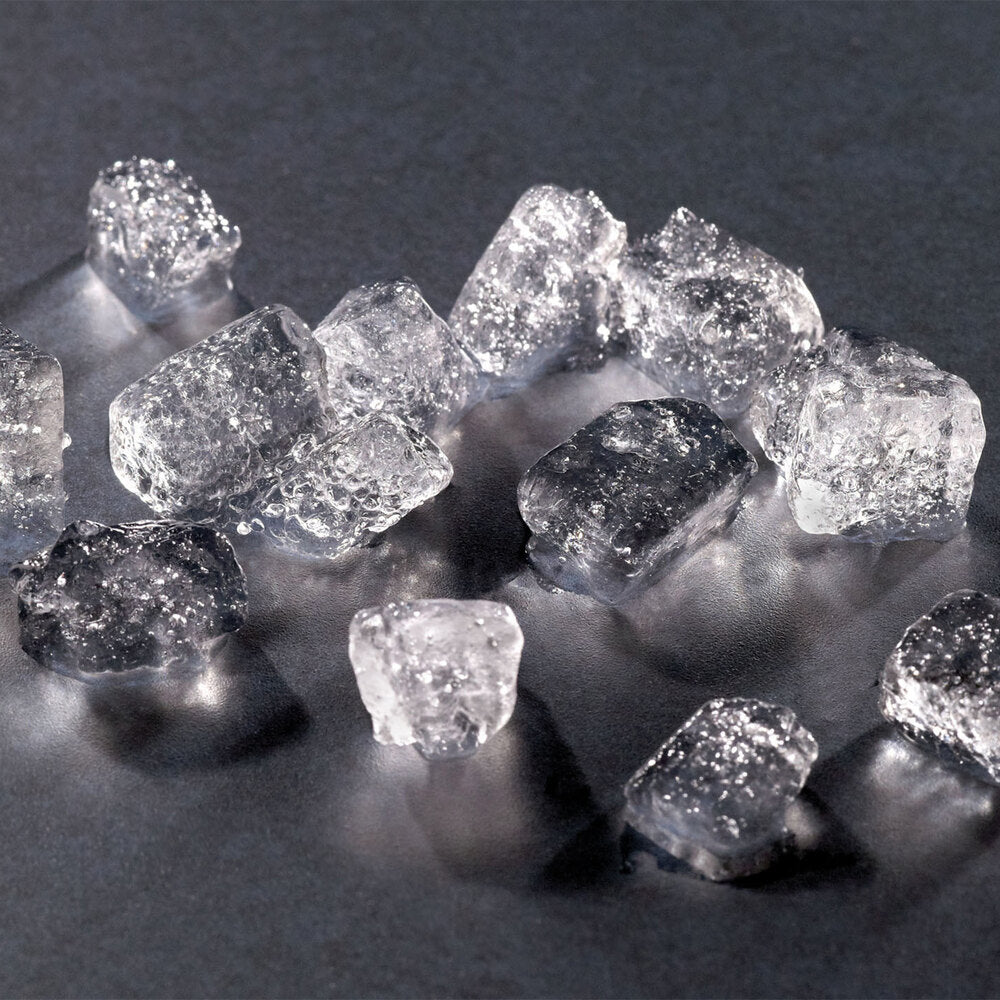
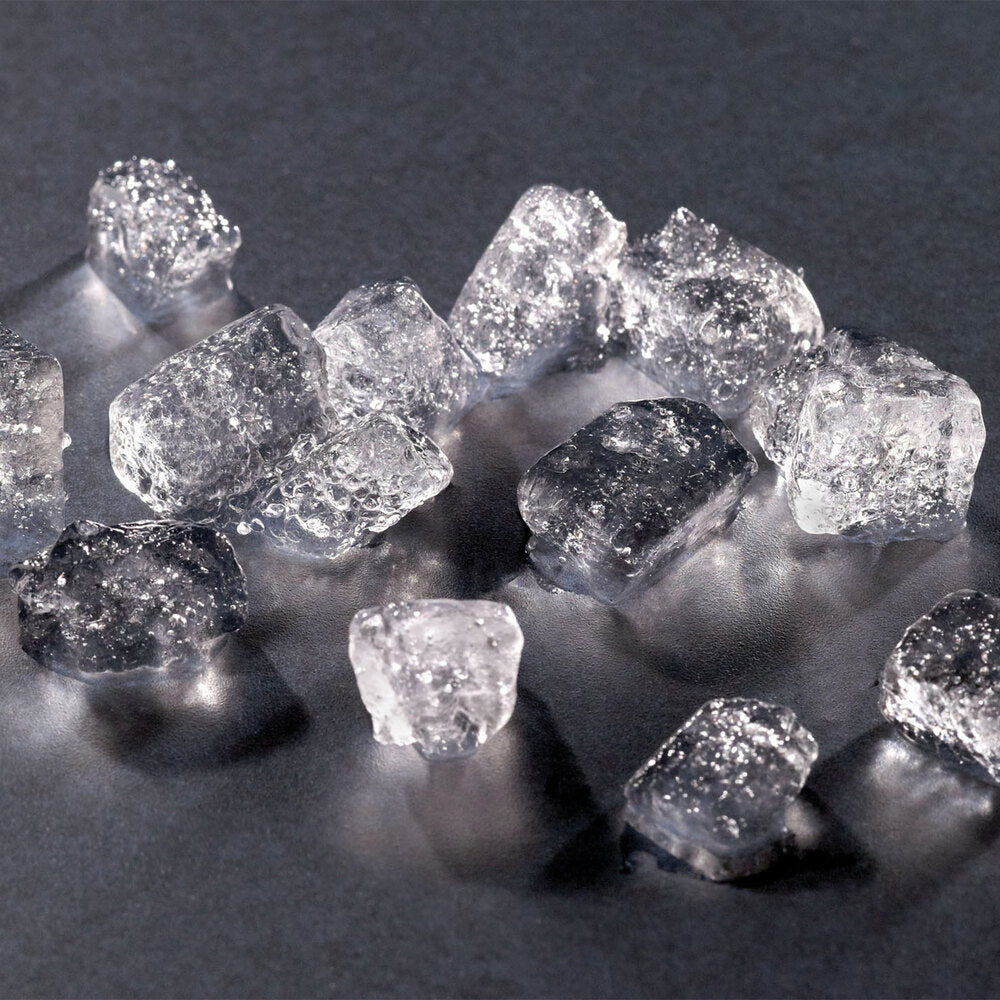
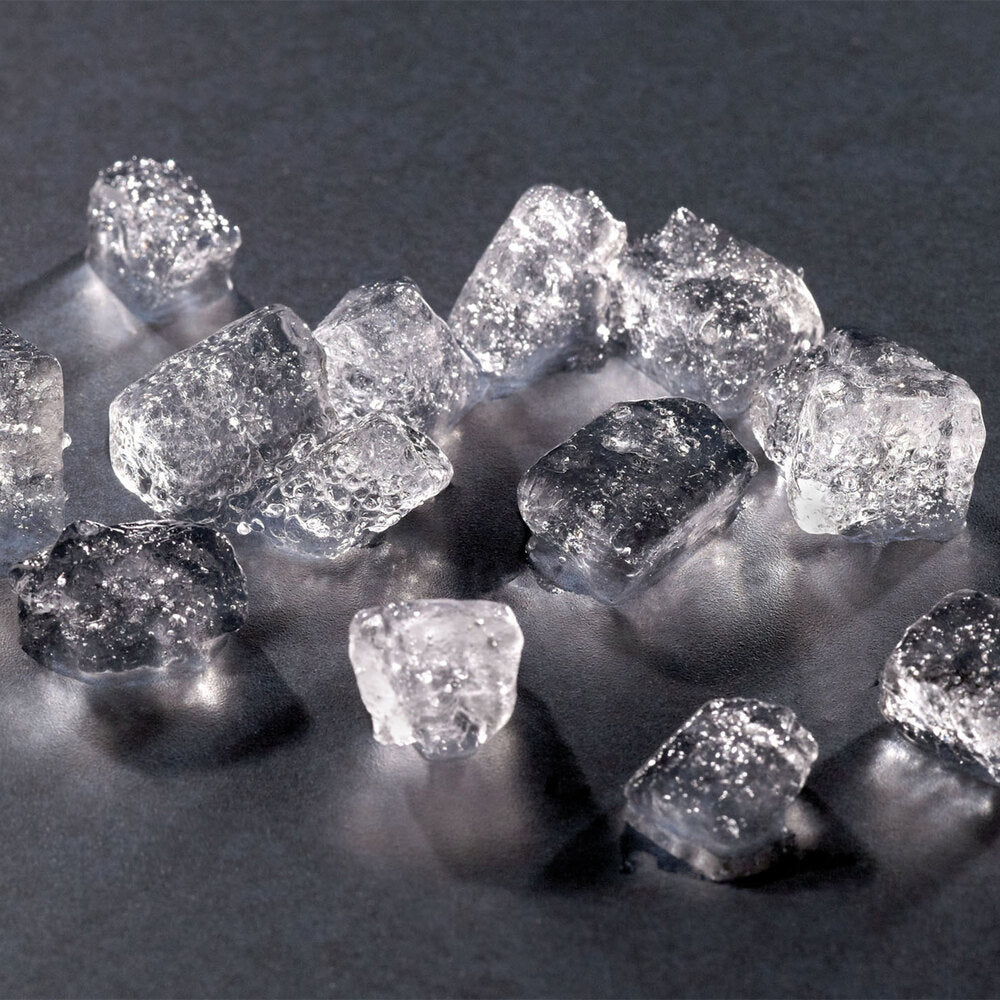
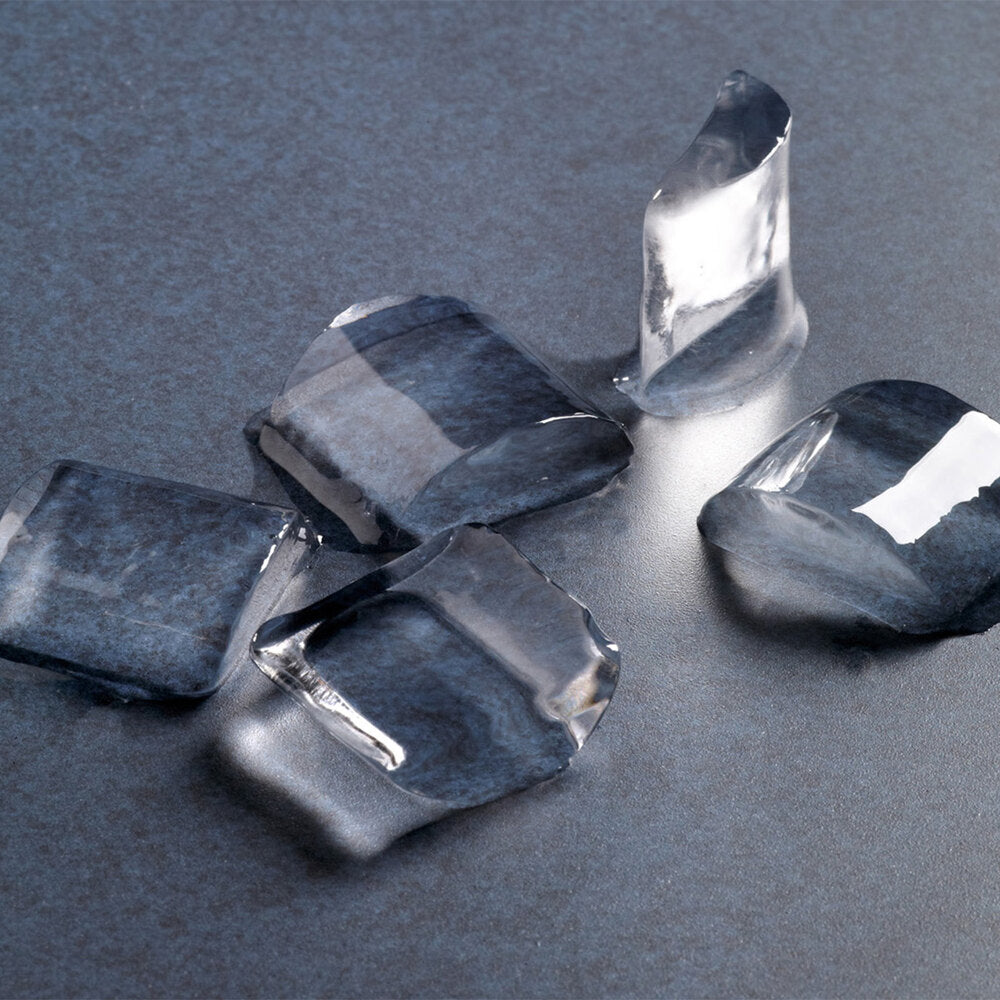
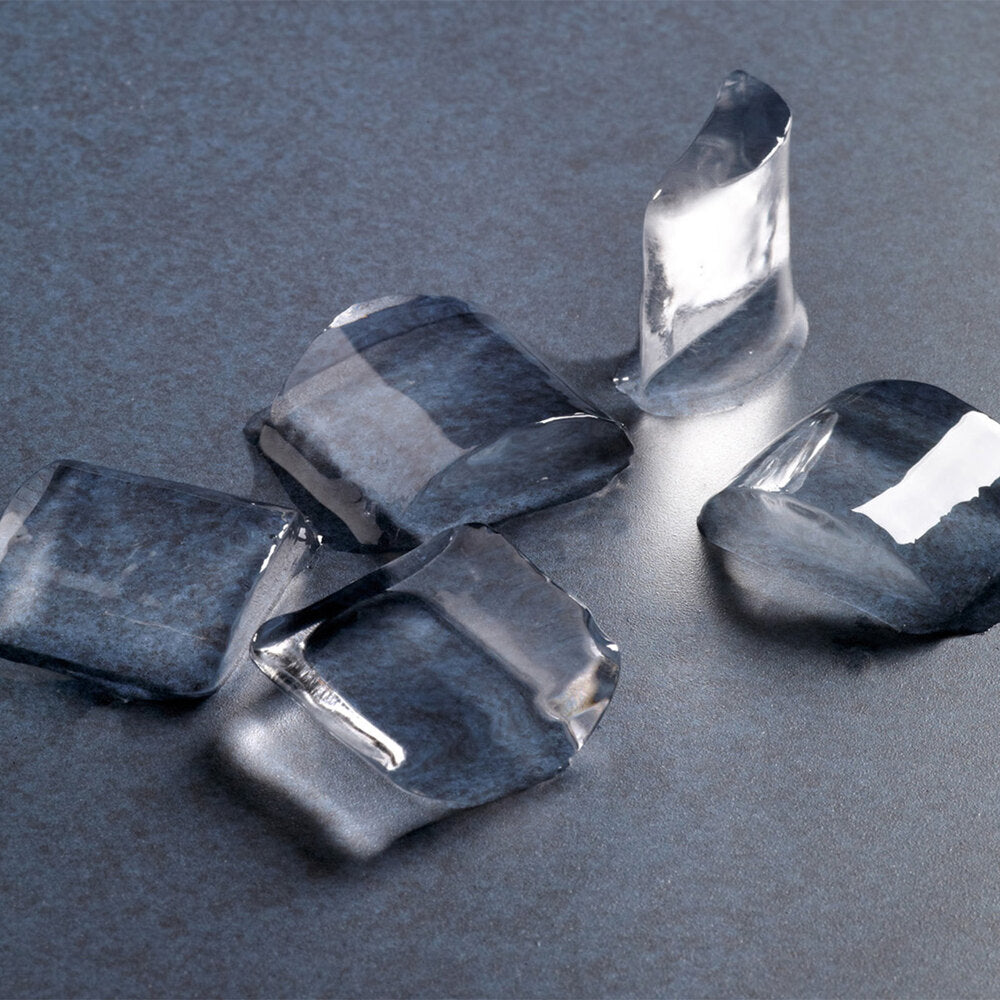
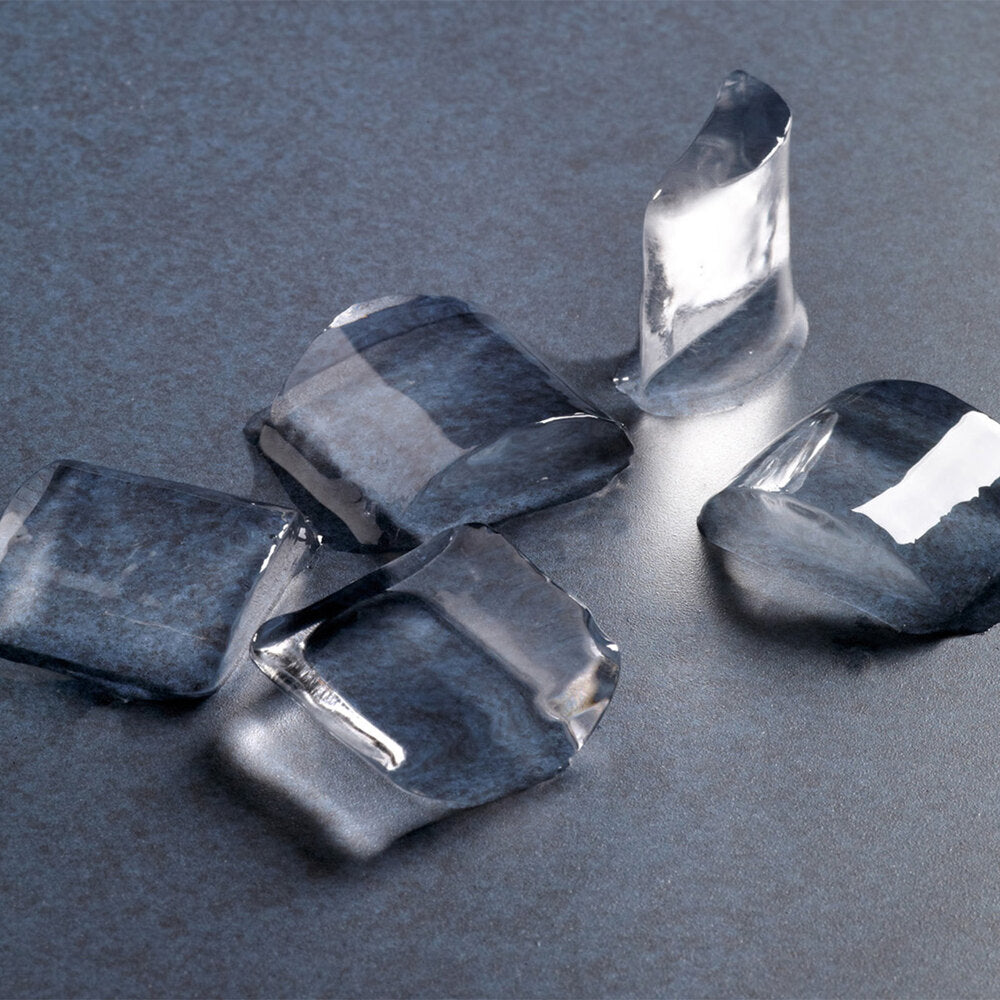
Half cube ice is one of the most versatile options for restaurants, bars, cafés, iced coffee, fountain drinks, and general beverage service. It fits easily into cups, displaces liquid well, and works for many everyday foodservice applications.
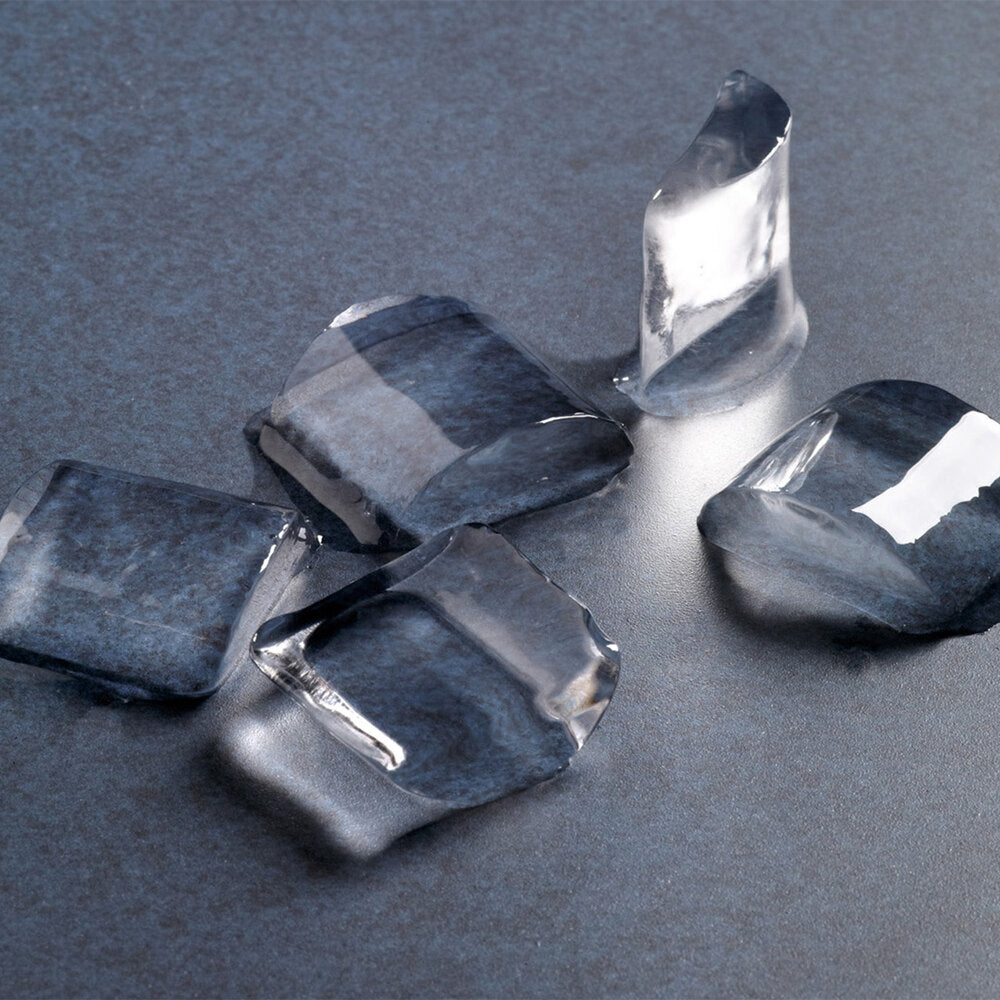
Full cube ice is often preferred for cocktails, premium drinks, and presentation-focused beverage service. Because it is larger, it melts more slowly and can help maintain drink quality for longer.
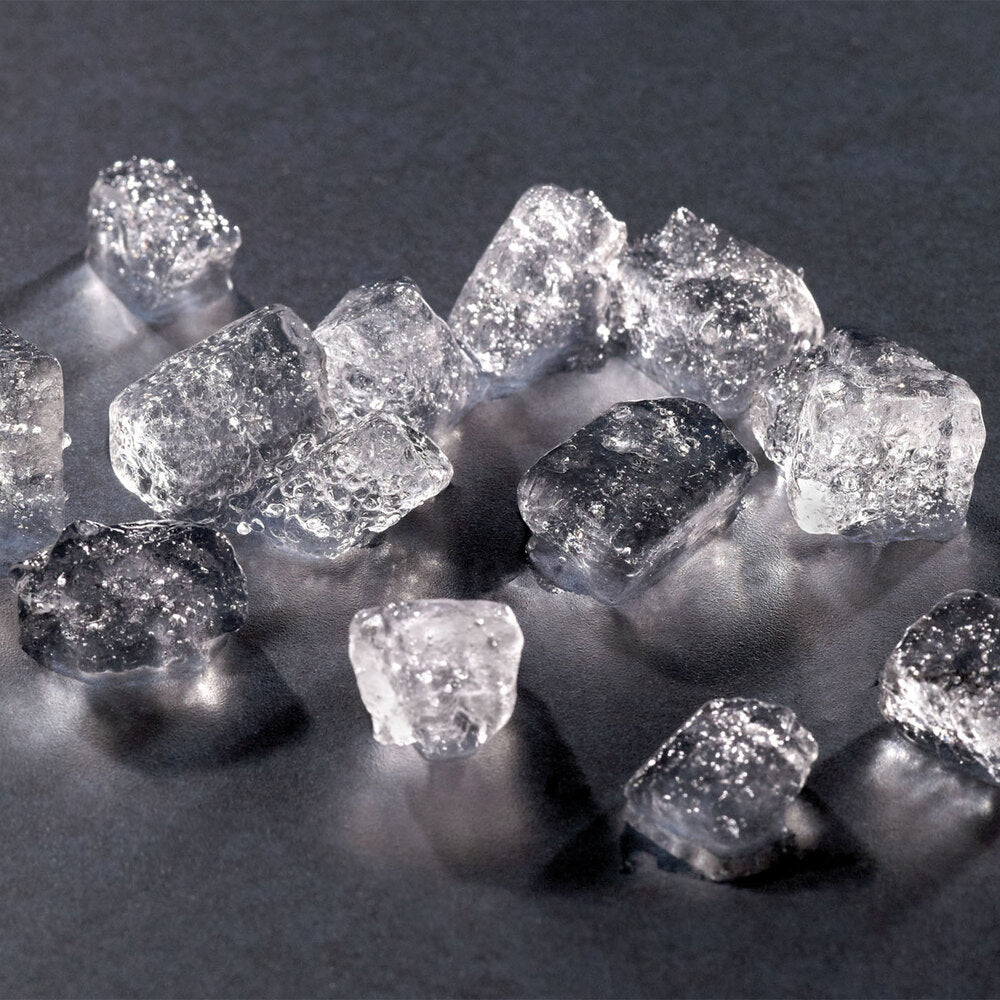
Nugget ice is soft, chewable, and popular for soft drinks, healthcare settings, convenience stores, and self-service beverage stations. It absorbs flavor well and is often chosen when customer experience is a major priority.
Flake ice is commonly used for seafood displays, produce displays, food presentation, and product preservation. It is soft, moldable, and useful when ice needs to surround or cover food items without damaging them.
Crescent ice is durable, slow-melting, and commonly used in beverage service and hospitality applications. It is a strong choice for businesses that want reliable ice with good cooling performance.
Guide
Capacity Guide
Commercial ice machines are rated by how many pounds of ice they can produce in a 24-hour period. Choosing the right production capacity is one of the most important steps because a machine that is too small may not keep up during peak hours, while an oversized machine may take up unnecessary space and cost more than needed.
Small cafés, offices, and breakrooms may only need a compact ice machine with lower daily production. Restaurants, bars, hotels, convenience stores, and supermarkets usually need higher-capacity models because ice is used throughout the day for beverages, food prep, displays, storage, and customer service.
As a general starting point, small operations may look at machines in the 80 to 250 lb per day range. Medium-volume restaurants and bars often need 250 to 500 lb per day. Hotels, supermarkets, seafood displays, and high-volume foodservice operations may need 500 lb per day or more.
Daily ice demand depends on your business type, menu, number of seats, drink volume, peak service hours, storage needs, and whether ice is used only for beverages or also for food display and prep. If you are unsure, it is better to compare your expected peak demand before choosing a model.
Guide
Installation Guide
Before buying a commercial ice machine, it is important to check your space, utilities, and installation requirements. Ice machines usually require a water line, proper drainage, electrical compatibility, ventilation clearance, and in many cases a water filter.
Start by confirming the voltage and electrical requirements of the model you are considering. Some commercial ice machines operate on standard 115V power, while higher-capacity units may require 208–230V service. Always make sure your location can support the machine before ordering.
Drainage is another important factor. Most ice machines need a floor drain or suitable drain connection. Some locations may also require a drain pump depending on where the machine is installed. If drainage is not planned correctly, the machine may not operate safely or efficiently.
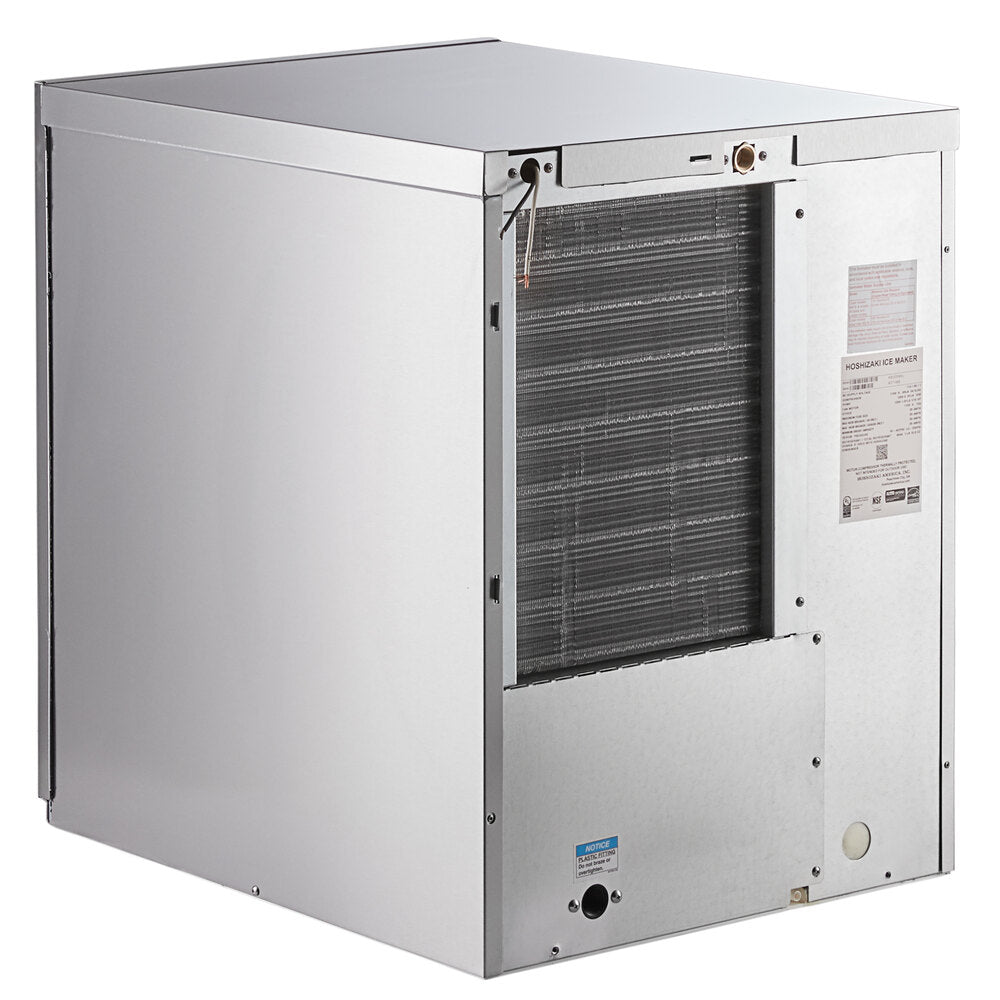
Ventilation also matters, especially for air-cooled ice machines. These units need enough clearance around the machine so heat can escape properly. Poor airflow can reduce production, increase energy use, and put stress on the equipment.
Water quality can affect ice clarity, taste, machine performance, and maintenance needs. A proper water filter can help protect the machine from scale buildup and improve the quality of the ice. Before ordering, check the machine type, ice production, bin compatibility, voltage, drain access, water line location, ventilation clearance, and delivery access.
The right ice machine keeps your business running without costly shortages.
Talk to our specialists and choose the best model for your daily ice demand.Call an Expert
Atlantic product support
Request a quote
Recently viewed
What to Know Before Buying a Commercial Ice Machine
Choosing the right commercial ice machine starts with understanding how much ice your business needs on its busiest days. A small café, office, or breakroom may only need a compact undercounter ice machine, while a busy restaurant, bar, hotel, supermarket, or convenience store may need a higher-capacity modular ice machine with a separate storage bin. Instead of choosing based only on average daily use, consider your peak service hours, beverage volume, customer traffic, and whether ice is also used for food display, prep, or product preservation. The next step is deciding which type of machine fits your space and workflow. Undercounter ice machines are self-contained units that usually include built-in storage, making them a practical choice for smaller spaces and point-of-service areas. Modular ice machines, also called ice machine heads, are designed for larger operations and typically need to be paired with a compatible ice storage bin or dispenser. If a product is listed as “head only” or “no bin,” make sure you select the correct storage bin before purchasing. Ice type is another important part of the buying decision. Half-cube ice is one of the most common choices for restaurants, bars, fountain drinks, iced coffee, and general beverage service. Full-cube ice melts more slowly and is often preferred for cocktails and premium drinks. Nugget ice is soft and chewable, making it popular in convenience stores, healthcare settings, and self-serve beverage stations. Flake ice is commonly used for seafood displays, produce, and food presentation. Cooling style also matters. Air-cooled commercial ice machines are the most common option because they are generally easier to install and use less water than water-cooled models. However, they need proper ventilation and clearance around the unit to perform efficiently. Water-cooled models may be considered for certain hot or airflow-restricted environments, but they typically use more water and may not be the best fit for every location. Before ordering, check the installation requirements carefully. Most commercial ice machines need a water line, drain access, proper electrical connection, and enough clearance for airflow and service. Some undercounter models may require a drain pump depending on where they are installed. A water filter is also strongly recommended to help improve ice quality, reduce scale buildup, and protect the machine over time. At Atlantic Restaurant & Supermarket Equipment, you can compare commercial ice machines by brand, production capacity, ice type, cooling style, storage option, and price. Whether you need a compact undercounter ice maker for a small bar or a high-volume modular ice machine for a restaurant, hotel, or supermarket, choosing the right model will help your operation maintain consistent ice production during daily service and peak demand.
How much ice does a commercial ice machine produce per day?
Commercial ice machines can produce anywhere from about 50 lb to over 1,000 lb of ice per day, depending on the model, size, and operating conditions. Smaller undercounter ice machines are often used for cafés, offices, small bars, and breakrooms, while larger modular ice machines are designed for restaurants, hotels, supermarkets, convenience stores, and other high-volume foodservice operations. Always compare the machine’s daily ice production rating with your peak demand, not just your average daily use.
What size commercial ice machine do I need for my business?
The right commercial ice machine size depends on your business type, beverage volume, seating capacity, peak hours, and whether you use ice for drinks, food display, seafood, catering, or back-of-house prep. Small cafés and offices may only need 80–150 lb of ice per day, while bars, restaurants, hotels, and convenience stores may need 250–500 lb or more. If your business has lunch or dinner rushes, outdoor seating, catering, or high drink volume, it is usually better to choose extra production capacity so you do not run out of ice during busy periods.
What is the difference between undercounter and modular ice machines?
Undercounter ice machines are compact, self-contained units that usually include built-in ice storage. They are a good choice for cafés, bars, offices, small restaurants, and locations with limited space. Modular ice machines, sometimes called ice machine heads, are designed for higher daily ice production and usually require a separate ice storage bin or dispenser. Modular models are commonly used in restaurants, hotels, supermarkets, convenience stores, and other high-volume commercial kitchens.
Do I need a separate ice storage bin?
It depends on the type of commercial ice machine you choose. Many undercounter ice machines include built-in storage, so a separate bin is usually not required. Modular ice machine heads typically do not include storage and must be paired with a compatible ice storage bin or dispenser. If a product is listed as “head only,” “modular,” or “no bin,” you will need to select the correct bin separately. Always check the product specifications before purchasing.
What is the difference between air-cooled and water-cooled ice machines?
Air-cooled ice machines use surrounding air to help remove heat from the refrigeration system. They are the most common choice for commercial kitchens because they are generally more efficient with water usage and easier to install in many locations. Water-cooled ice machines use water to help cool the system and may perform better in very hot rooms or areas with limited airflow. However, they typically use more water. For most restaurants, bars, cafés, and foodservice businesses, an air-cooled commercial ice machine is the standard choice.
What type of ice is best for restaurants and bars?
The best ice type depends on how your business serves drinks or displays food. Half-cube ice is one of the most popular choices for restaurants, bars, fountain drinks, iced coffee, and general beverage service because it chills drinks quickly and works well in many dispensers. Full-cube ice melts more slowly and is often preferred for cocktails and premium beverages. Nugget ice is soft and chewable, making it popular for soft drinks, healthcare, and convenience stores. Flake ice is commonly used for seafood, produce, and food display.
Do commercial ice machines need a floor drain?
Most commercial ice machines need a drain for melted ice, cleaning cycles, and normal operation. Larger modular ice machines usually require a nearby floor drain. Some undercounter ice machines may use a gravity drain, while others may need a drain pump depending on the installation location. Before ordering, check the product specifications and confirm that your space has the proper drainage setup. If you are unsure, consult a licensed plumber or qualified installer.
Can I install a commercial ice machine myself?
Some small undercounter ice machines may be simple to place in position, but most commercial ice machines require proper water, drain, electrical, and ventilation connections. Modular ice machines may also require a compatible ice bin, correct clearance, and professional setup. For safety, performance, and warranty protection, installation should usually be handled by a qualified technician, plumber, electrician, or refrigeration professional. Always follow the manufacturer’s installation instructions.
Should I use a water filter with my commercial ice machine?
Yes, a water filter is strongly recommended for most commercial ice machines. Proper water filtration can improve ice taste and clarity, reduce scale buildup, and help protect internal components. Water quality can also affect ice production, machine performance, and cleaning frequency. The right filter depends on your local water conditions and the manufacturer’s requirements. For best results, replace filters on schedule and follow the maintenance instructions for your machine.
How often should a commercial ice machine be cleaned?
Cleaning frequency depends on usage, water quality, environment, and manufacturer recommendations. Many commercial ice machines require deep cleaning and sanitizing every 3 to 6 months, but high-volume businesses may need more frequent maintenance. You should also inspect the machine regularly for scale buildup, slime, mineral deposits, clogged filters, and reduced ice quality. If the machine produces cloudy ice, unusual odors, or less ice than normal, it may need cleaning sooner.
Why is my ice machine not producing enough ice?
A commercial ice machine may produce less ice because of dirty condenser coils, poor airflow, clogged water filters, low water pressure, scale buildup, high room temperature, improper clearance, or a problem with the refrigeration system. Ice production can also drop if the machine is installed in a hot kitchen or if maintenance has been delayed. Start by checking the filter, airflow, water supply, and cleaning schedule. If the issue continues, contact a qualified service technician.
Where should I install a commercial ice machine?
A commercial ice machine should be installed in a clean, well-ventilated area with access to the correct electrical connection, water supply, and drain. Avoid placing the machine near high-heat equipment such as ovens, ranges, fryers, or dish machines, because excessive heat can reduce ice production. Make sure there is enough clearance around the unit for airflow, cleaning, and service access. The installation location should also be convenient for staff during daily operations.